• 10 Reasons to Remember…
  • A Brief Word About…
  • About
  • For One Week Only
  • Happy Birthday
  • Monthly Roundup
  • Old-Time Crime
  • Other Posts
  • Poster of the Week
  • Question of the Week
  • Reviews
  • Trailers

thedullwoodexperiment

~ Viewing movies in a different light

thedullwoodexperiment

Tag Archives: Alcohol

Songs My Brothers Taught Me (2015)

02 Saturday Mar 2019

Posted by dullwood68 in Movies

≈ 1 Comment

Tags

Alcohol, Catch Up movie, Chloé Zhao, Drama, Jashaun St. John, John Reddy, Lakota, Native Americans, Pine Ridge, Review, Taysha Fuller

D: Chloé Zhao / 90m

Cast: John Reddy, Jashaun St. John, Irene Bedard, Taysha Fuller, Eléonore Hendricks, Travis Lone Hill, George Dull Knife, Cat Clifford, Kevin Hunter, Justin Reddy, Alan Reddy, Derrick Janis, Dakota Brown

Johnny Winters (Reddy) and his younger sister, Jashaun (St. John), live with their mother, Lisa (Bedard), on the Pine Ridge Indian Reservation in South Dakota. Although he’s in high school and on the verge of graduating, Johnny sells illegal alcohol to other residents on the reservation in order to help support his immediate family (his father, Carl, has had many wives and children in the past, and now lives with another of his families). But even though he’s doing what he can to care for Jashaun and his mother, Johnny is planning to move to Los Angeles with his girlfriend, Aurelia (Fuller), when she begins college there. When his father dies in a house fire, Johnny begins to find that his life isn’t quite as clear cut as he’d like: he runs afoul of the organised bootleggers on the reservation, Jashaun discovers his plan to move to L.A., Aurelia appears reluctant to tell her family about their being together, while his older brother, Cody (Justin Reddy), who’s in prison, pushes him to leave with or without her…
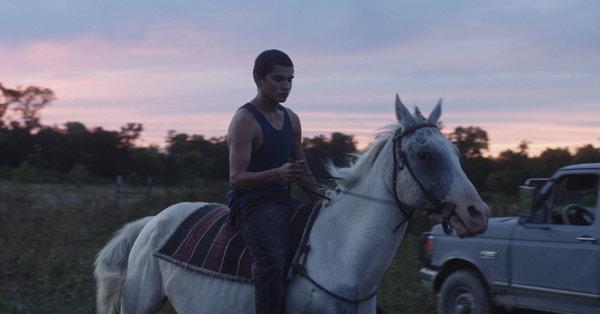
A perceptive and convincing look at the trials and obstacles that can obstruct young Native Americans from finding their place in the world – either on a reservation or away from one – Songs My Brothers Taught Me is a melancholy, and largely pessimistic debut feature from writer/director Zhao, and one that paints a sad portrait of life in general at Pine Ridge. Zhao, who spent four years making the movie, and who got to know the residents of Pine Ridge (many of whom appear in the movie  as fictionalised versions of themselves), focuses on the age-old question: why stay in a place that offers so little? Johnny wants a better life for himself, but has no clear idea of how he’s going to achieve this. Going to L.A. with Aurelia seems like the perfect choice, but Johnny hasn’t thought about where he’ll live, or what he’ll do for money. And his relationship with Aurelia doesn’t feel as if it’s strong enough to survive away from the reservation. Distributing alcohol gives him something to do, as well as an income, but the cruel dependency it has created amongst his fellow Lakota tribespeople only adds to his determination to leave.

Zhao tackles all this on a micro-budget, but imbues her telling narrative with a brooding atmosphere that’s punctuated by the presence of far-off lightning storms, and in one startling moment, a line of fire crossing the Badlands that feels apocalyptic. It’s all beautifully shot by DoP Joshua James Richards, and the landscape acts as a potent backdrop to the narrative: austere and harsh in places, yet still offering both a respite and a promise of escape from the hardship and the adversity that hampers so many lives. The performances of Reddy and St. John are remarkable, with much of their combined story drawn from events in their real lives (the scene where Jashaun retrieves items from her father’s burnt-out house takes place on the site of her own childhood home, which burnt down during production). There’s an honesty about their portrayals that shines through as a result, and however rough and ready they may be at times when required to “act”, that self-same honesty makes those times all the more credible and affecting. Zhao’s debut is also remarkable for its intelligence and its commitment to telling its story with tenderness, sincerity, and a non-judgmental approach that gives the material an almost documentary feel to it. At times both poetic and heartbreaking, this is a movie that is quiet yet stirring, and reticent yet intensely emotional.

Rating: 8/10 – with its exploration of the problems affecting the Lakota people at Pine Ridge, and its portrait of a community in cultural and social crisis, Songs My Brothers Taught Me allows moments of hope to shine through amongst all the pessimism (which can’t be avoided); lyrical in places, and offering breathtaking views of the South Dakota Badlands, Zhao’s debut is important too, as it shines a light on a corner of America that rarely recieves such illuminating attention.

Share this:

  • Click to share on X (Opens in new window) X
  • Click to share on Facebook (Opens in new window) Facebook
  • More
  • Click to print (Opens in new window) Print
  • Click to email a link to a friend (Opens in new window) Email
Like Loading...

Henry Gamble’s Birthday Party (2015)

27 Friday Jul 2018

Posted by dullwood68 in Movies

≈ Leave a comment

Tags

Alcohol, Birthday party, Christianity, Cole Doman, Comedy, Drama, Elizabeth Laidlaw, Homosexuality, Nina Ganet, Pat Healy, Religious values, Review, Stephen Cone

D: Stephen Cone / 86m

Cast: Cole Doman, Pat Healy, Elizabeth Laidlaw, Nina Ganet, Daniel Kyri, Joe Keery, Mia Hulen, Kelly O’Sullivan, Francis Guinan, Patrick Andrews

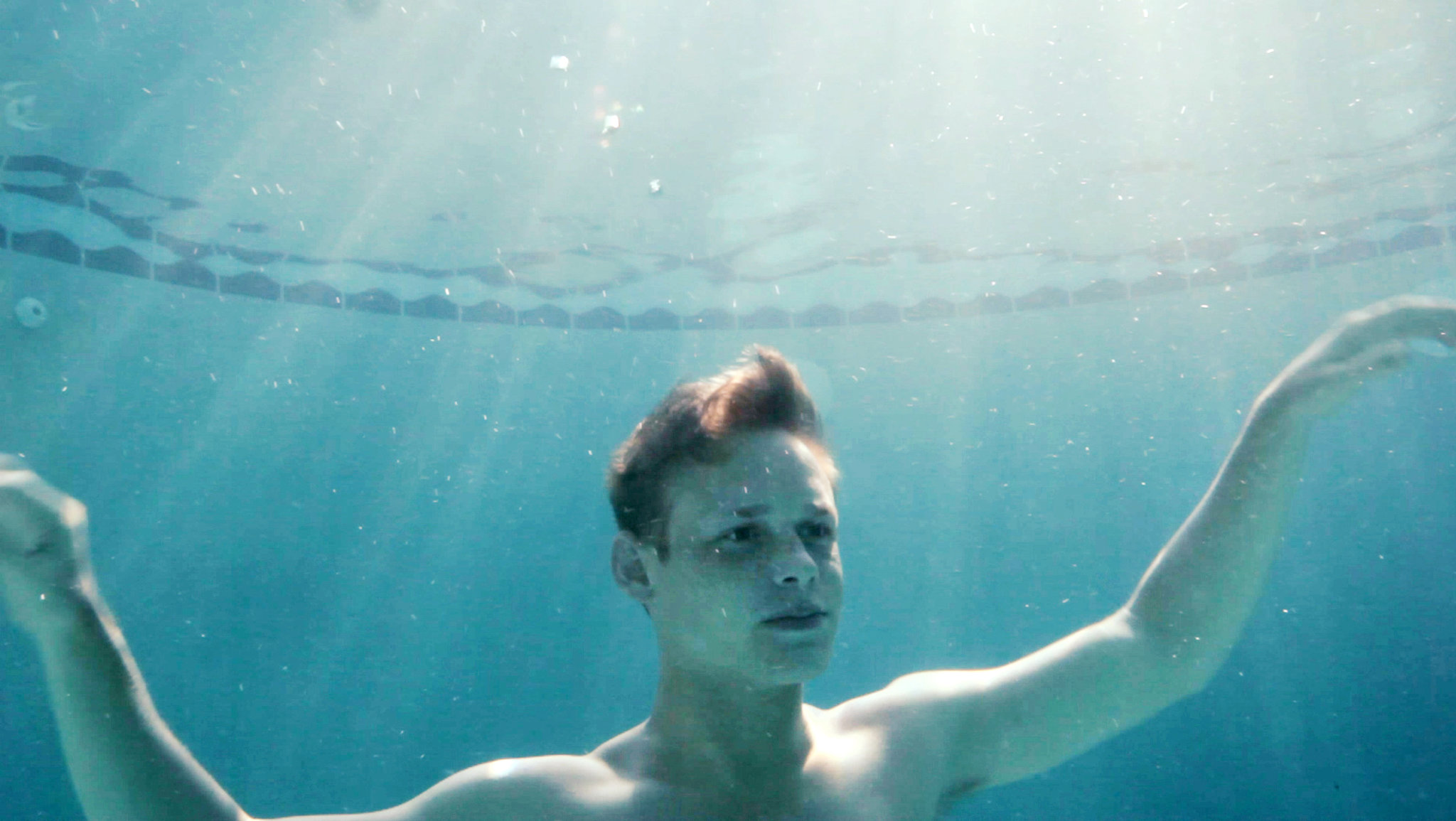
For Henry Gamble (Doman), becoming seventeen means having a birthday party with all his friends invited, and a smattering of adults, including of course, his parents, Bob (Healy) and Kat (Laidlaw). His sister, Autumn (Ganet), is there too, back from college for a break. Becoming eighteen also means continuing to deal with his attraction for best friend Gabe (Keery), while avoiding the attentions of Logan (Kyri) who is attracted to Henry. And that’s without the attentions of Emily (Hulen), who’s also attracted to him. And as if that’s not enough to be getting on with, Henry’s father is the local pastor, so he has to deal with his religious upbringing as well. But Henry isn’t the only one with problems. As the day unfolds, relationships are tested, secrets are revealed, and hard decisions are made – not just by Henry but by some of his friends and even some of the adults. By the day’s end, few of Henry’s guests will remain unaffected by the events of the party, and few will forget the shocking incident that brought it to a close…

Fans of the coming-of-age sub-genre of teen movies will no doubt take to Henry Gamble’s Birthday Party like his guests take to the swimming pool they spend most of their time in. It’s an amiable movie, perfectly likeable, but a tad underdeveloped on the drama front, aiming as it does to be quietly observant of its characters’ hopes and fears instead of putting them through anything like an emotional wringer. It’s a laidback approach for the most part, with writer-director Stephen Cone opting for a (mostly) genial approach to the material, while throwing in the occasional slice of unexpected melodrama at odd moments, such as when Autumn freaks out – and it’s a serious freak out – when her ex-boyfriend shows up. These attempts to break up the languid flow of the proceedings come across as sudden, unnecessary lurches in tone rather than an organic consequence of what’s gone before, and Cone can only revert back to the genial approach he’s committed to once they’re over. There’s plenty of drama to be had from the basic set up and the secrets that Cone reveals as the party goes on, but by downplaying much of it, it’s hard to become too emotionally invested in the outcomes.

The religious backdrop proves to be more of a device than an active ingredient, and though it gets more than its fair share of attention, Henry doesn’t really seem to be bothered by the possible ramifications of being gay in a Christian community (and he has no idea that the rest of his family have their own issues). Again, this makes the movie less impactful than it should be, and a handful of concomitant issues such as incipient alcoholism, ostracism, emotional abuse, and peer pressure are raised, only for Cone to avoid following through on them. In the end, the movie provokes more questions than it has answers for, and though that might have been Cone’s intention, it leaves the viewer somewhat abandoned in terms of their involvement in the characters’ lives. The performances do a lot to rescue things, with Healy and Laidlaw particularly persuasive as Henry’s parents, a couple with a lot to discuss but unable to do so, and the young cast of relative unknowns prove well chosen for their roles, with newcomer Doman ensuring Henry comes across as a sweet-natured but sometimes oblivious teenager only just beginning to trust the decisions he’s making – like most of us at that age.

Rating: 6/10 – being only moderately successful at making the trials and tribulations of its characters of interest to the viewer, Henry Gamble’s Birthday Party is a lightweight concoction that struggles to expand on a number of relevant points, and which is too simplistic for its own good; the ensemble cast work well together, and there’s some good close up work by cinematographer Jason Chiu, but Cone’s script needed a greater sense of purpose in order for more of his movie to work effectively.

Share this:

  • Click to share on X (Opens in new window) X
  • Click to share on Facebook (Opens in new window) Facebook
  • More
  • Click to print (Opens in new window) Print
  • Click to email a link to a friend (Opens in new window) Email
Like Loading...

Amy (2015)

24 Sunday Jan 2016

Posted by dullwood68 in Movies

≈ Leave a comment

Tags

Alcohol, Amy Winehouse, Archival footage, Asif Kapadia, Back to Black, Blake Fielder-Civil, Career, Documentary, Drugs, Frank, Grammy's, Mitch Winehouse, Review, Singer, Tony Bennett

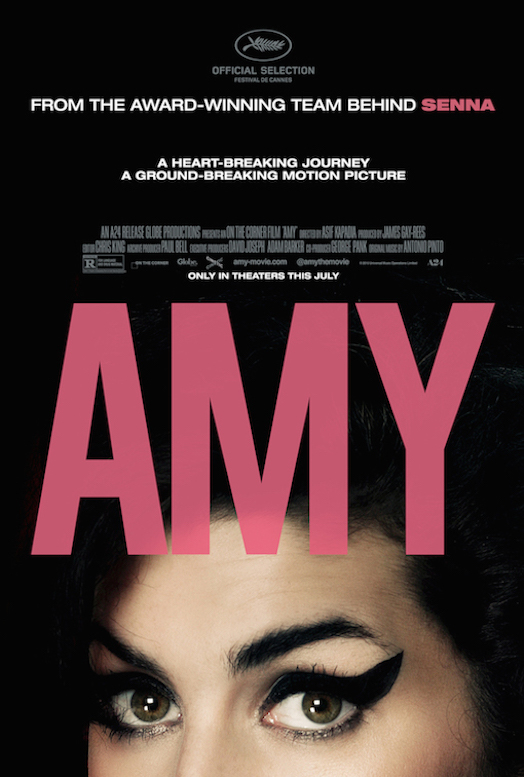
Amy

D: Asif Kapadia / 128m

With: Amy Winehouse, Juliette Ashby, Nick Shymansky, Mitch Winehouse, Blake Fielder-Civil, Lauren Gilbert, Sam Beste, Raye Cosbert, Andrew Morris, Lucian Grainge, Tyler James, Yasiin Bey

One of the most talented singers of her generation, Amy Winehouse “arrived” on the music scene in 2003 with the release of her first album, Frank. Eight years later she was dead from alcohol poisoning. She was in the public eye so often, and so often for the wrong reasons, that a lot of people felt they knew her. Unable to deal with the fame and fortune she so justly deserved, she retreated into a life of alcohol and drug addiction and repeated, unsuccessful attempts to throw off the demons that plagued her. One of her idols, Tony Bennett, said of her, “she was the only singer that really sang what I call ‘the right way’ because she was a great jazz-pop singer”. But why did she die at the age of twenty-seven, alone and with only her bodyguard checking on her occasionally?

Sadly, Amy doesn’t provide any answers. Nor does it probe too deeply into why the singer had such an addictive personality, or why she had been bulimic for most of her life (a topic which is mentioned partway through then dropped as a point of fact that needs no further investigation). It also fails to explore the differences between Amy Winehouse the world-famous singer/celebrity, and Amy Winehouse the private person. While there are times when her friends and family comment on her behaviour, and there’s a large amount of regret that can be felt, no one seems to have really known what made Amy tick during those brief eight years when she was so well known and so highly regarded.

Amy - scene3

The reason that Amy fails to do this is partly due to the very cleverly constructed way in which it recounts Amy’s life, charting her teenage home life and early success with Frank, through to her increasing use of drugs and her alcohol dependency before the further success of Back to Black. From there the pressures associated with such an unexpected and meteoric rise were compounded by her poor choice of partner – step forward, Blake Fielder-Civil – and the lack of support gained from her family, in particular her father, Mitch, whose lack of empathy for his daughter is incredible to witness. All this led to repeated, and entirely predictable relapses following stays in various rehab clinics. With no one attempting to deal with her bulimia – or get her to – Amy’s health was so compromised by 2011 that those close enough to her knew that her drinking would eventually kill her.

But Amy is effectively reportage, a trawl through the singer’s life that relies on a great deal of archival footage of Amy and her friends, Amy and her working relationships, Amy on stage, Amy in the public eye, and the contributions of many of the people who knew her personally and worked with her professionally. And while some of the early, pre-Frank footage is beguiling to watch, and fascinating in a morbid way (knowing how she would look in later life), the later footage, once her demons have made themselves felt, leads the movie into darker, more disturbing territory. It’s at this point that Amy moves away from bittersweet reflection and becomes a rehash of the public and private life we all saw develop over those eight years. We see the public appearances where she seems overawed and/or overwhelmed, the sight of someone with the light in their eyes slowly dying out, and we gain the sad realisation that this person’s life can only end in tragedy.

Amy - scene2

Did we always know this? Certainly Amy’s friends knew this, and it’s likely that her colleagues in the music industry knew this, and the movie, while not pointing any fingers directly (or with any intention of doing so), does however make one thing clear: no one did enough to stop it. Her friends stepped away because they couldn’t bear to watch her destroy herself, and her record company wouldn’t work with her unless she was clean (reasonable in itself but for Amy an ultimatum she was never going to achieve, not in the long-term). In the end, that’s why Amy died alone and with only her bodyguard occasionally checking in on her: she had nobody she could rely on to protect her.

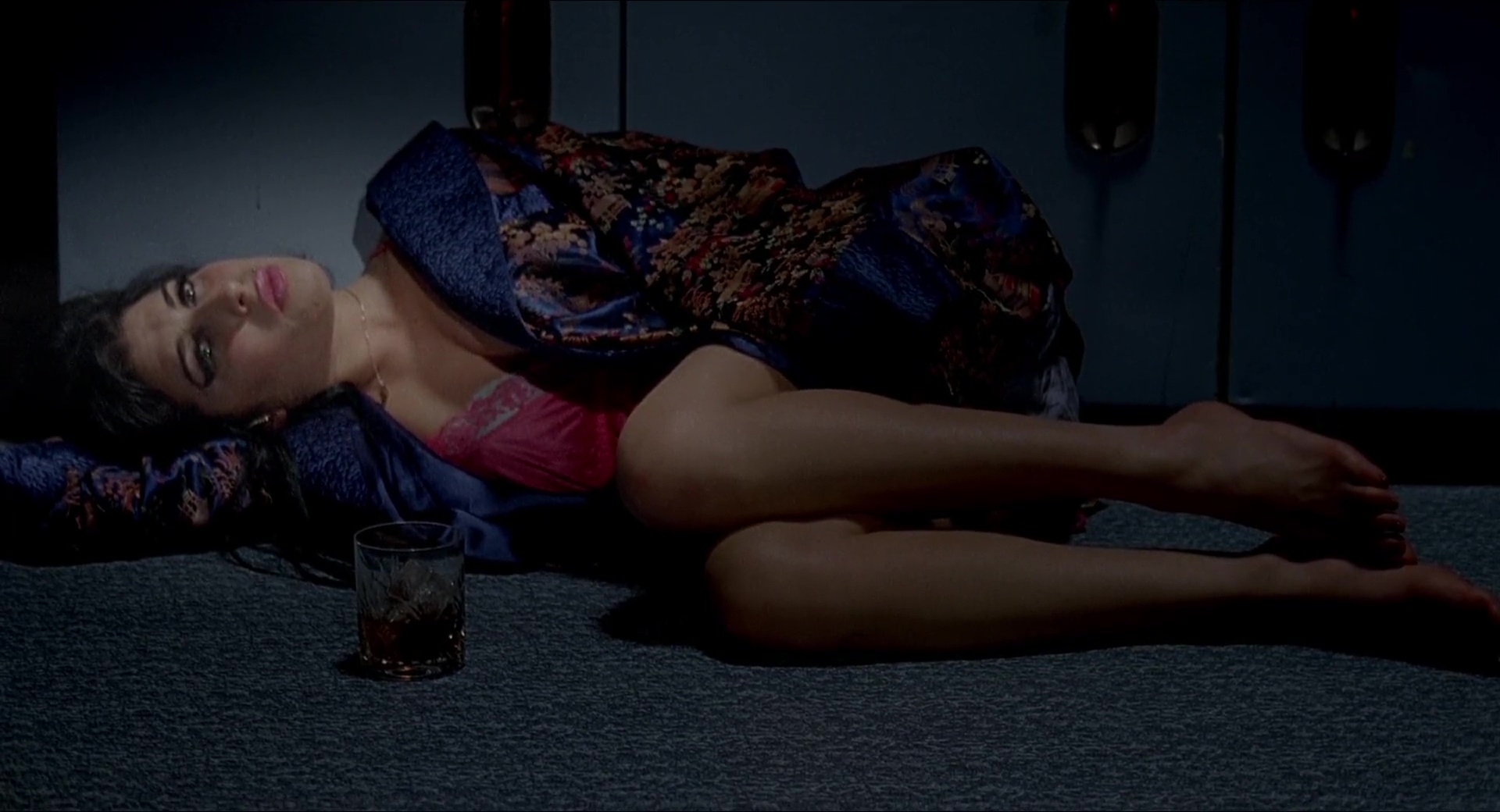
The sadness and the largely unavoidable tragedy of all this is brought out by Kapadia’s firm control over the movie’s content, and while some people, particularly Mitch Winehouse, have subsequently decried Amy as having produced “an inaccurate narrative of Amy’s story”, there’s little doubt that in the last three years of her life, when her problems became insurmountable, that she was desperately unhappy and struggling to find direction in her life. You can see this illustrated best when she’s seen recording a duet with Tony Bennett, one of her life-long idols. The confidence that has seen her give outstanding vocal performances time and time again has deserted her; she keeps apologising for getting things wrong. Bennett continually reassures her but you can see from her eyes that Amy isn’t convinced; when the session is done, you can see how relieved she is that she’s got through it all. It’s moments like these, when she clearly wants to be at her best, but her best is too far away for her to grasp, that prove the most disturbing and the most upsetting.

Amy - scene1

Could Amy Winehouse have conquered her demons and still be making great records today? We’ll never know, but one thing we can be sure of: her short career gave us many wonderful recordings, and it’s these lasting treasures by which we should remember her, not as the drunk, confrontational, tragically lost figure she was in her last few years. She was talented, incredibly so, and Amy reminds us of that constantly, even as it charts her downward spiral. She was always about the music, always about the irresistable pull of it, and thanks to Kapadia’s inclusion of several of her most iconic and meaningful songs, Amy is still a reminder of just how talented she was, and how much she will be missed.

Rating: 8/10 – a fascinating documentary that tells a fascinating story, even if we think we’ve seen it all before, Amy mixes archival footage of the singer along with candid commentaries from the people who knew and worked with her to create a devastatingly human story of tragedy borne out of success; that it doesn’t make judgments (except very cleverly) or arrive at any conclusions are the only things that stop this from being any better than it already is.

Share this:

  • Click to share on X (Opens in new window) X
  • Click to share on Facebook (Opens in new window) Facebook
  • More
  • Click to print (Opens in new window) Print
  • Click to email a link to a friend (Opens in new window) Email
Like Loading...

American: The Bill Hicks Story (2009)

14 Saturday Mar 2015

Posted by dullwood68 in Movies

≈ 1 Comment

Tags

Alcohol, Bill Hicks, Biography, Cancer, Comedy, Documentary, Drugs, Dwight Slade, Matt Harlock, Paul Thomas, Review, Stand up comedy

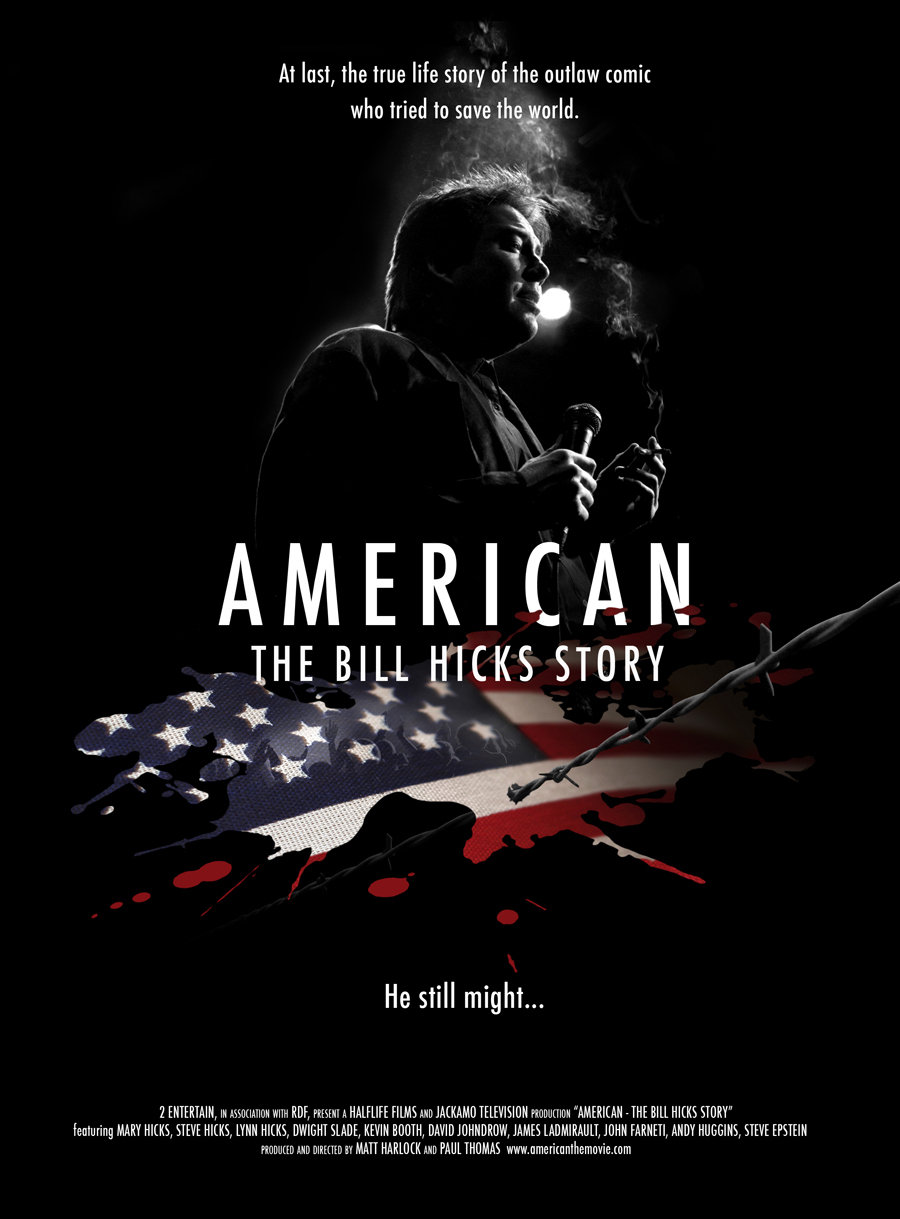
American The Bill Hicks Story

D: Matt Harlock, Paul Thomas / 102m

Bill Hicks, Dwight Slade, Mary Hicks, Steve Hicks, Lynn Hicks, Kevin Booth, James Ladmirault, David Johndrow, John Farneti, Andy Huggins, Steve Epstein

From an early age growing up in Houston, Texas, it seems that Bill Hicks knew he wanted to be a comedian. At the age of thirteen he joined forces with his friend, Dwight Slade, and they started writing comedy material together. At fifteen, they snuck out of their homes to attend an open mic evening at the Comedy Workshop – and were a hit. But then Slade had to move away, leaving Hicks to build a career for himself.

He acquitted himself well on the comedy circuit, but early signs of alcohol abuse became more prevalent – and obvious – as Hicks used drinking in his act. While this allowed his true comic persona to show through, it lead to his addiction to cocaine, and a period in which his career virtually stalled. His initial promise, and fame, waned and it wasn’t until the late Eighties that he put his addictions behind him (though he continued to chain smoke throughout the rest of his life, even incorporating into his act). In 1990, Hicks’ career took an upturn when he appeared at the Montreal Just for Laughs festival. And later in the same year he appeared for the first time in the UK, where his brand of confrontational comedy caught on with audiences in a way that had never happened with US audiences; in short, they got him.

Hicks’ reputation increased off the back of his time in the UK, but even with such a boost he was still an acquired taste in the US. In 1993, he was scheduled to appear on Late Night with David Letterman, but his entire performance was cancelled from the show because the producers felt the content – which included references to the anti-abortion movement and religion – was unsuitable (the routine was finally aired on the show in 2009, and can be seen here). By this time, however, Hicks had been diagnosed with pancreatic cancer, which had also spread to his liver. He kept it quiet, but began joking that each performance he gave might be his last. He died in February 1994, aged just thirty-two, but he remains one of the most popular, and influential, comedians of the last twenty-five years.

American The Bill Hicks Story - scene

If you’ve never seen any of Bill Hicks’ stand up routines, or watched one of his live videos, then it’s difficult to understand just how good a comedian he was. He used his keen intelligence and acerbic wit to poke fun at US mainstream society and its relation to politics, religion, consumerism, and state controls. He was often vitriolic in his routines and unflaggingly dismissive of social apathy, refusing to accept that as one audience member once said, “We don’t come to comedy to think!” If you were in the audience at one of his gigs, you had to be ready to be challenged, and not in a softly, softly way either; Hicks was uncompromising.

In telling his story, from his early life growing up in Houston, through to his final gig in January 1994, American: The Bill Hicks Story picks out the highs and lows of Hicks’ life and career, and paints a portrait of a man who left behind an indelible body of work, and who was taken from us too soon. The movie benefits from the involvement of his family: mother Mary, sister Lynn, and brother Steve, all of whom speak candidly about Hicks and his various battles with addiction, as well as the effect these had on his career. Hicks also spoke about these issues in his routines (though he remained an advocate of LSD, psychedelic mushrooms and marijuana), and he did so candidly; it’s somehow reassuring to learn that his family are the same. With their honest, heartfelt contributions, the movie is able to acknowledge Hicks as a troubled individual, but also one who was able to deal with it all, and use it as a tool to inform and educate his audiences.

Co-directors Harlock and Thomas have done a great job in assembling the various interviews that pepper the movie and give it a great deal of balance throughout. There are dozens of clips of Hicks doing what he did best, and they’ve been chosen with obvious care – one montage of Hicks accepting or having a drink onstage shows just how bad his addiction was. There’s plenty of archival footage of Hicks growing up, and the makers have adopted a graphic animated style to the material that keeps things interesting away from Hicks’ routines, and often proves inventive. Using cut-outs and graphic overlays, the movie is visually engaging and compelling, and although some viewers may have trouble keeping up with who’s providing the voice over at any given time, it doesn’t detract from the overall effectiveness of the material.

Hicks, like Lenny Bruce before him, was unafraid to challenge the establishment, and his disillusion and anger towards the powers that be are given full expression, and allow the viewer to see the passion Hicks displayed on stage. Whether or not the movie is entirely successful in showing the man behind the comedian is open for debate, as Hicks’ private life is barely touched upon unless it involves his family (for example there’s no mention of a girlfriend, or indeed, any kind of significant other), or the friends he made on the comedy circuit in Texas. But the movie’s focus is clearly on Hicks the comedian rather than Hicks the private individual, and as such, works supremely well at providing a fitting eulogy for a man who once said, “Do I have a message? Yes, I do. Here’s my message: as scary as the world is – and it is – it is merely a ride…”

Rating: 8/10 – an enjoyable, affectionate look back over the life of one of America’s finest – if not fully appreciated – comedians, American: The Bill Hicks Story is a worthy endorsement of Hicks’ life and career; by turns funny, sad, poignant and moving, but above all funny, the movie is a celebration that is both imaginative and sincere.

Share this:

  • Click to share on X (Opens in new window) X
  • Click to share on Facebook (Opens in new window) Facebook
  • More
  • Click to print (Opens in new window) Print
  • Click to email a link to a friend (Opens in new window) Email
Like Loading...

Blog Stats

  • 486,528 hits

Recent Posts

  • 10 Reasons to Remember Bibi Andersson (1935-2019)
  • Fantasia (1940)
  • Dances With Wolves (1990) – The Special Edition
  • Kiss of the Spider Woman (1985)
  • The Three Musketeers (1973)

Top Posts & Pages

  • Lost for Life (2013) - Another Look
    Lost for Life (2013) - Another Look
  • Lost for Life (2013)
    Lost for Life (2013)
  • About
    About
  • Mr. Topaze (1961)
    Mr. Topaze (1961)
  • Billy Lynn's Long Halftime Walk (2016)
    Billy Lynn's Long Halftime Walk (2016)
  • Winter's Tale (2014)
    Winter's Tale (2014)
  • The Hitman's Bodyguard (2017)
    The Hitman's Bodyguard (2017)
  • 5 Famous Movie Roles That Nearly Went to Someone Else
    5 Famous Movie Roles That Nearly Went to Someone Else
  • The Layover (2017)
    The Layover (2017)
  • Transcendence (2014)
    Transcendence (2014)
Follow thedullwoodexperiment on WordPress.com

Blogs I Follow

  • Rubbish Talk
  • Film 4 Fan
  • Fast Film Reviews
  • The Film Blog
  • All Things Movies UK
  • Interpreting the Stars
  • Let's Go To The Movies
  • Movie Reviews 101
  • TMI News
  • Dan the Man's Movie Reviews
  • Film History
  • Jordan and Eddie (The Movie Guys)

Archives

  • April 2019 (13)
  • March 2019 (28)
  • February 2019 (28)
  • January 2019 (32)
  • December 2018 (28)
  • November 2018 (30)
  • October 2018 (29)
  • September 2018 (29)
  • August 2018 (29)
  • July 2018 (30)
  • June 2018 (28)
  • May 2018 (24)
  • April 2018 (21)
  • March 2018 (31)
  • February 2018 (25)
  • January 2018 (30)
  • December 2017 (30)
  • November 2017 (27)
  • October 2017 (27)
  • September 2017 (26)
  • August 2017 (32)
  • July 2017 (32)
  • June 2017 (30)
  • May 2017 (29)
  • April 2017 (29)
  • March 2017 (30)
  • February 2017 (27)
  • January 2017 (32)
  • December 2016 (30)
  • November 2016 (28)
  • October 2016 (30)
  • September 2016 (27)
  • August 2016 (30)
  • July 2016 (30)
  • June 2016 (31)
  • May 2016 (34)
  • April 2016 (30)
  • March 2016 (30)
  • February 2016 (28)
  • January 2016 (35)
  • December 2015 (34)
  • November 2015 (31)
  • October 2015 (31)
  • September 2015 (34)
  • August 2015 (31)
  • July 2015 (33)
  • June 2015 (12)
  • May 2015 (31)
  • April 2015 (32)
  • March 2015 (30)
  • February 2015 (37)
  • January 2015 (39)
  • December 2014 (34)
  • November 2014 (34)
  • October 2014 (36)
  • September 2014 (25)
  • August 2014 (29)
  • July 2014 (29)
  • June 2014 (28)
  • May 2014 (23)
  • April 2014 (21)
  • March 2014 (42)
  • February 2014 (38)
  • January 2014 (29)
  • December 2013 (28)
  • November 2013 (34)
  • October 2013 (4)

Blog at WordPress.com.

Rubbish Talk

Film 4 Fan

A Movie Blog

Fast Film Reviews

The Film Blog

The official blog of everything in film

All Things Movies UK

Movie Reviews and Original Articles

Interpreting the Stars

Dave Examines Movies

Let's Go To The Movies

Film and Theatre Lover!

Movie Reviews 101

Daily Movie Reviews

TMI News

Latest weather, crime and breaking news

Dan the Man's Movie Reviews

All my aimless thoughts, ideas, and ramblings, all packed into one site!

Film History

Telling the story of film

Jordan and Eddie (The Movie Guys)

Movie Reviews & Ramblings from an Australian Based Film Fan

Privacy & Cookies: This site uses cookies. By continuing to use this website, you agree to their use.
To find out more, including how to control cookies, see here: Cookie Policy
  • Subscribe Subscribed
    • thedullwoodexperiment
    • Join 481 other subscribers
    • Already have a WordPress.com account? Log in now.
    • thedullwoodexperiment
    • Subscribe Subscribed
    • Sign up
    • Log in
    • Report this content
    • View site in Reader
    • Manage subscriptions
    • Collapse this bar
 

Loading Comments...
 

    %d