• 10 Reasons to Remember…
  • A Brief Word About…
  • About
  • For One Week Only
  • Happy Birthday
  • Monthly Roundup
  • Old-Time Crime
  • Other Posts
  • Poster of the Week
  • Question of the Week
  • Reviews
  • Trailers

thedullwoodexperiment

~ Viewing movies in a different light

thedullwoodexperiment

Tag Archives: Francis Ford Coppola

Seduced and Abandoned (2013)

04 Thursday Dec 2014

Posted by dullwood68 in Movies

≈ Leave a comment

Tags

Alec Baldwin, Bernardo Bertolucci, Cannes Film Festival, Documentary, Financing, Francis Ford Coppola, Funding, James Toback, Last Tango in Tikrit, Martin Scorsese, Review, Ryan Gosling
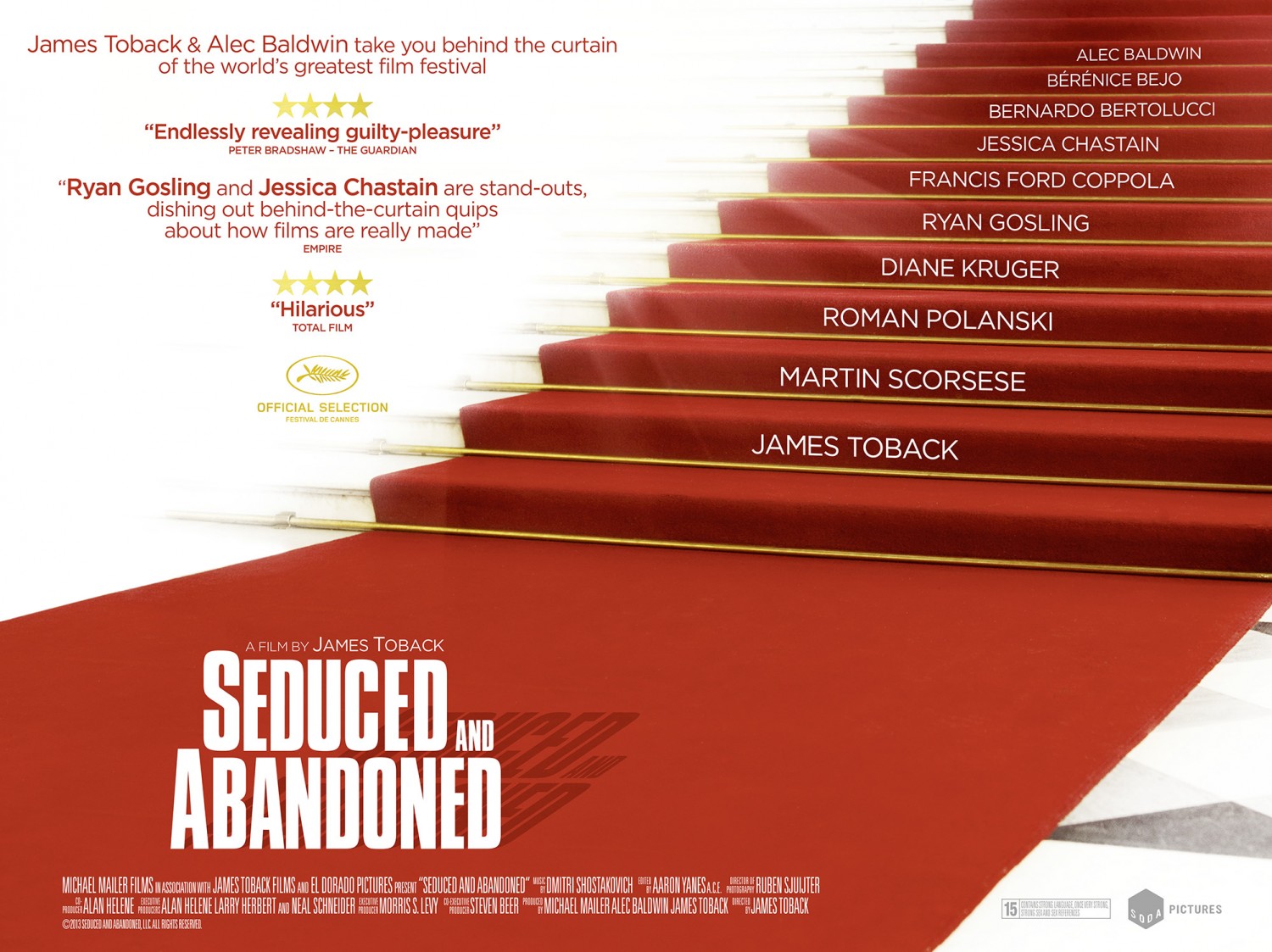
Seduced and Abandoned

D: James Toback / 98m

Alec Baldwin, James Toback, Bernardo Bertolucci, Martin Scorsese, Francis Ford Coppola, Roman Polanski, Bérénice Bejo, Diane Kruger, Ryan Gosling, Jessica Chastain, Neve Campbell, James Caan, Mark Damon, Avi Lerner, Ashok Amritraj

Deciding to make a movie together, director James Toback and actor Alec Baldwin first work out the kind of movie they want to make – a Last Tango in Paris-style project set in Iraq – and who they want to co-star with Baldwin, namely, Neve Campbell. Then, they take their idea to the 2012 Cannes Film Festival in the hope of securing the financing needed to get the movie made. Along the way they speak to various people about the difficulties of getting movies made, the challenges in persuading potential investors to part with their money, and how easier/harder it was back in the Seventies to get a project off the ground.

The search for investors leads to meditations on money, fame, acting, glamour, even death, as Toback and Baldwin look at the wider aspects of movie making, and the constraints that stop some movies from being made as their makers intended. The movie also looks at the industry from both a creative and a financial standpoint, and features interviews with the likes of Martin Scorsese and Francis Ford Coppola, and their own experiences of funding and making movies.
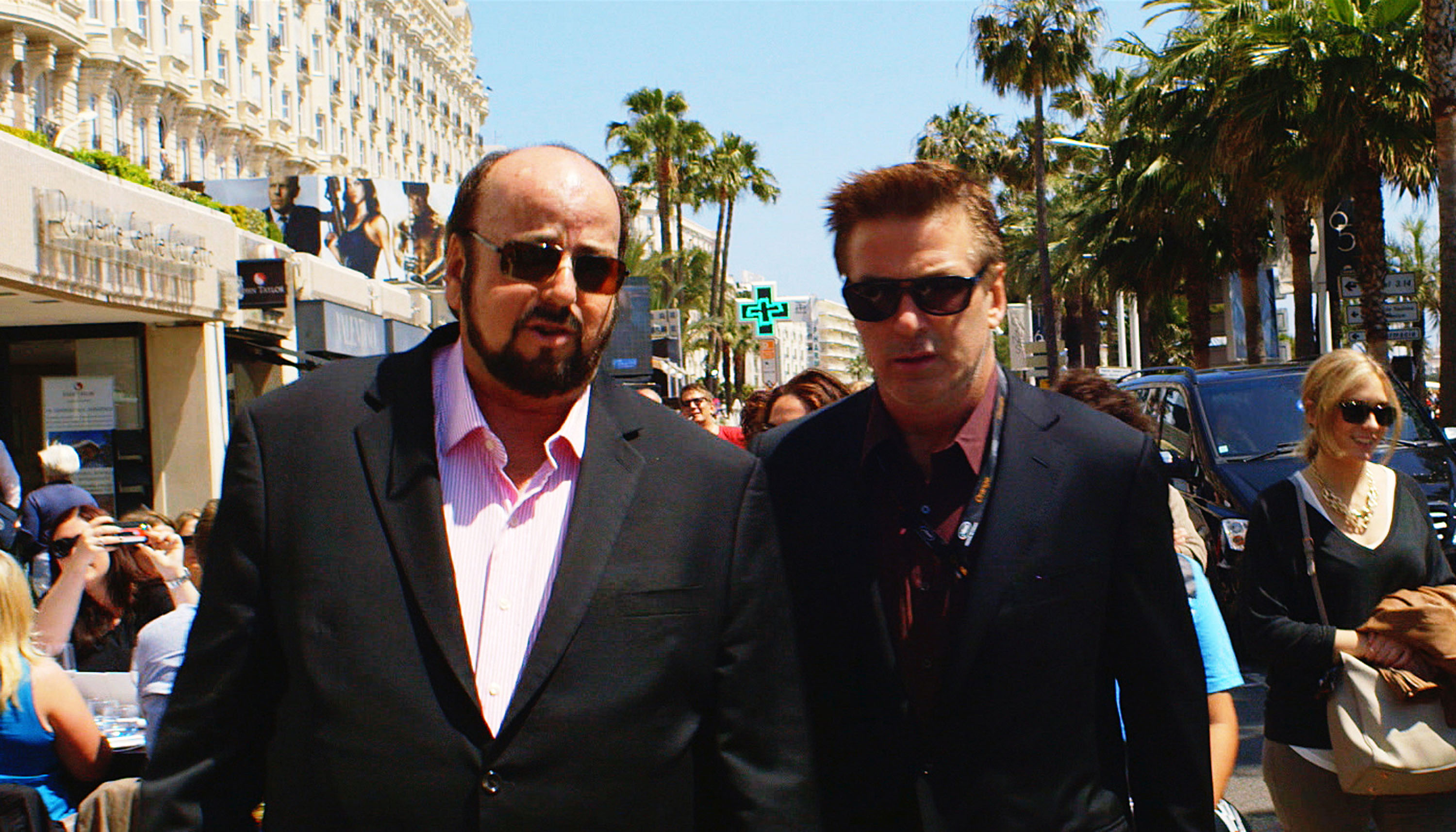
Seduced and Abandoned - scene

Opening with a quote from Orson Welles – “I look back on my life and it’s 95% running around trying to raise money to make movies and 5% actually making them. It’s no way to live.” – Seduced and Abandoned is an often hilarious, witty and insightful look at contemporary movie making, made by a director whose own career has seen him struggle to get movies made, and an actor whose career resurgence since The Aviator (2004) has propelled him to the lower reaches of the ‘A’ List. Together, they take the viewer on a tour of the highs and lows of movie making, and even when they’re coming up against closed door after closed door, still manage to stay positive.

In fact, it’s sometimes difficult to discern if this apparent by-product documentary is the real movie or not, or just some idea they had on the back of trying to make their version of what Baldwin refers to as Last Tango in Tikrit. Although the pair are seen in several meetings pitching their ideas for the movie, they never seem entirely convincing that this is a legitimate project that they’re trying to get off the ground; they don’t even have a script yet, nor anything approaching a synopsis. (Asked point blank if she’d appear in the movie, Diane Kruger blanches and then falls back on the tried and trusted, “If I can see a script I’ll consider it” answer.) Matters aren’t helped by Baldwin’s continual references to the sex scenes the movie would include, making it seem like some weird, sexual fantasy of his own that he’s trying to get off the ground.

However unlikely the premise, though, we all know there are movies out there that have been made out of worse ideas – Teenage Mutant Ninja Turtles (2014), anyone? – but the reactions of veteran producers/distributors Avi Lerner and Ashok Amritraj provide a short, predatory lesson in how to get a movie made: always bear in mind the profits. Toback is told in no uncertain terms that with Campbell aboard he won’t get the $15-$20m he wants to make the movie; instead he’ll only get $4-$5m. Only in those circumstances will producers or investors feel comfortable that they’ll get their money back. It’s a harsh reality, and one that shouldn’t come as a surprise, but it’s so casually discussed that it’s like a slap in the face.

The case for Last Tango in Tikrit being entirely a fabrication is given further credence by Toback’s almost slavish reactions to suggestions for changes to the plot and the story, and the casting. He agrees to almost all of them, seemingly eager – maybe too eager – to please his potential investors in order to secure the financing he needs. In moments such as these, Toback seems uncomfortably close to abandoning the whole concept of the movie, just as long as he gets the money to make a movie, if not the one he’s there to try and get made. (It’s a shame no one asks him to replace Baldwin with a bigger name actor; it would have been interesting to see his reaction to that.)

With Toback and Baldwin being rebuffed at every turn, and to ensure that the movie runs for more than half an hour, there are plenty of interviews with industry notables such as Martin Scorsese, who recounts some of the issues that came up when he was making Mean Streets (1973); Bernardo Bertolucci, who talks about working with Brando on Last Tango in Paris (1972); Francis Ford Coppola, who conveys his dismay at making two Godfather movies and then not being able to get backing for a movie of his own; and Ryan Gosling, whose reaction to an airplane emergency isn’t quite what you’d expect.
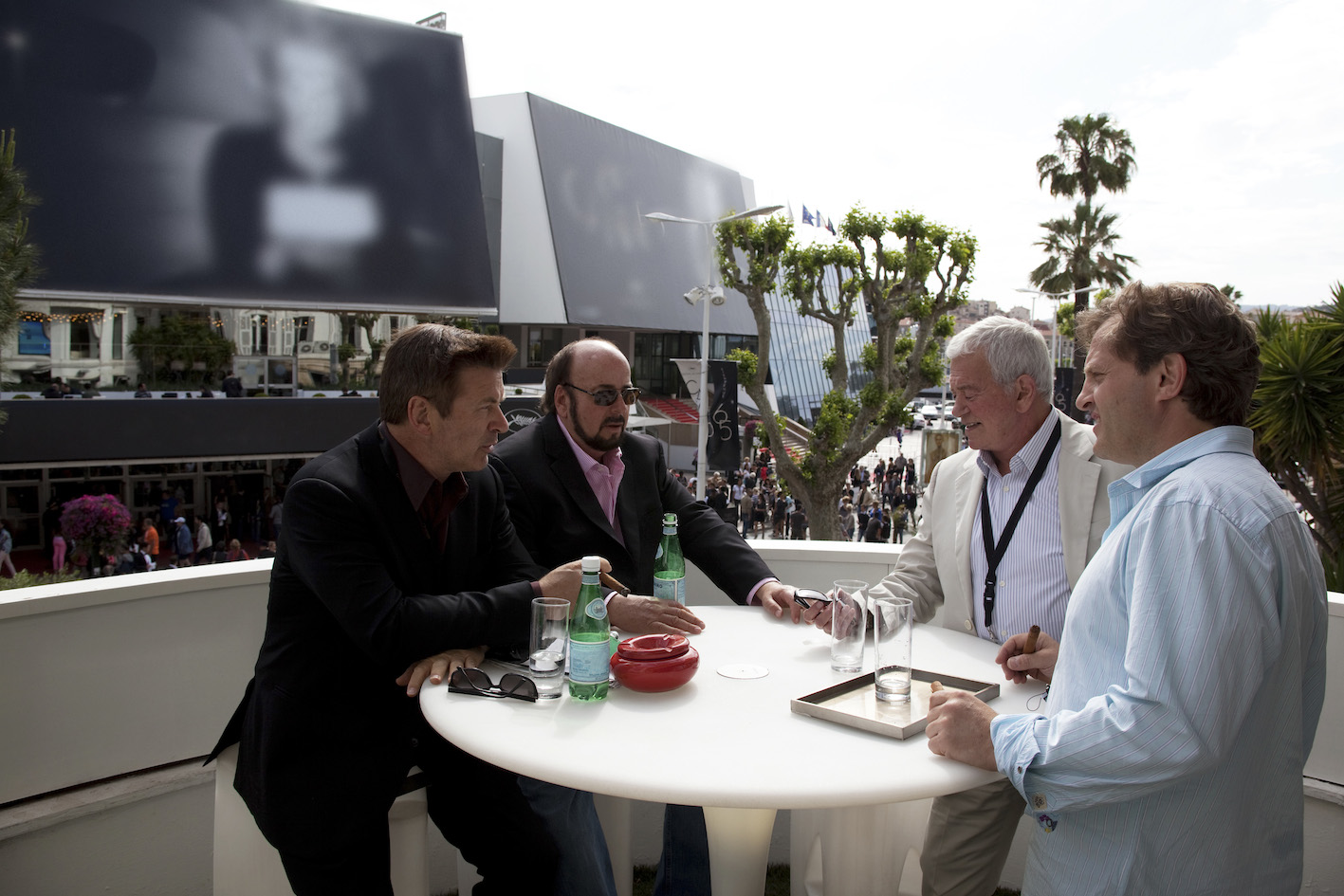
Seduced and Abandoned - scene2

The movie’s sly wit and acerbic humour help to keep things interesting, and it’s a good thing as Seduced and Abandoned is a documentary that will remain largely of interest to movie buffs and/or anyone trying to get their own project off the ground. The movie does assume a degree of awareness of what goes on at Cannes, and there’s also an assumption that viewers will be up to speed on the way in which movies are financed, but the lay person may well struggle, or find it less than fascinating. And Toback doesn’t always maintain a linear focus, letting the movie wander from one meeting to another but without any clear context (and reinforcing the idea that the movie is the movie, whatever Toback and Baldwin might say).

Rating: 7/10 – with its two “leads” obviously having a whale of a time, Seduced and Abandoned comes across more as a bit of a jolly boys’ outing to Cannes rather than a properly realised documentary; as a result it lacks focus and doesn’t entirely convince, instead making it seem like a huge in-joke that Toback and Baldwin have concocted for their own amusement.
Share this:

  • Click to share on X (Opens in new window) X
  • Click to share on Facebook (Opens in new window) Facebook
  • More
  • Click to print (Opens in new window) Print
  • Click to email a link to a friend (Opens in new window) Email
Like Loading...

10 Movies That Are 40 Years Old This Year – 2014

22 Wednesday Oct 2014

Posted by dullwood68 in Movies

≈ 1 Comment

Tags

1974, A Woman Under the Influence, Al Pacino, Biography, Bob Fosse, Chinatown, Comedy, Crime, Drama, Dustin Hoffman, Fear Eats the Soul, Francis Ford Coppola, Gena Rowlands, Gene Hackman, Gene Wilder, Gunnar Hansen, Horror, John Cassavetes, Lenny, Luis Buñuel, Mel Brooks, Movies, Rainer Werner Fassbinder, Reviews, Robert De Niro, Roman Polanski, The Conversation, The Godfather Part II, The Phantom of Liberty, The Taking of Pelham One Two Three, The Texas Chain Saw Massacre, Walter Matthau, Young Frankenstein

Pick any year and you’re likely to find ten really good films that were released during that year, but 1974 is a year when there were ten really great films released.  It’s not a year that stands out when first thought about, but upon closer inspection it seems like a banner year, when movie makers pulled out all the stops and gave us a succession of impressive movies that even now, still resonate and attract viewers in high numbers.  (And if truth be told, this list could have been stretched a little further, but 13 Movies That Are 40 Years Old This Year didn’t sound right.)  So, in no particular order, here are those ten movies we’re all still talking about.

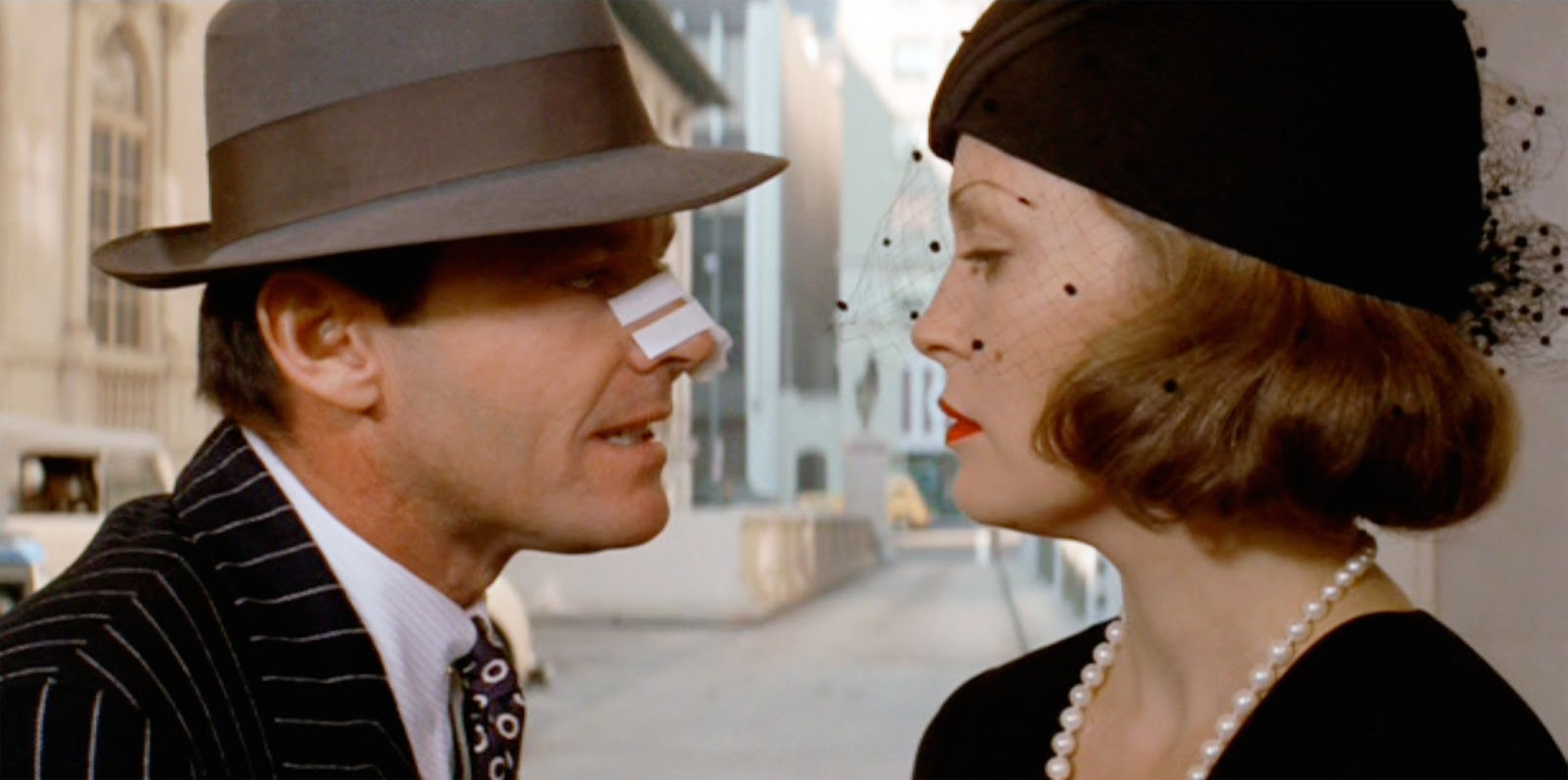
1) Chinatown – Roman Polanski’s stunning neo-noir thriller transformed Jack Nicholson into a superstar and made Robert Towne’s elaborate, gripping screenplay – one of the most compelling, intelligent screenplays ever written – the main reason for seeing the movie.  With superb performances from Faye Dunaway and John Huston, this incredible movie still has the power to unnerve and startle with its story of corruption and greed in 40’s Los Angeles, and that tragic revelation.

Chinatown - scene

2) Lenny – Revisiting the life of counter-culture, angst-ridden comic Lenny Bruce was always going to depend on the actor playing him, but Dustin Hoffman turns in an amazing, detailed performance that is possibly his best ever.  With a career best turn from Valerie Perrine, deft, sympathetic direction from Bob Fosse, and a grimy, authentic recreation of the clubs where Bruce vented his anger at the hypocrisies of society, Lenny still has the potential to shock and surprise, and takes no prisoners (just like Bruce himself).

3) Fear Eats the Soul – German auteur Rainer Werner Fassbinder had made a number of excursions into movies for TV before he wrote and directed this vital, important tale of the relationship between a Moroccan migrant worker (the soulful El Hadi ben Salem) and a German woman in her mid-sixties (the affecting Brigitte Mira). Ageism and racism are given short shrift by Fassbinder’s script, and the growing relationship is portrayed naturally and with little sentiment.  It’s a dour movie, to be sure, but uplifting at the same time.

4) The Godfather Part II – The crowning glory of Francis Ford Coppola’s career and a movie that’s nigh on faultless, The Godfather Part II is the classic example of a sequel that is better than its predecessor… so, so much better.  Even Brando’s presence isn’t missed.  With its flashback sequences detailing the origin of Vito Corleone’s role as Godfather conflated with the inexorable rise of his son Michael to the same position, this has tragedy and triumph in equal measure, and features astonishing achievements in directing, scripting, acting, cinematography, sound, editing, costumes, art direction, and set design.  In short, it’s a masterpiece.

Godfather Part II, The - scene

5) The Texas Chain Saw Massacre – With its fierce, tension-wringing set up and feral, nightmarish family of cannibals, Tobe Hooper’s second feature still has the power to shock, and leave audiences feeling drained by the end.  The iconic image of Gunnar Hansen with a literal “face”-mask and revving a chainsaw – once seen, never forgotten – sums up the movie’s terrifying approach to its subject matter, and confirms (if anyone needed reminding) that low budget horror can be startling, original and a once in a lifetime experience.

6) A Woman Under the Influence – Possibly the finest examination of mental illness within the family, John Cassavetes’ stinging, heart-rending drama features a tour-de-force performance from Gena Rowlands as the emotionally downtrodden Mabel, a woman whose ill treatment by her husband and children leads her to suppress any positive feelings for fear of being judged as “unbalanced”.  Not a movie for everyone but one that isn’t afraid to confront a complex, contentious issue with poise and a piercing intelligence.

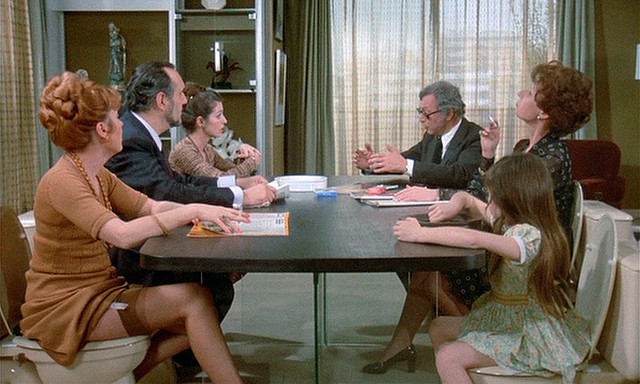
7) The Phantom of Liberty – If you like your movies chock-full of symbolism, surrealism and absurdist humour, then Luis Buñuel’s collection of barely connected episodes will capture your attention and never let go.  It’s a modern masterpiece of (mis)direction and subversive behaviour, and features a seasoned cast that includes Jean Rochefort, Monica Vitti and Adolfo Celi, all of whom enter into the spirit of things with undisguised gusto.

Phantom of Liberty, The - scene

8) The Conversation – It’s that man Coppola again, this time with an introspective low-key look at the self-contained life of a surveillance expert (the superb Gene Hackman) who finds himself drawn – against his better judgment – into a perfectly weighted mystery.  The chilly, withdrawn mise-en-scene is expertly crafted, and Coppola’s script delivers more and more as the movie heads toward its incredible denouement.  To release both this and The Godfather Part II in the same year – well, that’s just insane.

9) Young Frankenstein – Mel Brooks’ finest hour, even though Blazing Saddles was also released in ’74, this grand homage to the Universal horrors of the 30’s and 40’s is an undeniable treat, full of terrific one-liners – “To the lumber yard!” – and wonderful visual flourishes.  Co-writers Brooks and Gene Wilder are on top form, and their affection for the Fronkensteen movies made by Universal adds to the joy of watching Mary Shelley’s classic tale unfold in its own, very unique manner.  And the “Puttin’ on the Ritz” sequence is just inspired.

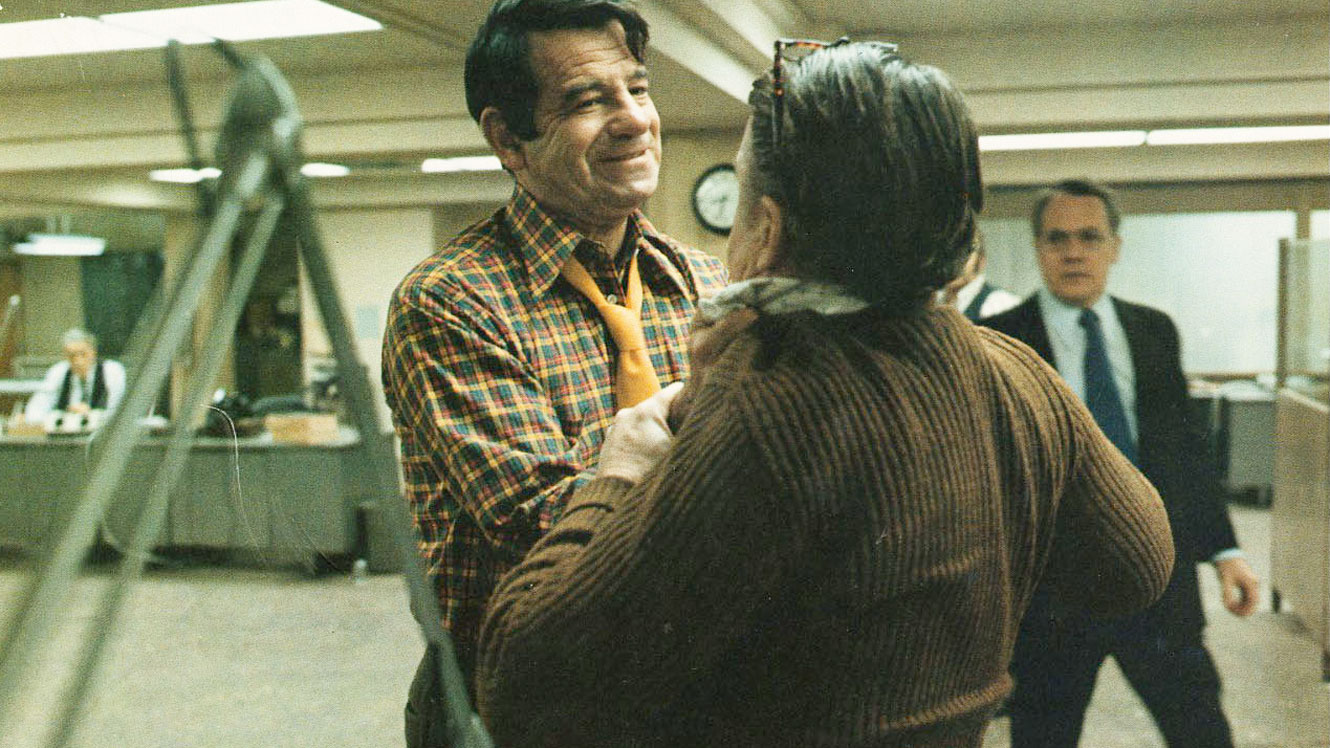
10) The Taking of Pelham One Two Three – Ignore the turgid remake with Denzel Washington and John Travolta, this is ten times as good and ten times as gripping.  Walter Matthau is the grizzled cop engaged in a battle of wits with train hijacker Robert Shaw, and as the movie ratchets up the tension, audiences are treated to one of the finest thrillers ever made.  Bravura movie making from all concerned but anchored by a fantastic job of direction by the underrated Joseph Sargent.

Taking of Pelham One Two Three, The - scene

If you agree or disagree with my choices, feel free to let me know.  And if there’s another year with an equally brilliant selection of movies released, feel free to let me know as well.  But more importantly, if you haven’t seen some or all of the movies listed above, then what are you doing reading this?  Get out there and watch them!

Share this:

  • Click to share on X (Opens in new window) X
  • Click to share on Facebook (Opens in new window) Facebook
  • More
  • Click to print (Opens in new window) Print
  • Click to email a link to a friend (Opens in new window) Email
Like Loading...

Twixt (2011)

16 Saturday Nov 2013

Posted by dullwood68 in Movies

≈ 1 Comment

Tags

Bruce Dern, Drama, Edgar Allan Poe, Elle Fanning, Francis Ford Coppola, Horror, Murder investigation, Murders, Old Chickering hotel, Psychological thriller, Review, Swann Valley, Thriller, Val Kilmer

D: Francis Ford Coppola / 88m

Cast: Val Kilmer, Bruce Dern, Elle Fanning, Ben Chaplin, Joanne Whalley, David Paymer, Anthony Fusco, Alden Ehrenreich, Bruce A. Miroglio

Several years ago, Francis Ford Coppola announced he would be making only personal films, and since then we’ve had Youth Without Youth (2007), Tetro (2009), and now Twixt, ostensibly a horror movie but one that veers off down several different paths before its conclusion.

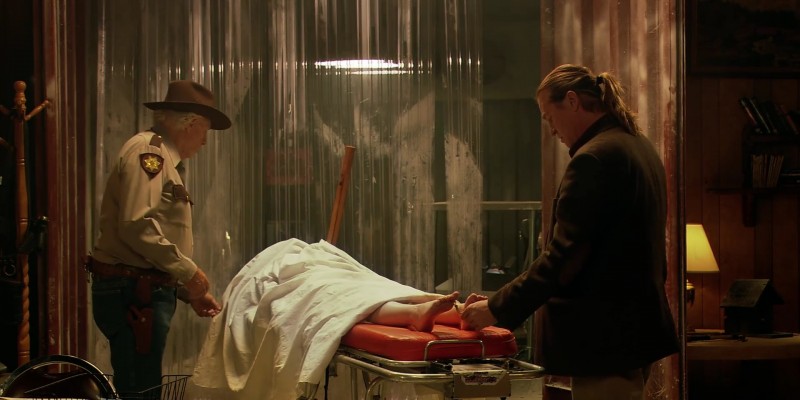
Hall Baltimore (Kilmer) is a moderately successful writer of witchcraft-themed horror novels.  He’s also in a bit of a creative slump.  While on a book tour, he finds himself in the small town of Swann Valley. He meets Sheriff Bobby LeGrange (Dern) who tells him about a mystery that involves a dead girl and a group of teens camped out across the lake. The girl is recently deceased, “obviously the victim of a serial killer”, according to LaGrange, and still in the sheriff’s office-cum-morgue with a stake through her heart. That night, Baltimore falls asleep and dreams of walking through town and out into the surrounding woods. There he meets V (Fanning), a young girl who looks drained of blood. They go to the Old Chickering Hotel where Baltimore learns that the bodies of twelve children are buried under the floor. This adds to the mystery, and when Baltimore wakes up he realises the answers to both his creative slump and the murder of the dead girl are to be found in his dreams.

To give a fuller description of the plot would take a while as Coppola, serving as writer, producer and director, piles layer upon layer of story onto the already overloaded plotting.  There’s several appearances by Edgar Allan Poe (Chaplin) who helps Baltimore in his dreams but also provides some literary allusions to the main plot. There’s a sub-plot involving a seven-sided clock tower where each clock face tells a different time. The twelve children were the charge of Pastor Allan Floyd (Fusco); there’s a protracted sequence involving a Jim Jones-style massacre. LaGrange acts strangely throughout, at one point knocking Baltimore unconscious out of anger (but also as a handy device for getting him to the next dream sequence). Baltimore is also mourning the death of his teenage daughter, while fending off the financial needs of his wife Denise (Whalley). The teens across the river, led by Beaudelaire-quoting Flamingo (Ehrenreich), provide temporary relief from the increasing pretentiousness of all the other proceedings. Oh, and there’s a scene involving a Ouija board, and Baltimore fighting writer’s block by impersonating Marlon Brando (with a near-quote from Apocalypse Now) and James Mason amongst others, and an ending so abrupt you might wonder if you’ve nodded off and missed a few minutes.

Twixt - scene

From all this you could be forgiven for thinking that Twixt is a bit of a mess, and largely it is. Coppola has applied a kind of kitchen sink approach to the movie, and it would be a dedicated viewer – one prepared to watch it several times in fact – who could find a strict, coherent storyline that runs through the movie, and who could adequately explain the various diversions that Coppola includes. However, it’s unclear if Coppola himself knows exactly what’s going on, or why, and if he doesn’t, then the rest of us don’t stand a chance.

Visually, though, the movie is often stunning to look at, the initial dream sequences – at the Old Chickering hotel, Baltimore’s chat with Poe in the same location – all have a weird, surreal quality that suits the action that’s unfolding. The characters speak with a slight hollowness, and the colour scheme, all grey, metallic hues, looks wonderfully unsettling. This is where Twixt works best, in the dreamworld that Baltimore inhabits as often as he can. Coppola pulls out all the stops in these sequences, imbuing them with a sense of predatory menace that elevates them from perfunctory scenes of exposition to something more disquieting. Alas, the scenes in the real world lack any kind of sense or coherence, and as a result, bog down the movie unnecessarily.

The cast do their best under the circumstances, Kilmer injecting some humour when he can at the absurdity of LaGrange’s eccentricities, but otherwise going with the flow and committing to the script’s vagaries. Dern adds another oddball character to his repertoire, while Fanning plays the girl who may or may not have gotten away from the pastor (it’s never made clear) with an appropriate detachment. Chaplin copes well with some really dense, literary dialogue, and rest of the supporting cast do the best they can as well, particularly Miroglio as Deputy Arbus.

Ultimately, the best that can be said about Twixt is that it’s no better or worse than a lot of other horror movies made in the last five years, but definitely a step up visually.  Coppola still knows how to construct a scene and have it play out – even if the internal logic is skewed – and he still has the confidence borne out of his many years as a director.  He may not have made the best decision in working from his own script, and if truth be told, this may not be the best version of that script (some of the cast have apparently seen an earlier, different version), but despite the absurdities and the incoherent plot, Twixt still has enough going for it to make it worth watching, even if it’s just to say you have.

Rating: 6/10 – Coppola delivers what appears to be a train wreck of a movie, but on closer inspection, there’s still a few carriages on the track to rescue things; worth seeing for its hallucinogenic visuals and Kilmer back on form after too many low-budget thrillers.

Share this:

  • Click to share on X (Opens in new window) X
  • Click to share on Facebook (Opens in new window) Facebook
  • More
  • Click to print (Opens in new window) Print
  • Click to email a link to a friend (Opens in new window) Email
Like Loading...

Blog Stats

  • 488,457 hits

Recent Posts

  • 10 Reasons to Remember Bibi Andersson (1935-2019)
  • Fantasia (1940)
  • Dances With Wolves (1990) – The Special Edition
  • Kiss of the Spider Woman (1985)
  • The Three Musketeers (1973)

Top Posts & Pages

  • Lost for Life (2013) - Another Look
    Lost for Life (2013) - Another Look
  • Lost for Life (2013)
    Lost for Life (2013)
  • About
    About
  • Legend (2015)
    Legend (2015)
  • Irrational Man (2015)
    Irrational Man (2015)
  • BFI London Film Festival 2015
    BFI London Film Festival 2015
  • Mini-Review: Good Kill (2014)
    Mini-Review: Good Kill (2014)
  • Happy Birthday - Carey Mulligan
    Happy Birthday - Carey Mulligan
  • Green Book (2018)
    Green Book (2018)
  • The Haunting of Harry Payne (2014)
    The Haunting of Harry Payne (2014)
Follow thedullwoodexperiment on WordPress.com

Blogs I Follow

  • Rubbish Talk
  • Film 4 Fan
  • Fast Film Reviews
  • The Film Blog
  • All Things Movies UK
  • Interpreting the Stars
  • Let's Go To The Movies
  • Movie Reviews 101
  • TMI News
  • Dan the Man's Movie Reviews
  • Film History
  • Jordan and Eddie (The Movie Guys)

Archives

  • April 2019 (13)
  • March 2019 (28)
  • February 2019 (28)
  • January 2019 (32)
  • December 2018 (28)
  • November 2018 (30)
  • October 2018 (29)
  • September 2018 (29)
  • August 2018 (29)
  • July 2018 (30)
  • June 2018 (28)
  • May 2018 (24)
  • April 2018 (21)
  • March 2018 (31)
  • February 2018 (25)
  • January 2018 (30)
  • December 2017 (30)
  • November 2017 (27)
  • October 2017 (27)
  • September 2017 (26)
  • August 2017 (32)
  • July 2017 (32)
  • June 2017 (30)
  • May 2017 (29)
  • April 2017 (29)
  • March 2017 (30)
  • February 2017 (27)
  • January 2017 (32)
  • December 2016 (30)
  • November 2016 (28)
  • October 2016 (30)
  • September 2016 (27)
  • August 2016 (30)
  • July 2016 (30)
  • June 2016 (31)
  • May 2016 (34)
  • April 2016 (30)
  • March 2016 (30)
  • February 2016 (28)
  • January 2016 (35)
  • December 2015 (34)
  • November 2015 (31)
  • October 2015 (31)
  • September 2015 (34)
  • August 2015 (31)
  • July 2015 (33)
  • June 2015 (12)
  • May 2015 (31)
  • April 2015 (32)
  • March 2015 (30)
  • February 2015 (37)
  • January 2015 (39)
  • December 2014 (34)
  • November 2014 (34)
  • October 2014 (36)
  • September 2014 (25)
  • August 2014 (29)
  • July 2014 (29)
  • June 2014 (28)
  • May 2014 (23)
  • April 2014 (21)
  • March 2014 (42)
  • February 2014 (38)
  • January 2014 (29)
  • December 2013 (28)
  • November 2013 (34)
  • October 2013 (4)

Create a free website or blog at WordPress.com.

Rubbish Talk

Film 4 Fan

A Movie Blog

Fast Film Reviews

The Film Blog

The official blog of everything in film

All Things Movies UK

Movie Reviews and Original Articles

Interpreting the Stars

Dave Examines Movies

Let's Go To The Movies

Film and Theatre Lover!

Movie Reviews 101

Daily Movie Reviews

TMI News

Latest weather, crime and breaking news

Dan the Man's Movie Reviews

All my aimless thoughts, ideas, and ramblings, all packed into one site!

Film History

Telling the story of film

Jordan and Eddie (The Movie Guys)

Movie Reviews & Ramblings from an Australian Based Film Fan

Privacy & Cookies: This site uses cookies. By continuing to use this website, you agree to their use.
To find out more, including how to control cookies, see here: Cookie Policy
  • Subscribe Subscribed
    • thedullwoodexperiment
    • Join 481 other subscribers
    • Already have a WordPress.com account? Log in now.
    • thedullwoodexperiment
    • Subscribe Subscribed
    • Sign up
    • Log in
    • Report this content
    • View site in Reader
    • Manage subscriptions
    • Collapse this bar
 

Loading Comments...
 

    %d