• 10 Reasons to Remember…
  • A Brief Word About…
  • About
  • For One Week Only
  • Happy Birthday
  • Monthly Roundup
  • Old-Time Crime
  • Other Posts
  • Poster of the Week
  • Question of the Week
  • Reviews
  • Trailers

thedullwoodexperiment

~ Viewing movies in a different light

thedullwoodexperiment

Tag Archives: Mother/son relationship

20th Century Women (2016)

06 Thursday Apr 2017

Posted by dullwood68 in Movies

≈ Leave a comment

Tags

Annette Bening, Billy Crudup, Comedy, Drama, Elle Fanning, Feminism, Greta Gerwig, Lucas Jade Zumann, Mike Mills, Mother/son relationship, Relationships, Review, The Seventies

D: Mike Mills / 119m

Cast: Annette Bening, Elle Fanning, Greta Gerwig, Lucas Jade Zumann, Billy Crudup

Mike Mills’ last movie was the appealing and very enjoyable Beginners (2010), in which Christopher Plummer gave an Oscar-winning performance. Six years on and Mills has upped his game considerably with 20th Century Women, a semi-autobiographical tale set in Santa Barbara, California in 1979. By writing a script that’s much closer to home than his previous outings, Mills has made a quirky, sensitive, and much more mature feature, and one that impresses on a variety of levels.

It begins with declarations of life, as divorced, single mother Dorothea (Bening) recounts giving birth to her son, Jamie (Zumann). Despite being a single mother, and receiving no support from her ex-husband, Dorothea views those early years when it was just her and Jamie with warm-hearted nostalgia. But finances being what they were, Dorothea was forced to take in lodgers. In 1979, with Jamie aged fifteen, he and his mother live with Abbie (Gerwig), a budding photographer, and William (Crudup), a carpenter whose work on the house is often paid for in lieu of rent. Abbie is like a big sister to Jamie, but he and William are virtually strangers to each other. Add in the presence of Julie (Fanning), Jamie’s best friend (and object of his romantic affections), and Dorothea begins to believe that her son, because he doesn’t have a father (or father figure) to guide him, and because she feels as if her connection with him is slipping away, decides he needs help “understanding women” and being a “good man”.

To this end, Dorothea recruits Abbie and Julie and persuades them to help Jamie learn more about life and relationships and women. When she tells him this, he reacts angrily and goes off with some of his friends to L.A. to see a concert. When he gets back he finds out that Julie has slept with someone and thinks she might be pregnant. Leading on from that, Dorothea advises Jamie that Abbie, who is in remission from cervical cancer, will be attending a doctor’s appointment and may receive bad news; she asks that he be at home in case she needs some support (Dorothea can’t be there). Instead, he goes with her. The news is both good and bad, but Abbie is glad of Jamie’s presence, and she starts to “teach” him about women by giving him books on feminism.

Jamie’s “education” causes a growing rift between him and his mother, and it provokes a straining of the relationships between Abbie and Dorothea, Jamie and Julie, and William and Dorothea. The friendship between Jamie and Julie is tested the most: an admission made by Julie causes him to question his feelings for her, but she manages to persuade him to take a trip along the coast with her. In San Luis Obispo, things come to a sticking point and Jamie leaves Julie at the motel where they’re staying. Julie alerts Dorothea, and she heads there along with William and Abbie. It proves to be a turning point for everyone, and the status quo is irrevocably affected.

There is so much more to 20th Century Women that any proper synopsis would run to thousands of words instead of mere hundreds. What is mentioned above is only a fraction of the material that Mills has collated for his screenplay, but almost none of it feels extraneous or superficial. Each scene acts in service to the character(s) appearing in it, and each scene helps to further the narrative and the myriad of subplots that float along waiting for the next occasion when they can be exploited. Mills has written such a carefully constructed screenplay that there are dozens of moments that echo or resonate in relation to both earlier and future moments (yes, it’s that good a script), and there are a similar amount of subtle references and non-linear connections that add to the quality and the depth of his writing.

Mills has also taken the time to make the various characters memorable and credible and unique in their own way, with special attention given to the relationships between them all. Dorothea is an odd mix of honest maternal concern and inappropriate parenting, wanting her son to be a “good man” but still wishing he could remain her little boy. The emotional tug-of-war that occurs through these warring factions leave Dorothea looking and sounding a little distracted at times, as if the notion of being a mother requires abstract thought for it to make sense (to her, at least). Bening perfectly captures the hopeful, yet curiously distant nature of Jamie’s mother with her customary skill and attention to character detail, making her by turns alarmingly obtuse and/or resolutely indifferent, and fixated by love at the same time. It’s a fine balancing act, and one that would have challenged most actresses, but Bening carries it off with seeming ease, displaying an emotional and intellectual dexterity in the role that serves as a reminder of just how fine an actress she is.
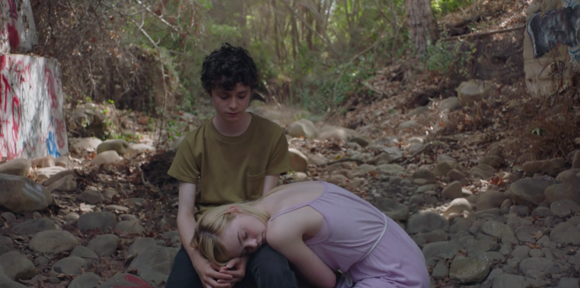
There are equally impressive turns from Fanning and Gerwig. As the seemingly carefree (and care-less) Julie, Fanning shows the character’s innate vulnerability even when she’s trying to be offhand or dismissive of her feelings, and there are times when Julie seems determined to suffer the fate she believes others expect her to. This kind of disturbing fatalism can be difficult to pull off (if it’s given too much emphasis it can come across as irreparably narcissistic), but Fanning acquits herself well, grounding the character through the discomfort and confusion she feels at being regarded solely as an object of desire. Gerwig is just as impressive as Abbie, taking the character’s history and using it to portray a young woman who speaks for the rights of others, but who seems unable to heed her own advice when it comes to the opposite sex. Like Jamie, she lacks a father figure in her life, and this informs her behaviour far more than she would like to admit, and when she’s challenged over this, she can only retaliate, and in doing so, deflect the pain she’s all too aware she’s causing herself. It’s a very subtle role indeed, but Gerwig carries it off with style and confidence.

On the male side, Crudup is the kind of sensitive, caring man who always appears attractive to women, even though they won’t ever commit to a sustained relationship with him, and the actor portrays him with an easy-going attitude that plays off well against the stresses and strained emotions of the female characters. And then there’s Zumann, a young actor showing a lot of promise, and more than capable of keeping up with his more experienced co-stars. Like a lot of child actors, Zumann has the ability to be casually audacious, and show the kind of emotional range that some adult actors never achieve. He’s intuitive, adventurous, quick off the mark, and he has the gift of making it seem that he’s much more wiser than his years. His scenes with Bening are touching, and Mills is to be congratulated for finding a young actor who can share a scene with her and not be intimidated or do anything that doesn’t match the effort she herself is putting in.

By setting the movie in 1979, Mills makes use of that period’s history to provide a backdrop of social and political upheaval that compliments the upheavals going on in the Fields’ household. He also plays deliberate havoc with the characters’ pasts and futures, illuminating them in a way that adds even more resonance to the main storylines. And while it can be an emotionally messy movie at times, Mills has become such a strong, confident movie maker that he can be forgiven the occasional misstep. He’s said in the past that, “Making a movie is so hard, you’d better make movies about something you really know about.” By making this semi-autobiographical tale so moving and funny and poignant and life-affirming, he’s certainly done that, and to an incredibly rewarding degree.

Rating: 9/10 – a movie that constantly surprises and impresses, 20th Century Women is that rare thing: a picture about women told from a male perspective and infused with a great deal of understanding and respect; with a clutch of great performances, and an equally great soundtrack to accompany it, Mills and his cast and crew have created a movie that is so good, repeat viewings will only make it look and sound better.
Share this:

  • Click to share on X (Opens in new window) X
  • Click to share on Facebook (Opens in new window) Facebook
  • More
  • Click to print (Opens in new window) Print
  • Click to email a link to a friend (Opens in new window) Email
Like Loading...

Demolition (2015)

28 Tuesday Jun 2016

Posted by dullwood68 in Movies

≈ Leave a comment

Tags

Bereavement, Car accident, Champion Vending Company, Chris Cooper, Drama, Grief, Jake Gyllenhaal, Jean-Marc Vallée, Judah Lewis, Mother/son relationship, Naomi Watts, Review, Vending machine

Demolition

D: Jean-Marc Vallée / 102m

Cast: Jake Gyllenhaal, Naomi Watts, Chris Cooper, Judah Lewis, C.J. Wilson, Polly Draper, Heather Lind

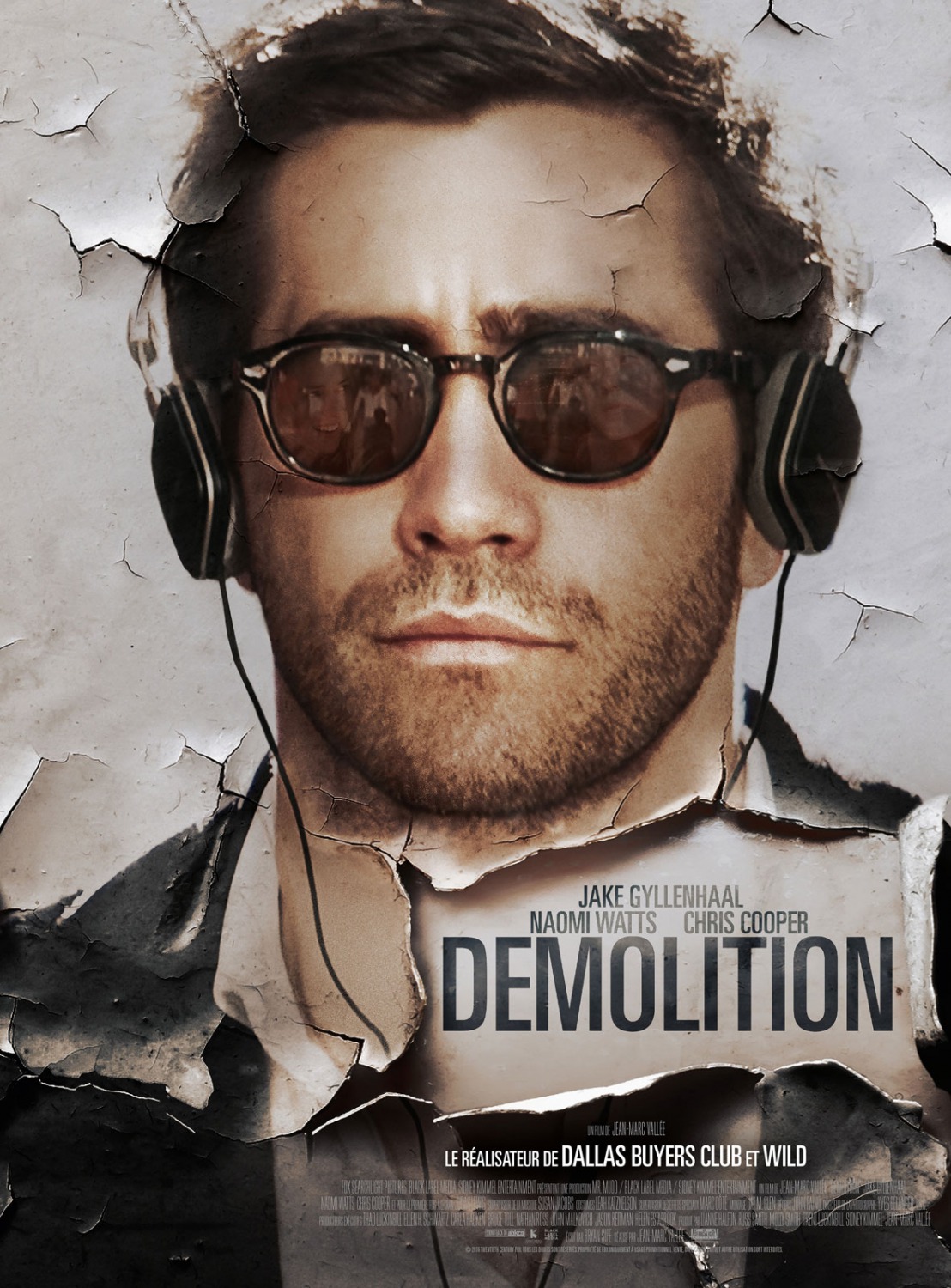
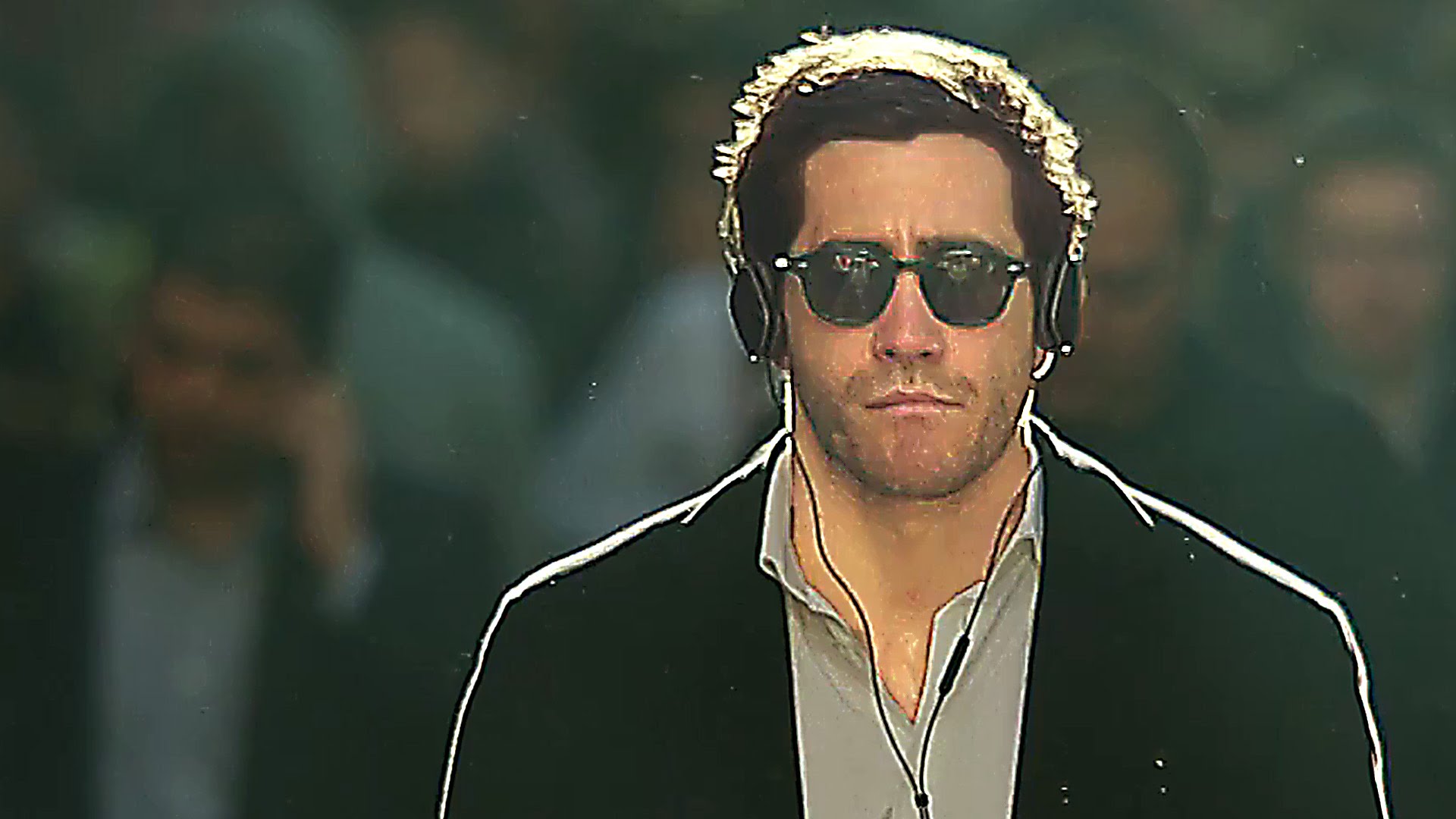
There’s a scene early on in Demolition, the latest feature from the director of Wild (2014) and Dallas Buyers Club (2013), where Jake Gyllenhaal’s character, an investment banker named Davis Mitchell, attempts to get some M&M’s from a hospital vending machine, but the M&M’s don’t drop down. He hits it a couple of times, then asks one of the hospital staff if they can open it; the answer is no, because it’s not owned by the hospital. This prompts Davis to write a letter of complaint to the Champion Vending Company, which begins, “Dear Champion Vending Company: I put five quarters in your machine and proceeded to push B2, which should have given me peanut M&M’s. Regrettably, it did not. I found this upsetting, as I was very hungry, and also my wife had died ten minutes earlier.”

Now, on the face of it, this is a great way in which to begin exploring the mindset of a recently bereaved husband, but Bryan Sipe’s unconvincing screenplay hasn’t told us enough about Davis so far for the audience to make a judgment as to whether or not this is funny, sad, poignant, or revealing. Instead, it invites the viewer into Davis’s world by getting him to expand on his relationship and marriage with his recently deceased wife, Julia (Lind), but through the medium of letters to the vending company. It’s an awkward plot device because we don’t know if this is a legitimate way for Davis to deal – initially – with his grief at losing his wife in a tragic car accident. It’s awkward because, outside of these letters, Davis acts like he’s okay and he’s dealing with it all pretty well.

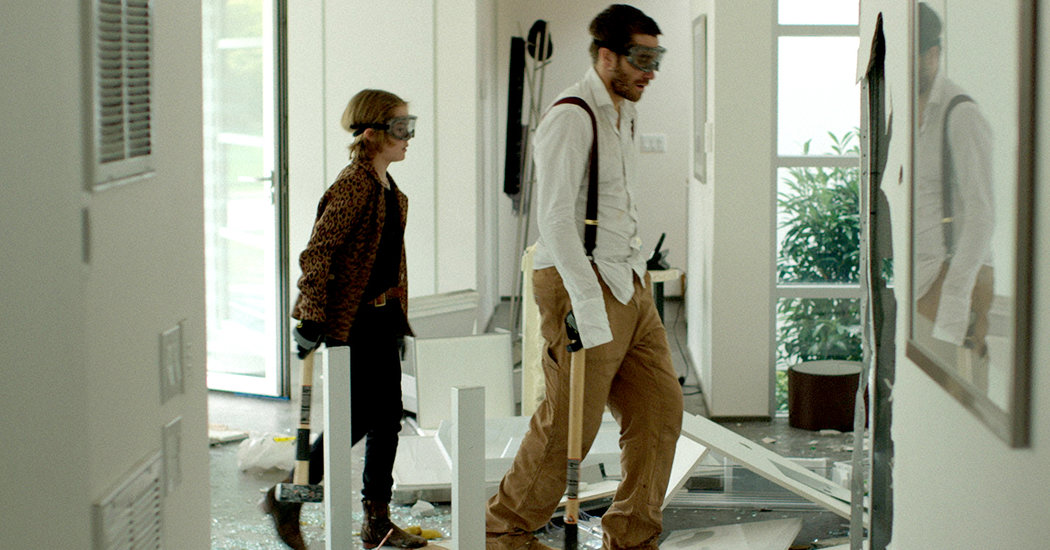
Demolition - scene1

At first, at least. Something his father-in-law, and boss, Phil (Cooper), says to him sends Davis off on another tack, that of dismantling things to see what they’re made of, and how they work. To this end he dismantles light fixtures and bathroom stalls at his place of work, along with his computer, and at home, a coffee machine. He takes these things apart, lines the various component parts in neat groups, and then leaves them where they are. At work it all leads to Davis being told to take some time off, while at home it leaves him restless and unfocused. When he receives a late night call from a woman called Karen Moreno (Watts), the vending company’s customer service manager and someone who has read and connected with his letters, Davis is intrigued enough by her call to want to learn more about her.

Again, though, Sipe’s screenplay – and Vallée’s direction – doesn’t make it clear just why Karen connects with Davis, and vice versa. It’s true that Davis is behaving oddly, and it’s true that Karen is a needy single mother who has the ability to behave in an equally odd manner (she stalks him until he talks to her on a train), but just why these two people find support and a degree of comfort in each other is left floating in the wind. You could argue that the script requires them to, and that would be a reasonable enough answer, but the script doesn’t legitimise their relationship, even as it develops, and especially with the introduction of Karen’s fifteen year old son, Chris (Lewis). Here, Davis is pared away from Karen and inxplicably, takes on the role of father figure to Chris.

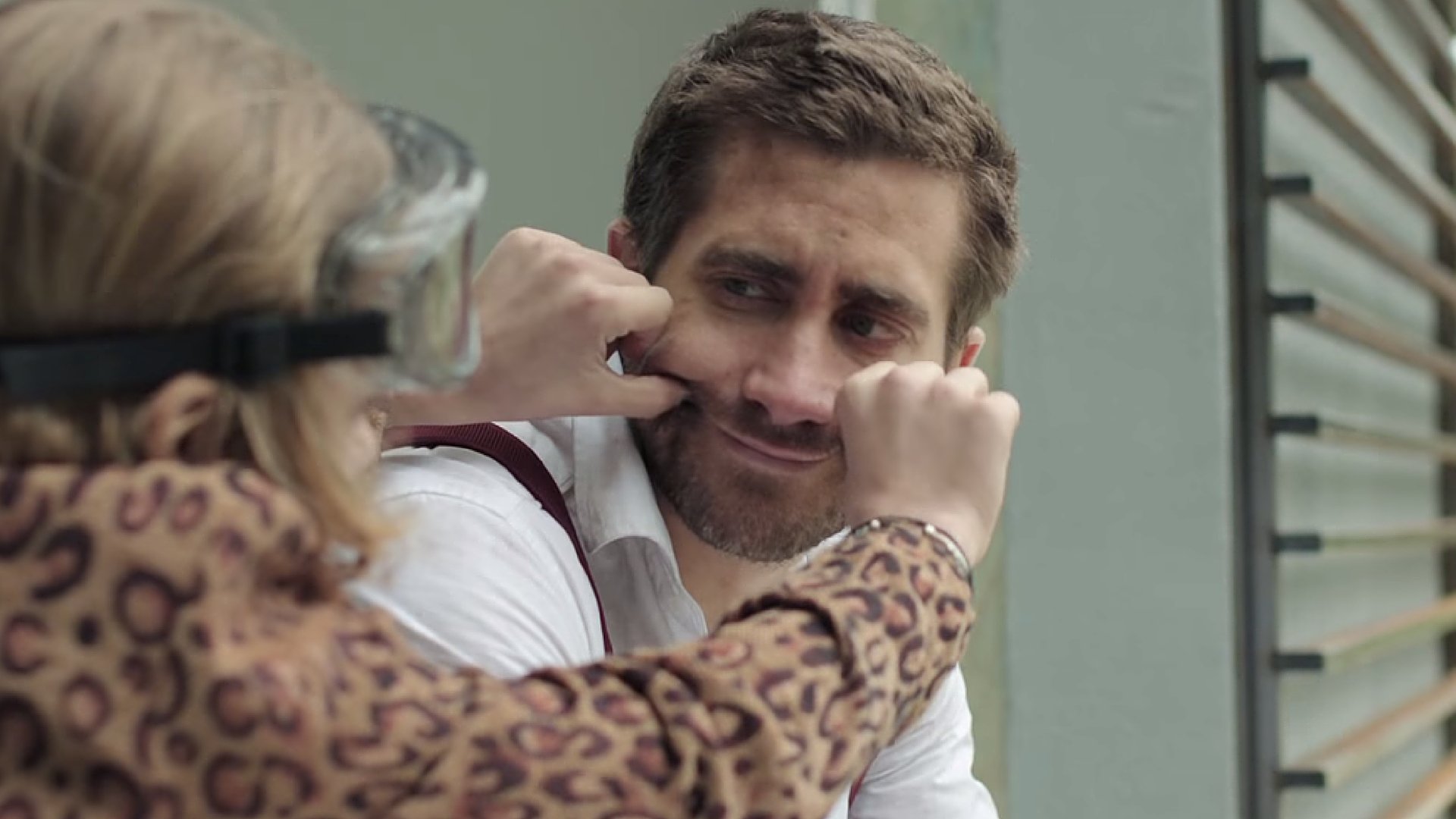
Demolition - scene2

It’s another decision made by the movie that takes Davis further and further away from the grief and (implied) despair he’s meant to be feeling following Julia’s death, and into an area where he becomes an unofficial member of Karen and Chris’s disjointed family. Meanwhile, Phil decides to use Julia’s memory to start a foundation and needs Davis to sign off on it. But Davis drags his heels, and again, the script doesn’t provide any ready answers as to why. By the two thirds mark, most viewers would be forgiven for wondering if any of Davis’s decisions have a point to them or are based on any recognisable emotions. This is because the movie is a frustrating exercise in character development and emotional withdrawal that coasts along with little regard for cause and effect, or the demands of a cohesive narrative.

It will come as no surprise that Demolition ends with everything wrapped up neatly (and with a pretty bow on top), and viewers who do manage to make it this far will be asking themselves what all the fuss was about in terms of the storyline and a handful of subplots that pop up every so often but don’t add anything to the overall narrative (a revelation regarding Julia comes out of nowhere and goes back there pretty quickly without having any real effect whatsoever). It’s hard to engage with any of the characters except on a superficial level, and the quality of the characterisations is such that even Gyllenhaal and Watts – two extremely capable actors – can only do so much with them before repetition sets in and their efforts fail to have any impact.

Demolition - scene3

Vallée’s direction is also a problem. While there’s a kernel of a great idea here – widower tries to make sense of his own grief by rebuilding his life from the ground up – Vallée doesn’t have any answers to the problems that are inherent in the script. This leaves the movie plodding along for several stretches (particularly when Davis enlists Chris in the demolition of his home), and any emotional high points lacking punch or dramatic intensity. It’s a visually well-constructed movie, however, with Vallée proving once again that he has an eye for composition and filling a frame with relevant information in support of the story, and he’s ably supported by his regular DoP Yves Bélanger. But it’s not enough to hide the ways in which Sipe and his wayward screenplay fails to explore Davis’s grief and Karen’s lack of confidence.

Rating: 5/10 – given Vallée’s previous movies (and their success), his work on Demolition and partnership with Gyllenhaal seems like a guarantee of quality, but there are too many problems with the script for even this combination to improve things; the movie aims for a kind of heightened realism at times, and while this is an admirable ambition, the fact that it doesn’t even come near is a good indication of how difficult it’s been to translate Sipe’s undercooked screenplay for the screen.

Share this:

  • Click to share on X (Opens in new window) X
  • Click to share on Facebook (Opens in new window) Facebook
  • More
  • Click to print (Opens in new window) Print
  • Click to email a link to a friend (Opens in new window) Email
Like Loading...

Ride (2014)

17 Tuesday Nov 2015

Posted by dullwood68 in Movies

≈ Leave a comment

Tags

Brenton Thwaites, Comedy, David Zayas, Drama, Helen Hunt, Luke Wilson, Mother/son relationship, Review, Surfing, Writing

Ride

D: Helen Hunt / 93m

Cast: Helen Hunt, Brenton Thwaites, Luke Wilson, David Zayas, Elizabeth Jayne, Callum Keith Rennie, Robert Knepper, Leonor Varela

Helen Hunt’s first directorial outing, Then She Found Me (2007), looked at the relationship between a mother and her daughter. Hunt also co-wrote the movie, co-produced it, and starred as the mother. The movie has its flaws, but all in all it’s enjoyable enough, even if some of the relationships don’t ring entirely true. This time round, Hunt addresses the relationship between a mother and her son, and as before she co-produces, stars and writes (solo this time). The result is a similar movie in terms of the relationships, but one that also has its flaws.

Hunt plays Jackie, a literary editor whose twenty year old son, Angelo (Thwaites), is writing a novel as he prepares to go off to university. He’s having trouble with the ending, and Jackie isn’t helping. She’s critical when she should be supportive, and keeps undermining Angelo’s confidence. In effect, she treats him like a child who needs to stand on his own two feet but every time he tries she tells him he’s doing it wrong. Faced with this continual barrage, it’s no wonder that Jackie’s marriage to Angelo’s father ended years ago, and he now lives with his new family in Los Angeles, a continent away from Jackie and Angelo who live in New York.

Ride - scene3

With his enrolment at university settled, Angelo takes a trip to see his father. Angelo loves surfing, and while he’s out in L.A. he spends most of his time at the beach. His love of surfing is so obvious that it’s unsurprising when Jackie learns he’s dropped out of university. Without a backward glance about her work commitments, or even if it’s the right thing to do, Jackie jumps on a plane and heads for L.A. And… here’s where the movie starts to become less about a mother and son relationship, and more about Jackie learning how to be less uptight and more relaxed.

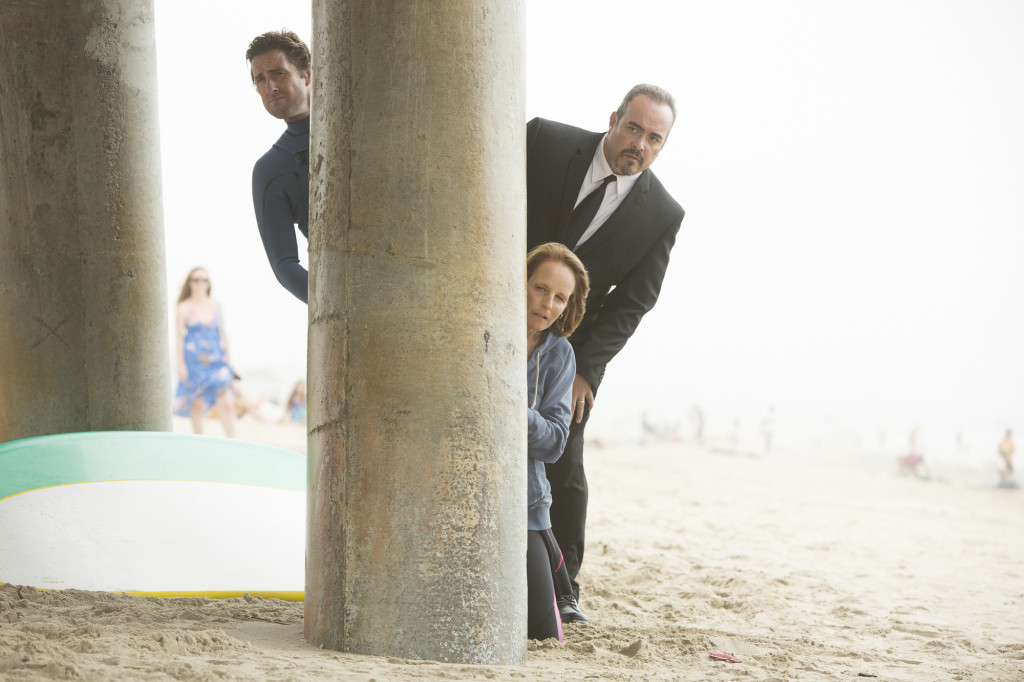
This change in direction leads to the movie becoming disjointed and unfocused, with Jackie hijacking the driver who’s met her at the airport, Ramon (Zayas), to help her spy on Angelo and what he’s doing. It’s at odds with the direct, bulldozing approach that Hunt has established for Jackie, and while it’s meant to inject some humour into proceedings, it’s forced and not at all believable. Ramon becomes a bystander to Jackie’s odd behaviour and never once questions who Angelo is or why she’s following him. When she finally talks to him and he tells her he felt stifled by his life in New York and that surfing is what he wants to do, Jackie’s reaction is predictable: she accuses him of running away from being a writer and that he needs his education to succeed. And with no better argument, he criticises her in return for dismissing surfing when she’s never even tried it.

Ride - scene1

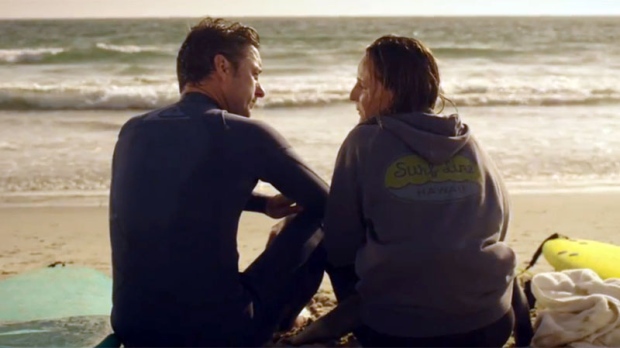
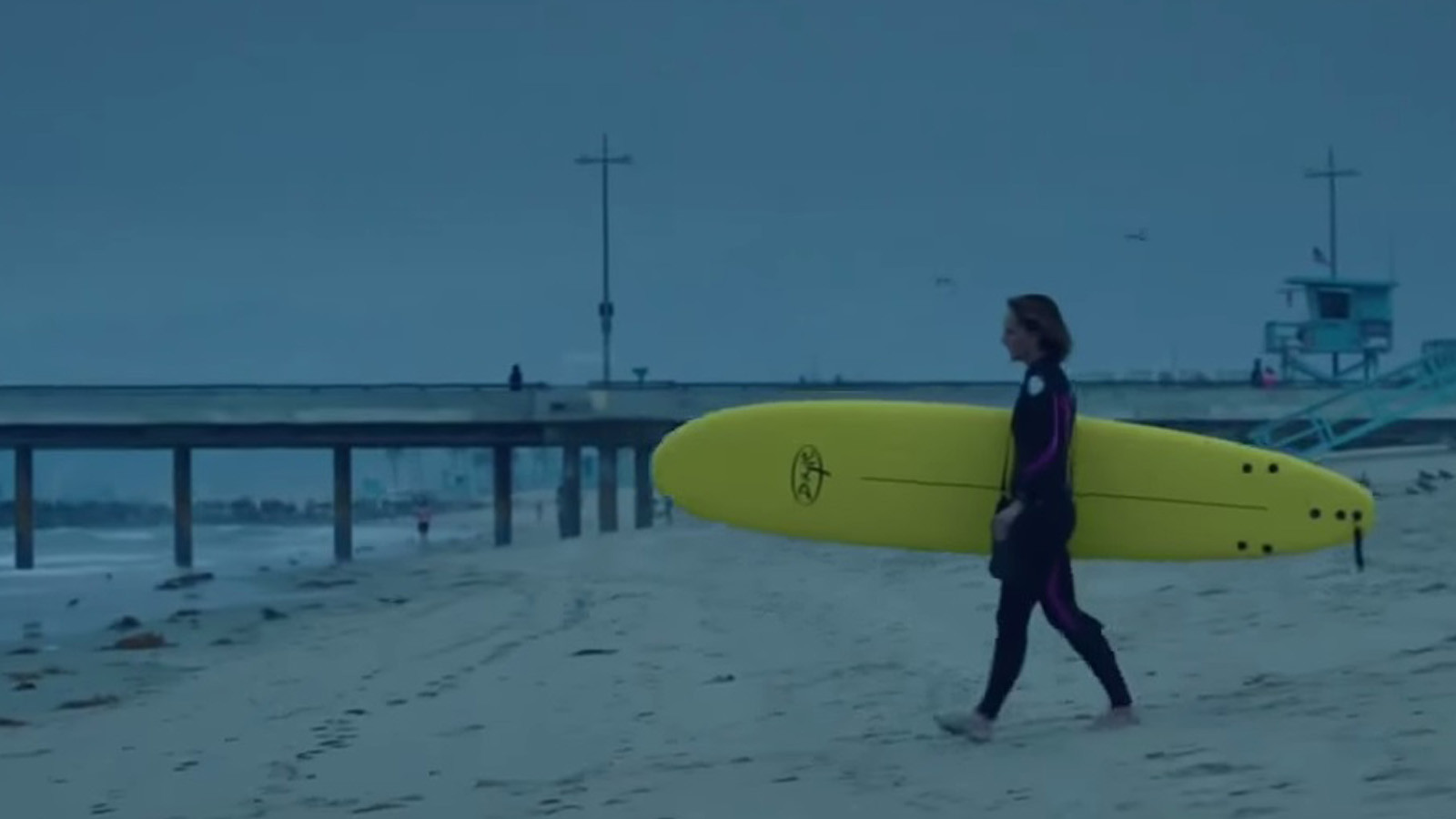
By now the even occasionally astute viewer will be able to guess what happens next. Jackie decides to learn to surf, but crucially, Hunt leaves out any clear-cut reason for her doing this, and we’re treated to several scenes where she stumbles about in the surf falling over, unable to get on her board, and generally acting as if surfing was the easiest thing in the world to master. It’s an obvious case of schadenfreude, and Hunt milks it for all its worth, from the difficulty in getting into a wetsuit to paddling out to the breakwater. Eventually she accepts help in the form of a surfer called Ian (Wilson). And… here’s where Hunt’s script further downplays the mother-son relationship even further, as Jackie embarks on an affair with Ian, and Angelo’s story is reduced to a couple of scenes where he reveals a family secret to a girl (Jayne) he meets on the beach.

With Hunt splintering her story into several different directions at once, the movie becomes less interesting and less involving. There’s a big, angry confrontation between Jackie and Angelo that comes out of the blue and feels shoehorned in to give the movie some much-needed drama, while Jackie’s journey of discovery weighs things down to the point that the viewer could be forgiven for hoping that Jackie’s board will fatally clump her on the head when she gets thrown off. And the resolution, when it comes, is entirely dependent on Jackie repeating something Ian tells her earleir on, and which she takes to heart without even a second thought. We’re meant to think that because she has to learn how to surf, and she’s not immediately proficient at it, that this has a way of humbling her. But Hunt doesn’t connect the dots in this regard, and much of how the movie is concluded seems awkward and clumsy, as if Hunt didn’t have a clear idea on how to round things up.

Ride - scene2

Hunt the director serves Hunt the star well, and there are glimpses in her performance that this could have been a different story entirely if Hunt the writer hadn’t felt the need to include so many surfing sequences (possibly in an effort to show how fit the actress is at fifty-two – though what appears to be one too many facelifts doesn’t help her case; her forehead is truly disturbing). With too many subplots thrown in at random as the movie unfolds, and with too many instances where Hunt’s script leaves a barrel big enough for two surfboards to plough through, Ride becomes an occasionally interesting viewing experience, and one that could have done with its script being tightened up considerably.

Rating: 5/10 – dead in the water for most of its running time, Ride‘s unfocused, repetitive script is its biggest downfall (how many times do we have see Jackie and Angelo text each other?); with a good cast given very little to do, and with Hunt unable to pep things up, it remains a movie that should be filed under Could Have Been So Much Better If…

Share this:

  • Click to share on X (Opens in new window) X
  • Click to share on Facebook (Opens in new window) Facebook
  • More
  • Click to print (Opens in new window) Print
  • Click to email a link to a friend (Opens in new window) Email
Like Loading...

All the Wilderness (2014)

27 Friday Feb 2015

Posted by dullwood68 in Movies

≈ Leave a comment

Tags

Chopin, Danny DeVito, Death, Drama, Evan Ross, Isabelle Fuhrman, Kodi Smit-McPhee, Michael Johnson, Mother/son relationship, Review, Suicide, Therapy, Virginia Madsen

All the Wilderness

D: Michael Johnson / 76m

Cast: Kodi Smit-McPhee, Virginia Madsen, Isabelle Fuhrman, Evan Ross, Danny DeVito

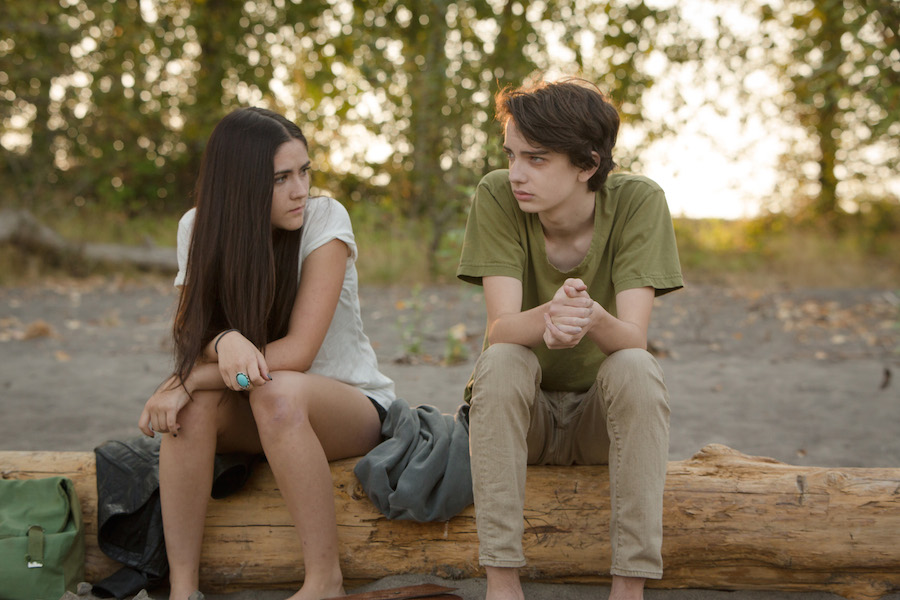
Following the death of his father, James Charm (Smit-McPhee) has become emotionally isolated and withdrawn. While his mother, Abigail (Madsen) relies increasingly on extra glasses of wine to cope with her loss, James takes to roaming the nearby woods and sketching the dead animals and insects that he finds there. He attends therapy sessions with Dr Pembry (DeVito) but is largely uncommunicative when it comes to talking about his father. Before a session, James meets Val (Fuhrman); there’s an immediate connection, one that’s cemented when she catches him sneaking out during the session. As he heads home he sees a young man (Ross) playing an abandoned piano in an alleyway.

Later on he bumps into the young man while on a bus. The young man’s name is Harmon, and along with a friend, he invites James to tag along with him for the night. At a food area, James finds Val selling doughnuts out of a van. They have an awkward exchange but Val is pleased to see him. Harmon then takes James to a party, afterwards they head back to Harmon’s place where James smokes his first weed and, unwittingly, begins to open up about his problems. The next night he goes back to the food area and sees Val again. She writes an address on his palm and tells him to meet her there the next day.

Feeling unsure about their burgeoning relationship, James meets Val and they head out of the city to a lake where they spend time getting to know each other. Back in the city they meet up with Harmon at another party. But James witnesses Val and Harmon kissing and he leaves. At his next therapy session, Dr Pembry challenges James as to why he sees him. When he tells James he thinks it’s because he feels guilty for not being able to support his mother, and that he should just get on with life, James begins to see things differently. He confronts Harmon and patches things up with Val before heading home to speak to his mother and revealing something about his father’s death that nobody else knows.

All the Wilderness - scene

A lyrical coming of age tale from first-time writer/director Johnson, All the Wilderness is a slow, mood- rather than plot-driven movie that has a strong visual flair and does its best to be different in a genre with (perhaps) too many antecedents. Taking the basic idea of a teenager torn between clinging to his father’s memory (albeit in an unusual way) and finding a way out of his grief, the movie covers mostly typical territory, but thanks to a good central performance by Smit-McPhee, never seems forced or too over familiar.

James is initially an intriguing character, though his obsession with recording – and predicting – death does seem a little heavy-handed, especially when you add his fondness for Chopin into the mix, as well as his choice of reading material, Moby Dick. But Johnson’s script is smart enough to introduce these embellishments and then not play on them too much except to provide some occasional flashes of humour later on. As we get to know him, James’ uncertainty and social awkwardness gives way, and we see someone taking their first tentative steps in growing up. Again, the script does a good job in balancing the difficulties of dealing with grief and the need to leave it behind, and as James begins to do so, Smit-McPhee’s physicality and demeanour become more confident, and his emotions fall into place, allowing him to realise that the wilderness his father spoke of – a slightly clumsy metaphor for life and death – is not something he has to be a part of.

While James isn’t particularly self-destructive, his relationship with his mother is tested by his going AWOL to see Harmon and Val, and though the ensuing confrontations between them feel perfunctory, and Madsen is required to step back almost throughout, it’s the actors approach to them that stops them from being entirely redundant. It’s the same with James and Val’s trip to the lake: they exchange personal information, mess around in the water, and establish a bond that, despite what happens between Val and Harmon, won’t be broken. It’s thanks to Smit-McPhee and Fuhrman that this fairly brief sequence works so well, and makes their later talk in the wake of that kiss all the more credible.

Johnson does make some mistakes though. Pembry’s “resolution/advice” comes at the end of approximately six months of sessions, and appears to be so simple (and obvious) that you have to wonder why it’s taken him so long to say it. And James’s reaction to it is also too expedient to be taken entirely seriously; all of a sudden he’s focused and determined and knows exactly what he needs to do. James also imagines hooded assailants chasing him through the streets, and while this idea adds some much needed energy to the movie, their appearance is never properly explained (and in one case seems designed only to get James on the bus where he properly meets Harmon).

Where the movie scores highly is in its look and feel, with DoP Adam Newport-Berra giving the viewer the sense of how James sees the world around him, with all its sights and sounds either slightly distorted or given heightened emphasis. There’s also a good use of space and lighting that makes some of the images seem more original in their framing and composition than you’d expect. And there’s a great mix of classical and indie music on the soundtrack too.

Rating: 7/10 – a solid debut by Johnson, All the Wilderness deals with themes of loss, fear and personal responsibility and, by and large, makes them seem fresh; but with too much that’s familiar, not every attempt to subvert the formula works, leading to a movie that works for the most part but not entirely.

Share this:

  • Click to share on X (Opens in new window) X
  • Click to share on Facebook (Opens in new window) Facebook
  • More
  • Click to print (Opens in new window) Print
  • Click to email a link to a friend (Opens in new window) Email
Like Loading...

The Babadook (2014)

30 Sunday Nov 2014

Posted by dullwood68 in Movies

≈ 5 Comments

Tags

Australian movie, Creature, Dead husband, Drama, Essie Davis, Grief, Horror, Jennifer Kent, Mother/son relationship, Noah Wiseman, Possession, Review, Thriller

Babadook, The

D: Jennifer Kent / 93m

Cast: Essie Davis, Noah Wiseman, Hayley McElhinney, Daniel Henshall, Barbara West, Benjamin Winspear, Tim Purcell

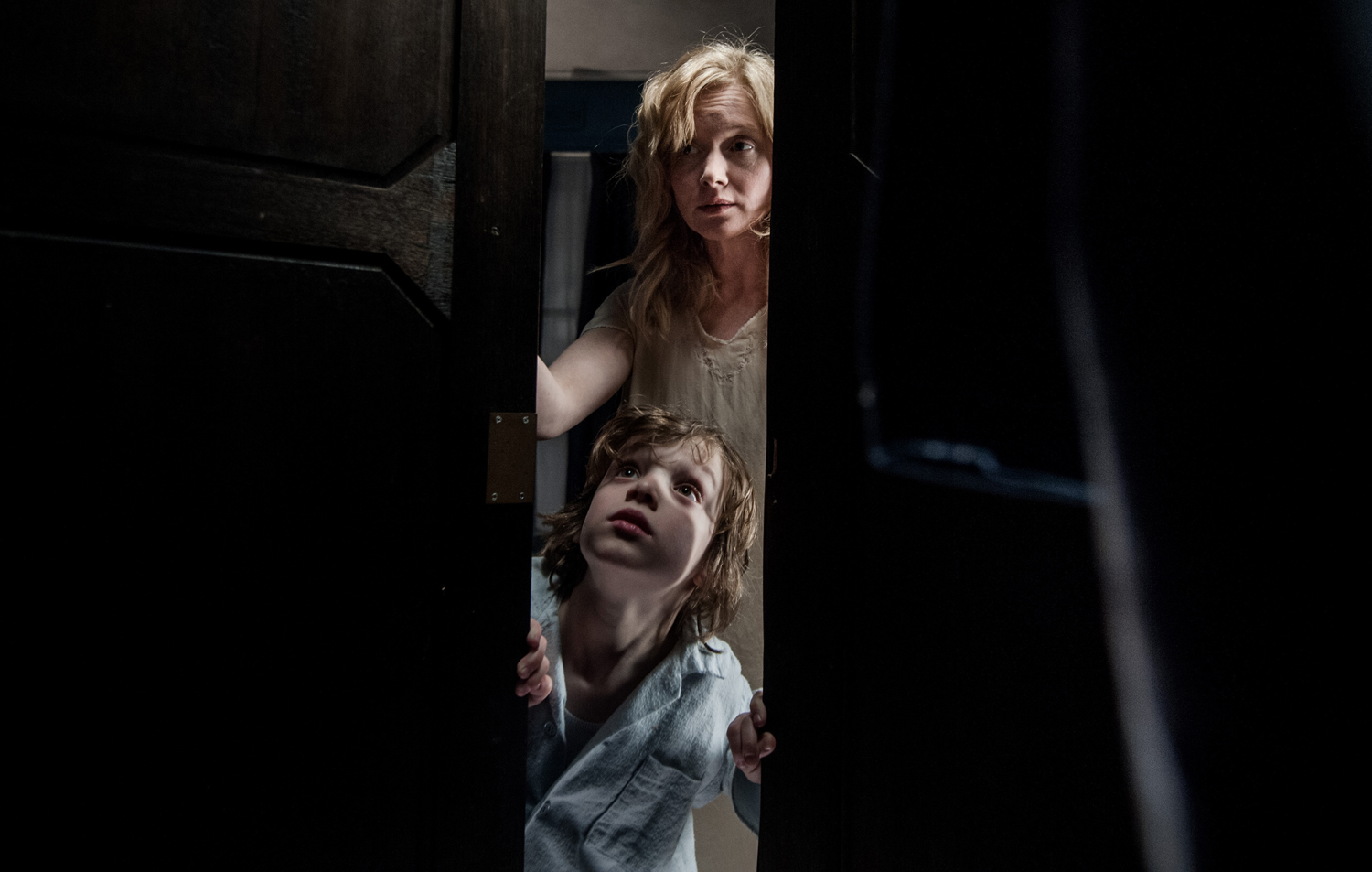
Six-year-old Samuel (Wiseman) has a deep-rooted fear of monsters. Each night he makes sure his mother, Amelia (Davis) checks under the bed and inside his wardrobe to ensure nothing lurks in his room. Most nights, though, Samuel’s fear leads to his sleeping with his mother; this in turn leads to Amelia being constantly tired. With his fear of monsters becoming obsessive – Samuel is convinced they’re real and constructs weapons to kill them – his behaviour begins to have an isolating effect. His school doesn’t know how to deal with him, and Amelia’s sister, Claire (McElhinney) is sufficiently worried to want to keep her daughter away from him.

One night, Samuel chooses a book for Amelia to read to him at bedtime. The book is called The Babadook, and shows a menacing creature trying to prey on a young child; strangely, the last few pages are blank. Amelia is disturbed by the book, but not as much as Samuel. His behaviour worsens as he refers to the Babadook as being real. Unable to cope at work, and struggling with Samuel’s “acting up”, Amelia rips the book into pieces and throws it into the trash. Soon after, there is a loud knocking at the front door. Amelia finds the book on the doorstep, its pages reassembled, and with the last few pages now depicting her murdering their dog, and then Samuel before taking her own life. Horrified, this time she burns the book.

Amelia also starts to receive phone calls where a voice chants “ba-BA-ba Dook! Dook! Dook!” Then one night she sees the creature in her room. Terrified, but unsure of what to do, Amelia attempts to carry on as usual but Samuel becomes increasingly wary of her. When he has a fit in the back of their car, she keeps him off school, but her attempts to look after him are hampered by sudden mood swings and angry outbursts. Samuel becomes convinced she’s been possessed by the Babadook, and tells her so. And soon, the book’s added illustrations start to come true…

Babadook, The - scene

Expanded from Kent’s debut short, Monster (2005), The Babadook is an occasionally chilling examination of childhood terror and adult paranoia. It opens with the accident that claims the life of Oskar (Winspear), Amelia’s husband. This pivotal moment is at the heart of Amelia’s troubles, her unresolved grief keeping her from moving on with her life and hindering her from properly dealing with Samuel’s fear of monsters. Of the two, she is the more susceptible to the attentions of the Babadook, and so it proves, the creature targeting the weaker inhabitant of the house. It’s a frightening scenario for any child: to see their parent turning into the very creature they’re most afraid of, and it’s this very real terror that the movie exploits so effectively.

However, the concept of the Babadook itself is less successful. As the latest boogeyman to hit our screens, its look a combination of German Expressionism and Freddy Krueger’s favourite manicure, the creature is kept hidden for the most part, Kent preferring to use Oskar as its more user-friendly incarnation. This decision is a wise one on the writer/director’s part, as when the Babadook does appear in the flesh, the nightmarish quality of the book’s rendering of it is undermined, and there’s just too much of a resemblance to Conrad Veidt in The Cabinet of Dr. Caligari (1920). (There’s also a moment when the Babadook, hidden in the darkness of Amelia’s bedroom, extends its arms in a wing-like effect; it’s meant to be terrifying but instead is puzzling as there’s no follow up.) Used largely as a shock effect, the Babadook isn’t quite as scary as might be expected, and Kent doesn’t do full justice to the opportunities the creature could have afforded.

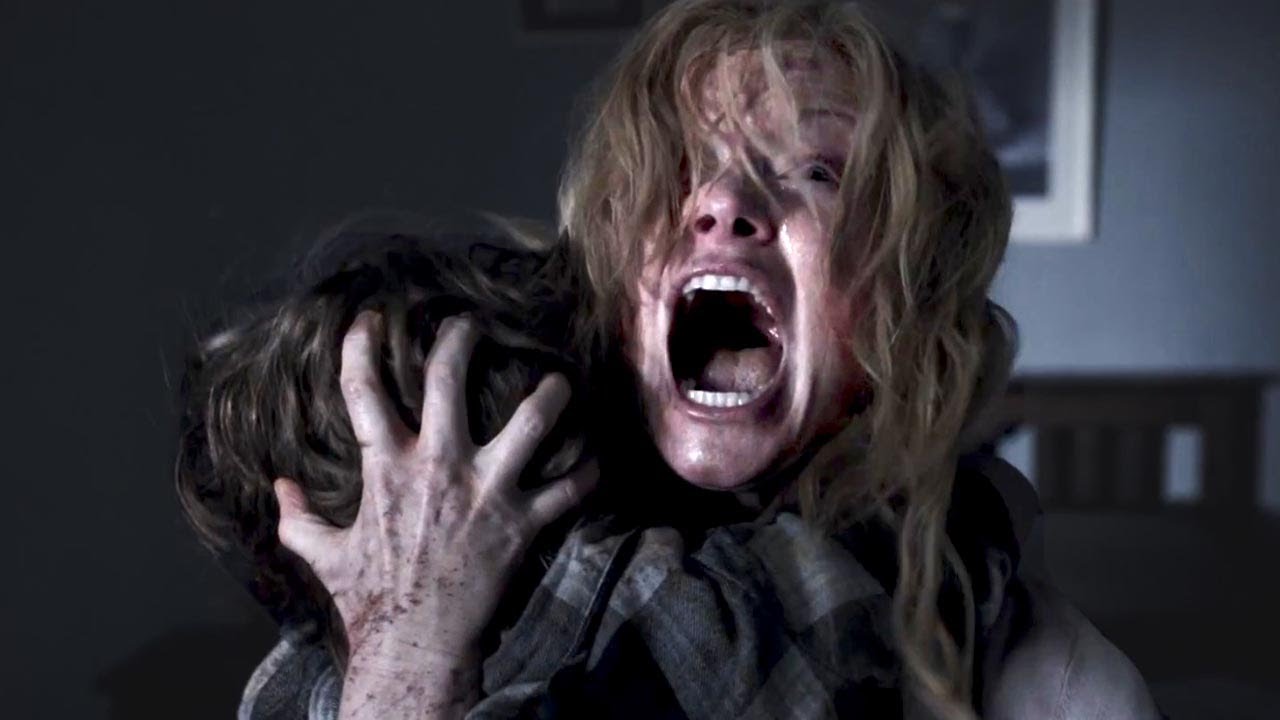
The Babadook is more effective, however, as a study of one woman’s extreme mental breakdown. Taking the death of her husband as a starting point, Amelia’s inability to cope is more understandable. There’s a scene with her sister where Amelia admits she doesn’t talk about Oskar’s death but it’s still a source of pain; it’s clear from this that she’s never properly dealt with the feelings and emotions that have developed over the years since he died (there is an added level of heartache to Oskar’s death: he was driving Amelia to the hospital so she could give birth to Samuel when the accident happened). With Samuel’s seventh birthday fast approaching, and his insistence on the reality of monsters – in particular the Babadook – Amelia’s descent into murderous psychosis is a credible alternative to the idea of a creature in the shadows. To back this up, Amelia is shown in various fugue states, and her mood swings revolve around items belonging to Oskar, or Samuel’s own need for reassurance and comfort. As she clings to the past and deflects the concerns of the present, her grip on reality loosens to the point where her mania is all-encompassing, and where any lucid moments are short-lived.

In this context, the Babadook is an obvious extension of Amelia’s mania, but the script calls for a more traditional showdown, though even here Kent can’t resist throwing a twist into the mix, and the movie ends by creating a fresh mystery (viewers can decide for themselves just what it all means in relation to what’s gone before). With its drab, murky interiors and deep shadows, Amelia and Samuel’s home is yet another movie location where the lighting is largely ineffectual (or never used), and there’s a conveniently placed kitchen window that allows Amelia to view the Babadook in their neighbour’s home (and which violates the creature’s own mythology for the sake of a cheap scare). Unable to resist the inclusion of some standard horror tropes – bumps in the night, the wardrobe door that was shut and is later mysteriously open – Kent’s script also offers up some very minor subplots that aren’t developed fully, and keeps its secondary characters firmly in the background. Away from the script, Kent directs with a confidence that stands her in good stead when the focus is on the relationship between Amelia and Samuel, but less so when she’s trying to inject some terror into the proceedings.

Babadook, The - scene2

If you’re someone who rarely watches horror movies, and really this is more of a domestic drama with horror themes attached, then it’s likely you’ll find The Babadook quite disturbing. However, fans of the genre will find less to celebrate, and may well feel let down by all the hype that’s surrounded the movie since its release. Kent has done a proficient job of expanding her original short film (which is well worth checking out), but the main problem in that version remains here: just what does the Babadook represent, and why?

Rating: 6/10 – uneven, and with too many longueurs holding up the action, The Babadook never quite lives up to its potential; only occasionally scary, and with performances from Davis and Wiseman that don’t resonate or impress as much as they should, this is yet another reminder of how difficult it is nowadays to create a truly terrifying horror movie.

Share this:

  • Click to share on X (Opens in new window) X
  • Click to share on Facebook (Opens in new window) Facebook
  • More
  • Click to print (Opens in new window) Print
  • Click to email a link to a friend (Opens in new window) Email
Like Loading...

Blog Stats

  • 490,504 hits

Recent Posts

  • 10 Reasons to Remember Bibi Andersson (1935-2019)
  • Fantasia (1940)
  • Dances With Wolves (1990) – The Special Edition
  • Kiss of the Spider Woman (1985)
  • The Three Musketeers (1973)

Top Posts & Pages

  • The White Orchid (2018)
    The White Orchid (2018)
  • Lost for Life (2013) - Another Look
    Lost for Life (2013) - Another Look
  • Captain Fantastic (2016)
    Captain Fantastic (2016)
  • Miss Baek (2018)
    Miss Baek (2018)
  • Two Shorts by François Ozon: A Summer Dress (1996) and X2000 (1998)
    Two Shorts by François Ozon: A Summer Dress (1996) and X2000 (1998)
  • Central Intelligence (2016)
    Central Intelligence (2016)
  • The Dark Tower (2017)
    The Dark Tower (2017)
  • Taken (2008)
    Taken (2008)
  • Cardboard Boxer (2016)
    Cardboard Boxer (2016)
  • A Brief Word About La La Land (2016)
    A Brief Word About La La Land (2016)
Follow thedullwoodexperiment on WordPress.com

Blogs I Follow

  • Rubbish Talk
  • Film 4 Fan
  • Fast Film Reviews
  • The Film Blog
  • All Things Movies UK
  • Interpreting the Stars
  • Let's Go To The Movies
  • Movie Reviews 101
  • TMI News
  • Dan the Man's Movie Reviews
  • Film History
  • Jordan and Eddie (The Movie Guys)

Archives

  • April 2019 (13)
  • March 2019 (28)
  • February 2019 (28)
  • January 2019 (32)
  • December 2018 (28)
  • November 2018 (30)
  • October 2018 (29)
  • September 2018 (29)
  • August 2018 (29)
  • July 2018 (30)
  • June 2018 (28)
  • May 2018 (24)
  • April 2018 (21)
  • March 2018 (31)
  • February 2018 (25)
  • January 2018 (30)
  • December 2017 (30)
  • November 2017 (27)
  • October 2017 (27)
  • September 2017 (26)
  • August 2017 (32)
  • July 2017 (32)
  • June 2017 (30)
  • May 2017 (29)
  • April 2017 (29)
  • March 2017 (30)
  • February 2017 (27)
  • January 2017 (32)
  • December 2016 (30)
  • November 2016 (28)
  • October 2016 (30)
  • September 2016 (27)
  • August 2016 (30)
  • July 2016 (30)
  • June 2016 (31)
  • May 2016 (34)
  • April 2016 (30)
  • March 2016 (30)
  • February 2016 (28)
  • January 2016 (35)
  • December 2015 (34)
  • November 2015 (31)
  • October 2015 (31)
  • September 2015 (34)
  • August 2015 (31)
  • July 2015 (33)
  • June 2015 (12)
  • May 2015 (31)
  • April 2015 (32)
  • March 2015 (30)
  • February 2015 (37)
  • January 2015 (39)
  • December 2014 (34)
  • November 2014 (34)
  • October 2014 (36)
  • September 2014 (25)
  • August 2014 (29)
  • July 2014 (29)
  • June 2014 (28)
  • May 2014 (23)
  • April 2014 (21)
  • March 2014 (42)
  • February 2014 (38)
  • January 2014 (29)
  • December 2013 (28)
  • November 2013 (34)
  • October 2013 (4)

Blog at WordPress.com.

Rubbish Talk

Film 4 Fan

A Movie Blog

Fast Film Reviews

The Film Blog

The official blog of everything in film

All Things Movies UK

Movie Reviews and Original Articles

Interpreting the Stars

Dave Examines Movies

Let's Go To The Movies

Film and Theatre Lover!

Movie Reviews 101

Daily Movie Reviews

TMI News

Latest weather, crime and breaking news

Dan the Man's Movie Reviews

All my aimless thoughts, ideas, and ramblings, all packed into one site!

Film History

Telling the story of film

Jordan and Eddie (The Movie Guys)

Movie Reviews & Ramblings from an Australian Based Film Fan

Privacy & Cookies: This site uses cookies. By continuing to use this website, you agree to their use.
To find out more, including how to control cookies, see here: Cookie Policy
  • Subscribe Subscribed
    • thedullwoodexperiment
    • Join 481 other subscribers
    • Already have a WordPress.com account? Log in now.
    • thedullwoodexperiment
    • Subscribe Subscribed
    • Sign up
    • Log in
    • Report this content
    • View site in Reader
    • Manage subscriptions
    • Collapse this bar
 

Loading Comments...
 

    %d