• 10 Reasons to Remember…
  • A Brief Word About…
  • About
  • For One Week Only
  • Happy Birthday
  • Monthly Roundup
  • Old-Time Crime
  • Other Posts
  • Poster of the Week
  • Question of the Week
  • Reviews
  • Trailers

thedullwoodexperiment

~ Viewing movies in a different light

thedullwoodexperiment

Tag Archives: Abduction

Operation Finale (2018)

15 Monday Oct 2018

Posted by dullwood68 in Movies

≈ Leave a comment

Tags

1960, Abduction, Adolf Eichmann, Ben Kingsley, Buenos Aires, Chris Weitz, Drama, Israel, Mélanie Laurent, Oscar Isaac, Review, True story
D: Chris Weitz / 123m

Cast: Oscar Isaac, Ben Kingsley, Mélanie Laurent, Lior Raz, Nick Kroll, Haley Lu Richardson, Joe Alwyn, Michael Aronov, Greta Scacchi, Pêpê Rapazote, Peter Strauss, Simon Russell Beale

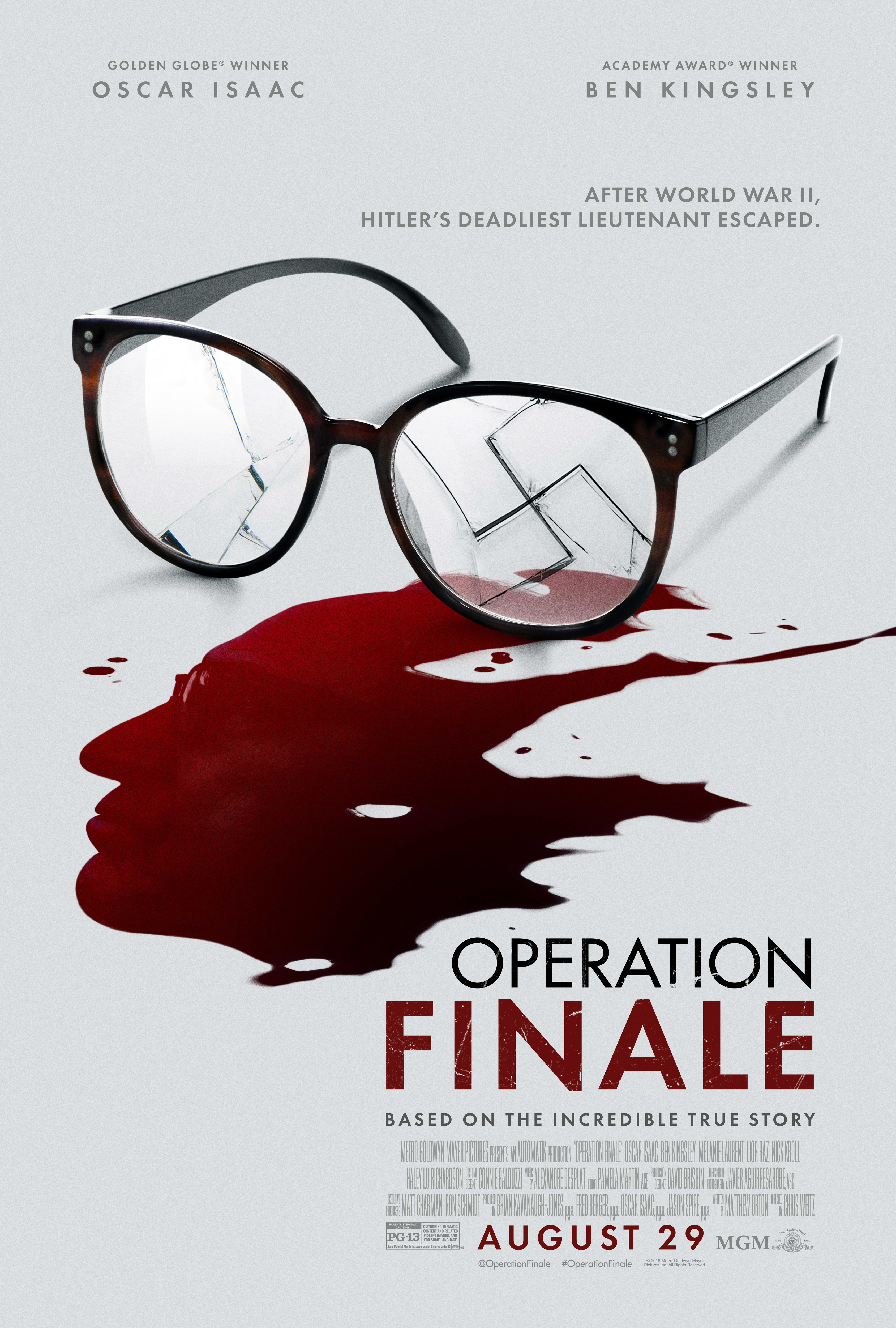
In Buenos Aires in 1960, a young woman called Sylvia Hermann (Richardson) begins dating a young man, Klaus (Alwyn), who tells her he lives with his uncle, who has been looking after him since his father died in World War II. The kindly uncle actually is his father, Adolf Eichmann (Kingsley), long wanted for war crimes, and now the focus of an Israeli attempt to kidnap him and bring him to trial. Mossad assembles a team that includes Peter Malkin (Isaac), a brash, opportunistic agent who was involved in a previous attempt to capture Eichmann that ended tragically; Rafi Eitan (Kroll), an intelligence specialist; and Hanna Elian (Laurent), a doctor and former agent. The team travels to Buenos Aires where they organise a safe house, and plot Eichmann’s abduction. Once captured, though, they find themselves with a problem: the only way they can get Eichmann out of the country is on an El Al plane that’s scheduled to leave in ten days’ time. But first, El Al wants a signed affidavit from Eichmann that he is willing to travel to Israel to stand trial…

The capture and subsequent “extradition” of Adolf Eichmann from Argentina to Israel in May 1960 has all the hallmarks of an exciting adventure story, with the Mossad team working in secrecy, and under the very real threat of being captured by the Argentinian police and finding themselves put on trial for espionage. And that’s without the substantial number of Nazis and Nazi sympathisers living in Buenos Aires at the time, who would most likely have had them killed on the spot. Eichmann’s capture was a huge coup for the Israelis, and though Operation Finale conflates much of the background detail – e.g. Sylvia Hermann began dating Klaus Eichmann in 1956 – it remains true to the spirit and the general sequence of events that saw one of the principle architects of the Final Solution finally brought to justice. However, Matthew Orton’s screenplay only provides an occasional sense of the danger Malkin and his colleagues were facing, and director Chris Weitz doesn’t seem able to make the movie as tense and exciting as it should be. Instead, we’re treated to a number of scenes where the team debate whether or not to kill Eichmann there and then (even though that’s not the mission), and several repetitive scenes where they endeavour to get him to sign El Al’s affidavit, but to no avail.
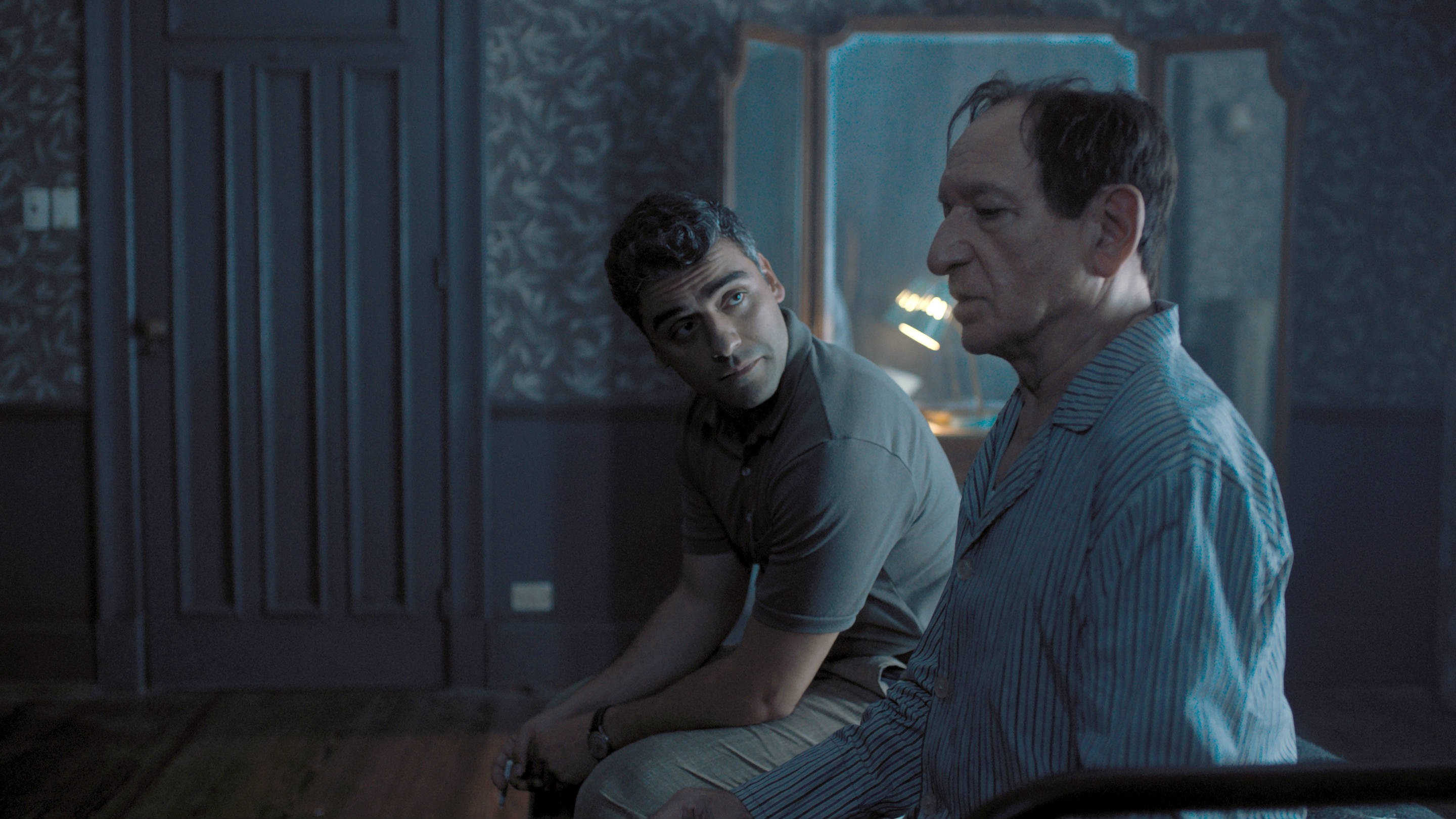
It’s a shame, as though this is a distinct improvement on The Man Who Captured Eichmann (1996), it never really gels as the historical thriller that was so clearly intended. The performances are uniformly good, with Kingsley subdued yet calculating as Eichmann, and Aronov matching him for intensity as chief interrogator Zvi Aharoni, but they’re in service to material that is often dry and unimaginative. Dramatic flourishes such as flashbacks to the death of Malkin’s sister (which put Eichmann unconvincingly at the scene), and a party where the entire gathering shouts “Sieg Heil!” and gives the Nazi salute over and over, stand out because they are more emotive, but elsewhere the movie treads an even keel and rarely strays from feeling perfunctory and ever so slightly mannered. Even the last minute race against time to get to the airport with the police on the team’s tail is less than exciting, just another cog in the story’s wheel that the makers feel obliged to turn for the audience’s sake. It’s another moment of restrained pretence in a movie that lacks the kind of emotional impact such a dramatic story truly deserves.

Rating: 5/10 – despite the good use of Argentinian locations, and David Brisbin’s detailed production design, Operation Finale feels more like the cinematic equivalent of a first draft than a finished product; with a handful of soap opera elements that further dilute the drama, the movie is too broad and too uneven in its approach to be anywhere near successful, but on its own terms it will suffice until the next interpretation comes along.
Share this:

  • Click to share on X (Opens in new window) X
  • Click to share on Facebook (Opens in new window) Facebook
  • More
  • Click to print (Opens in new window) Print
  • Click to email a link to a friend (Opens in new window) Email
Like Loading...

Brigsby Bear (2017)

06 Monday Nov 2017

Posted by dullwood68 in Movies

≈ Leave a comment

Tags

Abduction, Brigsby Bear Adventures, Comedy, Dave McCary, Drama, Greg Kinnear, Kyle Mooney, Mark Hamill, Matt Walsh, Review, TV show

D: Dave McCary / 97m

Cast: Kyle Mooney, Greg Kinnear, Matt Walsh, Mark Hamill, Michaela Watkins, Ryan Simpkins, Jorge Lendeborg Jr, Alexa Demie, Claire Danes, Kate Lyn Sheil, Beck Bennett, Jane Adams

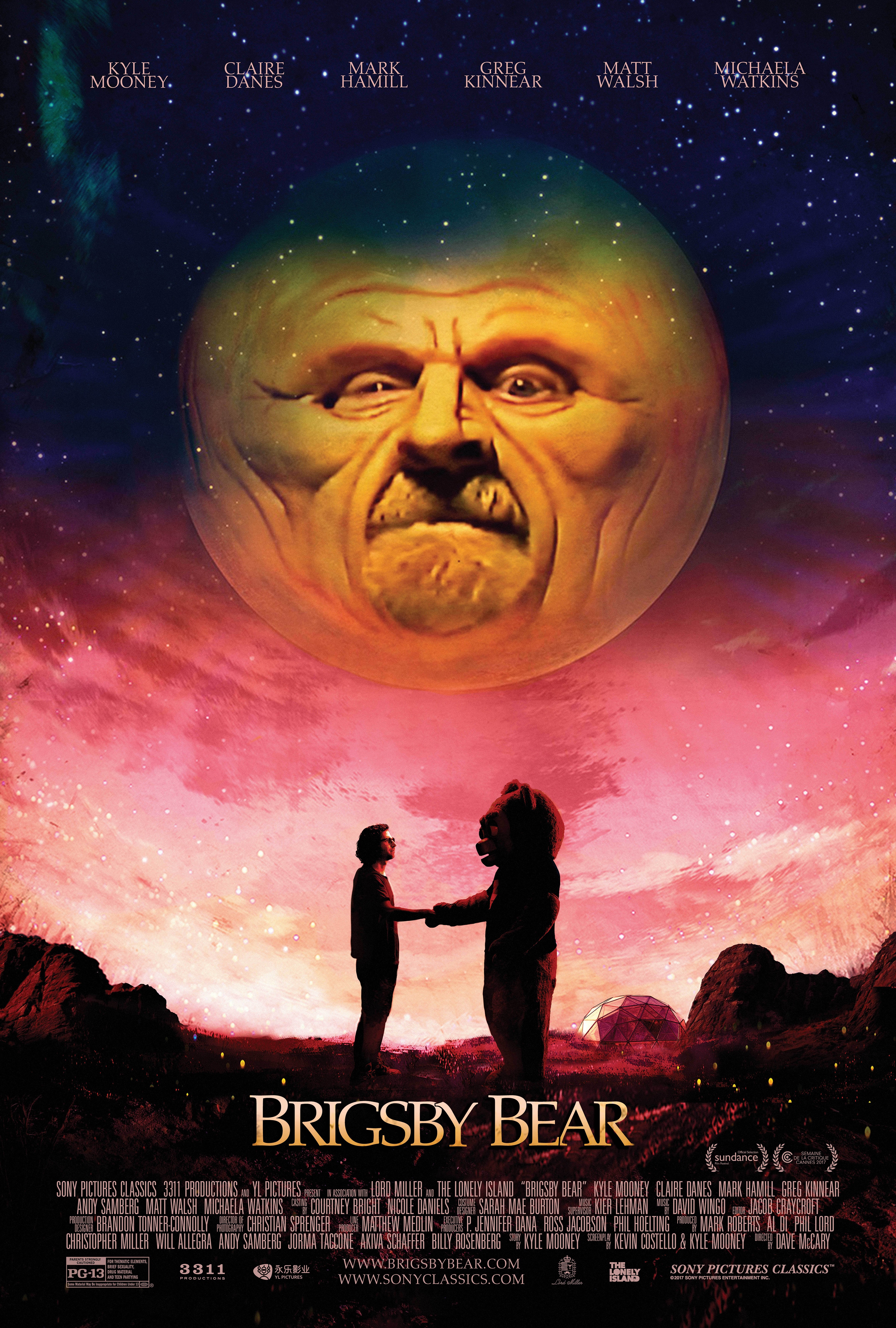
James Mitchum (Mooney) is in his mid-twenties and has never strayed beyond the immediate confines of the underground bunker that he and his parents, Ted (Hamill) and April (Adams), live in due to the outside air being poisonous (though the cause is left unexplained). James has grown up watching a TV show called Brigsby Bear Adventures, which concerns a bear called Brigsby and the adventures he has in space as he tries to stop the evil Sunsnatcher from destroying all the light in the universe. Brigsby is aided by two twins, the Smile Sisters, who are roughly eight or nine. James knows the show inside out, and for good reason: it’s the only TV show he’s ever seen. But James’ life is turned upside down when police arrive at the bunker, and it’s revealed that James was stolen as a baby from his real parents, Greg (Walsh) and Louise Pope (Watkins).

United with his birth parents, and his younger sister, Aubrey (Simpkins), James finds much that is puzzling about this new world he’s been thrust into, and his obvious lack of social skills don’t help, but the one thing he has that he can rely on, the one thing that continues to make sense to him, is Brigsby Bear. But when he’s informed that Ted created the character and made all the shows himself, instead of trying to put this information into the context of his “abducted” life and its structure (the video tapes of the show that Ted made were as much educational as they were entertainment), James decides to make a Brigsby Bear movie, and use it as a way of completing Brigsby’s story. James’s reasoning is plain: if Ted can no longer finish the story, who better than James? With the aid of some of Aubrey’s school friends, including budding movie maker Spencer (Lendeborg Jr), and admirer Meredith (Demie), and police detective Vogel (Kinnear) (who helps with “access” to some of the show’s original props), James sets about making his dream come true.

If you see a movie that’s more sincere and more touching than Brigsby Bear in 2017, then that movie definitely needs to be brought to everyone’s attention, because this movie is both those things and much, much more. A feelgood movie that takes a truly original notion and explores it with unexpected depth and compassion, Brigsby Bear is a terrific, wonderfully constructed movie that touches on universal themes of acceptance and individuality and belonging, and does so in such a well thought out and affecting way that it’s hard not to find yourself smiling to yourself without always realising it while the movie is playing. Conceived and written by its star, Kyle Mooney, and his friend, Kevin Costello, James’s own adventure is one that is both touching and heartfelt, and which pulls the viewer along by the sheer exuberance that emanates from the screenplay and its use of the characters involved. James isn’t a socially awkward teenager in an adult’s body, he’s a socially awkward adult with a teenager’s mindset. But his commitment to Brigsby Bear isn’t a sign of a child whose emotional growth has been stunted by prolonged exposure to the show. Instead it provides clear evidence that James has absorbed many of the life lessons that Ted has tried to teach him; all he has to do now is recognise the situations in which he should use them (it’s an interesting subtext – that Ted has actually done a good job of being a father to James despite the circumstances – that, sadly, isn’t followed up).

That he gets so many things wrong becomes understandable, but Mooney and Costello’s screenplay, ably realised by McCary, also shows how James develops as a person, and how he learns from his mistakes. Mooney is superb as James, always seeming as if he’s just on the verge of working out some diffuse mystery, and always in a way that keeps everyone around him slightly on tenterhooks, unsure of where his enthusiasm for Brigsby will take him. It leads to some wonderfully charming moments that emphasise and highlight the joys of extremely low budget movie making, and how the making of this particular movie serves as a final chapter for the first part of James’s life; it’s his way of putting the past behind him and beginning to move on. And as he reconciles his past with his future, more lessons are learned and James’s growth as an individual helps him to forge the new relationships that will allow him to rebuild his life.

Directed with confidence, and with a focus on the emotional core of the screenplay by McCary (making his feature debut), the movie is quirky, and infused with a sweet-natured humour that allows for easy laughs throughout, but not at the expense of the sentimental nature of the drama. Some viewers may find that the movie isn’t “dark” enough, as if the initial set up should lead on to darker material, but that idea is quickly undermined (and dismissed) when Vogel asks James if the Mitchums ever “touched” him. James confirms this, saying it happened often, and demonstrates by shaking Vogel’s hand. This isn’t a movie where any physical or psychological damage to its lead character is either mandatory or relevant – there are plenty of other movies where those aspects are addressed. Instead it’s a movie that in its own compassionate way, avoids those issues but only because it’s not the story it wants to tell. (And even when James is sent to a psychiatric hospital, there’s still the opportunity for laughs rather than misery.)

With great supporting turns from the likes of Kinnear (as a cop with thespian leanings), Danes (as a domineering therapist), and Hamill (as the not quite so evil abductor that you’d expect), the movie is also careful to portray the Pope family dynamic as one of protracted confusion mixed with dwindling hope that James will ever be fully integrated into that dynamic. The script provides answers to many of the questions it raises (including that one), but is shrewd enough to keep James’s future an enigma that even he may never solve. This ambiguity allows the movie to end on a high note that is actually more poignant and more apt when considering where James’s story began, and which is in keeping entirely with its off-kilter nature. Few movies this year are likely to be as engaging or as captivating as this one, and that’s because this movie is a true one of a kind.

Rating: 9/10 – with its fully rounded central character, offbeat yet creative scenario, and effortlessly endearing atmosphere, Brigsby Bear is like a surprise present you weren’t expecting – at all; smart, funny, and genuine, it’s a movie that eschews moralising for optimism, and does so in such a warm, convivial manner that it’s entirely too hard to resist.

Share this:

  • Click to share on X (Opens in new window) X
  • Click to share on Facebook (Opens in new window) Facebook
  • More
  • Click to print (Opens in new window) Print
  • Click to email a link to a friend (Opens in new window) Email
Like Loading...

Mini-Review: Split (2016)

31 Tuesday Jan 2017

Posted by dullwood68 in Movies

≈ 2 Comments

Tags

23 identities, Abduction, Anya Taylor-Joy, Betty Buckley, Drama, James McAvoy, M. Night Shyamalan, Multiple personalities, Review, The Beast, Thriller

louglrd

D: M. Night Shyamalan / 117m

Cast: James McAvoy, Anya Taylor-Joy, Betty Buckley, Haley Lu Richardson, Jessica Sula, Brad William Henke, Sebastian Arcelus, Izzie Coffey

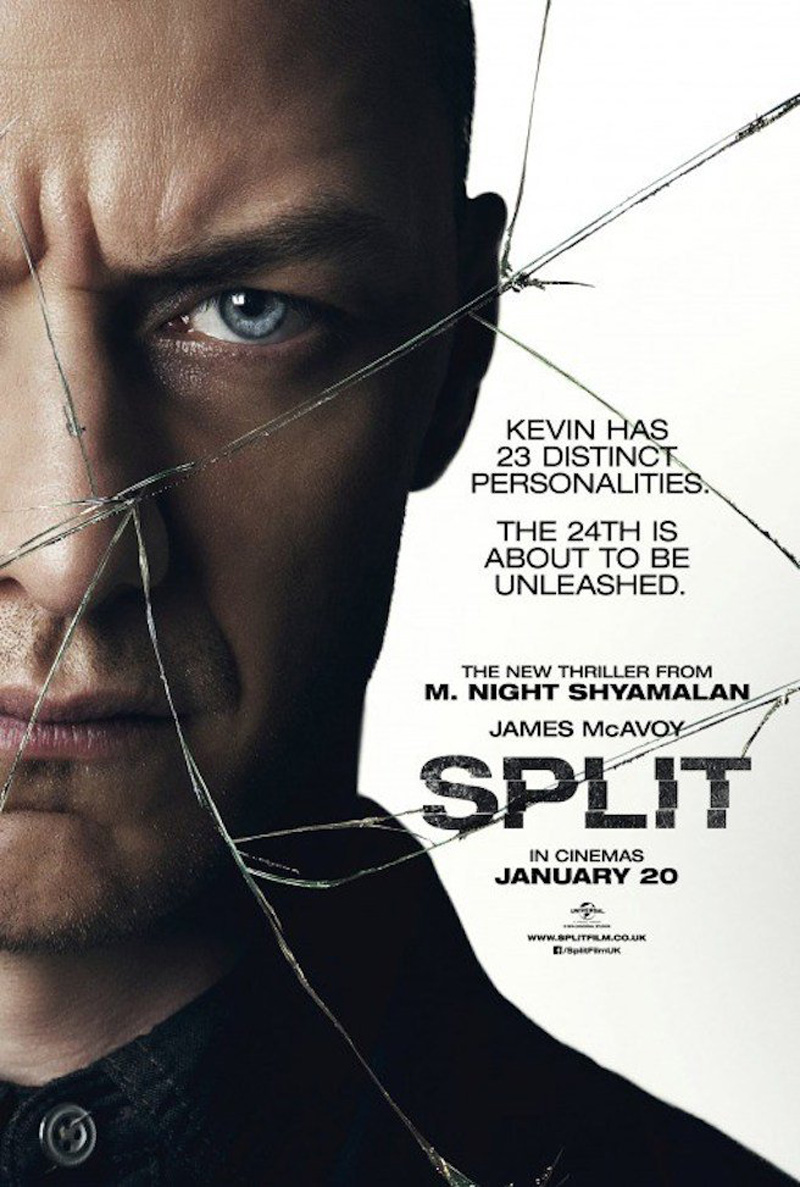
After a party at their local mall, birthday girl Claire (Richardson) and her friend Marcia (Sula) offer withdrawn classmate and pity invite Casey (Taylor-Joy), a ride home. But in the car park, a stranger (McAvoy) gets in the car instead of Claire’s father, and he uses a spray to render the three girls unconscious. When they wake, they find themselves in a locked basement room, but otherwise unhurt. Their abductor, Dennis, tells them that they’ll be perfectly safe, as long as they don’t try to escape; they’ve been taken because “someone” is coming. Meanwhile, Dennis attends therapy sessions with Dr Karen Fletcher (Buckley), but when he does he’s called Barry, and he’s a different personality altogether. And this is the point: Dennis and Barry are just two of twenty-three personalities living in the body of the man known as Kevin Wendell Crumb.

With one of the personalities sending urgent e-mails to Dr Fletcher on a regular basis, but Barry assuring her everything is okay, she suspects something has happened that has prompted this cry for help. As she attempts to work out just what that something might be, the girls make an attempt at escaping. Claire manages to get out of the room they’re in but she’s soon captured and locked in a separate room; the same fate eventually befalls Marcia. Casey tries to strike up a relationship with another of Kevin’s multiple personalities, a nine year old boy called Hedwig. He warns her that the “someone” who is coming is actually known as the Beast, and as Hedwig adds quite cheerfully, “He’s done awful things to people and he’ll do awful things things to you.” With Casey and Dr Fletcher arriving at the truth of things from different angles, it’s still down to the three girls to find a way out and back to safety before the Beast arrives.

split-images-movie-2016

With each new M. Night Shyamalan movie, it seems everyone is in agreement: he’s making better movies now from when he used to make absolute tosh like The Happening (2008) and The Last Airbender (2010). But while that may be true (and to make movies worse than either of those mentioned would be a feat in itself), it’s also true that he’s still not anywhere near to making movies as accomplished as The Sixth Sense (1999), or fan favourite, Unbreakable (2000). But while he’s still got a way to go, Split is certainly a good indication that he’s getting there. He’s helped in no small part by McAvoy’s incredibly detailed and nuanced performances as seven of Wendell’s multiple personalities, and Taylor-Joy’s practical captive with a relevant back story.

But while his cast go to great lengths to make his story at least halfway credible, and Shyamalan himself directs with great skill, as a writer he still manages to stumble too often for comfort, and the script fails to answer several important questions, the main one being, why is Hedwig’s drawing of the Beast not even remotely like the version we see towards the end – and especially after Dr Fletcher asserts that “an individual with multiple personalities can change their body chemistry with their thoughts”? (Oh, really?) It’s about time that Shyamalan let somebody else write the script because it’s the one area in which he consistently lets himself, and his movies, down. In the end, it’s all nonsense, but it could have been much more enjoyable nonsense, and McAvoy’s dexterous performances could have been part of a better showcase for his talents.

Rating: 6/10 – let down by a script that starts off strong then slowly but surely runs out of steam and ideas by the halfway mark, Split still qualifies as a stepping stone on the path of Shyamalan’s rehabilitation as a quality movie maker; McAvoy is terrific, the eerie nature of the basement rooms makes for a good mise en scène, and then there’s that final scene, which, depending on your love for a certain movie, will either have you whooping with joy, or wailing in despair.

Share this:

  • Click to share on X (Opens in new window) X
  • Click to share on Facebook (Opens in new window) Facebook
  • More
  • Click to print (Opens in new window) Print
  • Click to email a link to a friend (Opens in new window) Email
Like Loading...

A Conspiracy of Faith (2016)

16 Saturday Jul 2016

Posted by dullwood68 in Movies

≈ Leave a comment

Tags

Abduction, Children, Crime, Department Q, Drama, Fares Fares, Hans Petter Moland, Jakob Ulrik Lohmann, Jehovah's Witnesses, Jussi Adler-Olsen, Literary adaptation, Message in a bottle, Murder, Nikolaj Lie Kaas, Pål Sverre Hagen, Review, Thriller

A Conspiracy of Faith

Original title: Flaskepost fra P

D: Hans Petter Moland / 112m

Cast: Nikolaj Lie Kaas, Fares Fares, Pål Sverre Hagen, Jakob Ulrik Lohmann, Amanda Collin, Johanne Louise Schmidt, Jakob Oftebro, Signe Anastassia Mannov, Søren Pilmark, Olivia Terpet Gammelgaard, Jasper Møller Friis

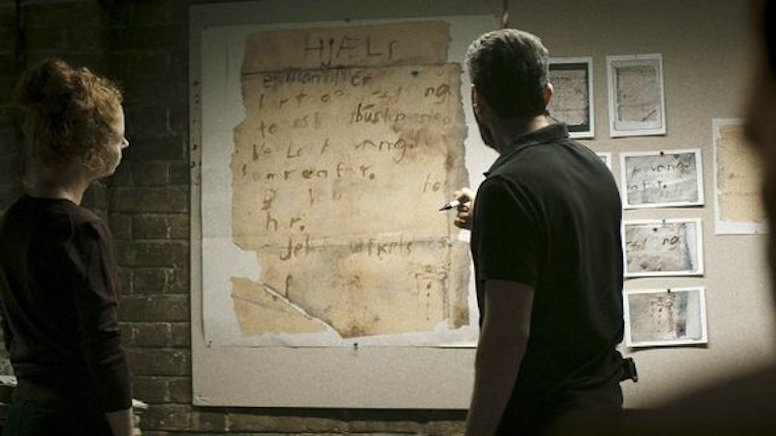
The third in the series of Department Q adaptations – from the novels of Jussi Adler-Olsen – sees the discovery of, literally, a message in a bottle being forwarded to said department in the hope that they can deduce if it’s some kind of prank or if the message is for real. With the head of Department Q, Carl Mørck (Kaas), still on sick leave following the events of the previous instalment, The Absent One (2014), his partner, Assad (Fares), and their assistant, Rose (Schmidt), begin to tease out the puzzle of the message, faded and corrupted as it is after being in the water for eight years. When Mørck does return to work he makes an important point: that there have been only two children reported missing in Sweden in the last ten years.

A name in the message – Poul – leads the team to looking at schools in the general area where the message was washed ashore. They discover that around seven years ago a boy named Poul and his brother Trygve were removed from a school by their parents, and were apparently sent to live with a relative. But when Mørck and Assad manage to track down Trygve he eventually tells them an entirely different story: that of being abducted by a man who ransomed the two boys, and who killed Poul. What also becomes clear is that the man who has done this was known to Trygve’s parents, and they said nothing at the time. Meanwhile, the man in question, known as Johannes (Hagen) and posing as a minister, meets with a couple, Elias (Lohmann) and Rakel (Collin), and their two children, Magdalena (Gammelgaard) and Samuel (Friis). Later, Johannes abducts the two children but is spotted doing so. Mørck and Assad are informed by a local police officer, Lisa (Mannov), and the three of them visit Elias and Rakel.

ACOF - scene3

At first, Elias is defiant, and doesn’t want their help, but when Johannes demands Elias bring him the ransom, Mørck insists the police mount a large-scale operation designed to catch Johannes when he collects the money. With Elias tasked with taking a train until being given further instructions, when those instructions involve throwing the money off the train at a certain point, the anxious father does something no one could have expected: he jumps from the train. But in doing so, his attempt at confronting Johannes himself goes awry, and the hunted soon becomes the hunter as he learns of Mørck’s involvement, and decides to target the detective – and anyone who gets in his way.

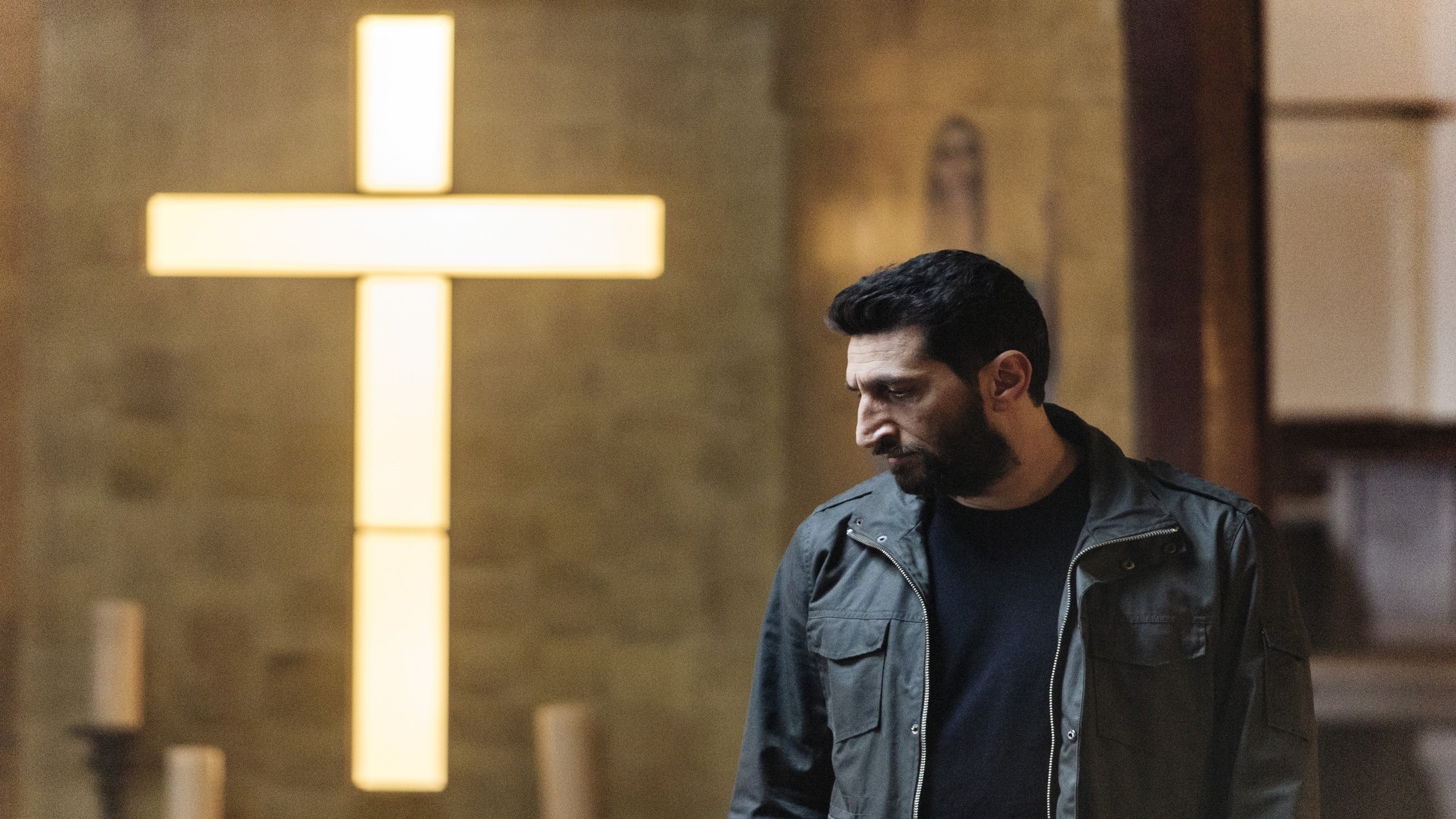
Three movies in and this adaptation of Jussi Adler-Olsen’s novel is still uniquely Scandinavian, and is still as gripping as its predecessors. This is a series that trades on the bleakness at the heart of its central character’s soul, so it’s fitting that A Conspiracy of Faith should challenge Mørck’s insistence that having faith in any kind of deity is “stupid” – even Assad is derided by his partner’s intransigence on the matter. But as anyone who’s been following the series since it began with The Keeper of Lost Causes (2013) can attest, Mørck does have faith, it’s just that it’s been damaged by the terrible things that have happened to him over the years. He’s out of touch with people and his surroundings – at the beginning of the movie, Assad finds Mørck dressed and ready to return to work but sitting motionless in his apartment as if he’s waiting for something to give him purpose. The message does this, but the nature of the case, and the realisation that the parents of previously abducted children kept quiet about what had happened and made up lies about it, merely serves to reinforce his view that religion has no place in the real world.

ACOF - scene2

By the movie’s end, Mørck may have had a revelation of his own, and he may have discovered a way to accept a degree of faith for himself, but the viewer will have to make up their own mind about that. Returning screenwriter Nikolaj Arcel is too clever to make such a consequence of Mørck’s involvement in the case so literal, but the clues are there, and it will be interesting to see where this takes the character in the next, and final, movie. With Mørck being so adamant about religion and worship, it’s good to see Assad take him to task over his own faith, and the way in which Mørck is disrespectful of him. Again, three movies in and Assad is a far cry from the slightly under-developed character he was in the first movie. Here his intelligence and leaps of, well – faith, help propel the investigation, and for much of the movie he’s the one in charge, not Mørck. It’s good to see that Assad has become such an integral part of the series, and not just the average sidekick who might get the odd moment to shine if the script allows it.

Both Kaas and Fares know their roles so well by now that they pick up where they left off without missing a beat. Returning minor characters Rose and Marcus Jacobsen (Pilmark) provide further links with the previous movies and are welcome aspects of the series’ continuity, while the various newcomers all do extremely well, from Lohmann’s prideful father, to Oftebro’s pretty boy police officer, and all the way to Hagen’s impressive turn as the murderous Johannes. Hagen is perhaps the series’ best adversary for Mørck and Assad, his passive face and physical stillness providing a keen counterpoint to the urgency that they bring to their roles, as inevitably, they encounter a race against time.

ACOF - scene1

The story does skim over the motivations of characters such as Elias, and the central sequence involving the train and the ransom drop looks too much like it’s been visually inspired by the climax of Mission: Impossible (1996) – without the helicopter in a tunnel, naturally – but these are minor issues in a movie that has a solid emotional base beneath all the thriller elements, and a movie that further confirms the producers decision to make four movies altogether was the right one (though they could adapt the other three Department Q novels Adler-Olsen has written – if they wanted to). Stepping into the director’s chair for the first time, Moland has made a fine job of seamlessly integrating this movie into the series as a whole, and along with DoP John Andreas Andersen and editors Olivier Bugge Coutté and Nicolaj Monberg, has retained the series’ beautifully dour visual style and narrative rhythms. With one more movie to go, let’s hope the producers can maintain the quality of the series so far, and bow out on a continuing high.

Rating: 8/10 – there’s much to admire (and enjoy) here, from some truly mordaunt humour to the creepy behavioural tics that Hagen brings to his role, but overall this is another fine instalment from a series that really, really needs a wider audience; by maintaining its focus on its lead character, and the problems that plague him, A Conspiracy of Faith avoids comparisons with any other crime thrillers out there, and confirms its place in modern cinema as a second sequel that works equally as well as the original.

Share this:

  • Click to share on X (Opens in new window) X
  • Click to share on Facebook (Opens in new window) Facebook
  • More
  • Click to print (Opens in new window) Print
  • Click to email a link to a friend (Opens in new window) Email
Like Loading...

Room (2015)

13 Saturday Feb 2016

Posted by dullwood68 in Movies

≈ Leave a comment

Tags

Abduction, Brie Larson, Drama, Emma Donoghue, Escape, Jack, Jacob Tremblay, Joan Allen, Lenny Abrahamson, Literary adaptation, Ma, Old Nick, Review, Sean Bridgers

Room

D: Lenny Abrahamson / 118m

Cast: Brie Larson, Jacob Tremblay, Sean Bridgers, Joan Allen, Tom McCamus, William H. Macy, Amanda Brugel

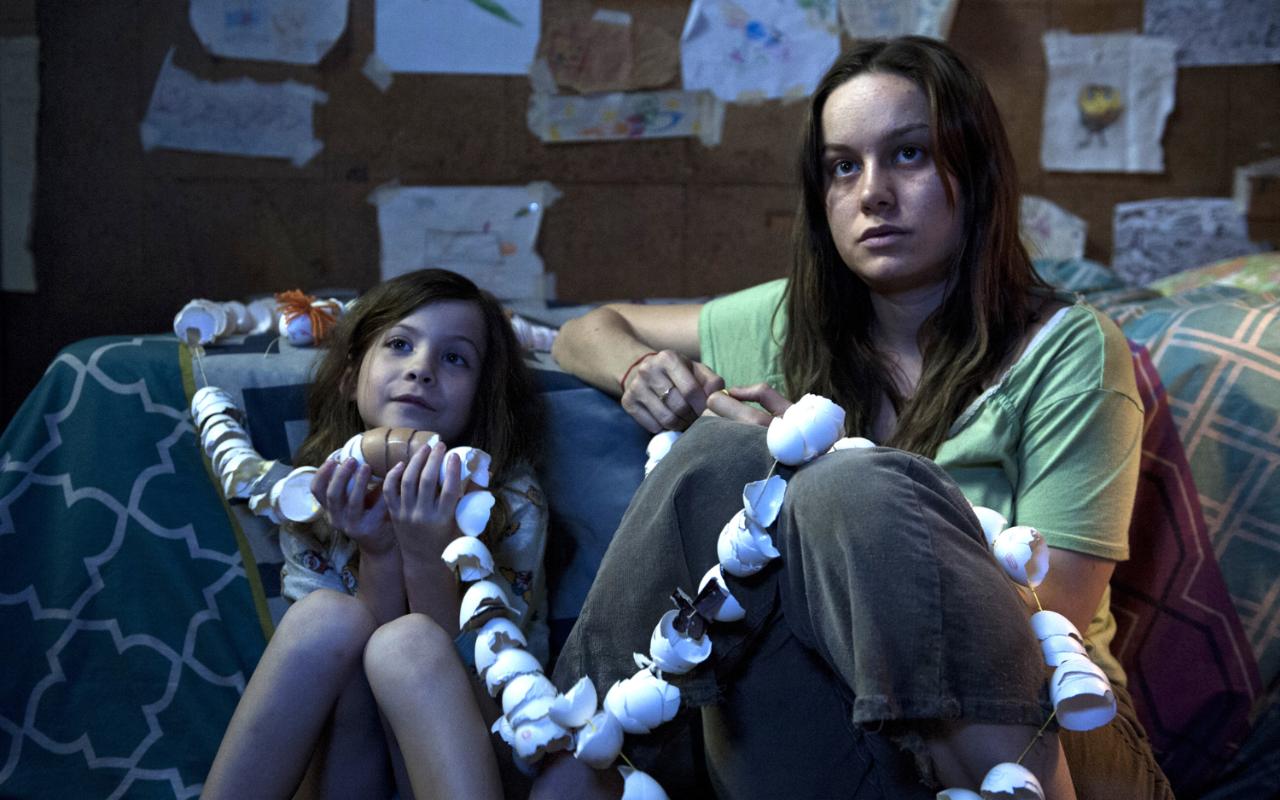
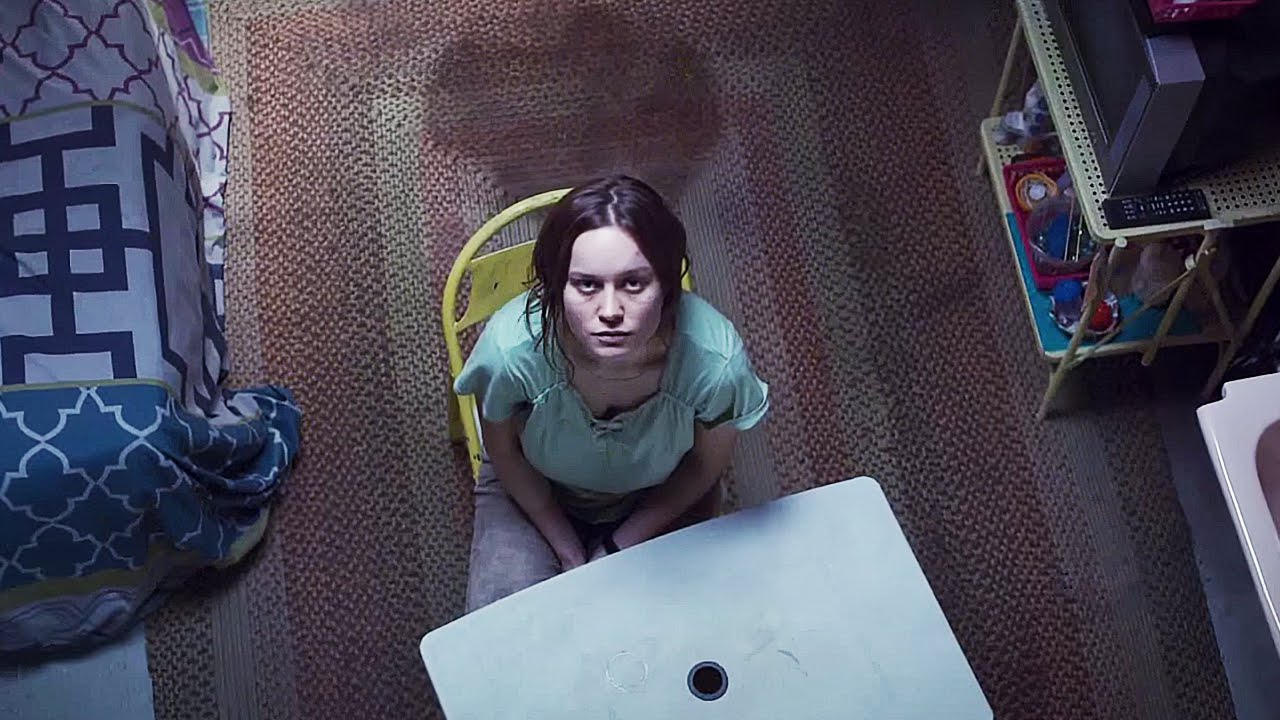
Ma (Larson) and Jack (Tremblay) live in what they refer to as Room, literally a single room environment that they haven’t been outside of since Ma was abducted and brought there seven years before, and Jack’s birth five years ago. Everything in Room is functional or adapted to be functional. There’s a TV but Ma has told Jack that the people and places and things he sees there aren’t real, and that there isn’t any outside world, only space. This doesn’t quite explain the visits of Old Nick (Bridgers) who brings supplies and ensures the power stays on, but as a constant in their lives, Jack doesn’t question his appearances, or why he has to sleep in the closet when Old Nick pays Ma “special attention”.

The door to Room is always locked; Old Nick uses a combination keypad to get in and out, and Ma doesn’t know the code. With Jack now five years old, and of an age where he can begin to understand the concept of a larger world outside Room – even if he doesn’t believe it can be true – Ma decides it’s time for them to leave and begin to lead a normal life. One night when Old Nick pays them a visit she arranges for Jack to appear sick. Old Nick refuses to do anything more than bring more painkillers the next night. But Ma persuades Jack to play dead and be wrapped up in a rug – her idea is that Old Nick will take Jack’s body somewhere to bury it; when he stops his truck at a road junction, Jack is to jump out and run to the first person he sees and ask for help.

Room - scene1

Old Nick is fooled by Ma’s assertion that Jack has died, and takes out the rug with Jack inside it. In the back of Old Nick’s truck, Jack frees himself from the rug, and after a few missed opportunities, jumps from the truck. Old Nick chases him but they encounter a man walking his dog. Seeing that something is wrong, the man challenges Old Nick who throws Jack to the ground and speeds off in his truck. The police are called, and a supportive officer (Brugel) manages to work out from what Jack tells her, just where Ma is. The two are reunited, and at last they can begin to build a new life for themselves.

Without spoiling anything for anyone who hasn’t seen Room yet, it’s a movie of two unequal parts, both in running time and in content. For the first forty-five minutes (approximately), we’re sequestered in Room with Ma and Jack, stuck like they are within four unforgiving walls. But while you might be expected to feel confined or claustrophobic, it’s rarely the case because Ma and Jack don’t see it that way – Jack because he’s never known anything else, and Ma because she’s adapted after seven years to her environment. Neither feels trapped (or at least Ma never gives any indication that she does), and neither appears unhappy with their lot. They have each other, and live in a world that, Old Nick aside, is theirs alone. For Jack it’s a normal life given the parameters Ma has made for him, and for Ma it’s the only life she can have because she wants to protect Jack.

Once Jack and Ma are free of Room, and free to go wherever they wish (once the media has lost interest in them at least), they find themselves confined in a different environment, Ma’s childhood home, now inhabited by her mother, Nancy (Allen) and her new partner, Leo (McCamus) (her father, Robert (Macy) lives abroad, though he returns when he learns Ma – whose real name is Joy – has been rescued). The remaining hour and a quarter finds Joy and Jack finding their way in this new world. There are clever moments of adjustment, such as Jack learning to navigate stairs, but Joy retreats from everyone. And while this may seem like an unexpected turn of events – that Joy should have the most trouble adapting to being back in the “real world” – it’s actually entirely predictable.

Room - scene2

This lessens the drama of the second part, as we watch Jack assimilate slowly but surely, and with much more inner confidence than his mother. While Joy becomes dissociative and withdrawn, Jack begins to blossom, aided by his grandmother and Leo (and a very cute dog called Seamus). In fact, it’s the way in which Jack adapts so quickly to his new life that causes the movie to lose some of the dramatic intensity it’s built up until that point. And with Joy missing for a while, the movie has little choice but to show just how Jack’s bonding with Leo and his grandmother is replacing his formerly rock-solid relationship with his mother. It’s a natural progression, perhaps – Jack makes his first friend during this period as well – but given the vigour and the power of the movie’s first part, it also feels like a bit of a letdown. Just how easily can Jack and Joy be separated from each other? As it turns out, quite easily.

Room has been adapted by Emma Donoghue from her novel of the same name, but what works on the page doesn’t translate so well to the screen. Jack provides random smatterings of narration to explain his feelings, but while these interior monologues work in the novel, here they’re another example of insecurities built in to the script. Far more effective is Jack’s wide-eyed astonishment at seeing an impossibly vast sky as he lies in the back of Old Nick’s truck. Inside Room we’re seeing this insular world almost entirely from Jack’s perspective, and thanks to the strength of the material, and Abrahamson’s masterly direction, these scenes have a depth and a profundity that the outside world lacks. Once we’re out of Room the movie loses its way and never recovers the compelling aspect that propels those first forty-five minutes.

Room - scene3

Thankfully, the two central performances, despite being hamstrung by the change in narrative direction, are uniformly superb. Larson is possibly the finest actress in her age group working today, and here she’s simply breathtaking, finding aspects and nuances of her character that aren’t always apparent from the script, and making Joy’s eventual struggle with “normality” less formulaic than it is as written. Matching her is Tremblay, giving the kind of honest, uninhibited performance that only a child actor can give. He provides such an intelligent, forthright portrayal that the viewer can only look on in wonder at how effortlessly he does it all. Just watch his reactions to being asked questions by the police officer: they’re a mini-masterclass in conflicting emotions forcing themselves past overwhelming shock.

In the director’s chair, Abrahamson (thankfully not calling himself Leonard anymore) excels at portraying the insular world of Room, and maintains an uneasy tension throughout these scenes and Jack’s escape. And with the aid of Danny Cohen’s exemplary camerawork, he allows the viewer to prowl in and around Room as if they were living there too. But once the movie settles down at Nancy’s home, his confidence and control over the material lessens and leads to several scenes lacking any kind of resonance at all. And as a result, newcomers to the story such as Allen and McCamus are left largely to fend for themselves. It’s clear that Abrahamson and Donoghue have forged a good working partnership, but it’s also clear that they couldn’t recognise or overcome the deficiencies that so hurt the movie’s second act. In the end, the relationship the viewer has built up with Ma and Jack in their captivity is ruined by their freedom, and in essence, that’s too much of a price to pay when that relationship has been so immediate and so powerful.

Rating: 7/10 – let down by an injudicious approach to its second part, Room wastes the tremendous amount of goodwill it acquires during the first part, and becomes a movie that sinks under the weight of its own capitulation; however, it does boast two hugely impressive performances from Larson and Tremblay, and an opening forty-five minutes that are among the most remarkable of any movie in recent years – so see it just for them.

Share this:

  • Click to share on X (Opens in new window) X
  • Click to share on Facebook (Opens in new window) Facebook
  • More
  • Click to print (Opens in new window) Print
  • Click to email a link to a friend (Opens in new window) Email
Like Loading...

He Who Dares (2014)

10 Wednesday Dec 2014

Posted by dullwood68 in Movies

≈ Leave a comment

Tags

Abduction, Action, Car park, Christina Bellavia, Paul Tanter, Review, SAS, Simon Phillips, Terrorists, Tom Benedict Knight

He Who Dares

D: Paul Tanter / 82m

Cast: Tom Benedict Knight, Simon Phillips, Christina Bellavia, Ewan Ross, Zara Phythian, Ben Loyd-Holmes, Kye Loren, Lorraine Stanley

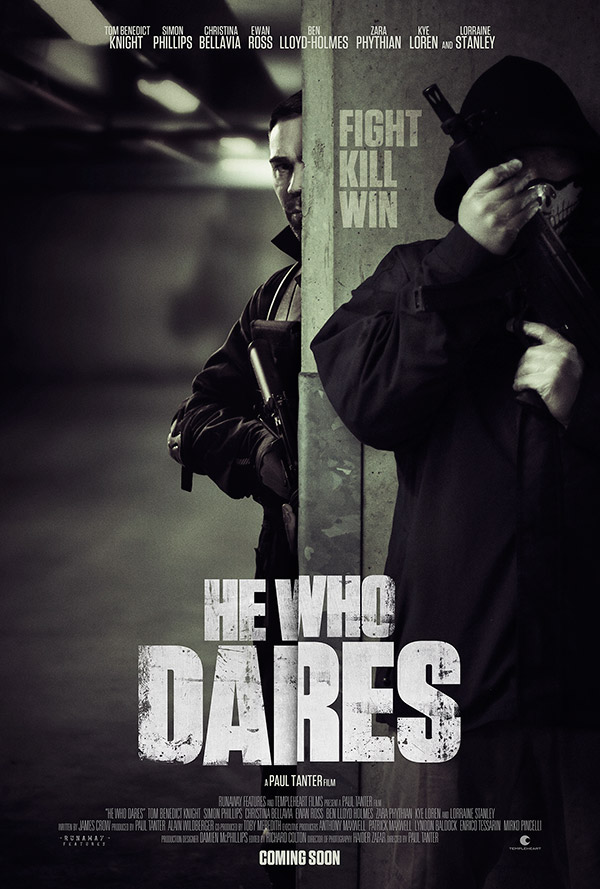
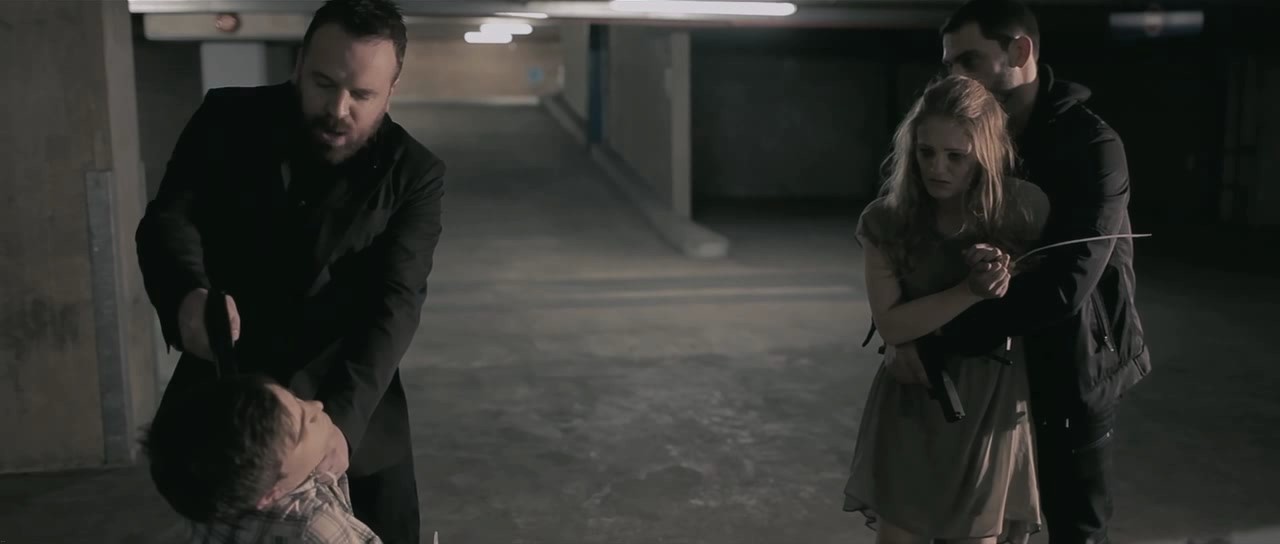
A ruthless gang of terrorists led by Holt (Phillips) kidnap the British Prime Minister’s daughter, Alice (Bellavia) and some of her friends from a nightclub. At a nearby multi-storey car park they barricade themselves in and wait for the authorities to find them. When they do, the officer in charge, Detective Carpenter (Ross) advises caution but an SAS unit led by Christopher Lowe (Knight) goes in without orders. They find each level rigged with explosives. Meanwhile, Holt waits for his larger plan to come to fruition, and when he becomes aware of the SAS, exhorts his gang to kill them. A cat and mouse game ensues as the SAS make their way through each level, while on the outside Carpenter tries to figure out how the gang can possibly make their escape, or if they really are intending to blow up the car park and themselves with it.

He Who Dares - scene

With so many independent, low budget gangster/crime movies having been made in the UK over the last ten years – often by the same people – you could be forgiven for thinking that with all that experience the movies would get better over time. But you’d be wrong. And He Who Dares is a perfect example of a genre that has nothing left to say, and even less to offer in terms of entertainment. It’s a grim, depressing movie that ranks as amateurish drivel; its below-par heroics and poorly choreographed action scenes are so bad that it makes even Steven Seagal’s run of Made-in-Romania movies look good.

There’s really no excuse for the appalling dialogue, the ridiculous and unconvincing set up, the woeful plotting, the atrocious acting, the clumsy direction, the lacklustre photography, the unimaginative fight scenes, and worst of all, the over-indulgent use of freeze frames, superimpositions and distressed image effects that passes for editing. Put all these things together and you have an appalling mess of a movie that seemingly has no idea of how stupid it is.

We have Phillips to thank for the risible story, and director Tanter, along with James Crow, to thank for the terrible dialogue and plotting. Tanter and Phillips are frequent collaborators – the White Collar Hooligan movies, Shame the Devil (2013) – and really should be kept apart from each other if this is the kind of movie they’re likely to come up with. What defeats the imagination is the possibility that these two men, with all their (limited) experience, can’t see that the movies they’re producing are so bad as to be almost unendurable. It’s worrying that movie after movie goes by and there’s no improvement in quality.

Rating: 1/10 – with nothing to recommend it, He Who Dares is an embarrassing, unintentionally hilarious movie that exposes the limitations of its makers, and would have gained more kudos if it had been a student movie; with a sequel – He Who Dares: Downing Street Siege – already completed (and which sees Knight, Phillips and Bellavia reprising their roles), it seems there’s no likelihood of things improving any time soon.

Share this:

  • Click to share on X (Opens in new window) X
  • Click to share on Facebook (Opens in new window) Facebook
  • More
  • Click to print (Opens in new window) Print
  • Click to email a link to a friend (Opens in new window) Email
Like Loading...

In the Blood (2014)

26 Thursday Jun 2014

Posted by dullwood68 in Movies

≈ Leave a comment

Tags

Abduction, Action, Cam Gigandet, Danny Trejo, Gina Carano, Honeymoon, John Stockwell, Luis Guzmán, MMA, Newlyweds, Puerto Rico, Zip line

In the Blood

D: John Stockwell / 108m

Cast: Gina Carano, Cam Gigandet, Ismael Cruz Cordova, Luis Guzmán, Amaury Nolasco, Treat Williams, Stephen Lang, Danny Trejo, Eloise Mumford

Newlyweds Ava (Carano) and Derek (Gigandet) are on their honeymoon in Costa Rica.  One night at a bar they meet Manny (Cordova), a good-natured hustler who persuades the happy couple to go to a club he knows, and on the next day, to “the Caribbean’s longest zip line”.  At the club, Ava draws the attention of Big Biz (Trejo).  When he tries to proposition her, Derek steps in but gets knocked to the ground.  The next thing anyone knows, Ava has beaten up around a dozen or so of Big Biz’s men.  Ava, Derek and Manny leave the club and as planned, the next day they visit the zip line.  Manny and Ava make it across without incident but when Derek travels across, one of the straps splits and he plummets to the forest floor below.  Miraculously he survives, and an ambulance is called.  Unable to travel with Derek, Ava is forced to follow the ambulance to the hospital, only to find when she gets there that Derek never arrived.

With her husband missing, Ava enlists the help of local police chief Garza (Guzmán).  When his investigation stalls at the first hurdle – the zip line operator denies Ava was there – Ava begins her own investigation.  With Manny’s help she learns that the ambulance was a fraud, that local gangster Lugo (Nolasco) is behind Derek’s abduction, and Garza knows all about it.  She rescues Derek but Lugo and his men come after them…

In the Blood - scene

Quite clearly a movie where logic and credibility were not on-set watchwords, In the Blood is like watching an updated Eighties action movie, the kind of action flick Arnold Schwarzenegger might have made on his way to super-stardom.  It has an exotic location, the close friend or family member in peril/needing to be found, the semi-amusing sidekick picked up along the way who provides all the clues, the nasty villain who can shrug off bullet wounds (literally – Lugo walks it off in minutes), a corrupt cop, and as a bonus the family member, Derek’s father, Robert (Williams), who thinks Ava’s bumped him off for his inheritance.  With so much familiar material, the movie drags in places, leaving the viewer waiting for each signposted plot development to go by so the next action sequence can begin.

Having Carano in the lead role helps, her physicality and MMA background making her involvement in the fight scenes entirely believable (and making those scenes possibly the only parts of the movie that are credible).  She takes some punishment along the way, but in a bizarre back story, we see her as a teenager (Paloma Louvat) being raised by her father (Lang) to be strong and overcome pain in a way that makes Big Daddy’s training of Hit Girl in Kick-Ass (2010) look sedate by comparison.  It’s akin to torture, and sits uncomfortably with the rest of the movie, begging the question, just what were screenwriters James Robert Johnston and Bennett Yellin thinking of when they came up with this idea?  Filmed in a dark, nightmarish way, these scenes seem to have been drafted in from another script entirely.

With the fight scenes choreographed to good effect, the movie at least has some things going for it, but otherwise is brutally inefficient in most other areas.  The performances range from amateurish (Carano – but she is still learning), to phoned in (Williams – “has my cheque cleared yet?”), to embarrassing (Trejo – like here, there are some roles he should just say “No” to).  Gigandet is sidelined for the bulk of the movie so has little chance to make an impact, while Guzmán plays the sweaty, deceptive police chief as if it’s a favour to the director.  Nolasco is about as menacing as an irritated tour guide, and Cordova underplays his role to the point of blandness.  It’s only Lang that convinces, his psycho father turn standing out from the crowd and putting a chill on an otherwise sunny movie.

In the director’s chair, Stockwell re-confirms his journeyman status, and as a result the movie never really gets out of third gear.  The script stutters and starts, and the reason for Derek’s abduction is as contrived, barmy and far-fetched as they come, while the relationship between Ava and Derek is painted in such broad strokes as to make it seem that Ava would do the same thing for anyone: brother, cousin, old high school classmate, neighbour six blocks over etc.  And Derek’s family turn up for a day and then head back home as if they were just passing through.  Other scenes are just plain ridiculous and/or embarrassing, but if there’s one scene that stands out as the most incredibly witless moment in the whole movie it’s when Ava stands by and lets the bad guys jam a huge needle into Derek’s spine.

Rating: 4/10 – with very little effort made by the filmmakers, In the Blood sinks under the weight of its own absurdity; with only its fight scenes to recommend it, this is a movie that should be watched with one finger hovering over the fast forward button.

Share this:

  • Click to share on X (Opens in new window) X
  • Click to share on Facebook (Opens in new window) Facebook
  • More
  • Click to print (Opens in new window) Print
  • Click to email a link to a friend (Opens in new window) Email
Like Loading...

Blog Stats

  • 486,753 hits

Recent Posts

  • 10 Reasons to Remember Bibi Andersson (1935-2019)
  • Fantasia (1940)
  • Dances With Wolves (1990) – The Special Edition
  • Kiss of the Spider Woman (1985)
  • The Three Musketeers (1973)

Top Posts & Pages

  • Lost for Life (2013) - Another Look
    Lost for Life (2013) - Another Look
  • Lost for Life (2013)
    Lost for Life (2013)
  • About
    About
  • Exposed (2016)
    Exposed (2016)
  • Cardboard Boxer (2016)
    Cardboard Boxer (2016)
  • A Brief Word About La La Land (2016)
    A Brief Word About La La Land (2016)
  • The Monuments Men (2014)
    The Monuments Men (2014)
  • Removal (2010)
    Removal (2010)
  • My Top 10 Guilty Pleasures
    My Top 10 Guilty Pleasures
  • BFI London Film Festival 2015
    BFI London Film Festival 2015
Follow thedullwoodexperiment on WordPress.com

Blogs I Follow

  • Rubbish Talk
  • Film 4 Fan
  • Fast Film Reviews
  • The Film Blog
  • All Things Movies UK
  • Interpreting the Stars
  • Let's Go To The Movies
  • Movie Reviews 101
  • TMI News
  • Dan the Man's Movie Reviews
  • Film History
  • Jordan and Eddie (The Movie Guys)

Archives

  • April 2019 (13)
  • March 2019 (28)
  • February 2019 (28)
  • January 2019 (32)
  • December 2018 (28)
  • November 2018 (30)
  • October 2018 (29)
  • September 2018 (29)
  • August 2018 (29)
  • July 2018 (30)
  • June 2018 (28)
  • May 2018 (24)
  • April 2018 (21)
  • March 2018 (31)
  • February 2018 (25)
  • January 2018 (30)
  • December 2017 (30)
  • November 2017 (27)
  • October 2017 (27)
  • September 2017 (26)
  • August 2017 (32)
  • July 2017 (32)
  • June 2017 (30)
  • May 2017 (29)
  • April 2017 (29)
  • March 2017 (30)
  • February 2017 (27)
  • January 2017 (32)
  • December 2016 (30)
  • November 2016 (28)
  • October 2016 (30)
  • September 2016 (27)
  • August 2016 (30)
  • July 2016 (30)
  • June 2016 (31)
  • May 2016 (34)
  • April 2016 (30)
  • March 2016 (30)
  • February 2016 (28)
  • January 2016 (35)
  • December 2015 (34)
  • November 2015 (31)
  • October 2015 (31)
  • September 2015 (34)
  • August 2015 (31)
  • July 2015 (33)
  • June 2015 (12)
  • May 2015 (31)
  • April 2015 (32)
  • March 2015 (30)
  • February 2015 (37)
  • January 2015 (39)
  • December 2014 (34)
  • November 2014 (34)
  • October 2014 (36)
  • September 2014 (25)
  • August 2014 (29)
  • July 2014 (29)
  • June 2014 (28)
  • May 2014 (23)
  • April 2014 (21)
  • March 2014 (42)
  • February 2014 (38)
  • January 2014 (29)
  • December 2013 (28)
  • November 2013 (34)
  • October 2013 (4)

Create a free website or blog at WordPress.com.

Rubbish Talk

Film 4 Fan

A Movie Blog

Fast Film Reviews

The Film Blog

The official blog of everything in film

All Things Movies UK

Movie Reviews and Original Articles

Interpreting the Stars

Dave Examines Movies

Let's Go To The Movies

Film and Theatre Lover!

Movie Reviews 101

Daily Movie Reviews

TMI News

Latest weather, crime and breaking news

Dan the Man's Movie Reviews

All my aimless thoughts, ideas, and ramblings, all packed into one site!

Film History

Telling the story of film

Jordan and Eddie (The Movie Guys)

Movie Reviews & Ramblings from an Australian Based Film Fan

Privacy & Cookies: This site uses cookies. By continuing to use this website, you agree to their use.
To find out more, including how to control cookies, see here: Cookie Policy
  • Subscribe Subscribed
    • thedullwoodexperiment
    • Join 481 other subscribers
    • Already have a WordPress.com account? Log in now.
    • thedullwoodexperiment
    • Subscribe Subscribed
    • Sign up
    • Log in
    • Report this content
    • View site in Reader
    • Manage subscriptions
    • Collapse this bar
 

Loading Comments...
 

    %d