• 10 Reasons to Remember…
  • A Brief Word About…
  • About
  • For One Week Only
  • Happy Birthday
  • Monthly Roundup
  • Old-Time Crime
  • Other Posts
  • Poster of the Week
  • Question of the Week
  • Reviews
  • Trailers

thedullwoodexperiment

~ Viewing movies in a different light

thedullwoodexperiment

Tag Archives: Al Pacino

Paterno (2018)

20 Friday Apr 2018

Posted by dullwood68 in Movies

≈ Leave a comment

Tags

Al Pacino, American Football, Barry Levinson, Child abuse, Drama, Kathy Baker, Penn State, Review, Riley Keough, True story
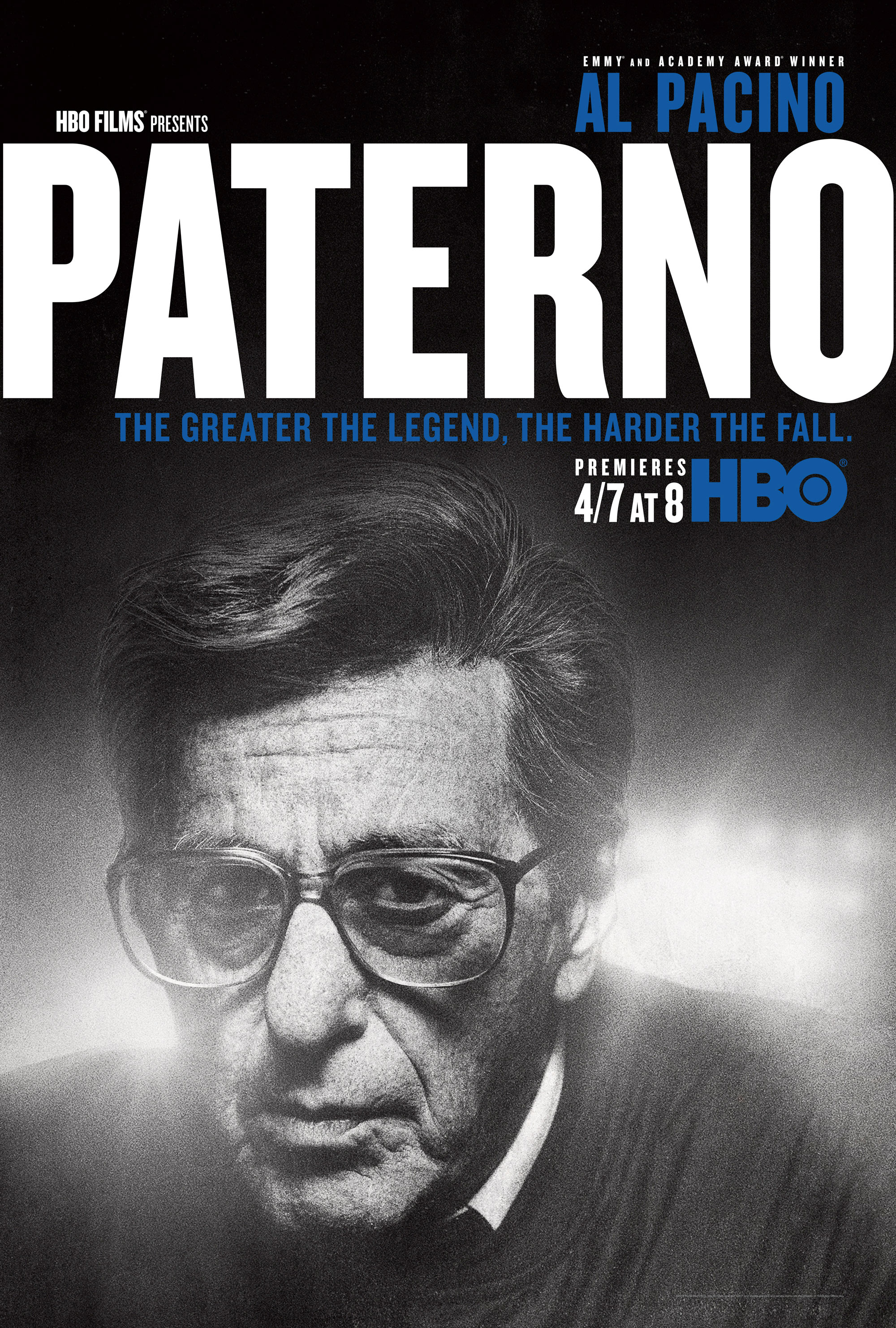
D: Barry Levinson / 105m

Cast: Al Pacino, Riley Keough, Kathy Baker, Greg Grunwald, Annie Parisse, Larry Mitchell, Michael Mastro, Benjamin Cook, Kristen Bush, Peter Jacobson, Sean Cullen, Jim Johnson

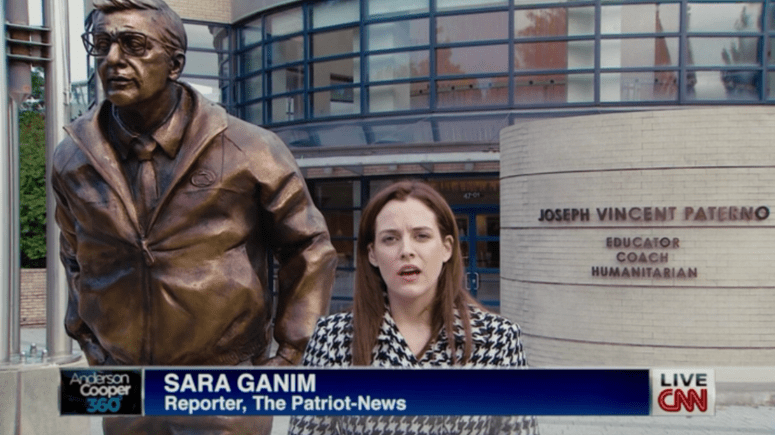
In October 2011, Joe Paterno (Pacino) wins his 409th game as head coach of the Penn State Nittany Lions football team. At the ripe old age of eighty-four, Paterno has been with Penn State for sixty-one years, and is a local legend; a statue dedicated to him refers to him as “a coach, an educator, and a humanitarian”. But when a former assistant coach, now retired, called Jerry Sandusky (Johnson) is indicted on charges of child sexual abuse, Paterno finds himself embroiled in the case as speculation mounts that he was aware of Sandusky’s behaviour and did nothing to stop it. A local journalist, Sara Ganim (Keough), is the first person to fully investigate and report on the story, and she establishes a rapport with one of Sandusky’s victims, a student called Aaron (Cook), who was the first to come forward about the abuse. As the ensuing week plays out, the story broadens to include senior members of the Penn State faculty and the role they played in downplaying historical accusations made against Sandusky, accusations that they were aware of. As further accusations of wrong-doing are made, Paterno and his family find themselves trying to deal with a situation that, increasingly, they can’t control…
The question at the heart of Paterno isn’t how could a paedophile like Jerry Sandusky get away with what he did for so long, and nor is it how could his peers have ignored it for so long and so deliberately. Instead, the question is: how likely is it that Joe Paterno, given his standing at Penn State, didn’t know about it? As the story unfolds, and Debora Cahn and John C. Richards’ script reveals more and more about the levels of culpability that allowed Sandusky such a free rein for so long, each revelation serves to make it appear more and more unlikely that Paterno could have been as in the dark as he claimed. And as the movie progresses, we see Paterno’s initial refusal to get involved give way to moments of tempered reluctance, unwarranted bravado, and desperate agitation. Pacino – back on form after a string of less than sterling performances – shows both the physical frailty of the man, and the emotional reticence that informs his behaviour when challenged as to his awareness of Sandusky’s crimes. Thanks to both the script and his portrayal, Paterno isn’t just the legendary football coach beloved of everyone, but a human puzzle whose pieces don’t quite fit together as neatly as they should.

Pacino’s performance is cleverly constructed and detailed, and serves as the movie’s strongest suit. You’re never quite sure if Paterno is feeling guilty for what he did, or for what he didn’t do, and it’s this ambiguity that makes the movie so watchable. (It’s almost a shame that the movie ends the way it does.) Also making something of a comeback, director Levinson ensures the immediacy of the story remains paramount, and there are parts of the movie that play out like a thriller as more and more of the truth is revealed. Shot through with carefully chosen moments where the soundtrack is  teeming with snatches of angry, accusing, or shocked vox pop, the movie is dramatic without overstepping its remit, and even the scenes of people chanting Paterno’s name outside his home are based on fact. There are good supporting turns from Keough and Baker (as Paterno’s wife, Sue), and though this never “opens out” due to what must have been a tight budget, Marcell Rév’s cinematography perfectly complements the claustrophobia of Paterno’s unofficial “house arrest” while matters were decided without him.

Rating: 8/10 – featuring Pacino’s most effective and rewarding screen performance for some time, Paterno rightly keeps its focus on its leading character while also exposing the hypocrisy and deception going on around him; an intelligent but modest drama that packs an emotional wallop when it needs to, it’s also a movie that successfully avoids being exploitative or insensitive.
Share this:

  • Click to share on X (Opens in new window) X
  • Click to share on Facebook (Opens in new window) Facebook
  • More
  • Click to print (Opens in new window) Print
  • Click to email a link to a friend (Opens in new window) Email
Like Loading...

Hangman (2017)

23 Thursday Nov 2017

Posted by dullwood68 in Movies

≈ 3 Comments

Tags

Al Pacino, Brittany Snow, Crime, Drama, Johnny Martin, Karl Urban, Murder, Review, Serial killer, Thriller

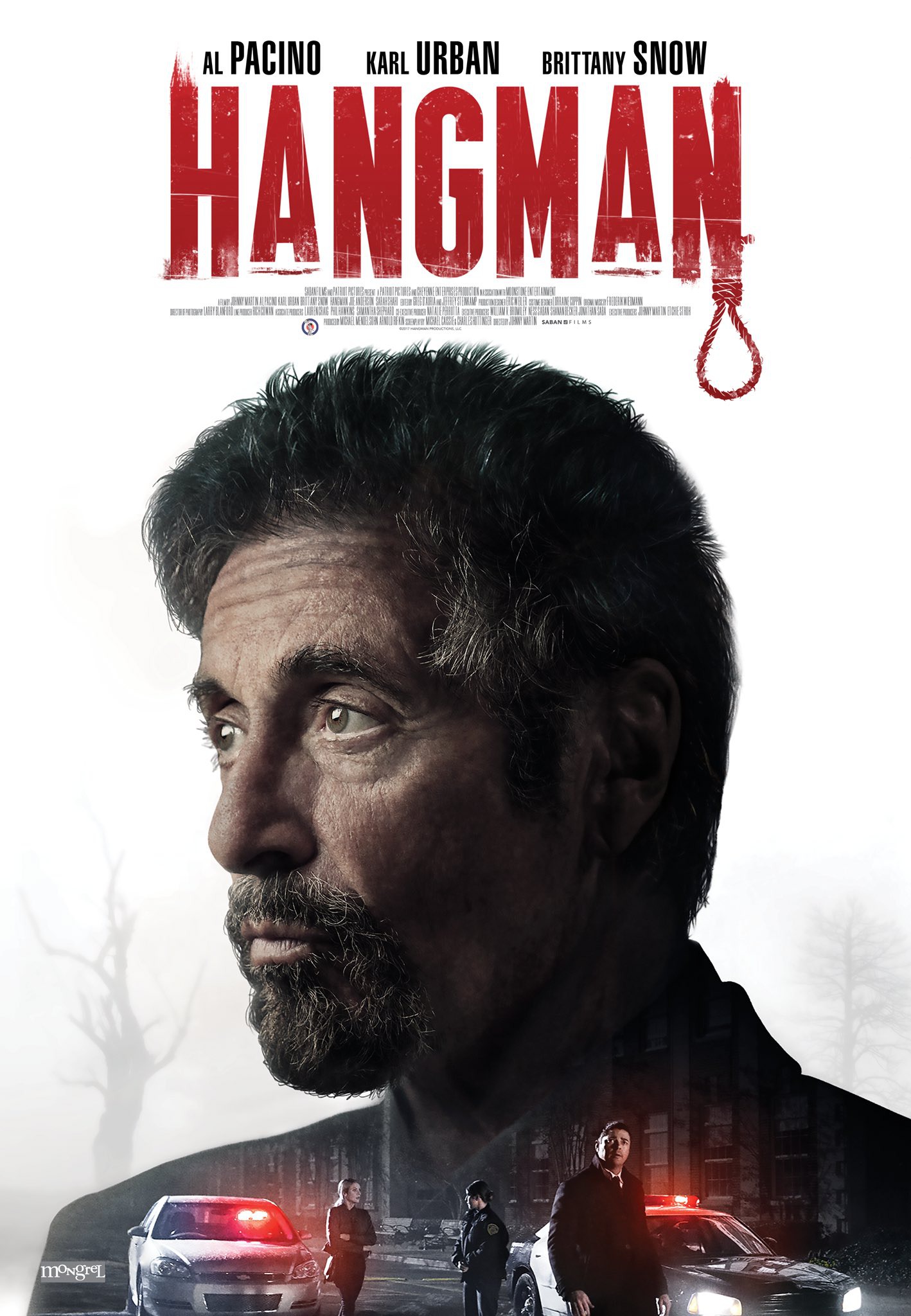
D: Johnny Martin / 98m

Cast: Al Pacino, Karl Urban, Brittany Snow, Joe Anderson, Sarah Shahi, Chelle Ramos, Steve Coulter, Sloane Warren

Not every movie can be accomplished, original, or a must-see. In fact, the majority of movies – the vast majority – often have the effect of making you wonder just how they got made in the first place. And why. Sometimes it seems that there’s a lot of people out there with money to burn. Other times it’s as if a movie has been made on a dare. Some movies challenge the very notion that quality was ever a consideration when the movie itself was being made. And some movies provoke such an abject response – what the hell is all this? – that there’s nothing for it but to carry on watching in the vain hope that the whole sorry mess will find some way to improve (not that it does though). There are literally thousands of these movies made each and every year, and if there’s an end in sight to all of them, then it’s so far off in the distance as to not to be there at all.

And so we come to Hangman, the latest movie to feature Al Pacino in a performance that makes him look like a disinterested bystander and not the lead character. It fits so neatly into the genre of underwhelming thriller movie that should never have been made, that it’s almost scary. It’s bad in a way that actually elevates average movies into looking and sounding better than they are, and provides further evidence – if any were needed – that if you take a script that doesn’t make any sense whatsoever and film it, then the finished product won’t make any sense either. A project that has been in development since at least 2011, Hangman arrives to dispel the notion that if you spend enough time on something then you can iron out all the kinks and grooves in a script and make something of real quality. Let’s make this clear: whatever time Michael Caissie and Charles Huttinger spent on putting the screenplay together, it wasn’t enough.

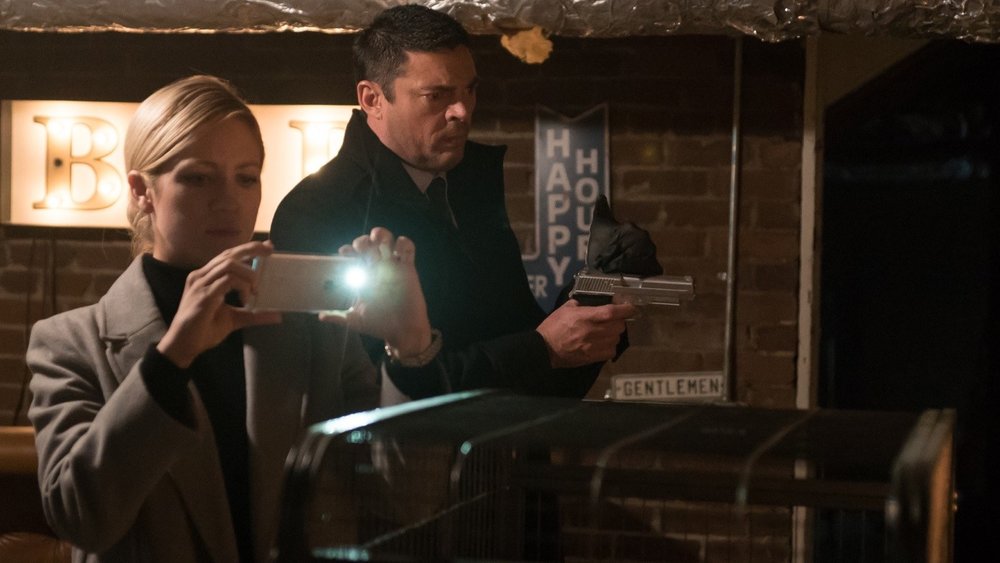
In a feat akin to shoving a square peg into a round hole, the makers of Hangman have taken one of the world’s most famous and enduring guessing games, and tried to make it the modus operandi of a serial killer (Anderson) whose motivations remain obscure and unconvincing throughout. And not only that, but the word the killer is challenging the police to solve isn’t even in English, a decision that further adds to the confusion created over the killer’s psychological state, and what drives him to murder. All this is as tortuous as it sounds, and the plot – such as it is – quickly surrenders any high ground and goes meekly along with whatever delirious developments Caissie and Huttinger’s screenplay can come up with. This leaves Pacino’s retired detective Archer, and Urban’s moody active detective Ruiney (pronounced Rooney), led by their noses from one staged, and unlikely, crime scene to another while they are gifted clues by a script that really doesn’t care how poorly constructed it is.

The presence of Snow’s Pulitzer-nominated journalist, Christi Davies – no offence, but really? – on assignment to shadow Ruiney for an article, adds a further level of creative insult to the mix as her “signed off by the mayor” involvement sees her included in crime scene searches, put at risk by Archer and Ruiney at almost every turn, and provided with a back story that should be relevant but isn’t. As for the serial killer himself, he’s yet another “brilliant” psychopath who’s always several steps ahead of the police, and can stage the most elaborate murder scenes at the drop of a hat. Thankfully, he’s also susceptible to the kind of cod-psychology musings that Archer comes up with when they finally meet, and Christi’s life is in danger. There are other characters, and much less important ones at that, such as Ruiney’s captain, Lisa Watson (Shahi), who finds herself targeted by the killer, potential suspect, Joey Truman (Ramos), and a raft of even more minor characters who are there to make up the numbers (or the killer’s victims). It’s a measure of the script’s desperate attempts to give these characters some kind of “life” on screen that Ruiney’s wife may have been the killer’s first victim some time before, Watson is in a wheelchair, and Joey and the first victim are lesbians into BDSM.

Wandering through it all, though, as if his reputation as one of the finest actors of his generation, or his position as joint president of the Actors Studio didn’t mean a thing is Pacino. The actor looks permanently surprised in so many scenes it’s hard not to think that each time it happens it’s as if he’s just realising how bad it all is. Whether he’s mumbling his lines or reacting just a beat too slowly to what’s happening around him, it’s a performance that could easily qualify as his worst, even worse than his portrayal as himself in Jack and Jill (2011). There’s no spark here, no animation in his performance, just the sign of an actor treading water and going through the motions. It’s a sad sight, and adds another level of dismay for the viewer to contend with. In contrast, Urban at least tries to inject some energy into his role, but he’s held back by his character’s bull-headed nature and one-note demeanour. Snow fares no better, and the movie wastes her talent as an actress by having her follow her male co-stars around while waiting to be the killer’s eventual last victim.

Making an even worse fist of things than he did on Vengeance: A Love Story (2017), director Johnny Martin continues to show a lack of aptitude behind the camera that, in conjunction with the terrible script, means the movie has no chance of succeeding as the clever, gritty thriller it so desperately wants to be. Whether he’s putting the camera in the wrong place or leaving his talented cast to fend for themselves, Martin does little to lift the material or make it interesting. As a result, the movie lacks pace and intensity, and stutters from scene to scene without any apparent attempt to connect them into a meaningful whole. By the time Archer and Ruiney come face to face with the killer, it’s doubtful just who the average viewer will want to see put out of their misery more: the killer, Archer and Ruiney, or themselves.

Rating: 3/10 – spectacularly awful in a way that, surely, couldn’t have been intended, Hangman is a low-concept thriller that misfires at every step, and makes for one of the  laziest, most apathetic movies of 2017; wrong on so many levels, this should be held up as an object lesson in how not to construct and shoot a movie when the script isn’t there, the director hasn’t a clue, and its main star can’t be bothered.

Share this:

  • Click to share on X (Opens in new window) X
  • Click to share on Facebook (Opens in new window) Facebook
  • More
  • Click to print (Opens in new window) Print
  • Click to email a link to a friend (Opens in new window) Email
Like Loading...

Monthly Roundup – June 2016

30 Thursday Jun 2016

Posted by dullwood68 in Movies

≈ Leave a comment

Tags

A Certain Justice, A Place to Go, Action, Al Pacino, Ann Sheridan, Anne Heywood, Antoine Bardou-Jacquet, Bascom Affair, Baseball, Basil Dearden, Bernard Lee, Bethnal Green, Cecil Parker, Cochise, Crime, Cung Le, D. Ross Lederman, David Gordon Green, Dennis O'Keefe, Dolph Lundgren, Drama, Ethan Hawke, Freddie Francis, Frieda Inescort, George Sherman, Giorgio Serafini, Heather Angel, Holly Hunter, Jack Elam, James Coyne, Jay Silverheels, Jeff Chandler, John Lund, Johnny Simmons, Literary adaptation, Manglehorn, Mike Sarne, Monument Valley, Moon landing, Moonwalkers, Mystery, Noah Buschel, Norman Foster, Paul Cavanagh, Paul Giamatti, Peter van Eyck, Relationships, Reviews, Rita Tushingham, Robbery, Robert Keith, Ron Perlman, Rupert Grint, Sci-fi, Shadows on the Stairs, Susan Cabot, The Battle at Apache Pass, The Brain, The Phenom, Thriller, Vinnie Jones, Western, Whodunnit, Woman on the Run

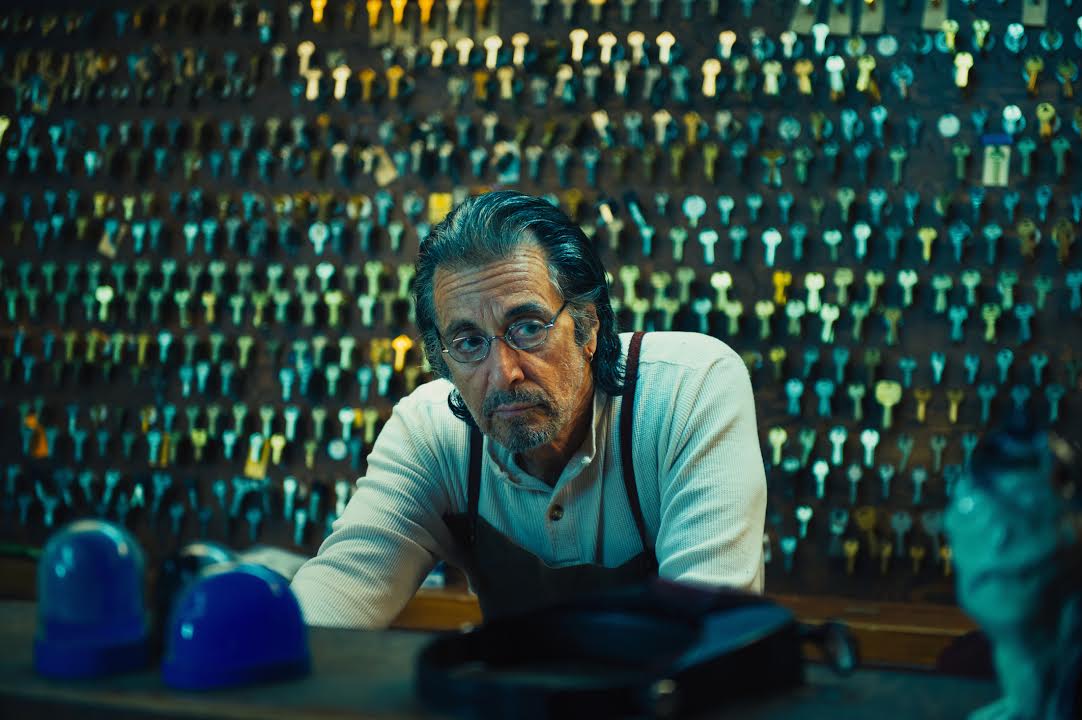
Manglehorn (2014) / D: David Gordon Green / 97m

Cast: Al Pacino, Holly Hunter, Harmony Korine, Chris Messina, Skylar Gasper

Manglehorn

Rating: 5/10 – in the wake of a failed romance that has left him heartbroken, locksmith A.J. Manglehorn (Pacino) decides to try again with bank teller Dawn (Hunter), but his personality puts obstacles in his way; despite the obvious talent involved, Manglehorn is a chore to sit through, as the character himself – as Dawn discovers – isn’t someone you want to spend too much time with.

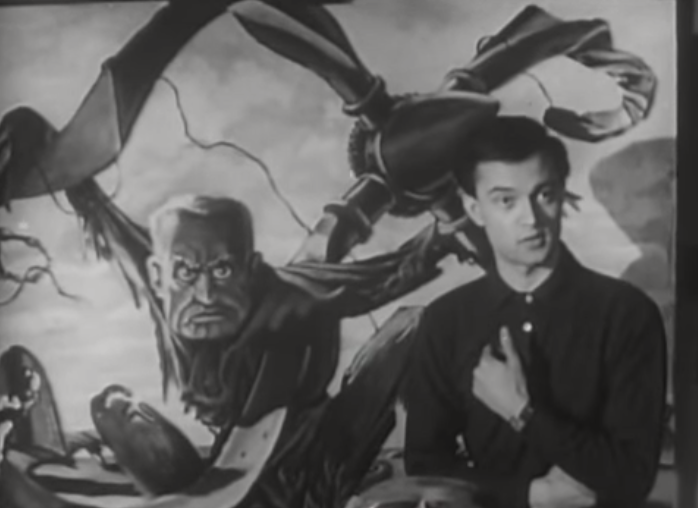
The Brain (1962) / D: Freddie Francis / 83m

Cast: Anne Heywood, Peter van Eyck, Cecil Parker, Bernard Lee, Jeremy Spenser, Maxine Audley, Ellen Schwiers, Siegfried Lowitz, Hans Nielsen, Jack MacGowran, Miles Malleson, George A. Cooper

The Brain

Rating: 5/10 – a fatal plane crash sees a millionaire businessman’s brain kept alive by pioneering scientists, one of whom (van Eyck) finds himself searching for the person who caused the plane crash when the businessman’s brain communicates with him; an erratic sci-fi thriller that gets bogged down whenever it concentrates on the murder suspects, this adaptation of Curt Siodmak’s novel Donovan’s Brain has a great cast and a terrific premise, but is let down by Francis’ pedestrian direction and a style that wants to evoke film noir but can’t because the script hasn’t been written that way.

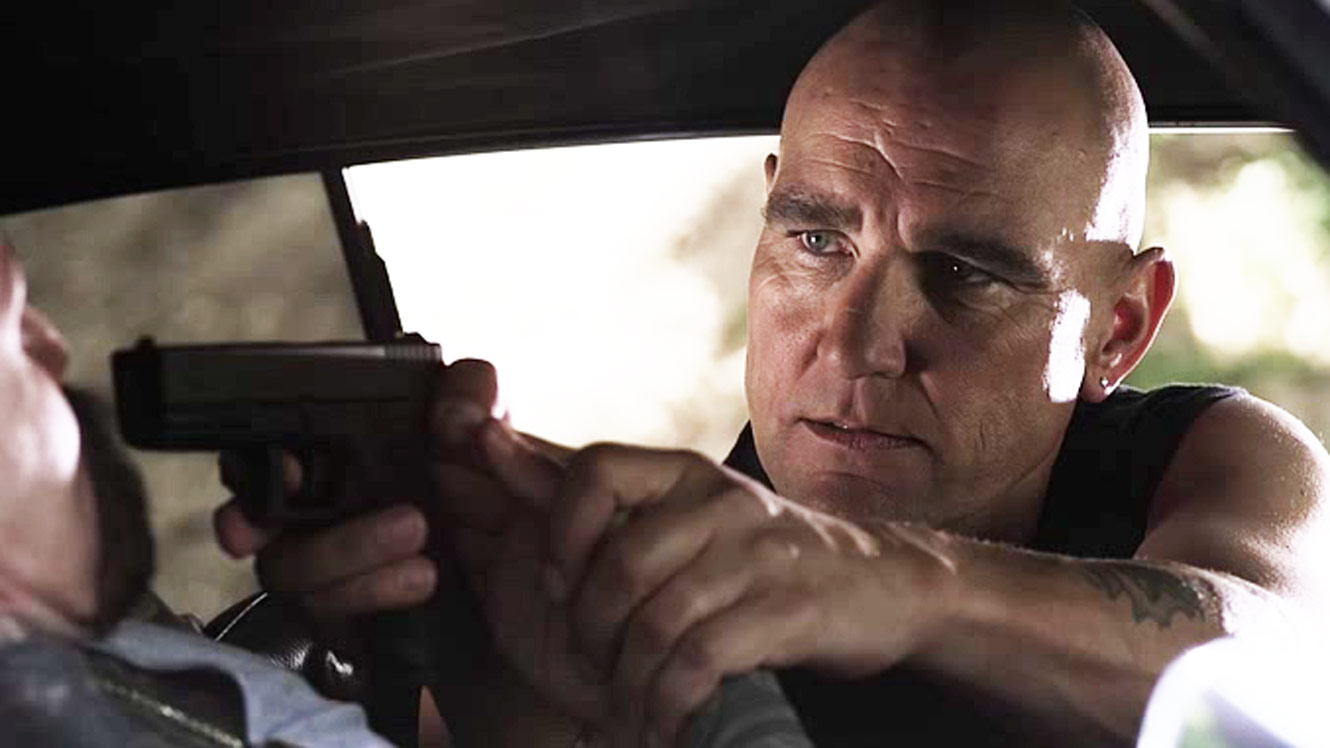
A Certain Justice (2014) / D: James Coyne, Giorgio Serafini / 96m

aka Puncture Wounds

Cast: Cung Le, Dolph Lundgren, Vinnie Jones, Briana Evigan, Gianni Capaldi, James C. Burns, Robert LaSardo, Jonathan Kowalsky, Sean O’Bryan, Eddie Rouse

A Certain Justice

Rating: 4/10 – Iraq veteran John Nguyen (Le) returns home and becomes embroiled in a fight against big-time drug dealer Hollis (Lundgren) when he saves a hooker (Evigan) from the violent attentions of Hollis’ men; as a showcase for Le, A Certain Justice works well enough, but this is still a muddled actioner that cuts narrative corners more often than it doesn’t, and sees Lundgren adopting a wig and ponytail that makes him look like an aging hippie instead of a menacing crime boss.

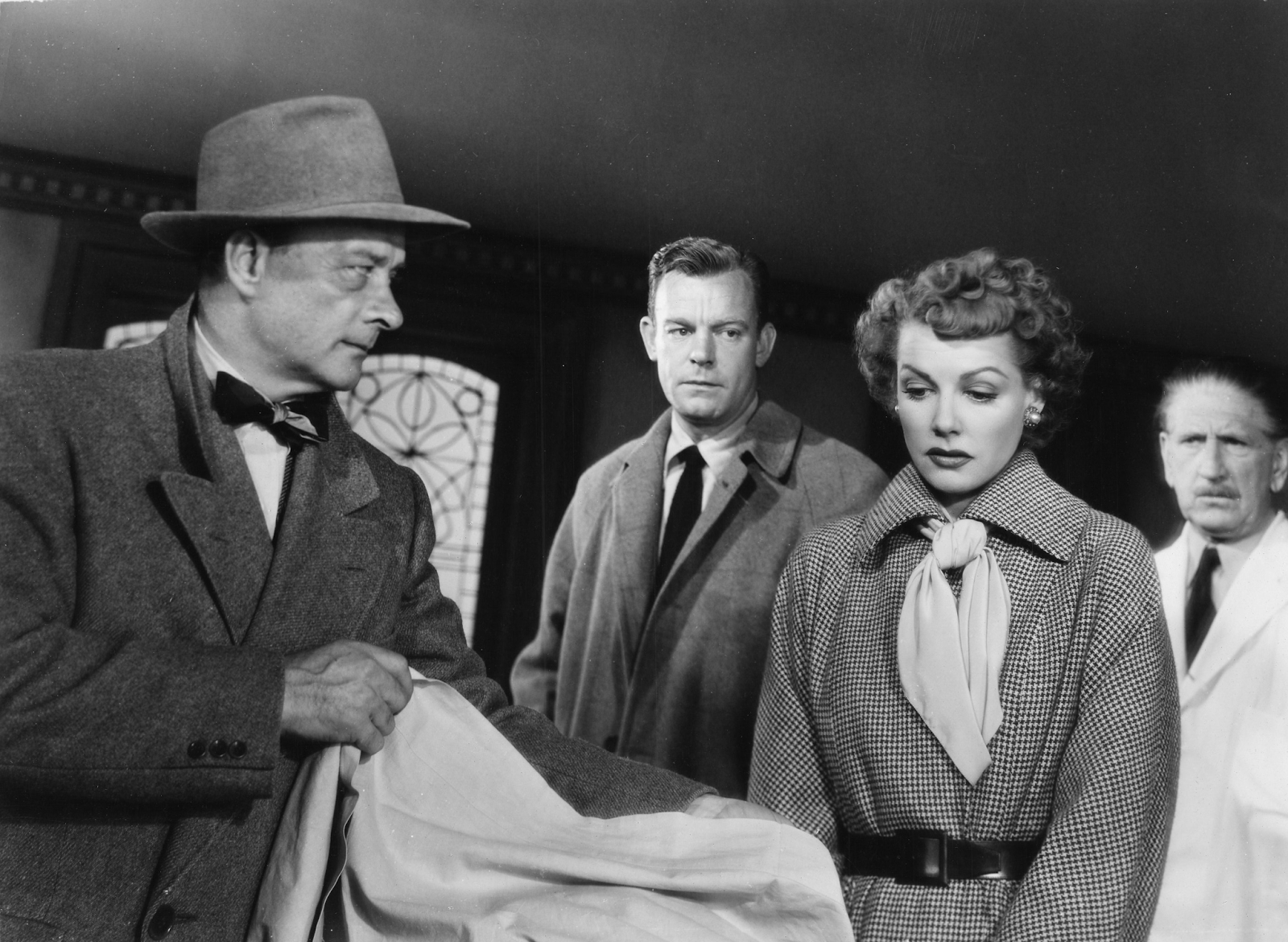
Woman on the Run (1950) / D: Norman Foster / 77m

Cast: Ann Sheridan, Dennis O’Keefe, Robert Keith, John Qualen, Frank Jenks, Ross Elliott, J. Farrell MacDonald, Victor Sen Yung, Steven Geray

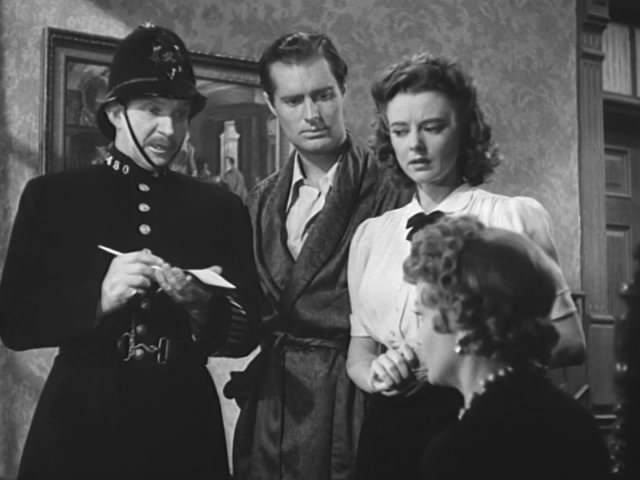
Woman on the Run.jpg

Rating: 7/10 – when store window designer Frank Johnson (Elliott) witnesses a gangland execution he goes on the run, leaving his estranged wife (Sheridan), the police, and a persistent reporter (O’Keefe) trying to track him down before the killer does; a cleverly written film noir based on Sylvia Tate’s original story, Woman on the Run may have a misleading title but it features hard-boiled dialogue, bruised relationships, and atmospheric location work, all of which means the movie is an under-rated gem and deserves a wider audience.

The Battle at Apache Pass (1952) / D: George Sherman / 82m

Cast: John Lund, Jeff Chandler, Susan Cabot, Bruce Cowling, Beverly Tyler, Richard Egan, Jay Silverheels, John Hudson, Jack Elam, Regis Toomey

The Battle at Apache Pass

Rating: 6/10 – peace on the frontier with the Apache nation is threatened by the divisive tactics of Indian Affairs agent Neil Baylor (Cowling) and unsanctioned raids by Geronimo (Silverheels); based around two historical events – the Bascom Affair in 1861, and the title encounter in 1862 – The Battle at Apache Pass is an enjoyable Western featuring good location work in Monument Valley, beautiful photography, and Chandler (as Cochise) and Silverheels reprising their roles from Broken Arrow (1950).

The Phenom (2016) / D: Noah Buschel / 88m

Cast: Johnny Simmons, Ethan Hawke, Paul Giamatti, Sophie Kennedy Clark, Yul Vazquez, Louisa Krause, Paul Adelstein, Elizabeth Marvel, Marin Ireland

The Phenom

Rating: 5/10 – Hopper Gibson (Simmons) is a talented pitcher who has a shot at the big leagues but suffers a crisis of confidence, one that threatens his future; well acted but dour and uninviting, The Phenom plods along in such a low-key manner that some viewers may well decide they don’t care enough if Hopper overcomes his slump, and may also decide to watch something else instead.

A Place to Go (1964) / D: Basil Dearden / 86m

Cast: Rita Tushingham, Mike Sarne, Bernard Lee, Doris Hare, Barbara Ferris, John Slater, David Andrews, William Marlowe, Michael Wynne, Roy Kinnear

A Place to Go

Rating: 5/10 – an ambitious young man who wants to get away from Bethnal Green gets involved with a local racketeer (Slater) and a young woman (Tushingham) at the same time, and much to the consternation of his parents (Lee, Hare); a slice of life, East London style, this kitchen sink drama is enjoyable enough but is hampered by a dreadful performance by Sarne and some weak plotting, but still has enough to recommend it, particularly the (deliberately) sad sight of Lee’s character trying to impress as an escapologist.

Shadows on the Stairs (1941) / D: D. Ross Lederman / 64m

Cast: Frieda Inescort, Paul Cavanagh, Heather Angel, Bruce Lester, Miles Mander, Lumsden Hare, Turhan Bey, Charles Irwin, Phyllis Barry, Mary Field

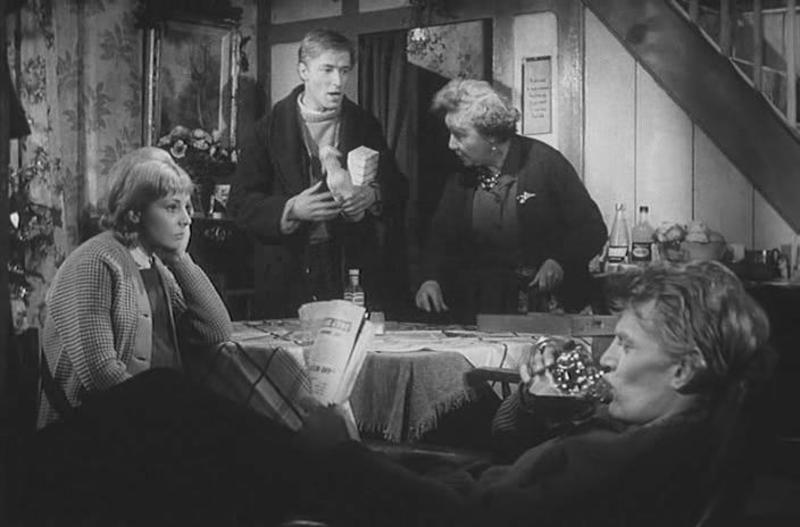
Shadows on the Stairs

Rating: 4/10 – a killer strikes in a boarding house where everyone comes under suspicion; a leaden whodunnit shot in a pedestrian style, Shadows on the Stairs is typical of the period with its mix of drama, comic relief in the form of Hare and Irwin as bumbling policemen, romantic triangles, and occasional flashes of social comment, but it all adds up to a movie that betrays its stage origins at every turn.

Moonwalkers (2015) / D: Antoine Bardou-Jacquet / 107m

Cast: Rupert Grint, Ron Perlman, Robert Sheehan, Stephen Campbell-Moore, Tom Audenaert, Jay Benedict, James Cosmo, Eric Lampaert, Kevin Bishop, Erika Sainte

Moonwalkers

Rating: 4/10 – in 1969, the US military sends unstable CIA agent Kidman (Perlman) to London to contact Stanley Kubrick with an offer to film a mock moon landing (in case the real mission goes wrong) – but he ends up working with a would-be rock band manager (Grint) instead; uneven and often groan-inducing, Moonwalkers takes a great idea and tramples all over it with a mix of psychedelia, undercooked comedy and inappropriate violence, leaving just a few knowing nods and winks in relation to the period to provide anything of interest.

Share this:

  • Click to share on X (Opens in new window) X
  • Click to share on Facebook (Opens in new window) Facebook
  • More
  • Click to print (Opens in new window) Print
  • Click to email a link to a friend (Opens in new window) Email
Like Loading...

Misconduct (2016)

06 Saturday Feb 2016

Posted by dullwood68 in Movies

≈ 4 Comments

Tags

Al Pacino, Alice Eve, Anthony Hopkins, Blackmail, Crime, Drama, Fraud, Josh Duhamel, Lawsuits, Legal drama, Malin Akerman, Manhunt, Murder, Review, Shintaro Shimasawa, Thriller

Misconduct

D: Shintaro Shimasawa / 106m

Cast: Josh Duhamel, Alice Eve, Anthony Hopkins, Al Pacino, Malin Akerman, Byung-hun Lee, Julia Stiles, Glen Powell, Marcus Lyle Brown

Released as a Lionsgate Premiere (rough translation: not good enough to be shown in cinemas), Misconduct is an early contender for Worst Movie of 2016. It’s ostensibly a thriller but veers off in so many different directions in an effort to be interesting that in the end it’s just a jumbled mess. There’s not even the germ of a good idea here, the script by Simon Boyes and Adam Mason resorting to cliché after cliché and line after line of awful dialogue in its efforts to appear somehow less than the sum of its parts (or the parts of its sum even).

It’s a movie where everybody is up to no good. Sadly, the audience knows this right from the start, so any “revelations” or twists and turns have the effect of inducing a headache rather than any surprises. The storyline tries to be convoluted in an attempt to mystify anyone unfortunate enough to watch Misconduct, and the basic plot – Hopkins’ pharmaceutical CO is accused of deliberately falsifying bad test results – struggles even to be relevant within the movie’s own structure. Once a badly attached blackmail plot is added to the mix, it gives the movie carte blanche to be as stupid as it wants, a move it takes full advantage of.

Misconduct - scene3

As well as the blackmail plot – instigated by Hopkins’ unbalanced girlfriend (played by Akerman) and involving Duhamel’s ambitious attorney – Misconduct features a dire attempt at adding depth to two of the characters’ lives, Duhamel and his moody, depressed wife Eve, by having them recovering from the loss of a child during pregnancy. Why this subplot is even present is a mystery the movie never answers, along with the presence of Lee as a corporate-sponsored assassin who for some inexplicable reason is dying from some unstated disease (again you have to ask yourself why any of this has been included).

There’s more, but as the movie continues piling absurdity on top of absurdity, the unlucky viewer will find themselves wondering if this is intended more as a parody than a thriller, and will be laughing accordingly, but if it is then no one informed the cast, who struggle through scene after scene with resolutely straight faces and a grim determination to get through it all and reach the end with a degree of integrity still intact. Duhamel is a capable actor, but here he’s as wooden as a fence post and spends most of his screen time looking petulant, or as if there’s a bad smell under his nose (there is, and it’s coming from the script). Matching him for petulance, and using staring off into space a lot as a character trait, Eve gives probably the worst performance of her career so far, as she tries to distance herself from everyone and everything connected with the movie.

Misconduct - scene2

Akerman is a poor femme fatale, her attempt to seduce Duhamel having all the allure of a drunken one-night stand with someone you hope doesn’t give you their number the next morning. As mentioned above, Lee is the assassin who’s close to death, and he sleepwalks through his role making supposedly “deep” comments and trying to appear above it all by refusing to acknowledge that this is one acting gig his agent should be apologising for profusely. And then there’s Stiles, an actress who really should be given better roles than the one she has here, a Kidnap and Response expert who gets to shout at Hopkins a lot and look suitably badass (and that’s basically it).

You get the picture: Misconduct has its fair share of bad performances to match its bad script and wayward direction – Shimasawa, making his first feature, gives an approximation of what a director should be doing – but then there’s Hopkins and Pacino, two Oscar winners now content (like De Niro) to throw away their talent and make terrible movie after terrible movie. Hopkins has the larger amount of screen time, but phones in his performance, and falls back on the kind of aloof, manipulative, all-knowing characterisation he’s played way too often in recent years. When you’ve got Hopkins in a movie and he’s playing a powerful businessman you just know in advance that he’s not going to be putting much effort in, and that’s exactly the case here. Amazingly though, Pacino is worse, his law firm boss coming across as a pale imitation of his role in The Devil’s Advocate (1997). He’s also upstaged by his own hair, which in one scene, looks like the worst comb-back in history. Why either of them took on their roles is the one abiding mystery the movie cannot solve.

Misconduct - scene1

From starting out as a legal thriller – you get the idea the movie might just be about bringing Hopkins’ fraudulent CO to justice, and the hunt for the evidence to prove his negligence – it soon descends into a welter of murder and violence and betrayal on all sides, as the script decides it needs to be more punchy than in its earlier scenes. It leads to one of the movie’s more absurd scenes where Duhamel, having gouged his stomach escaping from the police, buys some glue in a convenience store and uses it to close his wound. And of course, he then runs around as if it had never happened. Lazy, lazy, lazy.

There is an attempt at providing a central murder mystery to keep the audience intrigued, but regular viewers of this kind of movie will spot the culprit from a mile off. But this is in keeping with the movie’s inability to come up with anything new or unpredictable, and again, regular viewers of this kind of star-happy dross will have resigned themselves to the movie’s inevitable outcome(s) long before they reach the end. The makers probably didn’t intend the title Misconduct to be so relevant to its own content and execution, but in one respect they can be applauded: they made sure the movie certainly lived up to it.

Rating: 3/10 – with only its standard, by-the-numbers production effort propping it up in the ratings stakes, Misconduct is a woeful, massively disappointing movie that falls down each and every time it tries to be interesting; with awful dialogue and some truly atrocious performances, it’s a movie that defies explanation as to its existence, and ranks as one of the worst “corporate/legal thrillers” in recent memory.

Share this:

  • Click to share on X (Opens in new window) X
  • Click to share on Facebook (Opens in new window) Facebook
  • More
  • Click to print (Opens in new window) Print
  • Click to email a link to a friend (Opens in new window) Email
Like Loading...

Danny Collins (2015)

15 Saturday Aug 2015

Posted by dullwood68 in Movies

≈ Leave a comment

Tags

Al Pacino, Annette Bening, Baby Doll, Bobby Cannavale, Chime magazine, Christopher Plummer, Comedy, Dan Fogelman, Drama, Jennifer Garner, John Lennon, Letter, Review, Romance, Singer, Steve Tilston, True story

Danny Collins

D: Dan Fogelman / 106m

Cast: Al Pacino, Annette Bening, Jennifer Garner, Bobby Cannavale, Christopher Plummer, Katarina Cas, Giselle Eisenberg, Melissa Benoist, Josh Peck, Nick Offerman

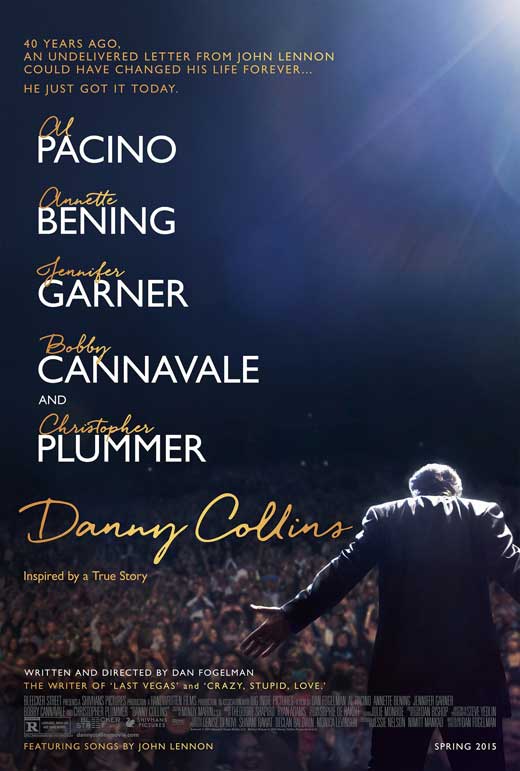
In 1971, young folk singer Danny Collins is on the verge of stardom. His first album, featuring songs he’s written himself, is about to be released, and he’s about to give an interview for Chime magazine that will attract the attention of one of rock music’s most well-known performers (and one of Danny’s idols).

Fast forward to 2014 and Danny is touring in support of his third greatest hits album. He no longer sings his own material, and hasn’t written a song since he made his first album. His signature song is a track called Baby Doll, and his fans want him to sing it before anything else. With his audience aging as much as he is, Danny relies heavily on cocaine and booze to get him through his day, and he has a young girlfriend, Sophie (Cas), he’s thinking of making his fourth wife. When his birthday comes round, his manager and long-time friend Frank Grubman (Plummer) hands him a special present: a letter written to him by John Lennon in response to the Chime interview. In it, Lennon offers the young Danny help in avoiding the pitfalls of being famous in the music business, and even includes his phone number.

Danny is shell-shocked by the idea that Lennon could have changed the course of his career. Feeling that he’s wasted the last forty-plus years, he decides it’s time to make some changes. He catches Sophie with another, younger man, but isn’t angry; instead he tells her he’s going away for a while and to enjoy their home for a little longer (though he makes it clear their relationship is over). He travels to New Jersey and stays at a Hilton hotel with the intention of going to see his son who lives nearby but with whom he’s had no contact. He also begins writing a new song, while attempting to woo the hotel manager, Mary Sinclair (Bening). And when Frank comes to visit him, Danny tells him he doesn’t want to continue with the tour either.

Danny visits his son’s home, and meets his daughter-in-law Samantha (Garner) and his granddaughter Hope (Eisenberg). When his son Tom (Cannavale) arrives home he makes it clear he doesn’t want anything to do with Danny. But Danny perseveres, both with his new song, wooing Mary, and by arranging for Tom and Samantha to have an interview for a special school that will deal with Hope’s ADHD. As he begins to make headway with his new life, Danny learns that he’s not as financially secure as he thought, and going back on tour is his best option. But then Mary challenges him to play his new song at his next gig…

Danny Collins - scene

The idea of Al Pacino playing an aging singer trying to reconnect with his lost youth and aspirations seems like the perfect excuse for a stark, emotionally compelling drama, but writer/director Dan Fogelman has other ideas. Instead of dark and challenging, he’s gone for wistful and comic, with a side order of restrained sentimentality. Add in slices of romance, personal regret, misdirected anger, and selflessness, and you have a comedy that pokes fun at Danny’s lifestyle and sense of himself – “No, I’m sharp!” – but does so without laughing at him.

When we first meet him in 1971, Danny is anxious, mildly confident, but absolutely terrified of the thought he might be famous. When we see him again he’s a tired, unhappy man going through the motions of being famous, and his terror has given way to a weary resignation; this is his life, for better or worse. When he’s given the letter by Lennon, it opens his eyes both to the life he’s living, and the life he could have had. Pacino effortlessly portrays the sad realisation that Danny has in that moment, and the viewer can feel the sense of self-betrayal coast off of him in waves. It’s the movie’s most effecting moment, and Pacino is flawless. And from that, Danny regains a sense of purpose, a drive he’s not had in years, and the new Danny is funny, immensely likeable, supportive of others to a fault, and willing to own up to his mistakes. It’s a sea change that could have appeared unlikely or unconvincing, but Pacino, ably supported by Fogelman, brushes aside any apprehensions the viewer might have, and strides on imperiously like a rejuvenated force of nature.

With Pacino giving one of his best performances in recent years, Danny Collins is a pleasure to watch from start to finish, with equally impressive supporting turns from the always dependable Bening (perhaps too dowdily attired and coiffed to really attract a major singing star), Garner and Cannavale, and the sublime Plummer, who gets some of the movie’s best lines, and who is drily memorable throughout. It’s a movie that is very easy to watch as a result, as the cast go about their business with the surety of veteran performers, but it’s Fogelman who’s the real star here, effortlessly poking a stick at the ridiculous nature of celebrity, and imbuing the movie with a heart and a warmth that reaches out to the viewer and envelops them in its heartfelt embrace. Thankfully, this is one screenplay – based on the true story involving folk singer Steve Tilston – that he’s judged exceptionally well, and the confidence he and the cast have in the material is evident in the finished product (Fogelman has had a somewhat schizophrenic career as a screenwriter: for every Crazy, Stupid, Love. (2011), there’s been a Fred Claus (2007) to balance things out).

Shot with a preference for bright, sharply delineated colours by Steve Yedlin, and with a score by Ryan Adams and Theodore Shapiro that is overwhelmed by the inclusion of several of John Lennon’s solo works (some of which feel more intrusive than complementary), Danny Collins is a romantic comedy drama that is a great deal of fun, and well worth your time, even though it’s sadly apparent that Pacino, great actor though he is, is no great shakes as a singer.

Rating: 8/10 – surprisingly good and with the kind of warm-hearted approach that puts a smile on the viewer’s face throughout, Danny Collins is bolstered by a great performance from Pacino, and a very astute script from Fogelman; with as many visual gags as verbal ones (though none can beat Plummer’s offloading of a Steinway piano), it’s a movie that is continually entertaining, and definitely one to watch with a group of likeminded friends.

Share this:

  • Click to share on X (Opens in new window) X
  • Click to share on Facebook (Opens in new window) Facebook
  • More
  • Click to print (Opens in new window) Print
  • Click to email a link to a friend (Opens in new window) Email
Like Loading...

10 Movies That Are 40 Years Old This Year – 2014

22 Wednesday Oct 2014

Posted by dullwood68 in Movies

≈ 1 Comment

Tags

1974, A Woman Under the Influence, Al Pacino, Biography, Bob Fosse, Chinatown, Comedy, Crime, Drama, Dustin Hoffman, Fear Eats the Soul, Francis Ford Coppola, Gena Rowlands, Gene Hackman, Gene Wilder, Gunnar Hansen, Horror, John Cassavetes, Lenny, Luis Buñuel, Mel Brooks, Movies, Rainer Werner Fassbinder, Reviews, Robert De Niro, Roman Polanski, The Conversation, The Godfather Part II, The Phantom of Liberty, The Taking of Pelham One Two Three, The Texas Chain Saw Massacre, Walter Matthau, Young Frankenstein

Pick any year and you’re likely to find ten really good films that were released during that year, but 1974 is a year when there were ten really great films released.  It’s not a year that stands out when first thought about, but upon closer inspection it seems like a banner year, when movie makers pulled out all the stops and gave us a succession of impressive movies that even now, still resonate and attract viewers in high numbers.  (And if truth be told, this list could have been stretched a little further, but 13 Movies That Are 40 Years Old This Year didn’t sound right.)  So, in no particular order, here are those ten movies we’re all still talking about.

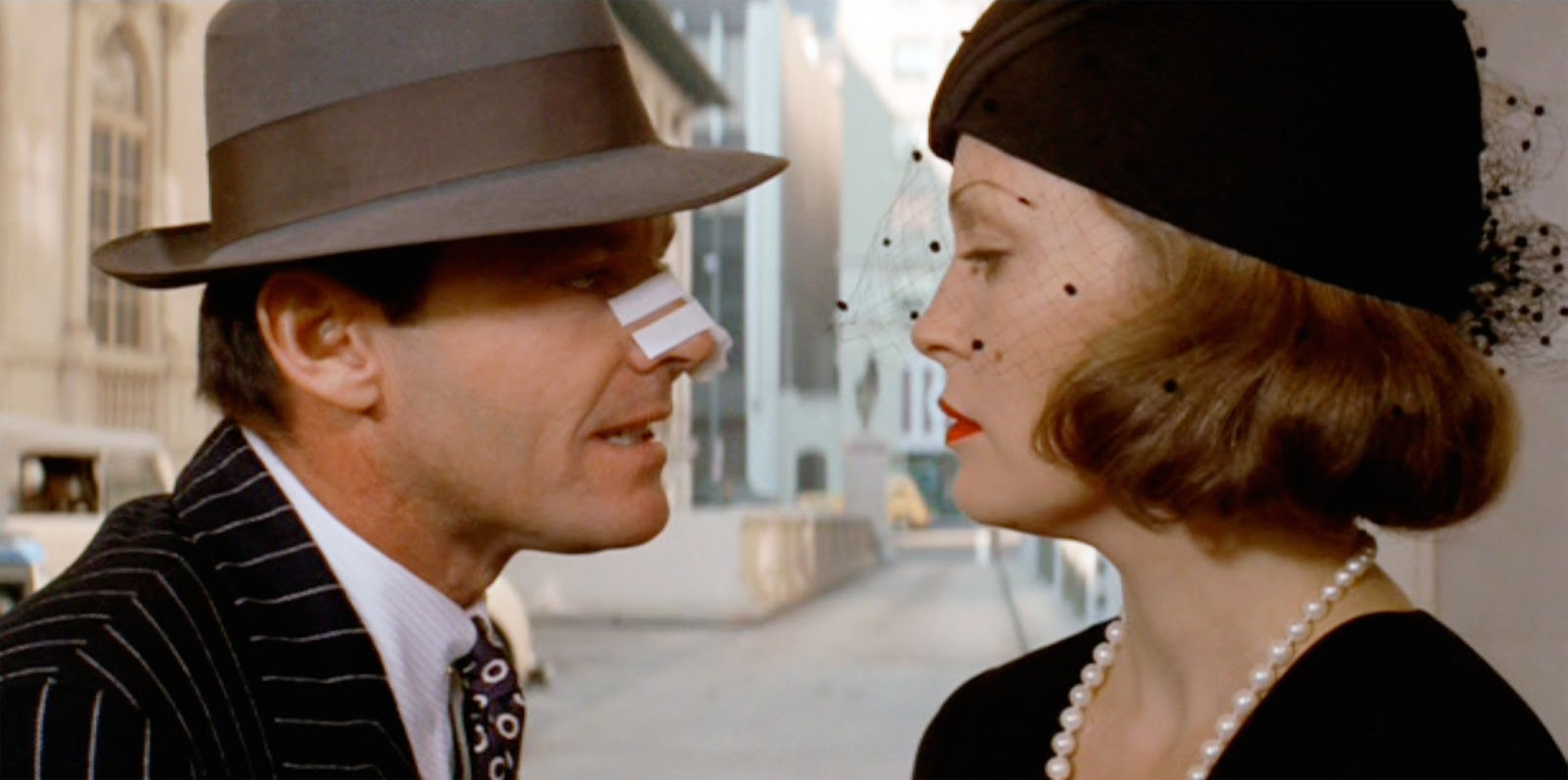
1) Chinatown – Roman Polanski’s stunning neo-noir thriller transformed Jack Nicholson into a superstar and made Robert Towne’s elaborate, gripping screenplay – one of the most compelling, intelligent screenplays ever written – the main reason for seeing the movie.  With superb performances from Faye Dunaway and John Huston, this incredible movie still has the power to unnerve and startle with its story of corruption and greed in 40’s Los Angeles, and that tragic revelation.

Chinatown - scene

2) Lenny – Revisiting the life of counter-culture, angst-ridden comic Lenny Bruce was always going to depend on the actor playing him, but Dustin Hoffman turns in an amazing, detailed performance that is possibly his best ever.  With a career best turn from Valerie Perrine, deft, sympathetic direction from Bob Fosse, and a grimy, authentic recreation of the clubs where Bruce vented his anger at the hypocrisies of society, Lenny still has the potential to shock and surprise, and takes no prisoners (just like Bruce himself).

3) Fear Eats the Soul – German auteur Rainer Werner Fassbinder had made a number of excursions into movies for TV before he wrote and directed this vital, important tale of the relationship between a Moroccan migrant worker (the soulful El Hadi ben Salem) and a German woman in her mid-sixties (the affecting Brigitte Mira). Ageism and racism are given short shrift by Fassbinder’s script, and the growing relationship is portrayed naturally and with little sentiment.  It’s a dour movie, to be sure, but uplifting at the same time.

4) The Godfather Part II – The crowning glory of Francis Ford Coppola’s career and a movie that’s nigh on faultless, The Godfather Part II is the classic example of a sequel that is better than its predecessor… so, so much better.  Even Brando’s presence isn’t missed.  With its flashback sequences detailing the origin of Vito Corleone’s role as Godfather conflated with the inexorable rise of his son Michael to the same position, this has tragedy and triumph in equal measure, and features astonishing achievements in directing, scripting, acting, cinematography, sound, editing, costumes, art direction, and set design.  In short, it’s a masterpiece.

Godfather Part II, The - scene

5) The Texas Chain Saw Massacre – With its fierce, tension-wringing set up and feral, nightmarish family of cannibals, Tobe Hooper’s second feature still has the power to shock, and leave audiences feeling drained by the end.  The iconic image of Gunnar Hansen with a literal “face”-mask and revving a chainsaw – once seen, never forgotten – sums up the movie’s terrifying approach to its subject matter, and confirms (if anyone needed reminding) that low budget horror can be startling, original and a once in a lifetime experience.

6) A Woman Under the Influence – Possibly the finest examination of mental illness within the family, John Cassavetes’ stinging, heart-rending drama features a tour-de-force performance from Gena Rowlands as the emotionally downtrodden Mabel, a woman whose ill treatment by her husband and children leads her to suppress any positive feelings for fear of being judged as “unbalanced”.  Not a movie for everyone but one that isn’t afraid to confront a complex, contentious issue with poise and a piercing intelligence.

7) The Phantom of Liberty – If you like your movies chock-full of symbolism, surrealism and absurdist humour, then Luis Buñuel’s collection of barely connected episodes will capture your attention and never let go.  It’s a modern masterpiece of (mis)direction and subversive behaviour, and features a seasoned cast that includes Jean Rochefort, Monica Vitti and Adolfo Celi, all of whom enter into the spirit of things with undisguised gusto.

Phantom of Liberty, The - scene

8) The Conversation – It’s that man Coppola again, this time with an introspective low-key look at the self-contained life of a surveillance expert (the superb Gene Hackman) who finds himself drawn – against his better judgment – into a perfectly weighted mystery.  The chilly, withdrawn mise-en-scene is expertly crafted, and Coppola’s script delivers more and more as the movie heads toward its incredible denouement.  To release both this and The Godfather Part II in the same year – well, that’s just insane.

9) Young Frankenstein – Mel Brooks’ finest hour, even though Blazing Saddles was also released in ’74, this grand homage to the Universal horrors of the 30’s and 40’s is an undeniable treat, full of terrific one-liners – “To the lumber yard!” – and wonderful visual flourishes.  Co-writers Brooks and Gene Wilder are on top form, and their affection for the Fronkensteen movies made by Universal adds to the joy of watching Mary Shelley’s classic tale unfold in its own, very unique manner.  And the “Puttin’ on the Ritz” sequence is just inspired.

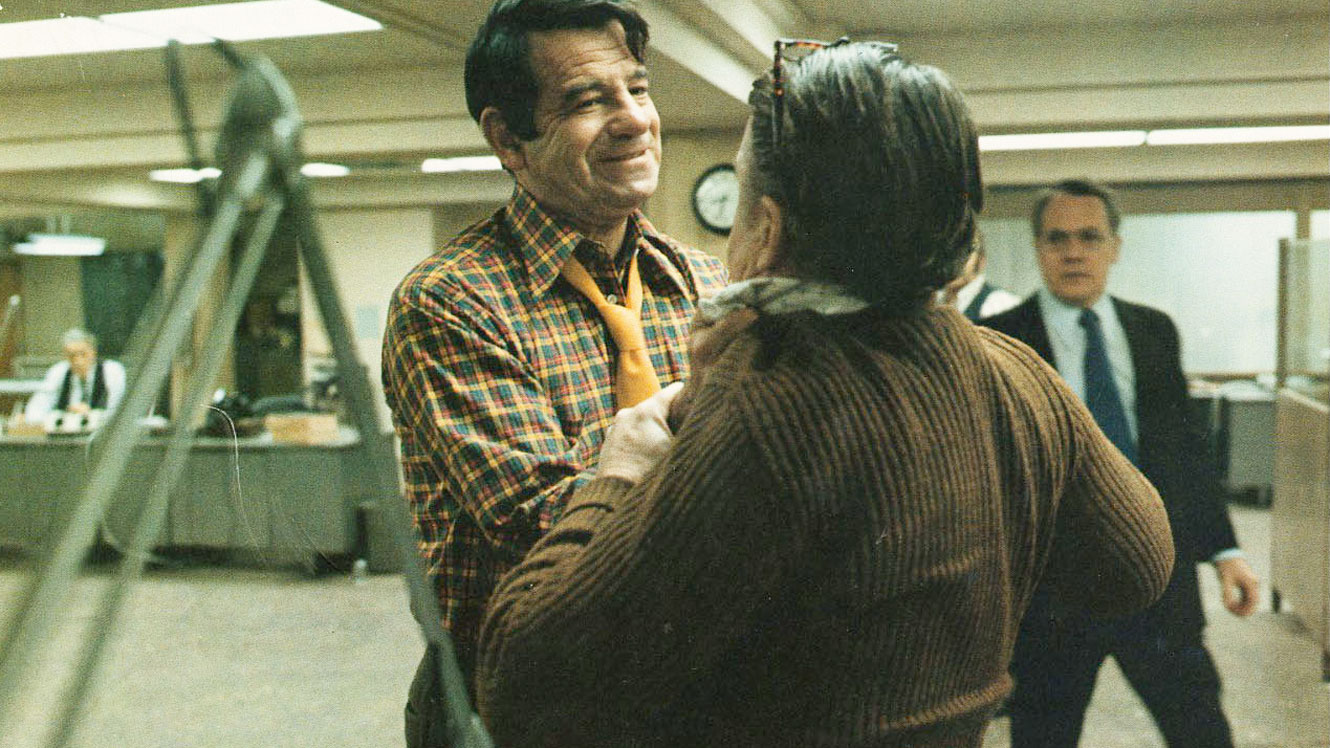
10) The Taking of Pelham One Two Three – Ignore the turgid remake with Denzel Washington and John Travolta, this is ten times as good and ten times as gripping.  Walter Matthau is the grizzled cop engaged in a battle of wits with train hijacker Robert Shaw, and as the movie ratchets up the tension, audiences are treated to one of the finest thrillers ever made.  Bravura movie making from all concerned but anchored by a fantastic job of direction by the underrated Joseph Sargent.

Taking of Pelham One Two Three, The - scene

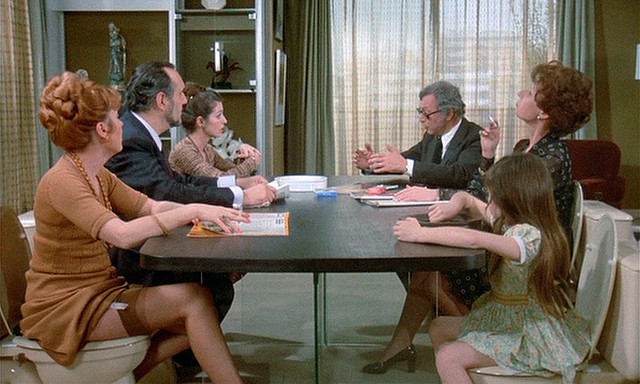
If you agree or disagree with my choices, feel free to let me know.  And if there’s another year with an equally brilliant selection of movies released, feel free to let me know as well.  But more importantly, if you haven’t seen some or all of the movies listed above, then what are you doing reading this?  Get out there and watch them!

Share this:

  • Click to share on X (Opens in new window) X
  • Click to share on Facebook (Opens in new window) Facebook
  • More
  • Click to print (Opens in new window) Print
  • Click to email a link to a friend (Opens in new window) Email
Like Loading...

Phil Spector (2013)

17 Thursday Jul 2014

Posted by dullwood68 in Movies

≈ Leave a comment

Tags

Al Pacino, Ballistics, David Mamet, Defence, Helen Mirren, Lana Clarkson, Linda Kenney Baden, Murder trial, Music, Record producer, Suicide, True story

Phil Spector

D: David Mamet / 92m

Cast: Al Pacino, Helen Mirren, Jeffrey Tambor, Chiwetel Ejiofor, Rebecca Pidgeon, John Pirruccello, James Tolkan, David Aaron Baker, Matt Malloy

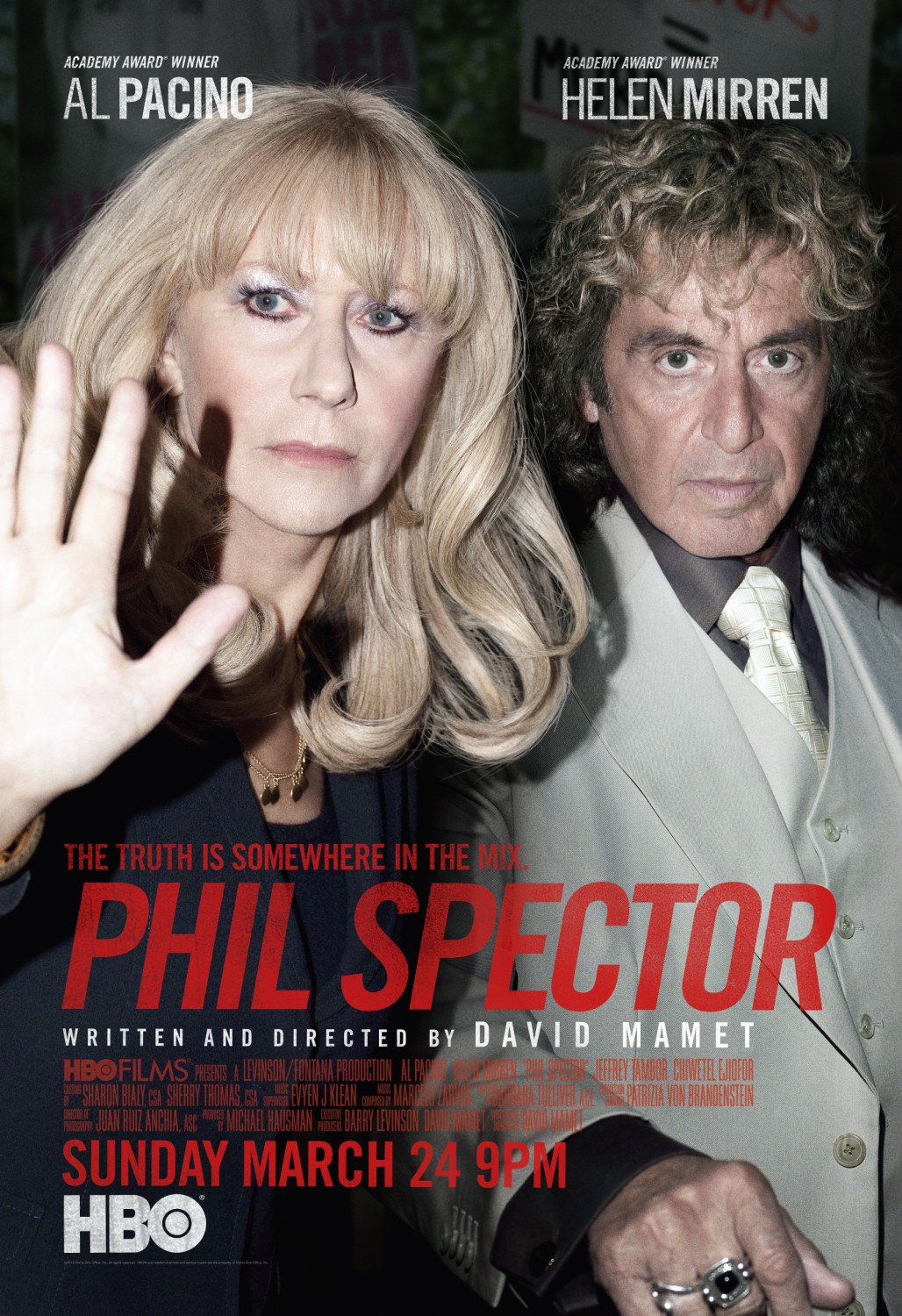
In the aftermath of the death of actress Lana Clarkson at the home of legendary music producer Phil Spector (Pacino), his defence attorney, Bruce Cutler (Tambor) persuades Linda Kenney Baden (Mirren), another attorney, to help with the case and the upcoming trial.  Baden is convinced at first that Spector is guilty and that the case can’t be won.  Her opinion begins to change when she meets Spector for the first time at his home.  Spector’s rambling, paranoid arguments in support of his innocence leave their mark on Baden, and she endeavours to find a way of combating the public’s view of Spector as a “freak”.  She dismisses attacking the victim, or any of the other women who have come forward to claim that the producer also threatened them with a gun at his home.  Instead, she focuses on the discrepancies that she finds in the ballistics report: principally that if Spector did shoot Clarkson by putting a gun in her mouth and pulling the trigger, why wasn’t he covered in her blood?

As Baden persists in her efforts to have simulations of the gunshot entered as evidence at the trial, Spector becomes impressed by her tenacity and places his trust in her and her instincts.  Meanwhile, disturbing evidence continues to be uncovered that points to Spector’s unhealthy interest in guns and his volatile anger.  Baden perseveres with the ballistics evidence but finds that the only way she can introduce it into the trial is by putting Spector on the stand.  To prepare him, she puts him through a mock cross-examination, but Spector reacts badly when shown videotaped accusations of abuse by his ex-wife.  The next day, Spector’s arrival at the trial causes a stir that leads Baden to question whether her decision to let him testify was too hasty…

Phil Spector - scene

Opening with the disclaimer that Phil Spector is a work of fiction based around the true events of the record producer’s trial for murder in 2007, the movie charts what may have happened behind the scenes both with the man himself and his defence team.  It’s a bold, heavily stylised approach, and one that allows for a great deal of conjecture to be indulged in.  Spector’s guilt or innocence is debated but the script by David Mamet never comes down on one side or the other (even if it seems to be saying that he couldn’t have done it because of the lack of blood spatter); instead it presents the evidence that was available at the time, and backs it up with references to the trial itself and how it was conducted.  From this it’s up to the viewer to decide if Spector was guilty or not.

Taking such dramatic licence, the movie could easily be accused of being pure fabrication but it has input from the real Linda Kenney Baden, and so its authenticity is more credibly established.  The nuts and bolts of the defence team’s efforts to find a way of getting Spector acquitted are often quietly intense, and are offset against the more sensational reporting of the trial itself (seen through both contemporary footage and scenes set outside the courthouse).  And then there’s Spector himself, a vain, arrogant, irrational, and lonely figure (as presented here) who may or may not be the real victim.  Mamet’s script allows the man several chances to express his views on the world, and the press, and fame, and his own self-importance, and it’s in these moments that the movie most draws in the viewer, as the apparent depth of Spector’s dissociation from “normal” society is revealed, and the script paints him as too egotistical to fully understand just how his behaviour and demeanour are detrimental to his defence.

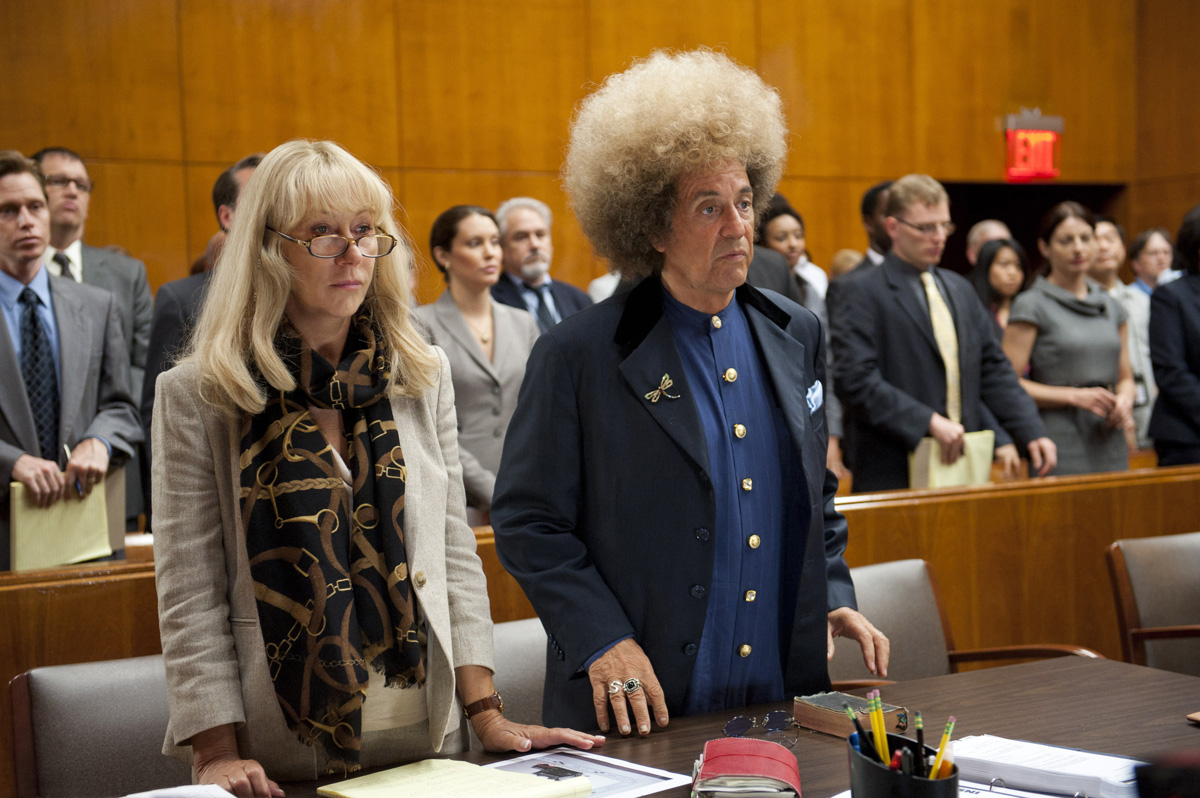
It’s a powerhouse performance from Pacino, mesmerising and enthralling, his distinctive vocalising fitting a character who declaims as much as he discusses.  Looking out from under a succession of wigs – including the “tribute to Jimi Hendrix” wig he wore on the day he was due to testify – Spector is portrayed as a man with serious psychological issues allied to an unhealthy disregard for those around him; he only takes to Baden because she believes in his innocence.  Pacino chews the scenery as much as he ever does, but here it suits the larger than life personality that Spector forged for himself, and the actor applies himself to Mamet’s florid dialogue with undisguised glee.  As the quieter, but no less passionate Baden, Mirren puts in an award-winning performance that serves as the perfect balance to Pacino’s more grandiose approach, and in doing so, is so impressive that she steals the limelight from Pacino with ease.  Her no-nonsense attitude and glowering disposition speaks volumes throughout, and Baden’s patience with Spector, and her ability to “manage” him, highlights the sound judgment Bruce Cutler made by hiring her in the first place.  When the two are together on screen it’s nothing short of hypnotic to watch.

The supporting cast flesh out their roles with aplomb, and the recreation of events surrounding the trial is skilfully done – though the lighting is gloomy throughout the whole movie, as if the subject matter is ultimately too depressing to deal with.  Mamet directs his script in a deliberate, TV-movie-of-the-week style that actually seems appropriate to the material, and he cleverly manages to blur the distinctions between what actually happened the night Clarkson died, and what may have happened.  It’s a neat trick, and it makes the movie a more intriguing watch than you might expect.

Rating: 8/10 – an absorbing and unexpectedly gripping account of the downfall of a music industry legend, Phil Spector is sharp, intelligent, and features two hugely impressive performances from its lead actors; at its heart, a powerful insight into how one man’s insularity and overwhelming self-belief can lead to their eventual downfall.

Share this:

  • Click to share on X (Opens in new window) X
  • Click to share on Facebook (Opens in new window) Facebook
  • More
  • Click to print (Opens in new window) Print
  • Click to email a link to a friend (Opens in new window) Email
Like Loading...

Blog Stats

  • 486,528 hits

Recent Posts

  • 10 Reasons to Remember Bibi Andersson (1935-2019)
  • Fantasia (1940)
  • Dances With Wolves (1990) – The Special Edition
  • Kiss of the Spider Woman (1985)
  • The Three Musketeers (1973)

Top Posts & Pages

  • Lost for Life (2013) - Another Look
    Lost for Life (2013) - Another Look
  • Lost for Life (2013)
    Lost for Life (2013)
  • About
    About
  • Mr. Topaze (1961)
    Mr. Topaze (1961)
  • Billy Lynn's Long Halftime Walk (2016)
    Billy Lynn's Long Halftime Walk (2016)
  • Winter's Tale (2014)
    Winter's Tale (2014)
  • The Hitman's Bodyguard (2017)
    The Hitman's Bodyguard (2017)
  • 5 Famous Movie Roles That Nearly Went to Someone Else
    5 Famous Movie Roles That Nearly Went to Someone Else
  • The Layover (2017)
    The Layover (2017)
  • Transcendence (2014)
    Transcendence (2014)
Follow thedullwoodexperiment on WordPress.com

Blogs I Follow

  • Rubbish Talk
  • Film 4 Fan
  • Fast Film Reviews
  • The Film Blog
  • All Things Movies UK
  • Interpreting the Stars
  • Let's Go To The Movies
  • Movie Reviews 101
  • TMI News
  • Dan the Man's Movie Reviews
  • Film History
  • Jordan and Eddie (The Movie Guys)

Archives

  • April 2019 (13)
  • March 2019 (28)
  • February 2019 (28)
  • January 2019 (32)
  • December 2018 (28)
  • November 2018 (30)
  • October 2018 (29)
  • September 2018 (29)
  • August 2018 (29)
  • July 2018 (30)
  • June 2018 (28)
  • May 2018 (24)
  • April 2018 (21)
  • March 2018 (31)
  • February 2018 (25)
  • January 2018 (30)
  • December 2017 (30)
  • November 2017 (27)
  • October 2017 (27)
  • September 2017 (26)
  • August 2017 (32)
  • July 2017 (32)
  • June 2017 (30)
  • May 2017 (29)
  • April 2017 (29)
  • March 2017 (30)
  • February 2017 (27)
  • January 2017 (32)
  • December 2016 (30)
  • November 2016 (28)
  • October 2016 (30)
  • September 2016 (27)
  • August 2016 (30)
  • July 2016 (30)
  • June 2016 (31)
  • May 2016 (34)
  • April 2016 (30)
  • March 2016 (30)
  • February 2016 (28)
  • January 2016 (35)
  • December 2015 (34)
  • November 2015 (31)
  • October 2015 (31)
  • September 2015 (34)
  • August 2015 (31)
  • July 2015 (33)
  • June 2015 (12)
  • May 2015 (31)
  • April 2015 (32)
  • March 2015 (30)
  • February 2015 (37)
  • January 2015 (39)
  • December 2014 (34)
  • November 2014 (34)
  • October 2014 (36)
  • September 2014 (25)
  • August 2014 (29)
  • July 2014 (29)
  • June 2014 (28)
  • May 2014 (23)
  • April 2014 (21)
  • March 2014 (42)
  • February 2014 (38)
  • January 2014 (29)
  • December 2013 (28)
  • November 2013 (34)
  • October 2013 (4)

Create a free website or blog at WordPress.com.

Rubbish Talk

Film 4 Fan

A Movie Blog

Fast Film Reviews

The Film Blog

The official blog of everything in film

All Things Movies UK

Movie Reviews and Original Articles

Interpreting the Stars

Dave Examines Movies

Let's Go To The Movies

Film and Theatre Lover!

Movie Reviews 101

Daily Movie Reviews

TMI News

Latest weather, crime and breaking news

Dan the Man's Movie Reviews

All my aimless thoughts, ideas, and ramblings, all packed into one site!

Film History

Telling the story of film

Jordan and Eddie (The Movie Guys)

Movie Reviews & Ramblings from an Australian Based Film Fan

Privacy & Cookies: This site uses cookies. By continuing to use this website, you agree to their use.
To find out more, including how to control cookies, see here: Cookie Policy
  • Subscribe Subscribed
    • thedullwoodexperiment
    • Join 481 other subscribers
    • Already have a WordPress.com account? Log in now.
    • thedullwoodexperiment
    • Subscribe Subscribed
    • Sign up
    • Log in
    • Report this content
    • View site in Reader
    • Manage subscriptions
    • Collapse this bar
 

Loading Comments...
 

    %d