• 10 Reasons to Remember…
  • A Brief Word About…
  • About
  • For One Week Only
  • Happy Birthday
  • Monthly Roundup
  • Old-Time Crime
  • Other Posts
  • Poster of the Week
  • Question of the Week
  • Reviews
  • Trailers

thedullwoodexperiment

~ Viewing movies in a different light

thedullwoodexperiment

Tag Archives: Cinematographer

10 Reasons to Remember Robby Müller (1940-2018)

04 Wednesday Jul 2018

Posted by dullwood68 in Movies

≈ Leave a comment

Tags

Career, Cinematographer, Colour, Jim Jarmusch, Light, Master of Light, Wim Wenders

Robby Müller (4 April 1940 – 4 July 2018)

Famous for working closely with Wim Wenders and Jim Jarmusch, Robby Müller was a multi-award winning cinematographer who was adept at using light and colour in often idiosyncratic yet beautiful ways. Watching a movie he’d lensed, there was always a sense of being invited to see the world in a different way, more heightened perhaps, but still recognisable and relevant to our own experiences. He was able to use colour as a way of “phrasing” a scene, of giving it a texture that other cinematographers could never achieve because of how he himself saw things. When he worked with Wenders or Jarmusch (or even Lars von Trier), the distinct worlds they created were enhanced by Müller’s own aesthetic style. The director Steve McQueen once referred to Müller as a “blues musician”, and it’s hard to disagree with that assessment; Müller was a virtuoso in much the same way. And he had an appropriate nickname too: the Master of Light.

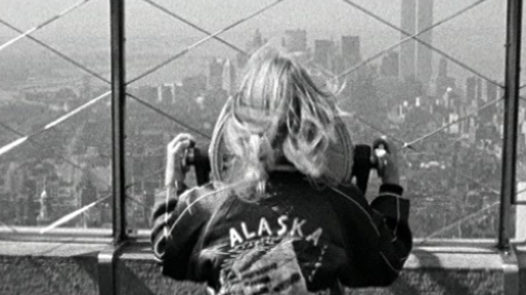
1 – Alice in the Cities (1974)

2 – The American Friend (1977)

3 – Saint Jack (1979)

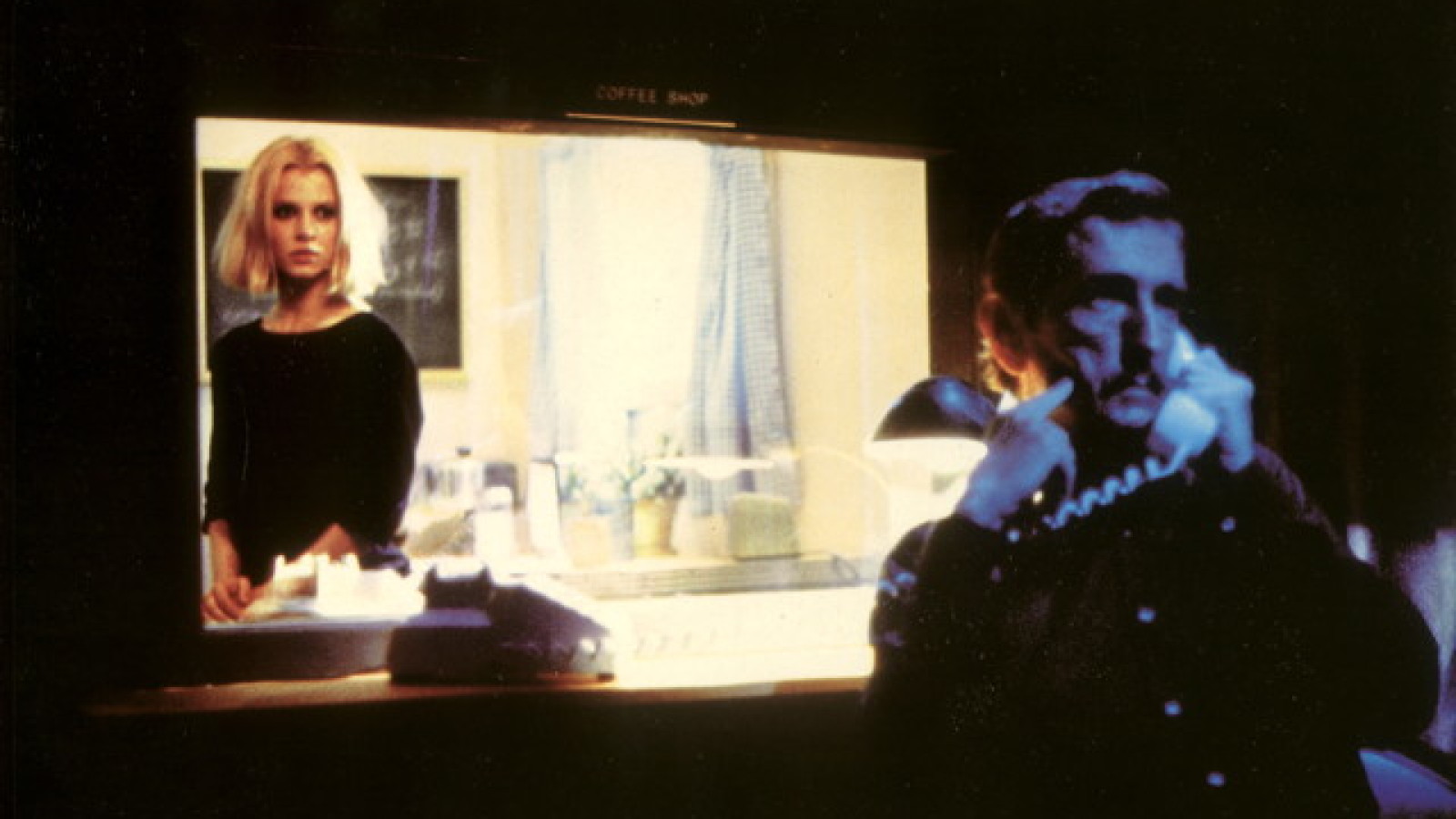
4 – Paris, Texas (1984)

5 – To Live and Die in L.A. (1985)

6 – Down by Law (1986)

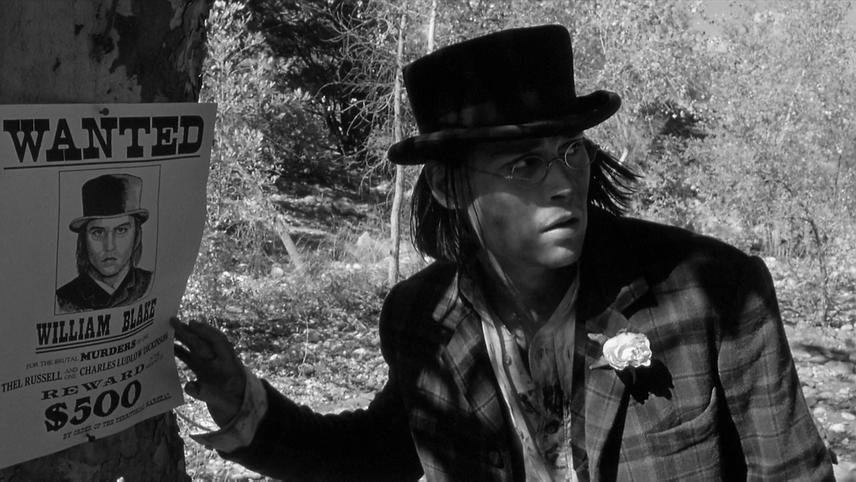
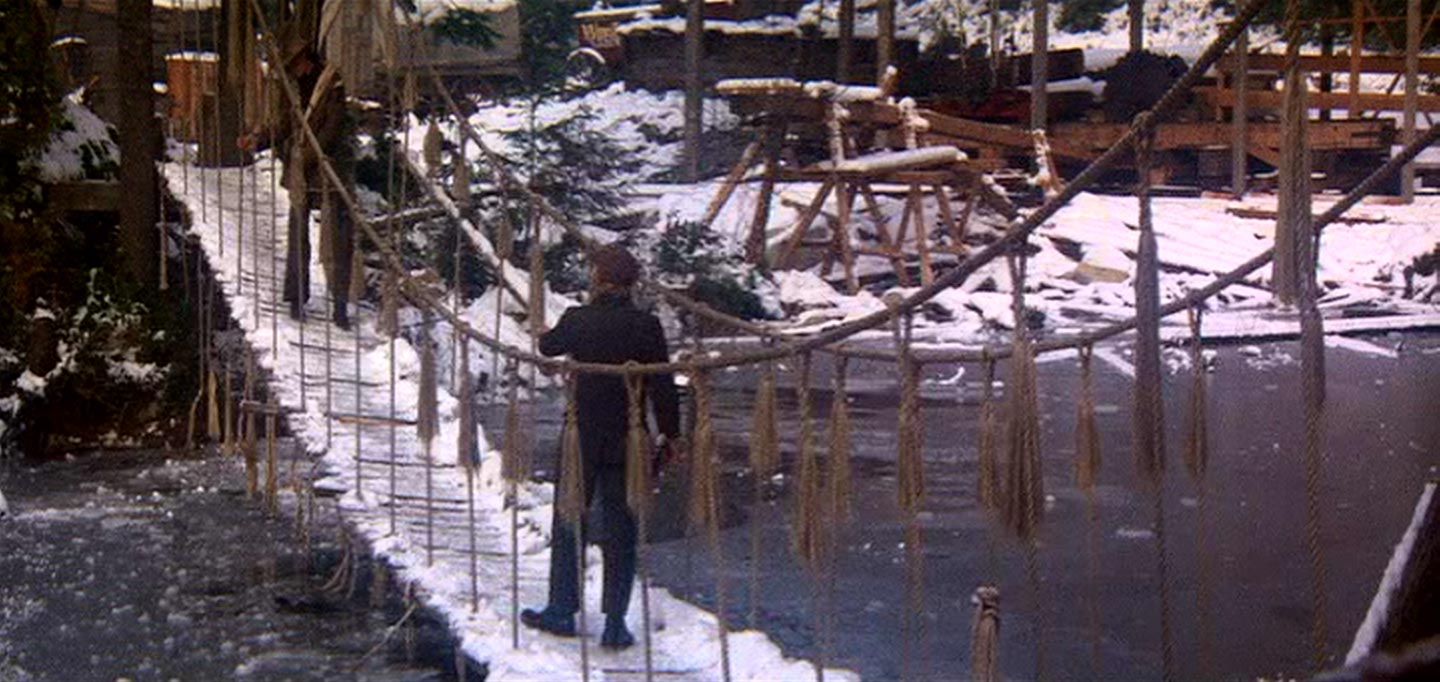
7 – Dead Man (1995)

8 – Breaking the Waves (1996)

9 – The Tango Lesson (1997)

10 – Dancer in the Dark (2000)

Share this:

  • Click to share on X (Opens in new window) X
  • Click to share on Facebook (Opens in new window) Facebook
  • More
  • Click to print (Opens in new window) Print
  • Click to email a link to a friend (Opens in new window) Email
Like Loading...

10 Reasons to Remember Walter Lassally (1926-2017)

25 Wednesday Oct 2017

Posted by dullwood68 in Movies

≈ Leave a comment

Tags

Career, Cinematographer, Free Cinema, James Ivory, Michael Cacoyannis, Oscar winner, Tony Richardson, Zorba the Greek

Walter Lassally (18 December 1926 – 23 October 2017)

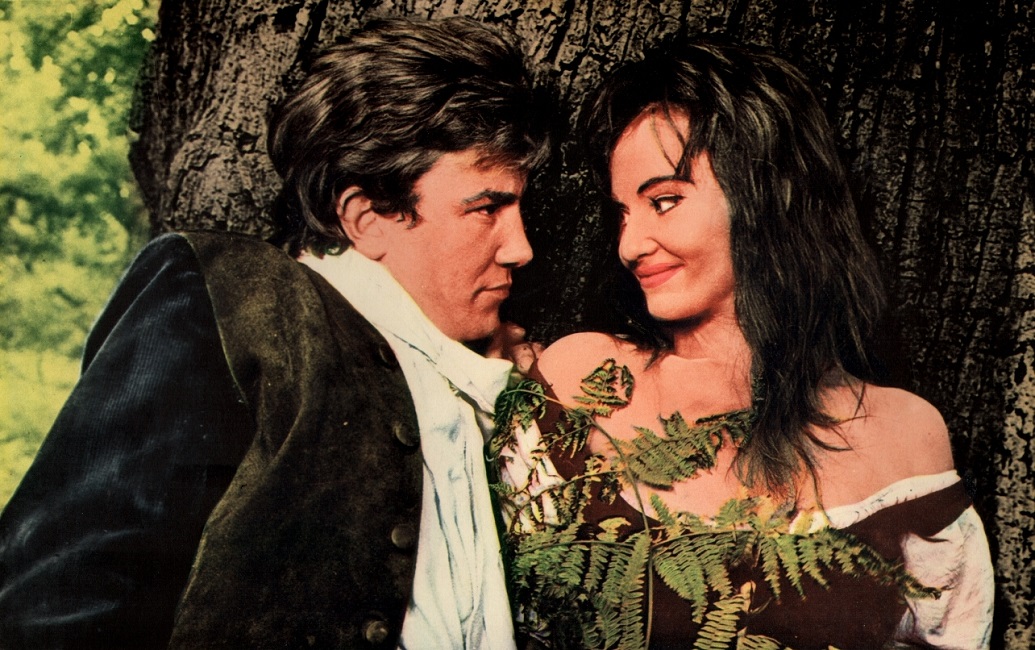
Walter Lassally’s family fled Nazi Germany in 1939 and came to England where his father made industrial and documentary movies. Following in his father’s footsteps, Lassally made his name as a cinematographer in the Fifties, working as part of the British Free Cinema movement, and alongside directors such as Karel Reisz, Tony Richardson, and Lindsay Anderson. These were short movies and documentaries that reflected the mood of Britain at the time, and Lassally’s involvement in them helped forge the partnership he made with Richardson in the early Sixties, and which led to a trilogy of movies about working class British lives (past and present) that brought both of them international acclaim. Following his collaboration with Richardson, Lassally reunited with Cypriot director Michael Cacoyannis, with whom he’d worked sporadically during the late Fifties, on perhaps his most famous work, Zorba the Greek (1964). Lassally won an Oscar for his work on the movie, and when he retired he donated it to a beach front taverna located near to where Anthony Quinn and Alan Bates famously danced together in the movie (alas, the statuette was lost in a fire there in 2012).

Lassally continued to work steadily after that, and was much in demand, but in 1972 he began another working relationship that would provide him with extra plaudits in the years ahead, with James Ivory. They worked together off and on over the next twenty years, and Lassally continued to provide the movies he worked on with a thoughtful and intelligent visual approach to the material, while also doing his best to come up with new innovative ways of presenting said material. And even though he officially “retired” in the early Nineties he continued working up until his last feature, Crescent Heart (2001). While not a household name in the same sense as some of his contemporaries, Lassally was nevertheless a signifier of quality if you saw his name in the credits of a movie. Thanks to his early background in shorts and documentaries, Lassally was always able to find the truth within an image, and provide a clarity of vision that always helped to elevate the material or the narrative he was working with. An unsung hero behind the lens then, but very capable of capturing sights that could provoke an emotional and an intellectual response in the viewer.

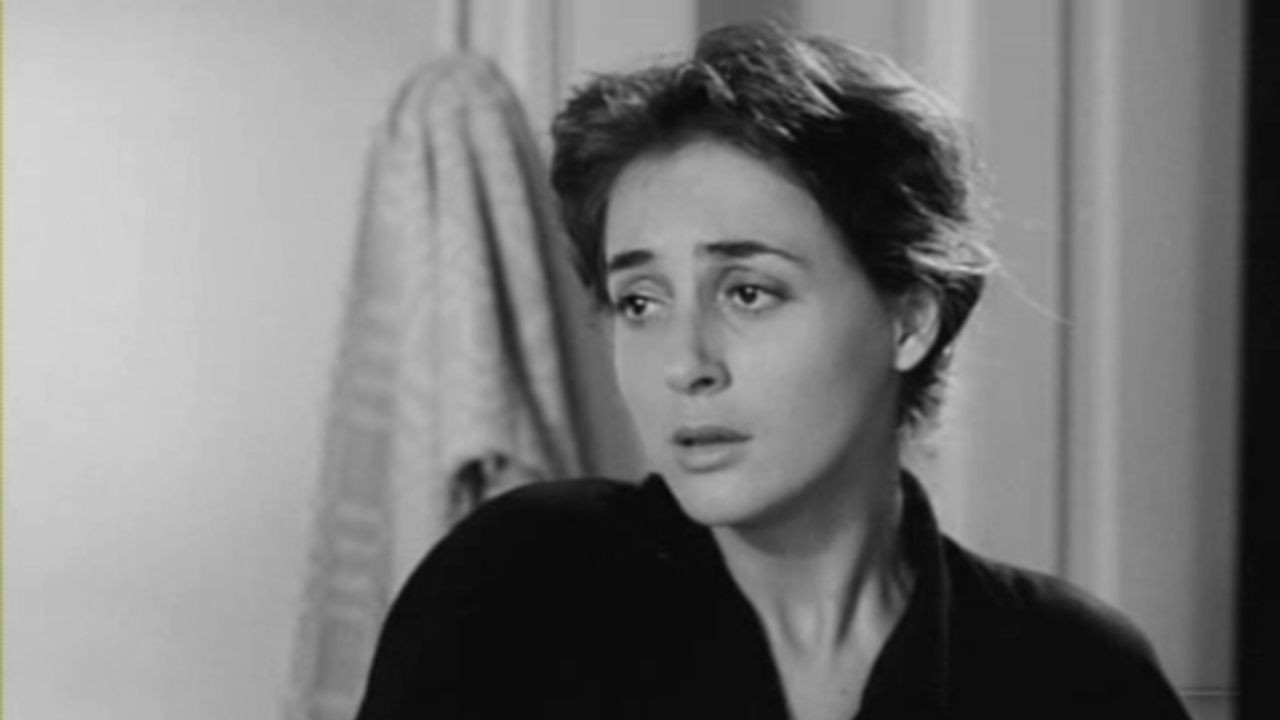
1 – A Girl in Black (1956)

2 – A Taste of Honey (1961)

3 – The Loneliness of the Long Distance Runner (1962)

4 – Tom Jones (1963)

5 – Zorba the Greek (1964)

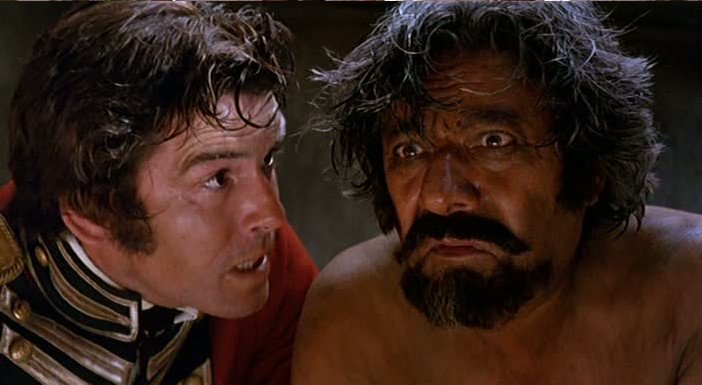
6 – Oedipus the King (1968)

7 – Malachi’s Cove (1973)

8 – Heat and Dust (1983)

9 – The Bostonians (1984)

10 – The Deceivers (1988)

Share this:

  • Click to share on X (Opens in new window) X
  • Click to share on Facebook (Opens in new window) Facebook
  • More
  • Click to print (Opens in new window) Print
  • Click to email a link to a friend (Opens in new window) Email
Like Loading...

10 Reasons to Remember Raoul Coutard (1924-2016)

09 Wednesday Nov 2016

Posted by dullwood68 in Movies

≈ Leave a comment

Tags

Career, Cinematographer, Director, Jean-Luc Godard, Nouvelle Vague, Raoul Coutard

Raoul Coutard (16 September 1924 – 8 November 2016)

tumblr_lxspbhowem1qednp7o1_1280

A key influence on the look and style of movies made during the Nouvelle Vague period (covering the late Fifties and the Sixties), Raoul Coutard was a cinematographer known primarily for his work with Jean-Luc Godard, but he also worked with the likes of Jacques Demy, François Truffaut, and Costa-Gravas.

Coutard served in the Indochina War (1946-1954), and ended up living and working in Vietnam for eleven years as a war photographer. In 1956 he was asked by Pierre Schoendoerffer to work on a documentary called The Devil’s Pass (1958); Coutard accepted due to a misunderstanding: he thought he was being hired to take stills shots. From there he shot two more movies for Schoendoerffer, and in 1959 was hired by Godard’s producer Georges de Beauregard to work on Godard’s first feature, Breathless (1960). Godard had had somebody else in mind for the job but the end result saw Coutard shoot all of Godard’s movies bar Masculin, féminin (1966) from then until 1967. Coutard was adept at using handheld cameras for Godard’s low-budget black and white movies, but he really impressed the director when it came to shooting his widescreen, colour movies: Coutard created a lighting rig that enabled shooting inside places without enough natural light.

Coutard’s career slowed down in the Seventies, though he did direct his first feature, Hoa Binh (1970); it was nominated for the Academy Award for Best Foreign Language Film, and won the prize for Best First Work at the 1970 Cannes Film Festival. He reunited with Godard in 1982 on Passion, and from then on Coutard began to work more consistently. His work continued to be distinctive and an asset to the projects he worked on, right up until his last work on Philippe Garrel’s Wild Innocence (2001). But he will always be remembered for the movies he made in the early to mid-Sixties, a selection of classic French movies that have stood the test of time not just because of the passions and fearlessness of their writers and directors, but also because of the way that Coutard illuminated those passions and that fearlessness through the immediacy of his visual style.

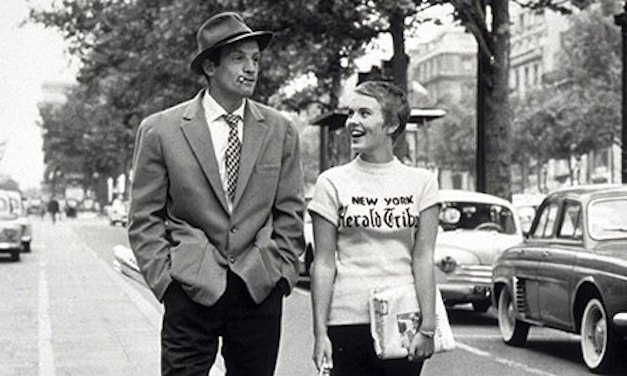
Herald Tribune: Breathless

1 – À bout de souffle (Breathless) (1960)

2 – Une Femme est une femme (A Woman Is a Woman) (1961)

3 – Jules et Jim (1962)

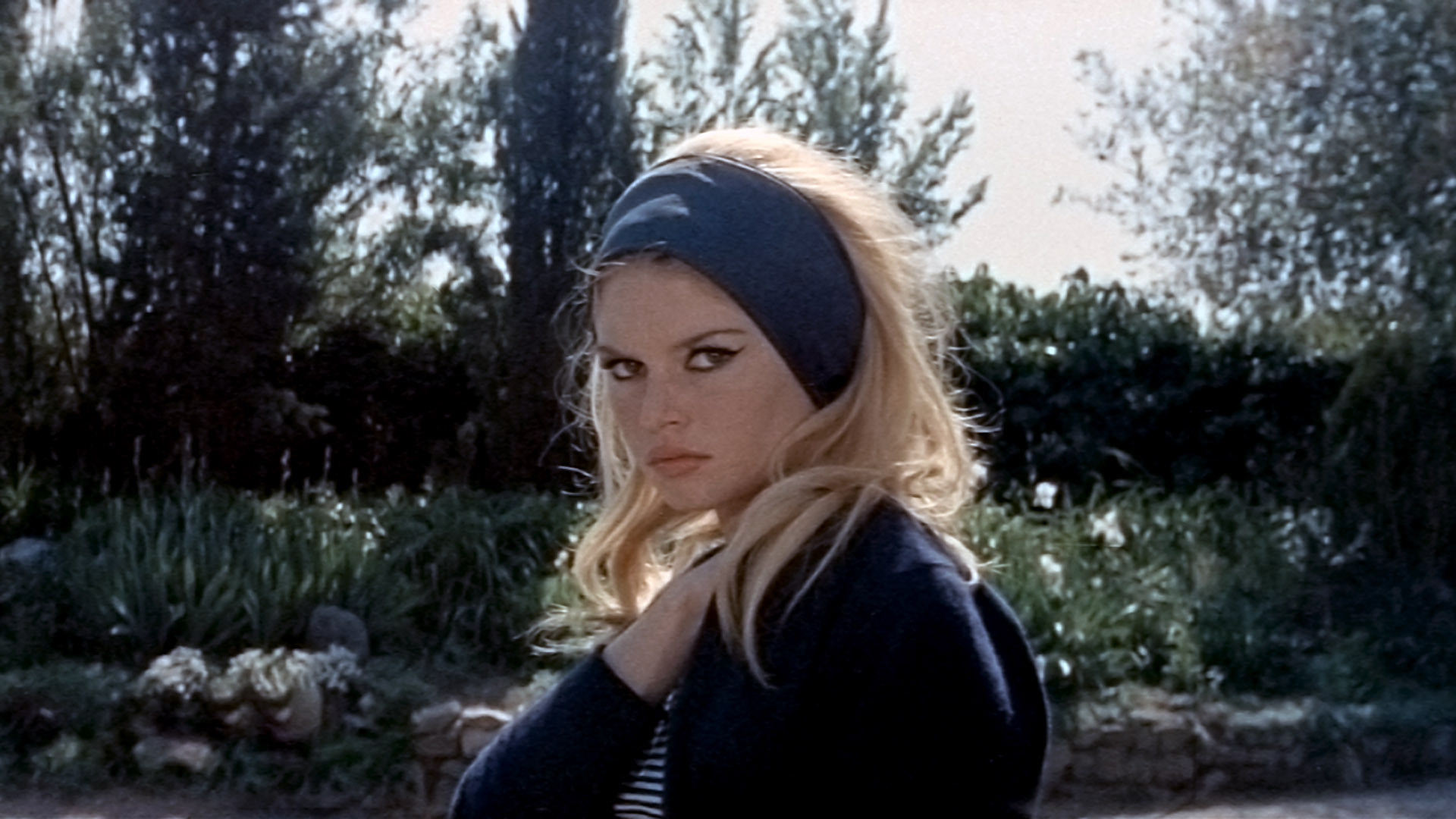
4 – Le Mépris (Contempt) (1963)

mepris-le-webofficialstill2

5 – Bande à part (Band of Outsiders) (1964)

6 – Alphaville, une étrange aventure de Lemmy Caution (Alphaville, a Strange Adventure of Lemmy Caution) (1965)

7 – Pierrot le Fou (1965)

pierrotlefou01_0

8 – Weekend (1967)

9 – Z (1969)

10 – Passion (1982)

passion-1

Share this:

  • Click to share on X (Opens in new window) X
  • Click to share on Facebook (Opens in new window) Facebook
  • More
  • Click to print (Opens in new window) Print
  • Click to email a link to a friend (Opens in new window) Email
Like Loading...

10 Reasons to Remember Douglas Slocombe (1913-2016)

23 Tuesday Feb 2016

Posted by dullwood68 in Movies

≈ Leave a comment

Tags

Career, Cinematographer, Director of Photography, Douglas Slocombe, Ealing, Movies

Douglas Slocombe (10 February 1913 – 22 February 2016)
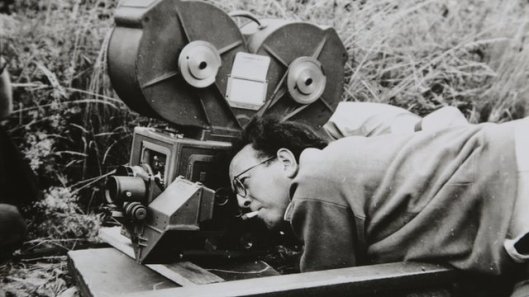
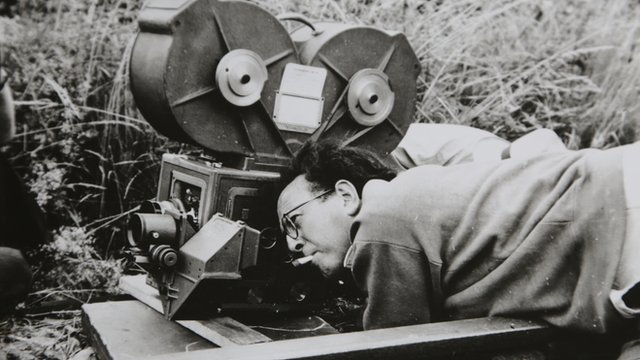
Douglas Slocombe

When looking back over a career that spanned five decades, it’s clear that Douglas Slocombe was a very talented cinematographer whose range and versatility came to be appreciated by many. And there were different stages to his career, stages that meant new challenges, new associations and inevitably, greater heights. He began, as so many of his generation did, as a photojournalist working for Life magazine and Paris-Match (he even filmed a speech given in Berlin by Josef Goebbels just before the invasion of Poland). During World War II he was a newsreel cameraman, and while he worked (mostly uncredited) on a handful of movies and documentaries, it wasn’t until 1945 when he shot Ealing’s Dead of Night that his future in the industry was secured. Slocombe’s realistic visual style suited Ealing perfectly, and he went on to shoot some of their most memorable and iconic releases.

In the late Fifties and early Sixties he worked on a succession of British dramas that were praised for the natural approach of their narratives, the performances, and their photography. Slocombe also proved adept at moving from black and white to colour, and showed he had a mastery of both mediums. If some of the movies he made during the Sixties and early Seventies weren’t always as successful as their makers had hoped, there was always Slocombe’s work to commend them, and his reputation remained untarnished; he was unable to shoot a movie badly or with less than his usual attention to detail and his strong sense of how a scene should be lit.

As his career moved into its final decade, Slocombe worked on a movie that proved his confidence and talent behind the camera was as assured as it ever was, and he became famous for never using a light meter during the shoot. The movie was a relatively small-scale adventure yarn called Raiders of the Lost Ark (1981); when it came time to make the second and third movies in the series, there was no one else considered for the role of DoP, and fittingly, Indiana Jones and the Last Crusade (1989) was Slocombe’s last movie. He was nominated for three Oscars during his career, and a number of BAFTAs (some of which he did at least win), but Slocombe was really one of those cinematographers whose work told you all you needed to know; any awards were merely an acknowledgment of what was already apparent: that he was an artist with an instinctive grasp of light and shade and colour and depth, and he was one of a kind.
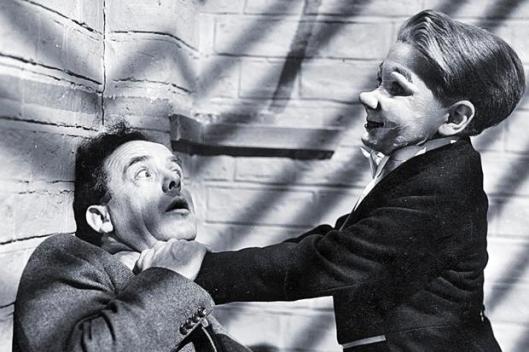
Dead of Night

1 – Dead of Night (1945)

2 – Kind Hearts and Coronets (1949)

3 – The Titfield Thunderbolt (1953)

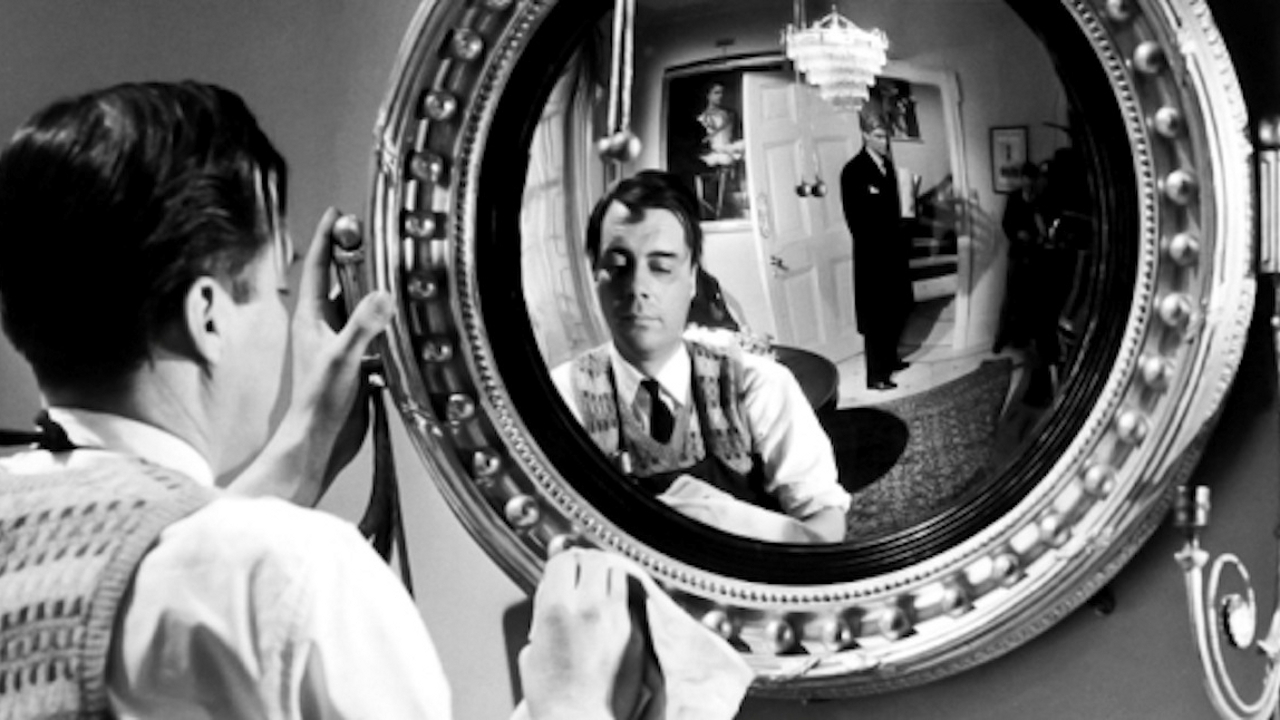
4 – The Servant (1963)
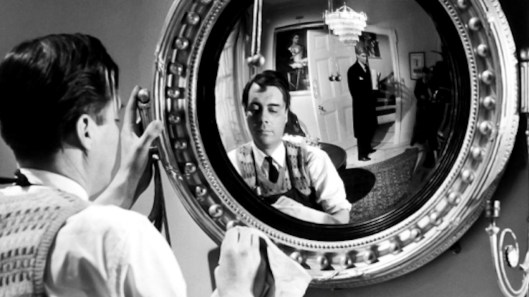
The Servant

5 – The Lion in Winter (1968)

6 – The Italian Job (1969)

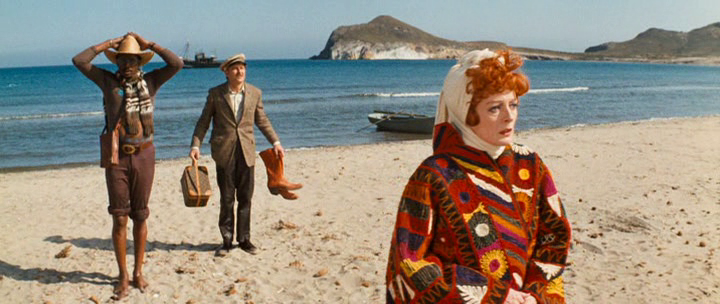
7 – Travels With My Aunt (1972)
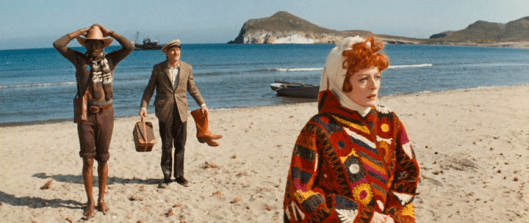
Travels With My Aunt

8 – Jesus Christ Superstar (1973)

9 – Julia (1977)

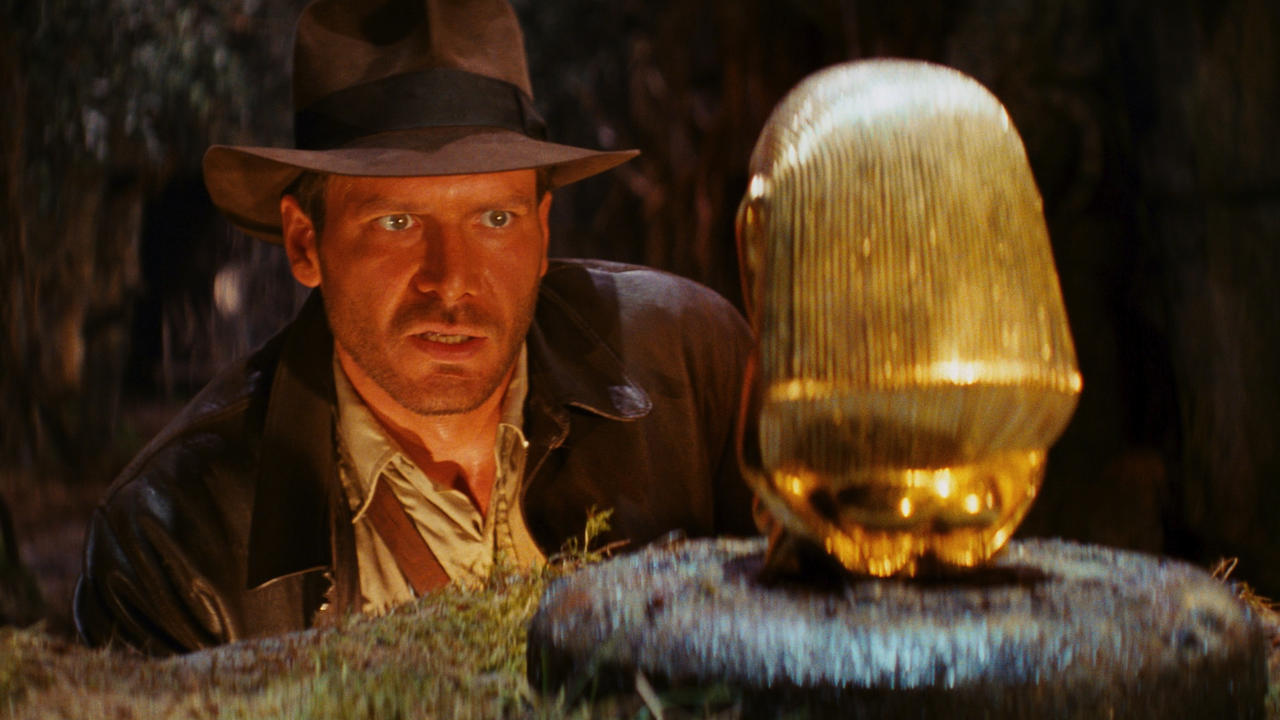
10 – Raiders of the Lost Ark (1981)
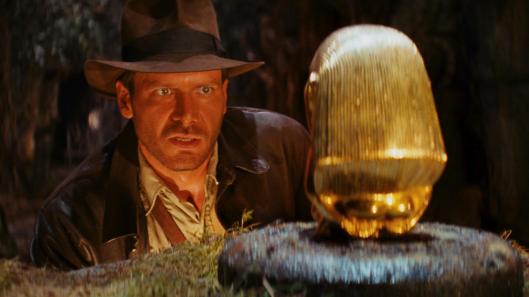
Raiders of the Lost Ark

Share this:

  • Click to share on X (Opens in new window) X
  • Click to share on Facebook (Opens in new window) Facebook
  • More
  • Click to print (Opens in new window) Print
  • Click to email a link to a friend (Opens in new window) Email
Like Loading...

10 Reasons to Remember Vilmos Zsigmond (1930-2016)

04 Monday Jan 2016

Posted by dullwood68 in Movies

≈ Leave a comment

Tags

Career, Cinematographer, Oscar winner, Vilmos Zsigmond

Vilmos Zsigmond (16 June 1930 – 1 January 2016)

Vilmos Zsigmond

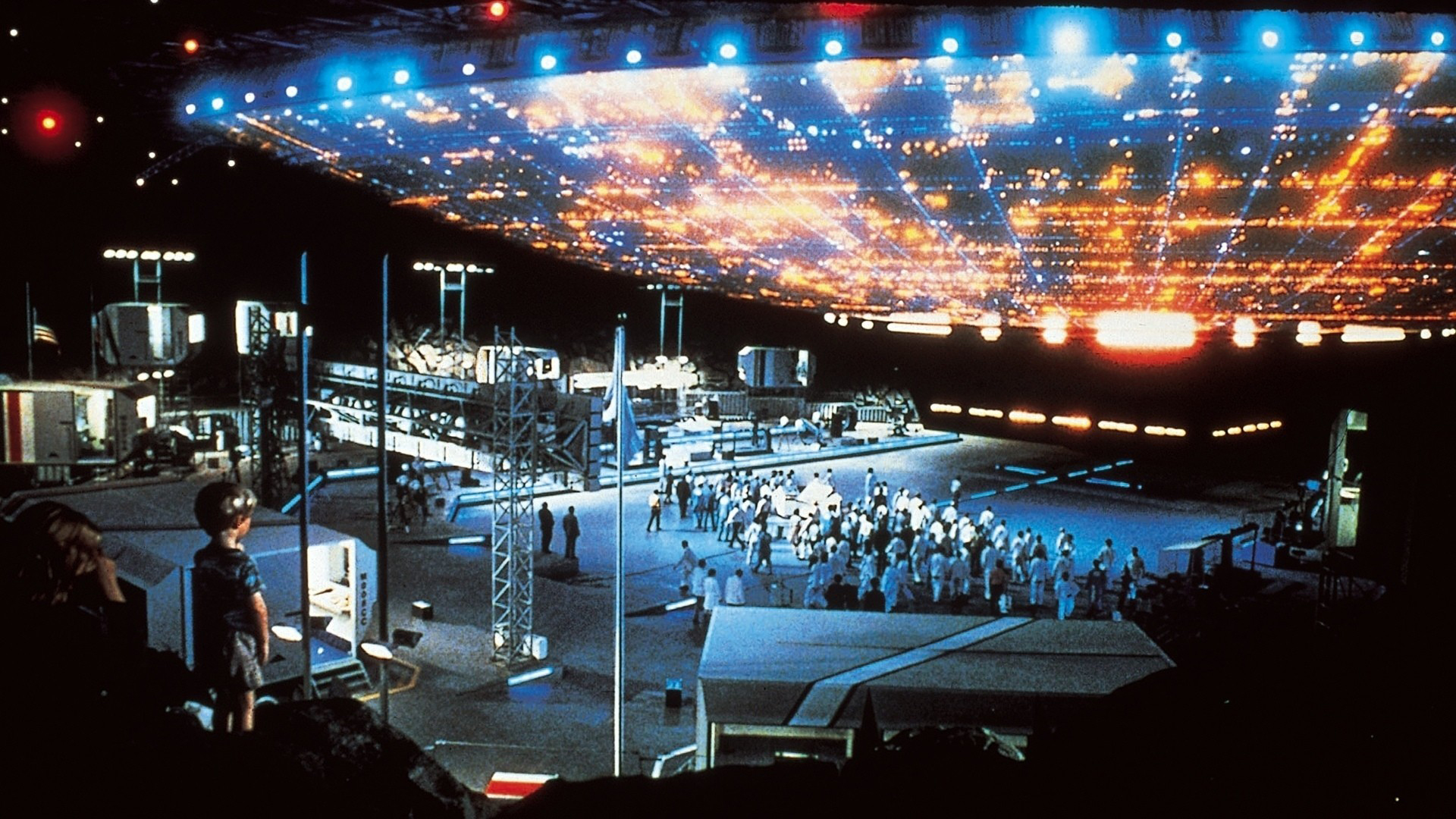
During the Seventies, Vilmos Zsigmond’s work as a cinematographer was a guarantee of excellence. He lensed twenty-three movies during the decade, and won an Oscar for Close Encounters of the Third Kind (1977 – where he faced being fired on several occasions), not bad for a cinematographer who started out (with fellow émigré Laszlo Kovács) shooting footage of the Hungarian Revolution of 1956, and who found fame, of sorts, as a DoP on movies such as Al Adamson’s Psycho a Go-Go (1965) and Horror of the Blood Monsters (1970) (movies where he was credited as William Zsigmond). But it was his Seventies output that brought him to a wider, international audience, and it was his use of natural light and colour that made his work stand out from that of his colleagues. His last movie was the comedy-drama Six Dance Lessons in Six Weeks (2014), but he was still working at the time of his death, with one movie in pre-production and four others announced. His talent will be missed, as well as his generosity to others, but thankfully we have a tremendous body of work to remember him by.

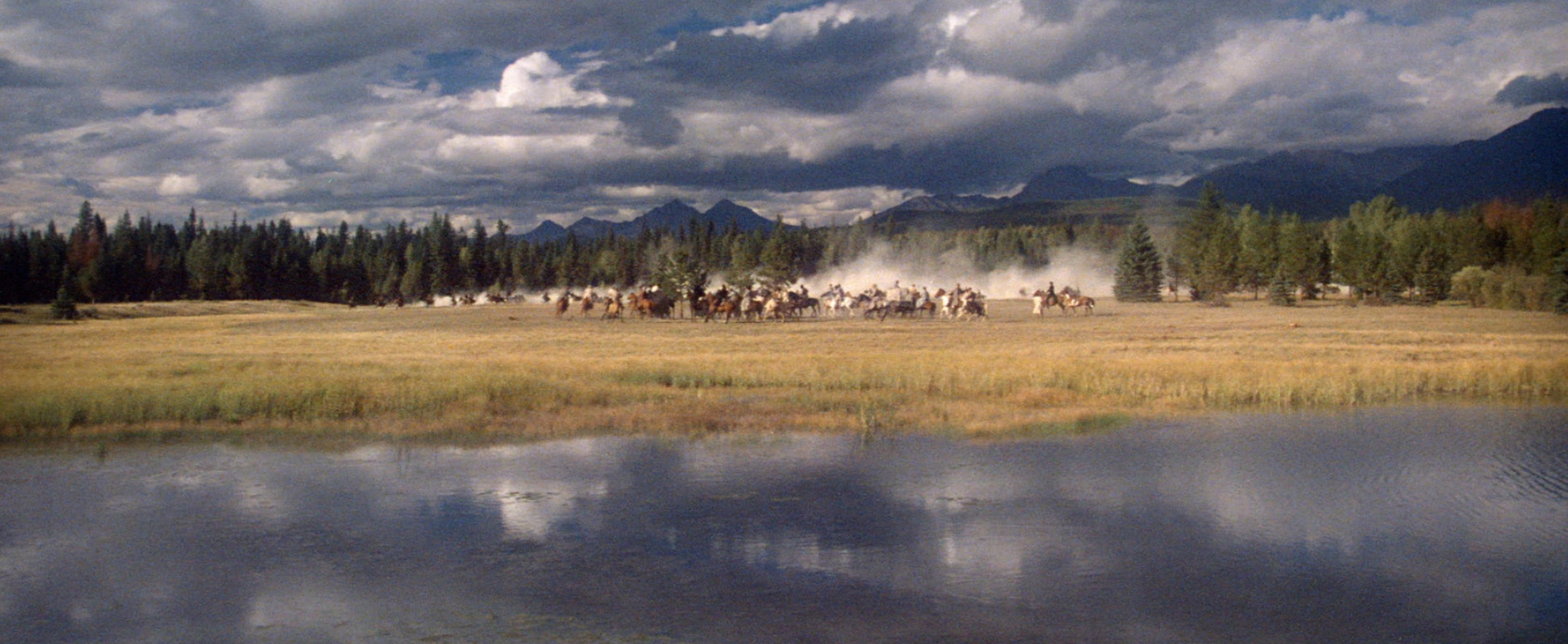
1 – McCabe & Mrs. Miller (1971)

McCabe & Mrs Miller

2 – Deliverance (1972)

3 – The Long Goodbye (1973)

4 – Close Encounters of the Third Kind (1977)

CE3K

5 – The Deer Hunter (1978)

6 – Winter Kills (1979)

7 – Heaven’s Gate (1980)

Heaven's Gate

8 – The Crossing Guard (1995)

9 – The Ghost and the Darkness (1996)

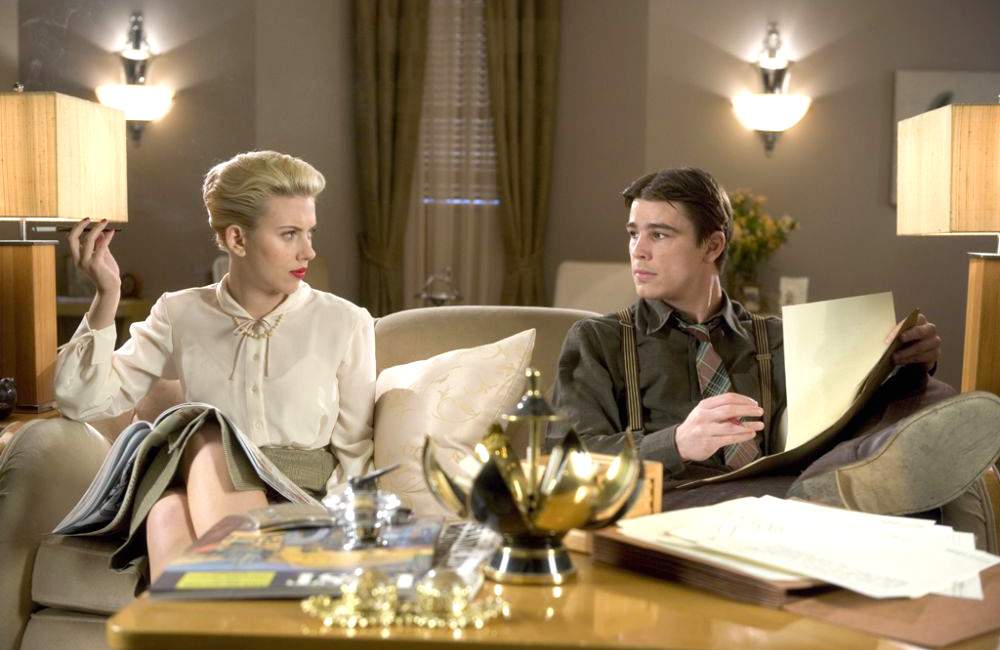
10 – The Black Dahlia (2006)

The Black Dahlia

Share this:

  • Click to share on X (Opens in new window) X
  • Click to share on Facebook (Opens in new window) Facebook
  • More
  • Click to print (Opens in new window) Print
  • Click to email a link to a friend (Opens in new window) Email
Like Loading...

10 Reasons to Remember Haskell Wexler (1922-2015)

28 Monday Dec 2015

Posted by dullwood68 in Movies

≈ Leave a comment

Tags

Career, Cinematographer, Haskell Wexler, Movies, Oscar winner

Haskell Wexler (6 February 1922 – 27 December 2015)

Haskell Wexler

An influential figure in the world of cinematography, Haskell Wexler was a true genius with the camera, a master of mood, light and colour. From his first feature, the wonderfully titled Stakeout on Dope Street (1958) (where he was credited as Mark Jeffrey, his two sons’ names), all the way through to the numerous documentaries he lensed in the last twenty years, Wexler has been an outstanding cinematographer, adding a distinct and lasting aura to the movies he worked on, including his first feature as a director, Medium Cool (1969). Along the way he picked up two Oscars, for Who’s Afraid of Virginia Woolf (1966) and Bound for Glory (1976), and during the Sixties and Seventies (arguably his heyday) he worked with the likes of Milos Forman, Norman Jewison, Hal Ashby, and Francis Ford Coppola. But he kept going back to documentaries, either features or shorts, and it’s these movies, which often gave Wexler the chance to espouse his own political leanings, that form the bulk of his filmography. Watch any of the ten movies listed below and you’ll see just why he was regarded as one of the ten most influential cinematographers in cinema history.

The Loved One

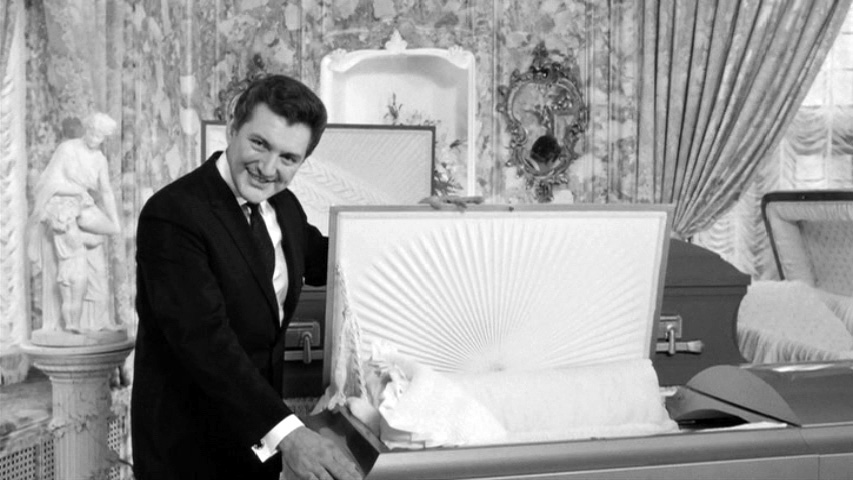
1 – The Loved One (1965)

2 – Who’s Afraid of Virginia Woolf (1966)

3 – In the Heat of the Night (1967)

4 – Medium Cool (1969)

5 – One Flew Over the Cuckoo’s Nest (1975)

6 – Bound for Glory (1976)

7 – Coming Home (1978)

8 – Matewan (1987)

9 – The Secret of Roan Inish (1994)

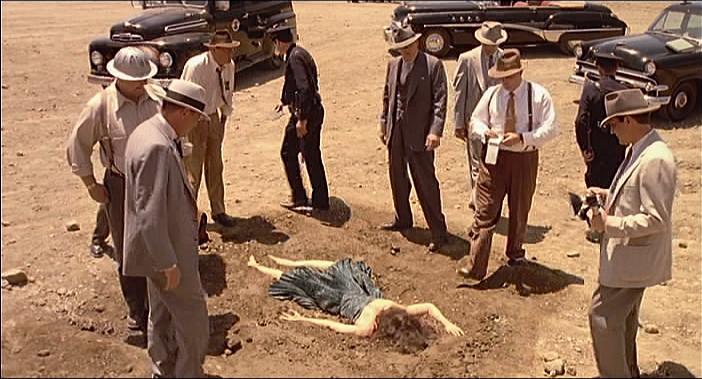
10 – Mulholland Falls (1996)

Mulholland Falls

Share this:

  • Click to share on X (Opens in new window) X
  • Click to share on Facebook (Opens in new window) Facebook
  • More
  • Click to print (Opens in new window) Print
  • Click to email a link to a friend (Opens in new window) Email
Like Loading...

Blog Stats

  • 486,528 hits

Recent Posts

  • 10 Reasons to Remember Bibi Andersson (1935-2019)
  • Fantasia (1940)
  • Dances With Wolves (1990) – The Special Edition
  • Kiss of the Spider Woman (1985)
  • The Three Musketeers (1973)

Top Posts & Pages

  • Lost for Life (2013) - Another Look
    Lost for Life (2013) - Another Look
  • Lost for Life (2013)
    Lost for Life (2013)
  • About
    About
  • Mr. Topaze (1961)
    Mr. Topaze (1961)
  • Billy Lynn's Long Halftime Walk (2016)
    Billy Lynn's Long Halftime Walk (2016)
  • Winter's Tale (2014)
    Winter's Tale (2014)
  • The Hitman's Bodyguard (2017)
    The Hitman's Bodyguard (2017)
  • 5 Famous Movie Roles That Nearly Went to Someone Else
    5 Famous Movie Roles That Nearly Went to Someone Else
  • The Layover (2017)
    The Layover (2017)
  • Transcendence (2014)
    Transcendence (2014)
Follow thedullwoodexperiment on WordPress.com

Blogs I Follow

  • Rubbish Talk
  • Film 4 Fan
  • Fast Film Reviews
  • The Film Blog
  • All Things Movies UK
  • Interpreting the Stars
  • Let's Go To The Movies
  • Movie Reviews 101
  • TMI News
  • Dan the Man's Movie Reviews
  • Film History
  • Jordan and Eddie (The Movie Guys)

Archives

  • April 2019 (13)
  • March 2019 (28)
  • February 2019 (28)
  • January 2019 (32)
  • December 2018 (28)
  • November 2018 (30)
  • October 2018 (29)
  • September 2018 (29)
  • August 2018 (29)
  • July 2018 (30)
  • June 2018 (28)
  • May 2018 (24)
  • April 2018 (21)
  • March 2018 (31)
  • February 2018 (25)
  • January 2018 (30)
  • December 2017 (30)
  • November 2017 (27)
  • October 2017 (27)
  • September 2017 (26)
  • August 2017 (32)
  • July 2017 (32)
  • June 2017 (30)
  • May 2017 (29)
  • April 2017 (29)
  • March 2017 (30)
  • February 2017 (27)
  • January 2017 (32)
  • December 2016 (30)
  • November 2016 (28)
  • October 2016 (30)
  • September 2016 (27)
  • August 2016 (30)
  • July 2016 (30)
  • June 2016 (31)
  • May 2016 (34)
  • April 2016 (30)
  • March 2016 (30)
  • February 2016 (28)
  • January 2016 (35)
  • December 2015 (34)
  • November 2015 (31)
  • October 2015 (31)
  • September 2015 (34)
  • August 2015 (31)
  • July 2015 (33)
  • June 2015 (12)
  • May 2015 (31)
  • April 2015 (32)
  • March 2015 (30)
  • February 2015 (37)
  • January 2015 (39)
  • December 2014 (34)
  • November 2014 (34)
  • October 2014 (36)
  • September 2014 (25)
  • August 2014 (29)
  • July 2014 (29)
  • June 2014 (28)
  • May 2014 (23)
  • April 2014 (21)
  • March 2014 (42)
  • February 2014 (38)
  • January 2014 (29)
  • December 2013 (28)
  • November 2013 (34)
  • October 2013 (4)

Blog at WordPress.com.

Rubbish Talk

Film 4 Fan

A Movie Blog

Fast Film Reviews

The Film Blog

The official blog of everything in film

All Things Movies UK

Movie Reviews and Original Articles

Interpreting the Stars

Dave Examines Movies

Let's Go To The Movies

Film and Theatre Lover!

Movie Reviews 101

Daily Movie Reviews

TMI News

Latest weather, crime and breaking news

Dan the Man's Movie Reviews

All my aimless thoughts, ideas, and ramblings, all packed into one site!

Film History

Telling the story of film

Jordan and Eddie (The Movie Guys)

Movie Reviews & Ramblings from an Australian Based Film Fan

Privacy & Cookies: This site uses cookies. By continuing to use this website, you agree to their use.
To find out more, including how to control cookies, see here: Cookie Policy
  • Subscribe Subscribed
    • thedullwoodexperiment
    • Join 481 other subscribers
    • Already have a WordPress.com account? Log in now.
    • thedullwoodexperiment
    • Subscribe Subscribed
    • Sign up
    • Log in
    • Report this content
    • View site in Reader
    • Manage subscriptions
    • Collapse this bar
 

Loading Comments...
 

    %d