• 10 Reasons to Remember…
  • A Brief Word About…
  • About
  • For One Week Only
  • Happy Birthday
  • Monthly Roundup
  • Old-Time Crime
  • Other Posts
  • Poster of the Week
  • Question of the Week
  • Reviews
  • Trailers

thedullwoodexperiment

~ Viewing movies in a different light

thedullwoodexperiment

Tag Archives: Joaquin Phoenix

The Sisters Brothers (2018)

10 Thursday Jan 2019

Posted by dullwood68 in Movies

≈ 1 Comment

Tags

Action, Drama, Gold Rush, Jacques Audiard, Jake Gyllenhaal, Joaquin Phoenix, John C. Reilly, Literary adaptation, Manhunt, Review, Riz Ahmed, Western
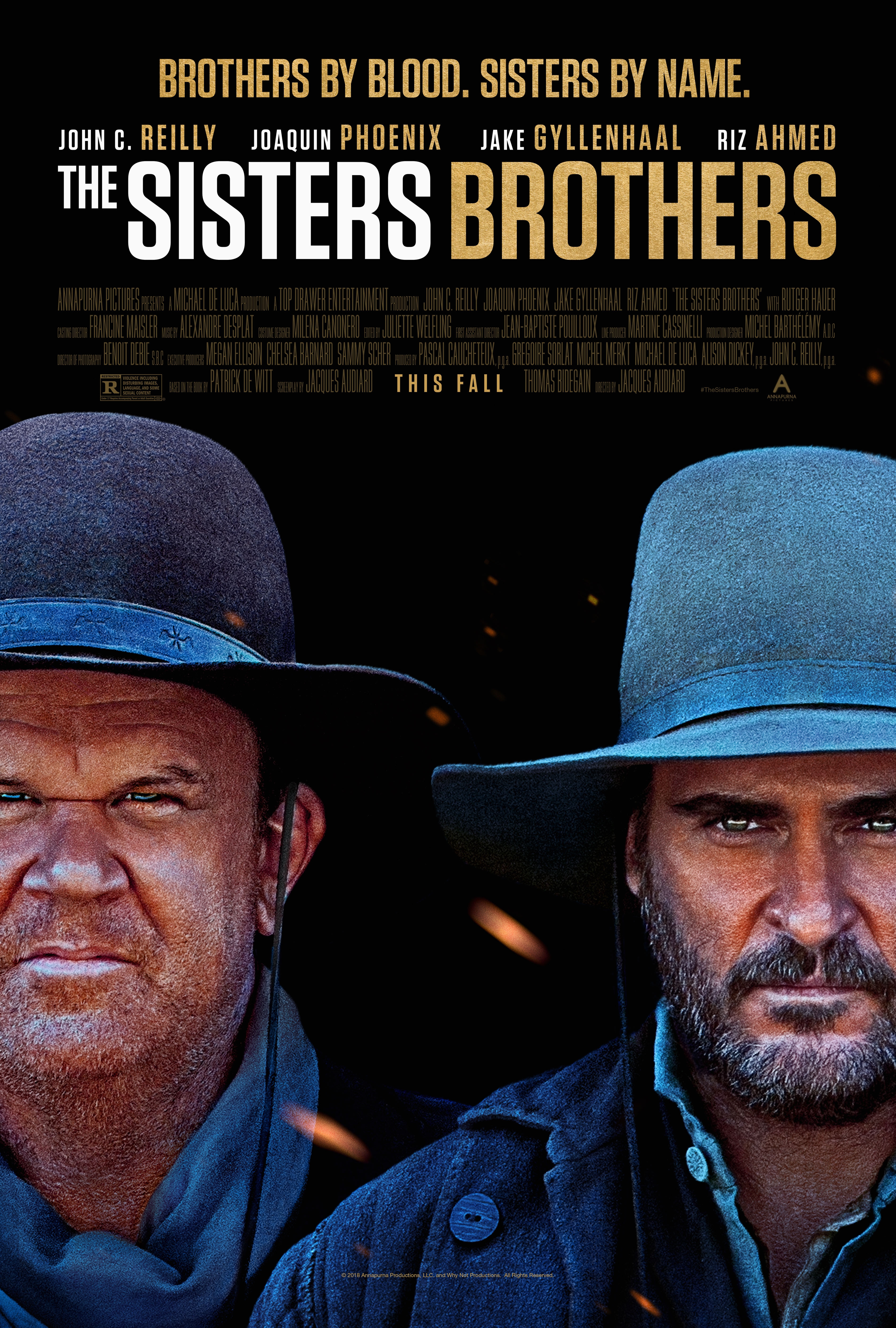
D: Jacques Audiard / 122m

Cast: John C. Reilly, Joaquin Phoenix, Jake Gyllenhaal, Riz Ahmed, Rebecca Root, Allison Tolman, Rutger Hauer, Carol Kane

Oregon, 1851. The Sisters brothers, Charlie (Phoenix) and Eli (Reilly), work as assassins for a wealthy magnate known as the Commodore (Hauer). Tasked with killing a chemist called Hermann Kermit Warm (Ahmed), the brothers are obliged to travel south to Jacksonville where they are due to rendezvous with another man in the Commodore’s employ, John Morris (Gyllenhaal), who has located Warm and befriended him. However, Warm discovers Morris’s true allegiance, and manages to persuade him into joining Warm on his journey to the California gold fields, where a formula he has created will allow them to locate gold located on any river bed. Charlie and Eli find themselves tracking two men instead of one, and follow them all the way to San Francisco. The brothers have a temporary falling out before discovering the location of Warm’s claim site. However, when they get there, Warm and Morris outwit them and the brothers are captured. Before they can decide what to do with them, though, they are attacked by mercenaries. Forced to free Charlie and Eli in order to overcome their attackers, what begins as a necessary truce later becomes something else entirely…

Westerns made by non-American directors usually have a distinct visual look to them, with the Old West looking as though it’s been filtered through an atypical perspective. Somehow the vistas look markedly different: less awe inspiring and more prosaic, and the overall mise-en-scene feels a little off, as if the locations were chosen as a last resort, the desired ones proving unavailable. Such is the case with Jacques Audiard’s first English language feature, the marvellously droll and appealing The Sisters Brothers. But while this may seem like a handicap – and elsewhere that’s entirely apt – here it suits the material, which is itself broadly interchangeable with the demands of a traditional Western and those of a Western that portrays events with a wry, modernist detachment. Though its story is slight – it’s basically that staple of the Western movie, the manhunt – it’s also a story that is allowed to go off at several tangents, and in doing so, it provides several unexpected delights, from Eli’s encounter with a prostitute (Tolman) who is unused to kindness, to Warm’s desire to create a Utopian society in (of all places) Dallas, Texas. Odd moments such as these, and more besides, add a richness to the material that makes the movie more engaging and more enjoyable in equal measure.
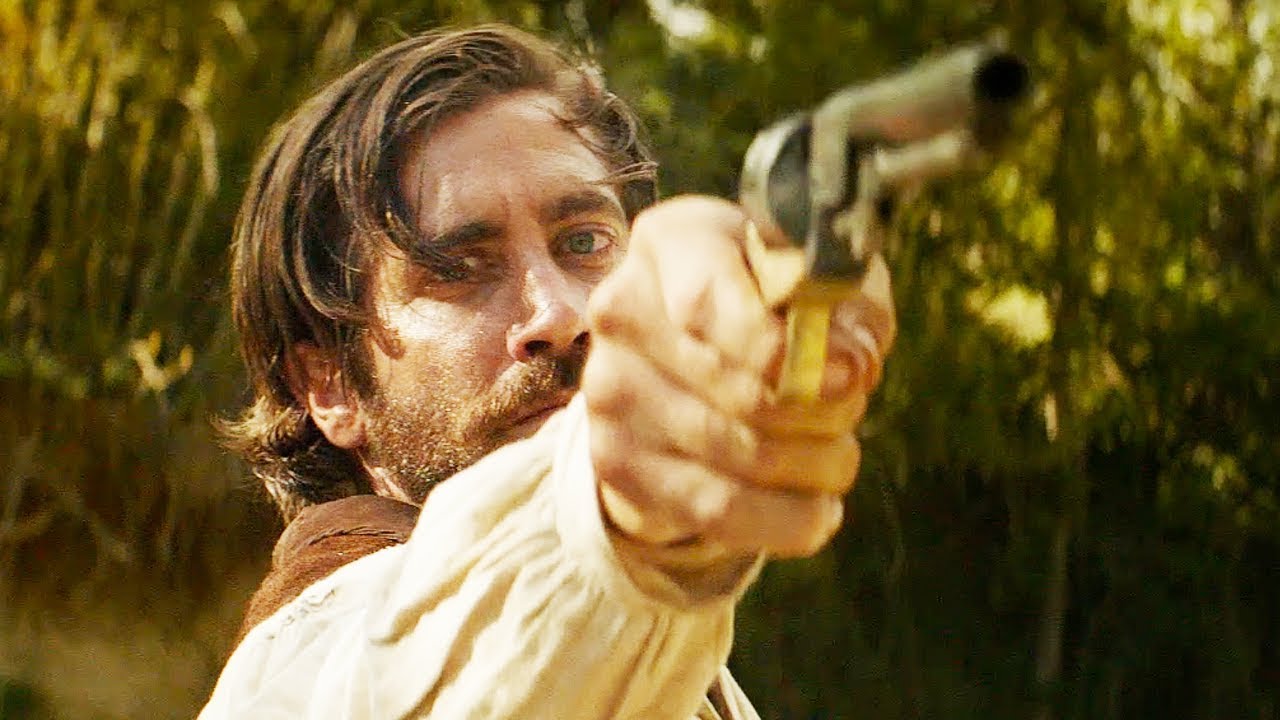
There’s also a melancholy undercurrent to the narrative, as evidenced by Eli’s wish to settle down and open a store and to put the brothers’ violent life and times behind them, while the progress seen in San Francisco – a hotel with indoor plumbing – acknowledges that times are changing, and progress is fast making the brothers’ role in the West obsolete (well, eventually it will). With all this going on in the background, Audiard is equally adept at littering the foreground with moments of rare inspiration and flashes of mordaunt humour. As the two brothers, often feuding but always there for each other, Reilly and Phoenix are a terrific duo, displaying a chemistry that makes you wish they could make further Sisters movies, while the same can be said for Gyllenhaal and Ahmed, another perfect pairing that improves the movie whenever they’re on screen. These are roles that include a great deal of subtlety, and Audiard never misses a trick in letting his very talented cast wring every last drop of emotion and misguided motivation out of their characters and their characters’ ambitions. The movie is ambitious as well, and succeeds more often than not in telling its story with wit and a clever use of atmosphere. And thanks to DoP Benoît Debie (who is Gaspar Noe’s cinematographer of choice), it all looks strangely beautiful and beautifully strange.

Rating: 8/10 – adapted from the novel by Patrick DeWitt, and pulling off a number of narrative tricks that enhance the material immensely, The Sisters Brothers is a refreshing take on the otherwise overworked Western, and a movie that offers genuine surprises along the way; it’s also very funny indeed, and Phoenix is the most relaxed he’s been for ages, another unexpected aspect in a movie that treats the unexpected as something of a challenge that’s been gladly accepted.

Share this:

  • Click to share on X (Opens in new window) X
  • Click to share on Facebook (Opens in new window) Facebook
  • More
  • Click to print (Opens in new window) Print
  • Click to email a link to a friend (Opens in new window) Email
Like Loading...

You Were Never Really Here (2017)

16 Monday Oct 2017

Posted by dullwood68 in Movies

≈ Leave a comment

Tags

Drama, Ekaterina Samsonov, Joaquin Phoenix, Judith Roberts, Literary adaptation, Lynne Ramsay, Review, Sex trade, Thriller, Violence

D: Lynne Ramsay / 95m

Cast: Joaquin Phoenix, Judith Roberts, Ekaterina Samsonov, Alex Manette, John Doman, Alessandro Nivola

A funny thing happened on the way from the Cannes Film Festival…

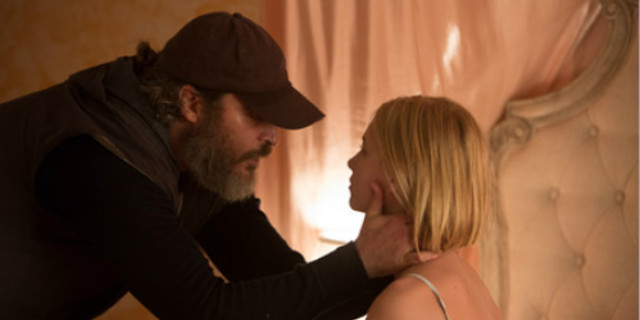
At Cannes this year, Lynne Ramsay’s latest feature, an adaptation of the novella of the same name by Jonathan Ames, won a joint best screenplay award (tying with The Killing of a Sacred Deer), and the best actor award for Joaquin Phoenix’s performance as Joe, an ex-Marine working “undercover of the law” rescuing young girls from the sex trade. The movie was greeted with widespread critical acclaim, received a seven-minute standing ovation from its premiere audience, and was believed to be a strong contender for the Palme d’Or (though it lost out to Ruben Östlund’s The Square). Since then it has appeared at four further festivals before arriving at the BFI London Film Festival where it was shown three times.

At the second of its screenings in London, Ramsay was in attendance to introduce the movie. Within moments of coming out on stage she advised the audience not to hang around for the Q&A afterwards as she hated them. When pressed to answer a couple of questions there and then, Ramsay demurred to the point where the member of the BFI team who was on stage with her, realised that Ramsay wasn’t going to “play ball”, and somewhat embarrassingly, they left the stage and the movie began. Ninety-five minutes later the movie ended, and many in the audience waited for the Q&A to begin. It didn’t. Ramsay never came back out, and no one from the BFI clarified the situation. Having seen the movie, quite a few people in the audience felt they knew why Ramsay didn’t want to discuss her new movie.

First and foremost, You Were Never Really Here is a movie that invites a lot of scrutiny. It deals with themes surrounding the nature of violence, has a stripped back approach to the narrative, paints an austere portrait of a man who battles with his own demons to little avail, is uncompromising in its depiction of the aftermath of extreme violence (though it’s very fuzzy on the actual violence itself), operates within a noir-ish version of New York City, and features exemplary cinematography from Thomas Townend. It’s a movie that looks and feels important, a movie that wants to be taken seriously, and that appears to have something to say about the darkness within us and how, through the character of Joe, we can both explore and deny that darkness. In short, it’s a movie that looks to carry weight and meaning.

But here’s the odd thing: along with Phoenix’s tortured, semi-burnt out portrayal, and another impressive score from Jonny Greenwood, the movie has a lot of very good things going for it. And yet, as a whole, it doesn’t work. So many of the elements that go to make up the movie – Joe Bini’s editing, Tim Grimes’ production design, for example – are so good, so well executed, that it would seem that the movie can’t be anything other than hugely successful on its own terms. How could it not be? And yet, it’s not Ramsay’s best movie, not by a very wide margin. That honour belongs to Ratcatcher (1999). In the end, and despite all the effort put in by all concerned, You Were Never Really Here doesn’t match the potential all those disparate elements should do when they’re all combined. It’s a movie that isn’t the sum of all its parts.

Ultimately, the movie is one to admire for the way it tells its story rather than the response it provokes in its audience (which is muted to say the least). Technically well made, and with fine performances from all concerned (except for Nivola, whose appearance amounts to a cameo), Ramsay’s adaptation is hard to get involved with. There’s no sense of danger about what Joe does because he seems indestructible. At the beginning he’s attacked from behind by a man with a length of pipe. But Joe shrugs off the blow, head-butts his assailant who falls to the ground, and then he walks off as if it’s all part of his daily routine. But while it tells us that Joe is inured to the violent world he lives in, it makes the viewer inured as well. If it doesn’t mean anything to Joe, then why should it mean anything to us? It’s also no surprise that Joe has an elderly mother (Roberts) whom he looks after, but even their relationship doesn’t resonate in the way Ramsay might want it to. And then there’s Joe’s childhood, a period we see glimpses of, and which should invite the audience’s sympathy, but which remain violent additions to an already violent story, and as such, don’t have the power they’re meant to.

The movie’s basic storyline is also one that feels undercooked, with its political corruption and sex trade background something that we’ve seen countless times before. Ramsay works hard to make this section of the movie thrilling, and helped by Bini’s considerable editing skills she almost pulls it off, but the decision to obscure the violent acts taking place and to disallow any cathartic expression in either Joe or the viewer makes these violent outbursts triumphs of style instead of emotion. You can admire the way they’ve been shot and assembled, but they don’t evoke any feelings the viewer can experience for themselves. Ramsay keeps everyone, even her characters, at a remove, and closes out the movie with a moment of such extreme nihilism that it literally feels shoehorned in to provoke a response when none is actually needed. And that response? Just one of bafflement, which is not a response any movie maker should be looking for.

Rating: 7/10 – having surrounded herself with a cast and crew all working flat out to make the best movie they can, director Lynne Ramsay fails to put their efforts to practical good use, and leaves You Were Never Really Here feeling like an abandoned first cut; a movie that is likely to provoke serious debate over its merits for quite some time to come, it’s perhaps best described as an experiment that needed more time to be completed before any results could be unveiled.

Share this:

  • Click to share on X (Opens in new window) X
  • Click to share on Facebook (Opens in new window) Facebook
  • More
  • Click to print (Opens in new window) Print
  • Click to email a link to a friend (Opens in new window) Email
Like Loading...

10 Stars Who Weren’t Born in the Country You Think They Were

13 Monday Jun 2016

Posted by dullwood68 in Movies

≈ Leave a comment

Tags

Actors, Actresses, Amy Adams, Birthplaces, Bruce Willis, Emma Watson, Eva Green, Joaquin Phoenix, Keanu Reeves, Kim Cattrall, Michael Fassbender, Oscar Isaac, Rose Byrne, Stars

When we see certain stars in their movies we’re prone to making subconcious conclusions about them: what they’re like off-camera (how nice or how nasty), what they might like to do in their spare time, and sometimes, if they’re single, that we’d be the perfect partner for them (creepy yes, but in a non-stalker kind of way, you know?). Some stars have been around long enough for most people to know that they’re not originally from the country we associate them with. For example, Mel Gibson is generally regarded as Australian but was actually born in the good old US of A. And Audrey Hepburn – American? British? – was born in Belgium. In the spirit of full disclosure, here are ten stars who weren’t born in the country you think they were. See how many of them you knew already.

1 – Emma Watson – the star of the Harry Potter movies, and more recently, Regression (2015), looks and sounds like the quintessential English rose, but guess again. Although both her parents are English, Miss Watson was actually born in Paris, France.

Emma Watson

2 – Eva Green – the mercurial, fearless star of movies such as Casino Royale (2006) and 300: Rise of an Empire (2014) has a classical beauty that could have originated in any of a dozen countries around the globe, but like Emma Watson, Green was born in Paris, France.

3 – Keanu Reeves – with his Hawaiian Christian name and chiselled good looks, you could be forgiven for believing Reeves to be as American as they come, but in fact the star of The Matrix (1999) and The Day the Earth Stood Still (2008) was born in Beirut, Lebanon.

4 – Bruce Willis – the tough-as-nails star of Die Hard (1988) and The Sixth Sense (1999) – like so many others in this list – is generally regarded as American through and through but again, appearances can be (and are) deceiving, as Willis was born in Idar-Oberstein in the former West Germany.

Bruce Willis

5 – Rose Byrne – an actress whose career began back in 1994 as the unfortunately named Rastus Summers in Dallas Doll, Byrne has made a name for herself in recent years in a number of R-rated comedies, and while she seems as American as the next actress, she was actually born in Balmain, Australia.

6 – Oscar Isaac – with his dark, brooding looks, Isaac has a cosmopolitan aura about him that, like Eva Green, could mean he was born just about anywhere, but while he’s played a Russian in Pu239 (2006), and a Mexican in For Greater Glory: The True Story of Cristiada (2012) – amongst others – Isaac actually heralds from Guatemala.

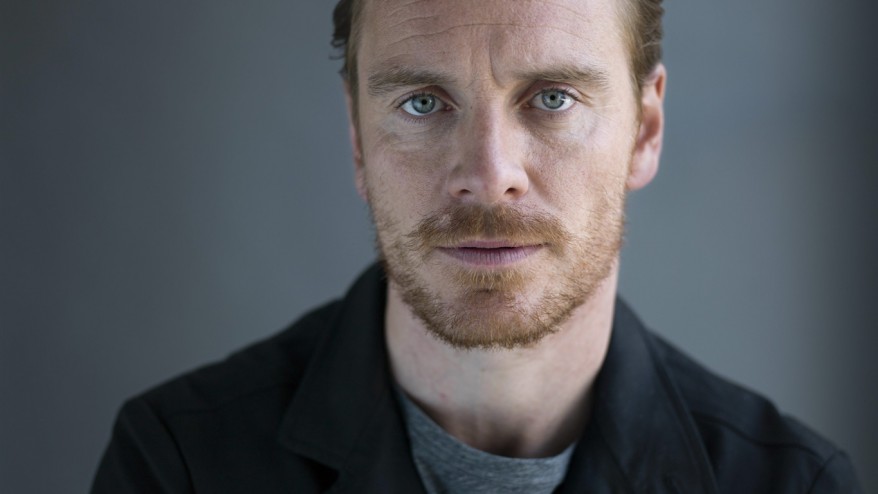
7 – Michael Fassbender – despite having grown up in Northern Ireland and having made a name for himself in a handful of well-received British movies, including Hunger (2008) and Fish Tank (2009), the younger incarnation of Magneto in the X-Men movies actually hails from Heidelberg in the former West Germany.

Michael Fassbender

8 – Joaquin Phoenix – while most of his siblings were born in the US, including his brother River, the star of Walk the Line (2005) and Her (2013) was born in a country where his parents were serving as Children of God missionaries at the time. The country? None other than Puerto Rico.

9 – Amy Adams – as quintessentially American in appearance as Emma Watson is quintessentially British in appearance, the actress who was billed as Gorgeous Woman in Tenacious D in the Pick of Destiny (2006), and who is now Clark Kent/Superman’s go-to gal, was actually born in Vicenza, Italy.

10 – Kim Cattrall – the star of Sex and the City and, going further back, Big Trouble in Little China (1986), looks American, sounds American, and appears steeped in all things American, but again, appearances are deceiving as the truth is she was born in Liverpool, England.

Kim Cattrall

Share this:

  • Click to share on X (Opens in new window) X
  • Click to share on Facebook (Opens in new window) Facebook
  • More
  • Click to print (Opens in new window) Print
  • Click to email a link to a friend (Opens in new window) Email
Like Loading...

Irrational Man (2015)

20 Sunday Mar 2016

Posted by dullwood68 in Movies

≈ 5 Comments

Tags

Comedy, Drama, Emma Stone, Existentialism, Joaquin Phoenix, Murder, Philosophy, Relationships, Review, Romance, Romantic comedy, Woody Allen

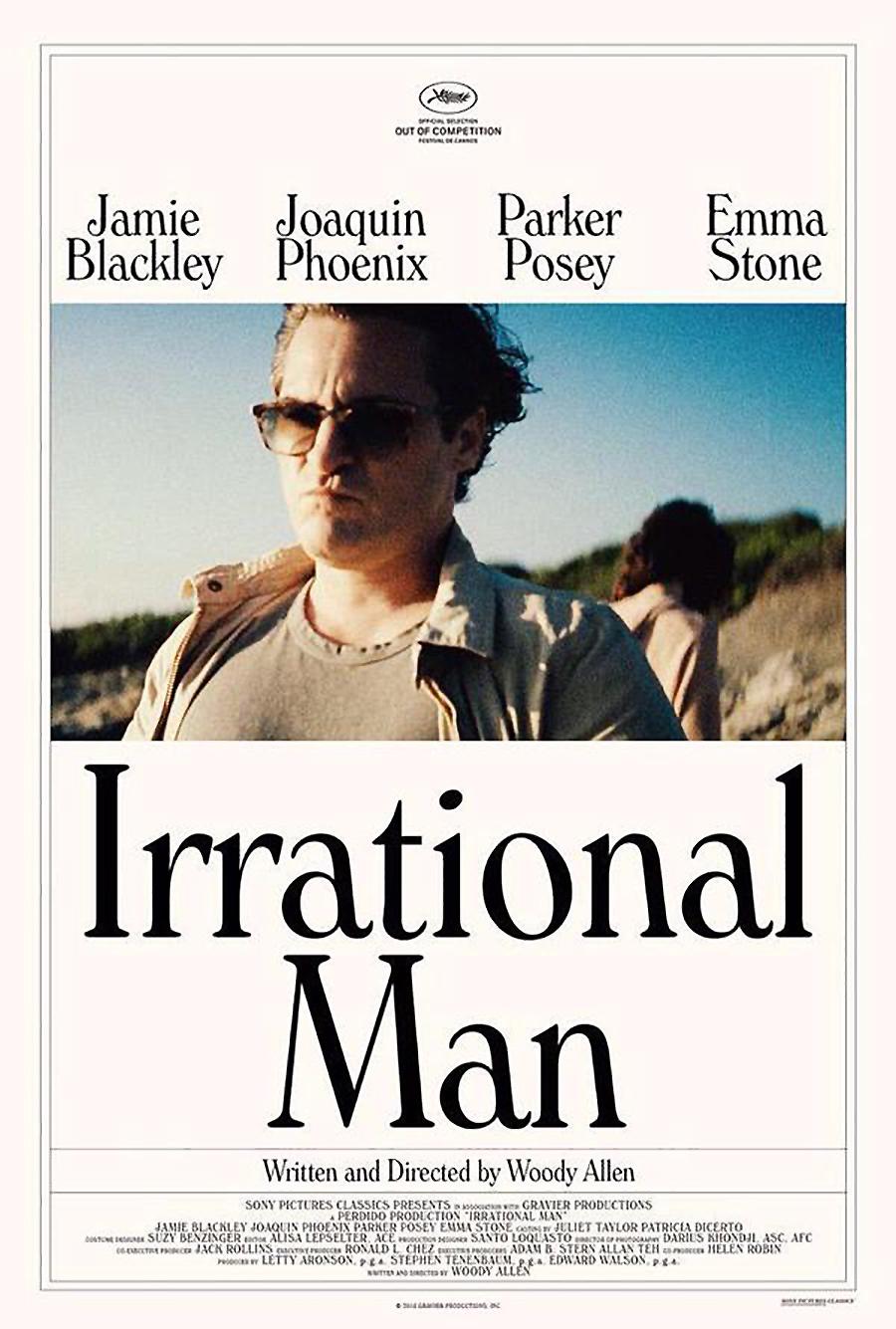
Irrational Man

D: Woody Allen / 95m

Cast: Joaquin Phoenix, Emma Stone, Parker Posey, Jamie Blackley, Betsy Aidem, Ethan Phillips, Sophie von Haselberg, Kate McGonigle, Tom Kemp

In the Seventies, Eighties and Nineties, Woody Allen’s annual offering to a grateful movie-going public was something to look forward to. With the turn of the century though, the cracks began to show, and the triple threat of Match Point (2005), Scoop (2006) and Cassandra’s Dream (2007) seemed to indicate that Allen had lost his story telling mojo. Since then he’s managed to regain some of that mojo but the last decade has been patchy at best. When he’s on top form, as with Blue Jasmine (2013), there’s no one who can touch him. But he’s just as likely to release something as oddly unrewarding as You Will Meet a Tall Dark Stranger (2010).

Irrational Man, Allen’s latest, is a movie that at first glance looks to be one of his on-form releases. A romantic comedy of philosophical manners, Allen introduces us to Abe Lucas (Phoenix), a philosophy professor who comes to teach at Braylin College in Rhode Island. Abe is a troubled soul, weighed down by despair and the kind of melancholy that won’t let him be happy or find joy in the world. He also has a reputation as a womaniser and an alcoholic, but these are overlooked because of the high regard in which he’s held and the caché the college gains by having him there.

IM - scene1

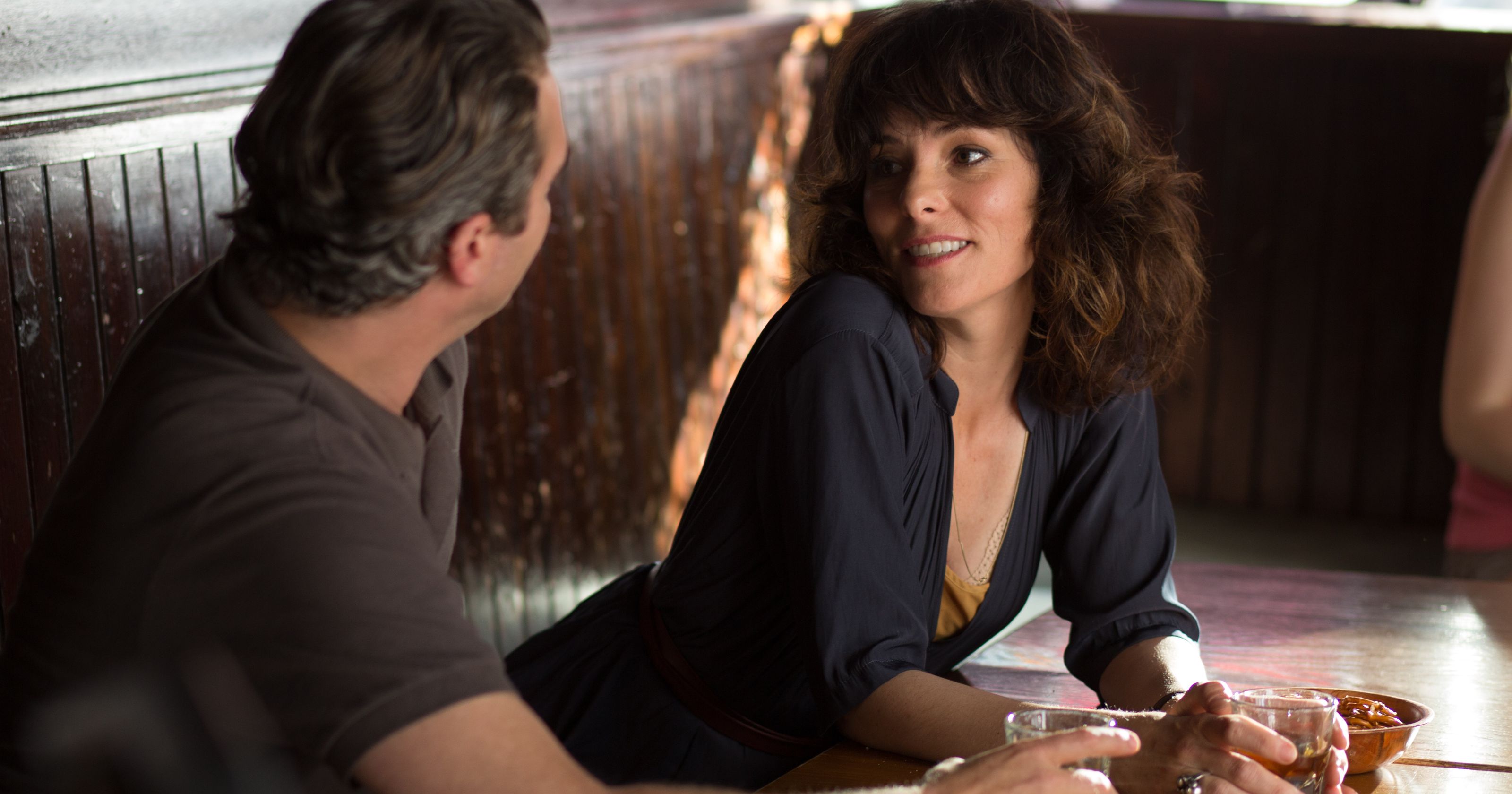
Despite his depressed airs and less than sunny disposition, Abe still manages to attract the attention of two very different women: fellow professor, Rita Richards (Posey), who is unhappy in her marriage and looking for a lover, and philosophy student Jill Pollard (Stone), who is attracted to Abe’s intellect and wants to help him out of the existential crisis he’s experiencing. At first, Abe resists both women’s approaches, and continues to live a bland, unfulfilling existence, refuting their beliefs that they can help him and refusing to accept that there is an answer to his particular personal crisis.

Both women persist in their attentions, with Jill having the better fortune. She begins spending more and more time with Abe, listening to his pessimistic outlook on life and love, and refusing to believe that he’s entirely right. But she’s still not able to gain any real headway… until the day they overhear a woman in a coffee shop complaining about the judge (Kemp) who’s unfairly dealing with her custody battle. Abe is suddenly galvanised into helping the woman with her predicament. His solution: to kill the judge in question. Once the decision is made, Abe finds his whole attitude has changed. He enjoys life again, appears happy and relaxed, and sleeps with Rita. With Jill agreeing in principle that the judge is too mean to live, he sets about concocting the perfect murder.

IM - scene3

Boosted by this newfound purpose, his relationship with Jill deepens, so much so that she splits from her boyfriend, Roy (Blackley). Caught up in Abe’s more positive outlook, she comes to believe that she loves him, and does her best to persuade him that he loves her. As they grow closer, Abe’s scheme to murder the judge is successful, and he and Jill celebrate the man’s demise (though Jill retains her initial discomfort about doing so). But when Jill begins to suspect that Abe really has committed murder, her suspicions, as well as the police arresting an innocent man, lead her to make a fateful decision.

Taking Irrational Man at face value, Allen appears to have constructed a romantic comedy that has a few telling things to say about the nature of free will and moral choices. But beneath the movie’s attractive sheen – the Rhode Island locations are given added lustre thanks to DoP Darius Khondji – Allen’s philosophical insights prove less than convincing, and the justification Abe gives for his actions come across as self-serving rather than fully thought out reasons made from the moral high ground. Along with such telling remarks as “So much of philosophy is just verbal masturbation”, and “Anxiety is the dizziness of freedom”, the movie looks and sounds like it knows what it’s saying, but when Jill challenges Abe’s assertions later on, the hollow nature of his reasoning becomes clear and the viewer is faced with the idea that Allen may not be as en point as he himself would like.

As a result, concerns over Abe’s philosophical stance remain throughout the movie, and Allen never really addresses the contradictions that arise through the narrative’s insistence on making murder into some kind of aphrodisiac for the soul and mind. But while this is problematical at best, the movie suffers even more thanks to the tired mechanics employed to bring Abe and Jill together. Their relationship has the feel of an intellectual exercise rather than the organic outcome of their proximity in the classroom. Jill’s upbeat demeanour and determination to make Abe “happier” borders on obsession, while her change of heart later on is as abrupt as it is convenient for the narrative. Stone does her best but she’s continually hampered by Allen’s insistence on making Jill a paragon of positivity, a decision that doesn’t give the actress much room for manoeuvring.

IM - scene2

Phoenix fares slightly better by virtue of having the lion’s share of the screen time, but like Jill, Abe is the kind of character who only exists in the movies and as such is more annoying than sympathetic. Allen doesn’t even allow the character (or Phoenix) to display any self-doubt once he decices to kill the judge, and as with Jill’s change of heart, Abe’s road-to-Damascus moment seems forced. Phoenix also appears to be having more fun as the depressed Abe than he is as the energised Abe, something that seems counter-intuitive but on occasion does at least allow the material to feel more natural.

With Allen preferring to show how witty he can be at the expense of various philosophers’, the romance between Abe and Jill takes a back seat, and the other characters, Posey’s desperately lovelorn Rita aside, fade into the background (and often during a scene). A subplot involving Jill’s boyfriend proves distracting and underdeveloped, and a further subplot addressing Rita’s dissatisfaction with her marriage seems included to give the character some measure of depth (or Posey something more to do than look bored and/or frustrated). Ultimately it’s hard to care for anyone in Irrational Man, and that includes Abe and Jill, a couple who look and sound too much like an approximation of a couple than the real thing. All in all, the movie struggles to address the issues it raises and lacks the finesse Allen has brought to other, more successful projects.

Rating: 5/10 – mildly diverting, and superficially amusing, Irrational Man should be filed under Minor Allen; while not entirely unrewarding, the movie isn’t particularly inviting either, and anyone thinking of watching it should do so only if they’re Allen completists or fans of Phoenix or Stone.

Share this:

  • Click to share on X (Opens in new window) X
  • Click to share on Facebook (Opens in new window) Facebook
  • More
  • Click to print (Opens in new window) Print
  • Click to email a link to a friend (Opens in new window) Email
Like Loading...

Blog Stats

  • 485,841 hits

Recent Posts

  • 10 Reasons to Remember Bibi Andersson (1935-2019)
  • Fantasia (1940)
  • Dances With Wolves (1990) – The Special Edition
  • Kiss of the Spider Woman (1985)
  • The Three Musketeers (1973)

Top Posts & Pages

  • Lost for Life (2013) - Another Look
    Lost for Life (2013) - Another Look
  • The Haunting of Harry Payne (2014)
    The Haunting of Harry Payne (2014)
  • Lion (2016)
    Lion (2016)
  • Exposed (2016)
    Exposed (2016)
  • 2016 - A Review
    2016 - A Review
  • About
    About
  • My Top 10 Guilty Pleasures
    My Top 10 Guilty Pleasures
  • BFI London Film Festival 2015
    BFI London Film Festival 2015
  • Pixels (2015)
    Pixels (2015)
  • I Don't Feel at Home in This World Anymore. (2017)
    I Don't Feel at Home in This World Anymore. (2017)
Follow thedullwoodexperiment on WordPress.com

Blogs I Follow

  • Rubbish Talk
  • Film 4 Fan
  • Fast Film Reviews
  • The Film Blog
  • All Things Movies UK
  • Interpreting the Stars
  • Let's Go To The Movies
  • Movie Reviews 101
  • TMI News
  • Dan the Man's Movie Reviews
  • Film History
  • Jordan and Eddie (The Movie Guys)

Archives

  • April 2019 (13)
  • March 2019 (28)
  • February 2019 (28)
  • January 2019 (32)
  • December 2018 (28)
  • November 2018 (30)
  • October 2018 (29)
  • September 2018 (29)
  • August 2018 (29)
  • July 2018 (30)
  • June 2018 (28)
  • May 2018 (24)
  • April 2018 (21)
  • March 2018 (31)
  • February 2018 (25)
  • January 2018 (30)
  • December 2017 (30)
  • November 2017 (27)
  • October 2017 (27)
  • September 2017 (26)
  • August 2017 (32)
  • July 2017 (32)
  • June 2017 (30)
  • May 2017 (29)
  • April 2017 (29)
  • March 2017 (30)
  • February 2017 (27)
  • January 2017 (32)
  • December 2016 (30)
  • November 2016 (28)
  • October 2016 (30)
  • September 2016 (27)
  • August 2016 (30)
  • July 2016 (30)
  • June 2016 (31)
  • May 2016 (34)
  • April 2016 (30)
  • March 2016 (30)
  • February 2016 (28)
  • January 2016 (35)
  • December 2015 (34)
  • November 2015 (31)
  • October 2015 (31)
  • September 2015 (34)
  • August 2015 (31)
  • July 2015 (33)
  • June 2015 (12)
  • May 2015 (31)
  • April 2015 (32)
  • March 2015 (30)
  • February 2015 (37)
  • January 2015 (39)
  • December 2014 (34)
  • November 2014 (34)
  • October 2014 (36)
  • September 2014 (25)
  • August 2014 (29)
  • July 2014 (29)
  • June 2014 (28)
  • May 2014 (23)
  • April 2014 (21)
  • March 2014 (42)
  • February 2014 (38)
  • January 2014 (29)
  • December 2013 (28)
  • November 2013 (34)
  • October 2013 (4)

Blog at WordPress.com.

Rubbish Talk

Film 4 Fan

A Movie Blog

Fast Film Reviews

The Film Blog

The official blog of everything in film

All Things Movies UK

Movie Reviews and Original Articles

Interpreting the Stars

Dave Examines Movies

Let's Go To The Movies

Film and Theatre Lover!

Movie Reviews 101

Daily Movie Reviews

TMI News

Latest weather, crime and breaking news

Dan the Man's Movie Reviews

All my aimless thoughts, ideas, and ramblings, all packed into one site!

Film History

Telling the story of film

Jordan and Eddie (The Movie Guys)

Movie Reviews & Ramblings from an Australian Based Film Fan

Privacy & Cookies: This site uses cookies. By continuing to use this website, you agree to their use.
To find out more, including how to control cookies, see here: Cookie Policy
  • Subscribe Subscribed
    • thedullwoodexperiment
    • Join 481 other subscribers
    • Already have a WordPress.com account? Log in now.
    • thedullwoodexperiment
    • Subscribe Subscribed
    • Sign up
    • Log in
    • Report this content
    • View site in Reader
    • Manage subscriptions
    • Collapse this bar
 

Loading Comments...
 

    %d