• 10 Reasons to Remember…
  • A Brief Word About…
  • About
  • For One Week Only
  • Happy Birthday
  • Monthly Roundup
  • Old-Time Crime
  • Other Posts
  • Poster of the Week
  • Question of the Week
  • Reviews
  • Trailers

thedullwoodexperiment

~ Viewing movies in a different light

thedullwoodexperiment

Tag Archives: Robert Pattinson

Trailer – Damsel (2018)

25 Monday Jun 2018

Posted by dullwood68 in Movies

≈ Leave a comment

Tags

Comedy, David Zellner, Mia Wasikowska, Miniature horse, Nathan Zellner, Robert Pattinson, Trailer, Western

Recently released in the US, Damsel follows the fortunes of a lovestruck pioneer named Samuel Alabaster (played by Robert Pattinson) as he travels the American frontier in order to marry the love of his life, Penelope (Mia Wasikowska). On his trek he’s accompanied by a miniature horse called Butterscotch, and a drunkard called Parson Henry (co-writer/director David Zellner). As ever, the course of true love doesn’t run smooth, and Samuel’s efforts suffer more setbacks than he’s prepared for.

It’s a Western with a slapstick sensibility, humorous and absurd in places, and sees Pattinson doing comedy for the first time, and by the look of the trailer, succeeding admirably. He’s matched by Wasikowska as the less-than-pleased-to-see-Alabaster Penelope, a role that she plays with “cantankerous” going all the way up to eleven. Created by brothers David and Nathan Zellner, Damsel looks like a less than serious take on the standard Western, and for that alone it deserves our attention. Quirky and ambitious, it’s the kind of movie that could offer a breath of fresh air when weighed against the majority of multiplex offerings foisted on us these days.

Share this:

  • Click to share on X (Opens in new window) X
  • Click to share on Facebook (Opens in new window) Facebook
  • More
  • Click to print (Opens in new window) Print
  • Click to email a link to a friend (Opens in new window) Email
Like Loading...

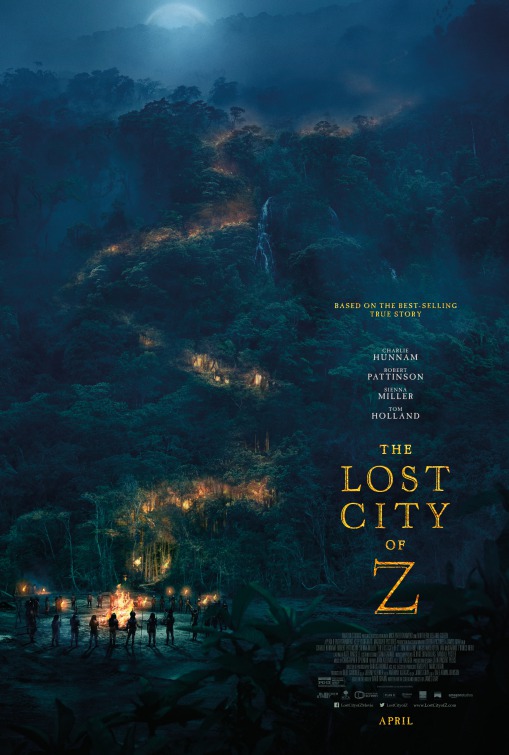
The Lost City of Z (2016)

24 Friday Mar 2017

Posted by dullwood68 in Movies

≈ 1 Comment

Tags

Adventure, Charlie Hunnam, Drama, Explorer, Hidden civilisation, Historical drama, James Gray, Perceval Fawcett, Review, Robert Pattinson, Sienna Miller, South America, Thriller, Tom Holland, True story

D: James Gray / 141m

Cast: Charlie Hunnam, Robert Pattinson, Sienna Miller, Tom Holland, Edward Ashley, Angus Macfadyen, Ian McDiarmid, Harry Melling, Franco Nero

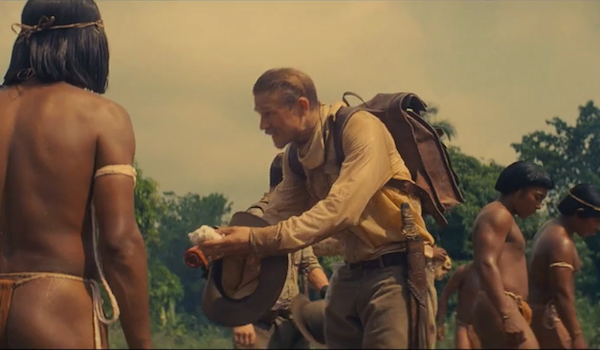
A throwback to the kind of big budget adventure stories made in the Seventies and Eighties, with location filming designed to heighten the events shown, The Lost City of Z concerns the efforts of military man turned explorer Perceval “Percy” Fawcett (Hunnam) to find a city he believes is hidden somewhere in the Amazonian jungle. Covering the years between 1905 and 1925, the movie introduces us to Fawcett the military man while he’s posted to Ireland, and finding it difficult to advance through the ranks thanks to what a senior officer refers to as, “an unfortunate choice in ancestors”. Good fortune arrives in the form of a secondment to the Royal Geographical Society, where he is asked to map an area of jungle on the Brazil-Bolivia border.

Fawcett accepts the commission, and finds himself in the company of fellow military men Henry Costin (Pattinson) and Arthur Manley (Ashley). While they carry out their task, Fawcett finds what he believes is evidence of an advanced civilisation that once existed within the jungle but which has remained, until now, undiscovered. When he returns to England, and presents his findings to the RGS, they and he are ridiculed, and the idea that the indigenous tribes are anything but “savages” is dismissed. Fawcett does, however, find an ally in RGS member James Murray (Macfadyen), who agrees to fund a further expedition in search of what Fawcett is calling “the lost city of Z”. And so in 1911, Fawcett, accompanied again by Costin and Manley, and with Murray in tow, returns to the Bolivian jungle.

The expedition, however, suffers a series of setbacks, from the loss of equipment to Murray’s inability to deal with the harsh, uncompromising environment. Forced to turn back despite Fawcett’s conviction that they are close to finding the lost city, the trio return home just as war in Europe breaks out. They find themselves fighting together in France, and during a push across the Somme in 1916, Fawcett falls victim to a chlorine gas attack and is temporarily blinded. Invalided out of the Army, Fawcett believes his exploring days are now behind him. That is, until his son, Jack (Holland), convinces him that they should travel together to Bolivia, and make one more effort to find the lost city. And so, in 1925, the pair set off into the jungle in an effort to prove once and for all that the fabled city and its ancient civilisation did exist.

Based on the book The Lost City of Z: A Tale of Deadly Obsession in the Amazon (2009) by David Grann, James Gray’s adaptation is sincere, meticulously researched, beautifully shot by Darius Khondji, engaging on a Boys’ Own adventure level, and yet, despite everyone’s best efforts, not as interesting to watch as it should be. The tale of Fawcett’s obsession should be strong, compelling stuff, but thanks to Gray’s adaptation covering such a long period of time, the movie suffers from being episodic, and as a result, feels hesitant in some scenes and overly confident in others. Gray handles the material well, but the narrative’s stop-start approach – something that Gray in both roles as screenwriter and director fails to find a solution for – means that it’s always difficult for the viewer to maintain interest in a story that, ultimately, isn’t going to lead anywhere.

If you already know the outcome of Fawcett’s third expedition to the Bolivian jungle, then this movie won’t necessarily be of interest. Having to wade through a succession of failures before this point, the movie does its best to make each disappointment and setback in Fawcett’s life part of a never-give-up, never-say-die attitude that drives the man forward, but the key word in Grann’s title – “obsession” – never really applies, and that’s partly due to Gray’s script, which never portrays Fawcett as passionate in his beliefs. It’s also due to Hunnam’s less-than-charismatic performance, one that will have viewers wondering why Costin and Manley stick with Fawcett for so long, and how he managed to attract backers for his second and third expeditions. Watching the movie, it gives the impression that the idea of a hidden civilisation in the Bolivian jungle is more enticing than the idea of Fawcett being the man to lead the search.

The expeditions themselves lack any tension, even when Fawcett and his companions encounter a tribe of cannibals, and though Gray shows an impressive capacity for framing the jungle scenes in such a way that they feel other-worldly, these sections of the movie go by without making as much of an impact as Gray was no doubt aiming for. There are also signposted moments that are straight out of Predictable Storytelling 101, such as when Fawcett holds a book up in front of his face and an arrow pierces it, stopping just inches away from hitting him. Or the moment where Murray demands an apology from Fawcett, and he agrees to do so, and then turns and apologises to Costin and Manley instead.

Also problematical is Fawcett’s relationship with his wife, Nina (Miller). She accepts his going to Bolivia in 1906, and is supportive of the trip. But when it comes time for the 1911 trip, Nina wants to go with him, and the pair have an awkward argument where Fawcett plays down her physical ability to make the journey there and back, and she argues that she has endured childbirth (twice by now) and if she can weather that particular experience then the jungle shouldn’t be any worse. Again, it’s an awkward exchange that feels out-of-place – and designed to give Miller something to do other than play the otherwise doting wife – and feels even more out-of-place when their oldest son, Jack, suggests a third trip and she agrees without so much as a murmur. Perhaps Gray felt the need to include a slice of proto-feminism amongst all the testosterone flying around, but if so, it’s not something that works.

By the time Fawcett and his eldest son get to Bolivia, viewers will probably be wondering how this is all going to pan out. Those in the know will find Gray’s choice of endings (technically, there are three) unlikely, overly poignant, and at odds with the tone of the movie thus far. That said, Gray does give Miller another chance to stand out from the overwhelmingly male cast, and while wish fulfilment is the order of the day, it sits uncomfortably with what we know of Fawcett and that last trip.

Overall, The Lost City of Z is a sterile drama that never hits any emotional highs and struggles to provide the audience with a sense of just how important Fawcett’s search for a hidden civilisation really was back in the Georgian era (or even if it was). There’s the usual degree of sexism sitting alongside the kind of blinkered attitudes that seem to define the period, and though Gray keeps the movie interesting on a visual level, with spectacular scenery and beautifully composed individual shots aplenty, it’s on a dramatic level that the movie fails to gain traction, becoming a succession of scenes that aim for a classic adventure feel, but which lack the depth to elevate it to such lofty heights. An adventure then, but one that offers scant reward for both its characters’ efforts, and the audience’s.

Rating: 6/10 – not as compelling or as rich in detail as viewers will need in order to gain maximum enjoyment from it, The Lost City of Z wastes its potential by making Fawcett’s “obsession” a strictly pedestrian affair; Gray delivers on the production side but can’t seem to work his magic on his own script or the cast, leaving the movie feeling like it’s always about to step up a gear while remaining steadfastly in neutral.

Share this:

  • Click to share on X (Opens in new window) X
  • Click to share on Facebook (Opens in new window) Facebook
  • More
  • Click to print (Opens in new window) Print
  • Click to email a link to a friend (Opens in new window) Email
Like Loading...

Monthly Roundup – May 2016

31 Tuesday May 2016

Posted by dullwood68 in Movies

≈ 2 Comments

Tags

Arkansas, Basil Dearden, Bedouin tribes, Biopic, Boaz Yakin, Carla Balenda, Cheerleaders, Chris White, Christine Nguyen, Crazy About Tiffany's, Crime, Damian Lewis, Documentary, Dog handler, Dominique Swain, Drama, Elliott Reid, Fantasy, Gertrude Bell, Googie Withers, History, Holly Golightly, Horror, Illegal arms, J.B. Priestley, James Franco, Jamie Brown, Jewellery, Jim Wynorski, John Clements, Jon Fabris, Josh Wiggins, Lauren Graham, Lawrence of Arabia, Matthew Miele, Max, Middle East, Mystery, Nicole Kidman, Prisoners, Queen of the Desert, Reviews, Robert Pattinson, Sharkansas Women's Prison Massacre, Stage play, Summer camp, The City, The Whip Hand, They Came to a City, Thomas Haden Church, Thriller, Tiffany's, Toxic waste, Traci Lords, True story, US Marines, Werner Herzog, William Cameron Menzies, Winnoga, Zombie Cheerleader Camp

Max (2015) / D: Boaz Yakin / 111m

Cast: Josh Wiggins, Thomas Haden Church, Lauren Graham, Luke Kleintank, Robbie Amell, Mia Xitlali, Dejon LaQuake, Jay Hernandez, Owen Harn

Max

Rating: 6/10 – after his handler is killed in Afghanistan, Max goes to stay with his handler’s family, and helps expose a plot to supply arms to a Mexican cartel; a feature that ticks every box in the “family movie” canon, Max is enjoyable enough but is also too lightweight to make much of a sustained impact, even though the cast enter wholly into the spirit of things.

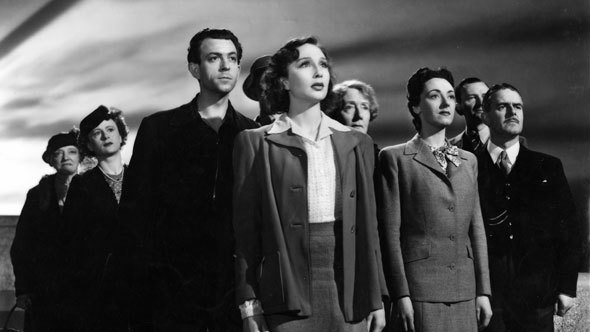
They Came to a City (1944) / D: Basil Dearden / 78m

Cast: John Clements, Googie Withers, Raymond Huntley, Renee Gadd, A.E. Matthews, Mabel Terry-Lewis, Ada Reeve, Norman Shelley, Fanny Rowe, Ralph Michael, Brenda Bruce, J.B. Priestley

They Came to a City

Rating: 6/10 – nine individuals find themselves in unfamiliar terrain and on the outskirts of a vast city – and have to decide if they’re going to stay there; J.B. Priestley’s play is as close to a socialist tract as you could have got during World War II, and while They Came to a City betrays its stage origins and is relentlessly polemical, it has a stark, overbearing visual style that is actually quite effective.

Crazy About Tiffany’s (2016) / D: Matthew Miele / 86m

With: Jessica Alba, Katie Couric, Amy Fine-Collins, Fran Lebowitz, Baz Luhrmann, Sam Taylor-Johnson, Jennifer Tilly, Andrew & Andrew

Crazy About Tiffany's

Rating: 6/10 – a documentary charting the rise and rise of Tiffany’s, the jewellery store made even more famous by Truman Capote and Audrey Hepburn (who he despised in the role of Holly Golightly); a tremendously indulgent puff-piece for the company, Crazy About Tiffany’s is redeemed by some fascinating anecdotes, and the faint whiff of pretentiousness given off by most of its customers.

Queen of the Desert (2015) / D: Werner Herzog / 128m

Cast: Nicole Kidman, James Franco, Damian Lewis, Robert Pattinson, Jay Abdo, David Calder, Jenny Agutter, Holly Earl, Mark Lewis Jones, Christopher Fulford

Queen of the Desert

Rating: 5/10 – a biopic of the explorer and writer, Gertrude Bell (Kidman), and how she  won the trust of numerous Middle Eastern tribes at a time when British colonialism was  looked upon with distrust and contempt by those very same tribes; not one of Herzog’s best (or Kidman’s), Queen of the Desert suffers from being treated as history-lite by the script, and never quite being as courageous in its efforts as Miss Bell was in hers (and not to mention a disastrous turn by Pattinson as Lawrence of Arabia).

Zombie Cheerleader Camp (2007) / D: Jon Fabris / 85m

Cast: Jamie Brown, Chris White, Nicole Lewis, Jason Greene, Brandy Blackmon, Daniel Check, Terry Chandeline Nicole Westfall, Micah Shane Ballinger

Zombie Cheerleader Camp

Rating: 2/10 – when cheerleaders attend a summer training camp, they’re unaware that a squirrel exposed to toxic waste will be the catalyst that turns them and a group of horny males into flesh-eating zombies; all you need to know is that Zombie Cheerleader Camp was made at the extreme low budget end of movie making and features camera work that’s so bad it’s almost a challenge to find a well-framed shot anywhere in the movie (and then there’s the “acting”…)

Sharkansas Women’s Prison Massacre (2015) / D: Jim Wynorski / 84m

Cast: Dominique Swain, Traci Lords, Christine Nguyen, Cindy Lucas, Amy Holt, John Callahan, Corey Landis, Skye McDonald, Chris De Christopher

Sharkansas Women's Prison Massacre

Rating: 3/10 – fracking causes the release of an unspecified number of prehistoric sharks into the Arkansas waterways, and this jeopardises the escape of several women prisoners from a work detail; yes, Sharkansas (actually filmed in Florida) Women’s Prison Massacre is as bad as it sounds, and yes it is as cheesy as you’d expect, but it’s also one of the tamest and most annoying of all the recent shark-related movies we’ve had foisted upon us, and not even the talents of low budget movie maestro Wynorski can rescue this from the bottom of the barrel.

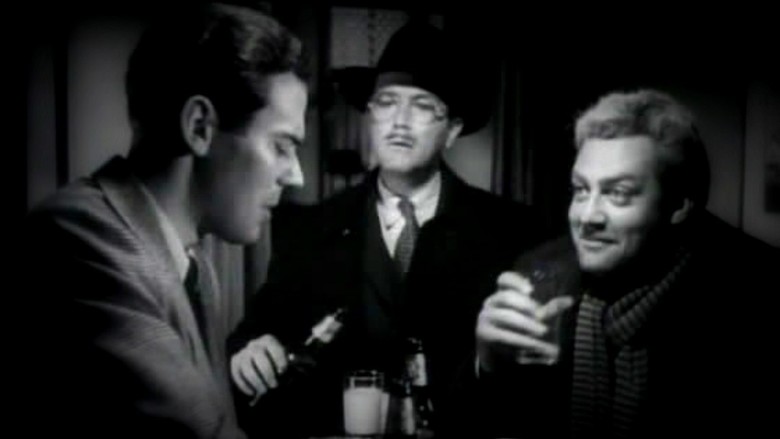
The Whip Hand (1951) / D: William Cameron Menzies / 82m

Cast: Carla Balenda, Elliott Reid, Edgar Barrier, Raymond Burr, Otto Waldis, Michael Steele, Lurene Tuttle, Peter Brocco, Lewis Martin, Frank Darien

The Whip Hand

Rating: 6/10 – a journalist (Reid) on vacation stumbles across a mystery involving a lake where the fish have all died, and a nearby ghost town where the remaining locals aren’t too friendly, and he finds himself prevented from leaving; a well-paced but forgettable effort from master production designer Menzies, The Whip Hand starts off well but soon ties itself inside out in trying to be a confident thriller, an ambition it fails to achieve thanks to untidy plotting and thin characterisations.

Share this:

  • Click to share on X (Opens in new window) X
  • Click to share on Facebook (Opens in new window) Facebook
  • More
  • Click to print (Opens in new window) Print
  • Click to email a link to a friend (Opens in new window) Email
Like Loading...

Question of the Week – 18 May 2016

18 Wednesday May 2016

Posted by dullwood68 in Movies

≈ Leave a comment

Tags

Careers, Kristen Stewart, Personal Shopper, Robert Pattinson, Twilight

Another in the weekly series designed to encourage debate on thedullwoodexperiment, where readers/followers/first-timers/anyone can air their opinions/views/thoughts on the topic/subject/idea in question. (Apologies for the lack of a Question of the Week last week.)

Robert Pattinson and Kristen Stewart were everywhere during the four years it took to bring the Twilight saga to the big screen, but since Breaking Dawn Part 2 bowed in 2012, both actors have (apparently) shied away from the kind of mega-movie experience that made them both household names. Pattinson has made five movies, mostly interesting and moderately successful at the box office, while Stewart has made eleven (four of which can be seen this year). She too has made some interesting choices, but like Pattinson, hasn’t exactly lit up the box office. They may be working on movies that offer them different challenges, and they may not be interested in how successful those movies are, but with Pattinson’s recent, embarrassing performance as T.E. Lawrence in Queen of the Desert (2015), and Stewart’s latest, Personal Shopper (2016) being booed at Cannes, this week’s question is:

Have the careers of Robert Pattinson and Kristen Stewart peaked with their involvement in the Twilight franchise, or will they achieve the kind of career longevity that will see retrospectives of their work in, say, thirty years’ time?

Share this:

  • Click to share on X (Opens in new window) X
  • Click to share on Facebook (Opens in new window) Facebook
  • More
  • Click to print (Opens in new window) Print
  • Click to email a link to a friend (Opens in new window) Email
Like Loading...

Maps to the Stars (2014)

05 Sunday Oct 2014

Posted by dullwood68 in Movies

≈ Leave a comment

Tags

Actress, Black comedy, Chauffeur, Child actor, David Cronenberg, Drama, Dysfunctional family, Evan Bird, Hollywood, John Cusack, Julianne Moore, Mia Wasikowska, Olivia Williams, P.A., Review, Robert Pattinson, Self-help guru

Maps to the Stars

D: David Cronenberg / 111m

Cast: Julianne Moore, Mia Wasikowska, John Cusack, Evan Bird, Olivia Williams, Robert Pattinson, Sarah Gadon, Kiara Glasco, Dawn Greenhalgh

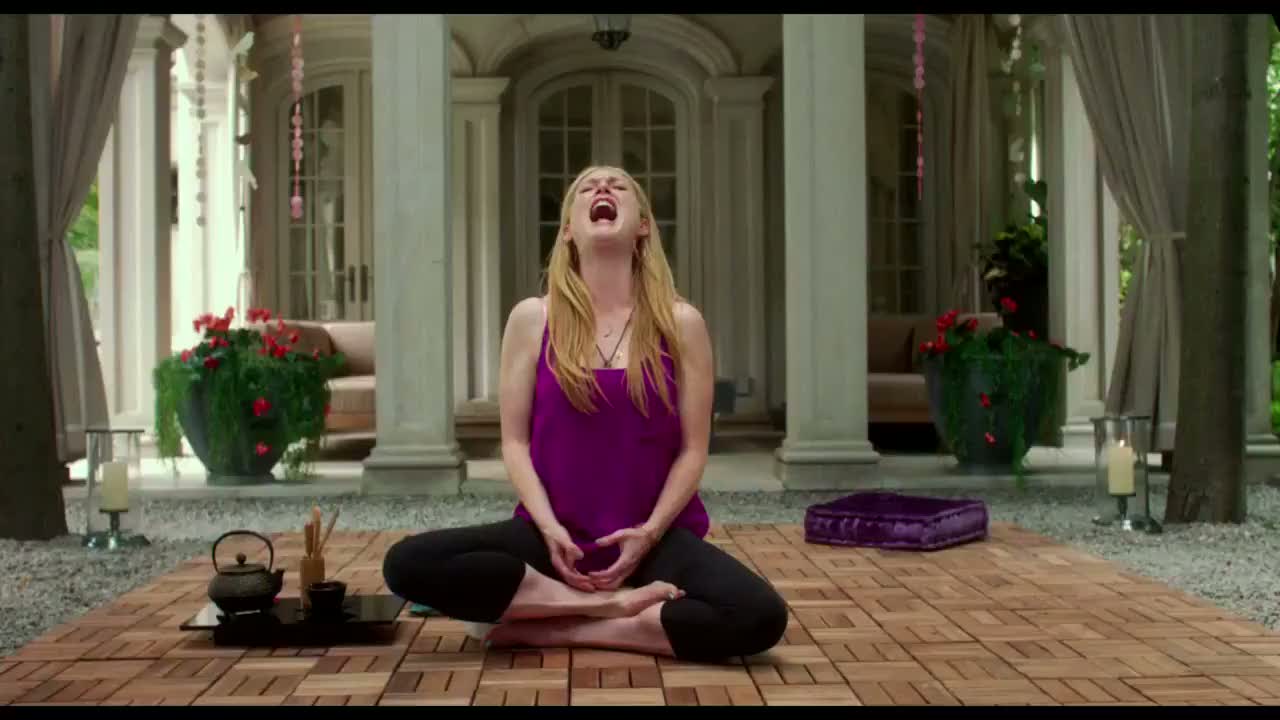
Arriving in Los Angeles, Agatha (Wasikowska) is met by limo driver/aspiring actor Jerome (Pattinson).  On the way to where she’s staying she asks him to drive to a spot up in the hills near to the Hollywood sign, though when they get there there isn’t a house where Agatha expects it to be.  Meanwhile, child actor Benjie Weiss (Bird) is in the middle of negotiations to star in the sequel to the movie that has made him a star.  However, a recent bout of substance abuse has the studio insisting on his sobriety.  At the same time, well-known actress Havana Segrand (Moore) is doing all she can to land the part her mother played in a remake of a 60’s classic.  Through a lucky piece of networking, Agatha ends up working for Havana as her P.A.

Agatha has burns from a fire that happened when she was younger and it’s revealed that she’s spent the last seven years in a psychiatric hospital as she caused the fire.  Her reason for coming to L.A. is to make amends to her family, parents Stafford (Cusack) and Christina (Williams), and her brother, who it turns out is Benjie.  When they learn she’s back in town they have different reactions but she sees them each in turn with differing results.  As troubled as Agatha is, she’s unaware of the ghosts Benjie sees, ghosts that are pushing him toward a violent outburst.  And Havana is tormented by visions of her mother (Gadon) before she died, visions that feed into her insecurity about playing her mother’s role.  A relationship blossoms with Jerome but is eventually undermined by Havana, while one of Benjie’s hallucinations causes a tragedy he can’t run away from… except with Agatha.  With violence blighting both their lives, they decide on a solution to their problems that will give them both peace from the demons that haunt them.

Maps to the Stars - scene

The first movie that David Cronenberg has made – if only partially – in the US, Maps to the Stars is a biting satire that explores the various tensions within one of the most dysfunctional families in recent movie history.  The Weisses are so screwed up as a family it’s a wonder any of them can function normally on a day to day basis.  Dad Stafford is a self-help guru cum massage therapist whose sense of his own relevance is underlined by the famous people he’s met, like the Dalai Lama.  He’s distant from his wife and son, and is worried that any adverse publicity will expose the secret he and Christina have shared for years.  For her part, Christina acts as a kind of manager for her son’s career, advising him and attending meetings with the studio.  She gets little recognition for her efforts from him, and she too is afraid their secret will be revealed. Both characters are unhappy and edgy in their own skins, and there is a distance between them that has become enforced through necessity, but their dependence on each other is the only way they can express their love for each other.

Benjie is thirteen and the kind of spoilt-minded child actor who thinks it’s okay to disrespect people and be abusive and mean-minded.  There’s a certain amount of insecurity about him, but it’s smothered by his “fuck you” attitude, and his need to be in control of his own life, independent of his parents.  By contrast, Agatha is the child who wants to make amends, who wants to see her family reunited, but doesn’t realise – or expect – that her optimism is misguided.  Her troubled history (controlled by several different medications) is in danger of defining her as an individual, and her job with Havana, and her romance with Jerome, help boost her confidence in dealing with Benjie and her parents.  When they both go wrong, she discards her meds, and it’s only when she does that she’s truly able to deal with things, even if the way in which she does is far from appropriate.  Self-confidence aside, it’s her schizophrenia that keeps her strong.

All four actors – Cusack, Williams, Bird and Wasikowska – prove excellent choices for their roles, and each one holds the viewer’s attention with ease in each of their scenes; when some of them are together, it’s like an embarrassment of riches, and it’s good to see Cusack back on form after the likes of Drive Hard and The Prince (both 2014).  But this is Moore’s movie all the way, her portrayal of an actress on the verge of becoming irrelevant both tragic and horrifying in its naked neediness and self-serving hypocrisy.  Moore’s no stranger to tortured female characters (whether self-inflicted or not), and here she adds yet another to the list, making Havana pitiable, self-destructive and venal in equal measure.  It’s a bravura performance, with Moore displaying Havana’s emotional vulnerability and lack of empathy, particularly in the horrifying scene where she celebrates getting her mother’s role through tragic circumstances.  She’s hypnotic to watch, and by far the best part of seeing the movie.

Good as the performances are though (and they are very good), there isn’t any easy way to connect with the characters.  Agatha has most of the viewer’s sympathy, but that slowly changes as the movie progresses.  Benjie is virtually irredeemable, while Stafford and Christina are too wrapped up in themselves to care about anyone else.  This is also a movie made with a degree of distance between the characters and the audience, and this appears to be down to Cronenberg’s approach to both them and Bruce Wagner’s screenplay.  His direction is as inventive as ever, and he deposits the Weisses and Havana in various large, open spaces to highlight their isolation (particularly their own homes).  As a movie that shines a light on how dysfunction and self-destruction can both encourage and propel certain people toward terrible actions, it’s a triumph.  But as a movie that identifies root causes and solid motivations for those actions it’s not so successful, leaving the viewer to scratch their head at how the characters can be so self-destructive, and with no attempts to seek help (even from Stafford).

However, there is a degree of dark humour here that some audiences will recognise, as well as moments of soap opera absurdity that threaten to undermine the overall cleverness of the script.  These are also predictable moments, and while some are necessary for certain storylines to move forward, it’s a shame that they’ve been included, as they actually cause the movie’s flow to stutter when they occur.  Still, there’s more here that’s good than bad, and it’s compelling on several levels.

Rating: 8/10 – another winner from Cronenberg, Maps to the Stars has a few, minor faults, and will certainly divide audiences, but fans will lap it up, while newcomers to Cronenberg’s oeuvre may be non-plussed by the observational approach; with a raft of intriguing, well-constructed performances, the movie offers far more than is obvious at first glance.

Share this:

  • Click to share on X (Opens in new window) X
  • Click to share on Facebook (Opens in new window) Facebook
  • More
  • Click to print (Opens in new window) Print
  • Click to email a link to a friend (Opens in new window) Email
Like Loading...

The Rover (2014)

22 Friday Aug 2014

Posted by dullwood68 in Movies

≈ 3 Comments

Tags

Australia, David Michôd, Economic collapse, Guy Pearce, Outback, Review, Robbery, Robert Pattinson, Scoot McNairy, Stolen car

Rover, The

D: David Michôd / 103m

Cast: Guy Pearce, Robert Pattinson, Scoot McNairy, Gillian Jones, David Field, Tawanda Manyimo, Anthony Hayes, Susan Prior

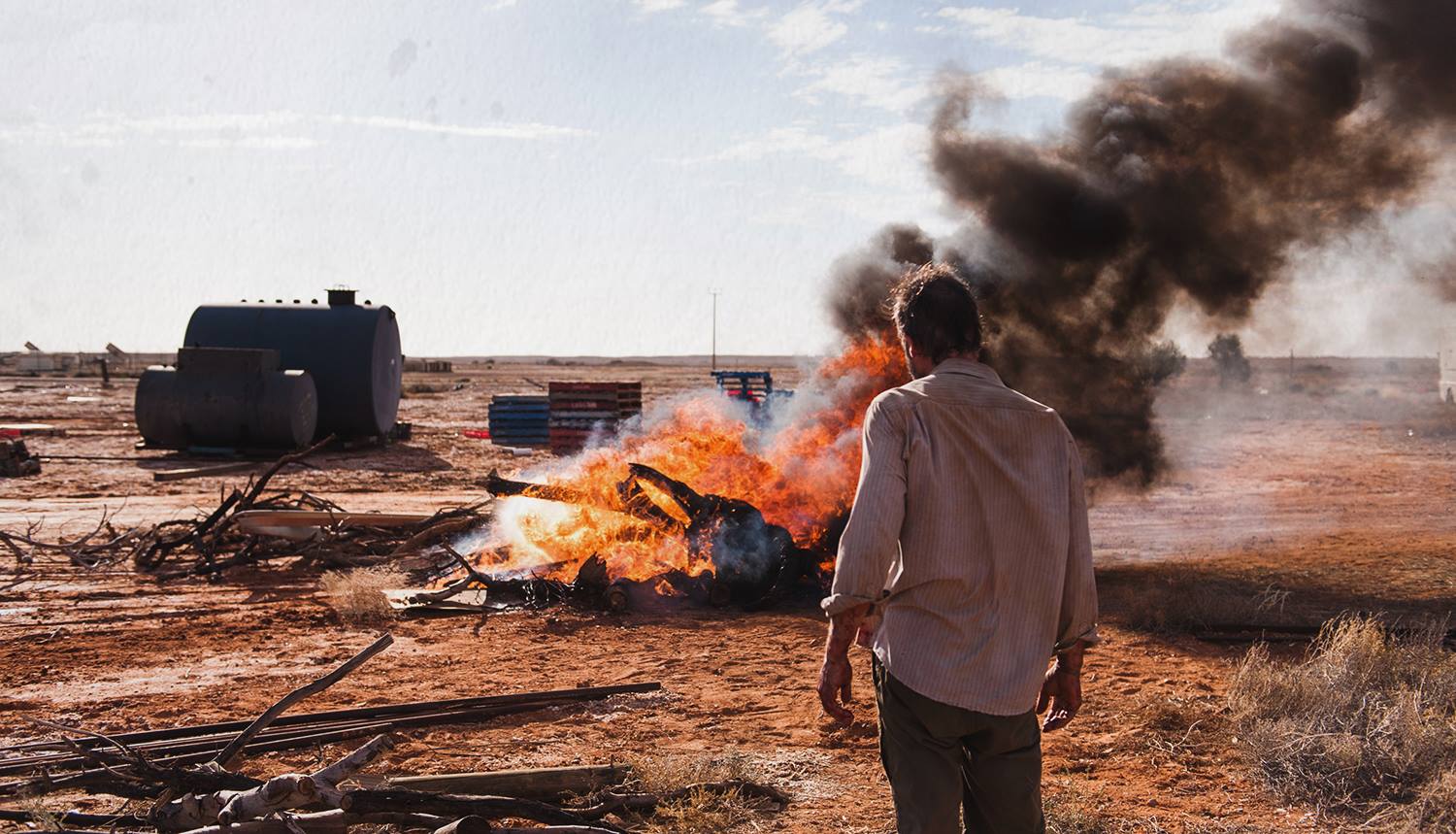
Set ten years after a global economic collapse, and in the Australian outback, an embittered loner named Eric (Pearce) stops at a bar for a drink.  His car is stolen by a trio of thieves led by Henry (McNairy), after their own car crashes following a robbery that has seen Henry wounded in the leg, and forced to leave his brother behind.  With the car being his only remaining possession, Eric gets their car started again and chases after them. They stop and there is a confrontation that sees Eric knocked unconscious.  When he comes to, Henry and his friends are gone.  Eric journeys on to the next town where he obtains a gun; he also meets Rey (Pattinson), who turns out to be Henry’s younger brother.  Like his brother, Rey is suffering from a gunshot wound.  In return for finding medical help for him, Rey agrees to help Eric track down his brother.

Once Rey is seen by a doctor (Prior), the duo head for the next town where they stay at a motel.  While in their room, Rey is shot at by a soldier but Eric comes to his rescue.  The next day, while camping, Eric is apprehended by army sergeant Rickofferson (Hayes) and taken to a nearby army base.  Eric reveals why he is so bitter and angry but the sergeant is uninterested.  A few moments later, Rey bursts in having come to rescue Eric; with the sergeant and his men all dead, the pair escape and head for the next town, where Henry and his gang are hiding out.  At the house where they’re staying, Rey, armed with a gun, goes in first…

Rover, The - scene

The Rover is, at first glance, a meticulously crafted thriller that confirms the promise shown in its director’s previous movie Animal Kingdom (2010), but on closer inspection the movie proves to be a case of the emperor’s new clothes rather than anything more substantial.  It’s a shame because it has much to recommend it, with often stunning visuals that underpin its lead character’s psychological distance from the people he meets.  Eric is a man alone, both in company and in the vast stretches of the Outback that he travels through.  He’s adrift in his own life, but he keeps his resentment of past events close to him, feeding off it, letting it keep him going; without it he would stop moving altogether.  As portrayed by Pearce, Eric is a man clinging on to his sanity, a hair’s breadth away from taking his anger and pain out on everyone he meets.  That he manages to keep himself in check so much speaks of the shadow of the man he used to be, and which is still inside him somewhere.  Pearce gives an appropriately intense performance and makes Eric a fiercely relentless force of nature, largely unrepentant, and borderline psychotic.  It’s a darkly hypnotic portrayal, and easily Pearce’s finest in years.

He’s matched in the performance stakes by Pattinson, who as the slow-witted Rey, commands as much attention as Pearce does, his slack-eyed look and simplistic understanding of his situation making Rey as much a casualty in his own way as Eric is.  Rey is needy, so much so that he attaches himself to Eric in lieu of his brother’s presence, his loyalty changing depending on his proximity to whoever shows an interest in him or supports him.  He’s the opposite of Eric, a (younger) man in constant need of company in order to validate his own existence, and almost incapable of acting independently, such is his reliance on others.  Pattinson subverts his pretty boy image to make Rey effectively an awkward adolescent, his semi-vacant gaze never wavering, his panic in situations he can’t control the reaction of an emotionally under-developed child.  It’s a stirring performance, one that proves beyond a shadow of a doubt that Pattinson has a greater range than perhaps many people give him credit for.

With two such riveting performances it’s a shame then that Michôd’s script isn’t as well-structured, or clever, as it seems at first glance.  There are too many moments where convenience drives the plot forwards, and few occasions where The Rover feels like an organic story, where the events involving Eric and Rey seem entirely plausible.  The confrontation between Eric and Henry that results in Eric being knocked unconscious is a serious case in point: why doesn’t Henry just kill Eric, instead of leaving him alive, and with their car, and with the keys tossed carelessly aside where they’re easily found?  The movie displays a keen sense of nihilism elsewhere, but here, with the encounter happening so early on, it just undermines the whole notion of Henry’s gang being any kind of threat to Eric, and the script pretty much abandons them from this point on, only bringing them back for the finale (it also undermines the notion that, in the future, life has become even less of a commodity than it is now).

There’s also the reason for Eric being so dogmatic in wanting his car back.  It’s not until the very end that we discover the reason for his relentless pursuit, and it’s a reason that is bound to cause endless debate amongst moviegoers for some time to come.  For this reviewer, it’s a “twist” that doesn’t quite work, and serves only to try and (in a way) rehabilitate Eric with the audience.  It’s a brave move on Michôd’s part but again, for this reviewer, adds little to what’s gone before.  Perhaps it would have been better not to know.

Where the movie is on firmer ground is with its location work and glorious photography courtesy of Natasha Braier, the Australian Outback looking both vast and unexpectedly restraining at the same time, its untamed wilderness as much a character as the people that inhabit it.  Its rugged, inhospitable backdrop serving as a reflection of the hardships the characters have to endure to survive, Braier’s lensing brings out its beauty as well, and in the process, rewards the viewer with breathtaking vista after breathtaking vista.  To complement the visuals there is a strong, percussive score by Anthony Partos that underlines the starkness of the surroundings, but which becomes more emotive as the relationship between Eric and Rey begins to change.  It’s a subtle process but very well done.

Rating: 5/10 – with many aspects that don’t work as well as its writer/director may have intended, The Rover is likely to divide audiences for some time to come; what isn’t in doubt, though, is the quality of the lead performances which are well worth the price of admission.

Share this:

  • Click to share on X (Opens in new window) X
  • Click to share on Facebook (Opens in new window) Facebook
  • More
  • Click to print (Opens in new window) Print
  • Click to email a link to a friend (Opens in new window) Email
Like Loading...

Blog Stats

  • 490,512 hits

Recent Posts

  • 10 Reasons to Remember Bibi Andersson (1935-2019)
  • Fantasia (1940)
  • Dances With Wolves (1990) – The Special Edition
  • Kiss of the Spider Woman (1985)
  • The Three Musketeers (1973)

Top Posts & Pages

  • The Dark Tower (2017)
    The Dark Tower (2017)
  • The White Orchid (2018)
    The White Orchid (2018)
  • Lost for Life (2013) - Another Look
    Lost for Life (2013) - Another Look
  • Captain Fantastic (2016)
    Captain Fantastic (2016)
  • Miss Baek (2018)
    Miss Baek (2018)
  • Two Shorts by François Ozon: A Summer Dress (1996) and X2000 (1998)
    Two Shorts by François Ozon: A Summer Dress (1996) and X2000 (1998)
  • Central Intelligence (2016)
    Central Intelligence (2016)
  • Taken (2008)
    Taken (2008)
  • A Brief Word About Cineworld Unlimited
    A Brief Word About Cineworld Unlimited
  • Nancy Drew... Reporter (1939)
    Nancy Drew... Reporter (1939)
Follow thedullwoodexperiment on WordPress.com

Blogs I Follow

  • Rubbish Talk
  • Film 4 Fan
  • Fast Film Reviews
  • The Film Blog
  • All Things Movies UK
  • Interpreting the Stars
  • Let's Go To The Movies
  • Movie Reviews 101
  • TMI News
  • Dan the Man's Movie Reviews
  • Film History
  • Jordan and Eddie (The Movie Guys)

Archives

  • April 2019 (13)
  • March 2019 (28)
  • February 2019 (28)
  • January 2019 (32)
  • December 2018 (28)
  • November 2018 (30)
  • October 2018 (29)
  • September 2018 (29)
  • August 2018 (29)
  • July 2018 (30)
  • June 2018 (28)
  • May 2018 (24)
  • April 2018 (21)
  • March 2018 (31)
  • February 2018 (25)
  • January 2018 (30)
  • December 2017 (30)
  • November 2017 (27)
  • October 2017 (27)
  • September 2017 (26)
  • August 2017 (32)
  • July 2017 (32)
  • June 2017 (30)
  • May 2017 (29)
  • April 2017 (29)
  • March 2017 (30)
  • February 2017 (27)
  • January 2017 (32)
  • December 2016 (30)
  • November 2016 (28)
  • October 2016 (30)
  • September 2016 (27)
  • August 2016 (30)
  • July 2016 (30)
  • June 2016 (31)
  • May 2016 (34)
  • April 2016 (30)
  • March 2016 (30)
  • February 2016 (28)
  • January 2016 (35)
  • December 2015 (34)
  • November 2015 (31)
  • October 2015 (31)
  • September 2015 (34)
  • August 2015 (31)
  • July 2015 (33)
  • June 2015 (12)
  • May 2015 (31)
  • April 2015 (32)
  • March 2015 (30)
  • February 2015 (37)
  • January 2015 (39)
  • December 2014 (34)
  • November 2014 (34)
  • October 2014 (36)
  • September 2014 (25)
  • August 2014 (29)
  • July 2014 (29)
  • June 2014 (28)
  • May 2014 (23)
  • April 2014 (21)
  • March 2014 (42)
  • February 2014 (38)
  • January 2014 (29)
  • December 2013 (28)
  • November 2013 (34)
  • October 2013 (4)

Create a free website or blog at WordPress.com.

Rubbish Talk

Film 4 Fan

A Movie Blog

Fast Film Reviews

The Film Blog

The official blog of everything in film

All Things Movies UK

Movie Reviews and Original Articles

Interpreting the Stars

Dave Examines Movies

Let's Go To The Movies

Film and Theatre Lover!

Movie Reviews 101

Daily Movie Reviews

TMI News

Latest weather, crime and breaking news

Dan the Man's Movie Reviews

All my aimless thoughts, ideas, and ramblings, all packed into one site!

Film History

Telling the story of film

Jordan and Eddie (The Movie Guys)

Movie Reviews & Ramblings from an Australian Based Film Fan

Privacy & Cookies: This site uses cookies. By continuing to use this website, you agree to their use.
To find out more, including how to control cookies, see here: Cookie Policy
  • Subscribe Subscribed
    • thedullwoodexperiment
    • Join 481 other subscribers
    • Already have a WordPress.com account? Log in now.
    • thedullwoodexperiment
    • Subscribe Subscribed
    • Sign up
    • Log in
    • Report this content
    • View site in Reader
    • Manage subscriptions
    • Collapse this bar
 

Loading Comments...
 

    %d