• 10 Reasons to Remember…
  • A Brief Word About…
  • About
  • For One Week Only
  • Happy Birthday
  • Monthly Roundup
  • Old-Time Crime
  • Other Posts
  • Poster of the Week
  • Question of the Week
  • Reviews
  • Trailers

thedullwoodexperiment

~ Viewing movies in a different light

thedullwoodexperiment

Tag Archives: Sam Neill

The Dish (2000)

01 Friday Sep 2017

Posted by dullwood68 in Movies

≈ 1 Comment

Tags

Apollo 11, Australia, Comedy, Drama, Historical drama, Kevin Harrington, Moon landing, NASA, Neil Armstrong, Parkes, Patrick Warburton, Review, Rob Sitch, Sam Neill, Tom Long
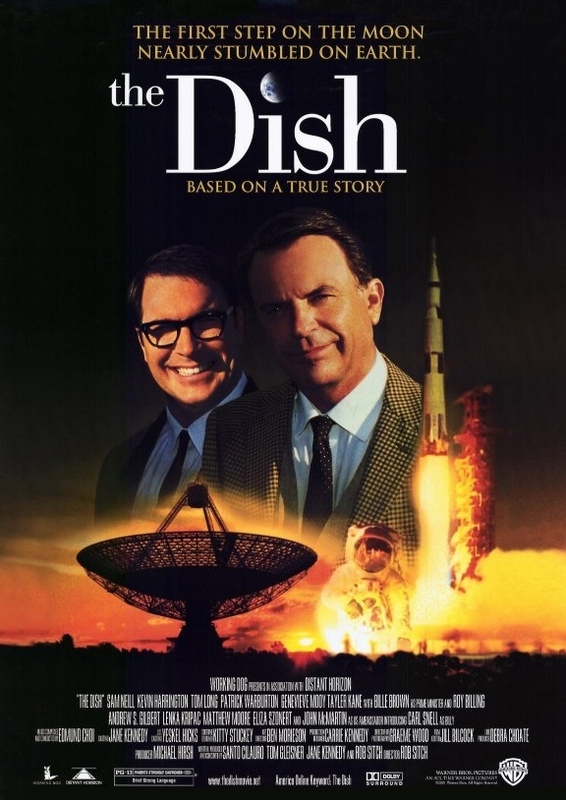
D: Rob Sitch / 101m

Cast: Sam Neill, Kevin Harrington, Tom Long, Patrick Warburton, Roy Billing, Eliza Szonert, Tayler Kane, Genevieve Mooy, Lenka Kripac, Bille Brown, John McMartin

Hands up if you’ve seen The Dish? And keep those hands up if you enjoyed its mix of historical drama and parochial whimsy. Now ask yourself this question: why don’t more people know about this movie? And why isn’t this movie championed around the globe? Why isn’t this movie more highly regarded than it actually is? In short, why has this movie been allowed to amble into our lives with so little fanfare, and then amble away again so easily? It’s a mystery that may never be solved, along with who really shot JFK, who built Stonehenge, and how is it that Liam Hemsworth has a movie career? The Dish should be required viewing for anyone interested in movies as a whole, and Australian movies in general. It’s a nigh-on perfect slice of comedy-drama, and one of the most enjoyable movies of the new millennium.

It’s a simple idea: take an historical fact – that the Parkes Observatory in New South Wales was used by NASA to relay live television footage of Man’s first steps on the Moon in July 1969 – and use it as the backdrop for a gentle comedy of errors that puts that television footage in danger of never being seen. Add in the anxiety and civic pride of the local community, the operational paranoia of NASA and the apprehensive natures of visiting dignitaries, and you have a smartly scripted movie that scores highly in terms of its ability to charm and entertain audiences. The only people who seem less perturbed by the responsibility heaped on their shoulders is the small group of men charged with ensuring the television footage is seen as planned, and that the radio telescope that will facilitate this, doesn’t malfunction. There are four men in all, technicians Glenn Latham (Long) and Ross “Mitch” Mitchell (Harrington), visiting NASA official, Al Burnett (Warburton), and the observatory’s chief scientific advisor, Cliff Buxton (Neill).
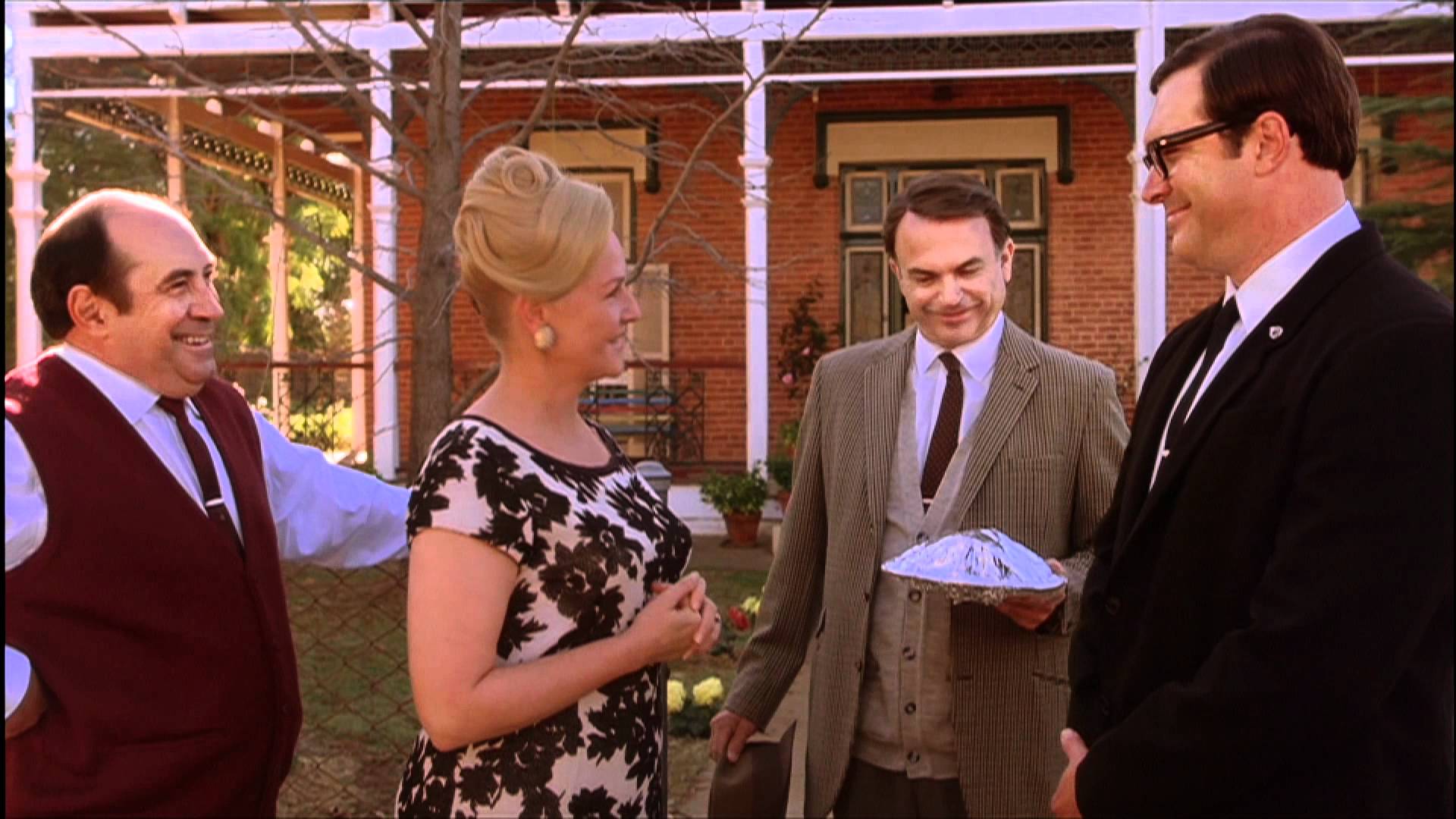
All four are aware of the momentous nature of their roles in the Apollo 11 mission, but that doesn’t mean there’s no room for animosity, as Burnett’s fastidious nature butts heads with Mitchell’s more “liberal” approach to their work. Defusing arguments and disagreements, Buxton is a calming influence on both men, but deep down he has his own apprehensions about the dish’s capabilities and whether or not they can pull off the “job of a lifetime”. There are ups and downs along the way, telemetry issues that NASA is unaware of, re-pointing the dish when it loses the signal’s lock, and a sudden gale that threatens to damage the dish and leave it unable to transmit those all important images of Neil Armstrong walking on the Moon. Buxton is the senior operative whose calm demeanour under pressure smooths and soothes the problems that arise with the equipment, and within his team. Neill’s avuncular performance is the glue that holds the movie together, and whenever he’s on screen, Buxton is the character you can’t help but focus on.

While there’s plenty of tension and drama as the hour of Armstrong’s history-making walk approaches, there’s also plenty of humour to be had as well. This being an Australian movie, there’s a pleasing sense of self-deprecation that makes itself felt throughout, from the attitude of self-regarding town mayor Bob McIntyre (Billing), to the gossipy nature of the townswomen (led by McIntyre’s own wife), and the gloriously naïve nature of the townsfolk as a whole (cue that rendition of the American national anthem). Autralian movies exploit these kinds of cultural foibles with practiced ease, and the script – by director Sitch, along with Santo Cilauro, Tom Gleisner, and Jane Kennedy – applies these aspects in such a good-natured fashion that you can’t help but smile at them when they happen. Take Rudi Kellerman (Kane) (please take him). A young man desperate to be of use who assigns himself the role of the observatory’s security guard, Rudi is discovered with a gun by his sister, Janine (Szonert), she asks him if their mum knows. Only in a movie like The Dish could the reply be, “No. And don’t you go telling her, either! Or else she might come and take it off me.”
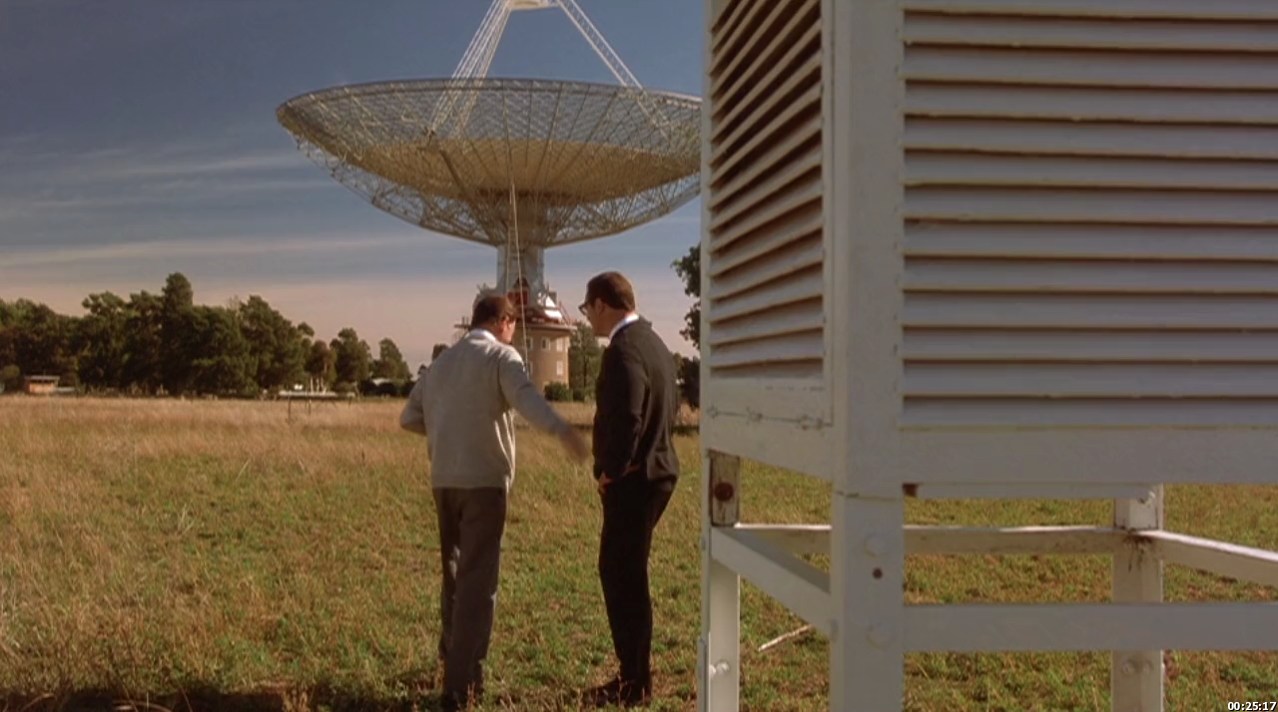
There are other, similarly inspired lines of dialogue, and much of it is used to point up the absurd behaviour and nature of the characters themselves – McIntyre’s political aspirations are a particular target, and brilliantly so – but it’s all done with a warmth and a liking for the characters that stops it all from being uncomfortable or malicious. Likewise, the antagonism between Mitchell and Burnett begins seriously enough but is soon transformed into mutual respect and the kind of gentle ribbing that is both friendly and innocuous, and more in keeping with the tone of the movie and its quiet sense of scientific and national euphoria when, inevitably, Armstrong walks on the moon and Parkes’s place in the history books is assured. But it’s not all pleasantries and affability. The movie touches on notions of a community’s pride, there’s the grief over the loss of his wife that keeps Buxton somewhat remote from everyone around him, and a point where the team “lose” Apollo 11 and don’t immediately know how to find it again.

For all this to work, director Rob Sitch has assembled a marvellous cast, with Neill on superb form, and sterling supporting performances from Warburton (terrific as always), Billing, Long and Harrington (the sheep are good too). But it’s the production design that often stands out, with the movie able to use the real locations from the time – including the observatory, and on the dish itself – and lots of original NASA equipment that was left behind as too costly to transport to the US. This helps to give the movie a pleasing sense of verisimilitude, even if the audience is unaware of it at the time of watching. It all adds up to a movie that came out of nowhere, stole many many hearts from contemporary viewers, and is still as charming and entertaining now as it was back in 2000. And how many other movies can you say that about?

Rating: 9/10 – a sparkling, witty, yet still decidedly subtle dramatic comedy set around a defining moment in human history, The Dish is as triumphant as those first images from the Moon must have been; an excellent movie that works on many more levels than is immediately apparent, this is easily one of the best Australian movies ever made – and for the most part, it all takes place in a sheep paddock.

Share this:

  • Click to share on X (Opens in new window) X
  • Click to share on Facebook (Opens in new window) Facebook
  • More
  • Click to print (Opens in new window) Print
  • Click to email a link to a friend (Opens in new window) Email
Like Loading...

Hunt for the Wilderpeople (2016)

06 Thursday Oct 2016

Posted by dullwood68 in Movies

≈ 3 Comments

Tags

Barry Crump, Child services, Comedy, Drama, Julian Dennison, Literary adaptation, New Zealand, Rachel House, Review, Rima Te Wiata, Sam Neill, Taika Waititi, The Bush, Wild Pork and Watercress

hunt-for-the-wilderpeople

D: Taika Waititi / 101m

Cast: Sam Neill, Julian Dennison, Rima Te Wiata, Rachel House, Tioreore Ngatai-Melbourne, Oscar Kightley, Stan Walker, Mike Minogue, Cohen Holloway, Rhys Darby

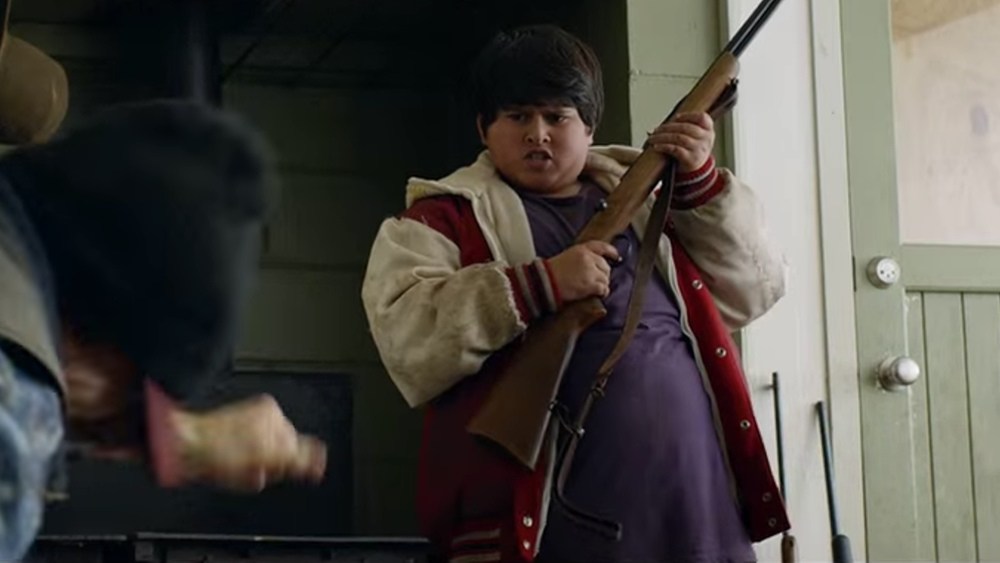
Ricky Baker (Dennison) is a problem child. He’s in the care system, and has a reputation for disobedience, stealing, spitting, running away, throwing rocks, kicking stuff, defacing stuff, burning stuff, loitering, and graffiti-ing (and that’s just the stuff Child Services knows about). In short, he’s a real bad egg. But he’s been given one last chance: to be looked after by Bella Faulkner (Te Wiata) and her grouchy husband Hec (Neill) on their farm. Bella is endlessly upbeat despite a tendency for inappropriate comments (“Whoo! You’re a big fella. Who ate the guy who ate all the pies, eh?”), but her heart’s in the right place and she more than compensates for Hec’s less than welcoming behaviour. Ricky runs away the first night, but doesn’t get very far, and soon he’s running away each night – but he’s always back in time for breakfast.

Responding to Bella’s ministrations, Ricky soon settles in and begins to take an interest in the farm and Hec’s role. Hec teaches Ricky to shoot, and they begin to form a bond. When Ricky’s birthday comes around, the Faulkners get him a dog, which he names Tupac. But tragedy strikes, and Ricky is required to go back into the care system. Refusing to go he heads off into the Bush, and determines to remain in hiding. Hec soon finds him, and they begin the return journey home when Hec breaks his ankle. Forced to stay in the Bush while his ankle heals, six weeks pass, during which Child Services, in the form of would-be Agatha Trunchbull, Paula Hall (House), and the police, search for the missing pair. An encounter at a lodge with a trio of hunters who are looking for Ricky and Hec leads to Hec being regarded as a pervert, and Ricky having been kidnapped.

hftw-scene1

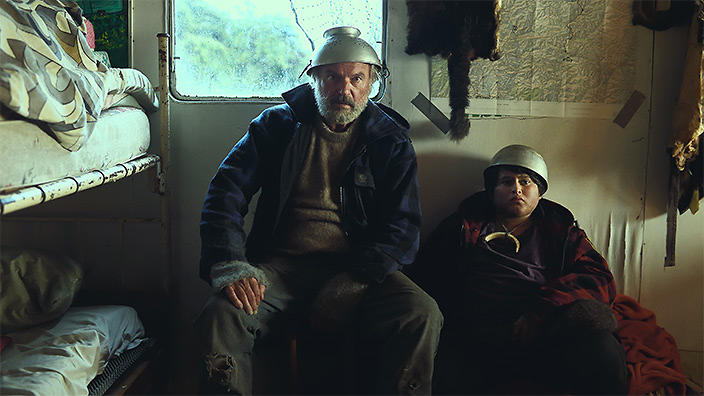
Ricky and Hec go on the run, and decide to hole up in the Bush until the search for them peters out. They survive by catching or foraging for food, use the “Knack” – a kind of semi-mystical knowledge that allows them to avoid being found and to survive in the wilderness – and slowly and surely learn to trust and respect and depend on each other. But the search for them continues unabated, thanks to Paula Hall’s determination that “no child is left behind”, and the occasional help afforded them by strangers such as young girl Kahu (Ngatai-Melbourne), and raving conspiracy theorist Psycho Sam (Darby). But inevitably the pair are tracked down and it only remains to be seen if they go out with a bang or a whimper.

An adaptation of the novel Wild Pork and Watercress by Barry Crump, Hunt for the Wilderpeople is one of the most enjoyable and endearing movies you’re likely to see all year. It has charm by the bucket load, an irresistible central character in Ricky Baker, is peppered with some of the funniest dialogue heard in a very loooong time, and features some absolutely stunning New Zealand scenery. And because it all takes place in New Zealand there’s a fantastic Lord of the Rings joke to round things off. It’s a movie that, thanks to the efforts of writer/director Taika Waititi, provides enough comic indulgence for two movies.

hftw-scene3

It features a quartet of wonderfully bizarre and idiosyncratic performances as well, from Neill’s wonderfully arch turn as a man with all the parental skills of a confirmed malcontent, to Te Wiata’s brief but heartfelt portrayal of a woman for whom the act of caring compensates greatly for the one regret she’s ever had in life, to House’s grotesque Child Services agent, a loud, over-earnest, bullying monster of a woman who won’t be beaten by Ricky at any cost, as evidenced by this brilliant exchange:

Ricky Baker: I’ll never stop running!
Paula: Yeah, and I’ll never stop chasing you – I’m relentless, I’m like the Terminator.
Ricky Baker: I’m more like the Terminator than you!
Paula: I said it first, you’re more like Sarah Connor, and in the first movie too, before she could do chinups.

But when all’s said and done, this is Dennison’s movie. He owns the role of Ricky Baker as if he’s played it all his life, from the constant gangsta/thug life referrals, all the way to the petulant disregard for others he uses as a shield against getting hurt. Dennison is nothing short of superb here, soaking up Waititi’s fluid direction and relaying with disarming simplicity the problems of being in a care system that doesn’t actually care about him. He’s also a great physical comedian, using his size in unexpected ways to draw out several moments of equally unexpected humour. And his timing isn’t too bad, either. Witness the scene where he tries to cajole Hec into looking for a Russian bride online: when Hec looks at him with disdain, Ricky’s deadpan “Too soon?” is served up to perfection.

hftw-scene2

In amongst the humour, Waititi is wise enough to keep the sermonising about the importance of family ties, and just what makes a family, to a minimum, and the demonisation of Child Services via the character of Paula is kept from becoming too silly or ridiculous thanks to Waititi’s assured handling of his own script, and House’s confident awareness of the character’s narrative limitations. She’s a cartoon figure in many respects, and in some ways the Yosemite Sam to Ricky’s Bugs Bunny, but not drawn or portrayed too broadly to be completely obnoxious or hateful. (There’s a sad back story there, no doubt, and one that would be good to know more about.) The relationship between Ricky and Hec is allowed to develop naturally, and is helped by the passage of time. Neill and Dennison work very well together, and the early scenes where they clash adds poignancy later on when it becomes clear to both of them just how much they need each other.

As mentioned before, the whole thing plays out against the backdrop of some spectacular New Zealand scenery – the opening credits sequence as the camera skims the treetops of the Bush sets the tone for the movie’s overall look and feel – and DoP Lachlan Milne captures the rugged beauty of the Bush itself and the surrounding terrain with clarity and precision; it’s a visually splendid movie to watch. And to cap it all off, the soundtrack, with its mix of original compositions and well-chosen songs – Nina Simone’s version of Sinnerman is put to particularly good use – adds an extra layer of finesse to a movie that already has more than enough finesse already.

Rating: 9/10 – a feel-good movie that doesn’t even have to try too hard to make its audience laugh or cry, Hunt for the Wilderpeople is beautifully observed, beautifully constructed, and effortlessly satisfying; Waititi is to be congratulated for taking material that could have been treated with far less care than is shown here and making it feel special, and for making a movie about a fat kid and his grumpy “uncle” that is nothing short of “majestical”.

Share this:

  • Click to share on X (Opens in new window) X
  • Click to share on Facebook (Opens in new window) Facebook
  • More
  • Click to print (Opens in new window) Print
  • Click to email a link to a friend (Opens in new window) Email
Like Loading...

Trailers – Southside With You (2016), Bad Moms (2016), and Hunt for the Wilderpeople (2016)

07 Saturday May 2016

Posted by dullwood68 in Movies

≈ Leave a comment

Tags

Australia, Bad Moms, Barack Obama, Barry Crump, Comedy, Hunt for the Wilderpeople, Julian Dennison, Kathryn Hahn, Kristen Bell, Literary adaptation, Michelle Obama, Mila Kunis, Movies, Previews, Richard Tanne, Sam Neill, Southside With You, Taika Waititi, Trailers, True story

In Southside With You, writer/director Richard Tanne invites us to witness a very special first date: the one between Michelle Robinson (played by Tika Sumpter) and Barack Obama (played by Parker Sawyers). Taking place in the summer of 1989, it’s an epic date, taking in far more than the average dinner and a show, and the movie pitches this event at the level of an above average romantic comedy – but that’s not necessarily a bad thing. Sawyers looks particularly convincing as Obama, his tone of voice and physicality so reminiscent of a certain modern day President that it’s sometimes spooky to see, while Sumpter is equally convincing as the self-assured Michelle. The movie does look like it might be a little too “cute” in places, but there’s enough deprecating humour here to offset any charges that the movie is being overly winsome.


When your latest comedy stars Mila Kunis as an overworked, worn out, under-appreciated mom who decides to go on a bender in order to feel better about herself and her life, you’d better make sure that such a set up is at least halfway credible (Kunis as a mom is a bit of a stretch all by itself). Sadly, the trailer for Bad Moms – Kunis is joined by Kristen Bell and Kathryn Hahn to make up the titular trio – doesn’t give the potential viewer any such assurance. There are definitely laughs to be had but writers/directors Jon Lucas and Scott Moore have too much of a patchy track record – 21 & Over (2013), The Hangover (2009), and er, Four Christmases (2008) – to instil any confidence that we haven’t already seen the best bits from the movie in the trailer – and if that’s the case then the movie, and we the audience, are in a lot of trouble.


Playing like the surreal second cousin to Up (2009), Hunt for the Wilderpeople sees Julian Dennison’s troublesome youngster, Ricky Baker, the focus of a manhunt when he goes missing with his foster uncle Hector (played by Sam Neill). Adapted by writer/director Taika Waititi from the novel by Barry Crump, this is the kind of quirky, offbeat movie that offers a surfeit of genuine laughs to complement the heartfelt drama on display elsewhere. Having co-created the sublime What We Do in the Shadows (2014), Waititi is on his own here, but from the looks of the trailer has done a fantastic job in creating the kind of strange, off-kilter world that allows Ricky and Hector to bond without anyone voicing concerns about the difference in their ages or Hector’s less than friendly demeanour.

Share this:

  • Click to share on X (Opens in new window) X
  • Click to share on Facebook (Opens in new window) Facebook
  • More
  • Click to print (Opens in new window) Print
  • Click to email a link to a friend (Opens in new window) Email
Like Loading...

Backtrack (2015)

21 Thursday Apr 2016

Posted by dullwood68 in Movies

≈ Leave a comment

Tags

Adrien Brody, Drama, False Creek, George Shevtsov, Ghosts, Michael Petroni, Repressed memories, Review, Robin McLeavy, Sam Neill, Thriller, Train crash

Backtrack

D: Michael Petroni / 90m

Cast: Adrien Brody, George Shevtsov, Robin McLeavy, Sam Neill, Malcolm Kennard, Jenni Baird, Chloe Bayliss, Emma O’Farrell, Bruce Spence, Anna Lise Phillips

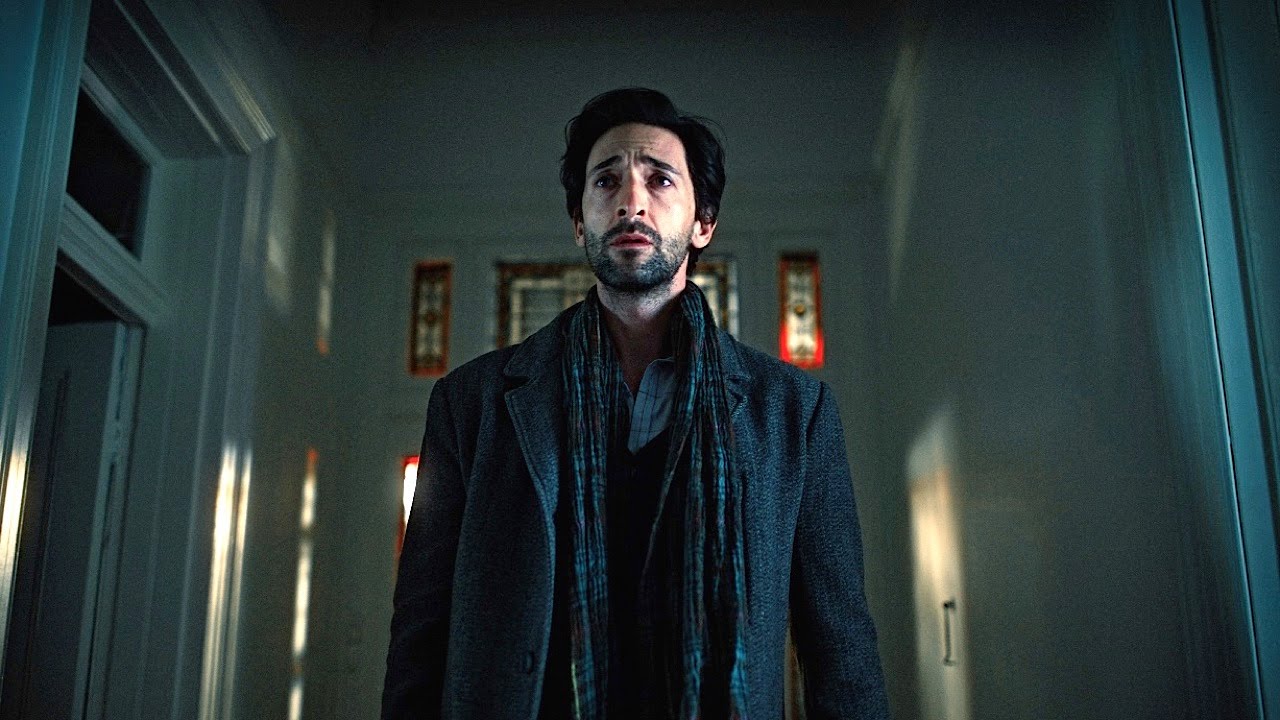
Psychotherapist Peter Bowers (Brody) has his own problems. His daughter has recently been killed in a road accident, and his career is being propped up thanks to the help of his mentor, Duncan Stewart (Neill). He seems to be managing his grief but is prone to moping about with a withdrawn, brooding demeanour that his wife (Baird) prefers to sleep through rather than engage with. As Bowers gets back into the routine of seeing patients, some of their eccentricities – one, a musician (Spence), swears he performed the night before at a club that closed down long ago – begin to worry him. He can’t put his finger on what’s bothering him, and a new patient, a young girl, Elizabeth Valentine (Bayliss), who won’t speak, adds further to his sense that something isn’t quite right.

When the mystery surrounding his patients deepens, Bowers does some detective work and discovers they all have something in common, something that sends him back to his hometown of False Creek and an event that happened twenty years before. As he starts to piece together the facts of what happened when he was a boy, Bowers attempts to reconnect with his father, William (Shevtsov), while also piquing the interest of local police officer, Barbara Henning (McLeavy). And when Bowers thinks he’s got to the bottom of it all, he’s unprepared for yet another revelation that puts his life in danger.

Backtrack - scene3

The above synopsis is deliberately vague because it would be unfair to divulge the movie’s central conceit (though there are plenty of websites that will tell you if you absolutely have to know in advance what it is). The movie itself reveals this “twist” around the half hour mark, and once it does, the movie transforms from awkwardly staged psychodrama with supernatural overtones to mystery thriller with supernatural overtones. It’s not an entirely comfortable switch, and there are more than enough clues to suggest that the movie’s narrative is a combination of two separate story ideas that weren’t strong enough on their own.

However, the switch is also welcome, as writer/director Michael Petroni isn’t as sure-footed exploring Bowers’ grief over the loss of his daughter as he is with letting Bowers loose to solve a twenty-year mystery that nobody – including him – knew was a mystery in the first place. Before Bowers arrives at False Creek, Petroni has him questioning his own sanity, but in such a crude, rudimentary way that his behaviour has all the hallmarks of having been created by someone who’s heard that grief-stricken fathers all behave in the same way. Adrien Brody is a very, very talented actor (and Petroni has been lucky to nab him), but even he can’t do anything with a character who alternates between emotionally devastated and psychologically damaged, and does so without any consistency of reasoning.

Backtrack - scene2

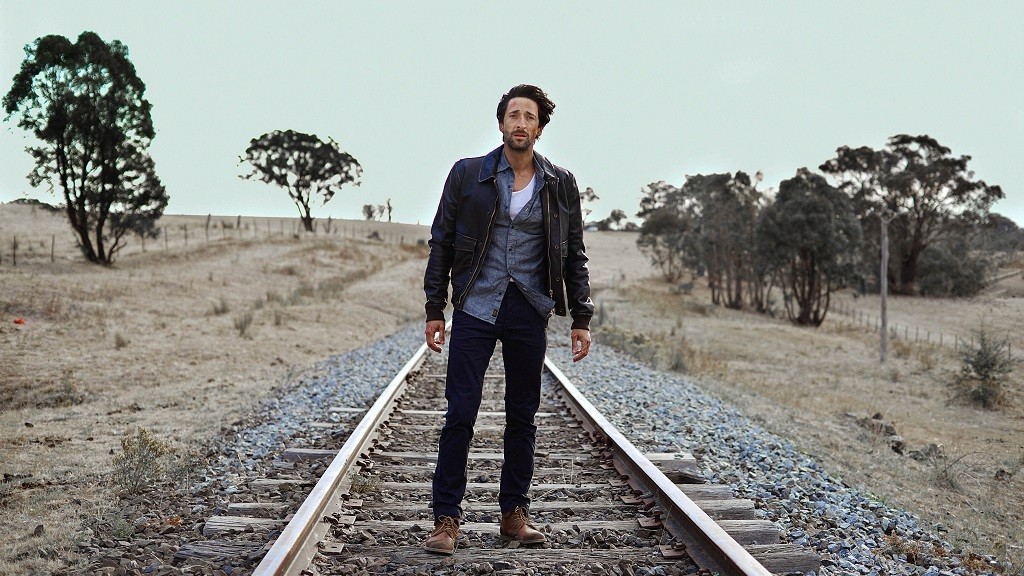
But once Bowers is deposited in the rural backwater that serves as his birthplace and the location of a twenty year old tragedy, Brody is freed from all that brooding and is free to loosen up in his portrayal. Unfortunately, the mystery he’s required to solve is one that will have viewers scratching their heads and wondering if they’re missing something. Coincidence is piled atop coincidence with increasing disregard for credibility, and Brody visits the scene of the tragedy so many times it becomes embarrassing as he remembers “everything”. In between times he argues with his father, arouses the suspicions of Officer Henning, and manages to remember – thanks to some ghostly visitations – that he should still be grieving. His actions appear more selfish and cathartic than altruistic, and even when the scope of the tragedy is revealed (and the mystery that goes with it), Bowers ensures that it’s all still about him.

There’s the germ of a good idea for a movie here, but under Petroni’s watch it’s not allowed to develop fully. The script repeatedly makes leaps of faith that are either baffling or absurd, Neill’s character should have all the answers but disappears too quickly, Officer Henning’s connection to the tragedy is handled as awkwardly as Bowers initial malaise, and a secondary character’s fate is decided on entirely so that one particular clue can be introduced and drive the movie forward. But by this time, most viewers will be beginning to wonder just how silly it can all get; the last ten minutes will reassure them: very.

Backtrack - scene4

Backtrack is a movie with a handful of competent performances, but they’re not allowed to flourish thanks to the vagaries of Petroni’s script, and it’s insistence on being two parts obvious thriller and one part supernatural mishmash. Brody must be wondering what’s happened to his career (The Grand Budapest Hotel seems like such a long time ago now), while Shevtsov and McLeavy are reduced to playing pawns at the mercy of the script and Petroni’s wayward sense of direction (in both senses of the phrase), while Neill is lucky enough to escape with a minor role.

And for a movie shot entirely in Australia, this may be one of the few occasions where an Australian movie looks so nondescript. The early scenes in Melbourne could have been filmed in any large city in any number of countries, and the town of False Creek wouldn’t look out of place anywhere in America’s Deep South. DoP Stefan Duscio did some great work on his last feature, The Mule (2014), but here it’s as if he’s been instructed to make everything look bland and/or neutral. With so little to engage with on an emotional level, it’s one last disappointment to have a movie that’s so insipid to look at as well.

Rating: 4/10 – Petroni asks too much of both his cast and the audience in telling such a dreary tale, with the result that Backtrack is a movie that never really gets started; it doesn’t help that it gets sillier and sillier as it progresses, until by the end whatever positives it possessed at the start have been abandoned in favour of a generic thriller outcome that is as tedious as it is absurdly set up.

Share this:

  • Click to share on X (Opens in new window) X
  • Click to share on Facebook (Opens in new window) Facebook
  • More
  • Click to print (Opens in new window) Print
  • Click to email a link to a friend (Opens in new window) Email
Like Loading...

For One (Stretched) Week Only: Australian Cinema – Part V

25 Tuesday Aug 2015

Posted by dullwood68 in Movies

≈ 3 Comments

Tags

1991-2015, Australian cinema, Baz Luhrmann, Cate Blanchett, Chopper, Heath Ledger, Hollywood, Looking for Alibrandi, Mad Max: Fury Road, Movies, Muriel's Wedding, Nineties, Ozploitation, Sam Neill, Strictly Ballroom, The Adventures of Priscilla Queen of the Desert, The Castle, The Dish

Australian Cinema Part V – 1991-2015

The resurgence of the Australian Movie Industry during the Seventies and Eighties continued into the Nineties, but with an extra consideration: the industry had to make movies that could appeal to foreign audiences as much as those at home. Following the international success of “Crocodile” Dundee (1986), movie makers slowly came round to the idea that Australian movies didn’t have to be so insular or phlegmatic, determinedly historical or austere. It was during the Nineties that more and more Australian movies showed that they could get serious messages across – and still be fun.

Most of these movies were made on low budgets, but they were inventive and funny and warm-hearted, and audiences (and not just in Australia) found themselves enjoying the time they spent with some of the quirkiest characters to come out of any country’s working class psyche. Characters such as the determined Scott Hastings in Strictly Ballroom (1992), the socially awkward Muriel Heslop in Muriel’s Wedding (1994) (“You’re terrible, Muriel”), and the magnificently patriarchal Darryl Kerrigan in The Castle (1997) – these three and more showed audiences just how unconventional Australians could be and still be recognisable as individuals just like us. And these movies were hilarious, tapping into a cultural cheerfulness and sense of the absurdity of every day life that elevated them above the likes of Barry Mackenzie Holds His Own (1974) or The True Story of Eskimo Nell (1975). It was as if Australian producers, writers and directors had somehow (finally) tapped into the nation’s sense of humour and realised what a box office goldmine they had.

Further crowd pleasers followed: The Adventures of Priscilla, Queen of the Desert (1994) was such an unexpected treat that it spawned a stage musical that can still be seen somewhere in the world in 2015. Even now, lines like “Ummm… do you have The Texas Chainsaw Mascara?” and “That’s just what this country needs: a cock in a frock on a rock” are still as laugh out loud funny as they were twenty-one years ago. And the performances in these and other comedies are all first class, guided by precocious up-and-coming directors like Stephan Elliott, P.J. Hogan, and the Dutch-born Rolf de Heer. 1996 saw an Australian movie that successfully combined drama with comedy to provide an emotionally charged study of a musician battling with mental illness. The movie was Shine, and it brought Geoffrey Rush to the world’s attention (and bagged him a Best Actor Oscar). Here was further evidence that Australian movie makers were growing bolder and less afraid of taking risks with their projects. Even when certain movies didn’t achieve their full potential – Doing Time for Patsy Cline (1997), Paperback Hero (1999) amongst others – there was enough that was right about each production to warrant giving each movie a more than cursory look.

Dish, The

With the industry at its healthiest, it eased into the new millennium and gave the world three very different movies that showcased the confidence and eclecticism of contemporary Australian movie makers. One was The Dish (2000), the second was Looking for Alibrandi (2000), and the third was Chopper (2000). Though each movie told a different story in a different style, and they were poles apart in terms of subject matter and approach, with, in particular, Chopper‘s uncompromising violence and hard-edged grittiness contrasted against The Dish‘s feelgood, humanistic recounting of Australia’s involvement in the 1969 Moon landing (who can forget the band playing the US national anthem?), Looking for Alibrandi was an emotionally resonant and complex look at the trials and traumas of regular teenage life. But this disparity was proof that Australian cinema was continuing to be vital and expressive on a variety of themes, and that it was growing bolder with each year, challenging the notion that such a relatively small producer of movies couldn’t possibly hold its own against Hollywood.

Chopper

The decade continued in the same vein, with Australia proving a showcase for the type of talent that couldn’t be found elsewhere. Australia’s cultural heritage, once the “meat and potatoes” of Australian movie production, had given way to examinations of modern day issues that had previously been overlooked or given scant notice. Directors such as Baz Luhrmann came into their own, while actors such as Heath Ledger and Cate Blanchett rose to prominence. Awards from around the world kept flooding in, and there was a feeling that Australian cinema was unbeatable, its refusal to follow cinematic trends or the dictates of other movie industries, leading to further examples of a country finally embracing all the elements and factors that go into making a great Australian movie. Between 2001 and 2006, Australian production companies made and released the following movies:

2001 – Charlotte Gray, Lantana, The Man Who Sued God, Moulin Rouge!

2002 – Black and White, Dirty Deeds, Rabbit-Proof Fence, Swimming Upstream, The Tracker

2003 – Cracker Bag, Gettin’ Square, Japanese Story, The Rage in Placid Lake

2004 – A Man’s Gotta Do, Oyster Farmer, Somersault, Tom White

2005 – Little Fish, The Proposition, Wolf Creek

2006 – Candy, Happy Feet, Jindabyne, Kenny, Ten Canoes

And then in 2007, a strange thing happened: roughly the same amount of movies were being made, but the steady stream of critical and commercial hits dried up. 2007 was a year that yielded a succession of disappointing, uninspired movies, and 2008 proved only slightly better, with only The Black Balloon and Mark Hartley’s energetic Not Quite Hollywood: The Wild, Untold Story of Ozploitation! making any real impact (sad, also, that a movie looking back over Australia’s recent output should prove to be more engaging than its current offerings). 2009 brought some minor gems – The Boys Are Back, Bright Star, In Her Skin, Mary and Max – but again there wasn’t one movie that stood out from the rest in terms of quality or, more importantly, appeal.

Less movies were made in 2010 as the industry began to stumble in the face of increasing disappointment from critics and audiences alike. Animal Kingdom (2010) bucked the trend, but it was alone in its efforts to reinvigorate what many were coming to feel was a stagnant period in Australian movie making. 2011 was no different, leading viewers to mistrust the idea that Australia was still capable of making provocative, entertaining, relevant movies any more. Fred Schepisi had some success with The Eye of the Storm, and Sleeping Beauty was an icily stylised look at sexual compulsion, but again, two movies out of around thirty doesn’t make for a good return.

Sleeping Beauty

As the decade continued, Australian movies found themselves precariously balanced between staying true to their cultural and historical roots (and putting enough of a twist on things to make them appeal to a broader audience), and attempting, as “Crocodile” Dundee (1986) had, to appeal to as wide an audience as possible. A degree of uncertainty seemed to be holding movie makers back, and risk taking seemed to be avoided at all costs. 2012 was no different, and despite featuring new movies from the likes of John Duigan (Careless Love), Rob Sitch (Any Questions for Ben?), Rolf de Heer (The King Is Dead!), and P.J. Hogan (Mental), left many wondering if the industry would ever climb out of the innovative mire it had found itself in.

And then in 2013, signs that a revival – of sorts – was beginning to happen began appearing, with a clutch of movies that showed it wasn’t all doom and gloom (though the industry wasn’t quite out of the woods just yet). Baz Luhrmann released his lavishly mounted but flawed The Great Gatsby. Mystery Road, Tracks, Two Mothers, and The Railway Man were also released and made an impact that suggested the downturn was about to be redressed. And 2014 continued the upward trend, with more well received movies being released than in previous years, including The Babadook, Kill Me Three Times, The Mule, and Predestination.

Now in 2015, there’s still a lingering sense that the industry needs to step up its game. But a massive boost was given to it this year with the return of one, sorely missed, iconic character from Australia’s post-apocalyptic future, Max Rockatansky, in Mad Max: Fury Road. Now officially the most successful Australian movie ever made – sorry, “Crocodile” Dundee – George Miller’s crazy, riotous action movie is the kind of bold, frenetic auteur-driven visual/aural experience that doesn’t come along too often, but if it helps to give Miller’s directing confederates the push needed to make their own bold movies then with a bit of luck Australian cinema might just regain the acclaim it deserved in the Eighties and Nineties.

Mad Max Fury Road

Share this:

  • Click to share on X (Opens in new window) X
  • Click to share on Facebook (Opens in new window) Facebook
  • More
  • Click to print (Opens in new window) Print
  • Click to email a link to a friend (Opens in new window) Email
Like Loading...

Blog Stats

  • 486,528 hits

Recent Posts

  • 10 Reasons to Remember Bibi Andersson (1935-2019)
  • Fantasia (1940)
  • Dances With Wolves (1990) – The Special Edition
  • Kiss of the Spider Woman (1985)
  • The Three Musketeers (1973)

Top Posts & Pages

  • Lost for Life (2013) - Another Look
    Lost for Life (2013) - Another Look
  • Lost for Life (2013)
    Lost for Life (2013)
  • About
    About
  • Mr. Topaze (1961)
    Mr. Topaze (1961)
  • Billy Lynn's Long Halftime Walk (2016)
    Billy Lynn's Long Halftime Walk (2016)
  • Winter's Tale (2014)
    Winter's Tale (2014)
  • The Hitman's Bodyguard (2017)
    The Hitman's Bodyguard (2017)
  • 5 Famous Movie Roles That Nearly Went to Someone Else
    5 Famous Movie Roles That Nearly Went to Someone Else
  • The Layover (2017)
    The Layover (2017)
  • Transcendence (2014)
    Transcendence (2014)
Follow thedullwoodexperiment on WordPress.com

Blogs I Follow

  • Rubbish Talk
  • Film 4 Fan
  • Fast Film Reviews
  • The Film Blog
  • All Things Movies UK
  • Interpreting the Stars
  • Let's Go To The Movies
  • Movie Reviews 101
  • TMI News
  • Dan the Man's Movie Reviews
  • Film History
  • Jordan and Eddie (The Movie Guys)

Archives

  • April 2019 (13)
  • March 2019 (28)
  • February 2019 (28)
  • January 2019 (32)
  • December 2018 (28)
  • November 2018 (30)
  • October 2018 (29)
  • September 2018 (29)
  • August 2018 (29)
  • July 2018 (30)
  • June 2018 (28)
  • May 2018 (24)
  • April 2018 (21)
  • March 2018 (31)
  • February 2018 (25)
  • January 2018 (30)
  • December 2017 (30)
  • November 2017 (27)
  • October 2017 (27)
  • September 2017 (26)
  • August 2017 (32)
  • July 2017 (32)
  • June 2017 (30)
  • May 2017 (29)
  • April 2017 (29)
  • March 2017 (30)
  • February 2017 (27)
  • January 2017 (32)
  • December 2016 (30)
  • November 2016 (28)
  • October 2016 (30)
  • September 2016 (27)
  • August 2016 (30)
  • July 2016 (30)
  • June 2016 (31)
  • May 2016 (34)
  • April 2016 (30)
  • March 2016 (30)
  • February 2016 (28)
  • January 2016 (35)
  • December 2015 (34)
  • November 2015 (31)
  • October 2015 (31)
  • September 2015 (34)
  • August 2015 (31)
  • July 2015 (33)
  • June 2015 (12)
  • May 2015 (31)
  • April 2015 (32)
  • March 2015 (30)
  • February 2015 (37)
  • January 2015 (39)
  • December 2014 (34)
  • November 2014 (34)
  • October 2014 (36)
  • September 2014 (25)
  • August 2014 (29)
  • July 2014 (29)
  • June 2014 (28)
  • May 2014 (23)
  • April 2014 (21)
  • March 2014 (42)
  • February 2014 (38)
  • January 2014 (29)
  • December 2013 (28)
  • November 2013 (34)
  • October 2013 (4)

Blog at WordPress.com.

Rubbish Talk

Film 4 Fan

A Movie Blog

Fast Film Reviews

The Film Blog

The official blog of everything in film

All Things Movies UK

Movie Reviews and Original Articles

Interpreting the Stars

Dave Examines Movies

Let's Go To The Movies

Film and Theatre Lover!

Movie Reviews 101

Daily Movie Reviews

TMI News

Latest weather, crime and breaking news

Dan the Man's Movie Reviews

All my aimless thoughts, ideas, and ramblings, all packed into one site!

Film History

Telling the story of film

Jordan and Eddie (The Movie Guys)

Movie Reviews & Ramblings from an Australian Based Film Fan

Privacy & Cookies: This site uses cookies. By continuing to use this website, you agree to their use.
To find out more, including how to control cookies, see here: Cookie Policy
  • Subscribe Subscribed
    • thedullwoodexperiment
    • Join 481 other subscribers
    • Already have a WordPress.com account? Log in now.
    • thedullwoodexperiment
    • Subscribe Subscribed
    • Sign up
    • Log in
    • Report this content
    • View site in Reader
    • Manage subscriptions
    • Collapse this bar
 

Loading Comments...
 

    %d