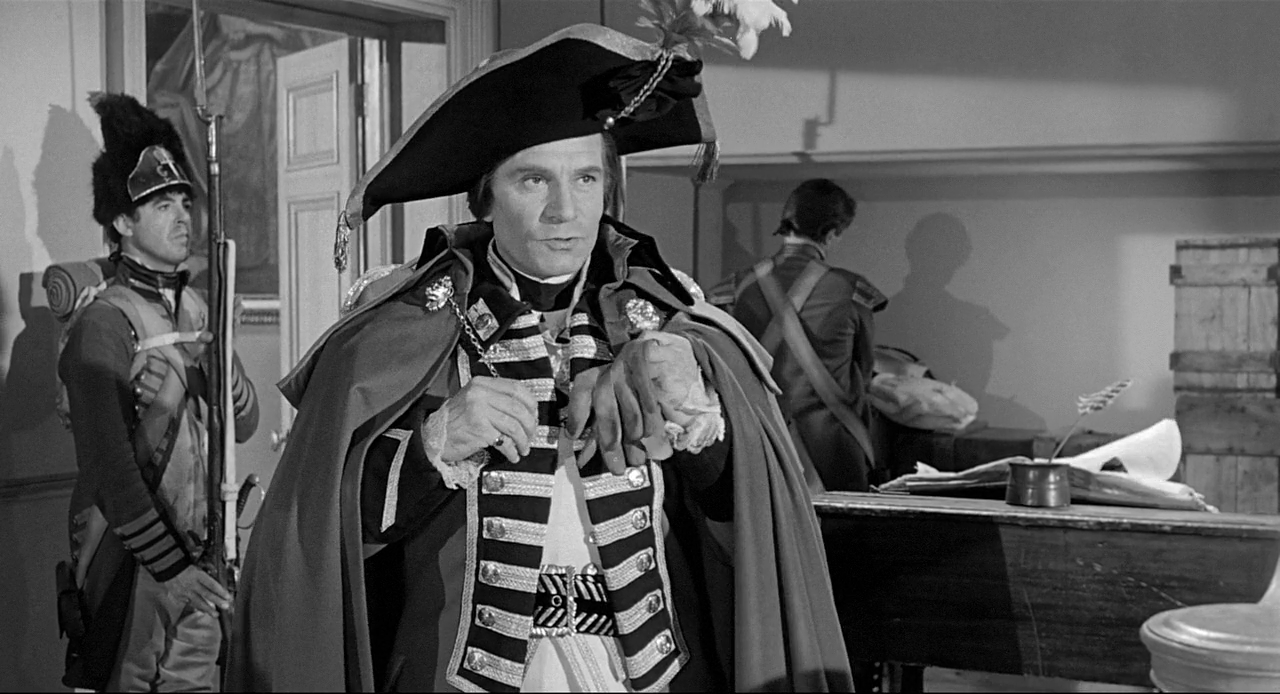
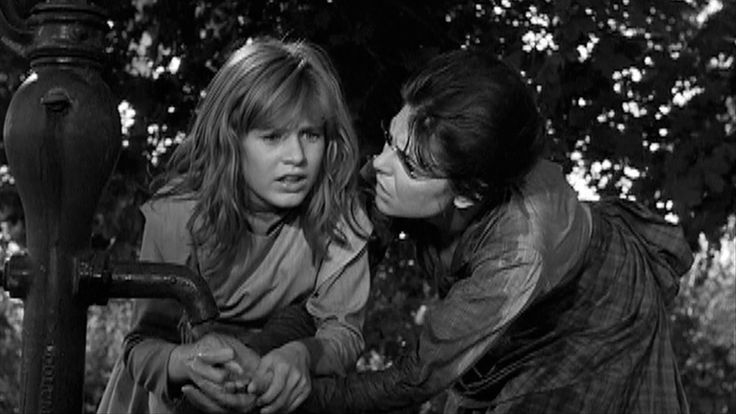
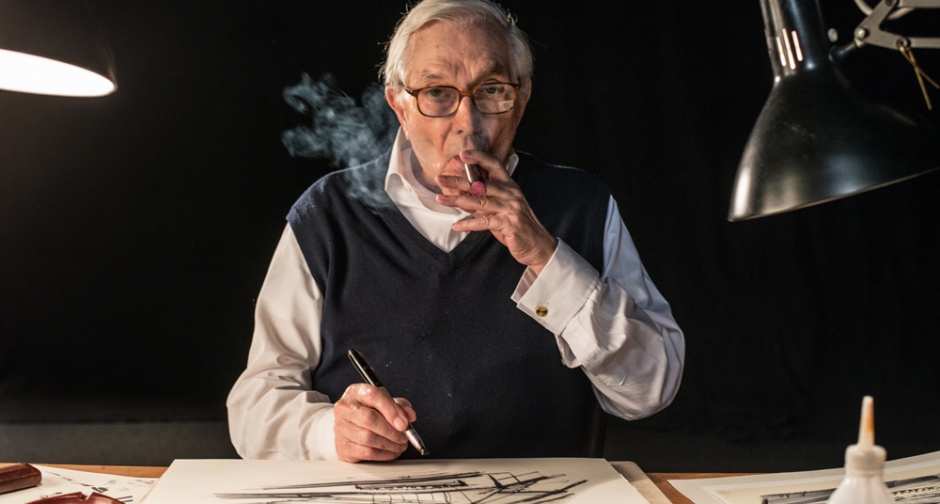
• 10 Reasons to Remember…
  • A Brief Word About…
  • About
  • For One Week Only
  • Happy Birthday
  • Monthly Roundup
  • Old-Time Crime
  • Other Posts
  • Poster of the Week
  • Question of the Week
  • Reviews
  • Trailers

thedullwoodexperiment

~ Viewing movies in a different light

thedullwoodexperiment

Tag Archives: Career

Tim Burton’s 10 Most Successful Movies at the International Box Office

07 Wednesday Sep 2016

Posted by dullwood68 in Movies

≈ Leave a comment

Tags

Career, Director, International Box Office, Tim Burton, Top 10

A consistently quirky and visually inventive director, Tim Burton’s career has followed a steady path through some of the most iconic settings in recent cinema history, from the cod-Gothic streets of Gotham, to a future(past?)-Earth ruled by apes, to the haunted woods of 18th Century New England, and the outer limits of Lewis Carroll’s vivid imagination. For over thirty years, ever since the release of Pee-Wee’s Big Adventure (1985), the wild-haired director has taken us on startling journey after startling journey, and kept us entertained throughout. If his more recent output hasn’t exactly overwhelmed critics and audiences in the way that previous movies have, Burton still has the capacity to excite and stimulate his admirers in a way that few other directors can. This explains the level of anticipation surrounding his latest feature, Miss Peregrine’s Home for Peculiar Children (due later this year), a movie that seems a perfect fit for Burton’s own “peculiar” sensibility. Whether or not it will be as successful as the movies listed below, no one knows – yet* – but if it is, then it will be interesting to see just how successful it is… and how far up the list it lands.

corpse-bride

10 – Corpse Bride (2005) – $117,195,061

A companion piece to Henry Selick’s The Nightmare Before Christmas (1993) with its songs, portrayal of a darker world beyond ours, and stylised animation, Corpse Bride has a lyrical quality to it that highlights the sweetness of the relationship that develops between the nervous Victor Van Dort (Johnny Depp) and the Corpse Bride herself, Emily (Helena Bonham Carter). Burton’s love of animation and its visual possibilities shines through here, as he depicts a world at once familiar and yet also removed from our own, and tugs at our heartstrings in often surprising, yet affecting ways.

9 – Big Fish (2003) – $122,919,055

A terrific cast – headed by Ewan McGregor and Albert Finney – and Burton’s use of fantasy to illustrate the differences (and similarities) between a father and son, helps Big Fish to branch out in unexpected dramatic directions for most of its running time. After the critical debacle of Planet of the Apes, Burton’s foray into what could be loosely termed the Great American Saga is a winning, immensely enjoyable fable that mixes drama, comedy and a delightful imagination to create a uniquely heartfelt story, and is one of Burton’s shamefully under-appreciated features.

8 – Sweeney Todd: The Demon Barber of Fleet Street (2007) – $152,523,164

Tim Burton and Johnny Depp – making a musical together? While the subject matter may well have been a good fit for Burton given his love of Hammer horror movies, an adaptation of the Stephen Sondheim/Hugh Wheeler Broadway success looked like it would fall as flat as Depp’s singing voice. But an arresting production design, plenty of gory throat cuttings, vivid presentations of the songs, and a well-chosen supporting cast all help to make Burton’s incursion into the world of the musical a triumphant success, and one of the best of its kind in recent years.

7 – Sleepy Hollow (1999) – $206,071,502

One of Burton’s more enjoyable romps, Sleepy Hollow is another movie that seems to have been tailor-made for him. The bleak New England setting, the palpable sense of fear amongst the townfolk, and a memorable villain in the Headless Horseman, all contrive to make the movie an ominous yet light-hearted escapade that has a great deal of energy and purpose about it. The period setting, and its science versus the supernatural angle, is deftly handled, and Johnny Depp gives one of his better performances as the in over his (potentially decapitated) head policeman, Ichabod Crane.

sleepy-hollow

6 – Dark Shadows (2012) – $245,527,149

A big fan of the original televison show that ran from 1966-1971, Burton’s take on the Collins’ clan of vampires and their home town of Collinsport, Maine proved to be a misfire that relied way too much on its comedic elements (which aren’t that funny to begin with), and never managed to find a consistent tone. Johnny Depp serves up a prime slice of ham, Eva Green tries to match him, and Burton’s direction feels like it was put together in the editing suite. Even the visuals have a flat, uninspired air about them, as if Burton and his team realised early on that their passion for the project wasn’t going to be enough.

5 – Batman Returns (1992) – $266,822,354

For some, Batman Returns will always be the best of the quartet of Caped Crusader movies made back in the late Eighties/Nineties, and in terms of the story and the plotting, they’d be right. It also sees Burton’s wild and wonderful imagination given even freer reign than on the first movie. Another triumph of production design, Burton’s Gotham is a heavily stylised, bleakly functional place that is the perfect backdrop for its tale of good versus evil. And any movie that features Michelle Pfeiffer in figure-hugging black leather…

4 – Planet of the Apes (2001) – $362,211,740

If there’s one movie in Burton’s oeuvre that really shouts “massive mistake!” it’s the often unbearable-to-watch Planet of the Apes. Remakes of beloved classics rarely turn out well, and this proved the rule. Whether it’s the miscasting of Wahlberg, the terrible script that couldn’t be its own thing and had to keep referencing the 1968 original, the recurring sense of déja vu that dogs the movie as a result, or the defiantly daft-as-a-box-of-frogs surprise ending, the problems are all topped by Burton’s almost complete lack of engagement with the material. There’s a sci-fi movie that Burton could direct out there somewhere, but this definitely isn’t it.

planet-of-the-apes

3 – Batman (1989) – $411,348,924

By the time Burton was earmarked to make Warner Bros.’ new take on Bruce Wayne’s alter ego, he’d achieved a modicum of success and respect thanks to his two previous features, Pee-Wee’s Big Adventure (1985) and Beetlejuice (1988). Batman, though, launched Burton’s career into the stratosphere. It was a brave move on the part of Warner Bros., but Burton rewarded them with a take on the Dark Knight that was at once visionary, bold, and inherently psychological. With strong performances from Michael Keaton and Kim Basinger (usually overlooked, and unfairly so), it’s biggest coup was Jack Nicholson as the Joker, a dazzling, out-there portrayal that in its own, surprisingly effective way, is a match for any other interpretation of the character that’s, well… out there.

2 – Charlie and the Chocolate Factory (2005) – $474,968,763

Roald Dahl and Tim Burton seem like an obvious combination, and it took a while for them to be “teamed up”, but the results were mixed to say the least. While financially successful, Charlie and the Chocolate Factory lacks a lot of the charm of the original, and some of the additions to the script shift the focus away from Charlie himself, and onto Willy Wonka (something Dahl probably wouldn’t have approved of). Along with the movie in the No. 1 spot, it’s also a movie that has been production designed to death, leaving each new “moment of wonder” much like all the rest, and blending into one. Burton reflects on notions of fatherhood and abandonment – a common theme in his movies – but here they feel tired, leaving only Freddie Highmore’s quietly impressive performance for audiences to respond to.

1 – Alice in Wonderland (2010) – $1,025,467,110

Burton’s most successful movie at the box office is not his best, and like Charlie and the Chocolate Factory features a riotous production design that helps paper over the cracks of a wayward script and equally wayward performances. Burton’s usual flair for the bizarre is firmly on display but in such a watered-down fashion that it’s difficult to work out if he was fully engaged with the material (he’s always seemed more at home working on a movie’s pre-production than on the actual shoot). Looking back at the movie, it’s hard to see why Alice in Wonderland has been so successful, as it’s colour-rich phantasmagoria lack the kind of emotional investment to make it all work as it should, and Johnny Depp provides yet another irritating performance. But ultimately it’s Burton’s distance from proceedings that hurts the movie most, and makes it a less than rewarding experience.

alice-in-wonderland

*Miss Peregrine’s Home for Peculiar Children has been as successful as everyone hoped. As of 21 October 2016 it’s made $200,165,118 at the international box office.
Share this:

  • Click to share on X (Opens in new window) X
  • Click to share on Facebook (Opens in new window) Facebook
  • More
  • Click to print (Opens in new window) Print
  • Click to email a link to a friend (Opens in new window) Email
Like Loading...

Steven Soderbergh’s 10 Most Successful Movies at the International Box Office

30 Tuesday Aug 2016

Posted by dullwood68 in Movies

≈ Leave a comment

Tags

Career, Director, International Box Office, Steven Soderbergh, Top 10

An indie movie maker through and through, Steven Soderbergh has made some of the most compelling and thought-provoking movies of the last thirty years. From his breakout Sundance hit sex, lies and videotape (1989), Soderbergh has tackled projects in a wide variety of genres and with an appropriately wide variety of results at the box office. Some have failed to make back the money they cost to make – Gray’s Anatomy (1997), The Good German (2006) – while others have underperformed (see the Top 10 below). But he has had some successes, mostly thanks to a certain franchise, but even outside of those movies, and despite his decision to retire from making movies in 2013, Soderbergh has remained a director you can never quite pin down. If nothing else, this list reflects the diversity of his output, and is a reminder of the quality of his work over the years.

10 – The Informant! (2009) – $41,771,168

A movie that never quite achieved the recognition it deserves, The Informant! uses its real life story in a way that refutes the “zany” approach presented in its trailers, and by doing so makes it much more rewarding. This is due to the combination of Scott Z. Burns’ clever screenplay, Soderbergh’s relaxed direction, and Matt Damon’s beautifully judged performance as deluded whistleblower Mark Whitacre. Ripe for rediscovery, it’s a tragic farce that has far more going on under the surface than most casual viewers will be aware of.

The Informant!

9 – Side Effects (2013) – $63,372,757

Soderbergh brings his usual intelligence and cool approach to thriller-dom with this convoluted and surprisingly well-constructed story set around medical ethics and the nature of psychopathology. While that may sound too highbrow for some, Side Effects revels in its Hitchcockian twists and turns – Soderbergh wanted to recreate the look and feel of old suspense movies for a modern era – and manages to keep audiences guessing all the way to its final reveal.

8 – Out of Sight (1998) – $77,745,568

The oldest Soderbergh movie on the list is also possibly his best, a funny, dramatic, odd couple romance (based on the novel by Elmore Leonard) that features a career-best performance from Jennifer Lopez, and George Clooney in the role that cemented his reputation as an A-lister. Soderbergh is clearly having fun with the material, and it’s easily one of his most visually entertaining movies as well, thanks to his use of stylised colour palettes and freeze frames to highlight significant moments in the story.

7 – Contagion (2011) – $135,458,097

A timely warning about the nature of pandemics and the ease with which they can spread, along with the inability of governments to deal with them in a constructive way, Contagion may have too many storylines (some of which don’t add much to the narrative), but is still an intelligently mounted, urgently prescient movie that uses its multi-national cast to (mostly) good effect – sorry, Marion Cotillard – while maintaining a focus on the pandemic’s impact on regular, individual lives.

Contagion

6 – Magic Mike (2012) – $167,221,571

If you had any doubts about Soderbergh’s ability to tackle a variety of genres and stories, then this behind-the-scenes look at the lives of a group of male strippers should have dispelled any lasting uncertainty. Raucous, raunchy and down to earth, Magic Mike features a terrific performance from Matthew McConaughey, the kind of off-colour humour you’d expect given the characters, and a succession of stage routines that should have female viewers leaning forward in their seats – a lot.

5 – Traffic (2000) – $207,515,725

Another contender for Soderbergh’s best movie (and winner of four Oscars, including one for Soderbergh himself), Traffic is a jolt to the senses that grips from the beginning and never lets go. Examining the drug trade from both sides of the US/Mexico border, from the highest echelons of US law enforcement to the infrastructure of a Mexican cartel, Stephen Gaghan’s impressively detailed script is given more than due justice by Soderbergh, and features equally impressive performances from the likes of Michael Douglas, Don Cheadle, Dennis Quaid, Catherine Zeta-Jones, and Oscar-winning Benicio Del Toro.

4 – Erin Brockovich (2000) – $256,271,286

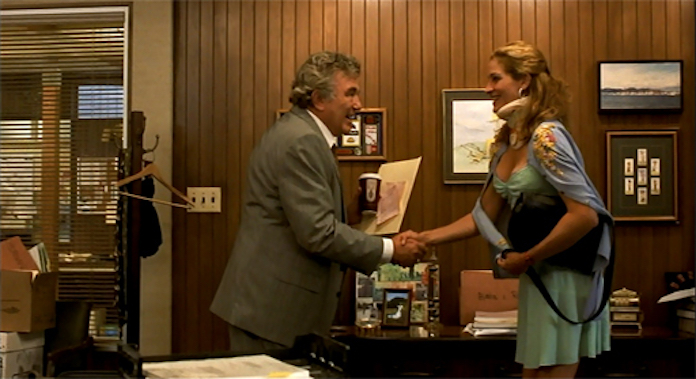
2000 was an amazing year for Soderbergh, what with this and Traffic being released to critical and commercial acclaim. Based on the true story of its titular character, an Oscar-winning Julia Roberts has probably never been better as the no-experience paralegal who brings down a polluting Californian power company through a landmark class action suit. Threaded through the obvious drama are several moments of beautifully judged humour, and Roberts’ teaming with Albert Finney is inspired. All in all, a strong contender for Soderbergh’s most enjoyable and rewarding movie.

Erin Brockovich

3 – Ocean’s Thirteen (2007) – $311,312,624

By the time this second sequel rolled around, Soderbergh and Clooney et al were determined not to make the same mistakes that made Ocean’s Twelve so underwhelming. While still not perfect, Ocean’s Thirteen is definitely more entertaining than its predecessor, even if it tries too hard to be as charming as the first outing, but audiences were willing to give the movie a chance. That it did as well as it did at the box office may well be due to brand recognition, and the popularity of its cast, but it’s also a movie that sees Soderbergh come as close to going through the motions as he’s ever done.

2 – Ocean’s Twelve (2004) – $362,744,280

A sequel to Ocean’s Eleven was always going to come along at some point, but when it did no one could have predicted it would be such a humourless, drama-free non-event. Easily the worst movie of Soderbergh’s entire career – yes, even worse than Underneath (1995) – Ocean’s Twelve is the very definition of a lacklustre movie. It’s almost as if Soderbergh and the returning cast decided to make a movie that was the very antithesis of Ocean’s Eleven, leaving it flat, unsatisfactory, unnecessarily confusing, and too reliant on “reveals” that are in no way foreshadowed anywhere else in the movie.

1 – Ocean’s Eleven (2001) – $450,717,150

Soderbergh’s most successful movie is probably his most well-known and well-regarded feature, a sharp, funny, engaging, clever, mischievous rascal of a movie that recreates the tone of the 1960 original and lends it a (then) modern sensibility that still holds up well fifteen years later. The scam is beautifully staged, the cast make it all look so easy, and the whole thing is handled with Soderbergh’s customary visual flair. It’s a movie that creates tension and expertly crafted edge-of-the-seat moments at every turn, and all of it while the movie is winking at the audience as if to say, “Well? Can you guess what’s happening?”

Ocean's Eleven

Share this:

  • Click to share on X (Opens in new window) X
  • Click to share on Facebook (Opens in new window) Facebook
  • More
  • Click to print (Opens in new window) Print
  • Click to email a link to a friend (Opens in new window) Email
Like Loading...

10 Reasons to Remember Gene Wilder (1933-2016)

29 Monday Aug 2016

Posted by dullwood68 in Movies

≈ Leave a comment

Tags

Actor, Career, Comedy, Gene Wilder, Mel Brooks, Movies, Richard Pryor

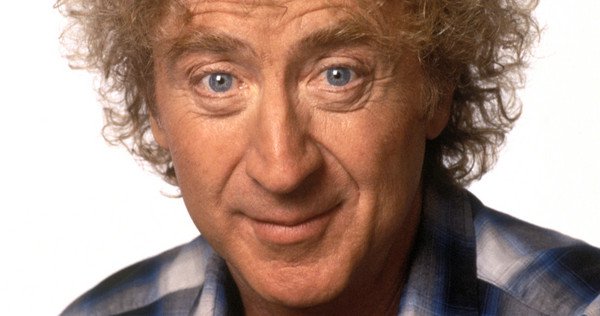
Gene Wilder (11 June 1933 – 29 August 2016)

Gene Wilder

Often wild of eye and generous of grin (and self-confessed Jewish-Buddhist-Atheist), Gene Wilder was an actor who was recruited into comedy by Mel Brooks – and thank Mel for that! It could all have been so different, though. Wilder’s career began in the late Fifties. He trained with Uta Hagen at the HB Studio before being accepted into the Actors’ Studio and taking private classes with Lee Strasberg. In the early to mid-Sixties, Wilder began to make a name for himself in various stage productions, until a production of Mother Courage and Her Children introduced him to Anne Bancroft, who in turn introduced him to her husband, Mel Brooks.

Having regarded himself as a serious, dramatic actor, Wilder acclimated quickly to comedy, and this despite making his feature debut in Bonnie and Clyde (1967). Aside from a handful of TV movies, Wilder didn’t stray from comedy for the rest of his career. But in doing so he provided us with so many wonderful, comic performances that if there had been any more diversions from comedy, it would have seemed like a betrayal.

He was well-known for his work with Brooks (five movies), and Richard Pryor (four movies). These collaborations cemented his fame and fortune, and brought him critical as well as commercial success. During the Seventies, Wilder made a string of movies that traded well on his ability to portray an unhinged loon with complete credibility. No matter what the scenario, Wilder’s high-pitched, hysterical expressions of incredulity were always funny to watch, even with repeated viewings.

Following his retirement from movies in 2003, Wilder decided to concentrate on writing, publishing a memoir as well as several novels and a collection of short stories. His philosophy was simple: “I’d rather be at home with my wife. I can write, take a break, come out, have a glass of tea, give my wife a kiss, and go back in and write some more. It’s not so bad. I am really lucky.” And so are we, to have such an enduring legacy of movies to enjoy for generations to come.

The Producers

1 – The Producers (1967)

2 – Quackser Fortune Has a Cousin in the Bronx (1970)

3 – Willy Wonka & the Chocolate Factory (1971)

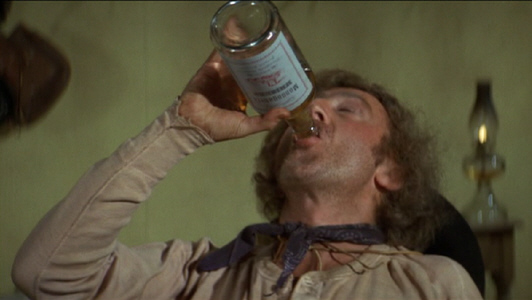
4 – Blazing Saddles (1974)

Blazing Saddles

5 – Young Frankenstein (1974)

6 – The Adventures of Sherlock Holmes’ Smarter Brother (1975)

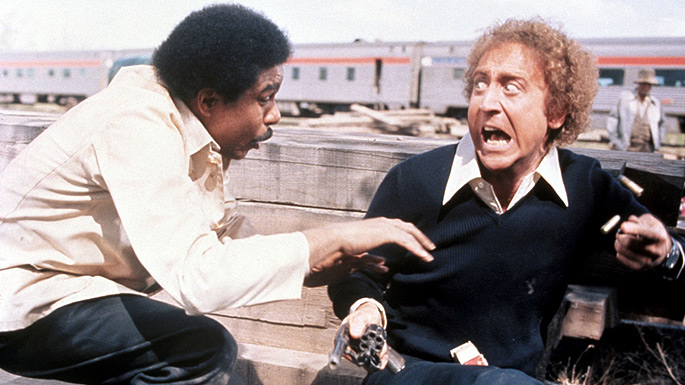
7 – Silver Streak (1976)

Silver Streak

8 – Stir Crazy (1980)

9 – The Woman in Red (1984)

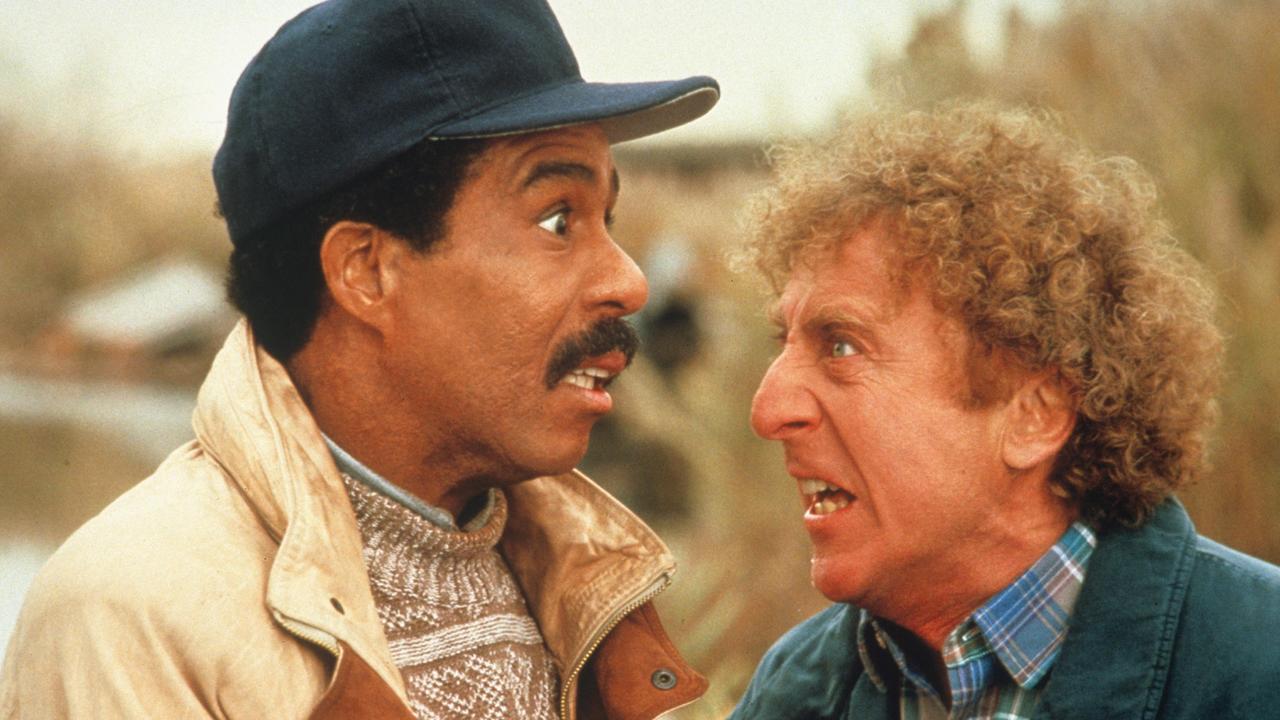
10 – See No Evil, Hear No Evil (1989)

See No Evil, Hear No Evil

Share this:

  • Click to share on X (Opens in new window) X
  • Click to share on Facebook (Opens in new window) Facebook
  • More
  • Click to print (Opens in new window) Print
  • Click to email a link to a friend (Opens in new window) Email
Like Loading...

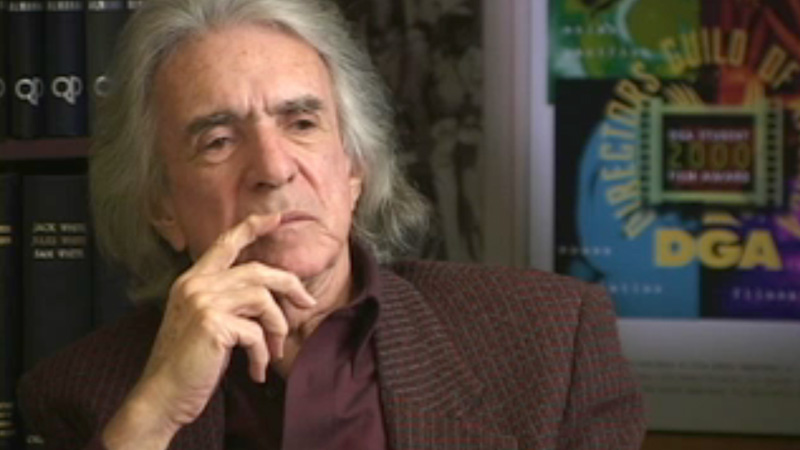
10 Reasons to Remember Arthur Hiller (1923-2016)

17 Wednesday Aug 2016

Posted by dullwood68 in Movies

≈ 3 Comments

Tags

Academy of Motion Picture Arts and Sciences, Arthur Hiller, Canada, Career, Comedy, Director, Directors Guild of America, Rome Open City, Royal Canadian Air Force, World War II

Arthur Hiller (22 November 1923 – 17 August 2016)

Arthur Hiller

Born in Edmonton, Canada to Jewish parents who had immigrated from Poland in 1912, Arthur Hiller grew up in an environment where a love of music and theatre was instilled in him from a young age. He joined the Royal Canadian Air Force at the start of World War II, and became a navigator, flying numerous missions over Europe. In the early Fifties he began directing for Canadian television; this led to his being offered a job directing with NBC. Over the next ten years he worked steadily in television, contributing to shows such as Playhouse 90, Perry Mason, Gunsmoke, Alfred Hitchcock Presents, and Route 66.

During this period he made his feature debut, the coming-of-age romantic drama The Careless Years (1957), but it wasn’t until he worked for Disney on Miracle of the White Stallions (1963) that his movie career began to take off. By then, Hiller’s ability to work within different genres was standing him in good stead, enough for him to move away from television (almost) altogether. After 1965, his TV work consisted of three episodes of the series Insight, episodes that were made over an eleven-year period. Hiller soon allied himself with screenwriters of the calibre of Paddy Chayefsky and Neil Simon, and developed a reputation for making comedies that had a surprising depth to them.

1970 saw the release of Hiller’s most famous, and enduring movie of all, Love Story. The success of the movie cemented his success, and throughout the Seventies, Hiller had a run of hit movies that made him an A-list director. His was a brisk, authoritative style, but there was also a looseness, a sense of fun to his movies that made them more enjoyable than most comedies of the era. He was inspired by a post-War screening of Rome, Open City (1945), and he never lost sight of the emotional truth of his movies, even if some of his later works, such as Carpool (1996) weren’t as effective – or as amusing – as they could have been.

In 1989, he took on the role of President of the Directors Guild of America, a position he held until 1993, when he became President of the Academy of Motion Picture Arts and Sciences for the next four years. He made one last movie, the less than pardonable National Lampoon’s Pucked (2006) (a career nadir for both Hiller and its star, Jon Bon Jovi), before retiring. Hiller will be fondly remembered for the way in which his movies resonated with audiences, their effortless likeability, and the almost timeless quality they carry, and the unassuming yet quietly confident way in which he directed them.

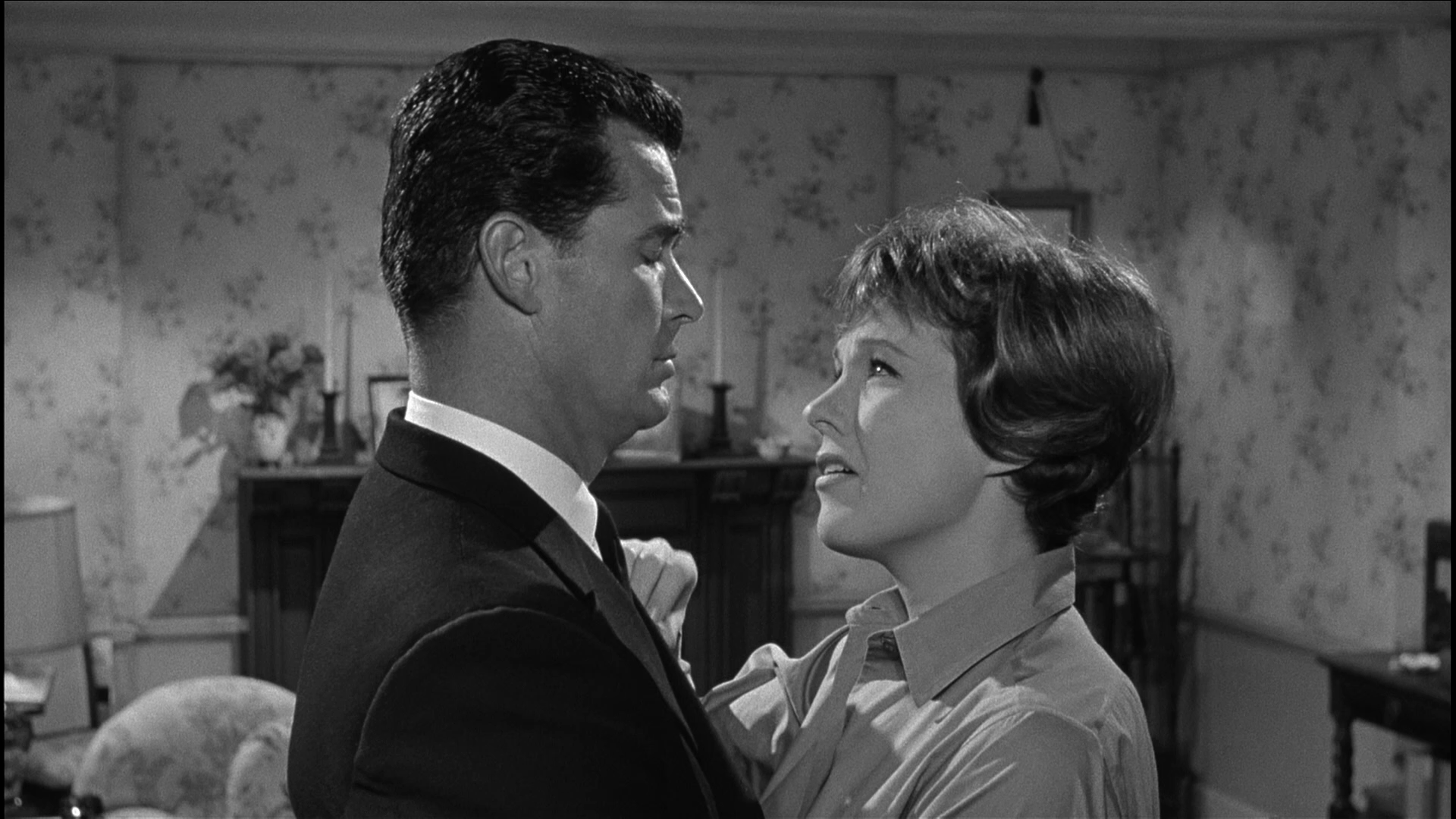
The Americanization of Emily

1 – The Americanization of Emily (1964)

2 – The Out of Towners (1970)

3 – Love Story (1970)

4 – Plaza Suite (1971)

PlazaSuite_Still_26.tif

5 – The Hospital (1971)

6 – The Man in the Glass Booth (1975)

7 – Silver Streak (1976)

Silver Streak

8 – The In-Laws (1979)

9 – The Lonely Guy (1984)

10 – Outrageous Fortune (1987)

Outrageous Fortune

Share this:

  • Click to share on X (Opens in new window) X
  • Click to share on Facebook (Opens in new window) Facebook
  • More
  • Click to print (Opens in new window) Print
  • Click to email a link to a friend (Opens in new window) Email
Like Loading...

Happy Birthday – Ben Affleck

15 Monday Aug 2016

Posted by dullwood68 in Movies

≈ Leave a comment

Tags

Actor, Ben Affleck, Boiler Room, Career, Changing Lanes, Going All the Way, Happy Birthday, Hollywoodland, State of Play

Ben Affleck (15 August 1972 -)

Ben Affleck

Few actors have had the career that Ben Affleck has (mostly) enjoyed. From his first appearance in the rarely seen drama The Dark End of the Street (1981) up until his more recent appearances as the Caped Crusader in both Batman v Superman: Dawn of Justice and Suicide Squad (both 2016), the Berkeley-born multi-hyphenate has made a number of critically acclaimed movies, been one half of the critically derided Bennifer, and staged a comeback thanks to a series of critically acclaimed directorial outings. In front of the camera he’s better as a brooding, contemplative anti-hero than the comic actor he was asked to be so often in his early career, while behind the camera he’s proved he can deliver some of the finest dramatic movies of recent years. And of course, he’s a two-time Oscar winner, for co-writing Good Will Hunting (1997) with Matt Damon, and for being a producer on Argo (2012). It would seem that his future is now inextricably linked with the DC Extended Universe – though we shouldn’t hold that against him – so it may be that his profile won’t extend much beyond that particular arena in the coming years. But even so, Affleck has enough clout within the Hollywood industry now to ensure that whatever he does in the coming years, it will be warmly received and showered with awards (unless he dons a batsuit). Here though are five movies he’s made that are worth seeing because of his involvement.

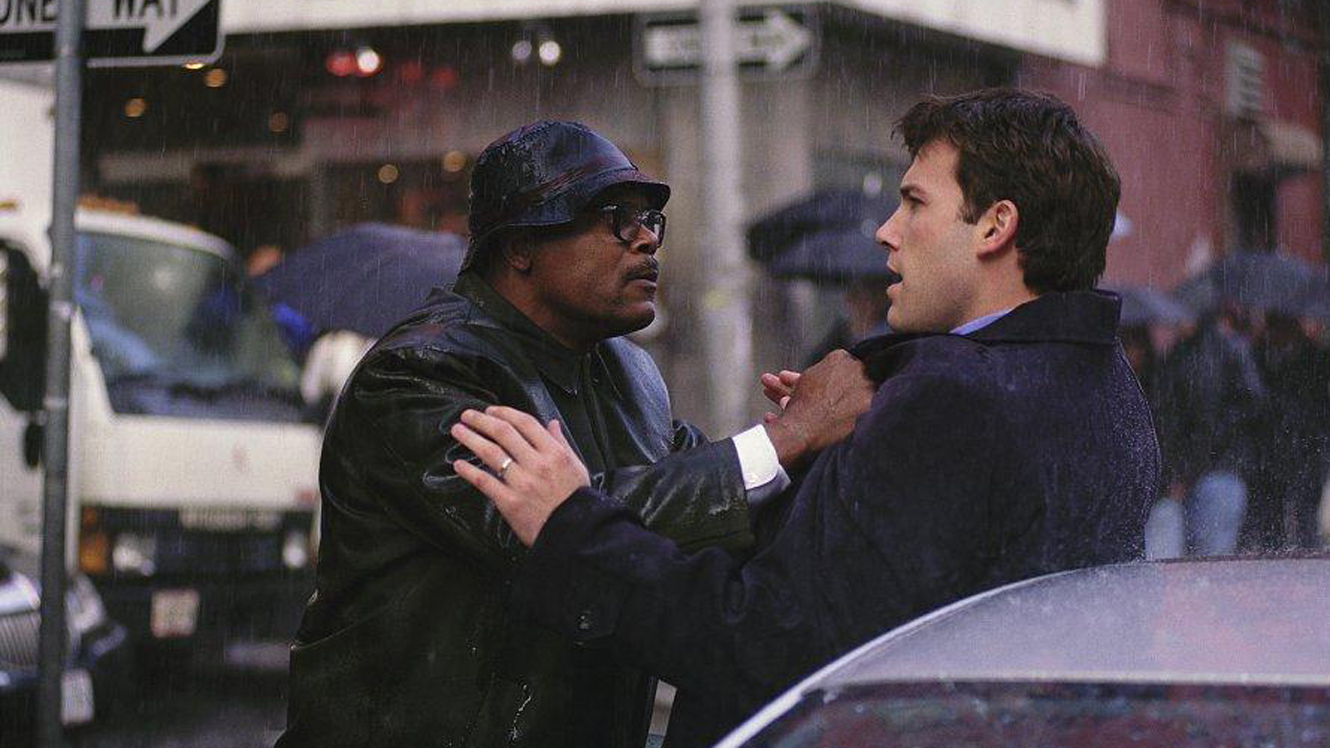
Changing Lanes (2002) – Character: Gavin Banek

Changing Lanes

A simple traffic accident leads to outright hostilities between a young lawyer (Affleck) and an alcoholic insurance salesman (Samuel L. Jackson) in Roger Michell’s cautionary tale, a movie that cleverly shifts its sympathies between both men while also condemning their behaviour at every turn. Affleck subverts his natural charisma to good effect in a performance that is the epitomy of “sweaty desperation”.

Boiler Room (2000) – Character: Jim Young

Boiler Room

Affleck essays a supporting role here, playing the boss to Giovanni Ribisi’s aspiring investment broker in a movie that is unapologetically hard-boiled and rapacious. It may be Ribisi’s movie – and he’s very very good in it – but Affleck is unnervingly convincing as one of the co-founders of the firm he works for, and gives a scene-stealing performance early on that few actors of his generation could have provided.

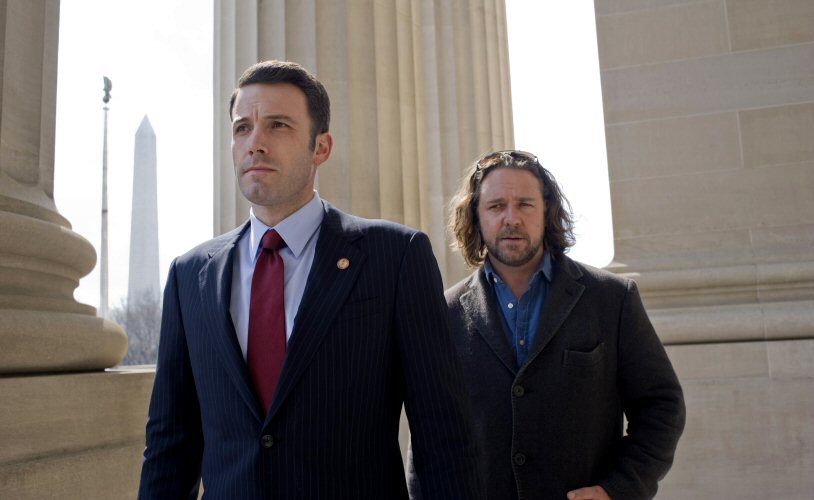
State of Play (2009) – Character: Stephen Collins

State of Play

An uneven but still gripping adaptation of the original BBC series, this sees Affleck as the potentially corrupt congressman who may or may not be involved in a string of murders being investigated by his old friend, a newspaper journalist (played by Russell Crowe). Affleck takes a role that could have been strictly by-the-numbers, and imbues it with a complexity that matches the narrative and makes for a worthy adversary for Crowe’s dogged journalist.

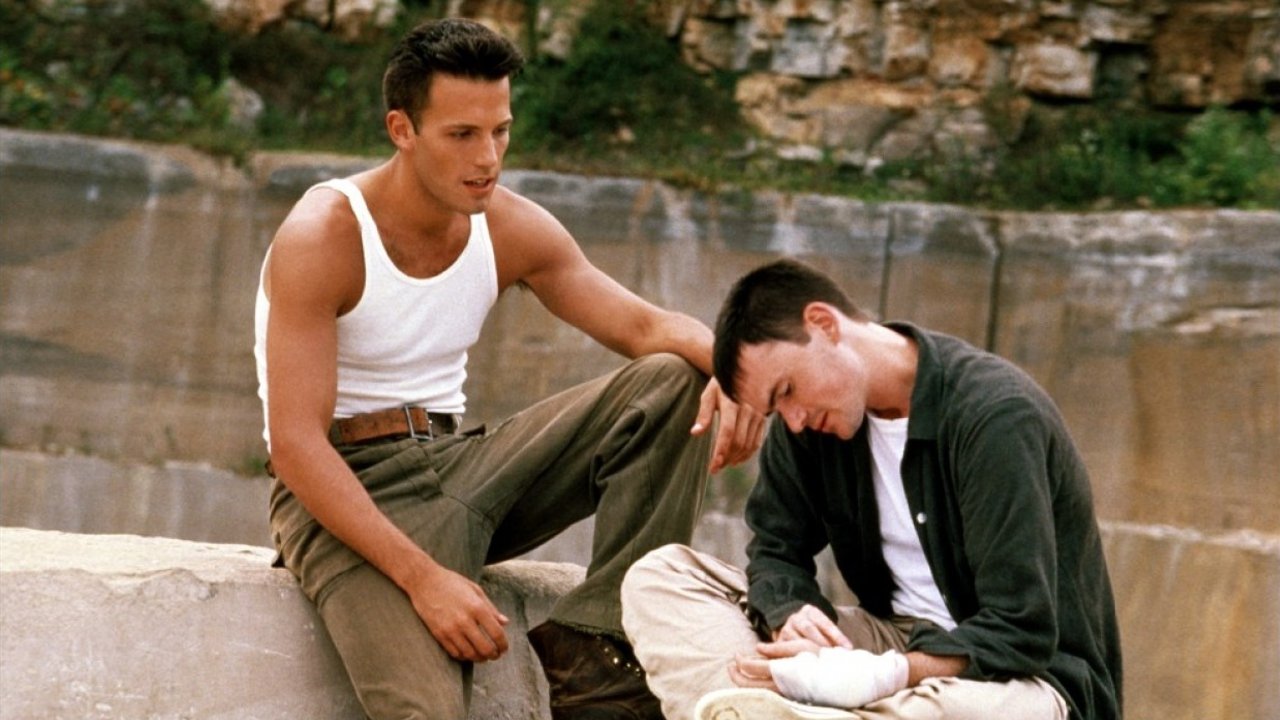
Going All the Way (1997) – Character: Gunner Casselman

Going All the Way

As the extrovert buddy to Jeremy Davies’ introverted ex-serviceman in post-Korean War America, Affleck takes on a role that requires him to flaunt his obvious sexuality, and he rises to the challenge with gusto. Whenever he’s on screen he’s like a magnet for the eyes, a jock you can’t underestimate, and a character with much more depth than is usual for this type of role. Knowing this, Affleck gives an affecting performance, and steals the movie right from under Davies’s nose.

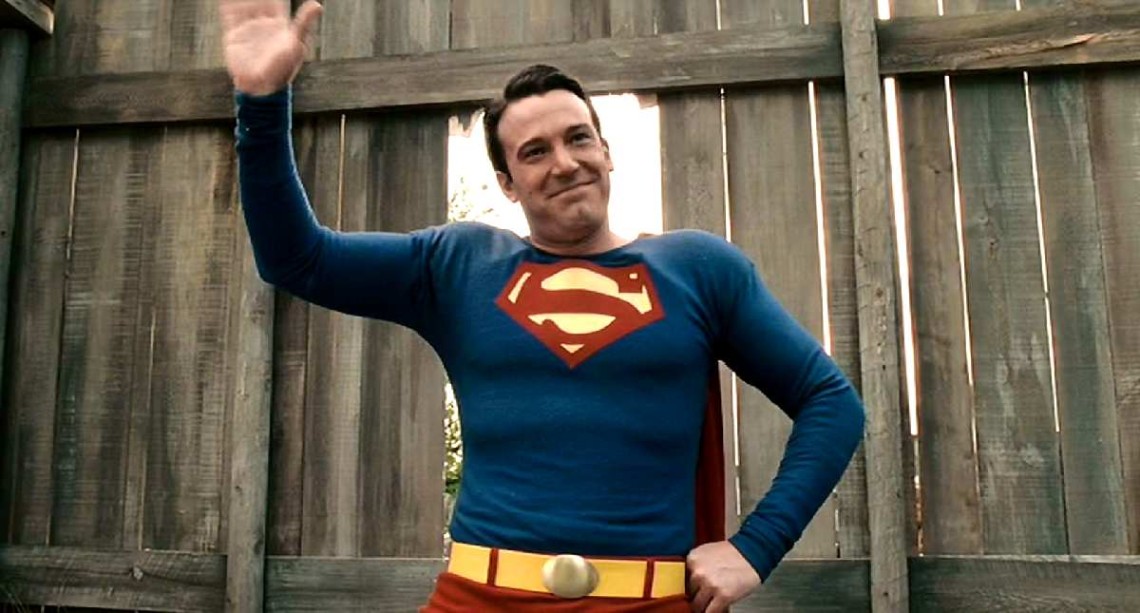
Hollywoodland (2006) – Character: George Reeves

Hollywoodland

For some, this is Affleck’s finest hour as an actor. As the increasingly haunted, yet charming Reeves (who played Superman on TV in the Fifties), Affleck gives a subtly shaded performance that reveals Reeves’ inability to deal with the pressures of fame, and highlights Affleck’s skills as an actor. Full of wonderful intuitive touches, it’s a supporting performance that feels like a lead role, and is mesmerising to watch, all a tribute to Affleck’s research, and commitment to the (real-life) character.

Share this:

  • Click to share on X (Opens in new window) X
  • Click to share on Facebook (Opens in new window) Facebook
  • More
  • Click to print (Opens in new window) Print
  • Click to email a link to a friend (Opens in new window) Email
Like Loading...

Ron Howard’s 10 Most Successful Movies at the International Box Office

04 Thursday Aug 2016

Posted by dullwood68 in Movies

≈ Leave a comment

Tags

Career, Director, International Box Office, Ron Howard, Top 10

Having successfully made the transition from actor to A-list director, Ron Howard has retained his populist focus ever since he made his first short movie, Old Paint, back in 1969. He’s also a director who moves from genre to genre, and while some of his detractors insist he doesn’t imprint his own particular stamp on any of them, he still has a recognisable style that’s all his own, whether it’s ramping up the tension as the Apollo 13 crew try to solve the problem of getting back home from the Moon, examining the life and times of one of Britain’s most iconic racing drivers, or indulging in some light-hearted fantasy romance involving a mermaid. In each of these there’s a subtle understanding that Howard takes it all very seriously but at the same time is having fun putting it all together, like a kid in a candy store who can pick anything he wants. He’s not the edgiest, or grittiest of directors, and sometimes the subject matter isn’t always a good match for his strengths (e.g. In the Heart of the Sea), but he isn’t afraid to take risks, and when he does connect with the right material, the effect can be breathtaking. Here then are his ten most successful movies at the international box office, and evidence (if it were needed), that you don’t have this much success unless you’re getting it right more times than not.

NOTE: As always, box office figures are all thanks to the good folks at boxofficemojo.com.

10 – Cinderella Man (2005) – $108,539,911

Howard’s biopic of the boxer James Braddock – apparently washed-up but with one last championship fight left in him – Cinderella Man reunites the director with Russell Crowe and makes the Depression-era Thirties as much of a character as any of the people depicted. It’s a powerful piece about pride and redemption, and of all the movies on this list is probably Howard’s most underrated project. A towering achievement, and in terms of recreating an age where people had to fight for so many things, including the right to a basic life, Braddock’s tale is a salutary lesson in self-belief and how not to give up.

Cinderella Man

9 – Parenthood (1989) – $126,297,830

Howard has always been able to assemble great casts for his movies, and Parenthood is no exception. A comic ramble through the ups and downs of, yes, parenthood, Howard deftly explores the stresses and strains, and quiet heroics, that make up being a parent, and along the way keeps things grounded yet heartfelt. It’s a small, unassuming masterpiece of a movie, with terrific performances from Steve Martin and Dianne Weist, and features early turns from Keanu Reeves and Joaquin Phoenix (back when he was known as Leaf Phoenix). And as Jason Robards’ character so aptly puts it, parenting is “like your Aunt Edna’s ass. It goes on forever and it’s just as frightening.”

8 – Far and Away (1992) – $137,783,840

Tom Cruise and Nicole Kidman in a romantic drama set against the backdrop of the Irish famine – what could possibly go wrong? Critics were quick to answer, and while it’s true that Far and Away isn’t the best example of Howard’s work in this list (it lacks passion and sincerity, and never engages the audience as powerfully as it should), it still retains a certain flavour that helps overcome the movie’s soap opera narrative and the overly romanticized nature of much of the material. Howard plays up the central relationship but is hampered by (then married couple) Cruise and Kidman’s lack of chemistry, leaving him adrift in a way that wouldn’t happen again until In the Heart of the Sea.

7 – Backdraft (1991) – $152,368,585

In between Parenthood and Far and Away, Howard made this testosterone-fuelled homage to US firefighters, and in the process made a movie that easily fits the term “guilty pleasure”. A certain amount of romanticism is involved (witness Kurt Russell tackling raging infernos without a helmet or breathing apparatus), and it’s allied to a mystery concerning a string of arson attacks, but the movie scores highly when it puts its willing cast in amongst the flames, and when Howard dials back the heroics to examine just what it is that drives these men on in such dangerous circumstances. Nascent star William Baldwin has never been better, but he’s still overshadowed by the likes of Scott Glenn, Robert De Niro, J.T. Walsh, and Donald Sutherland as Backdraft‘s very own version of Hannibal Lecter (“Burn it all”).

Prince WIlliam County firefighters watch as visiting British firefighters Phil Driver (center/front) and Gary West (left/front) demonstrate British firefighting techniques in the county's flashover simulator, a chamber about the size of a cargo container which allows firefighters to experience the growth and progression of a fire under controlled conditions. Dylan Moore photo

6 – Ransom (1996) – $309,492,681

A cynical yet memorable thriller with stellar turns from Mel Gibson and Gary Sinise, Ransom sees Howard apply tension by the bucket load as he charts the response by Gibson’s mega-rich businessman to the kidnapping of his son. Howard pulls out all the stops, making the movie an often heart-stopping experience, and it’s a shame that he’s not found another project to bring out the same qualities he displays here. Helped immeasurably by his star’s commitment, the former Richie Cunningham dispels any idea that he can’t do “edgy” when the material requires it, making this one of the rare occasions in his career when Howard has actively refuted his critics.

5 – A Beautiful Mind (2001) – $313,542,341

The true story of asocial mathematician John Nash, A Brilliant Mind brought Howard and Russell Crowe together for the first time, and earned Oscars for both of them. A meticulous, solidly grounded exercise that explores with creativity and sensitivity the mind of a schizophrenic genius, the movie is far more audacious than perhaps even its supporters are aware, and its place in the list shows just how successfully Howard’s approach to the material scored a hit with, and resonated with, audiences around the world. A strong contender for the title of Howard’s best movie, and a testament to the notion that there are no stories – true or otherwise – that can’t be made if a director is confident enough to trust in the material (in this case, Akiva Goldsman’s succinct and sympathetic screenplay).

4 – How the Grinch Stole Christmas (2000) – $345,141,403

A rare foray into fantasy for Howard, and twelve years after the disappointment that was Willow. Adapting Dr Suess for a live action big screen outing may have seemed foolhardy at the time, but Howard enters into the spirit of things and makes the movie one giant confection to be enjoyed over and over again. With the inspired casting of Jim Carrey as the Grinch, and the good doctor’s off-kilter sensibility given free rein, Howard is free to indulge himself as much as the audience, and the result is a movie that sees him having fun with the garish environs of Whoville, the innate pomposity of the Whovian “intelligentsia”, and the waspish barbs uttered by the Grinch. A joy from start to finish.

How the Grinch Stole Christmas

3 – Apollo 13 (1995) – $355,237,933

Howard has always had a healthy attraction for true stories of courage, but he excelled himself with this gripping, incredibly well mounted account of the crew of Apollo 13’s attempt to get back home after their mission suffers from setback after setback after setback. Howard is aided by a string of impressive performances, from Tom Hanks, Kevin Bacon and Bill Paxton as the beleaguered astronauts, to Ed Harris’s no-nonsense mission controller, and all the way down the cast list to people such as Kathleen Quinlan, and good luck charm Clint Howard. But it’s the verisimilitude achieved by Howard and his design team that registers the most, making Apollo 13 entirely credible and helping to make the astronauts’ predicament as taut as possible. Even if you know the outcome, Howard’s ability as a director will still keep you guessing if they actually get home – and that’s no small feat.

2 – Angels & Demons (2009) – $485,930,816

This and Howard’s most successful movie probably won’t be any surprise but what can’t be denied is that having a built-in audience is half the battle won. Reteaming with Hanks for what is actually a prequel to The Da Vinci Code, Howard retains the faithful adaptation approach he took with Dan Jones’ first outing for symbologist Robert Langdon, but still can’t do anything to combat the problems inherent in Jones’ wayward tale of corruption and murder within the Vatican. As a result, this seems more like Howard taking a back seat to the material and getting on board solely as a director for hire, rather than as an instigator.

1 – The Da Vinci Code (2006) – $758,239,851

The fan base was there, and a big screen adaptation was always going to happen, but of all the directors to take up the challenge of making Dan Jones’ literary behemoth, Howard probably wasn’t anyone’s first choice. Nevertheless, he does the best he can to replicate the pace and urgency of the novel, and elicits another committed performance from Hanks, but is hampered at every turn by the absurdities of Jones’s story; so much so that the book’s big revelation is a tepid affair at best, and risible at worst. But this was always going to be a success, and if you’re going to be attached to the movie version of a global phenomenon, that’s still no bad thing for your reputation. With third adaptation Inferno due to hit screens later this year, it’ll be interesting to see where it will fit into this list in a year’s time, though it’s unlikely to topple this first outing.

The Da Vinci Code

Share this:

  • Click to share on X (Opens in new window) X
  • Click to share on Facebook (Opens in new window) Facebook
  • More
  • Click to print (Opens in new window) Print
  • Click to email a link to a friend (Opens in new window) Email
Like Loading...

Ridley Scott’s 10 Most Successful Movies at the International Box Office

17 Sunday Jul 2016

Posted by dullwood68 in Movies

≈ Leave a comment

Tags

Career, Director, International Box Office, Ridley Scott, Top 10

In a career that spans nearly forty years, Ridley Scott has directed so many arresting and visually memorable movies, and in such a wide variety of genres, that it doesn’t seem to matter what projects he takes on, he’s pretty much guaranteed an audience when they’re released. He’s a meticulous, well-prepared director who likes to do as much as possible practically, though is more well-known for two movies whose use of CGI made them more successful than they perhaps would have been without it. The movies in this list have made over $3 billion at the international box office, so you can see why he’s a much sought after director, and never seems to take a break between movies. In his seventies now, he’s still preparing and making movies with the same energy and passion that he had nearly forty years ago. Let’s hope most, if not all, of his future projects are as successful as the ones listed below.

NOTE: Figures for Alien (1979) and Blade Runner (1982), two movies you would have thought would make the list, are sadly unavailable.

10 – Body of Lies (2008) – $115,097,286

Terrorism in the Middle East, and the murky involvement of the CIA, are the focus of Scott’s taut thriller which reunites Leonardo DiCaprio and Russell Crowe for the first time since Sam Raimi’s The Quick and the Dead (1995). It’s a complex piece of work with many subplots and layer upon layer of political expediency and moralising adding texture to the movie’s more overt thriller elements. If it doesn’t succeed entirely then it’s not for want of Scott trying, and there’s a standout performance from Mark Strong that overshadows the work of both DiCaprio and Crowe – and that’s saying something.

Body of Lies

9 – Black Hawk Down (2001) – $172,989,651

Scott has always had a penchant for true stories, and Black Hawk Down, the tale of one hundred and twenty-three elite US soldiers making an incursion into Somalia and then finding themselves battling against a much stronger Somali force than their intelligence was aware of, is no exception. Scott brings an impressive sense of realism to the movie, and the fighting sequences are as intense as you’d expect, but what makes this movie work is the way in which Scott and screenwriter Ken Nolan manage to make the audience care about each and every one of those one hundred and twenty-three soldiers as if we’d known them all our lives.

8 – Kingdom of Heaven (2005) – $211,652,051

Unfairly maligned when it was first released, Kingdom of Heaven is a sprawling epic set at the time of the Crusades that feels like it was made to (belatedly) cash in on Scott’s success with Gladiator (2000). Happily, this is its own movie, and while some of the politicking of the time is overlooked in favour of too many battle scenes, Scott keeps things relatively simple and coaxes a better-than-expected performance from Orlando Bloom. That said, if you want to see the movie, choose the three-hour Director’s Cut instead of the theatrical version.

7 – American Gangster (2007) – $266,465,037

Another true story, this time centred around the life of drugs kingpin Frank Lucas (played by Denzel Washington), and set in the Seventies, American Gangster sees Scott reunited again with Russell Crowe, and holding back on the visual flourishes in order to tell a dramatic story on its own terms. It’s not quite the sweeping historical epic that its run time would have you believe, but it does feature strong performances from its two leads, and the clever tricks of Lucas’s trade make for fascinating viewing.

6 – Exodus: Gods and Kings (2014) – $268,175,631

You can see the attraction for Scott in a movie based around the rivalry between Moses and his “brother” the Pharaoh Ramses, but thanks to a script that seems to have been patched together at short notice, Exodus: Gods and Kings is a dramatic mess that can’t even elicit good performances from Christian Bale and Joel Edgerton, and also features some of the least convincing (i.e. ropiest) CGI seen in recent years. A misfire then, but Scott still manages to invest the movie with his customary, and always worthwhile, attention to detail.

Exodus Gods and Kings

5 – Robin Hood (2010) – $321,669,741

Less of a swashbuckling approach to the Robin Hood myth than a retread (in part) of Robin and Marian (1976), Scott’s fifth collaboration with Russell Crowe aims for earthy realism, but in doing so, fails to include a lot of what makes the myth so popular and entertaining. Scott marshals the visual elements with his trademark flair but can’t seem to inject any energy into Brian Helgeland’s too-respectful script. This leaves the movie feeling uneven and less than engaging, and the relationship between Robin and Maid Marian (played by Cate Blanchett) seems more matter-of-fact than truly romantic.

4 – Hannibal (2001) – $351,692,268

Scott’s first sequel (and so far only one, until Alien: Covenant comes out next year) sees him inherit the services of Anthony Hopkins but not Jodie Foster as Hannibal details what the cannibal doctor did next. There’s an over-abundance of style that should seem out of place but somehow works, and though Julianne Moore struggles as Clarice Starling, nevertheless Scott imbues her scenes with Hopkins with a delicate mutual dependency that gives the storyline some much-needed depth. And then there’s that scene at the end…

3 – Prometheus (2012) – $403,354,469

When it was first announced that Scott was returning to the world of Alien, and with a prequel at that, fans of the series wept for joy. Alas, Prometheus left audiences with more questions than they had answers to, and in particular, what on earth happened that it turned out so badly? Scott may know the answer to that one, but his insistence on practical physical surroundings aside, this woeful exercise in late-bloom franchise expansion lacked subtlety, a coherent script, and featured a drab performance from Noomi Rapace – all things that Scott didn’t appear to have a solution for.

2 – Gladiator (2000) – $457,640,487

They said the days of sword-and-sandal epics was dead, that audiences didn’t want to see those kinds of movies anymore, where the hero had bigger breasts than the heroine, and the sets wobbled if anyone went near them. Thankfully, Scott and co-screenwriters David Franzoni, John Logan and William Nicholson had other ideas and the result is a triumphant reminder that when Scott is on top form there’s very few directors who can match him. Stirring, impressive (the scenes in the Coliseum really do buzz with excitement), with a handful of terrific performances and a sense of its own destiny (along with its lead character), this is high concept movie making at its best.

1 – The Martian (2015) – $630,161,890

Despite his being known as a director of science fiction movies, The Martian is only Scott’s fourth outing in the genre, but thanks to a near-perfect blend of drama, comedy and thrills, along with a standout performance from Matt Damon, this tale of an astronaut stranded on Mars and needing to stay alive until a rescue mission can reach him, is gripping, tightly structured, and a few narrative concerns aside, absolutely commanding. That it’s Scott’s most successful movie so far is perhaps not so surprising given the subject matter and Damon’s performance, but when you consider this was made very quickly indeed, it’s a tribute to Scott and his cast and crew that it turned out as well as it did.

The Martian

Share this:

  • Click to share on X (Opens in new window) X
  • Click to share on Facebook (Opens in new window) Facebook
  • More
  • Click to print (Opens in new window) Print
  • Click to email a link to a friend (Opens in new window) Email
Like Loading...

Happy Birthday – Chiwetel Ejiofor

10 Sunday Jul 2016

Posted by dullwood68 in Movies

≈ Leave a comment

Tags

Actor, Birthday, Career, Dirty Pretty Things, Endgame, Kinky Boots, Serenity, Talk to Me

Chiwetel Ejiofor (10 July 1977 -)

Chiwetel Ejiofor

A British actor who has found his mark in American movies, Chiwetel Ejiofor – pronounced Chew-eh-tell Edge-ee-oh-for if you’re not sure – has appeared in a number of high-profile features since he caught the attention of Steven Spielberg, and was cast in Amistad (1997). Since then he’s had the serious good fortune to appear in movies directed by the likes of Ridley Scott (twice), Woody Allen, Spike Lee (also twice), Roland Emmerich, and Joss Whedon. By his own admission he’s attracted to strong, dramatic stories, hence the reason Love Actually (2003) is one of the very few comedies to grace his CV, but it is that intensity and drive he can bring to a movie that makes his performances so memorable, even in something as disappointing as Secret in Their Eyes (2015). He’s best remembered for his award-winning portayal of Solomon Northup in 12 Years a Slave (2013), but fortunately it’s not a movie or a role that has pigeon-holed him since, and with his upcoming appearance as Baron Mordo in Marvel’s Doctor Strange (2016), it’s clear that he’ll continue to make a variety of dramatic movies, and in any genre. Here are five more movies that he’s appeared in over the years. Together, all of them confirm his range as an actor – as if this was needed – and all of them are well worth seeking out if you haven’t done already.

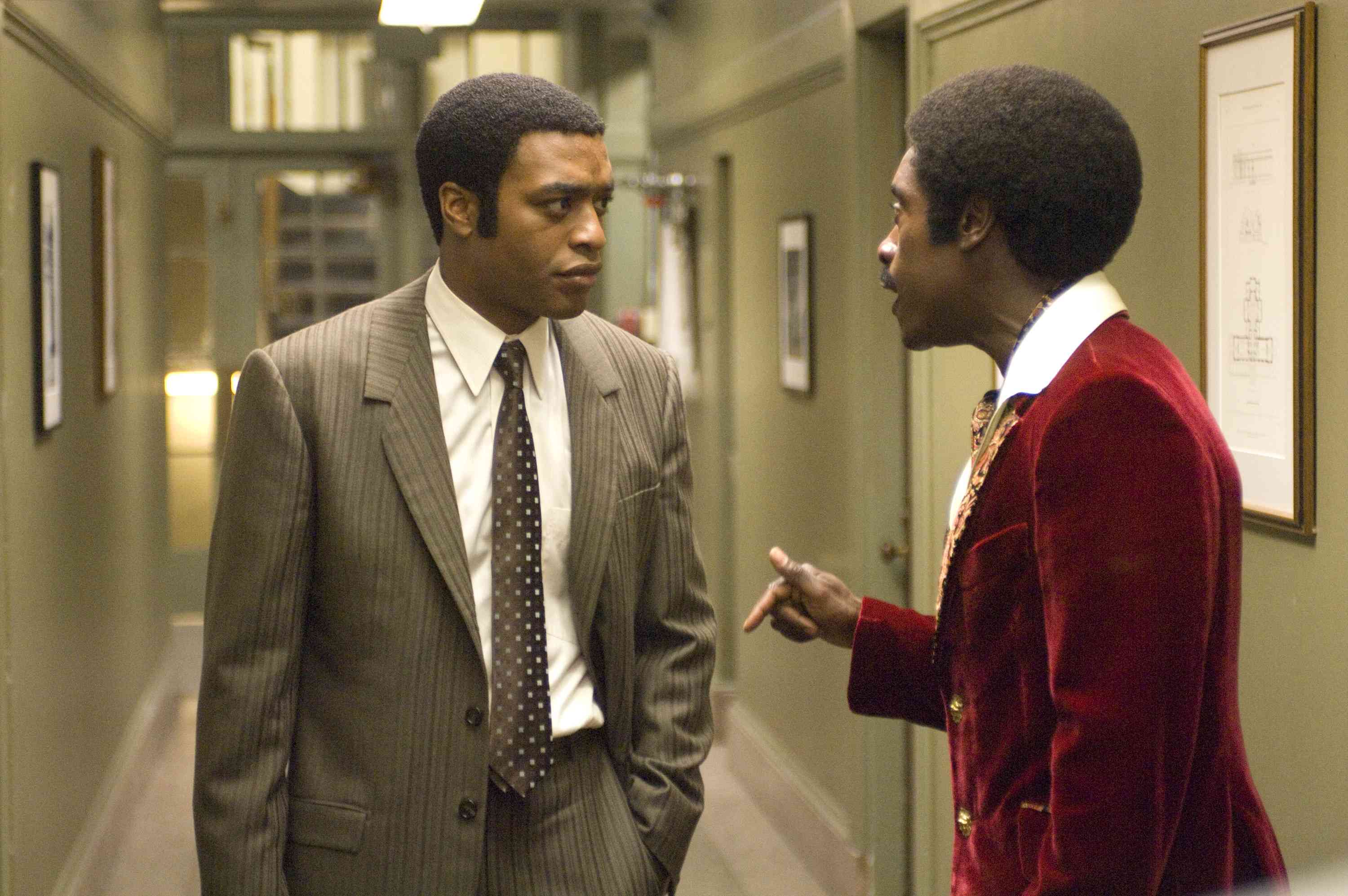
Talk to Me (2007) – Character: Dewey Hughes

Talk To Me

A movie about the life and times of ex-con and radio personality Ralph “Petey” Greene (played by Don Cheadle), sees Ejiofor playing his friend and manager. He gives an inspired (and award-winning) performance that perfectly complements Cheadle’s, and the movie’s examination of one of America’s most turbulent periods – the late Sixties, early Seventies – is faithfully depicted. Even if the episodic nature of the narrative stops the movie from being as powerful as it could have been, Ejiofor’s portrayal of Hughes is nothing short of outstanding.

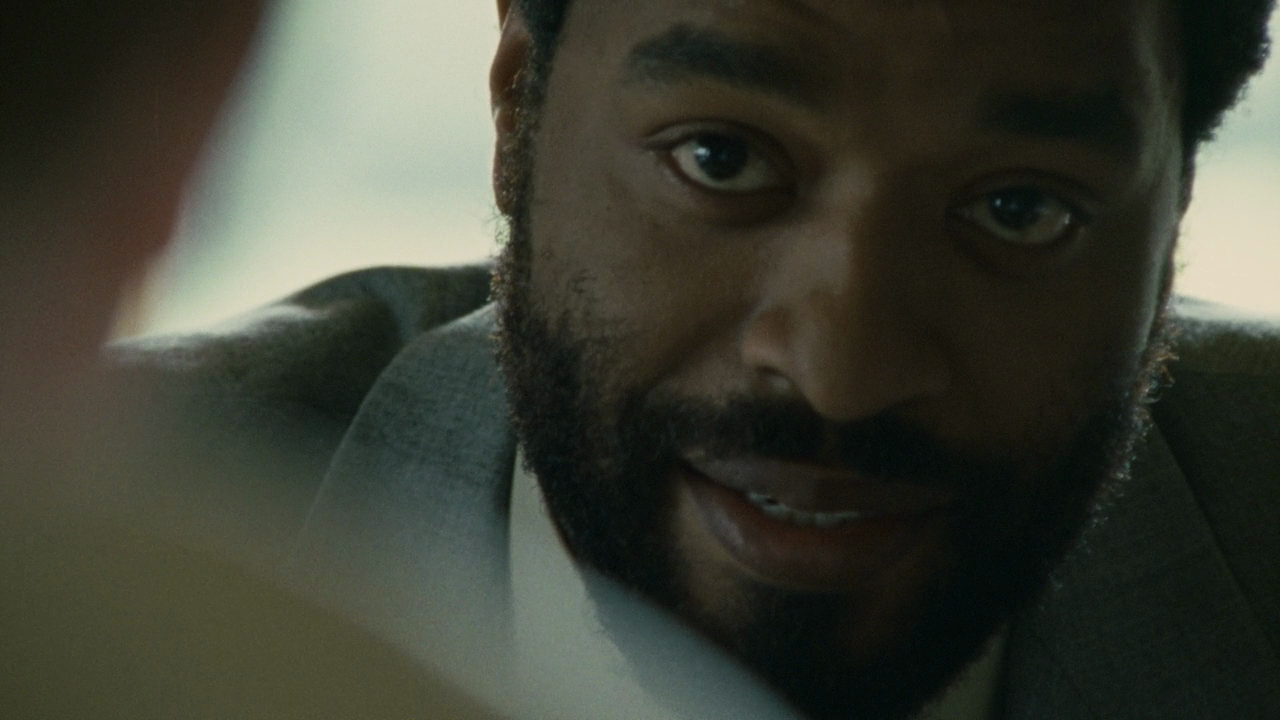
Dirty Pretty Things (2002) – Character: Okwe

Dirty Pretty Things

A British movie that deals with issues of immigration and racism, Dirty Pretty Things is bolstered by yet another award-winning performance by Ejiofor. As a Nigerian doctor forced to leave his country and who finds front of house work at a hotel that hides a terrible secret, Ejiofor brings an honesty and sincerity to his portrayal that never once falters. He’s particularly good in his scenes with Audrey Tautou (as a Turkish Muslim seeking asylum), and does a superb job of maintaining Okwe’s fatalistic-yet-hopeful character, even when the odds that he’ll find happiness are stacked against him.

Endgame (2009) – Character: Thabo Mbeki

Endgame

The second true story in this list, Endgame concerns itself with the secret talks held between the African National Congress and the Afrikaner National Party as they tried to reach an agreement to end apartheid. As Mbeki, Ejiofor gives yet another excellent performance – this time alongside William Hurt’s professor of philosophy, Willie Esterhuyse. The relationship that evolves between the two men serves as an example of what life in South Africa without apartheid could be like, and as the passionate, demanding Mbeki, Ejiofor is on such good form he’s almost hypnotic.

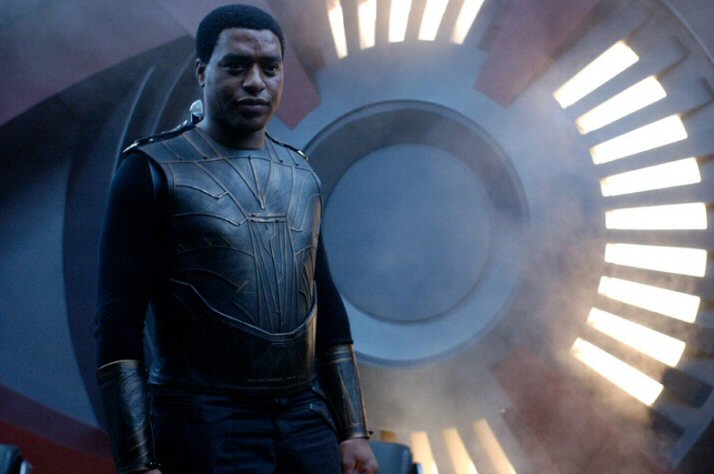
Serenity (2005) – Character: The Operative

Serenity

Ejiofor’s first encounter with science fiction couldn’t have been more enjoyable – for him and for fans of the short-lived TV series Firefly. As the mysterious and determined Operative, Ejiofor elevates the character’s seemingly banal, villain-101 demeanour into something much more interesting and calculated. He also fits in well with the established cast, and proves more than capable of holding his own against the likes of Nathan Fillion and Alan Tudyk, while also creating a role that is memorable for being unexpectedly layered.

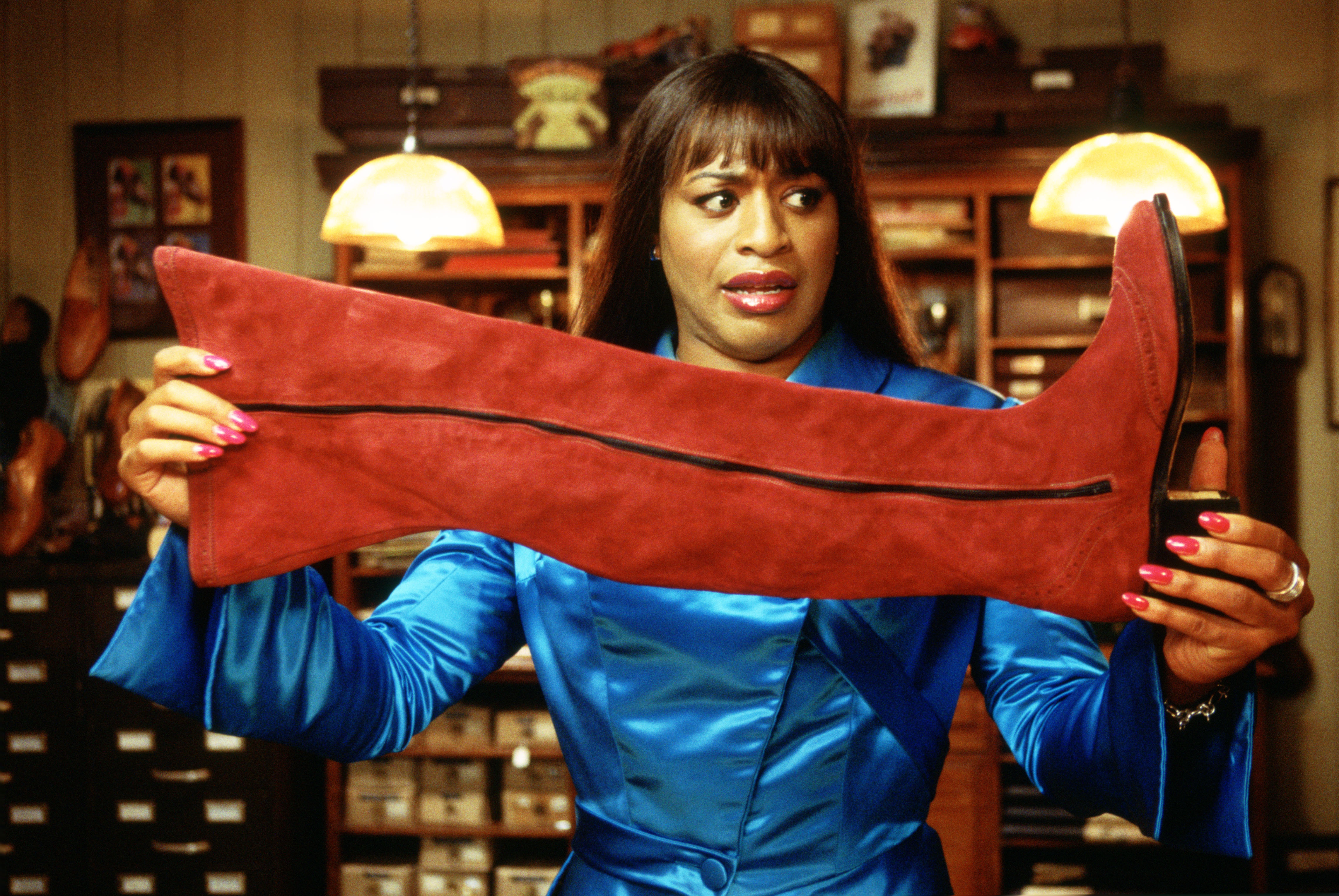
Kinky Boots (2005) – Character: Lola/Simon

Pictured: Lola (Chiwetel Ejiofor ) in Julian Jarrold's 'Kinky Boots'.

There’s much fun to be had in this, the tale of a Northampton shoe manufacturer whose livelihood is threatened by falling sales – until owner Charlie (played by Joel Edgerton) comes up with the idea for making bespoke boots for drag queens. As one of those drag queens, Ejiofor mixes comedy and drama with ease, and reveals a fine singing voice into the bargain. It’s effectively a supporting role, but when he’s on screen, Ejiofor holds the viewer’s attention like no one else – and that’s not just because of the outfits he’s called on to wear.

Share this:

  • Click to share on X (Opens in new window) X
  • Click to share on Facebook (Opens in new window) Facebook
  • More
  • Click to print (Opens in new window) Print
  • Click to email a link to a friend (Opens in new window) Email
Like Loading...

Steven Spielberg’s 10 Most Successful Movies at the International Box Office

06 Wednesday Jul 2016

Posted by dullwood68 in Movies

≈ Leave a comment

Tags

Career, International Box Office, Steven Spielberg, Top 10

He’s been entertaining audiences for nearly fifty years now, ever since his first professional gig directing an episode of Marcus Welby, M.D. in 1970. Since then he’s become the world’s most successful director, his movies earning a combined total of over four billion dollars. But which of Steven Spielberg’s movies have attracted the biggest audiences and earned the most at the international box office? Read on to find out.

10 – Minority Report (2002) – $358,372,926

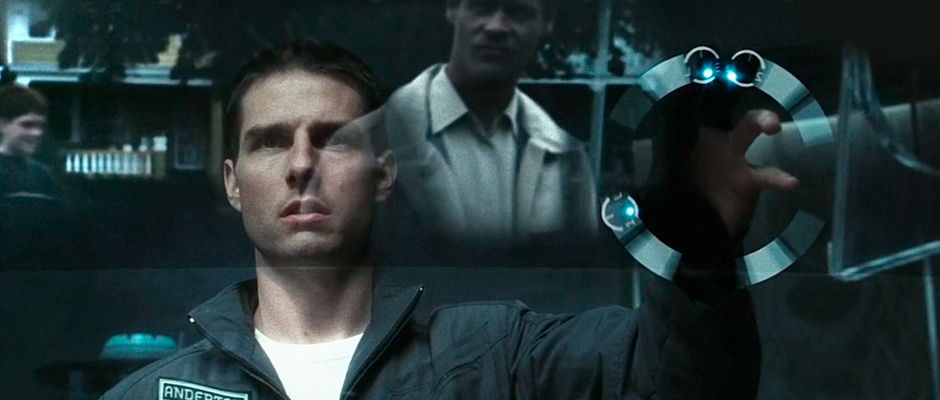
“Everybody runs…” stated the tagline, and audiences flocked to see Spielberg’s adaptation of a short story by Philip K. Dick, with its clever, cerebral murder mystery and crunching action sequences. It also marked the first of two collaborations with Tom Cruise, and showed that, once again, Spielberg was more than capable of creating a believable vision of the future.

Minority Report

9 – The Adventures of Tintin (2011) – $373,993,951

Spielberg takes on motion capture with mixed results, in a movie that translates Hergé’s tenacious young detective from page to screen in a way that provides some stunning visuals but which also forgets to make the story more involving than it is. The Bearded One has a ball, and this is perhaps Spielberg’s loosest, most carefree movie since 1941 (1979).

8 – Jaws (1975) – $470,653,000

The movie that made Spielberg a household name, Jaws still has the power to unnerve successive generations of audiences, and persuade viewers that staying out of the water is still a pretty good option. A rollercoaster ride that never lets up, Spielberg pulls out all the stops, makes Peter Benchley’s source novel seem better than it is, and elicits a trio of terrific performances from Robert Shaw, Roy Scheider and Richard Dreyfuss.

7 – Indiana Jones and the Last Crusade (1989) – $474,171,806

What should have been the last in the series sees Spielberg make up for the darker excesses of Indiana Jones and the Temple of Doom (1984), and regain the sense of fun that made Raiders of the Lost Ark (1981) so appealing. The inclusion of Sean Connery is, of course, a stroke of genius, but the movie’s highlight is that tank chase, a marvellous exercise in thrills, perfectly timed stuntwork, and breezy humour that still impresses today.

6 – Saving Private Ryan (1998) – $481,840,909

After pulling no punches in his examination of the Holocaust in Schindler’s List (1993), Spielberg brought home the true horror of the D-Day landings by thrusting his audience into the thick of it all for twenty of the most gruelling, gut-wrenching minutes in cinema history. The search for Private Ryan and the events that follow lack that initial visceral intensity, but this is still Spielberg operating at a level that few other directors can match.

Saving Private Ryan

5 – War of the Worlds (2005) – $591,745,540

Spielberg’s second collaboration with Tom Cruise was a box office success but lost its way in the final third, leaving critics and audiences alike wondering how Spielberg and screenwriter David Koepp could have failed to maintain the movie’s pace and energy from its stunning opening, and gripping central section. Whatever your view, this is easily one of the best, most effective alien invasion movies ever made, and all because the characters and not the spectacle are the focus.

4 – The Lost World: Jurassic Park (1997) – $618,638,999

Not one of Spielberg’s best thanks to an erratic screenplay courtesy of the normally reliable David Koepp, this inevitable sequel sees Spielberg struggling to repeat the sense of wonder he brought to the original. It’s overlong as well, and there are only a few instances where Spielberg finds his groove, but this took as much as it did at the box office because nobody else was able to come close to making dinosaurs look this impressive.

3 – Indiana Jones and the Kingdom of the Crystal Skull (2008) – $786,636,033

A prime example of one too many trips to the well, what was until recently Indiana Jones’s swansong movie – a fifth entry is due in 2019 (when Harrison Ford will be seventy-seven) – this sees Spielberg aiming to restore the last-gasp, derring-do atmosphere of Ark and Crusade, while being undermined by a script that loses sight of what made those movies so enjoyable in the first place.

2 – E.T. – The Extra-Terrestrial (1982) – $792,910,554

Spielberg’s ode to childhood and miracles can still invoke a wide variety of emotions including wonder. It also provides all the evidence needed to remind audiences that Spielberg is a director who has such a deep connection to the child in all of us, that he can make us wish we were that young again. Forget the minor changes he made in the 20th anniversary re-release, this remains one of the most powerful, and emotional, fantasy movies ever made.
1 – Jurassic Park (1993) – $1,029,153,822

Dinosaurs. ‘Nuff said.

Jurassic Park

Share this:

  • Click to share on X (Opens in new window) X
  • Click to share on Facebook (Opens in new window) Facebook
  • More
  • Click to print (Opens in new window) Print
  • Click to email a link to a friend (Opens in new window) Email
Like Loading...

10 Reasons to Remember Abbas Kiarostami (1940-2016)

05 Tuesday Jul 2016

Posted by dullwood68 in Movies

≈ 1 Comment

Tags

Career, Close-Up, Director, Iran, Minimalism, Non-actors

Abbas Kiarostami (22 June 1940 – 4 July 2016)

Abbas Kiarostami

And so we say goodbye to yet another iconic figure from the world of movie making. As if 2016 hasn’t been bad enough so far, to lose Abbas Kiarostami as well is like being kicked in the stomach while you’re already on the floor. Kiarostami wasn’t just one of the most influential figures in Iranian film – if not the most – he was also one of the most influential figures in film worldwide, an artist who prompted Jean-Luc Godard to say, “Film begins with D.W. Griffith and ends with Abbas Kiarostami.”

He began his career at the age of thirty after having set up a film section at Tehran’s Centre for Intellectual Development of Children and Young Adults. He made his first movie, a short called Nan va Koutcheh (The Bread and Alley) in 1970, and continued his career during the Seventies by making an eclectic mix of short movies, features and documentaries. As he developed and refined his style, his movies became more and more minimal. Kiarostami kept stripping away everything he felt was extraneous or unnecessary, until he had the essence of the story he wanted to tell. Audiences across the globe began to connect with his movies with the release of Close-Up (1990), a mesmerising treatise on life and art and the blurring that often occurs at the boundaries of these two elements.

From there he went from strength to strength, his movies often appearing to great acclaim at film festivals around the world, while in Iran, they were largely ignored by the authorities, his way of reflecting Iranian social attitudes apparently providing little enticement for them to interfere or complain. Thus free of the constraints that have affected fellow movie makers such as Jafar Panahi and Mohammad Rousolof, Kiarostami was able to make the movies he wanted to make, and his continued success, along with critical approbation, made the release of his movies something to anticipate and cherish. He often worked without a script and was keen to improvise, and he also enjoyed crafting performances from non-actors, using their inexperience to capture a more realistic mise-en-scene. His last work, the documentary Venice 70: Future Reloaded, was released in 2013. He leaves behind an impressive body of work, and the grateful thanks of movie goers around the world who have been captivated by his simple yet telling way of movie making, and the wholly human worlds he’s invited us into over the years.

The Report

1 – The Report (1977)

2 – Where Is the Friend’s Home? (1987)

3 – Close-Up (1990)

4 – Through the Olive Trees (1994)

5 – Taste of Cherry (1997)

Taste of Cherry

6 – The Wind Will Carry Us (1999)

7 – Ten (2002)

8 – 10 on Ten (2004)

9 – Shirin (2008)

10 – Certified Copy (2010)

Certified Copy

Share this:

  • Click to share on X (Opens in new window) X
  • Click to share on Facebook (Opens in new window) Facebook
  • More
  • Click to print (Opens in new window) Print
  • Click to email a link to a friend (Opens in new window) Email
Like Loading...

10 Reasons to Remember Michael Cimino (1939-2016)

02 Saturday Jul 2016

Posted by dullwood68 in Movies

≈ Leave a comment

Tags

Career, Director, Heaven's Gate, Michael Cimino, The Deer Hunter

Michael Cimino (3 February 1939 – 2 July 2016)

Michael Cimino

Throughout his career, Michael Cimino was a divisive figure. To some he was a maverick movie maker who didn’t care about budgets, ignored studio heads in his efforts to make the best movie he could, and who once said of Francis Ford Coppola, “Why do you think Francis is re-cutting Apocalypse [Now]? He’s dried up. I’m going forward; he’s going backward.” To others he was a genius, one of the most controversial directors of his era, and someone whose movies contain aspects and representations of poetic realism. Whichever camp you fall into, he will always be remembered for two movies: The Deer Hunter (1978) and Heaven’s Gate (1980). The first was a multi-Oscar winning triumph, the second was a movie that supposedly caused the downfall of its studio, United Artists. Both are masterpieces in their own right, and both examine the American experience on different frontiers in powerful and striking ways. If Cimino had never made another movie after those two, he would still be highly regarded.

But after Heaven’s Gate, Cimino found it increasingly difficult to get funding for his projects, and he often butted heads with studio executives on the movies he was offered – Footloose (1984) was just one of many movies he could have directed but managed (maybe deliberately) to get himself fired from. Among the projects he tried to get made were adaptations of Ayn Rand’s The Fountainhead (with Clint Eastwood as Howard Roark), Frederick Manford’s Conquering Horse (to be filmed entirely in the Sioux language with English subtitles), and Andre Malraux’s Man’s Fate (to be filmed in Shanghai with Johnny Depp and Daniel Day-Lewis). He was always channelling various ideas and plans but thanks to the notoriety surrounding Heaven’s Gate he became an untrustworthy figure in Hollywood circles, though he did have his supporters. If he had been able to continue his career in the way he wanted, who knows how many other masterpieces he could have made. But he leaves us with a small body of work that is impressive on so many levels, from his early screenwriting credits all the way through to his contribution to the portmanteau movie To Each His Own Cinema (2007). Again, whatever your point of view regarding the man and his work, one thing’s for certain: he’s not a director who’ll be easily forgotten.

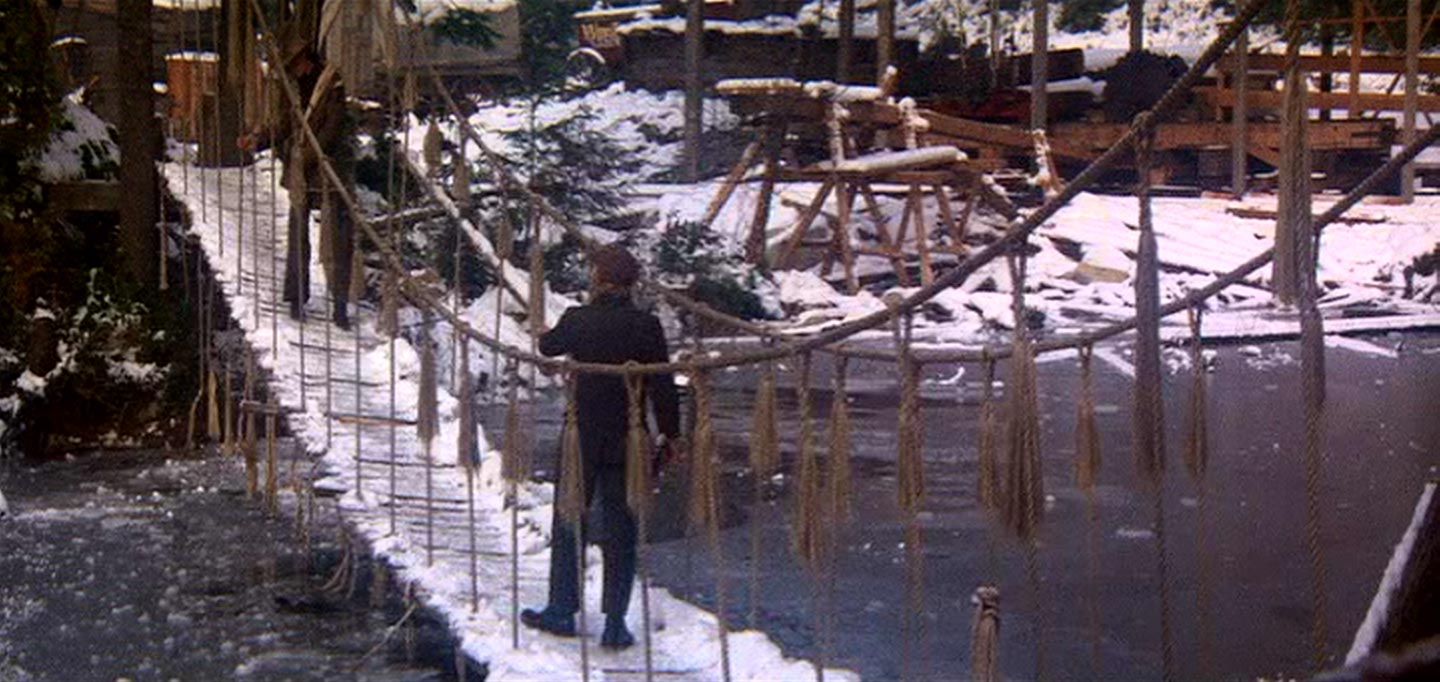
Silent Running

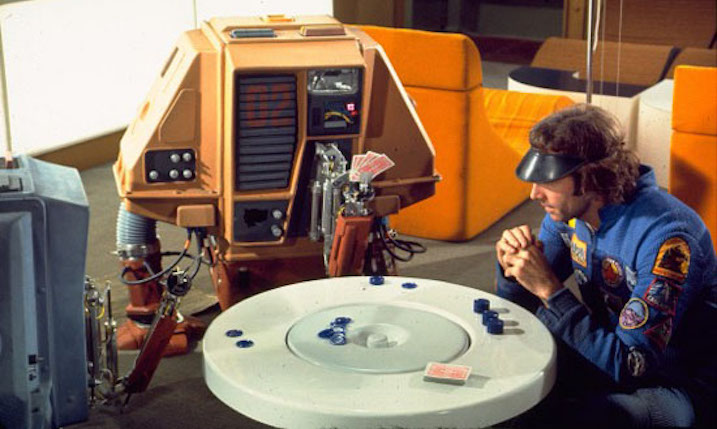
1 – Silent Running (1972) – screenplay

2 – Magnum Force (1973) – screenplay

3 – Thunderbolt and Lightfoot (1974) – screenplay/direction

4 – The Deer Hunter (1978)

5 – Heaven’s Gate (1980)

No Merchandising. Editorial Use Only. No Book Cover Usage Mandatory Credit: Photo by United/Everett/REX Shutterstock (961842b) 'Heaven's Gate' - landscape 'Heaven's Gate' film - 1980

6 – Year of the Dragon (1985)

7 – The Sicilian (1987)

8 – Desperate Hours (1990)

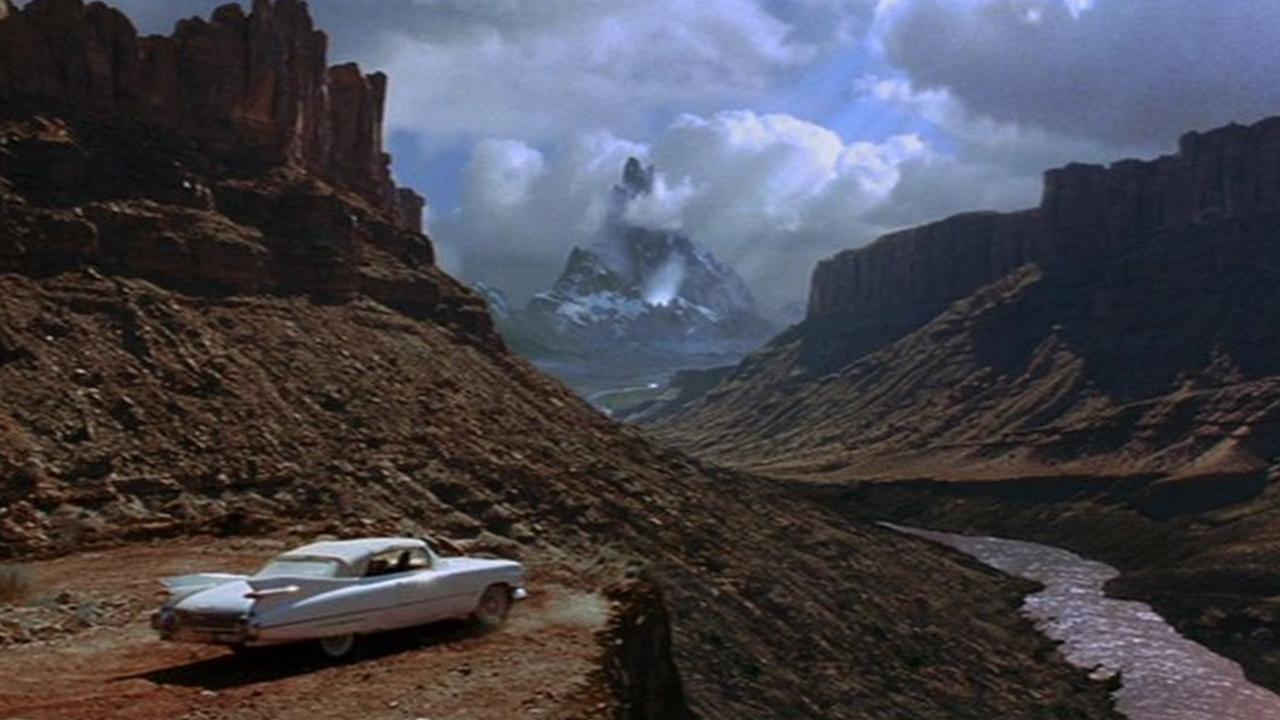
9 – The Sunchaser (1996)

The Sunchaser

10 – To Each His Own Cinema (2007) – segment, No Translation Needed

Share this:

  • Click to share on X (Opens in new window) X
  • Click to share on Facebook (Opens in new window) Facebook
  • More
  • Click to print (Opens in new window) Print
  • Click to email a link to a friend (Opens in new window) Email
Like Loading...

10 Reasons to Remember Anton Yelchin (1989-2016)

19 Sunday Jun 2016

Posted by dullwood68 in Movies

≈ Leave a comment

Tags

Actor, Anton Yelchin, Career, Movies

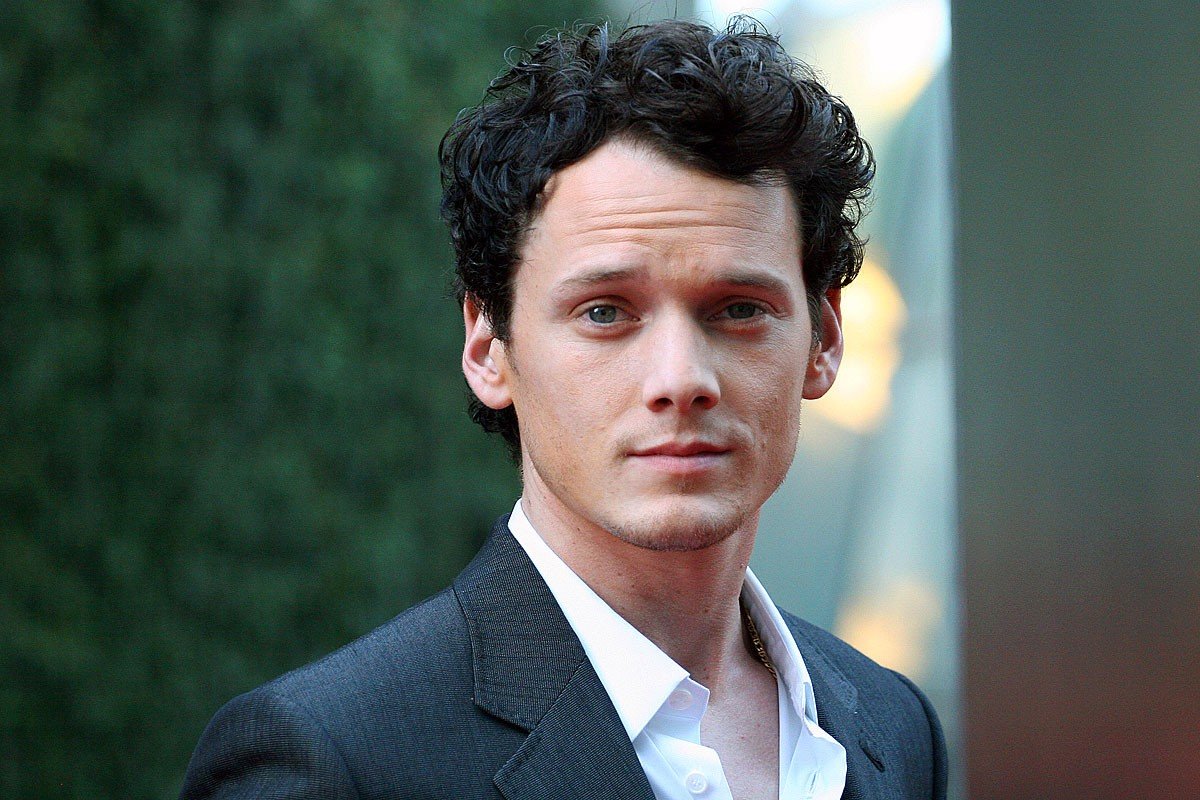
Anton Yelchin (11 March 1989 – 19 June 2016)

Anton Yelchin

Russian-born, but brought up in the US from the age of six months, Anton Yelchin eschewed his family’s sporting background (by his own admission, he “sucked” as an athlete) to become an actor. It was a wise move. From his first appearance in an episode of ER in 2000, Yelchin grew in stature with each passing year, gaining more and more attention, both with critics and audiences alike, until his name in a cast list was something to watch out for. In recent years he’s appeared in indie dramas, mega-budget sci-fi franchise reboots, and even voiced the role of Clumsy Smurf in a handful of Smurf outings (how’s that for versatility?). He was a distinctive actor with a distinctive voice and a rangy physicality that made him move in an equally distinctive yet unpredictable way, and he was one of the best performers of his generation. His death has come at a time when five of his movies have yet to be released, including Star Trek: Beyond, due later this summer. That we won’t be able to watch him grow any more as an actor, and provide us with even more emotionally astute and dazzling performances is a terrible shame, but we do have a body of work that will remain as rewarding as it’s ever been, and which will remain a testament to Yelchin’s skill as an entertainer.

AY - HIA

1 – Hearts in Atlantis (2001)

2 – Alpha Dog (2006)

3 – Charlie Bartlett (2007)

4 – Star Trek (2009)

5 – Like Crazy (2011)

6 – Odd Thomas (2013)

7 – Only Lovers Left Alive (2013)

8 – 5 to 7 (2014)

9 – Burying the Ex (2014)

10 – Green Room (2015)

AY - GR

Share this:

  • Click to share on X (Opens in new window) X
  • Click to share on Facebook (Opens in new window) Facebook
  • More
  • Click to print (Opens in new window) Print
  • Click to email a link to a friend (Opens in new window) Email
Like Loading...

Happy Birthday – Carey Mulligan

28 Saturday May 2016

Posted by dullwood68 in Movies

≈ 3 Comments

Tags

Actress, An Education, Career, Carey Mulligan, Drive (2011), Movies, Never Let Me Go, Nicolas Winding Refn, Shame, The Greatest

Carey Mulligan (28 May 1985 -)

Carey Mulligan

It’s hard to believe but Carey Mulligan has been gracing our screens for just eleven years since her debut as Kitty Bennet in Pride & Prejudice (2005). Since then she’s appeared in a number of high profile, and high quality movies that have earned critical approval – both for the movies themselves and for Mulligan’s performances – and she’s earned a reputation as one of today’s most intelligent and captivating actresses. She’s adept at playing strong-willed heroines such as Bathsheba Everdene in Far from the Madding Crowd (2015), and was en pointe as the vivacious and mysterious Daisy Buchanan in Baz Luhrmann’s The Great Gatsby (2013). Some people may still only know her as the potential Time Lord companion, Sally Sparrow, in an episode of Doctor Who back in 2007, but that’s just another indication of how much of an impact she can have when given the right role. Here are five other performances that show off Mulligan’s skills as an actress, and five movies where her appearance has benefitted them greatly.

Never Let Me Go (2010) – Character: Kathy H

Carey Mulligan - Never Let Me Go

In this adaptation of Kazuo Ishiguro’s prize-winning novel, Mulligan is one of a group of friends whose lives aren’t quite what they seem, and who go on the run when they discover just what it is they’ve been “chosen” for. Mulligan got the role of Kathy after the producers spent quite some time trying to find an actress suitable for the role, but this is one of her best performances: honest, insightful, and haunting. The movie may have divided critics and audiences alike, but the effectiveness of Mulligan’s portrayal is one of the few things in the movie that can’t be denied.

An Education (2009) – Character: Jenny Mellor

Carey Mulligan - An Education

Another adaptation, this time of the memoir by British journalist Lynn Barber, An Education sees Mulligan playing sixteen year old Jenny, a bright, intelligent schoolgirl who finds herself seduced by Peter Sarsgaard’s charming con man. It’s a coming of age tale that sees Mulligan display a range of feelings and emotions that engender a tremendous amount of sympathy for the character, especially when the extent of her naïve behaviour has unfortunate consequences. Mulligan was nominated for an Oscar for her portrayal (but didn’t win), and won a BAFTA instead; not bad for what was only her second, proper lead role.

Shame (2011) – Character: Sissy Sullivan

Carey Mulligan - Shame

In Steve McQueen’s powerful drama, Mulligan is the troubled, disturbed sister of Michael Fassbender’s sex addict, a role she invests with such an intense, emotionally charged air of futility that it’s hard to look away when she’s on screen. It’s a raw, unflinching performance, one that matches Fassbender’s own for the depths to which she takes the character, and there’s a fearlessness that is astonishing to watch. It’s a testament to Mulligan’s immersive portrayal that she is never less than credible from beginning to end. And she has a great singing voice too.

The Greatest (2009) – Character: Rose

Carey Mulligan - The Greatest

2009 was Mulligan’s breakout year, with An Education and this emotionally adroit drama about a family trying to deal with the unexpected death of their son, helping to put Mulligan “on the map”. While parents Susan Sarandon and Pierce Brosnan come to terms with their loss, they also find themselves dealing with Mulligan’s character, who turns up on their doorstep and tells them that she’s pregnant with their son’s child. The movie’s a bit of an emotional rollercoaster, and is a little uneven in places, but Mulligan’s fragile, emotionally uncertain Rose is the strong focus that ties all the elements together into a (mostly) satisfying whole.

Drive (2011) – Character: Irene

Carey Mulligan - Drive

In Nicolas Winding Refn’s hard-boiled, occasionally wince-inducing crime drama, Mulligan is the love interest for Ryan Gosling’s taciturn stunt car (and sometime getaway) driver. But this being a Refn movie, the term “love interest” isn’t as generic as it sounds, as Mulligan makes Irene more than just a predictable foil for the “hero”, and helps make the audience root for their relationship. Mulligan portrays Irene as good-natured and helpless – on the surface – but there’s an underlying steeliness that Gosling’s driver responds to, and Mulligan accentuates the character’s dual nature without being obvious about it – and that’s an achievement all by itself.

Share this:

  • Click to share on X (Opens in new window) X
  • Click to share on Facebook (Opens in new window) Facebook
  • More
  • Click to print (Opens in new window) Print
  • Click to email a link to a friend (Opens in new window) Email
Like Loading...

Happy Birthday – Rebecca Hall

03 Tuesday May 2016

Posted by dullwood68 in Movies

≈ Leave a comment

Tags

A Promise, Actress, Career, Everything Must Go, Frost/Nixon, Iron Man 3, Movies, Vicky Cristina Barcelona

Rebecca Hall (3 May 1982 -)

Rebecca Hall

With her tall, slim frame and features that can appear both angled and smooth, Rebecca Hall – daughter of renowned English theatre director Sir Peter Hall – has made a career out of playing strong-willed yet vulnerable women, and in a variety of genres. She made her debut in the TV series The Camomile Lawn (1992), but it wasn’t until 2006 that she made her debut on the big screen in Starter for 10. Since then she’s worked solidly, releasing two or three movies each year, and working with directors of the calibre of Christopher Nolan, Ron Howard, Patrice Leconte, and Woody Allen. She’s often a reassuring presence in her movies, providing audiences with a sympathetic character to relate to and root for. She once said that she “always look[s] for contradiction in a character”, and this shows in her choice of roles over the years, even in something as unsuccessful as Lay the Favorite (2012). Later this year she can be seen in Steven Spielberg’s The BFG, yet another high-profile movie that sits comfortably within the mix of Hollywood and indie movies that make up her career so far. Before then, it’s worth checking out the five movies listed below, all of which feature Hall giving strong, impressive performances.

Vicky Cristina Barcelona (2008) – Character: Vicky

RH - VCB

In Woody Allen’s romantic comedy/drama, Hall is the practical friend to Scarlett Johansson’s more extrovert Cristina, but while she appears to be more strait-laced in comparison, it’s Vicky that falls for Javier Bardem’s lusty artist, Juan Antonio. Hall gives a layered, intelligent performance that allows the audience to believe that Vicky could be so certain about her future, and yet so unsure once she meets Juan Antonio, and the feelings of confusion and remorse she exhibits in the wake of their affair. Juggling these feelings with the need to appear satisfied and content with her recent marriage, Hall ensures Vicky is a recognisable and understandable character, and one that you feel you could probably get to know very well in real life.

A Promise (2013) – Character: Charlotte “Lotte” Hoffmeister

RH - AP

A period drama set in Germany in 1912 – and directed by Patrice Leconte – A Promise features Hall as the young wife of an aging tycoon (played by Alan Rickman) who falls in love with an engineer (played by Richard Madden) who works for her husband. It’s a tale of unrequited love on both sides, adapted from a novel by Stefan Zweig, and features a beautifully constructed and affecting performance from Hall that is a pleasure to watch. As Lotte struggles against her ingrained sense of duty, Hall shows the personal sacrifice she has to make in order to retain her own sense of self-worth, until circumstances (namely, World War I) intrude and make her efforts seem ill-advised.

Frost/Nixon (2008) – Character: Caroline Cushing

RH - F:N

As the new girlfriend of David Frost (played by Michael Sheen), Hall’s character finds herself involved in the tense run-up to Frost’s televised interviews with disgraced US President Richard Nixon (played by Frank Langella). (In reality, Cushing and Frost had been together for five years at this point.) Hall has a supporting role here, and isn’t on screen for much of the movie’s running time, but when she is she still grabs the viewer’s attention, and there’s an obvious chemistry between Hall and Sheen that adds to the dynamic of Cushing and Frost’s relationship.

Everything Must Go (2010) – Character: Samantha

RH - EMG

Although Everything Must Go is very much Will Ferrell’s movie, Hall once again shows she can match anyone when it comes to giving a natural, honest performance, and she does so here effortlessly, playing a pregnant, put-upon neighbour who does her best to help Ferrell’s depressed, alcoholic ex-salesman get over the loss of his job and his wife, and despite having enough problems of her own. It’s a surprisingly substantial role, and Hall teases out every nuance and shading of the character, making Samantha a much more rounded (and grounded) person than may be expected, and entirely sympathetic to boot.

Iron Man 3 (2013) – Character: Maya Hansen

RH - IM3

Hall once said, “One of the great things about the ‘Iron Man‘ franchise is that they employ fascinating actors who don’t necessarily do action movies.” Well, Hall is certainly a fascinating actor, and as the geneticist whose work ultimately is used for immoral and illegal purposes by Guy Pearce’s chief villain, she adds another string to her bow by appearing in the Marvel Cinematic Universe. She still gives her role due sincerity, and makes Hansen as credible as any other character she’s played. It’s a tribute to Hall that she doesn’t look or feel out of place in an Iron Man movie; a shame then that her character probably won’t be returning any time soon.

Share this:

  • Click to share on X (Opens in new window) X
  • Click to share on Facebook (Opens in new window) Facebook
  • More
  • Click to print (Opens in new window) Print
  • Click to email a link to a friend (Opens in new window) Email
Like Loading...

10 Reasons to Remember Guy Hamilton (1922-2016)

22 Friday Apr 2016

Posted by dullwood68 in Movies

≈ 3 Comments

Tags

Career, Director, Guy Hamilton, James Bond, Movies

Guy Hamilton (16 September 1922 – 20 April 2016)

Guy Hamilton

Like so many of his contemporaries, Guy Hamilton got into movie making in the wake of World War II. He started off as an assistant director on They Made Me a Criminal (1947) and continued in that role for the next five years, honing his craft working with directors such as Carol Reed and John Huston. In 1952 he took the plunge into direction with The Ringer, a low-key thriller starring Herbert Lom and Donald Wolfit. He continued to work steadily through the Fifties until he got the call to work on a spy movie called Goldfinger (1964). It was to be the first of four Bond outings that Hamilton would direct – the others were Diamonds Are Forever (1971), Live and Let Die (1973), and The Man With the Golden Gun (1974) – but it was also the first to fully establish the Bond template. The gritty seriousness of the first two movies was replaced with a more carefree, fantasy-lite approach that has been the hallmark of the series up until the arrival of Daniel Craig.

Goldfinger‘s success allowed Hamilton to make the movies he wanted to make, but his career was always sporadic, with periods where he seemed semi-retired. Late on he flirted with Agatha Christie, but by the mid-Eighties his career was winding down, and he made his last movie, the rarely seen Try This One for Size, in 1989. Hamilton was an urbane, intelligent movie director who was able to adapt his directorial style to the material at hand, getting the most out of it, and rarely failing to entertain the audience. And in relation to James Bond, he once made this very perceptive (at the time) comment: “One of the rules with the Bond pictures is that you’re not allowed to have a leading lady who can act – because we can’t afford them….If ever we were to have a real leading lady, the next time around we’d have to find another one. And in no time at all we’d have to have, oh, Jane Fonda for $2 million and up.”

The Intruder

1 – The Intruder (1953)

2 – An Inspector Calls (1954)

3 – The Colditz Story (1955)

4 – The Devil’s Disciple (1959)

The Devil's Disciple

5 – Goldfinger (1964)

6 – Funeral in Berlin (1966)

7 – Battle of Britain (1969)

Battle of Britain

8 – Live and Let Die (1973)

9 – Evil Under the Sun (1982)

10 – Remo Williams: The Adventure Begins… (1985)

Remo Williams

Share this:

  • Click to share on X (Opens in new window) X
  • Click to share on Facebook (Opens in new window) Facebook
  • More
  • Click to print (Opens in new window) Print
  • Click to email a link to a friend (Opens in new window) Email
Like Loading...
10 Reasons to Remember Patty Duke (1946-2016)

29 Tuesday Mar 2016

Posted by dullwood68 in Movies

≈ Leave a comment

Tags

Actress, Career, Helen Keller, Manic depression, Movies, Oscar, Patty Duke Astin, The Miracle Worker

Patty Duke (14 December 1946 – 29 March 2016)

Patty Duke

An actress who had more success in television than in the movies, Patty Duke was nevertheless a dependable star who rarely subjected an audience to a poor performance. When she was in her teens she appeared in the Broadway production of The Miracle Worker (1959-61), playing Helen Keller, and when it was adapted for the screen in 1962 there was no question as to who should play the role of Helen; it had to be Patty. She won an Oscar for Best Supporting Actress for her role, and she was able to use that win to transfer to the small screen and her own show (imaginatively titled The Patty Duke Show). Success followed for a third time, and occasional excursions into movies aside, she continued to fare well in TV, including a remake of The Miracle Worker (1979) in which she then played Annie Sullivan; for that portrayal she won an Emmy. In the Eighties she was diagnosed with manic depression, but it didn’t stop her from continuing to give good performances and adding a touch of class to the projects she took on, even if they were largely guest spots on TV shows or TV movies (and where she was usually billed as Patty Duke Astin). She was an instinctive actress, unafraid to give of herself when a role required it, and though she may not be regarded as an A-lister, she did more than enough to earn the respect and admiration of her peers, as well as fans around the world.

The Miracle Worker

1 – The Miracle Worker (1962)

2 – Billie (1965)

3 – Valley of the Dolls (1967)

4 – Me, Natalie (1969)

5 – You’ll Like My Mother (1972)

6 – Deadly Harvest (1972)

7 – Killer on Board (1977)

8 – The Miracle Worker (1979)

Miracle Worker (1)

9 – The Violation of Sarah McDavid (1981)

10 – Call Me Anna (1990)

Share this:

  • Click to share on X (Opens in new window) X
  • Click to share on Facebook (Opens in new window) Facebook
  • More
  • Click to print (Opens in new window) Print
  • Click to email a link to a friend (Opens in new window) Email
Like Loading...

10 Reasons to Remember Ken Adam (1921-2016)

12 Saturday Mar 2016

Posted by dullwood68 in Movies

≈ 1 Comment

Tags

Albert "Cubby" Broccoli, Career, James Bond, Ken Adam, Production designer, RAF, William Cameron Menzies, World War II

Ken Adam (5 February 1921 – 10 March 2016)

Ken Adam

One of the movie industry’s most accomplished and creative production designers, Ken Adam was responsible for some of the most iconic images seen on screens over the last sixty years. During World War II he was one of only three German-born pilots allowed to fly for the RAF (and was trained by Michael Rennie). After the war he began his career in the movie industry as a draughtsman on This Was a Woman (1948), a modest British crime drama starring Sonia Dresdel. From there he did a lot of uncredited work on movies as varied as Dick Barton Strikes Back (1949) and The Crimson Pirate (1952) before landing a job supporting the esteemed William Cameron Menzies as an art director on Mike Todd’s ambitious and lavish Around the World in Eighty Days (1956). Menzies inspired Adam to “forget my inhibitions and let myself go”. This proved to be wise counsel indeed, and Adam continued to work on lavish movie projects like Ben-Hur (1959) (albeit still uncredited).

With his career beginning to take off, and his work attracting significant notice, Adam struck gold with his work on The Trials of Oscar Wilde (1960), a movie that introduced him to producer Albert “Cubby” Broccoli. When Broccoli needed a production designer for a movie he was making about a spy created by Ian Fleming, he approached Adam, who took the job even though he felt he was “prostituting” himself. Dr. No (1962) proved to be the first of seven Bond movies Adam worked on, and each one earned him an increasing level of recognition, especially Blofeld’s volcano lair in You Only Live Twice (1967). But while his lasting association with the Bond movies cemented his reputation, Adam was equally adept at working with directors of the calibre of Stanley Kubrick, Herbert Ross and Norman Jewison. As his career progressed he won two Oscars – for Barry Lyndon (1975) and The Madness of King George (1994) – and in 2003 he was knighted. His style was always to marry the old and the new in ever more unusual ways, while somehow managing to retain a feeling for the now. He could be grandiose for Bond, and yet equally at home with something less visually dramatic, such as Agnes of God (1985). He was an original, a talented individual that producers and directors could always rely on to give them something unexpected, and unexpectedly brilliant… such as the car in Chitty Chitty Bang Bang (1968), and how much more unexpectedly brilliant was that?

Night of the Demon

1 – Night of the Demon (1957)

2 – Dr. Strangelove or: How I Learned to Stop Worrying and Love the Bomb (1964)

3 – Goldfinger (1964)

4 – You Only Live Twice (1967)

5 – The Ipcress File (1965)

6 – Chitty Chitty Bang Bang (1968)

7 – Barry Lyndon (1975)

8 – The Seven-Per-Cent Solution (1976)

9 – The Freshman (1990)

10 – The Madness of King George (1994)

The Madness of King George

Share this:

  • Click to share on X (Opens in new window) X
  • Click to share on Facebook (Opens in new window) Facebook
  • More
  • Click to print (Opens in new window) Print
  • Click to email a link to a friend (Opens in new window) Email
Like Loading...

Happy Birthday – Daniel Craig

02 Wednesday Mar 2016

Posted by dullwood68 in Movies

≈ Leave a comment

Tags

Actor, Birthday, Career, Daniel Craig, Hotel Splendide, Infamous, Layer Cake, Movies, Munich, The Mother

Daniel Craig (2 March 1968 -)

Daniel Craig

Since stepping into the shoes of everyone’s favourite British secret agent – no, not Johnny English – Daniel Craig has made fewer and fewer movies between 007 outings (between Skyfall and Spectre he made just one short movie, and even that was a promo for Spectre). But before he became licenced to kill, Craig’s career was full of interesting choices and appearances in movies you wouldn’t have suspected he’d be in the running for. From his debut in The Power of One (1992), Craig has given undeniably powerful performances throughout his career, and worked hard to vary the kind of movie he appears in (though he doesn’t seem to be anyone’s first choice for a romantic lead). While he can sometimes seem aloof in person, on screen he has a definite presence, and a physicality that can be a character in its own right. Here are five movies where the latest James Bond has shown he’s not all about gadgets and guns and glamourous women.

Munich (2005) – Character: Steve

Munich

In Steven Spielberg’s absorbing, somewhat controversial take on Mossad activity during the early Seventies, Craig’s low-key performance as South African driver Steve is one that rarely takes centre stage, but when he does, Craig displays a fierce determination to get the job done. While it might be regarded as a minor supporting role, Craig certainly doesn’t play it that way, and as a result, more than holds his own against fellow stars Eric Bana, Ciarán Hinds and Mathieu Kassovitz.

The Mother (2003) – Character: Darren

The Mother

In this emotionally tense, absorbing drama, Craig plays the lover of a grandmother (played by Anne Reid) looking to regain some meaning in her life following the death of her husband. It’s a dour piece with tragic overtones, and Craig’s performance (as the handyman having an affair with the grandmother’s daughter as well as the old lady herself) is one laden with unnerving hints as to his true motives, and which is far subtler than might be expected.

Hotel Splendide (2000) – Character: Ronald Blanche

Hotel Splendide

In this rarely seen, obscure drama, Craig is the head chef of the titular hotel, and one of many characters sucked into a bizarre mystery surrounding the return of the hotel’s former sous chef (played by Toni Collette). With everyone made to behave oddly, Craig fits in well amongst the ensemble cast, and he gives an unexpectedly moving performance that acts as an emotional anchor for the viewer.

Infamous (2006) – Character: Perry Smith

Infamous

Perhaps Craig’s most well-known role outside of the 007 franchise, Infamous sees him play one of the two murderers immortalised by Truman Capote (played here by Toby Jones) in his book In Cold Blood. As the object of Capote’s “affection”, Craig uses his physical presence to good effect, and his character’s emotional and sexual confusion to even greater effect, resulting in a complex performance that really sees him stretch as an actor.

Layer Cake (2004) – Character: XXXX

Layer Cake

Matthew Vaughn’s ambitious British gangster movie is given a boost by Craig’s taking on the lead role, a drug dealer aiming to quit the industry but who finds himself “asked” to find someone’s missing daughter. Craig’s cynical, world-weary yet smug performance keeps the movie focused when it wants to head off in other directions, and his confident swagger works as a clue as to how he might play a certain iconic role, should he be asked (oh, right, he was).

Share this:

  • Click to share on X (Opens in new window) X
  • Click to share on Facebook (Opens in new window) Facebook
  • More
  • Click to print (Opens in new window) Print
  • Click to email a link to a friend (Opens in new window) Email
Like Loading...

10 Reasons to Remember Douglas Slocombe (1913-2016)

23 Tuesday Feb 2016

Posted by dullwood68 in Movies

≈ Leave a comment

Tags

Career, Cinematographer, Director of Photography, Douglas Slocombe, Ealing, Movies

Douglas Slocombe (10 February 1913 – 22 February 2016)

Douglas Slocombe

When looking back over a career that spanned five decades, it’s clear that Douglas Slocombe was a very talented cinematographer whose range and versatility came to be appreciated by many. And there were different stages to his career, stages that meant new challenges, new associations and inevitably, greater heights. He began, as so many of his generation did, as a photojournalist working for Life magazine and Paris-Match (he even filmed a speech given in Berlin by Josef Goebbels just before the invasion of Poland). During World War II he was a newsreel cameraman, and while he worked (mostly uncredited) on a handful of movies and documentaries, it wasn’t until 1945 when he shot Ealing’s Dead of Night that his future in the industry was secured. Slocombe’s realistic visual style suited Ealing perfectly, and he went on to shoot some of their most memorable and iconic releases.

In the late Fifties and early Sixties he worked on a succession of British dramas that were praised for the natural approach of their narratives, the performances, and their photography. Slocombe also proved adept at moving from black and white to colour, and showed he had a mastery of both mediums. If some of the movies he made during the Sixties and early Seventies weren’t always as successful as their makers had hoped, there was always Slocombe’s work to commend them, and his reputation remained untarnished; he was unable to shoot a movie badly or with less than his usual attention to detail and his strong sense of how a scene should be lit.

As his career moved into its final decade, Slocombe worked on a movie that proved his confidence and talent behind the camera was as assured as it ever was, and he became famous for never using a light meter during the shoot. The movie was a relatively small-scale adventure yarn called Raiders of the Lost Ark (1981); when it came time to make the second and third movies in the series, there was no one else considered for the role of DoP, and fittingly, Indiana Jones and the Last Crusade (1989) was Slocombe’s last movie. He was nominated for three Oscars during his career, and a number of BAFTAs (some of which he did at least win), but Slocombe was really one of those cinematographers whose work told you all you needed to know; any awards were merely an acknowledgment of what was already apparent: that he was an artist with an instinctive grasp of light and shade and colour and depth, and he was one of a kind.

Dead of Night

1 – Dead of Night (1945)

2 – Kind Hearts and Coronets (1949)

3 – The Titfield Thunderbolt (1953)

4 – The Servant (1963)

The Servant

5 – The Lion in Winter (1968)

6 – The Italian Job (1969)

7 – Travels With My Aunt (1972)

Travels With My Aunt

8 – Jesus Christ Superstar (1973)

9 – Julia (1977)

10 – Raiders of the Lost Ark (1981)

Raiders of the Lost Ark

Share this:

  • Click to share on X (Opens in new window) X
  • Click to share on Facebook (Opens in new window) Facebook
  • More
  • Click to print (Opens in new window) Print
  • Click to email a link to a friend (Opens in new window) Email
Like Loading...

Happy Birthday – Laura Dern

10 Wednesday Feb 2016

Posted by dullwood68 in Movies

≈ 1 Comment

Tags

10 February, A Perfect World, Actress, Birthday, Career, Daddy and Them, Focus (2001), Laura Dern, October Sky, We Don't Live Here Anymore

Laura Dern (10 February 1967 -)

Laura Dern

Laura Dern’s career has had its ups and downs, like many others, but she’s always maintained a positive approach that has paid off handsomely over the years. Perhaps being the daughter of Bruce Dern and Diane Ladd meant being an actress was always in her genes, but she’s forged her own path and played significant roles in a number of movies, from David Lynch’s Blue Velvet (1986), to her Oscar-nominated role in Rambling Rose (1991), and perhaps most famously as archaeologist Dr Ellie Sattler in Steven Spielberg’s Jurassic Park (1994), a role she reprised in Jurassic Park III (2001). She’s an actress who has forged a career by making some very interesting choices, and in doing so, has made a variety of movies in a variety of genres and never been pigeon-holed as a result. Her lithe, slightly elongated frame and tousled blonde hair are her physical trademark, but she can be tough as nails when required, and has the kind of intuitive acting style that brings an uncomplicated honesty to the parts she’s played over the years. Here are five movies she’s appeared in that have benefitted greatly from her performances, and which are well worth tracking down if you haven’t seen them already.

October Sky (1999) – Character: Miss Riley

OCTOBER SKY, Laura Dern, Chris Ellis, 1999

Dern takes a supporting role as a science teacher who helps inspire some of her pupils as they begin to express their interest in rocket engineering. The movie is based on the true story of Homer Hickam (played by Jake Gyllenhaal), and its depiction of the small town Fifties milieu Hickam grew up in is expertly recreated, allowing Dern and her co-stars to channel some very effective nostalgia in the process. Her character is the kind of teacher we all wish we had in school, but rather than make her a complete paragon, Dern takes a pleasant natured figurehead and makes her more fully rounded than the role needs her to be.

A Perfect World (1993) – Character: Sally Gerber

LD - APW

A tense thriller directed by Clint Eastwood from a script by John Lee Hancock, this sees Dern as a criminologist who locks horns with Eastwood’s Texas Ranger in the hunt for two escaped convicts (played by Kevin Costner and Keith Szarabajka) who have taken an eight-year-old boy hostage. Dern gives an impassioned performance as she fights Eastwood’s intransigence and hostility towards “new-fangled” ideas of man’s innate humanity. And as the only female of note in the movie she more than holds her own in such testosterone-fuelled company, and offers a welcome change of perspective whenever she’s on screen.

Daddy and Them (2001) – Character: Ruby Montgomery

DADDY AND THEM, Billy Bob Thornton, Laura Dern, 2001

In this black comedy – written and directed by her co-star Billy Bob Thornton – Dern plays one half of a couple who come to the aid of an uncle who’s accused of murder. Part road trip, part exploration of the jealousies and fears that can bind a couple just as easily as love and friendship, the movie gives Dern the chance to show off her comedic skills, and work with her mother as well. It’s a little rough around the edges, but has a charm all its own, and Dern and Thornton together make for a great couple who can’t help but be at odds with each other.

Focus (2001) – Character: Gertrude Hart

FOCUS, William H. Macy, Laura Dern, 2001

A complex, thought-provoking look at anti-Semitism, both perceived and actual, in Brooklyn during the last days of World War II, this sees Dern as a young woman turned down for a job by William H. Macy’s thoughtless racism. When the tables are turned and he finds himself equally prejudiced against, his relationship with Dern’s character gives him the opportunity to make amends for his previously callow thinking. Dern gives a sympathetic, assured performance as the harrassed young woman whose perceived Jewishness proves no justification for her own flawed prejudices.

We Don’t Live Here Anymore (2004) – Character: Terry Linden

LD - WDLHA

With the tagline, “Why do we want what we can’t have?”, this sees Dern as a frustrated, negligent housewife whose husband (played by Mark Ruffalo) has an affair, and which leads to her doing the same. The problem? Their extra-marital partners are their best friends, another unhappy couple. Dern is terrific, downplaying her natural vivacity in favour of a subdued, wayward approach that speaks of unspoken abuse somewhere in the character’s past. And she has a standout speech in which she describes the way in which her husband treats her like a dog, a moment of sincerity and emotional honesty that is delivered so perfectly Dern is simply mesmerising to watch.

Share this:

  • Click to share on X (Opens in new window) X
  • Click to share on Facebook (Opens in new window) Facebook
  • More
  • Click to print (Opens in new window) Print
  • Click to email a link to a friend (Opens in new window) Email
Like Loading...

10 Reasons to Remember Frank Finlay (1926-2016)

31 Sunday Jan 2016

Posted by dullwood68 in Movies

≈ Leave a comment

Tags

Actor, Career, Frank Finlay, Movies

Frank Finlay (6 August 1926 – 30 January 2016)

Frank Finlay

Depending on the level of your exposure to his work, Frank Finlay will be best known to you either for his Oscar-nominated role as Iago in Laurence Olivier’s Othello (1965), as the rambunctious Porthos in Richard Lester’s adaptation of Dumas’ The Three Musketeers (1973) (and its two sequels), or the cheating husband in TV’s Bouquet of Barbed Wire (1976) (and its sequel). But of course, this versatile British actor had a varied, interesting career that spanned over fifty years, and he worked with some of the finest actors and directors during that period, both on screen, on stage and on TV. He always held his own, though, and his famously brooding looks were often mesmerising to watch, and though he never made it to the “big leagues” he was still the type of actor you could expect an intelligent, considered performance from, even if the production around him wasn’t quite as intelligent or considered as he was. As a character actor he could be superb, and when given the chance – as in Bouquet of Barbed Wire – he could be incredibly focused in a lead role, so much so that it’s a shame he wasn’t offered more of them. Although he will always be known for the roles quoted above, there is one role that may come as a surprise to those who don’t remember it, but is well worth watching: the Witchsmeller Pursuivant in the first series of Blackadder (1983), a rare comic role which he played with appropriate and very funny relish.

A Study in Terror (2)

1 – A Study in Terror (1965)

2 – Othello (1965)

3 – Robbery (1967)

4 – The Molly Maguires (1970)

5 – The Three Musketeers (1973)

6 – Count Dracula (1977)

7 – Murder by Decree (1979)

8 – Sakharov (1984)

9 – Dreaming of Joseph Lees (1999)

10 – The Pianist (2002)

The Pianist

Share this:

  • Click to share on X (Opens in new window) X
  • Click to share on Facebook (Opens in new window) Facebook
  • More
  • Click to print (Opens in new window) Print
  • Click to email a link to a friend (Opens in new window) Email
Like Loading...

10 Reasons to Remember Jacques Rivette (1928-2016)

29 Friday Jan 2016

Posted by dullwood68 in Movies

≈ Leave a comment

Tags

Career, Director, French New Wave, Jacques Rivette, Movies

Jacques Rivette (1 March 1928 – 29 January 2016)

Jacques Rivette

Idiosyncratic, pioneering, challenging, fascinating, obscurist – François Truffaut once said of Jacques Rivette that the French New Wave began “thanks to Rivette”, and while that may be true, the fact is that Rivette had an uneasy relationship with the French movie industry, and despite an extraordinary talent as a director, never achieved the success of his contemporaries, well-known names such as Truffaut, Claude Chabrol, Éric Rohmer and Jean-Luc Godard. He made long (sometimes very long) movies – Out 1 (1971) runs to nearly thirteen hours in its original version – and constructed them in such a way that audience attention was of supreme importance; complex story structures and innovative story-telling techniques made his movies look and sound unique.

Despite a career that began in 1949 with the short, Aux quatre coins, Rivette faced challenges that would have kept many directors from continuing their careers at all. While he made a steady stream of movies over the ensuing years, he encountered so many obstacles and setbacks that his perseverance is a testament to both his personal tenacity and his talent (in particular, a four-picture deal made in 1976 was never completed due to the poor reception of the first two movies). He wasn’t an instinctively commercial moviemaker, but he was influential in his own way, and his movies reflect an approach and an attitude about the boundaries attached to modern movies that should be applauded rather than dismissed. Watch any of his movies and you’ll find the work of a true artist, a moviemaker whose intelligence, wit and liveliness shone through with a clear-sighted consistency – even if he was doing his best to baffle his audiences at the same time.

Paris Belongs to Us

1 – Paris Belongs to Us (1961)

2 – The Nun (1966)

3 – L’amour fou (1969)

4 – Out 1 (1971)

5 – Celine and Julie Go Boating (1974)

6 – Le Pont du Nord (1981)

7 – Merry-Go-Round (1981)

8 – Gang of Four (1989)

9 – La belle noiseuse (1991)

10 – The Story of Marie and Julien (2003)

The Story of Marie and Julien

Share this:

  • Click to share on X (Opens in new window) X
  • Click to share on Facebook (Opens in new window) Facebook
  • More
  • Click to print (Opens in new window) Print
  • Click to email a link to a friend (Opens in new window) Email
Like Loading...

Amy (2015)

24 Sunday Jan 2016

Posted by dullwood68 in Movies

≈ Leave a comment

Tags

Alcohol, Amy Winehouse, Archival footage, Asif Kapadia, Back to Black, Blake Fielder-Civil, Career, Documentary, Drugs, Frank, Grammy's, Mitch Winehouse, Review, Singer, Tony Bennett

Amy

D: Asif Kapadia / 128m

With: Amy Winehouse, Juliette Ashby, Nick Shymansky, Mitch Winehouse, Blake Fielder-Civil, Lauren Gilbert, Sam Beste, Raye Cosbert, Andrew Morris, Lucian Grainge, Tyler James, Yasiin Bey

One of the most talented singers of her generation, Amy Winehouse “arrived” on the music scene in 2003 with the release of her first album, Frank. Eight years later she was dead from alcohol poisoning. She was in the public eye so often, and so often for the wrong reasons, that a lot of people felt they knew her. Unable to deal with the fame and fortune she so justly deserved, she retreated into a life of alcohol and drug addiction and repeated, unsuccessful attempts to throw off the demons that plagued her. One of her idols, Tony Bennett, said of her, “she was the only singer that really sang what I call ‘the right way’ because she was a great jazz-pop singer”. But why did she die at the age of twenty-seven, alone and with only her bodyguard checking on her occasionally?

Sadly, Amy doesn’t provide any answers. Nor does it probe too deeply into why the singer had such an addictive personality, or why she had been bulimic for most of her life (a topic which is mentioned partway through then dropped as a point of fact that needs no further investigation). It also fails to explore the differences between Amy Winehouse the world-famous singer/celebrity, and Amy Winehouse the private person. While there are times when her friends and family comment on her behaviour, and there’s a large amount of regret that can be felt, no one seems to have really known what made Amy tick during those brief eight years when she was so well known and so highly regarded.

Amy - scene3

The reason that Amy fails to do this is partly due to the very cleverly constructed way in which it recounts Amy’s life, charting her teenage home life and early success with Frank, through to her increasing use of drugs and her alcohol dependency before the further success of Back to Black. From there the pressures associated with such an unexpected and meteoric rise were compounded by her poor choice of partner – step forward, Blake Fielder-Civil – and the lack of support gained from her family, in particular her father, Mitch, whose lack of empathy for his daughter is incredible to witness. All this led to repeated, and entirely predictable relapses following stays in various rehab clinics. With no one attempting to deal with her bulimia – or get her to – Amy’s health was so compromised by 2011 that those close enough to her knew that her drinking would eventually kill her.

But Amy is effectively reportage, a trawl through the singer’s life that relies on a great deal of archival footage of Amy and her friends, Amy and her working relationships, Amy on stage, Amy in the public eye, and the contributions of many of the people who knew her personally and worked with her professionally. And while some of the early, pre-Frank footage is beguiling to watch, and fascinating in a morbid way (knowing how she would look in later life), the later footage, once her demons have made themselves felt, leads the movie into darker, more disturbing territory. It’s at this point that Amy moves away from bittersweet reflection and becomes a rehash of the public and private life we all saw develop over those eight years. We see the public appearances where she seems overawed and/or overwhelmed, the sight of someone with the light in their eyes slowly dying out, and we gain the sad realisation that this person’s life can only end in tragedy.

Amy - scene2

Did we always know this? Certainly Amy’s friends knew this, and it’s likely that her colleagues in the music industry knew this, and the movie, while not pointing any fingers directly (or with any intention of doing so), does however make one thing clear: no one did enough to stop it. Her friends stepped away because they couldn’t bear to watch her destroy herself, and her record company wouldn’t work with her unless she was clean (reasonable in itself but for Amy an ultimatum she was never going to achieve, not in the long-term). In the end, that’s why Amy died alone and with only her bodyguard occasionally checking in on her: she had nobody she could rely on to protect her.

The sadness and the largely unavoidable tragedy of all this is brought out by Kapadia’s firm control over the movie’s content, and while some people, particularly Mitch Winehouse, have subsequently decried Amy as having produced “an inaccurate narrative of Amy’s story”, there’s little doubt that in the last three years of her life, when her problems became insurmountable, that she was desperately unhappy and struggling to find direction in her life. You can see this illustrated best when she’s seen recording a duet with Tony Bennett, one of her life-long idols. The confidence that has seen her give outstanding vocal performances time and time again has deserted her; she keeps apologising for getting things wrong. Bennett continually reassures her but you can see from her eyes that Amy isn’t convinced; when the session is done, you can see how relieved she is that she’s got through it all. It’s moments like these, when she clearly wants to be at her best, but her best is too far away for her to grasp, that prove the most disturbing and the most upsetting.

Amy - scene1

Could Amy Winehouse have conquered her demons and still be making great records today? We’ll never know, but one thing we can be sure of: her short career gave us many wonderful recordings, and it’s these lasting treasures by which we should remember her, not as the drunk, confrontational, tragically lost figure she was in her last few years. She was talented, incredibly so, and Amy reminds us of that constantly, even as it charts her downward spiral. She was always about the music, always about the irresistable pull of it, and thanks to Kapadia’s inclusion of several of her most iconic and meaningful songs, Amy is still a reminder of just how talented she was, and how much she will be missed.

Rating: 8/10 – a fascinating documentary that tells a fascinating story, even if we think we’ve seen it all before, Amy mixes archival footage of the singer along with candid commentaries from the people who knew and worked with her to create a devastatingly human story of tragedy borne out of success; that it doesn’t make judgments (except very cleverly) or arrive at any conclusions are the only things that stop this from being any better than it already is.

Share this:

  • Click to share on X (Opens in new window) X
  • Click to share on Facebook (Opens in new window) Facebook
  • More
  • Click to print (Opens in new window) Print
  • Click to email a link to a friend (Opens in new window) Email
Like Loading...

10 Reasons to Remember Alan Rickman (1946-2016)

14 Thursday Jan 2016

Posted by dullwood68 in Movies

≈ Leave a comment

Tags

Actor, Alan Rickman, Career, Movies

Alan Rickman (21 February 1946 – 14 January 2016)

Alan Rickman

2016 has already seen the deaths of Vilmos Zsigmond and David Bowie, which ordinarily would have been bad enough, but now we have the sad passing as well of Alan Rickman. Rickman was one of Britain’s finest actors with a rich, varied career both on stage and screen, and back when he started out, on TV as well (if you get a chance to see The Barchester Chronicles (1982), you’ll see he’s always been talented). He came late to movies, making his big screen debut in a role that has proven iconic over the years, the immaculately groomed, urbane thief Hans Gruber in Die Hard (1988) (and doesn’t he look great for forty-two?). More villainous roles followed but Rickman was sharp enough to move away from those types of parts and he began making movies that showcased the wide range of skills he had as an actor, even showing on occasion what many believed was a surprising gift for comedy; who can forget the witheringly funny way he would intone “By Grabthar’s hammer” in Galaxy Quest (1999)? For many he will always be Professor Severus Snape from the Harry Potter movies, a role he made his own. You never quite knew what he was going to do in a scene as Snape, and that dangerous energy could be a feature of roles elsewhere. As well as acting he made two movies as a director, the understated yet poignant The Winter Guest (1997) and the romantic period drama A Little Chaos (2014); both are well worth checking out. But what we’ll miss most about Alan Rickman will be his voice, that rich, mellifluous sound that could ooze charm, villainy, passion and disdain in equal measure and still draw you in almost like a character all its own.

Die Hard

1 – Die Hard (1988)

2 – Truly Madly Deeply (1990)

3 – Robin Hood: Prince of Thieves (1991)

4 – Bob Roberts (1992)

5 – Sense and Sensibility (1995)

6 – Galaxy Quest (1999)

7 – Love Actually (2003)

8 – Snow Cake (2006)

9 – Harry Potter and the Deathly Hallows Part 2 (2011)

10 – CBGB (2013)

CBGB

Share this:

  • Click to share on X (Opens in new window) X
  • Click to share on Facebook (Opens in new window) Facebook
  • More
  • Click to print (Opens in new window) Print
  • Click to email a link to a friend (Opens in new window) Email
Like Loading...

10 Reasons to Remember David Bowie (1947-2016)

11 Monday Jan 2016

Posted by dullwood68 in Movies

≈ Leave a comment

Tags

Actor, Career, David Bowie, Musician

David Bowie (8 January 1947 – 10 January 2016)

David Bowie

Although David Bowie will always be better known for his musical career, when it came to appearing in movies he made some tremendous choices. And when you consider he appeared in only twenty-one features it makes those choices even more impressive (this list is testament to that). He was a mercurial actor in much the same way he was a mercurial musician, always reinventing his screen persona as much as his musical one. He worked with directors of the calibre of Martin Scorsese, Nagisa Ôshima, Nicolas Roeg, and Christopher Nolan, and even found time to play Lord Royal Highness in an episode of SpongeBob SquarePants (which in some quarters is probably regarded as being even cooler than working with Scorsese et al). That he made so few movies (many of which contain cameo appearances) is understandable, but there is one performance of his that stands out from all the others; it’s also the one that was never actually filmed: his stage portrayal of John Merrick in The Elephant Man. Now if we had that to remember him by, then we would be truly blessed.

The Man Who Fell to Earth

1 – The Man Who Fell to Earth (1976)

2 – Just a Gigolo (1978)

3 – Baal (1982)

4 – The Hunger (1983)

5 – Merry Christmas Mr. Lawrence (1983)

6 – Absolute Beginners (1986)

7 – Labyrinth (1986)

8 – The Last Temptation of Christ (1988)

9 – Basquiat (1996)

10 – Mr. Rice’s Secret (2000)

Mr. Rice's Secret

Share this:

  • Click to share on X (Opens in new window) X
  • Click to share on Facebook (Opens in new window) Facebook
  • More
  • Click to print (Opens in new window) Print
  • Click to email a link to a friend (Opens in new window) Email
Like Loading...

10 Reasons to Remember Vilmos Zsigmond (1930-2016)

04 Monday Jan 2016

Posted by dullwood68 in Movies

≈ Leave a comment

Tags

Career, Cinematographer, Oscar winner, Vilmos Zsigmond

Vilmos Zsigmond (16 June 1930 – 1 January 2016)

Vilmos Zsigmond

During the Seventies, Vilmos Zsigmond’s work as a cinematographer was a guarantee of excellence. He lensed twenty-three movies during the decade, and won an Oscar for Close Encounters of the Third Kind (1977 – where he faced being fired on several occasions), not bad for a cinematographer who started out (with fellow émigré Laszlo Kovács) shooting footage of the Hungarian Revolution of 1956, and who found fame, of sorts, as a DoP on movies such as Al Adamson’s Psycho a Go-Go (1965) and Horror of the Blood Monsters (1970) (movies where he was credited as William Zsigmond). But it was his Seventies output that brought him to a wider, international audience, and it was his use of natural light and colour that made his work stand out from that of his colleagues. His last movie was the comedy-drama Six Dance Lessons in Six Weeks (2014), but he was still working at the time of his death, with one movie in pre-production and four others announced. His talent will be missed, as well as his generosity to others, but thankfully we have a tremendous body of work to remember him by.

1 – McCabe & Mrs. Miller (1971)

McCabe & Mrs Miller

2 – Deliverance (1972)

3 – The Long Goodbye (1973)

4 – Close Encounters of the Third Kind (1977)

CE3K

5 – The Deer Hunter (1978)

6 – Winter Kills (1979)

7 – Heaven’s Gate (1980)

Heaven's Gate

8 – The Crossing Guard (1995)

9 – The Ghost and the Darkness (1996)

10 – The Black Dahlia (2006)

The Black Dahlia

Share this:

  • Click to share on X (Opens in new window) X
  • Click to share on Facebook (Opens in new window) Facebook
  • More
  • Click to print (Opens in new window) Print
  • Click to email a link to a friend (Opens in new window) Email
Like Loading...

10 Reasons to Remember Haskell Wexler (1922-2015)

28 Monday Dec 2015

Posted by dullwood68 in Movies

≈ Leave a comment

Tags

Career, Cinematographer, Haskell Wexler, Movies, Oscar winner

Haskell Wexler (6 February 1922 – 27 December 2015)

Haskell Wexler

An influential figure in the world of cinematography, Haskell Wexler was a true genius with the camera, a master of mood, light and colour. From his first feature, the wonderfully titled Stakeout on Dope Street (1958) (where he was credited as Mark Jeffrey, his two sons’ names), all the way through to the numerous documentaries he lensed in the last twenty years, Wexler has been an outstanding cinematographer, adding a distinct and lasting aura to the movies he worked on, including his first feature as a director, Medium Cool (1969). Along the way he picked up two Oscars, for Who’s Afraid of Virginia Woolf (1966) and Bound for Glory (1976), and during the Sixties and Seventies (arguably his heyday) he worked with the likes of Milos Forman, Norman Jewison, Hal Ashby, and Francis Ford Coppola. But he kept going back to documentaries, either features or shorts, and it’s these movies, which often gave Wexler the chance to espouse his own political leanings, that form the bulk of his filmography. Watch any of the ten movies listed below and you’ll see just why he was regarded as one of the ten most influential cinematographers in cinema history.

The Loved One

1 – The Loved One (1965)

2 – Who’s Afraid of Virginia Woolf (1966)

3 – In the Heat of the Night (1967)

4 – Medium Cool (1969)

5 – One Flew Over the Cuckoo’s Nest (1975)

6 – Bound for Glory (1976)

7 – Coming Home (1978)

8 – Matewan (1987)

9 – The Secret of Roan Inish (1994)

10 – Mulholland Falls (1996)

Mulholland Falls

Share this:

  • Click to share on X (Opens in new window) X
  • Click to share on Facebook (Opens in new window) Facebook
  • More
  • Click to print (Opens in new window) Print
  • Click to email a link to a friend (Opens in new window) Email
Like Loading...

For One Week Only: Women Directors – 2. Ida Lupino

07 Saturday Nov 2015

Posted by dullwood68 in Movies

≈ 1 Comment

Tags

Actress, Career, Collier Young, Director, Elmer Clifton, Hard Fast and Beautiful, Ida Lupino, Independent, Movies, Never Fear, Nicholas Ray, Not Wanted, On Dangerous Ground, Outrage, Producer, Screen Directors Guild, The Bigamist, The Filmakers, The Hitch-Hiker, The Trouble With Angels, Warner Bros., Women directors

Introduction

The Golden Age of Hollywood, regarded as the years between 1928 and 1943, was also the period in which there was only one female director working in Hollywood, and that was Dorothy Arzner. Although she never made a movie that was a complete box office and/or critical success, Arzner was respected by her male peers, and worked with some of the biggest stars of the era. But she made her last feature in 1943, after which there were no female directors working in Hollywood. Until 1949 that is…

Ida Lupino (1918-1995)

Hollywood, Los Angeles, California, USA --- Hollywood, CA: Ida Lupino directs one of the scenes from her latest picture, "Mother of a Champion." She is shown peering through the movie camera. Undated photograph. --- Image by © Bettmann/CORBIS

Ida Lupino’s importance as a female director can’t be downplayed. Although she only made eight movies (two of which she didn’t receive an on-screen credit for), Lupino’s rise from studio starlet to challenging actress – at Warner Bros. she was often suspended for refusing roles she was offered – to respected director came about by a strange combination of happenstance and good/bad luck.

During the occasions when she was suspended, Lupino would spend her free time observing other directors as they worked on set, and also how movies were edited. To her it seemed as if everyone else was “doing the interesting work” on a movie while she sat around bored between takes. She learnt the basics of directing throughout the Forties, but still didn’t attempt to get a directing job. When she left Warner Bros. in 1947, it was to become a freelance artist, and while she continued to work as an actress, she and her husband, Collier Young, formed a production company called The Filmakers.

In 1949, she and Paul Jarrico collaborated on a script for the company’s first production, a (for the time) searing drama about pregnancy out of wedlock and the psychological impact on the young mother when she gives up her baby. The movie was called Not Wanted and it was to be directed by Elmer Clifton. But when Clifton suffered a heart attack part way through filming, Lupino stepped in to finish the movie (Lupino refused a screen credit out of respect for Clifton). The result was a controversial movie that drew attention to the problem of unwed mothers, garnered a huge amount of public debate, and made people aware of Lupino’s role behind the camera.

Ida Lupino 2

In the same year, Lupino co-wrote, co-produced and directed Never Fear, another drama, but this time about an aspiring dancer who contracts polio. It was a modest movie, effective in its way, and enough for the Screen Directors Guild to offer her membership in 1950, which she accepted, becoming only the second female director in its ranks (after Dorothy Arzner). Her acceptance within the industry as a director was rapid though well-deserved, and Lupino continued to make challenging social dramas that cemented her reputation and were successful both commercially and critically.

Lupino’s attraction to “difficult” subject matters was confirmed with the release of Outrage (1950), about the rape of a young woman and the problems that arise because she doesn’t tell anyone what’s happened to her. It shows Lupino still learning her craft as a director, but also growing in confidence, and her decision to tackle such a topic is entirely laudable: it’s a movie that Hollywood would never have made at the time, and which was only possible because of Lupino’s independence from the studio system. (By coincidence, Akira Kurosawa tackled the same subject, but from a different angle, in the same year’s Rashômon.)

Outrage

Lupino’s next movie seemed, at first glance, to be a step back from the powerful social dramas she’d already made, but Hard, Fast and Beautiful (1951) was a deceptively intriguing look at female jealousy and longing as experienced by the mother of a tennis prodigy. It features a great performance from Claire Trevor, and shows that Lupino was entirely capable of making the subtext of a movie more interesting than the main storyline. It was also Lupino’s first time directing a movie that was written by someone else.

Lupino’s next directorial stint was filling in for Nicholas Ray when he fell ill during the filming of film noir thriller On Dangerous Ground (1951), a movie Lupino had a role in. It’s a measure of Lupino’s regard within the industry at that time that she was asked to do this, and though it’s difficult when watching the movie to work out which scenes she shot specifically, that in itself is a tribute to Lupino’s skill as a director in that she was able to mimic Ray’s idiosyncratic style of directing.

The film noir approach of On Dangerous Ground may well have prompted Lupino to seek out a similar project for her next movie as a director. If so, the result was perhaps her most well-received movie yet, the tense and menacing The Hitch-Hiker (1953). With its claustrophobic car interiors and bleak desert vistas, Lupino’s strong visual style served as a compelling background to the psychological battle occurring between fishermen Edmond O’Brien and Frank Lovejoy, and psychotic William Talman (never better). It may be a short movie, a lean seventy-one minutes, but it’s one of the most compelling crime dramas of the Fifties, and Lupino’s grip on the material is so assured that her increasing skill behind the camera can no longer be questioned.

Hitch-Hiker, The

With audiences and critics alike impressed by The Hitch-Hiker, their response to Lupino’s next movie should have been even more emphatic, but despite being widely regarded now as her masterpiece, The Bigamist (1953) was coolly received. And yet it’s a movie that addresses its subject matter head on and is still as uncompromising in its approach even today. It was a first for Lupino in that she directed herself – as the object of the main character’s bigamous relationship – but her confidence as a director ensures that each character gets the screen exposure they need. The ending is particularly impressive, and has an emotional impact that is as unexpected as it is effective.

Sadly, Lupino’s short career as an independent producer/director came to an end after The Bigamist. Budgets had always been tight, and though Lupino was always well prepared and planned ahead on all her movies, the returns on her movies weren’t enough to keep The Filmakers going. Fortunately, in 1952, Lupino had been approached by Dick Powell who had started up a television production company called Four Star Productions; he wanted her to replace Joel McCrea and Rosalind Russell after they’d dropped out. Lupino began working in television in earnest, and it wasn’t until 1966 that Lupino made what would be her final movie as a director, The Trouble With Angels. A comedy about the students at an all-girls’ school who challenge the nuns that run it (including, ironically, Rosalind Russell), the movie received a mixed to negative reaction, but viewed today holds up remarkably well. Afterwards, Lupino continued acting and directing in television until her death, and along the way took supporting roles in horror movies such as The Devil’s Rain (1975) and The Food of the Gods (1976) (as many of her contemporaries did in the Seventies).

Trouble With Angels, The

Lupino’s importance in the history of women directors is due to the fact that she did it all by herself: she founded the production company to make the movies she wanted to make, she wrote (at first) the screenplays for those movies, and she tackled topics that her male peers would have run a mile from (or just not been allowed to make). If she couldn’t completely undermine the conservative values of the time, it was enough that she challenged them and held a mirror up to some of the more uncomfortable social issues of the day. She was a tough, determined director who didn’t short change her audience, and she achieved industry and public approval on her own terms, as well as long-lasting respect. And more importantly, she helped inspire a new generation of female movie makers, a generation that would tackle many of the same issues Lupino had, and with the same sense of propriety.

Share this:

  • Click to share on X (Opens in new window) X
  • Click to share on Facebook (Opens in new window) Facebook
  • More
  • Click to print (Opens in new window) Print
  • Click to email a link to a friend (Opens in new window) Email
Like Loading...

For One Week Only: Women Directors – 1. Dorothy Arzner

06 Friday Nov 2015

Posted by dullwood68 in Movies

≈ 1 Comment

Tags

Alice Guy, Boom mike, Career, Clara Bow, Craig's Wife, Dorothy Arzner, Editor, Famous Players-Lasky, For One Week Only, History, Lois Weber, Manhattan Cocktail, Movies, Old Ironsides, Screen Directors Guild, Screen writer, Silent Era, The Wild Party, Women directors

Later than advertised (and now running from 5-11 November 2015), this edition of For One Week Only is going to focus on women directors.

Introduction

Women have been directing movies since the very beginnings of cinema. In 1896, Frenchwoman Alice Guy made what is regarded as the first movie directed by a woman, La fée aux choux (The Cabbage Fairy). It’s not the most sophisticated of early silents, and only lasts a minute, but it does go some way to proving that it wasn’t entirely a man’s world at the end of the 19th century. Guy went on to have a prolific career as a director: between 1896 and 1920 she made a staggering 430 movies.

During the silent era there were many other “firsts” involving women directors, from Lois Weber’s being the highest-paid female director of the silent era – $5000 a week – to actresses such as Cleo Madison and Grace Cunard finding as much or more success behind the camera than they did in front of it. And the world’s first full-length animated feature, Die Geschichte des Prinzen Achmed (The Adventures of Prince Achmed), made in 1926, was directed by Germany’s Lotte Reiniger. But with the advent of the Talkies, women’s involvement in directing – in the US at least – began to lessen, although by coincidence, there was one woman who managed to buck the trend and carved out a career that included a significant number of achievements.

Dorothy Arzner (1897-1979)

Dorothy Arzner

It’s ironic looking back over Dorothy Arzner’s life and career that she had a connection to Hollywood from quite a young age. Her parents ran a café in Los Angeles that was frequented by such movie luminaries as Charles Chaplin, William S. Hart and Erich von Stroheim, and Dorothy worked there as a waitress. But her ambition lay in the medical profession and she enrolled in a pre-med programme after graduating from high school; during World War I she served as an ambulance driver.

Once hostilities had ceased, Arzner changed tack and got a job working for a newspaper. There she was introduced to William C. DeMille – Cecil’s brother – and landed a job as a stenographer at Famous Players-Lasky (the forerunner of Paramount Pictures). Having become very interested in working in the movies, Arzner began to amass as much knowledge as she could and she soon became a script writer, as well as an editor. Between 1919 and 1926 she worked on eight features as a screen writer, and eight features as an editor, including uncredited duties in both capacities on James Cruze’s Old Ironsides (1926). So good was her work that she was the first person of either gender to receive an on-screen credit as an editor.

Old Ironsides

Her ambition though was to become a director, and in 1927 she made her first feature, Fashions for Women, a drama about a cigarette girl played by Esther Ralston who falls in love with a count while finding success as a model. It was a rather innocuous start to her career as a director but did well enough for her to tackle two more movies that year, Ten Modern Commandments, a romantic comedy-drama that also featured Ralston, and Get Your Man, a romantic comedy set in Paris that starred Clara Bow. But it was Manhattan Cocktail (1928) that was to be the second of many “firsts” that Arzner would achieve in her career, as she became the first female to direct a sound feature (albeit a part-talkie).

Reuniting with Bow for The Wild Party (1929), Arzner found her star struggling with the demands of making her first talkie, and specifically the microphones that were being used. In order to accommodate and reassure her star, Arzner came up with what was, for then, a unique solution: she devised the industry’s first boom mike so that Bow could move around unhampered by having to be near a microphone.

Wild Party, The

As her career continued into the Thirties, Arzner made a number of moderately successful pre-Code movies, and worked with a variety of Paramount stars, such as Claudette Colbert, Pat O’Brien, Ginger Rogers, Fredric March, Ruth Chatterton, Paul Lukas, Sylvia Sidney, and a young Cary Grant. But as Paramount’s fortunes suffered due to the Depression, and the company insisted on pay cuts across the board, Arzner became a freelance director and was quickly snapped up by RKO to direct Christopher Strong (1933). The movie starred Katharine Hepburn and the two didn’t get along, so much so that Hepburn complained about Arzner to the studio; wisely, RKO backed their director.

Despite the animosity between the two women the movie was a critical, if not financial, success, and Arzner moved on to Nana (1934), a vanity project for Anna Sten, a Russian actress being promoted by Samuel Goldwyn. Alas the movie was a flop, and it wasn’t until 1936 that Arzner made another picture, the well-received and critically lauded Craig’s Wife, starring Rosalind Russell. Also that year, Arzner was the first woman to be enrolled into the recently formed Screen Directors Guild; for many years afterward she would remain the only woman in the Guild until Ida Lupino joined in 1950.

Craig's Wife

1937 saw Arzner work with and establish a close friendship with Joan Crawford, firstly providing uncredited direction on The Last of Mrs Cheyney, and then directing the star in that same year’s rags-to-riches tale The Bride Wore Red. Both movies were successful with audiences, but Arzner was unable to secure another picture until 1940 and the romantic drama Dance, Girl, Dance. Though it was a critical and commercial failure at the time, the movie underwent a re-evaluation in the 1970’s and is now regarded as one of Arzner’s more intriguing and important movies and as an early example of female empowerment. Three years later, Arzner made her last feature, the wartime drama First Comes Courage, an exercise in propaganda that featured the clearly Scandinavian Merle Oberon as a resistance fighter torn between Nazi Carl Esmond and Brit Brian Aherne.

Arzner turned her attention to the war effort after that, and made several training movies for the Women’s Army Corps. After the war she decided to work in television, making documentaries and commercials until the 1950’s when she became a filmmaking teacher. She first taught at the Pasadena Playhouse before moving to UCLA in the Sixties (one of her pupils was Francis Ford Coppola). She stayed there until her death in 1979.

Even though Dorothy Arzner was the most well-known female director working in Hollywood during its so-called Golden Age, the late Twenties through to the early Forties, she was also the only female director working in Hollywood during that time. She made movies that featured strong female heroines, and she found ways of including some of her feminist beliefs in the movies she made, slyly and with style. She also had a unique visual approach to the material she directed, and if you watch her movies today there’s a freshness about them that separates them from the otherwise formulaic movies being made at the time.

Arzner fought her way up from the bottom, and refused to be intimidated by the phallocentric system she worked in. She occupied a unenviable position in Hollywood, both as a woman and as a lesbian, but did so without compromising those values she felt strongly about. That she chose to give up directing movies after World War II is a cause for disappointment; it would have been interesting to see what she made of the role of women in the post-War era. But perhaps she’d had enough of being the only woman in such a male-dominated industry. After all, she did have this to say: “When I went to work in a studio, I took my pride and made a nice little ball of it and threw it right out the window.”

Dorothy Arzner 2

Share this:

  • Click to share on X (Opens in new window) X
  • Click to share on Facebook (Opens in new window) Facebook
  • More
  • Click to print (Opens in new window) Print
  • Click to email a link to a friend (Opens in new window) Email
Like Loading...

10 Reasons to Remember Maureen O’Hara (1920-2015)

25 Sunday Oct 2015

Posted by dullwood68 in Movies

≈ Leave a comment

Tags

Actress, Career, John Wayne, Maureen O'Hara, Movies

Maureen O’Hara (17 August 1920 – 24 October 2015)

One of the very few actresses who could hold their own in a scene with John Wayne (she also once said she made him sexy), Irish-born Maureen O’Hara had an earthy sexuality about her that the camera captured every time, and who made a succession of high quality movies from the very start of her career. She was fearless, often doing her own stunts, and she projected a mental and emotional toughness that audiences in the Forties were quick to respond to. She was affectionately known as Big Red (for the colour of her hair), and worked with directors as diverse as John Ford, Alfred Hitchcock, Carol Reed, Jean Renoir and Henry Hathaway, and co-starred alongside the likes of Rex Harrison, James Stewart and Henry Fonda. But she’ll always be remembered for her performances opposite Wayne, and the larger than life personality she presented both in public and in private.

Maureen O'Hara1

1) The Hunchback of Notre Dame (1939)

2) How Green Was My Valley (1941)

3) The Black Swan (1942)

4) Sentimental Journey (1946)

5) Miracle on 34th Street (1947)

6) Rio Grande (1950)

7) The Quiet Man (1952)

8) Our Man in Havana (1959)

9) The Parent Trap (1961)

10) McLintock! (1963)

Maureen O'Hara2

Share this:

  • Click to share on X (Opens in new window) X
  • Click to share on Facebook (Opens in new window) Facebook
  • More
  • Click to print (Opens in new window) Print
  • Click to email a link to a friend (Opens in new window) Email
Like Loading...

10 Reasons to Remember Wes Craven (1939-2015)

31 Monday Aug 2015

Posted by dullwood68 in Movies

≈ 1 Comment

Tags

A Nightmare on Elm Street, Career, Director, Freddy Kreuger, Ghostface, Horror, Scream, Wes Craven

Wes Craven (2 August 1939 – 30 August 2015)

An innovator in the horror genre, and the originator of two of the most successful horror franchises in recent movie history, Wes Craven’s career was dogged by a series of ups and downs that only the movie industry could come up with. A good example of this is Deadly Friend (1986). If you were to see this as your first Wes Craven movie, you would find  a movie that is hopelessly muddled in terms of tone and content, but which also contains clear signs that the director has a flair and a style that can’t be entirely hampered by what seems like a weak script but was actually heavy studio interference. If, however, your first experience is The Hills Have Eyes (1977) then you’ll be impressed by Craven’s brash, discomfiting approach to the material, and his aggressive visual style.

As his career developed, it seemed that for every good or well-intentioned movie he made there was an opposite, a movie that didn’t quite come off as well as it should have. Craven made twenty-two features (including Music of the Heart (1999), which bagged an Oscar nomination for Meryl Streep), three TV movies, directed a segment of the movie Paris, je t’aime (2006), and made a few forays into episodic television. But if his career stalled from time to time, or some projects appeared ill-advised, Craven was still a professional and often made more of a movie than would have been the case if he hadn’t been its director (one wonders how Superman IV: The Quest for Peace (1987) would have turned out if he hadn’t experienced difficulties with Christopher Reeve). And of course he’ll be forever remembered for creating two of modern horror’s most iconic characters, Freddy Kreuger and Ghostface – and that’s enough of an achievement right there: to have frightened the life out of two separate generations of moviegoers.

Last House on the Left, The

1 – The Last House on the Left (1972)

2 – The Hills Have Eyes (1977)

3 – A Nightmare on Elm Street (1984)

4 – The Serpent and the Rainbow (1988)

5 – The People Under the Stairs (1991)

6 – Wes Craven’s New Nightmare (1994)

7 – Scream (1996)

8 – Music of the Heart (1999)

9 – Red Eye (2005)

10 – Scre4m (2011)

Scream 4

Share this:

  • Click to share on X (Opens in new window) X
  • Click to share on Facebook (Opens in new window) Facebook
  • More
  • Click to print (Opens in new window) Print
  • Click to email a link to a friend (Opens in new window) Email
Like Loading...

Yvonne Craig – A Surprising Career

21 Friday Aug 2015

Posted by dullwood68 in Movies

≈ 1 Comment

Tags

Barbara Gordon, Batgirl, Batman, Career, Marta, Star Trek, TV appearances, Whom Gods Destroy, Yvonne Craig

Yvonne Craig (16 May 1937 – 17 August 2015)

Yvonne Craig will always be remembered for her role as Barbara Gordon aka Batgirl in the Sixties TV version of Batman. She made the role her own, and while the planned Batgirl series never materialised, Craig was a bright, funny, attractive addition to the cast, and over the course of two seasons and twenty-six episodes, more than held her own against the series’ more established stars.

Yvonne Craig 1

Looking over her career, though, reveals a surprising number of appearances in well-known, well-regarded and very popular US TV shows. Between 1958 when she made her first appearance in an episode of Schlitz Playhouse, to the animated series Olivia (2009-2011), Craig has appeared in so many of these shows that the term “abundance of riches” could be applied, and without any sense of irony. Here then are just some of the appearances she made in a career that spanned over fifty years.

Perry Mason (1958). The Jim Backus Show (1961). The Many Loves of Dobie Gillis (1959-1962, playing six different roles). 77 Sunset Strip (1960-1964, playing four different roles). Wagon Train (1964). Voyage to the Bottom of the Sea (1964). McHale’s Navy (1965). The Man from U.N.C.L.E. (1965). My Favorite Martian (1965). The Wild Wild West (1966). It Takes a Thief (1968). Mod Squad (1968). Star Trek (1969, the episode Whom Gods Destroy). Land of the Giants (1970). The Magician (1973). Kojak (1973). The Six Million Dollar Man (1977). Starsky and Hutch (1979). Fantasy Island (1983).

Yvonne Craig 2

Share this:

  • Click to share on X (Opens in new window) X
  • Click to share on Facebook (Opens in new window) Facebook
  • More
  • Click to print (Opens in new window) Print
  • Click to email a link to a friend (Opens in new window) Email
Like Loading...

10 Reasons to Remember Omar Sharif (1932-2015)

10 Friday Jul 2015

Posted by dullwood68 in Movies

≈ Leave a comment

Tags

Actor, Career, Movies, Omar Sharif

Omar Sharif (10 April 1932 – 10 July 2015)

Omar Sharif will always be remembered for his distinctive look: the thick black moustache, the large eyes and mesmerising stare, and his mischievous smile. While his career began in 1954 with the Egyptian movie Devil in the Sahara, it wasn’t until he made his slow appearance out of the haze in Lawrence of Arabia (1962) that stardom caught up with him and thrust him into the international limelight. Over the next fifty years he was pigeon-holed as the romantic foreigner, charming and urbane, whether playing real life characters such as Che Guevara, or fantasy roles such as Captain Nemo. He made movies in almost every genre, and was surprisingly adept at comedy, and if his career never maintained the heights he achieved in the Sixties, he was still an actor who was always interesting to watch (even if the movie wasn’t).

For my part, I saw Omar Sharif at a showing of the 4K restoration of Lawrence of Arabia at the London Film Festival in 2012. I was in the second row, roughly ten feet away from him, and as he spoke about David Lean and the making of the film, his gaze focused on mine, and for most of his reminiscing he looked directly at me. It was a fantastic moment and one I will treasure forever.

Omar 1

1 – Lawrence of Arabia (1962)

2 – Genghis Khan (1965)

3 – Doctor Zhivago (1965)

4 – The Night of the Generals (1967)

5 – Funny Girl (1968)

6 – The Last Valley (1971)

7 – The Horsemen (1971)

8 – The Baltimore Bullet (1980)

9 – The Rainbow Thief (1990)

10 – Monsieur Ibrahim et les fleurs du Coran (2003)

Omar 2

Share this:

  • Click to share on X (Opens in new window) X
  • Click to share on Facebook (Opens in new window) Facebook
  • More
  • Click to print (Opens in new window) Print
  • Click to email a link to a friend (Opens in new window) Email
Like Loading...

10 Reasons to Remember Christopher Lee (1922-2015)

15 Monday Jun 2015

Posted by dullwood68 in Movies

≈ Leave a comment

Tags

Actor, Career, Christopher Lee, Movies

Christopher Lee (27 May 1922 – 7 June 2015)

The sad passing of Christopher Lee this month means not just the end of an amazing career, but the loss of an actor who was always good value even if some of the movies he made weren’t. Of course, he’ll be forever associated with the movies he made for Hammer, including seven outings as Count Dracula. But he had a much more varied career than that, and was a versatile actor who could turn his hand to pretty much any genre you care to mention. His imposing figure and richly textured voice were instantly recognisable, and he still remains one of the few actors who are also an honorary member of three stuntmen’s unions.

Christopher Lee 1

1 – Dracula (1958)

2 – Rasputin the Mad Monk (1966)

3 – The Devil Rides Out (1968)

4 – The Wicker Man (1973)

5 – The Three Musketeers (1973)

6 – The Man With the Golden Gun (1974)

7 – The Return of Captain Invincible (1983)

8 – Jinnah (1998)

9 – The Lord of the Rings: The Fellowship of the Rings (2001)

10 – Star Wars Episode II: Attack of the Clones (2002)

Christopher Lee 2

Share this:

  • Click to share on X (Opens in new window) X
  • Click to share on Facebook (Opens in new window) Facebook
  • More
  • Click to print (Opens in new window) Print
  • Click to email a link to a friend (Opens in new window) Email
Like Loading...

10 Reasons to Remember Philip Seymour Hoffman (1967-2014)

02 Sunday Feb 2014

Posted by dullwood68 in Movies

≈ 1 Comment

Tags

Actor, Capote, Career, Movies, Philip Seymour Hoffman

Philip Seymour Hoffman (23 July 1967 – 2 February 2014)

Obit Hoffman

Easily one of the finest actors of his generation, Philip Seymour Hoffman was one of those actors who was able to inhabit a role and make you forget there was an actor playing a part. From his earliest performances, Hoffman often made all the difference in a movie, keeping things from becoming bland or entirely disappointing.

My first encounter with Hoffman, like so many other people’s I guess, was in his breakthrough movie, Scent of a Woman (1992). As the conflicted George Willis Jr he brought an intelligence and a conviction to a role that could have been just another supporting role given passing attention by most other actors. Other supporting roles followed – the free-spirited Dusty in Twister (1996), the lovelorn Scotty in Boogie Nights (1997), Brandt, the other Jeffrey Lebowski’s assistant in The Big Lebowski (1998), the sympathetic male nurse, Phil in Magnolia (1999), the resolute Freddie Miles in The Talented Mr. Ripley (1999), revered music journalist Lester Bangs in Almost Famous (2000) (a personal favourite), the slimy Freddy Lounds in Red Dragon (2002) – and it seemed that he would always remain the underused, scene-stealing actor everybody liked but who was never given the chance to headline a major movie and show what he could really do.

That all changed, of course, in 2005 with Capote. Hoffman won an Oscar for his performance, and if anyone had had any doubts about his ability to carry a movie, and to deliver a really powerful performance, they were banished right there and then. I saw an actor who had proved time and time again he could deliver terrific performances, but who was stepping up to a whole other level. If you haven’t seen Capote, you’re missing Hoffman’s finest hour; there’s a level of detail there that is just astonishing.

Hoffman followed Capote with what for many may have appeared a strange choice: the villain in Mission: Impossible III (2006), and yet, once again he was mesmerising, acting Tom Cruise off the screen and proving yet again that he could elevate even the weakest of material. But Hoffman had said, “I love a good payday and I’ll do films for fun.” Ultimately though his goal was to do good work, and in that regard he never failed either himself, or us, his audience.

The sad circumstances of his death, coming after his admission in May 2013 that he’d attended a substance abuse centre, is a reminder that even the most talented actors can have their demons. For me, I will always remember him as the main reason for watching several films I might not otherwise have taken a look at, in particular Before the Devil Knows You’re Dead (2007) and A Late Quartet (2012). A great talent, and one that will be sorely missed.

PSH - SOAW

1 – Scent of a Woman (1992)

2 – Twister (1996)

3 – Boogie Nights (1997)

4 – Magnolia (1999)

5 – Almost Famous (2000)

6 – Capote (2005)

7 – Synecdoche, New York (2008)

8 – Doubt (2008)

9 – The Master (2012)

10 – A Most Wanted Man (2014)

PSH - AMWM

Share this:

  • Click to share on X (Opens in new window) X
  • Click to share on Facebook (Opens in new window) Facebook
  • More
  • Click to print (Opens in new window) Print
  • Click to email a link to a friend (Opens in new window) Email
Like Loading...

10 Reasons to Remember Saul Zaentz (1921-2014)

05 Sunday Jan 2014

Posted by dullwood68 in Movies

≈ Leave a comment

Tags

Amadeus, Career, Movies, One Flew Over the Cuckoo's Nest, Producer, Saul Zaentz, The English Patient

Saul Zaentz (28 February 1921 – 3 January 2014)

Saul Zaentz

Though Saul Zaentz was a producer, it may surprise people to learn that, over a period of thirty-one years, he only produced nine movies. But among them are some of the finest movies made in the last forty years: One Flew Over the Cuckoo’s Nest (1975), Amadeus (1984), The Mosquito Coast (1986), The Unbearable Lightness of Being (1988), and The English Patient (1996). That’s not a bad record.

Zaentz came to producing after a long stint at the influential Fantasy Records, first as a salesman then later on as a co-owner, and before that he started out in life as a gambler. With these two experiences it makes a certain kind of sense that Zaentz would do well in Hollywood. He was tenacious, invested his own money in his productions (often leading to his owning those properties), and often had final cut.

He surrounded himself with some of the most talented writers, directors and actors available – Peter Weir, Anthony Minghella, Jean-Claude Carrière, Jack Nicholson and Daniel Day-Lewis to name but a few – and took the kind of risks that other producers would steer well clear of. As a result he was a three-time Oscar winner (for One Flew Over the Cuckoos’ Nest, Amadeus (my personal favourite of his movies), and The English Patient.

He was one of the last, great independent producers. If there is any regret to be had with his passing it’s that he didn’t come to movie making a lot earlier; think how many other fiercely intelligent movies we could have had the privilege of seeing if he had.

SZ - OFOTCN

1 – One Flew Over the Cuckoo’s Nest (1975)

2 – Three Warriors (1977)

3 – The Lord of the Rings (1978)

4 – Amadeus (1984)

5 – The Mosquito Coast (1986)

6 – The Unbearable Lightness of Being (1988)

7 – At Play in the Fields of the Lord (1991)

8 – The English Patient (1996)

9 – Goya’s Ghosts (2006)

SZ - GG

10 – Milos Forman: What Doesn’t Kill You… (2009)

Share this:

  • Click to share on X (Opens in new window) X
  • Click to share on Facebook (Opens in new window) Facebook
  • More
  • Click to print (Opens in new window) Print
  • Click to email a link to a friend (Opens in new window) Email
Like Loading...

10 Reasons to Remember Joan Fontaine (1917-2013)

19 Thursday Dec 2013

Posted by dullwood68 in Movies

≈ Leave a comment

Tags

Actress, Born to Be Bad, Career, Joan Fontaine, Movies, Suspicion


Joan Fontaine (22 October 1917 – 15 December 2013)

Joan Fontaine

It’s surprising sometimes when you hear that a certain actor or actress has died. A lengthy retirement can often lead to the assumption that someone has died a lot earlier than is actually the case. This was the case – for me, at least – with Joan Fontaine. Her last movie, Good King Wenceslas (1994) was made for TV. During the Eighties she made a handful of TV appearances, and just two in the Seventies. Before then she turned up in Hammer’s The Witches (1966), and it was this movie that introduced me to an actress whose screen presence projected a vulnerable tenacity. In Suspicion (1941), the movie for which she won an Oscar, she was perfectly cast as the shy, emotionally imperilled newlywed “menaced” by Cary Grant. Watching her in further movies it was evident that Fontaine was a talented actress with a much wider range than her earlier performances might have suggested.

My favourite role of hers is Christabel Caine Carey in Nicholas Ray’s Born to Be Bad (1950). As the predatory, unrepentant Christabel, Fontaine was startling. She varied her roles quite successfully throughout her career, and she was dependable even in the most unrewarding of movies – You Gotta Stay Happy (1948) – providing a strong focus for the audience and making the most of the material. She perhaps worked best under the guidance of strong directors like Alfred Hitchcock and Ida Lupino.

She had a famous feud with her sister, Olivia de Havilland, was a pilot and prize winning tuna fisherman, worked as a nurse’s aide during World War II, and was born in Tokyo. She married four times – second husband William Dozier remarked her autobiography, No Bed of Roses, should have been called No Shred of Truth – and lost out on the role of Karen Holmes in From Here to Eternity (1953) because she was embroiled in a custody case involving her daughter Deborah. Her own life would have made for a compelling drama.

JF - TW

1 – The Women (1939)

2 – Rebecca (1940)

3 – Suspicion (1941)

4 – The Constant Nymph (1943)

5 – Jane Eyre (1943)

6 – Letter from an Unknown Woman (1948)

7 – Born to Be Bad (1950)

8 – Ivanhoe (1952)

9 – The Bigamist (1953)

10 – Tender Is the Night (1962)

JF - TITN

Share this:

  • Click to share on X (Opens in new window) X
  • Click to share on Facebook (Opens in new window) Facebook
  • More
  • Click to print (Opens in new window) Print
  • Click to email a link to a friend (Opens in new window) Email
Like Loading...

10 Reasons to Remember Paul Walker (1973-2013)

03 Tuesday Dec 2013

Posted by dullwood68 in Movies

≈ Leave a comment

Tags

Actor, Brian Conner, Career, Movies, Paul Walker

Paul Walker (12 September 1973 – 30 November 2013)

Paul Walker

I first encountered Walker in The Fast and the Furious (2001), but he’d been working solidly in film and TV since 1986 (his debut movie was Monster in the Closet). My first reaction was that he might get typecast as the “pretty boy” hero, and while subsequent Fast and Furious movies did little to dispel that idea, it was in some of his non-franchise work that you could see an actor able to give a lot more than might have been expected. The underrated The Death and Life of Bobby Z (2007) showed he had the kind of acting ability that would stand him in good stead as he grew older, while his supporting turn in Flags of Our Fathers (2006) proved that he could respond to and step up for a strong director (in this case, Clint Eastwood). Even in the testosterone-filled and entirely risible Takers (2010) he managed to stand out from a very impressive crowd.

Walker was a likeable actor, unfussy perhaps in his style and performances but always confident and rarely disappointing. It’s always difficult to envisage a young actor – I was surprised to learn he was recently forty, God did he have good genes! – when they’re older and what work they’ll be doing. But I think if Walker were still with us, he’d have matured into a fine character actor.

PW - P

1 – Pleasantville (1998)

2 – She’s All That (1999)

3 – The Fast and the Furious (2001)

4 – Joy Ride (2001)

5 – Running Scared (2006)

6 – Eight Below (2006)

7 – The Death and Life of Bobby Z (2007)

8 – The Lazarus Project (2008)

9 – Fast Five (2011)

10 – Hours (2013)

PW - H

Share this:

  • Click to share on X (Opens in new window) X
  • Click to share on Facebook (Opens in new window) Facebook
  • More
  • Click to print (Opens in new window) Print
  • Click to email a link to a friend (Opens in new window) Email
Like Loading...
Newer posts →

Blog Stats

  • 486,829 hits

Recent Posts

  • 10 Reasons to Remember Bibi Andersson (1935-2019)
  • Fantasia (1940)
  • Dances With Wolves (1990) – The Special Edition
  • Kiss of the Spider Woman (1985)
  • The Three Musketeers (1973)

Top Posts & Pages

  • Lost for Life (2013) - Another Look
    Lost for Life (2013) - Another Look
  • Lost for Life (2013)
    Lost for Life (2013)
  • About
    About
  • Exposed (2016)
    Exposed (2016)
  • A Brief Word About La La Land (2016)
    A Brief Word About La La Land (2016)
  • Cardboard Boxer (2016)
    Cardboard Boxer (2016)
  • Irrational Man (2015)
    Irrational Man (2015)
  • The Monuments Men (2014)
    The Monuments Men (2014)
  • BFI London Film Festival 2015
    BFI London Film Festival 2015
  • A Brief Word About Netflix Original Comedies
    A Brief Word About Netflix Original Comedies
Follow thedullwoodexperiment on WordPress.com

Blogs I Follow

  • Rubbish Talk
  • Film 4 Fan
  • Fast Film Reviews
  • The Film Blog
  • All Things Movies UK
  • Interpreting the Stars
  • Let's Go To The Movies
  • Movie Reviews 101
  • TMI News
  • Dan the Man's Movie Reviews
  • Film History
  • Jordan and Eddie (The Movie Guys)

Archives

  • April 2019 (13)
  • March 2019 (28)
  • February 2019 (28)
  • January 2019 (32)
  • December 2018 (28)
  • November 2018 (30)
  • October 2018 (29)
  • September 2018 (29)
  • August 2018 (29)
  • July 2018 (30)
  • June 2018 (28)
  • May 2018 (24)
  • April 2018 (21)
  • March 2018 (31)
  • February 2018 (25)
  • January 2018 (30)
  • December 2017 (30)
  • November 2017 (27)
  • October 2017 (27)
  • September 2017 (26)
  • August 2017 (32)
  • July 2017 (32)
  • June 2017 (30)
  • May 2017 (29)
  • April 2017 (29)
  • March 2017 (30)
  • February 2017 (27)
  • January 2017 (32)
  • December 2016 (30)
  • November 2016 (28)
  • October 2016 (30)
  • September 2016 (27)
  • August 2016 (30)
  • July 2016 (30)
  • June 2016 (31)
  • May 2016 (34)
  • April 2016 (30)
  • March 2016 (30)
  • February 2016 (28)
  • January 2016 (35)
  • December 2015 (34)
  • November 2015 (31)
  • October 2015 (31)
  • September 2015 (34)
  • August 2015 (31)
  • July 2015 (33)
  • June 2015 (12)
  • May 2015 (31)
  • April 2015 (32)
  • March 2015 (30)
  • February 2015 (37)
  • January 2015 (39)
  • December 2014 (34)
  • November 2014 (34)
  • October 2014 (36)
  • September 2014 (25)
  • August 2014 (29)
  • July 2014 (29)
  • June 2014 (28)
  • May 2014 (23)
  • April 2014 (21)
  • March 2014 (42)
  • February 2014 (38)
  • January 2014 (29)
  • December 2013 (28)
  • November 2013 (34)
  • October 2013 (4)

Create a free website or blog at WordPress.com.

Rubbish Talk

Film 4 Fan

A Movie Blog

Fast Film Reviews

The Film Blog

The official blog of everything in film

All Things Movies UK

Movie Reviews and Original Articles

Interpreting the Stars

Dave Examines Movies

Let's Go To The Movies

Film and Theatre Lover!

Movie Reviews 101

Daily Movie Reviews

TMI News

Latest weather, crime and breaking news

Dan the Man's Movie Reviews

All my aimless thoughts, ideas, and ramblings, all packed into one site!

Film History

Telling the story of film

Jordan and Eddie (The Movie Guys)

Movie Reviews & Ramblings from an Australian Based Film Fan

Privacy & Cookies: This site uses cookies. By continuing to use this website, you agree to their use.
To find out more, including how to control cookies, see here: Cookie Policy
  • Subscribe Subscribed
    • thedullwoodexperiment
    • Join 481 other subscribers
    • Already have a WordPress.com account? Log in now.
    • thedullwoodexperiment
    • Subscribe Subscribed
    • Sign up
    • Log in
    • Report this content
    • View site in Reader
    • Manage subscriptions
    • Collapse this bar
 

Loading Comments...
 

    %d