
Tags
Brendan Gleeson, Comedy, Don McKellar, Gordon Pinsent, Newfoundland, Recycling plant, Remake, Review, Taylor Kitsch, Ticklehead
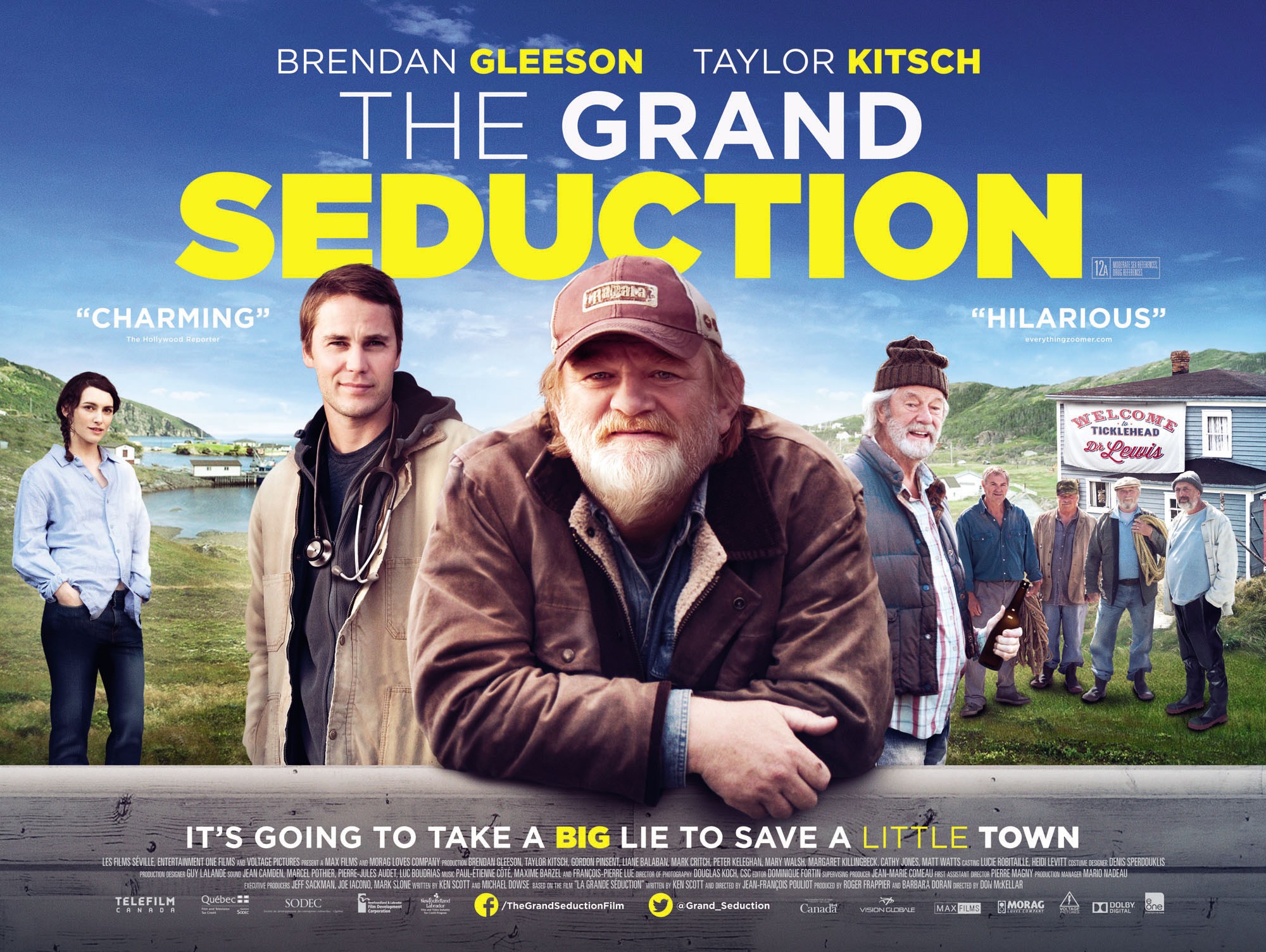
D: Don McKellar / 113m
Cast: Brendan Gleeson, Taylor Kitsch, Gordon Pinsent, Mark Critch, Liane Balaban, Cathy Jones
After eight years of surviving on state benefits, the inhabitants of a tiny harbour in Newfoundland called Ticklehead, are given a potential lifeline when a multi-national company plans to build a chemical waste recycling plant there, and provide full employment for the community. The catch? Unless they have a resident doctor, the plans will fall through. The stroke of luck? A doctor, Paul Lewis (Kitsch) caught at an airport with cocaine and sentenced to a month’s community service as Ticklehead’s temporary medic. When the locals, headed by Murray French (Gleeson) learn of his imminent arrival, they decide to spend the ensuing month doing their best to get him to stay full time and save their community.
To help with this, and because Lewis likes cricket, the villagers build a cricket pitch and pretend to be huge fans of the sport. They also leave Canadian bills of increasing value where Lewis will find them, and on the understanding that if he feels lucky in Ticklehead he won’t want to move on. By selling themselves and the harbour, the people of Ticklehead aim to make Lewis feel like an important and much needed part of the village. They also monitor the phone calls he makes to his girlfriend, Helen, looking for clues about the things he likes so they can make his stay all the more amenable. Murray even tries to get the local post office-cum-general store assistant, Kathleen (Balaban), to flirt with Lewis but she won’t do it.
As their plan begins to pay off, problems arise with the siting of the plant. A “bribe” of $100,000 needed to cement the deal, and which human ATM Henry Tilley (Critch) attempts to raise by means of a loan, eludes them. And the boss of the multi-national company decides to visit Ticklehead and see for himself that they have the required one hundred and seventy inhabitants needed to see the plant manned efficiently. And Lewis’s relationship with Helen begins to unravel, as his enthusiasm for the harbour goes unreciprocated until he learns an unpalatable truth. Murray and the rest of the villagers are overjoyed: now Lewis doesn’t have any ties. But as ever, things don’t work out in quite the way they’d planned.
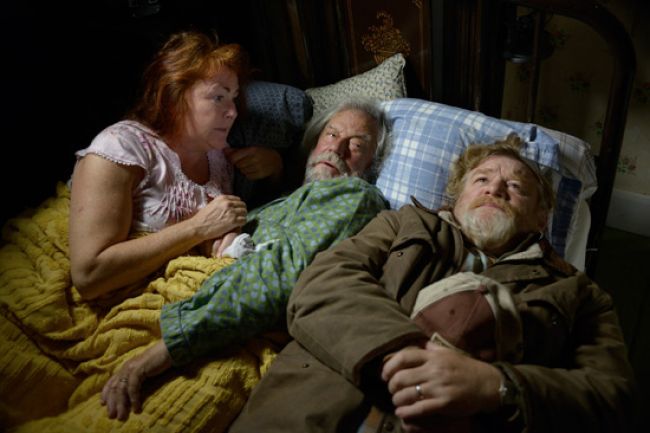
A remake of Seducing Doctor Lewis (2003), The Grand Seduction is a great big, fluffy cardigan of a movie, a warm confection that elicits good-natured smiles from the viewer at practically every turn. There is absolutely nothing new here and yet as is so often the case when something so familiar is performed with such confidence and affection, the experience is rewarding beyond any and all expectation.
And so it proves here, with Gleeson leading a cast that wouldn’t have been amiss in an Ealing comedy, and proving once again that ensemble casts representing a small community rarely ever disappoint. If it reminds viewers of Local Hero (1983), then that’s no bad thing (and that movie carried the blueprint of Whisky Galore! (1949) firmly clutched to its chest). It’s a fish-out-of-water movie too, with Kitsch’s bemused, deceived plastic surgeon all adrift at first, but finding his feet with ever-increasing confidence, and gaining a sense of purpose he didn’t have before. Kitsch is better known for his action/fantasy roles but here he dials back the heroics to play a normal nice guy who may well have appeared colourless on the page, but who proves to be more sensitive than he seems in the beginning.
With the likes of Pinsent and Critch providing solid support – and a large portion of the laughs – it’s left to the ever dependable Gleeson to provide the movie’s dramatic backbone, imbuing Murray with the kind of rugged, roguish charm that wins over both Lewis and the rest of the villagers (even when they know he’s ‘playing’ them). It’s the kind of role Gleeson could probably do in his sleep but he’s so effortlessly impressive it’s like observing a masterclass; he doesn’t put a foot wrong throughout. He and the rest of the cast all help to elevate the material, making the slightness of it so trivial it’s barely worth mentioning.
As directed by McKellar, The Grand Seduction is an appealing piece of cinematic confectionery, its picture postcard locations photographed in all their roughhewn glory, and its (admittedly) lightweight construction proving a plus rather than the expected minus. McKellar has the sense to go with the flow rather than try to make something different out of Ken Scott’s original screenplay (here adapted by Michael Dowse), and infuses even the smallest of scenes with both a painterly eye and a generous amount of good-natured, but not overwhelming sentiment. It’s often a delicate balancing act, but McKellar demonstrates in scene after scene that he’s more than up to the task. As a result, the movie never falters in its ability to entertain.
Rating: 8/10 – the kind of movie that makes a mockery of the phrase, “familiarity breeds contempt”, The Grand Seduction is a minor gem, and a movie that deserves as wide an audience as it can achieve; it may appear too whimsical for some, but that would be doing the movie a major disservice.
 thedullwoodexperiment