• 10 Reasons to Remember…
  • A Brief Word About…
  • About
  • For One Week Only
  • Happy Birthday
  • Monthly Roundup
  • Old-Time Crime
  • Other Posts
  • Poster of the Week
  • Question of the Week
  • Reviews
  • Trailers

thedullwoodexperiment

~ Viewing movies in a different light

thedullwoodexperiment

Yearly Archives: 2016

Solace (2015)

11 Monday Jan 2016

Posted by dullwood68 in Movies

≈ 1 Comment

Tags

Abbie Cornish, Afonso Poyart, Anthony Hopkins, Colin Farrell, Drama, FBI, Jeffrey Dean Morgan, Murder, Psychics, Review, Serial killer, Terminal illnesses, Thriller, Visions

Solace

D: Afonso Poyart / 101m

Cast: Anthony Hopkins, Jeffrey Dean Morgan, Abbie Cornish, Colin Farrell, Xander Berkeley, Marley Shelton, Janine Turner, Kenny Johnson, Sharon Lawrence

Solace is one of those movies. You know, a movie that dares you not to laugh at the absurdity of it all. It’s a movie that acknowledges the idea of credibility and then tramples all over it with big hob-nailed boots on. It’s so consistently bad that there’s no getting over just how awful it is. And it just goes to show that, sometimes, actors definitely go for the pay cheque rather than the artistic challenge (not that there is one here, unless you count keeping a straight face when the movie gets really silly).

But in amongst all the terrible dialogue and horrible acting, there are lessons to be learnt from Sean Bailey and Ted Griffin’s script, lessons that could prove invaluable if you’ve a mind to write your own serial killer thriller. Here are ten pointers toward making that movie a success.

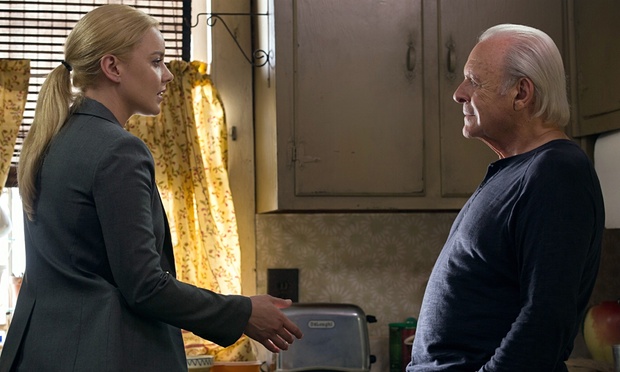
1 – Always give your central protagonist – here Hopkins’ psychic John Clancy – a heartrending backstory that will have no relevance at all until the final scene, when you can reveal a dark secret that sheds new light on the character and his/her motivations (but which will be redundant in terms of the drama).
Solace - scene3

2 – If your central character is a psychic it’s important to keep moving the goalposts in terms of what triggers his/her visions. Start off with being touched by others, then move on to have them be practically all-seeing all by themselves.

3 – If your villain is another psychic with advanced “powers”, don’t forget to make sure that, in the end, he/she is no match for your central character, and can be easily defeated, despite having a talent for seeing every outcome of every situation ahead of time.

4 – If you have to involve the police or Federal authorities, then make sure that those characters are at odds with each other in terms of their beliefs; one should be totally behind your psychic hero, while the other should doubt their abilities, and say so more than once.

Solace - scene2

5 – If you have an agent or policeman who doubts the psychic’s abilities then you should definitely include a scene where their history is laid bare with as much detail as possible, and which should be upsetting for them to hear. (This will ensure that the audience is completely impressed with the psychic’s powers.)

6 – It’s very important that your villain should be able to kill on more than one occasion and never leave any DNA or other forensic evidence at any of the crime scenes. This will make him/her seem invincible/uncatchable until it’s time for them to be defeated with ease by the psychic hero.

7 – Always ensure your psychic hero gets to upstage their police partners by making educated guesses that they can pass off as benefits of their psychic abilities. This will be important when the narrative takes a wrong turn or gets bogged down by its own implausibilities.

Solace - scene1

8 – When deciding on the killer’s motivations, it’s always best to make them sound like they’re acting with the best of (misguided) intentions. But always be sure to translate those motivations into the kind of dialogue that even the most talented actor couldn’t make convincing.

9 – Never ever insult your audience by including a scene where the psychic refuses to help the authorities because of past traumas. Everyone knows they’ll take the case, and everyone knows their reason for doing so is completely irrelevant (if it’s mentioned at all).

10 – Be sure to include several “psychic montages” that comprise shots and short clips from the rest of the movie interspersed with other, abstract images that have no relevance to the story at all (but which look pretty or ominous). Feel free also to include shots that feature the characters but which don’t actually occur anywhere else in the movie; get away with this by saying these shots are “interpretive”.

Oh, and if you can, get Anthony Hopkins to play your psychic hero. He doesn’t seem to mind what roles he takes on these days.

Rating: 3/10 – originally shot in 2013 and shelved by Warner Bros until it was picked up for distribution by troubled Relativity Media, Solace is a dreadful thriller that deserves to be locked up and never seen again; the cast are wasted, the direction is ham-fisted, and the script refuses to make any sense whatsoever, leaving the viewer with only one option – and you don’t have to be psychic to work out what that is.


Share this:

  • Share on X (Opens in new window) X
  • Share on Facebook (Opens in new window) Facebook
  • More
  • Print (Opens in new window) Print
  • Email a link to a friend (Opens in new window) Email
Like Loading...

10 Reasons to Remember David Bowie (1947-2016)

11 Monday Jan 2016

Posted by dullwood68 in Movies

≈ Leave a comment

Tags

Actor, Career, David Bowie, Musician

David Bowie (8 January 1947 – 10 January 2016)

David Bowie

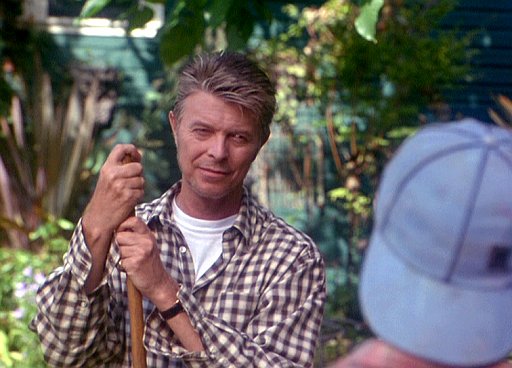
Although David Bowie will always be better known for his musical career, when it came to appearing in movies he made some tremendous choices. And when you consider he appeared in only twenty-one features it makes those choices even more impressive (this list is testament to that). He was a mercurial actor in much the same way he was a mercurial musician, always reinventing his screen persona as much as his musical one. He worked with directors of the calibre of Martin Scorsese, Nagisa Ôshima, Nicolas Roeg, and Christopher Nolan, and even found time to play Lord Royal Highness in an episode of SpongeBob SquarePants (which in some quarters is probably regarded as being even cooler than working with Scorsese et al). That he made so few movies (many of which contain cameo appearances) is understandable, but there is one performance of his that stands out from all the others; it’s also the one that was never actually filmed: his stage portrayal of John Merrick in The Elephant Man. Now if we had that to remember him by, then we would be truly blessed.

The Man Who Fell to Earth

1 – The Man Who Fell to Earth (1976)

2 – Just a Gigolo (1978)

3 – Baal (1982)

4 – The Hunger (1983)

5 – Merry Christmas Mr. Lawrence (1983)

6 – Absolute Beginners (1986)

7 – Labyrinth (1986)

8 – The Last Temptation of Christ (1988)

9 – Basquiat (1996)

10 – Mr. Rice’s Secret (2000)

Mr. Rice's Secret

Share this:

  • Share on X (Opens in new window) X
  • Share on Facebook (Opens in new window) Facebook
  • More
  • Print (Opens in new window) Print
  • Email a link to a friend (Opens in new window) Email
Like Loading...

Kidnapping Mr. Heineken (2015)

10 Sunday Jan 2016

Posted by dullwood68 in Movies

≈ 1 Comment

Tags

1982/3, Alfred Heineken, Amsterdam, Anthony Hopkins, Daniel Alfredson, Drama, Jim Sturgess, Kidnapping, Ransom, Review, Ryan Kwanten, Sam Worthington, Thriller, True story

Kidnapping Mr. Heineken

aka Kidnapping Freddy Heineken

D: Daniel Alfredson / 95m

Cast: Jim Sturgess, Sam Worthington, Ryan Kwanten, Anthony Hopkins, Mark van Eeuwen, Thomas Cocquerel, Jemima West, David Dencik

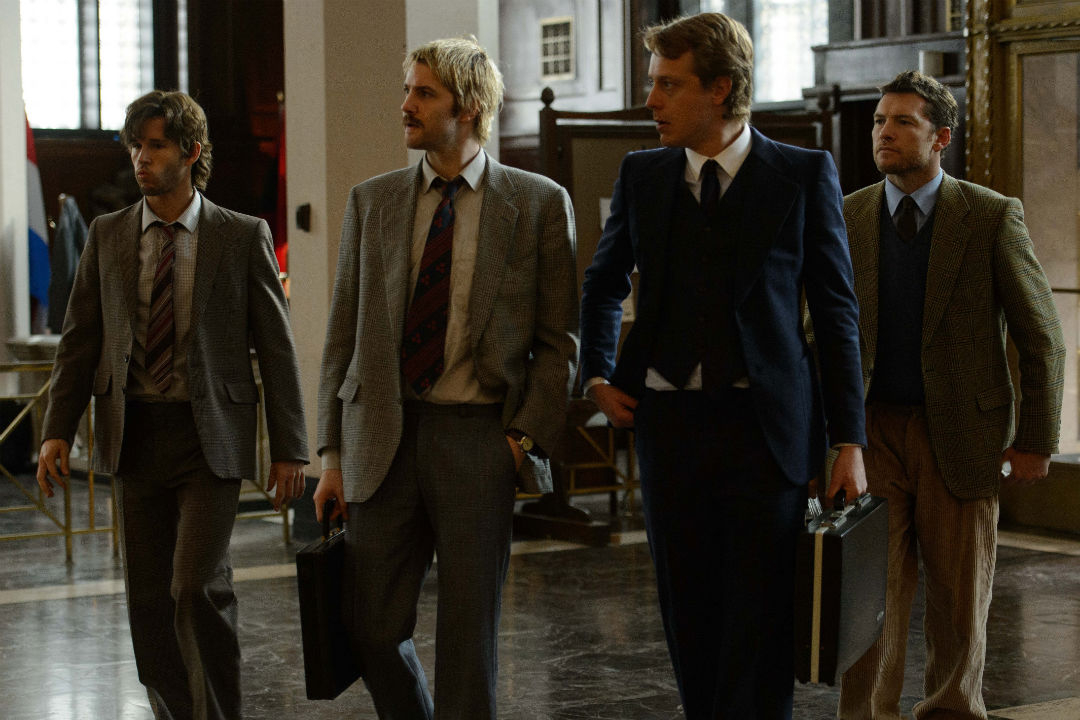
In 1982, five friends working and living in Amsterdam  – Cor Van Hout (Sturgess), Willem Holleeder (Worthington), Jan ‘Cat’ Boellard (Kwanten), Frans ‘Spikes’ Meijer (van Eeuwen), and Martin ‘Brakes’ Erkamps (Cocquerel) – are struggling to keep their construction business from going under. They don’t have any appreciable capital so the banks won’t lend them any money. But Cor has an idea (a New Year’s resolution in fact): to do something big, something that will see them all become immensely rich. That idea leads to a plan, and the plan is to kidnap the owner and founder of the Heineken brewery empire, Alfred ‘Freddy’ Heineken (Hopkins).

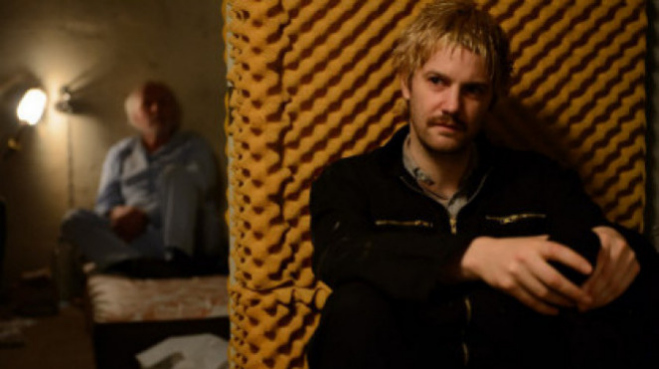
Needing to pull off this coup quite quickly, the five men begin to plan their abduction and how they will keep the ransom – $35m – and avoid being caught. They begin to watch Heineken to learn his routine, and to figure out the best time to grab him. They also realise that in order to look like professional kidnappers they’ll need to have some money behind them. So they rob a bank, and get away with enough cash to bankroll the abduction. At a shed owned by Jan, they construct soundproof cells where they can keep Heineken (and Ab Doderer (Dencik), his driver), and which are hidden behind false panelling.

KMH - scene2

The kidnapping is successful and the five men wait for the ransom note to be found by the police. They hole up at Jan’s shed, taking it in turns to check on Heineken and Doderer, and to wait for the ransom to be paid. But time passes, and after three weeks they’ve heard nothing. Willem is all for sending the police evidence that they will harm Heineken if the ransom isn’t paid, but when it comes to it he can’t do it. Another demand leads to the police and Heineken’s company agreeing to pay the ransom money, and the group successfully attain it. They stash most of it in buried tubes out in the forest, but in the days ahead they become more fearful and paranoid that the police will soon be snapping at their heels, and their long-term friendships begin to fray at the seams.

True stories – in the movies at least – usually come with the disclaimer that certain scenes, characters and/or dialogue have been fictionalised or conflated or created for dramatic purposes. This we know, and it’s always the problem with telling a true story: just how much of what you’re seeing is really true. The answer, of course, is absolutely none of it. It doesn’t matter if its’s based on a true story, or has the backing and involvement of the people it concerns or portrays, every single movie that’s based on a true story, or real events – what you’re watching is never going to be exactly what happened. And while we all know this deep down, still we take for granted that what we’re seeing actually happened, as if the writer(s), director(s) and cast have a special way of recreating past events exactly as they happened.

KMH - scene1

Sadly for Kidnapping Mr. Heineken, if that were the case, then it might help obscure or erase the movie’s most fundamental problem: it’s not in the least bit convincing or dramatic enough to work. A belated English language remake of The Heineken Kidnapping (2011), the movie is a tired, tangled piece that features five men who don’t seem to have anything in common except they take to kidnapping with apparent ease, especially when it comes to abandoning their consciences (not one of them offers any objections to the idea). And there’s an incredible naïvete about their decision that’s never properly addressed; none of them have a criminal background but they take to being criminals as if it were the most natural, and easiest, thing in the world.

With the movie establishing an awkward tone from the start, the middle section does little to rescue things, as Heineken gets the chance to be belligerent and caustic to his kidnappers on a regular basis, and they all sit around wondering why the ransom hasn’t been paid. Five more glum-looking faces you’re unlikely to see for quite some time, as the movie – scripted by William Brookfield from the book by Peter R. de Vries – fails to add any tension to proceedings, even when Willem wants to get violent. It gives rise to an odd feeling, that neither Brookfield nor Alfredson have made any connection to the story, and are telling it out of some sense of obligation.

The same can be said of the cast. Sturgess, usually a sharp-minded presence on screen, here seems held back by the vagaries of the script, in particular with regard to Cor’s relationship with his girlfriend Sonia (West), which appears to be of minor importance during the abduction but assumes a disproportionate relevance in the movie’s final third. Worthington continues to make audiences wonder why he gets so much work, giving a performance that’s so stiff you expect him to seize up at any moment. And Kwanten, thanks to one of the scruffiest wigs seen in ages, will have viewers trying to work out who he is (in real life) rather than how good his performance is. But spare a thought for Hopkins, playing yet another supporting performance and having to go from assured patriarch to rambling mental patient in the space of a competently edited chase sequence.

KMH - scene3

The story of Alfred Heineken’s kidnapping was a major news story at the time – in Holland at least – and is notable still today for the ransom being the largest ever paid for an individual, and for the fact that some of the money has never been recovered. The movie cites this at the end, along with the fates of the main characters (two of which may come as a very big surprise). But by then you’ll be less than interested, and just as relieved as Heineken probably was at being rescued from it all.

Rating: 4/10 – plodding, uninspired and plain dull for long stretches, Kidnapping Mr. Heineken is a movie that lacks commitment from its cast and crew, and ambles along with all the urgency of a downhill racer missing his skis; broadly factual (ironically, de Vries, who was an advisor on the movie, subsequently refused to watch the movie, citing numerous discrepancies between the movie and what really happened), this is a movie that gives new meaning to the words defiantly turgid.

Share this:

  • Share on X (Opens in new window) X
  • Share on Facebook (Opens in new window) Facebook
  • More
  • Print (Opens in new window) Print
  • Email a link to a friend (Opens in new window) Email
Like Loading...

A Most Violent Year (2014)

09 Saturday Jan 2016

Posted by dullwood68 in Movies

≈ Leave a comment

Tags

Albert Brooks, Ambition, Crime, David Oyelowo, Drama, Gangsters, J.C. Chandor, Jessica Chastain, Oscar Isaac, Review, Theft, Thriller

A Most Violent Year

D: J.C. Chandor / 125m

Cast: Oscar Isaac, Jessica Chastain, David Oyelowo, Albert Brooks, Elyes Gabel, Christopher Abbott, Matthew Maher, Alessandro Nivola, Peter Gerety, Catalina Sandino Moreno

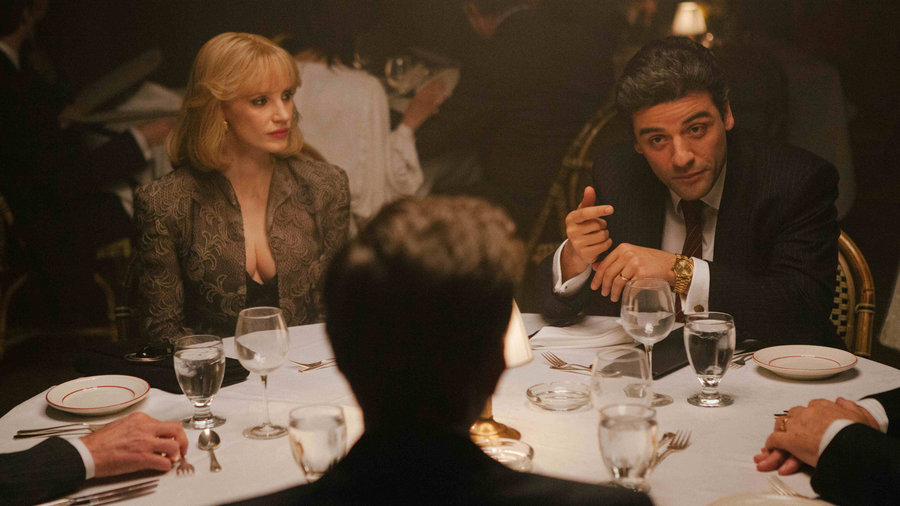
New York, 1981. In the midst of one of the most violent years in the city’s history, local businessman Abel Morales (Isaac) is looking to expand his fuel distribution company with the acquisition of a bay-front storage facility, and to do it all legally and above board. He’s supported by his wife, Anna (Chastain), but the deal he’s making for the facility is dependent on his being able to make the final payment. With his trucks being hijacked on a regular basis, and with his drivers afraid to make deliveries, Abel struggles to make sense of who’s behind it all.

Matters aren’t made any better by his having to contend with an investigation into his company by District Attorney Lawrence (Oyelowo). Lawrence is convinced that Abel’s business must be crooked in some way, despite his protestations. And as if that wasn’t bad enough, one of his drivers, Julian (Gabel), is involved in a shootout with robbers during an attempted hijacking. Julian goes on the run, and Abel has to track him down and convince him to give himself up. But Julian refuses and remains at large.

AMVY - scene2

Meanwhile, the due date for the final payment is fast approaching and Abel has to negotiate loans from as many people and places as he can, but he’s still short. When he learns that one of his trucks is in the process of being hijacked he pursues the robbers, eventually catching one of them. To his surprise he finds that the hijackings aren’t all that they seemed, though it does lead to a discovery about one of his competitors that he uses to his financial advantage. But with time running out he’s forced to approach Mafia-affiliated Peter Forente (Nivola); Forente agrees to loan Abel the money he needs but the terms are not very favourable. But when Abel tells Anna about the deal he’s made, she reveals something she’s done which has an impact on everything.

It’s been said on many previous occasions by many other people that the title A Most Violent Year is misleading. The movie contains little actual violence, despite including a bridge shootout and Abel chasing down one of the robbers, and there’s none of the tense showdowns we’ve come to associate with gangster movies. Instead, writer/director Chandor has chosen to focus on how difficult it is to operate in a criminal environment and remain honest. To look at Abel, and to see how close he’s getting to securing his company’s future, you do expect temptation to be placed in his way, and you expect him to struggle with each temptation, but what Chandor does instead is replace temptations with a series of setbacks. Abel’s a good man, solid and trustworthy through and through, and it’s how he maintains his innate honesty when faced with these setbacks – when he could be excused for taking a short cut or looking the other way for a moment – that defines him.

AMVY - scene3

As played by Isaac, Abel is a strong, determined individual who always seems a little out of his depth, despite his commitment. It’s his wife, Anna, played with spirited guile by Chastain, who is really the driving force and overseer of the business’s fortunes, and so we have a Lady Macbeth for the Eighties, as she cajoles and prompts and on occasion, bullies her husband into doing what’s needed. It’s a subtly constructed conceit – behind every successful man is an even more ambitious woman – but in the hands of Chandor and Chastain, the movie is all the more intelligent and engrossing when Anna is forced to take centre stage.

The period setting is entirely apt, with the cold, wintry conditions of the time reflecting purposefully on the narrative, as Abel’s fuel distribution business, mostly gas, is seen as a saviour not only for him, but for the city and its battle with the elements (Isaac is seen throughout in a big mustard-coloured coat that looks as warming as it does heavy). The movie wants Abel to succeed and so do we, and as he navigates the treacherous waters of “low” finance, each time he doesn’t quite achieve what he sets out to get, it has the effect of impressing on the viewer that he too will be fighting the elements if he fails completely. Bradford Young’s cinematography is a highlight, the wet, shiny, chilly streets of New York given a light sheen of glamour that makes for some impressive shots throughout the movie.

AMVY - scene1

By focusing on the trials and tribulations of someone seeking to firmly establish themselves in their chosen area of commerce, and by keeping the stakes firmly in the foreground, Chandor achieves a directness of style and narrative that keeps the viewer intrigued as to the outcome, and committed to following Abel’s story to its conclusion. It may not be a movie that features a swift pace and dazzlingly executed photography, but its measured approach to the material allows the viewer to become embroiled in the machinations and leverages that Abel becomes involved in. And if there aren’t any standout action beats or revenge style melodramatics then it’s entirely to the benefit of the movie, and stands as a testament to the quality of Chandor’s writing and directing.

Rating: 8/10 – a modest yet effective crime drama, A Most Violent Year is yet another example of just how good writer/director J.C. Chandor is, and why he’s one of the best movie makers working today; perceptive, extremely well acted, and lacking only in its inclusion of the DA subplot (which doesn’t add anything), this is the kind of movie that shouldput audiences in mind of the kind of thrillers that were being made in the early Seventies: assured, classy, and with a lot to say.

Share this:

  • Share on X (Opens in new window) X
  • Share on Facebook (Opens in new window) Facebook
  • More
  • Print (Opens in new window) Print
  • Email a link to a friend (Opens in new window) Email
Like Loading...

The 2016 BAFTA Nominations

08 Friday Jan 2016

Posted by dullwood68 in Movies

≈ Leave a comment

Tags

14 February, 2016, Adapted Screenplay, Award nominations, BAFTA, Director, Film, Leading Actor, Leading Actress, Original Screenplay, Outstanding British Film, Supporting Actor, Supporting Actress

BAFTA

It’s that time of year again when the British Academy of Film and Televison Arts (or BAFTA – much easier) aims to give a much needed boost to an ailing movie industry that’s been suffering from poor box office returns and – oh, hang on, it’s all okay, isn’t it? Star Wars: The Force Awakens has come out, hasn’t it?

Seriously though, I’ve been watching the BAFTAs each year as far back as I can remember, and while they’ve always seemed like a pale imitation of the Oscars – not quite as many A-list stars there to collect awards, less glitz and glamour, no song and dance routines (thankfully) – the evening has always been entertaining for trying to count the number of times a British connection can be made to a movie from another country. And it’s always interesting, especially last year with Still Alice (2014), to see a movie nominated for an award but which wasn’t released in the UK in the previous year (I wonder how many there’ll be this year).

Here then are the nominations in each of the main categories. The ones highlighted in bold are the ones I think will win. The ones highlighted in italics are the ones I think should win. If there’s no movie highlighted in italics then the one in bold is my choice for both.

Best Film

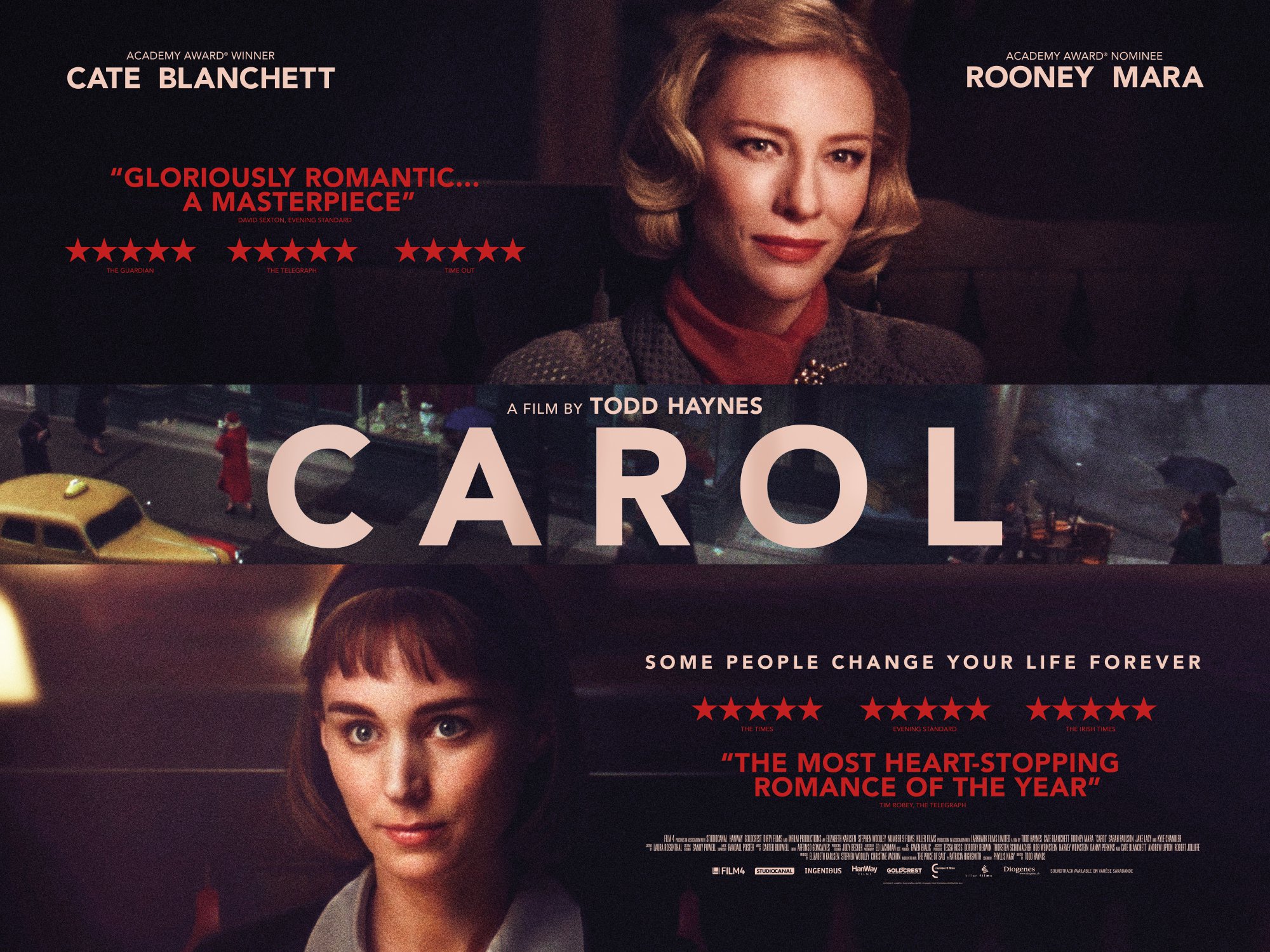
The Big Short; Bridge of Spies; Carol; The Revenant; Spotlight

Carol

Outstanding British Film

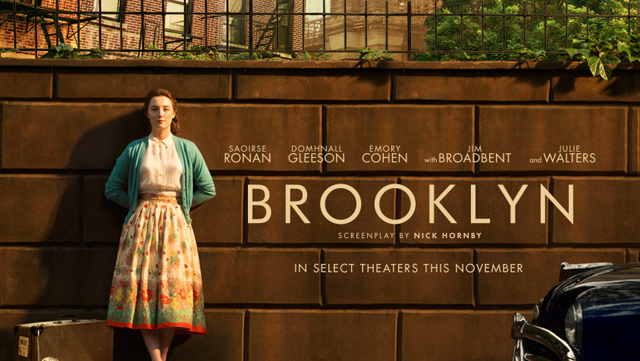
Amy; Brooklyn; The Danish Girl; Ex Machina; 45 Years; The Lobster

Brooklyn

Adapted Screenplay

The Big Short; Brooklyn; Carol; Room; Steve Jobs

Original Screenplay

Bridge of Spies; Ex Machina; The Hateful Eight; Inside Out; Spotlight

Leading Actor

Bryan Cranston – Trumbo; Matt Damon – The Martian; Leonardo DiCaprio – The Revenant; Michael Fassbender – Steve Jobs; Eddie Redmayne – The Danish Girl

Leading Actress

Cate Blanchett – Carol; Brie Larson – Room; Saoirse Ronan – Brooklyn; Maggie Smith – The Lady in the Van; Alicia Vikander – The Danish Girl

Supporting Actor

Christian Bale – The Big Short; Benicio del Toro – Sicario; Idris Elba – Beasts of No Nation; Mark Ruffalo – Spotlight; Mark Rylance – Bridge of Spies

Idris Elba

Supporting Actress

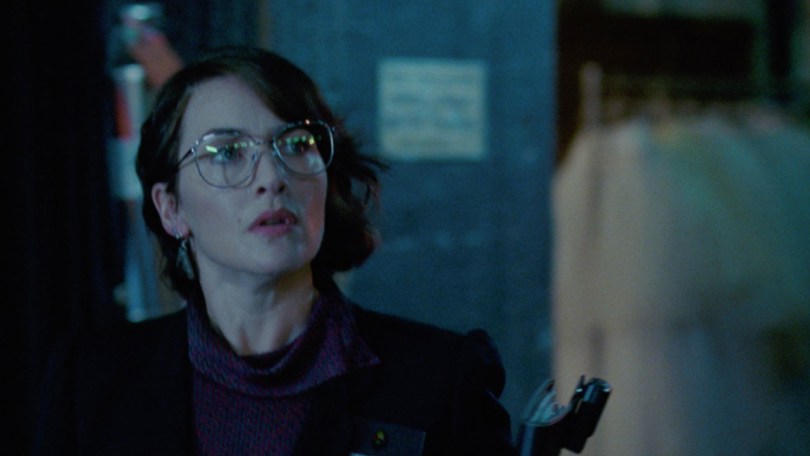
Jennifer Jason Leigh – The Hateful Eight; Rooney Mara – Carol; Alicia Vikander – Ex Machina; Julie Walters – Brooklyn; Kate Winslet – Steve Jobs

Kate Winslet

Director

Todd Haynes – Carol; Alejandro González Iñárritu – The Revenant; Adam McKay – The Big Short; Ridley Scott – The Martian; Steven Spielberg – Bridge of Spies


Share this:

  • Share on X (Opens in new window) X
  • Share on Facebook (Opens in new window) Facebook
  • More
  • Print (Opens in new window) Print
  • Email a link to a friend (Opens in new window) Email
Like Loading...

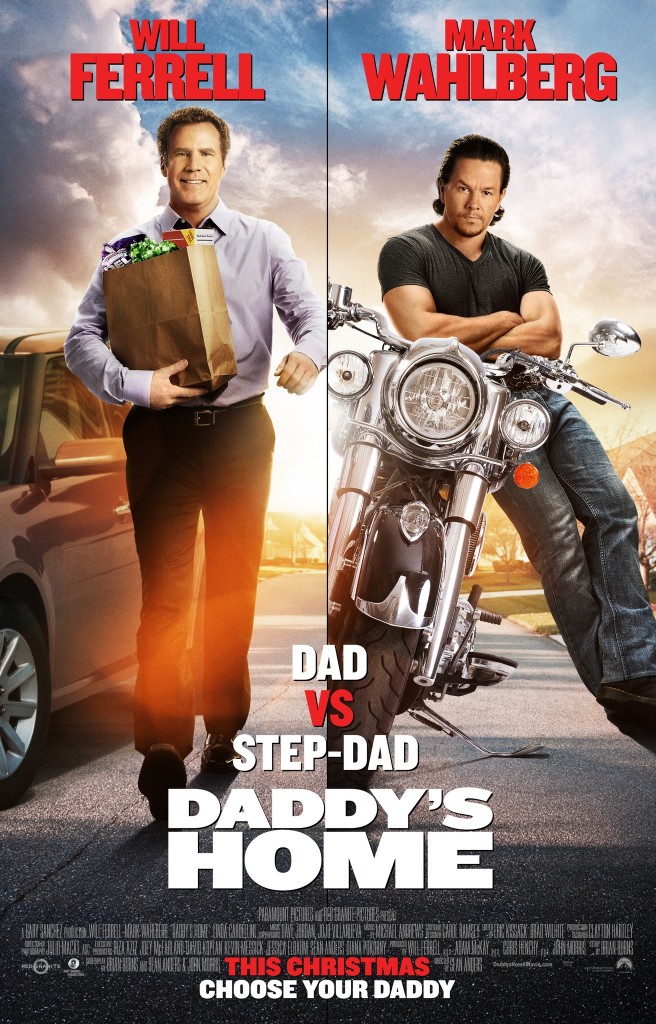
Daddy’s Home (2015)

07 Thursday Jan 2016

Posted by dullwood68 in Movies

≈ 1 Comment

Tags

Bobby Cannavale, Comedy, Infertility, Linda Cardellini, Mark Wahlberg, Review, Rivalry, Sean Anders, Stepdad, Thomas Haden Church, Will Ferrell

Daddy's Home

D: Sean Anders / 96m

Cast: Will Ferrell, Mark Wahlberg, Linda Cardellini, Thomas Haden Church, Scarlett Estevez, Owen Vaccaro, Hannibal Buress, Bobby Cannavale

Sometimes it’s easy to dismiss a movie when it appears formulaic and predictable, or has the same actor portraying the same kind of character they always do. And sometimes that’s okay because it’s the cinematic equivalent of comfort food. One such actor is Will Ferrell, who’s made a very successful career playing a man-child in a succession of comedies that have made a lot of money if never quite gaining critical approval (in short, the public likes him so the critics don’t matter). Ferrell rarely strays from playing this kind of character, and if he does it’s not very often; the last time Ferrell tried anything different was in Everything Must Go (2010).

And so he’s back in Daddy’s Home, as Brad Whitaker, a stepdad desperate to win his stepkids’ love and affection, and putting in the extra time and effort to do so because he can’t have kids of his own. Facing an uphill battle – his stepdaughter, Megan (Estevez) keeps drawing family pictures where Brad is shown either dead or dying – he begins to earn their respect and a confirmed place in their lives when, out of the blue, their biological father, Dusty Mayron (Wahlberg), calls up and Brad finds himself inviting Dusty to visit. Despite several warnings from his wife, Sara (Cardellini), that this isn’t a good idea, Brad assures her everything will be fine.

Daddy's Home - scene3

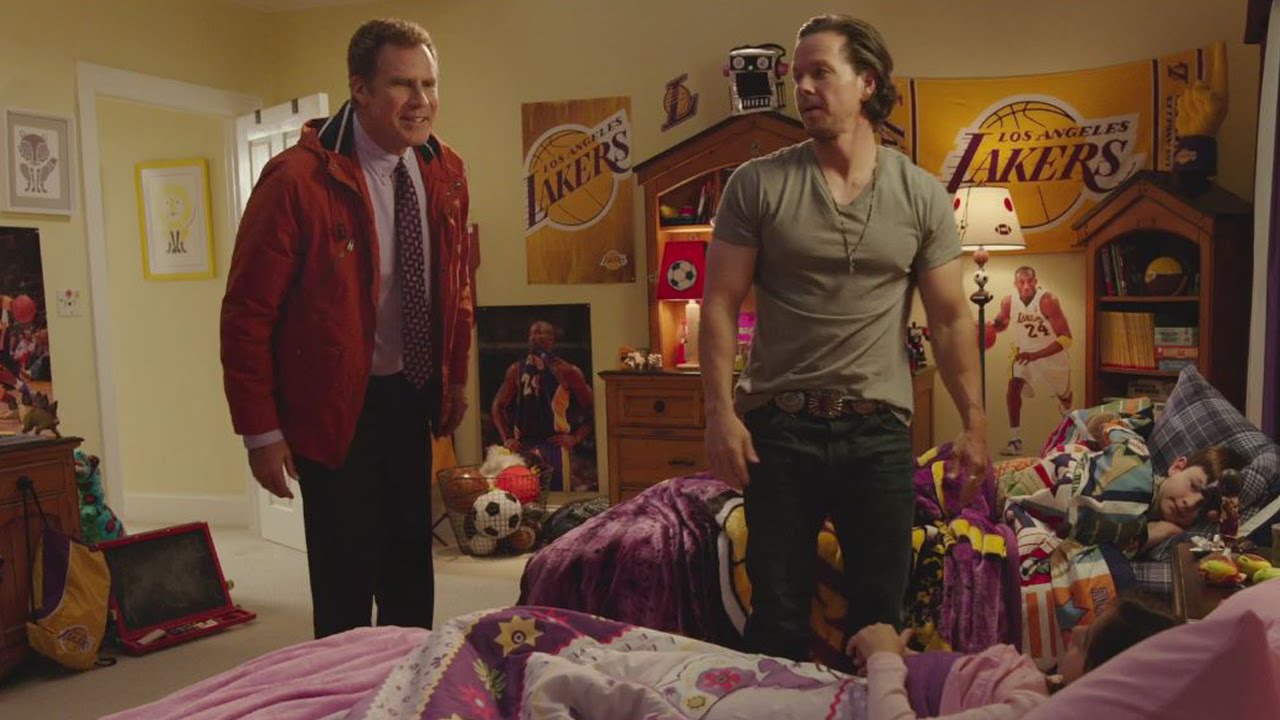
Now, up until this point, Ferrell does manage to portray a slightly different variation on his usual character, and Brad is a more confident (albeit naïve) person who knows what he’s doing. But with the arrival of Dusty, it’s back to normal as Brad’s confidence goes out the window, and Ferrell ramps up the childish and confused behaviour as Brad attempts to outdo Dusty for being cool. Of course, his efforts mostly backfire – moving Dusty’s motorbike allows for a quick succession of visual jokes – and he receives less and less support from the people around him as Dusty’s friendly nature and willingness to help others makes Brad look second-rate.

It’s obvious that Dusty is there to break things up between Brad and Sara, and the issue of Brad’s infertility is brought up time and again as a potential wedge between them, while bedtime stories about the king who returns to his castle to find an evil step-king ruling his people is stretched beyond its natural lifespan. Dusty’s efforts to undermine Brad’s role are purely of the “great gift” variety, such as the treehouse he builds in a day along with a skate ramp (he’s not averse to bribing his kids with cash to earn their loyalty, either). Against this, Brad’s efforts appear paltry and ill-advised. But when he tries to play Dusty at his own game, it leads to public humiliation and estrangement from Sara. Now it’s up to Dusty to prove he can be the kind of father that Brad is.
The Ferrell movie template is adhered to pretty closely as his character’s initial security is well established, only to be undermined or reversed with predictable ease. As Brad struggles to regain his position as head of the family, Ferrell can’t resist slipping back into the kind of character motifs he’s used over and over again in the past, from inherent cowardice to inappropriate boasting to emotional shallowness. By now, each feature Ferrell makes is like a greatest hits movie, allowing the audience to tick off familiar moment after familiar moment.

Daddy's Home - scene1

But does it all work with Daddy’s Home? The answer (predictably) is yes and no. The movie does have its moments, with Brad’s alcoholic meltdown at a basketball match proving a particular highlight, but there are still too many times when the humour is slowed down by muddled attempts to advance the (very slight) storyline, or to indulge in the kind of verbal sparring that drags on for far too long and to increasingly little effect – here it’s in a scene at the radio station where Brad works and features the man himself, his boss Mr Holt (Church), and a secondary character called Griff (Buress). The idea is there but the execution lacks both pacing and humour, leaving the viewer to wait patiently until it’s over.

There’s also a subplot involving Dylan (Vaccaro), Brad’s other stepkid, and his being bullied at school. It leads to a scene where Brad and Dusty compete to give him the best advice about dealing with the situation, but it drags on too long and loses all sense of momentum (or purpose). There is a payoff later on in the movie, and it is one of the funnier moments, if only for how unapologetically inappropriate it is, but even then, the script by Brian Burns, Anders and John Morris, follows it up with a scene that looks and feels strained and tired. It’s the movie’s curse: for every good scene that raises a chuckle or even a belly laugh, there’s at least two more scenes that cancel it all out.

With Ferrell on auto pilot for most of the movie, and the basic scenario not requiring too much effort from anyone to sell it, the rest of the cast breeze through their scenes as if they were on a break from more serious acting chores. Reuniting with his co-star from The Other Guys (2010), Wahlberg coasts along as Dusty, while Cardellini has the less than enviable task of playing the inevitably underwritten lead female. Church is frankly annoying as Brad’s boss, and is stuck with some of the worst “inspirational stories” ever relayed on screen; and Buress wanders in and out of the movie in order that Brad can be accused of racism at odd moments (and yes it is as awkward as it sounds).

Daddy's Home - scene2

If there’s a purpose to Daddy’s Home, other than to propagate the idea that one man’s sexual potency can reverse the infertility of another man, then it quickly gets lost in the telling. This is a movie whose central idea would have been better suited to a half hour short, or perhaps an episode of Modern Family. Anders directs with all the flair of someone who prints the first take, and the movie is blandly shot and edited so as not to stand out from the blandness of the material. All in all, it’s another knock-off Will Ferrell movie, and with all the disappointment that that entails.

Rating: 5/10 – more of an effort all round would have made all the difference to Daddy’s Home, but sadly it didn’t happen, and large stretches of the movie go by without making any kind of impact whatsoever (though it might encourage a degree of apathy in the casual viewer); but when it does get it right, on approximately half a dozen occasions, then its very good indeed (surprisingly), and makes you wonder what could have been achieved if the cast and crew hadn’t settled for “just good enough”.

Share this:

  • Share on X (Opens in new window) X
  • Share on Facebook (Opens in new window) Facebook
  • More
  • Print (Opens in new window) Print
  • Email a link to a friend (Opens in new window) Email
Like Loading...

Trailer – Viva (2015)

06 Wednesday Jan 2016

Posted by dullwood68 in Movies

≈ Leave a comment

Tags

Drag queens, Father/son relationship, Havana, Ireland, Preview, Trailer

A perceptive drama set in a Havana nightclub that acts as a showcase for drag performers, Viva tells the story of Jesus (Héctor Medina), a young man who does the performers’ hair and make up. Wanting to take the stage himself, Jesus is finally given the chance to do so, but the occasion is disrupted by the arrival of his father, who he hasn’t seen in fifteen years. What follows is a touching, heartfelt tale of estrangement and reconnection between two men with opposing feelings and views on life and each other (and in its own way is a kind of love story). What makes this particular movie of interest is that it’s from Ireland, it was a hit at the 2015 Telluride Film Festival, and it’s also Ireland’s official entry for the Best Foreign Film Academy Award this year. But even without that endorsement, this still looks like a movie that should gain audience approval in 2016.

Share this:

  • Share on X (Opens in new window) X
  • Share on Facebook (Opens in new window) Facebook
  • More
  • Print (Opens in new window) Print
  • Email a link to a friend (Opens in new window) Email
Like Loading...

Mini-Review: He Never Died (2015)

06 Wednesday Jan 2016

Posted by dullwood68 in Movies

≈ Leave a comment

Tags

Action, Bingo, Blood, Diner, Drama, Father/daughter relationship, Henry Rollins, Horror, Jane Greenhouse, Jason Krawczyk, Jordan Todosey, Kidnapping, Review, Steven Ogg, Thriller

He Never Died

D: Jason Krawczyk / 97m

Cast: Henry Rollins, Steven Ogg, Jane Greenhouse, Jordan Todosey, Booboo Stewart, James Cade, Dan Petronijevic, Don Francks

Jack (Rollins) is a loner. He lives in a run-down apartment building and spends most of his days sleeping. When he’s awake he’s uncommunicative and miserable. He goes to the same diner every day for the same thing (oatmeal), and is oblivious to the attempts by one of the waitresses, Cara (Greenhouse), to find out more about him. The only appointments he has are with a hospital intern, Jeremy (Stewart), who sells him unidentified items out of his car. Jack isn’t just world weary, he’s time weary.

He Never Died - scene1

When two thugs (Cade, Petronijevic) come to his apartment looking for Jeremy and threaten him, Jack dispenses with them even though he’s shot in the hand. And later that same night, he receives a call from his most recent wife asking him to pick up their daughter, Andrea (Todosey), before she gets too drunk to drive home. He finds her and takes her back to his apartment. Before long, Jack is taking Andrea to the diner, and to the place where he plays bingo two or three times a week. As they get to know each other – reluctantly on Jack’s part – his true nature begins to assert itself once the two thugs from the day before try to have him killed. From there, matters escalate. Andrea is kidnapped, Jack is revealed to have certain “skills” and one heck of a back story, and the shadowy presence of an old man continually leaves Jack spooked.

He Never Died is many things: a black comedy, a thriller, a horror movie, a relationship drama, and a movie with a core mystery whose reveal is at odds with one of the first things we learn about Jack. But this is okay, because even though these various story elements don’t always gel together into an effective whole, this is a movie that has Henry Rollins giving one of the most enjoyably deadpan, sardonic performances ever. While there are times when writer/director Krawczyk’s script drops the ball (and never finds out where it’s ended up), Rollins is the rock the movie is built on, and he doesn’t disappoint, playing Jack completely straight and with a no-nonsense attitude that reaps dividends from the start. This is a man who is seriously underwhelmed by everything; to say he doesn’t suffer anything gladly would be a massive understatement.

But while Rollins is impressive as Jack, and he plays him with a hard-edged nonchalance that’s strangely endearing (for the viewer), elsewhere there are performances and characters that don’t quite fit the bill. Ogg’s slimy club owner, Alex, is played at too manic a pitch to be anything but annoying, while Greenhouse’s smitten waitress is asked to suspend disbelief too often for comfort, and too easily. It’s left to Todosey to inject some fun into proceedings, as Andrea manoeuvres her way through the minefield of Jack’s reluctance to bond.

He Never Died - scene3

He Never Died is also a movie that, for a comedy-horror-thriller, is drenched in blood, whether it’s from one of the many goons who cross his path, or from Jack himself (there’s a scene with a pair of pliers that you won’t forget easily). The red stuff is all over the place here, but it’s relevant too, and thanks to Eric Billman’s often colour saturated cinematography, is memorable for its distribution and its lurid quality. But while Krawczyk pays his genre dues, it’s in terms of the movie’s humour that He Never Died works so well, with some whip-smart dialogue and a handful of killer one-liners (Andrea’s assertion that “vaginas are like coupon books for alcohol” is an instant classic).

Rating: 7/10 – while it struggles at times to be coherent and true to its main character’s origins, there’s much to enjoy in He Never Died; violent, profane and gloriously acerbic, it’s a movie that revels in its own cleverness, and wants its audience to have the anarchic ride of their lives, something it achieves with undisguised relish.

Share this:

  • Share on X (Opens in new window) X
  • Share on Facebook (Opens in new window) Facebook
  • More
  • Print (Opens in new window) Print
  • Email a link to a friend (Opens in new window) Email
Like Loading...

Happy Birthday – Julian Sands

04 Monday Jan 2016

Posted by dullwood68 in Movies

≈ Leave a comment

Tags

4 January, Actor, Birthday, Cat City, Julian Sands, Leaving Las Vegas, Romasanta, The Scoundrel's Wife, Wherever You Are...

Julian Sands (4 January 1958 -)

Julian Sands

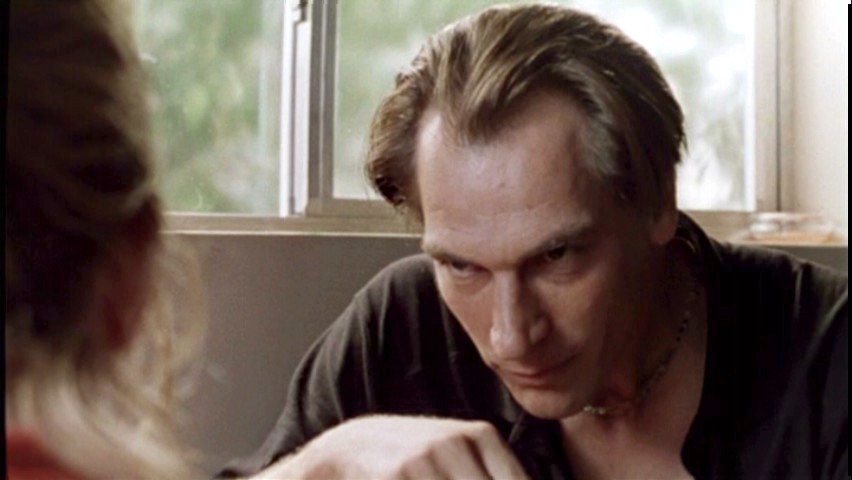
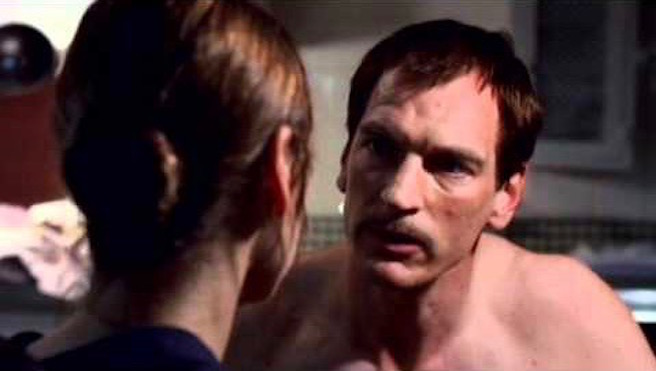
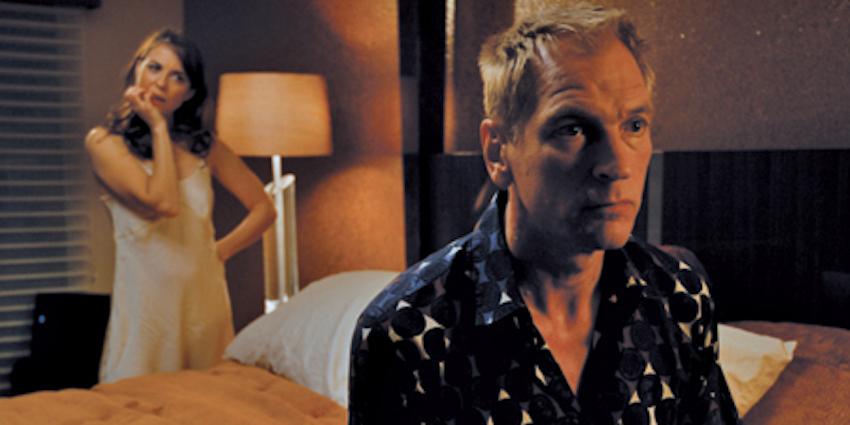
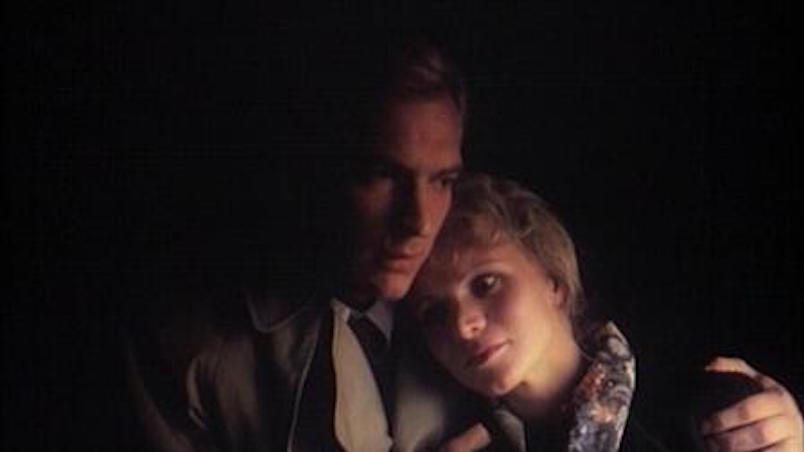
With his striking good looks and rich earthy vocal tones, Julian Sands is an actor whose early roles, including his breakout role in A Room With a View (1985), seemed destined to have him forever playing in costume dramas, but as his career has progressed he’s found a home in horror movies and thrillers alike, albeit with mixed results. For every Arachnophobia (1990) though there has been a Heidi 4 Paws (2009), and it’s always seemed that Sands’ career has never really been able to fulfill its potential. But he’s still an interesting actor to watch, and can often use his sardonic approach to less than worthy material to make things more interesting. Here are five examples of movies where he’s been a part of something worthwhile, and where his performance has been one of the main reasons why.

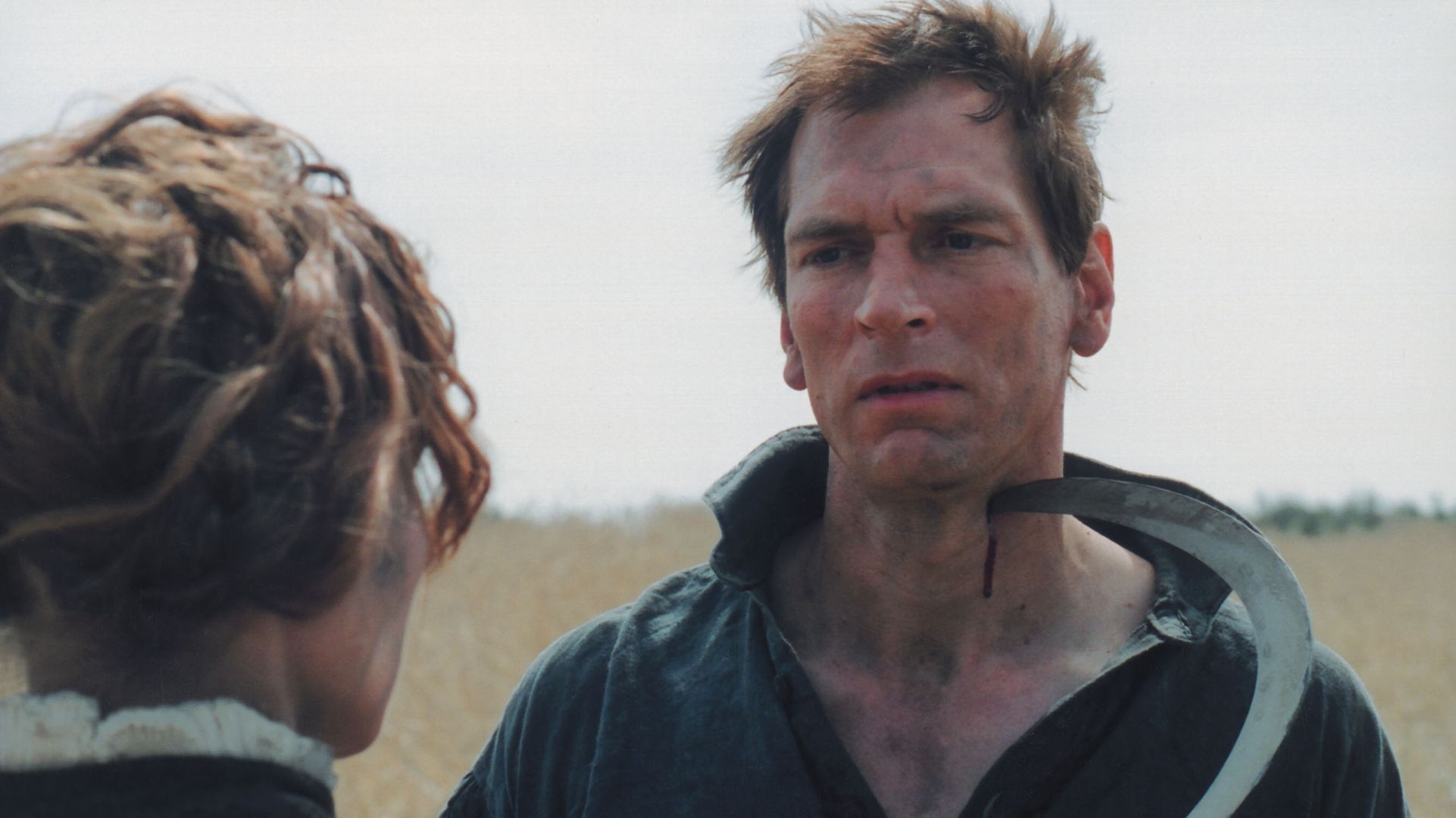
Romasanta (2004) – Character: Manuel Romasanta

Romasanta

This low-budget horror is based on the true story of Sands’ title character, a travelling vendor in 1850’s Spain who was also a serial killer. It’s an atmospheric chiller, and Sands is eerily effective as the man who used his victims’ body fat for soap. The part calls on his skill as a seductive charmer, and it’s this thread of gothic romanticism that allows Sands to portray Romasanta as both lover and villain.

Leaving Las Vegas (1995) – Character: Yuri Butso

Leaving Las Vegas

While everyone remembers Nicolas Cage’s Oscar-winning central performance (and rightly so), not everyone remembers Sands’ supporting role as the Latvian pimp whose selfless severing of his relationship with prostitute Sera (played by Elisabeth Shue), is the catalyst for her meeting Cage’s character, Ben. Sands is memorably vulnerable in the role and gives one of his most affecting portrayals, providing a counterpoint to Cage’s self-loathing alcoholic.

The Scoundrel’s Wife (2002) – Character: Dr Lenz

The Scoundrel's Wife (1)

Sands takes a mainly supporting role in this drama set in Louisiana during World War II where  a woman (played by Tatum O’Neal) trying to raise her two children alone is accused of being a saboteur. Sands’ gives a dignified, restrained performance as the German medic who tends to the wounded survivors of U-boats sunk in the nearby Gulf (and much to some of the locals’ consternation), and who also develops a relationship with O’Neal’s character. Based on real events, the movie isn’t entirely successful, but it is lifted whenever Sands is on screen.

Cat City (2008) – Character: Nick Compton

Cat City

A modern day film noir gives Sands the chance to play a husband who may or may not be playing around. Acting alongside Rebecca Pidgeon (the wife) and Brian Dennehy (the detective looking into things), Sands is an unscrupulous land developer who’ll stop at nothing to get what he wants, while being unaware that his wife is having him investigated. Scandal and murder ensue when one of his more shady deals goes wrong.

Wherever You Are… (1988) – Character: Julian

Wherever You Are

This sombre movie from Krzysztof Zanussi sees Sands play a Uruguayan diplomat who takes his wife (played by Renée Soutendijk) on a trip to Poland in the lead up to World War II. While she has premonitions about the impending German invasion, Julian buries himself in his work and behaves cruelly towards her. Sands gets to play very nasty indeed and under Zanussi’s direction gives a memorable performance as a man with literally no redeeming values at all.

Share this:

  • Share on X (Opens in new window) X
  • Share on Facebook (Opens in new window) Facebook
  • More
  • Print (Opens in new window) Print
  • Email a link to a friend (Opens in new window) Email
Like Loading...

10 Reasons to Remember Vilmos Zsigmond (1930-2016)

04 Monday Jan 2016

Posted by dullwood68 in Movies

≈ Leave a comment

Tags

Career, Cinematographer, Oscar winner, Vilmos Zsigmond

Vilmos Zsigmond (16 June 1930 – 1 January 2016)

Vilmos Zsigmond

During the Seventies, Vilmos Zsigmond’s work as a cinematographer was a guarantee of excellence. He lensed twenty-three movies during the decade, and won an Oscar for Close Encounters of the Third Kind (1977 – where he faced being fired on several occasions), not bad for a cinematographer who started out (with fellow émigré Laszlo Kovács) shooting footage of the Hungarian Revolution of 1956, and who found fame, of sorts, as a DoP on movies such as Al Adamson’s Psycho a Go-Go (1965) and Horror of the Blood Monsters (1970) (movies where he was credited as William Zsigmond). But it was his Seventies output that brought him to a wider, international audience, and it was his use of natural light and colour that made his work stand out from that of his colleagues. His last movie was the comedy-drama Six Dance Lessons in Six Weeks (2014), but he was still working at the time of his death, with one movie in pre-production and four others announced. His talent will be missed, as well as his generosity to others, but thankfully we have a tremendous body of work to remember him by.

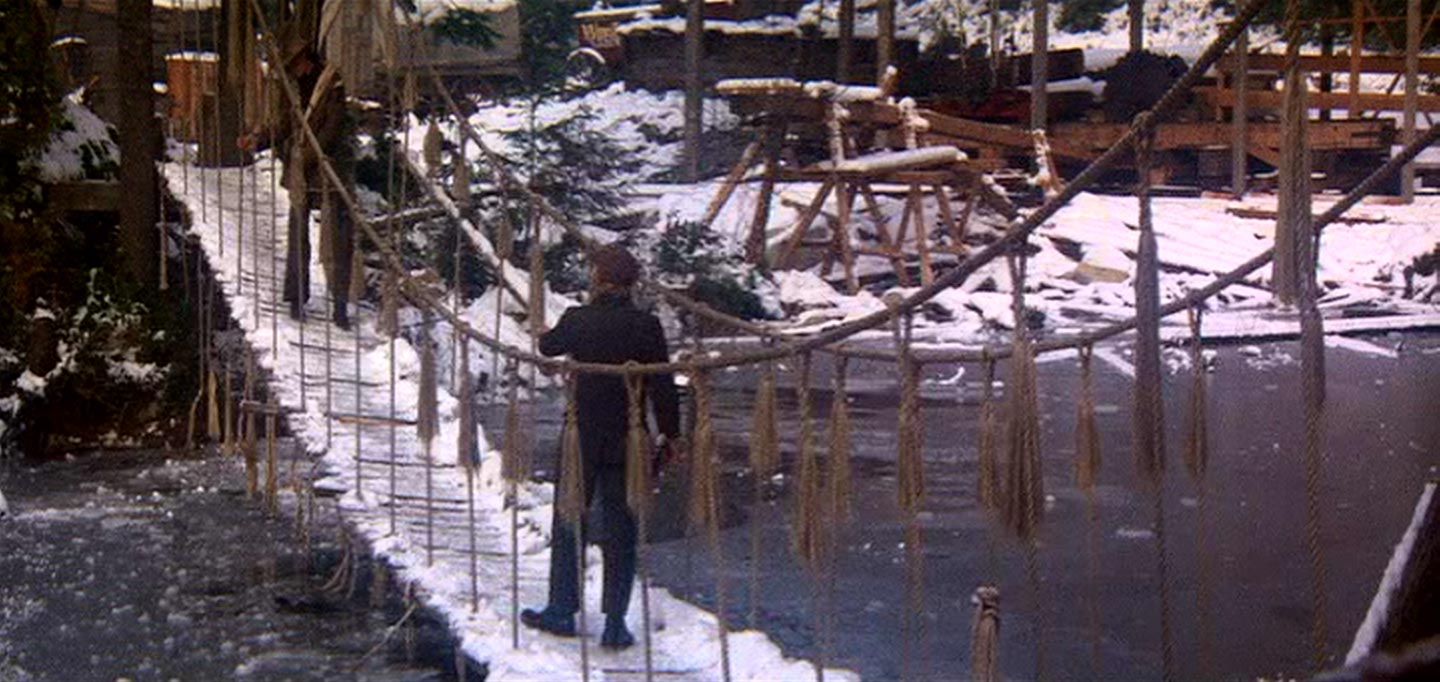
1 – McCabe & Mrs. Miller (1971)

McCabe & Mrs Miller

2 – Deliverance (1972)

3 – The Long Goodbye (1973)

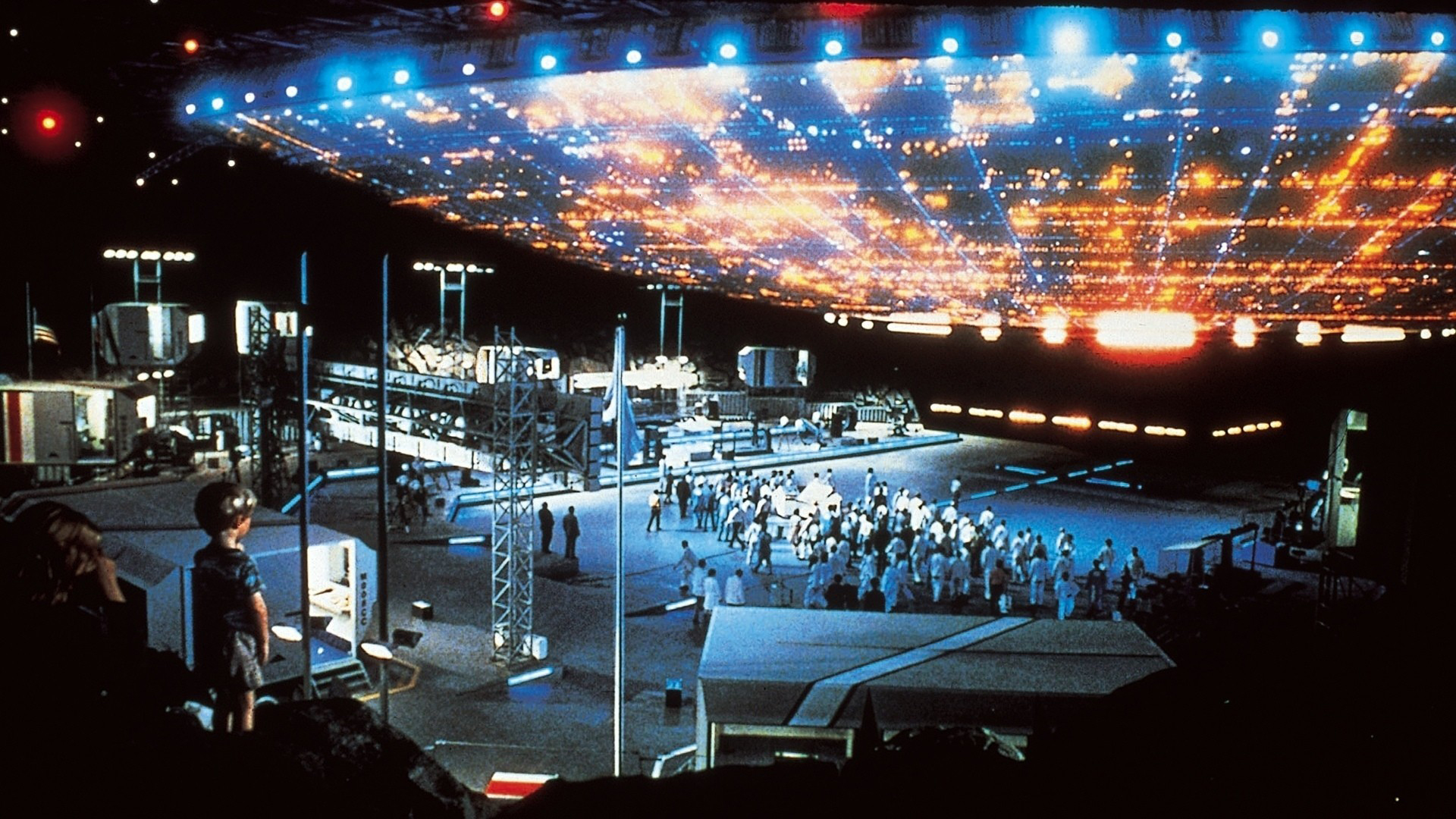
4 – Close Encounters of the Third Kind (1977)

CE3K

5 – The Deer Hunter (1978)

6 – Winter Kills (1979)

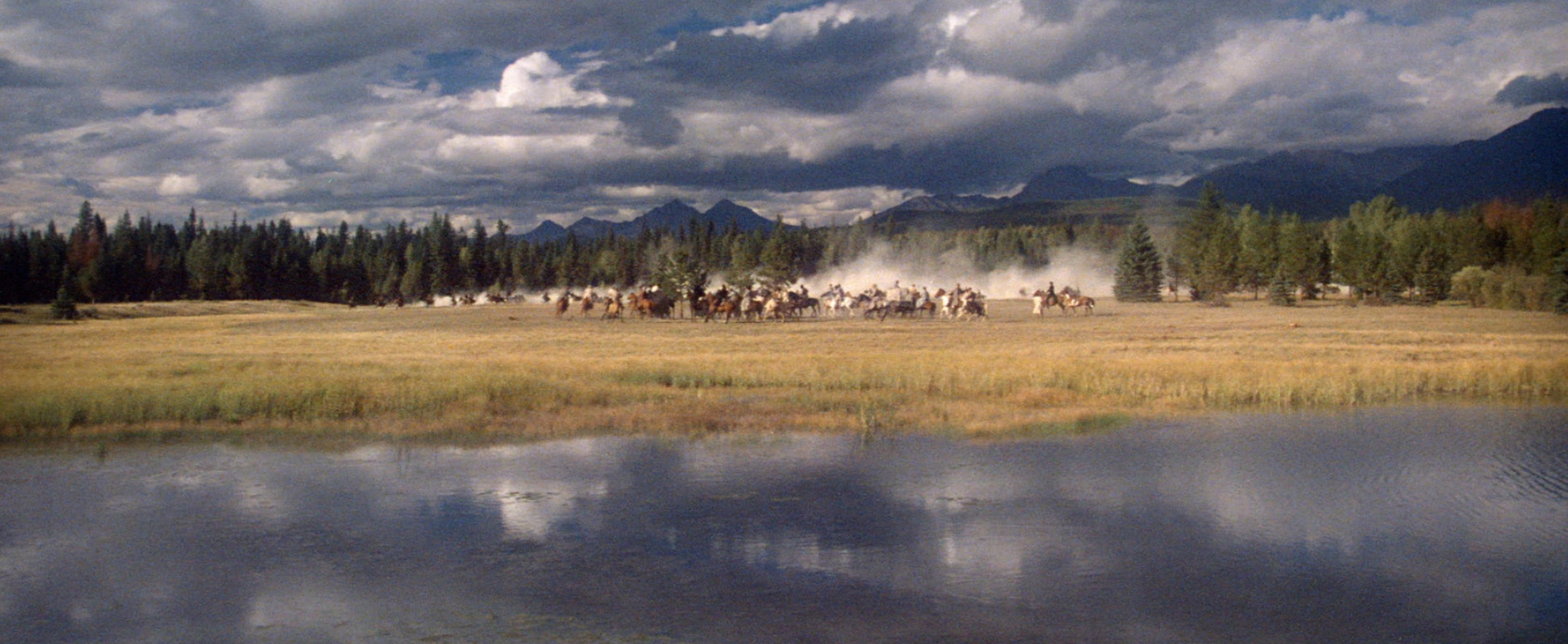
7 – Heaven’s Gate (1980)

Heaven's Gate

8 – The Crossing Guard (1995)

9 – The Ghost and the Darkness (1996)

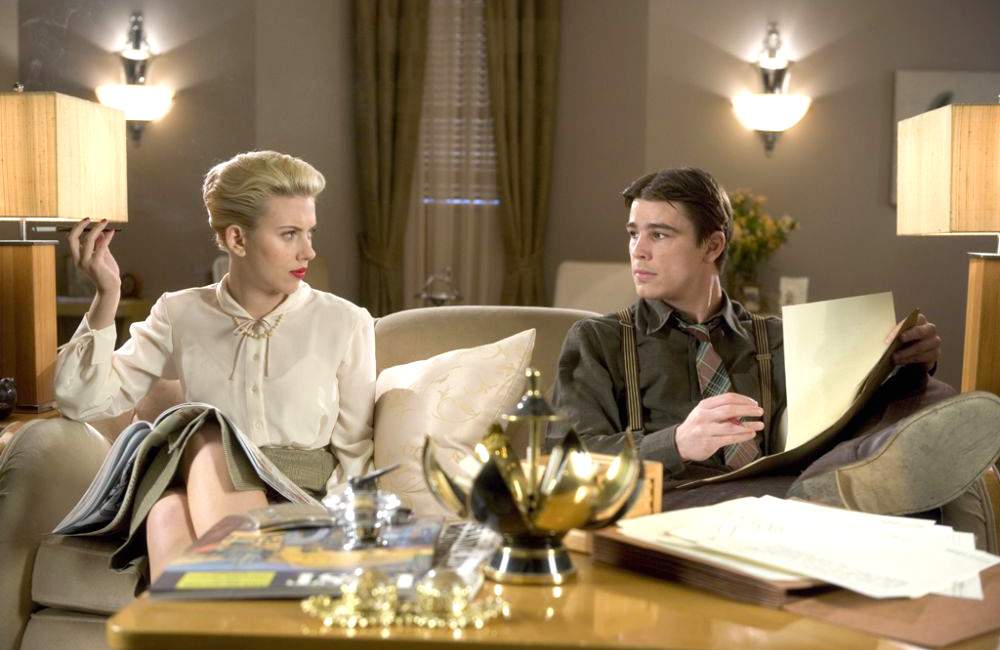
10 – The Black Dahlia (2006)

The Black Dahlia

Share this:

  • Share on X (Opens in new window) X
  • Share on Facebook (Opens in new window) Facebook
  • More
  • Print (Opens in new window) Print
  • Email a link to a friend (Opens in new window) Email
Like Loading...

The Visit (2015)

03 Sunday Jan 2016

Posted by dullwood68 in Movies

≈ Leave a comment

Tags

Deanna Dunagan, Drama, Ed Oxenbould, Found footage, Grandchildren, Grandparents, Horror, Kathryn Hahn, M. Night Shyamalan, Olivia DeJonge, Peter McRobbie, Review, Thriller

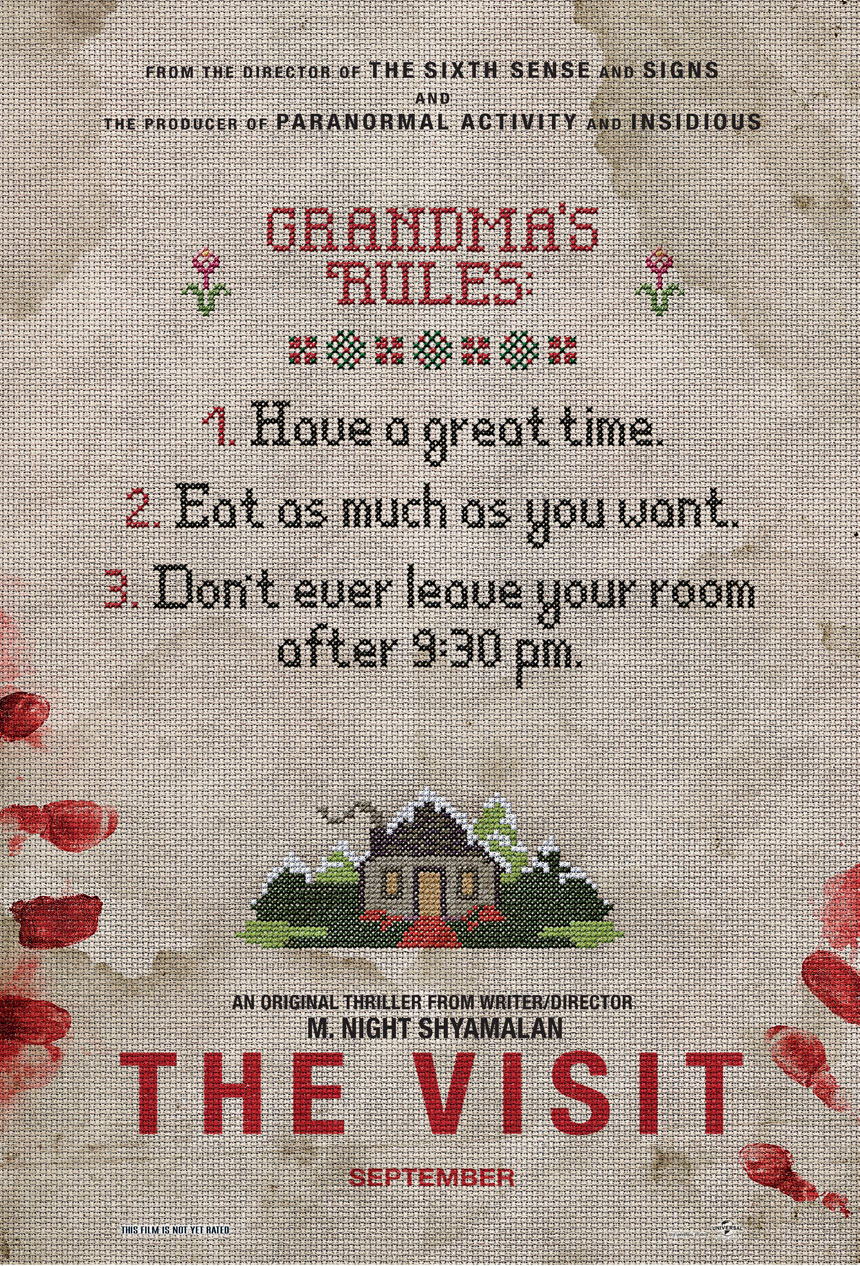
The Visit

D: M. Night Shyamalan / 94m

Cast: Olivia DeJonge, Ed Oxenbould, Deanna Dunagan, Peter McRobbie, Kathryn Hahn, Celia Keenan-Bolger

If you’re M. Night Shyamalan, and your career has become known more for the disappointing movies you’ve made rather than the global box office success of your third feature, then what do you do? Do you plug away at the kind of movies you like to make, where there’s a twist in the tail every time, or do you try something different? And what do you do if “different” still doesn’t work?

Well, if you are M. Night Shyamalan, then you keep coming back to the kind of movie that brought you international fame and fortune in the first place. You keep tweeking the idea to be sure, but in the end it’s the same mystery set up with a twist at the end designed to make viewers gasp, “Wow! I didn’t see that coming!” The only problem with that approach though, is that viewers will be expecting the twist and trying to work it out from the word go. The beauty of The Sixth Sense (1999) was that it was a movie with so little fanfare that when the truth about Bruce Willis’s character was revealed, audiences were properly surprised. But now, audiences are that much more savvy, and getting something past them like that is even more difficult.

The Visit - scene2

But Shyamalan is a trier, and he certainly doesn’t give up easily. And so we have The Visit, his latest venture as writer/director, and a movie that is two parts Tales from the Crypt and one part The Twilight Zone. The set up is pretty simple: single mom (Hahn) decides to send her two young children – Becca (DeJonge) and Tyler (Oxenbould) – to visit their grandparents for the first time. Mom is estranged from her parents, but feels it will be good for her kids to meet them and build a relationship with them. Becca decides to film the trip and their stay, both as a record of the occasion and as part of a larger school project.

When they arrive at their grandparents’ place, they find Nana (Dunagan) and Pop-Pop (McRobbie) to be a pleasant, welcoming couple. However, it’s not long before they begin to realise that Nana and Pop-Pop might have a few issues related to their age. Nana exhibits strange behaviour during the night, from wandering (apparently) aimlessly through the house to scratching at the wall outside their room – and without any clothes on either. But Pop-Pop explains that Nana isn’t too well, and Becca and Tyler sympathise and continue their stay – even after they play hide and seek under the house and find Nana under there with them and chasing them on all fours.

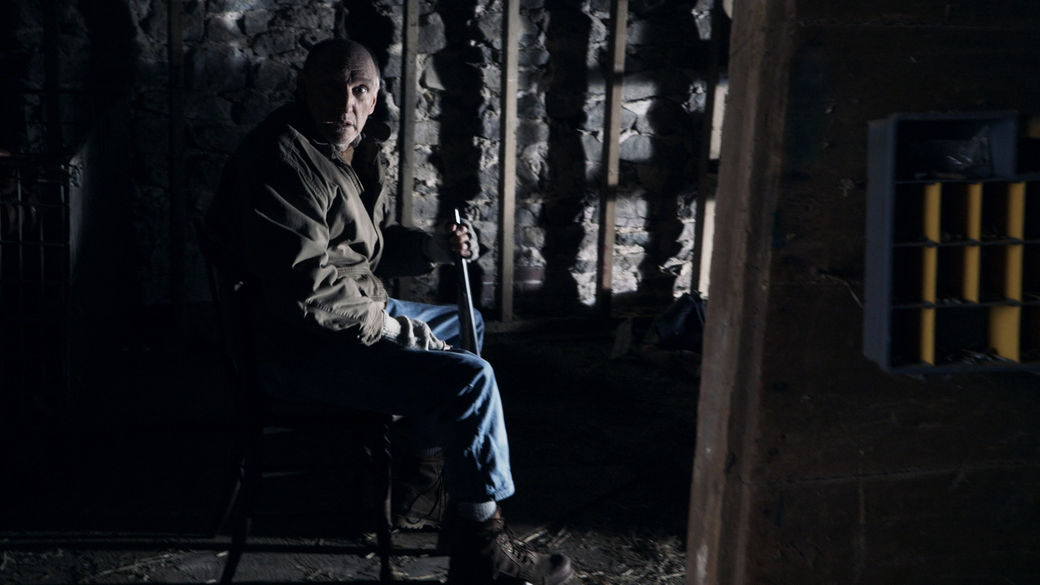
But Pop-Pop also exhibits some strange behaviour. He keeps going out to the shed each day and depositing a package there. Tyler investigates and finds that Pop-Pop has his own problems. And still the children continue their stay, even as they begin to suspect that good old Nana and Pop-Pop might not be in the best of mental and/or physical health. FaceTime calls with their mom don’t help, as she’s focused on the holiday she’s enjoying with her new man. But as the week of their stay progresses, events become more unnerving and both Becca and Tyler begin to look forward to going home, just as Nana and Pop-Pop begin to think it might be a good idea if they stayed longer.

The Visit - scene1

Let’s get the twist out of the way. It comes along with roughly fifteen minutes to go, and for seasoned veterans of this kind of movie, will have been guessed a long time before then. It’s not a particularly difficult twist to work out – Shyamalan provides enough clues – and when it comes it’s done in a suitably effective way. But while some viewers may feel it’s an unnecessary turn of events, advance knowledge actually doesn’t make the movie any less effective (as far as that goes). What it does do though is give Shyamalan the chance to ramp up the tension of the last ten minutes and inject some much needed energy.

The Visit lives or dies by how convincing the children’s reaction to their grandparents’ behaviour is. Today, with children being a lot more aware of the wider world around them, and of what is and isn’t right, being holed up with a couple of elderly people who exhibit bizarre behaviour that might lead to their being violent, doesn’t seem like something that two kids of Tyler and Becca’s intelligence would endure (even for their mom’s sake). But they do, and in reality we wouldn’t have a movie if they didn’t, but equally, in reality they would have been out of there the moment they saw Nana scratching at the walls in the all-together. Shyamalan is clever enough to invoke the sympathy card but when Becca surprises Pop-Pop “cleaning” his rifle, they still opt to wait out the week.

Suspension of disbelief is pretty much a standard requirement for horror thrillers, and The Visit requires it just as much as any other, similar movie. But here the basic set up is so banal, so bland, that when events become disturbing and threatening, Shyamalan can’t come up with a convincing reason for the kids to stay. And he’s not helped by the decision to use the found footage approach, which leads to several moments where suspension of disbelief is not only required but stretched to its limits (just how many times can a camera be dropped/left in exactly the right place to record things?).

The Visit - scene3

But while the movie’s more sinister elements aren’t entirely successful, with several references to Grimm’s Fairy Tales added to the mix, where Shyamalan does succeed is with his cast. DeJonge and Oxenbould are terrific as the children, siblings who fight and argue with each other all the time but who are clearly devoted to each other at the same time. Becca is a budding cineaste and talks about movie making as if she were an auteur; DeJonge captures the child’s need to feel and be treated like an adult with surprising precision. Tyler’s wannabe rapper feels like a way for him to deal with not having a father, and Oxenbould gives Tyler a wonderful braggadocio in these moments (even if his rapping is awful). As Nana and Pop-Pop, Dunagan and McRobbie don’t overplay their “issues” and prove remarkably effective at providing the chills beneath the sweetness of the couple’s exterior affability.

Made on a small budget but with a degree of creativity that makes the movie a lot more entertaining than some of Shyamalan’s other movies – The Happening (2008), The Last Airbender (2010) to name but two – The Visit still doesn’t quite mean a return to the early form Shyamalan showed with The Sixth Sense. But it’s a better found footage movie than most, tells its story with a refreshing lack of gimmicks, and might just be a sign that Shyamalan is turning the corner and starting to make good movies again.

Rating: 6/10 – not as eerie or as frightening as its writer/director may have wanted, The Visit is nevertheless a worthwhile entry in the found footage genre (even if it’s not technically “found” footage); good performances bolster a script that doesn’t fulfill its own potential, but most viewers will find the movie an okay watch that doesn’t insult them too much of the time, or deliberately.

Share this:

  • Share on X (Opens in new window) X
  • Share on Facebook (Opens in new window) Facebook
  • More
  • Print (Opens in new window) Print
  • Email a link to a friend (Opens in new window) Email
Like Loading...

Goodbye to All That (2014)

02 Saturday Jan 2016

Posted by dullwood68 in Movies

≈ Leave a comment

Tags

Angus MacLachlan, Anna Camp, Ashley Hinshaw, Audrey Scott, Comedy, Drama, Heather Graham, Heather Lawless, High school reunion, Marital break-up, Marriage, Melanie Lynskey, Paul Schneider, Relationships, Review, Romance

Goodbye to All That

D: Angus MacLachlan / 87m

Cast: Paul Schneider, Melanie Lynskey, Audrey Scott, Anna Camp, Ashley Hinshaw, Heather Lawless, Heather Graham, Michael Chernus, Amy Sedaris, Celia Weston

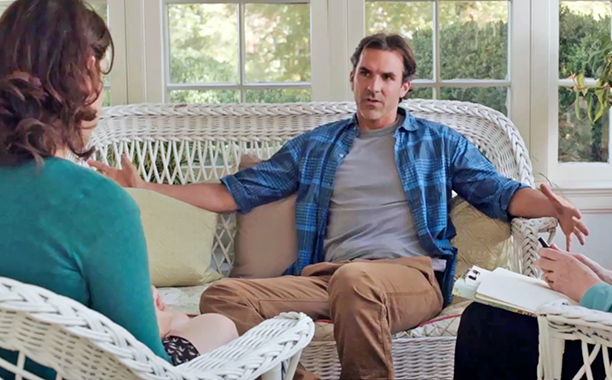
For Otto Wall (Schneider), life appears to be ticking along quite nicely. He has a wife, Annie (Lynskey) and a pre-teen daughter, Edie (Scott), a good job, and he wins local running competitions. He’s also quite accident prone, and one day he breaks his foot. One day during his recovery, Annie asks him to meet her at her therapist’s. Unaware of what’s about to happen, he learns that Annie wants a divorce (though the reason why is less than forthcoming). Shocked and confused, Otto struggles with the need to find a new place, and telling the people around him. The only positive is that he can still see Edie, and have her stay over at his new place.

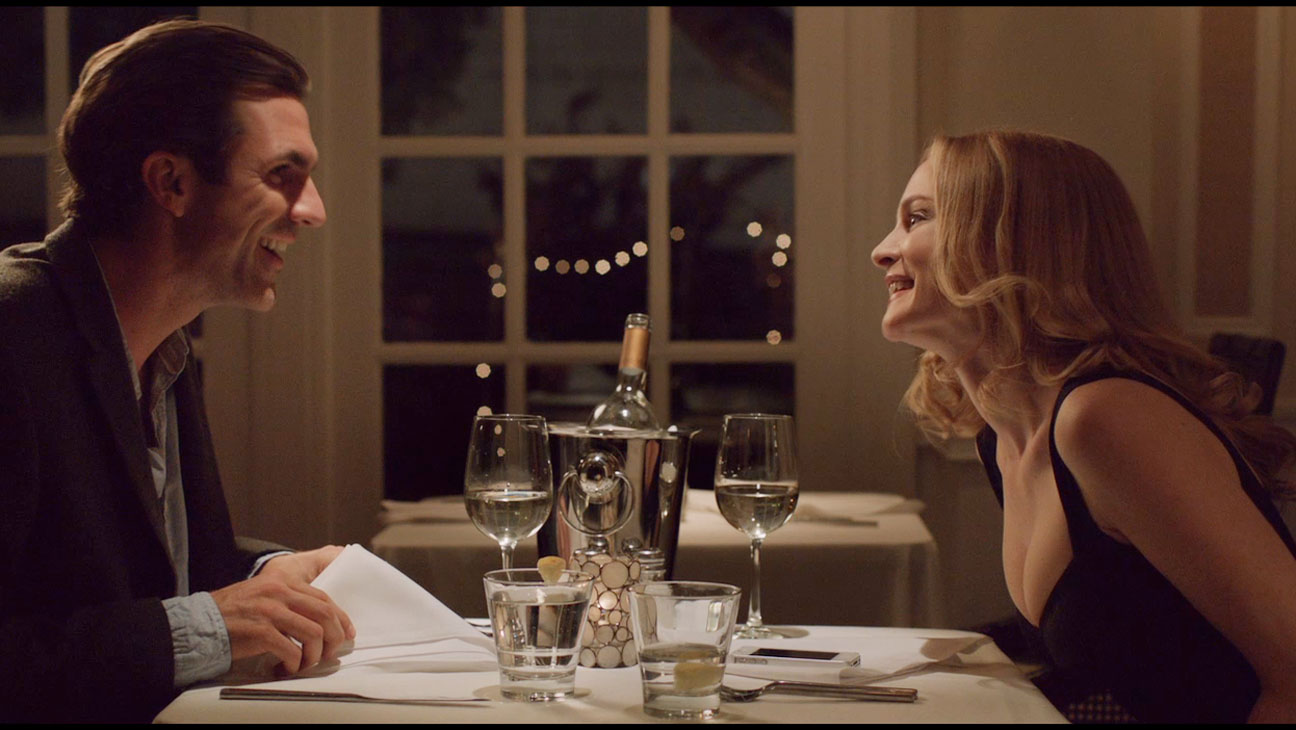
Otto soon learns that Annie has been having an affair. This prompts him to consider dating again. He hooks up with an old girlfriend, Stephanie (Graham), when she contacts him via Facebook, and they have a one night stand that leaves Otto even more confused than before. Using a dating sight he meets Mildred (Hinshaw), who will willingly have sex with Otto, but doesn’t want a relationship. When Edie expresses an interest in going to church, he meets Debbie Spangler (Camp), a young single woman he takes to a cabin for the weekend. They too have sex, but the next morning she freaks out and tells Otto they shouldn’t have done what they did (which makes the journey home a little fraught).

Goodbye to All That - scene2

Otto still sees Annie occasionally, but their meetings are brittle moments of cordiality. When Edie begins to show signs that she doesn’t want to stay over any more, following a break-in, Otto begins to feel as if his life is now in complete freefall. It’s only his high school’s 20th anniversary reunion party that offers any relief: there he sees the girl who got away, Lara (Lawless). They spend time together briefly before she announces she has to leave. Otto gets her number though, and later calls her. He’s delighted to learn that she’s divorced, but surprised to learn that she’s heading to Costa Rica to teach scuba diving. It all leaves Otto with a big decision to make: whether to go with Lara, or stay and be near to Edie.

A gentle comedy of sexual manners married to a relationship drama that lacks depth, Goodbye to All That is a movie that most viewers will watch with the idea that at some point it’ll reveal what it wants to say. But unfortunately, MacLachlan, who wrote and directed the movie, never does reveal what the movie wants to say, or what it’s all about. On the surface – a very cloudy surface, admittedly – it’s about a man coming to terms with being single again after a lengthy time being married, and having no clue as to what to do next. Otto is possibly one of the most aimless, laidback characters seen in recent years, his oblivious manner and clueless expressions the marks of a man with little or no understanding of the people and places around him; it’s like he’s sleepwalked through his entire life so far.

His sexual liaisons with Stephanie, Mildred and Debbie should allow Otto the room and the experience to grow as both a father and an individual, but he’s much the same at the end as he was at the beginning, just less of a man with a puppy dog’s approach to life. Faced with women who are more emotionally and sexually complex than he is, Otto can only marvel at the ways in which relationships have evolved since he started dating Annie. As an observation on life in general, it’s pretty shallow, and as an observation of the female characters in the movie, it’s shallower still. Stephanie is all about self-gratification, Mildred is all about boundaries, and Debbie is all about unrestrained excess (with a side order of post-sexual guilt). Put them all together and they’re still not a complete woman. Instead they’re stereotypes, created to allow Otto to express his confusion about women’s needs.

Goodbye to All That - scene1

It’s this confused state that Otto wanders around in the whole time that makes the movie less than engaging. He doesn’t learn from any of his experiences, and doesn’t realise at any point that his laidback, “everything’s okay, I don’t have to try anymore” attitude is what has prompted Annie to push for a divorce. He can’t connect properly with her, or with the women he sleeps with, and even though he has an epiphany of sorts near the end, by then it’s too late, and the viewer is no longer interested.

What writer/director MacLachlan forgets to include is a scene where Otto behaves sympathetically to any of the women he knows. If he did we might have a degree of sympathy for Otto himself, but his relationship with Edie aside, it’s all about Otto. Schneider plays him as a well-meaning doofus, but it’s a portrayal that wears thin as the movie progresses, and by the end you’re hoping that Lara will bring him down to earth with some well-chosen observations about his behaviour, but instead the script has her supporting him unreservedly. It makes you wonder – still – what on earth the movie’s all about.

Goodbye to All That - scene3

Despite some serious pitfalls and and a less than cohesive story, Goodbye to All That does feature some good performances, with Lynskey and Camp making the biggest impressions. Lynskey is an underrated actress and should be given bigger and better roles, and here she takes what could be the shrew’s role and makes it much more rounded and emotional. Camp has a ball as the sexually expressive Debbie, playing demure one moment and bawdily kittenish the next. Both actresses hold the attention when they’re on screen, and both do more with their characters than the script would necessarily allow. And Scott is a winning screen presence, a moppet with a firm grasp on the mixed emotions Edie feels in the wake of her parents’ splitting up.

In contrast, MacLachlan’s direction is solid but unremarkable, though he does show an enthusiasm for shooting the sex scenes that makes all the other scenes appear like afterthoughts, and he can’t quite stop Otto from looking baffled in each and every scene once Annie (or rather, her therapist) tells him it’s over. Corey Walter’s cinematography is a definite plus, with the autumnal North Carolina locations given an extra lustre, and praise too to editor Jennifer Lilly for making a number of scenes feel more potent than the script did (the scene in the therapist’s, Otto and Mildred’s first time together to name but two).

Rating: 5/10 – uneven, sporadically amusing (for a comedy), lacking in focus, but somehow better than a lot of other, similar movies, Goodbye to All That is perfect for a wet Sunday afternoon after a big lunch; if you can ignore Otto’s unfortunate misogyny then you might be able to reap some enjoyment from the movie, but otherwise it’s a romantic comedy-drama that doesn’t know which one it is at any given moment.

Share this:

  • Share on X (Opens in new window) X
  • Share on Facebook (Opens in new window) Facebook
  • More
  • Print (Opens in new window) Print
  • Email a link to a friend (Opens in new window) Email
Like Loading...

Burnt (2015)

01 Friday Jan 2016

Posted by dullwood68 in Movies

≈ Leave a comment

Tags

Bradley Cooper, Chef, Clean and sober, Cuisine, Daniel Brühl, Drama, Emma Thompson, Food, John Wells, Kitchen, London, Michelin Guide, Restaurant, Review, Romance, Sienna Miller, Steven Knight, Three stars

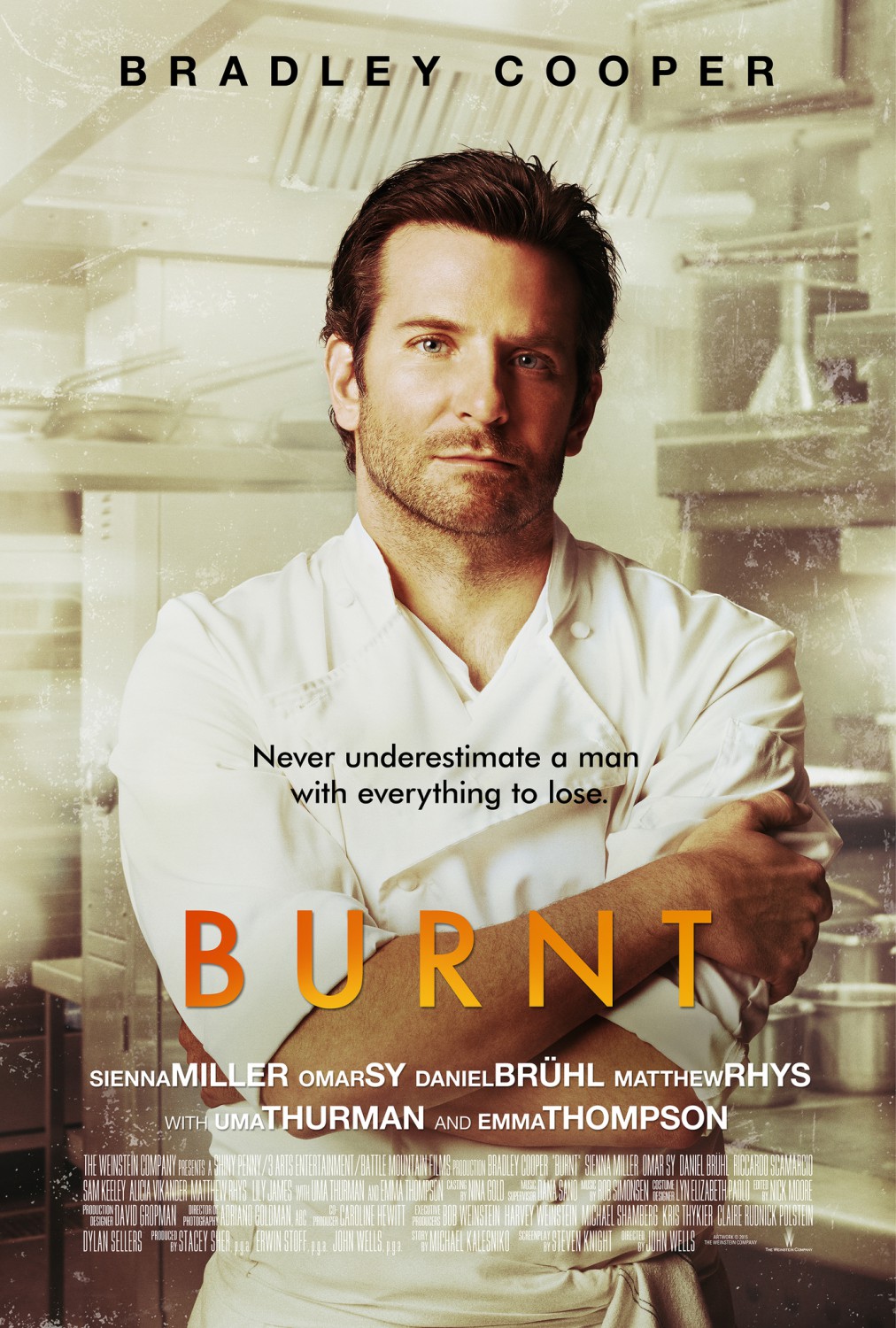
Burnt

D: John Wells / 101m

Cast: Bradley Cooper, Sienna Miller, Daniel Brühl, Riccardo Scamarcio, Omar Sy, Sam Keeley, Henry Goodman, Matthew Rhys, Stephen Campbell Moore, Emma Thompson, Uma Thurman, Lexie Benbow-Hart, Alicia Vikander, Sarah Greene

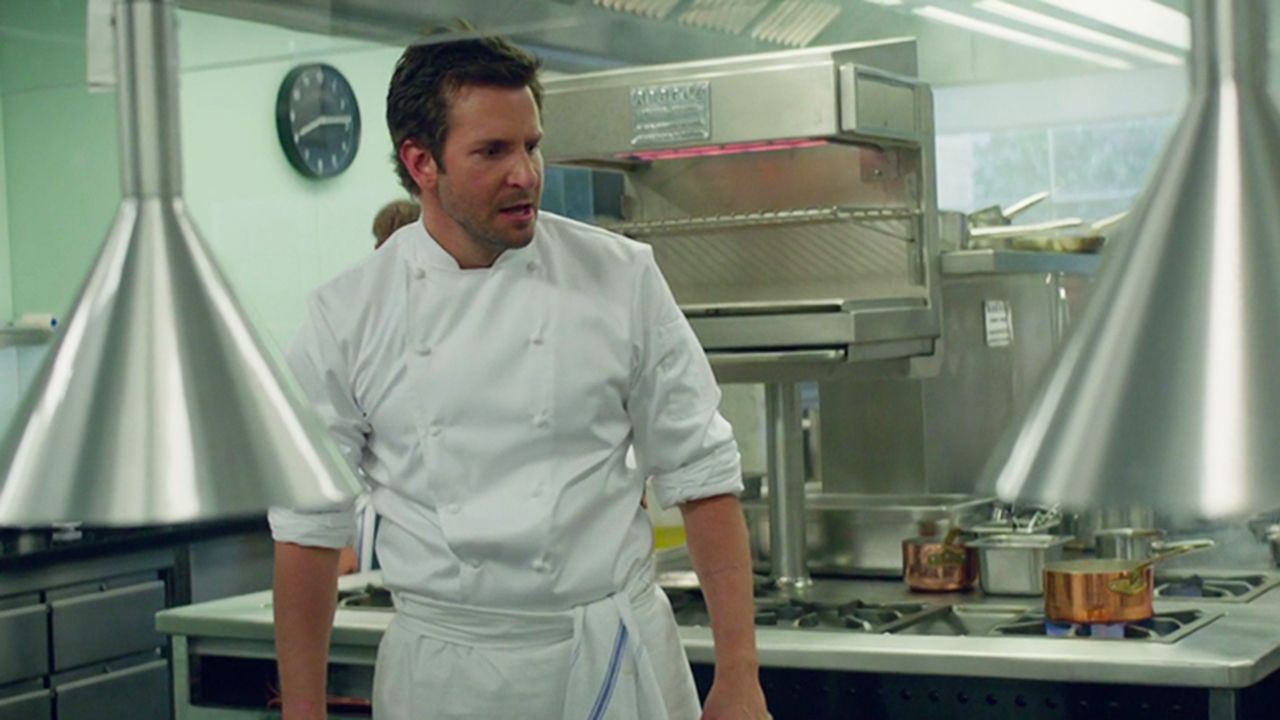
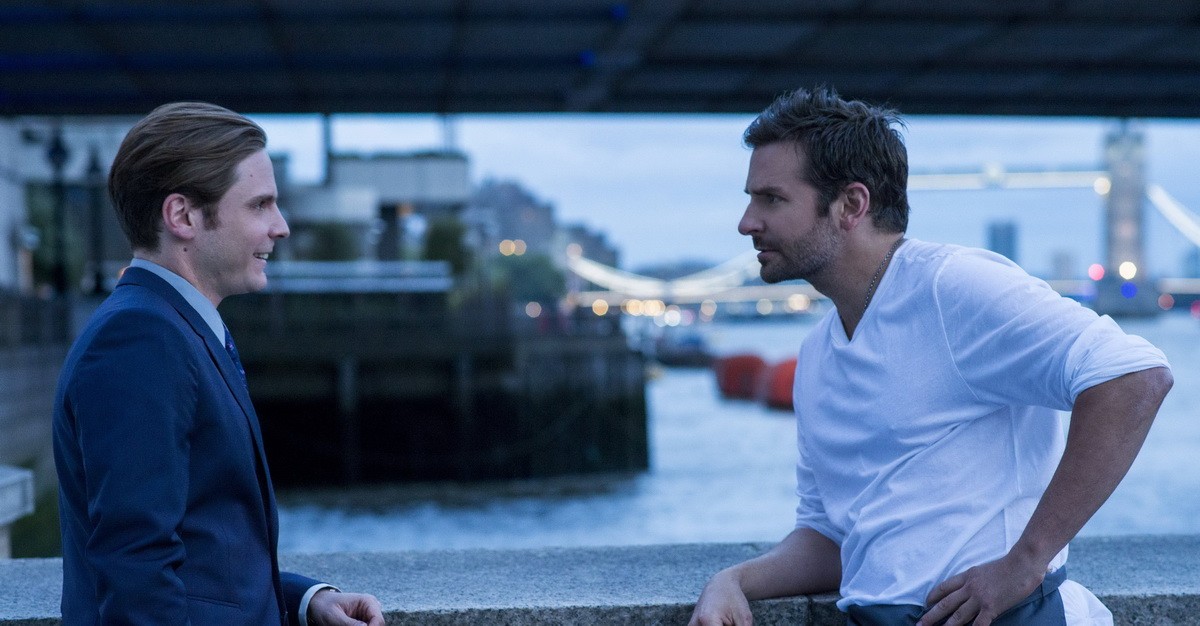
Adam Jones (Cooper) is a bit of a cause célèbre in the culinary world, having crashed and burned at the Paris restaurant where he worked thanks to his diva-like behaviour and propensity for drugs and booze. Now clean for two years, he turns up in London at the restaurant run by his friend and colleague from his time in Paris, Tony (Brühl). Adam tells an unimpressed and disbelieving Tony that he’s there to make up for Paris, run the kitchen in a top restaurant, and gain three Michelin stars. Naturally, Tony refuses to help him, but Adam isn’t about to give up. He bullies his way into Tony’s restaurant, shows Tony (and his clientele) what he can do, and eyes up the sous chef, Helene (Miller), with a view to poaching her for his own place.

Which, of course, he does, but not before Helene puts up a (semi-)spirited defence, and Tony has to be dragged away from his own job as a maître d’. Having assembled his kitchen staff, Adam’s opening night doesn’t go as smoothly or successfully as he’d hoped, and the abrasive side of his personality comes out, leading to a tirade of abuse directed at his staff and Helene walking out. But Tony persuades her to come back, and soon she and Adam are starting out on the rocky road to a relationship – of sorts. Back in the kitchen, the apparent arrival of two Michelin Guide inspectors sees Adam go all out to get his three stars, but an unforeseen setback destroys his dream.

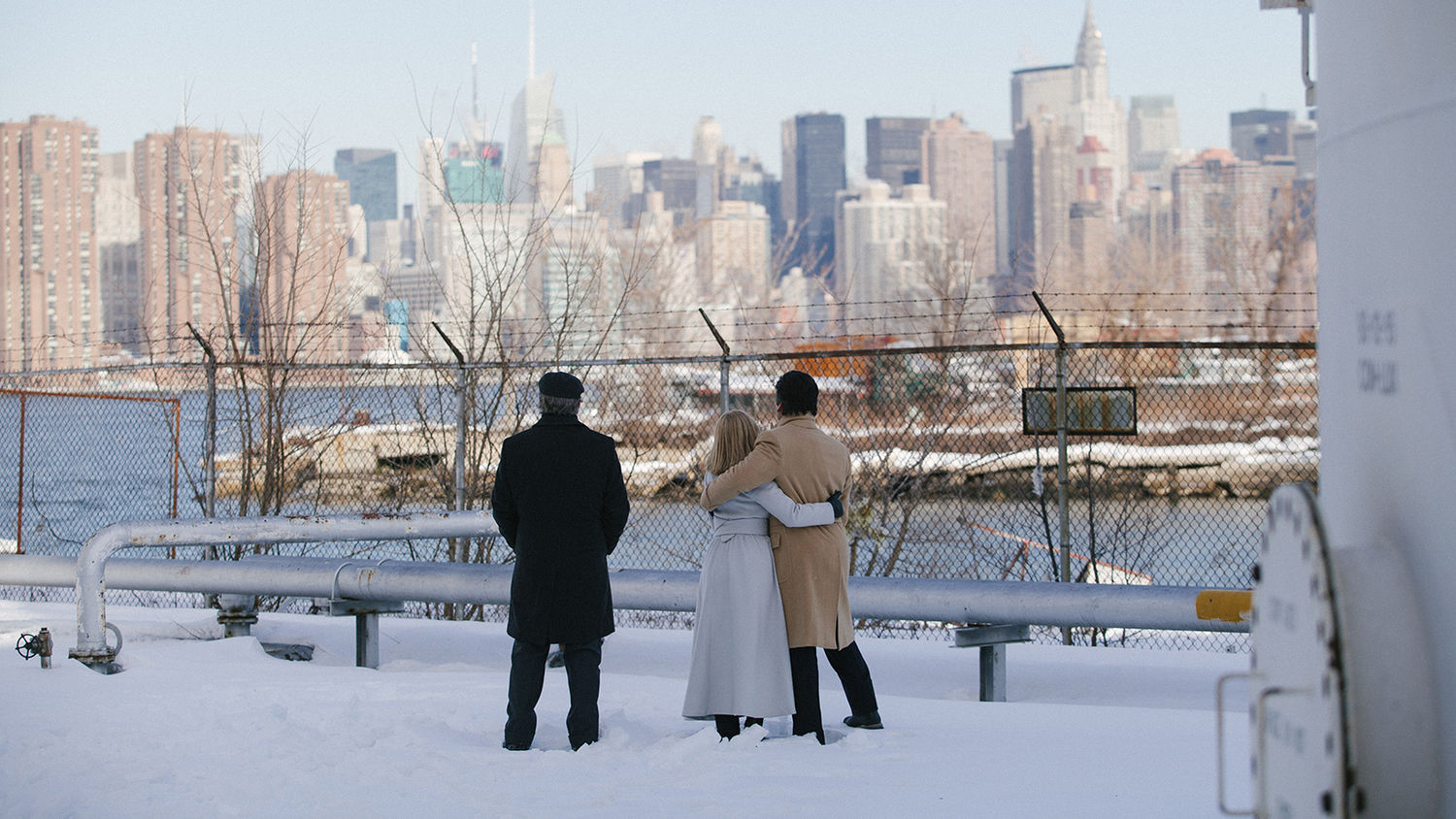
Burnt - scene1

Adam goes off the deep end (albeit for one night) and winds up at the restaurant of a rival chef, Reece (Rhys). There he learns a couple of valuable lessons, reconnects with Tony and Helene, is given a second chance at gaining the three Michelin stars, and begins – again – to put his life back together.

Burnt features a screenplay by Steven Knight, a British screenwriter who’s also responsible for Eastern Promises (2007) and Locke (2013). But he’s also written the likes of Hummingbird (2013) and Seventh Son (2014), so his track record is a little uneven… and Burnt falls firmly into the latter category. There’s very little here that makes sense, and a lot of it happens for no particular reason at all, leaving the drama feeling undercooked and the romance warmed over. For example, we don’t know why Adam chooses London to make his return. It’s never explained how he manages to stay clean without attending any meetings (“I’m not good in groups,” he keeps saying). And his backers have insisted he have weekly blood tests to ensure he’s not using again; if he does they’ll withdraw their backing. (This is where Emma Thompson comes in, as the therapist who takes his blood. Why not the hospital or a doctors’ surgery? It’s a strange arrangement, and one that just sits there like a fait accompli.)

Elsewhere there are subplots and other subplots that have their own subplots, like the money Adam owes to some unsavoury types in Paris, and who have traced him to London (having failed to learn he was in the US for two years while getting and staying sober). On the back of that we’re introduced – very briefly – to an old flame (played by Vikander) who drifts in and out of the movie and provides no threat whatsoever to the relationship Adam has with Helene (it might have been predictable but it would also have raised the movie out of the dramatic doldrums it rolls around in for an hour and a half).

Burnt - scene2

And when the script decides to throw in the notion that Tony is in love with Adam, it comes literally out of nowhere and then is left hanging there to dwindle away to nothing. Maybe these moments are meant to add depth or meaning to the various relationships in the movie, but all they do is confirm the notion that Knight hasn’t really got to grips with what the movie is meant to be saying. Adam rants unconvincingly at his staff, and thanks to the movie’s PG-13 approach, sounds less like Gordon Ramsay and more like someone having a good whinge. There’s the awkward use of his rival, Reece, as well. One minute Reece is disparaging of Adam’s talent and attempt at redemption, the next he’s stuck with lines like “You’re better than me. But the rest of us need you to lead us to places we wouldn’t otherwise go.” (Really?)

There’s more, too much more, and things aren’t helped by Wells’ direction, which remains staunchly flavourless throughout, and a cast who struggle continually to do their best but remain hamstrung by Knight’s script. Cooper, normally a very capable actor, doesn’t seem to know what to do with his character, and goes with the flow of each individual scene, so that he’s angry one moment, happy the next, confused after that, and then determined, but it’s like he’s acted in each scene with no intention of linking them with any other scenes, or the picture as a whole.

Burnt - scene3

Miller is poorly used – again – and the other female roles don’t even amount to a whole one. Thompson does just enough, Vikander isn’t allowed to do even that, and Thurman pops up as a food critic who can’t even do bitchy properly (honestly, Anton Ego from Ratatouille (2007) was more caustic). On the male side, Sy is kept firmly in the background until the script needs him (only twice), Brühl struggles with a character who gives new meaning to the word “bland”, and Scamarcio is virtually a passer-by as one of the two French thugs. The Doors once sang, “No one here gets out alive”, but in terms of Burnt, the line should be “No one here gets to act alive”.

Rating: 4/10 – with the food on display looking bright and vibrant and good enough to eat, a plate is the only place you’ll find anything that’s vibrant in Burnt; tedious, muddled and poorly constructed, this is a movie that should be sent back for being completely inedible.

Share this:

  • Share on X (Opens in new window) X
  • Share on Facebook (Opens in new window) Facebook
  • More
  • Print (Opens in new window) Print
  • Email a link to a friend (Opens in new window) Email
Like Loading...
Newer posts →

Blog Stats

  • 508,544 hits

Recent Posts

  • 10 Reasons to Remember Bibi Andersson (1935-2019)
  • Fantasia (1940)
  • Dances With Wolves (1990) – The Special Edition
  • Kiss of the Spider Woman (1985)
  • The Three Musketeers (1973)

Top Posts & Pages

  • The White Orchid (2018)
    The White Orchid (2018)
  • Touchy Feely (2013)
    Touchy Feely (2013)
  • Speak (2004)
    Speak (2004)
  • Mark Felt: The Man Who Brought Down the White House (2017)
    Mark Felt: The Man Who Brought Down the White House (2017)
  • Pressed (2011)
    Pressed (2011)
  • Introduction
    Introduction
  • Cold Lunch (2008)
    Cold Lunch (2008)
  • Cardboard Boxer (2016)
    Cardboard Boxer (2016)
  • Short Cuts (1993)
    Short Cuts (1993)
  • The Corpse of Anna Fritz (2015)
    The Corpse of Anna Fritz (2015)
Follow thedullwoodexperiment on WordPress.com

Blogs I Follow

  • Rubbish Talk
  • Film 4 Fan
  • Fast Film Reviews
  • The Film Blog
  • All Things Movies UK
  • Interpreting the Stars
  • Let's Go To The Movies
  • Movie Reviews 101
  • TMI News
  • Dan the Man's Movie Reviews
  • Film History
  • Jordan and Eddie (The Movie Guys)

Archives

  • April 2019 (13)
  • March 2019 (28)
  • February 2019 (28)
  • January 2019 (32)
  • December 2018 (28)
  • November 2018 (30)
  • October 2018 (29)
  • September 2018 (29)
  • August 2018 (29)
  • July 2018 (30)
  • June 2018 (28)
  • May 2018 (24)
  • April 2018 (21)
  • March 2018 (31)
  • February 2018 (25)
  • January 2018 (30)
  • December 2017 (30)
  • November 2017 (27)
  • October 2017 (27)
  • September 2017 (26)
  • August 2017 (32)
  • July 2017 (32)
  • June 2017 (30)
  • May 2017 (29)
  • April 2017 (29)
  • March 2017 (30)
  • February 2017 (27)
  • January 2017 (32)
  • December 2016 (30)
  • November 2016 (28)
  • October 2016 (30)
  • September 2016 (27)
  • August 2016 (30)
  • July 2016 (30)
  • June 2016 (31)
  • May 2016 (34)
  • April 2016 (30)
  • March 2016 (30)
  • February 2016 (28)
  • January 2016 (35)
  • December 2015 (34)
  • November 2015 (31)
  • October 2015 (31)
  • September 2015 (34)
  • August 2015 (31)
  • July 2015 (33)
  • June 2015 (12)
  • May 2015 (31)
  • April 2015 (32)
  • March 2015 (30)
  • February 2015 (37)
  • January 2015 (39)
  • December 2014 (34)
  • November 2014 (34)
  • October 2014 (36)
  • September 2014 (25)
  • August 2014 (29)
  • July 2014 (29)
  • June 2014 (28)
  • May 2014 (23)
  • April 2014 (21)
  • March 2014 (42)
  • February 2014 (38)
  • January 2014 (29)
  • December 2013 (28)
  • November 2013 (34)
  • October 2013 (4)

Create a free website or blog at WordPress.com.

Rubbish Talk

Film 4 Fan

A Movie Blog

Fast Film Reviews

The Film Blog

The official blog of everything in film

All Things Movies UK

Movie Reviews and Original Articles

Interpreting the Stars

Dave Examines Movies

Let's Go To The Movies

Film and Theatre Lover!

Movie Reviews 101

Daily Movie Reviews

TMI News

Latest weather, crime and breaking news

Dan the Man's Movie Reviews

All my aimless thoughts, ideas, and ramblings, all packed into one site!

Film History

Telling the story of film

Jordan and Eddie (The Movie Guys)

Movie Reviews & Ramblings from an Australian Based Film Fan

Privacy & Cookies: This site uses cookies. By continuing to use this website, you agree to their use.
To find out more, including how to control cookies, see here: Cookie Policy
  • Subscribe Subscribed
    • thedullwoodexperiment
    • Join 481 other subscribers
    • Already have a WordPress.com account? Log in now.
    • thedullwoodexperiment
    • Subscribe Subscribed
    • Sign up
    • Log in
    • Report this content
    • View site in Reader
    • Manage subscriptions
    • Collapse this bar
 

Loading Comments...
 

    %d