• 10 Reasons to Remember…
  • A Brief Word About…
  • About
  • For One Week Only
  • Happy Birthday
  • Monthly Roundup
  • Old-Time Crime
  • Other Posts
  • Poster of the Week
  • Question of the Week
  • Reviews
  • Trailers

thedullwoodexperiment

~ Viewing movies in a different light

thedullwoodexperiment

Tag Archives: Charlotte Rampling

The Little Stranger (2018)

22 Saturday Sep 2018

Posted by dullwood68 in Movies

≈ Leave a comment

Tags

Charlotte Rampling, Domhnall Gleeson, Drama, Hundreds Hall, Lenny Abrahamson, Literary adaptation, Mystery, Review, Ruth Wilson, Supernatural, Will Poulter
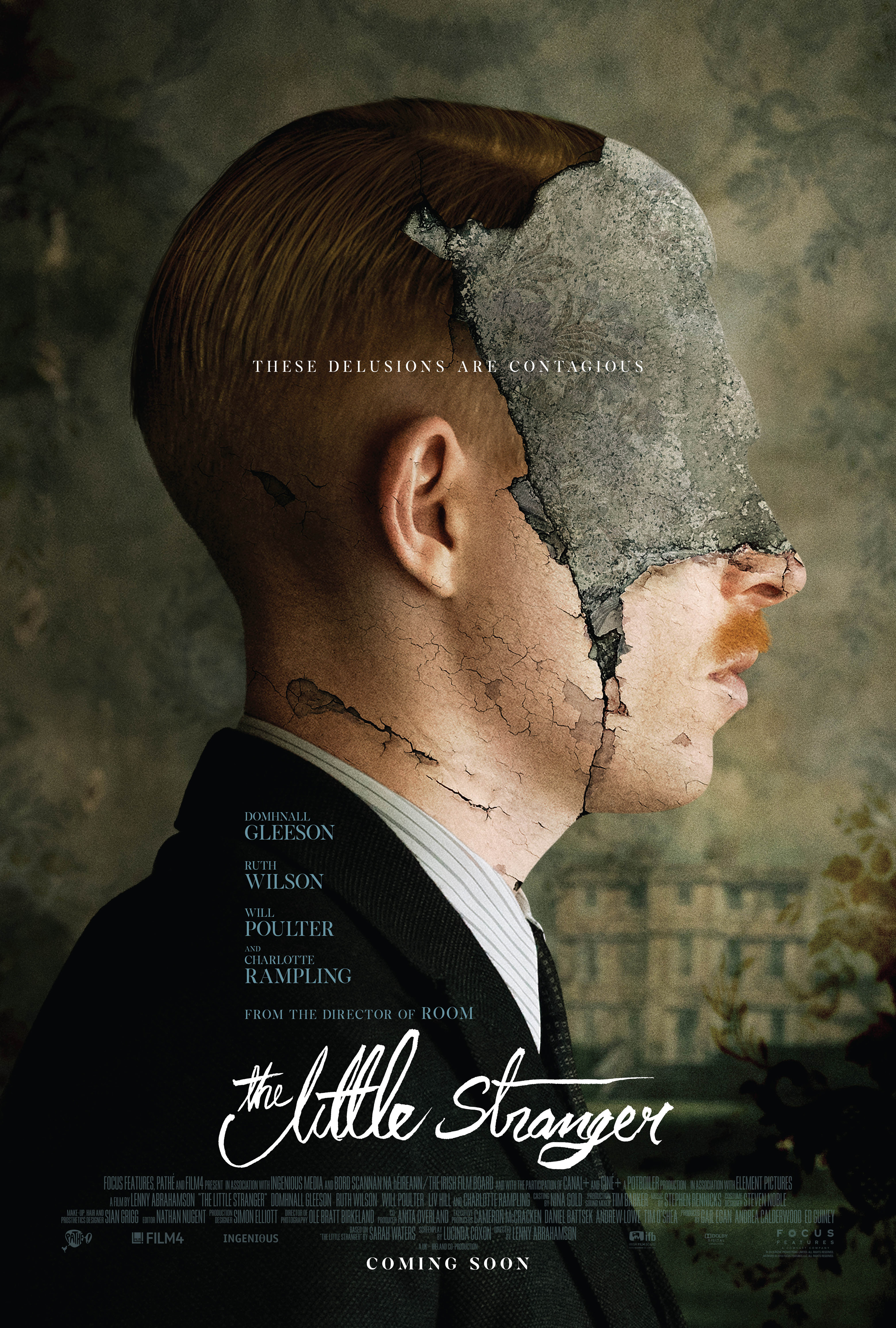
D: Lenny Abrahamson / 111m

Cast: Domhnall Gleeson, Ruth Wilson, Will Poulter, Charlotte Rampling, Liv Hill, Anna Madeley, Richard McCabe

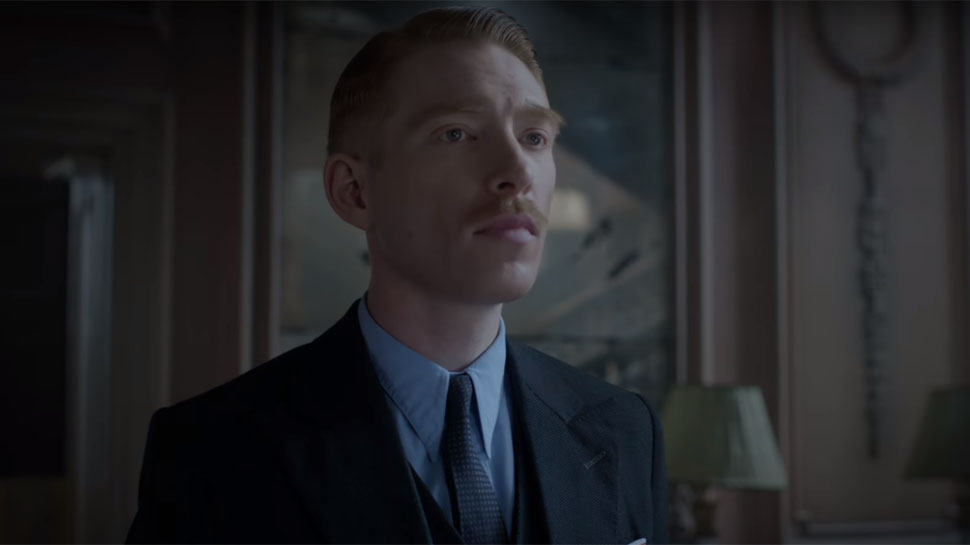
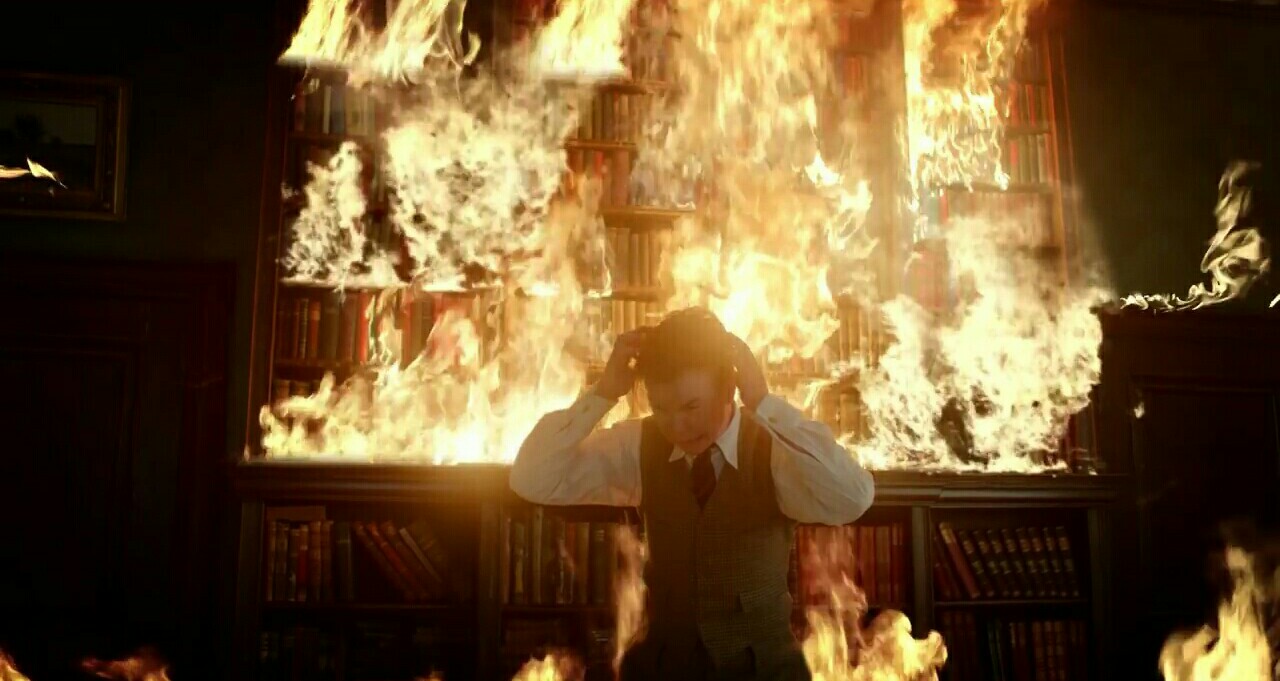
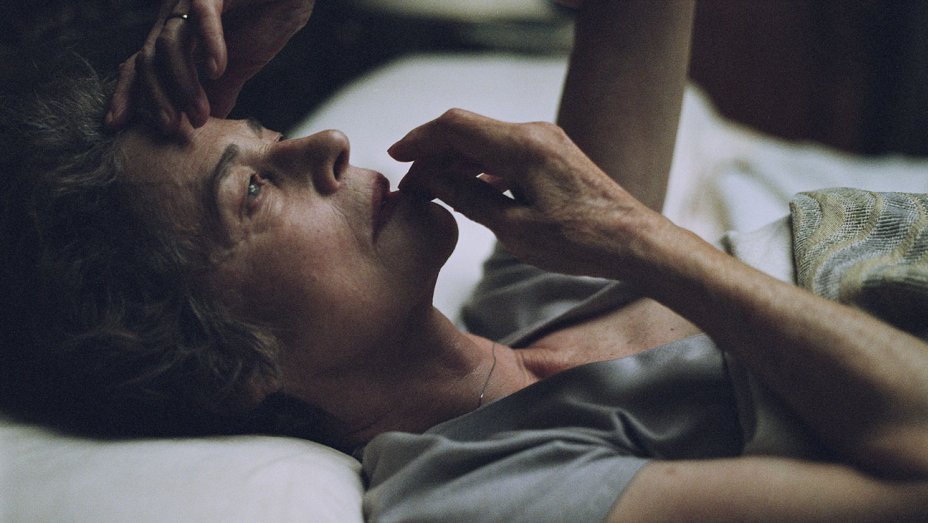
In the wake of World War II, Dr Faraday (Gleeson), a recently appointed country doctor, is called to Hundreds Hall, a sprawling estate that he once visited as a child. There he meets the owners, the Ayres – the mother (Rampling), and her two children, Roderick (Poulter) and Caroline (Wilson). The main house is gloomy and in a state of decay that speaks of prolonged financial difficulties for the family. Roderick is in charge, but he also has to contend with severe injuries he received as a pilot in the war. When Faraday offers to provide some palliative care for Roderick, it’s also so that he can see Caroline, but as he begins to spend more and more time at the Hall, so he becomes aware that all is not well there. The Ayres’ believe there is a supernatural presence in the house, one that is targeting them one by one. Faraday refuses to believe this, but events seem to prove otherwise. As he and Caroline become closer, he’s forced to consider that she really is in danger, and that perhaps there really is a presence in the house…
An adaptation of Sarah Waters’ novel, The Little Stranger is a ghost story without a ghost – perhaps – and a mystery that remains a mystery once the movie has ended. Whether or not this is a good thing will be down to the individual, as Lucinda Coxon’s screenplay deals in ambiguity and narrative sleight-of-hand at several key moments, but what it does mean is that the mystery of what is happening at Hundreds Hall plays out like a riddle that no one is meant to unravel. There are clues to be had, and some of what is shown can be taken at face value, but the script, in conjunction with Abrahamson’s measured, calculating direction, is more concerned with atmosphere and mood than with providing answers. This makes for a somewhat disconcerting viewing experience as scenes that build tension dissipate quickly once they’re established, and Ole Bratt Birkeland’s precision-tooled cinematography – always looking, always probing into the house’s darkest nooks and crannies, and its past – invites observation rather than immersion. There’s a detachment here that stops the viewer from becoming too involved with the Ayres family and their fears, and this despite very good performances from Wilson, Poulter and Rampling as the beleaguered trio.
The reason for all this is the movie’s main theme, that of the rise of post-war socialism and the weakening of the power and influence once wielded by the landed gentry, here represented by the Ayres’ financial downfall, and Faraday’s barely concealed contempt for them. His pursuit of Caroline is less about love than about the need for possession, to have, finally, what he’s wanted ever since he was a child and saw Hundreds Hall in all its former glory. He’s the classic outsider: envious, ambitious, and determined to be on the inside. As played by a never better Gleeson, Faraday is supercilious and self-contained, yet brimming with indignation at the way in which the Ayres’ have let the Hall decline. Coxon and Abrahamson recognise the co-dependency that exists between Faraday and the Ayres’, and it’s this approach, and the way that it develops, that is ultimately more intriguing and compelling than if the movie was merely another haunted house tale. Abrahamson maintains a keen sense of unease in terms of Faraday’s motives, and as the threats to the Ayres’ become more tangible, a more human cause comes to the fore. But again, there’s that overwhelming ambiguity to keep the viewer on their toes, and wondering if what they’re seeing and hearing can be trusted.

Rating: 7/10 – some viewers may find The Little Stranger hard going as Abrahamson adopts an often glacial pace to the material while providing deft psychological insights into the characters and their social positions; with a pervasive sense of time and place, and an air of impending tragedy, it’s a movie that doesn’t trade in the accepted tropes of the genre, but instead, warps them to its own advantage.

Share this:

  • Click to share on X (Opens in new window) X
  • Click to share on Facebook (Opens in new window) Facebook
  • More
  • Click to print (Opens in new window) Print
  • Click to email a link to a friend (Opens in new window) Email
Like Loading...

Hannah (2017)

14 Saturday Jul 2018

Posted by dullwood68 in Movies

≈ Leave a comment

Tags

André Wilms, Andrea Pallaoro, Arthouse, Charlotte Rampling, Drama, France, Imprisonment, Review

D: Andrea Pallaoro / 93m

Cast: Charlotte Rampling, André Wilms, Stéphanie Van Vyve, Simon Bisschop, Fatou Traoré, Julien Vargas, Gaspard Savini

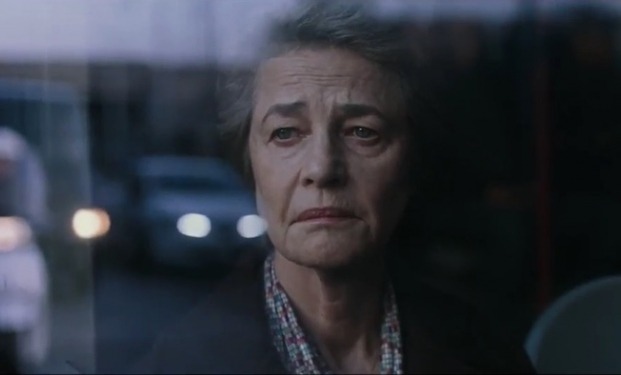
Hannah (Rampling) is a quiet woman, not given to speaking much, and not given to engaging with people unless it’s the woman whose house she cleans, Elaine (Van Vyve), or Elaine’s blind son, Nicholas (Bisschop). Her usual reticence has been exacerbated though, by the imminent imprisonment of her husband (Wilms). She’s a dutiful wife who stands by him, even though his crime appears to be of a predatory sexual nature. Once he begins his prison sentence, Hannah becomes even more withdrawn, with only her cleaning job and an acting group that she attends regularly, to break up the monotony of being alone at home. There are further setbacks: her membership at the local baths is revoked, she’s turned away from her grandson’s birthday party, and she makes a discovery at home that has a profound effect on her relationship with her husband. Hannah tries to get her life back in order, but it’s increasingly difficult, and as she negotiates the new terrain of her life, letting go of the past proves more of a struggle than she could ever have expected…

From the start, Hannah is a movie that is likely to divide audiences. For those looking for more mainstream fare, Hannah will be a challenge that may find them abandoning the movie part way through, while those looking for arthouse fare that explores the “human condition”, this will be an unalloyed pleasure. Replete with takes and scenes that depict Hannah either staring glumly off into the distance, or staring glumly into the foreground, or even staring glumly while in repose, Andrea Pallaoro’s ultra-leisurely depiction of one lonely woman’s faltering attempts at personal rehabilitation is easily the kind of movie that will have some viewers asking themselves, “when is something going to happen?” But as the phrase has it, the devil is in the details, and while at first glance Hannah’s life is full of small, inconsequential moments, it’s precisely these moments and their gradual accumulation that carry an unexpected emotional heft. Hannah may be occupying a world that only she has access to, but it’s a world that is keeping her afloat following her husband’s incarceration. Here there aren’t any sudden life-changing decisions that solve all her problems overnight (as might happen in more mainstream fare), just a number of hesitant steps toward a newer, better life.

It helps that Pallaoro has enlisted the aid of Charlotte Rampling to tell Hannah’s story. Rampling is one of the few actresses who can display a range of emotions with just a glance, and here she’s on magnificent form, giving a performance that gets to the heart of Hannah’s predicament. Behind that seemingly passive face, with its mouth permanently turned down (when she does smile it’s misinterpreted), Rampling perfectly captures the hopes and fears and muted dreams and feelings that Hannah struggles to express, even to herself. We learn nothing of Hannah’s back story, never find out what she was like before her husband’s crime turned everything upside down (or even if it did), but Rampling shows us a woman seemingly trying to reconnect with herself as well as the wider world. There’s a scene towards the end with a beached whale that Hannah feels compelled to go and see, and though the symbolism is clumsy in a movie that is otherwise compellingly subtle, it’s a moment of hope for Hannah. The only question that remains – and it’s one that Pallaoro is rightly uninterested in answering – is whether or not Hannah can take this newfound hope and use it to push herself forward to where she needs to be. But that’s a tale for another movie…

Rating: 8/10 – not for all tastes, but intriguing and fascinating nevertheless for the way it paints a portrait of personal reclamation through the accumulated minutiae of daily endeavour, Hannah is an affecting drama with far more to say than at first glance; Pallaoro keeps the focus on Rampling throughout, a decision that allows his story to be given the fullest expression possible, and which allows the patient viewer to become heavily invested in its troubled central character.

Share this:

  • Click to share on X (Opens in new window) X
  • Click to share on Facebook (Opens in new window) Facebook
  • More
  • Click to print (Opens in new window) Print
  • Click to email a link to a friend (Opens in new window) Email
Like Loading...

The Sense of an Ending (2017)

04 Sunday Jun 2017

Posted by dullwood68 in Movies

≈ Leave a comment

Tags

Charlotte Rampling, Diary, Drama, Harriet Walter, Jim Broadbent, Literary adaptation, Review, Ritesh Batra, Suicide, The Sixties

D: Ritesh Batra / 108m

Cast: Jim Broadbent, Charlotte Rampling, Harriet Walter, Michelle Dockery, Matthew Goode, Emily Mortimer, James Wilby, Edward Holcroft, Billy Howle, Freya Mavor, Joe Alwyn, Peter Wight, Hilton McRae

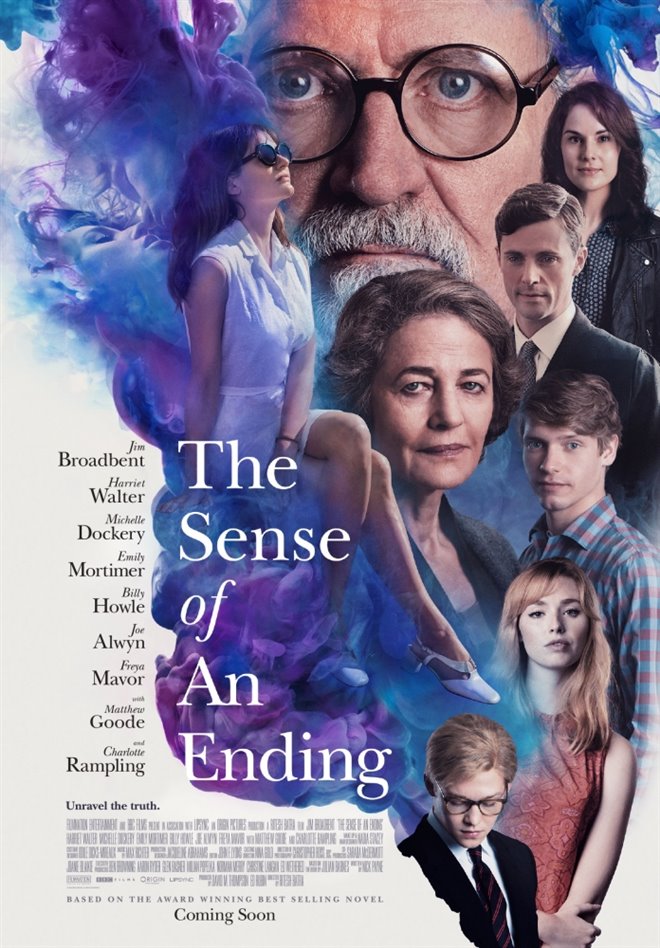
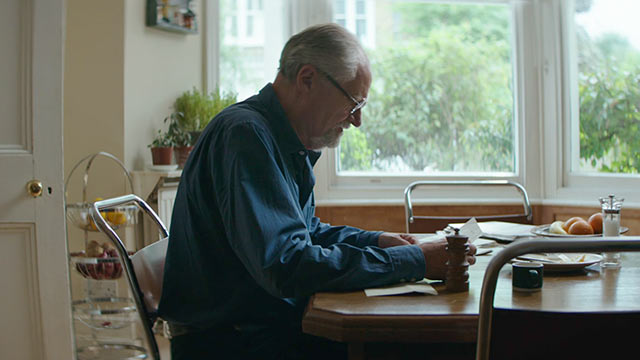
In Ritesh Batra’s first movie since The Lunchbox (2013), Jim Broadbent’s elderly divorcé, Tony Webster, receives a solicitor’s letter telling him that he has been left something in the will of a woman he knew back in the Sixties. The woman was Susan Ford (Mortimer), the mother of Tony’s first love, Veronica (Mavor). At first, Tony is puzzled by the news, and he’s further puzzled when he discovers that the “something” is the diary of a schoolfriend, Adrian Finn (Alwyn). This prompts Tony to reflect back on his life as a university student, and his relationship with Veronica. But getting hold of Adrian’s diary proves more difficult than he expects; it’s in Veronica’s hands and she’s not passing it on to her solicitors’.

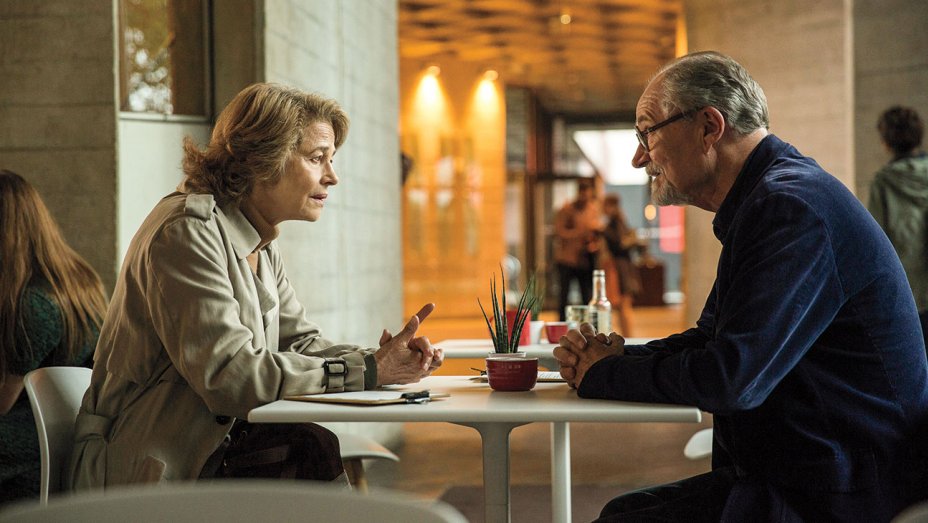
Tony seeks advice from his ex-wife, Margaret (Walter), who is also in the legal profession. Margaret, though, can’t understand why getting hold of the diary means so much to Tony, so he attempts to tell her the story of how he and Veronica met, and the beginning of his friendship with Adrian. As he recounts that period of his life, Tony remembers times and events that he had largely forgotten, and he begins to suspect that things were happening that he wasn’t fully aware of. Eventually he persuades Veronica’s solicitors to ask her to contact him, and they arrange to meet. Tony is expectant that he’ll finally receive the diary, but Veronica is distant and tells him that she’s burnt it. After the meeting, Tony follows Veronica but is unable to find out where she lives.

Tony’s memories of his student days continue to plague him, forcing him to remember a letter he wrote when Veronica stopped seeing him and began seeing Adrian instead. The events that followed his sending the letter make Tony view himself in a bad light, but then another attempt to follow Veronica reveals a circumstance that takes him by surprise. In time, this circumstance shows that his understanding of the events of his school days is not only flawed, but has informed the majority of his adult life, something that means Tony has to face up to the idea that he’s lived a life that could have been very much different.

An adaptation of Julian Barnes’ 2011 Man Booker Prize-winning novel, The Sense of an Ending is the kind of low-key, measured drama that offers big rewards provided that you can get past its slow, deceptively pedestrian approach. This is a movie that relies on teasing out the emotional undercurrents of its story, and doing so in a well considered, thoughtful manner that makes each revelation and divulgence of motive more affecting than you might suspect. Barnes’ novel concerned itself with notions of memory and ageing, and while both those aspects are present here, there are others that are equally potent. Adapted by Nick Payne, the movie seeks to explore the ways in which the actions of our youth inform our behaviour as adults, and the ways in which the consequences of those actions can lead to repressed feelings and the slow accumulation of guilt.

At the beginning of the movie, Tony has no understanding of the events that surrounded him as a student, other than how they affected him at the time. However, Tony’s involvement, when looked at closely, was entirely minimal, and as the movie progresses and we see more of those events unfold, what emerges is a portrait of a man trying to attach meaning to a period of his life where he was in many ways a supporting character in the drama of everyone else’s lives. It’s instructive that as an adult Tony’s life is lived somewhat on the fringes as well. He’s divorced though still in touch with his ex-wife, has a daughter whose pregnancy brings them only slightly more together (he attends a pre-natal class with her), and owns a business that sells classic Leica cameras (in a very small shop). It’s not clear that he has any appreciable “life” beyond these things, and his general demeanour is dismissive. He may not be living in the past – until the solicitor’s letter arrives that is – but he’s not exactly living in the present either.

As the past exerts a fearsome pull on Tony, his memories begin to have a profound effect on him, leading him to question what he remembers and what actually happened. Veronica is pre-disposed not to help him, and as her story is revealed you can understand why. But Tony’s determination to solve the mystery of his youth and reconstruct his younger self from the tangle of his memories at least proves cathartic, and by the movie’s end he’s more settled than perhaps he’s ever been. As we follow Tony on his journey of self-rediscovery, we’re guided along the way by another terrific performance from the ever-reliable Broadbent, whose initially perplexed expressions speak of credible bemusement. But soon these give way to expressions of doubt and regret, as the full enormity of what happened all those years ago begins to unravel and Tony’s foundations as an adult begin to crumble. Broadbent allows the audience to see the tragic trajectory of Tony’s life, and the hollow man he’s become, and still he maintains a sympathy for the character that’s not entirely deserved.

Carrying the majority of the movie, Broadbent is simply magnificent in a role that is heartfelt, honest and sincere. He’s also at the top of a very impressive cast, with Rampling excelling as usual as Veronica, a woman who has no time for broad introspection or revisiting a past that is painful to her if not to Tony. The rest of the cast provide sterling support, with special mentions going to Howle as the younger Tony, and Mortimer as Veronica’s mother. Even the likes of Goode and Holcroft (as Tony’s teacher and Veronica’s brother respectively) make an impact despite being given less to do than others, and Alwyn – in only his second movie after Billy Lynn’s Long Halftime Walk (2016) – handles Finn’s philosophical musings with both humour and subtlety.

The contrasts between the past and the present are handled well by Batra and his talented production crew, with Tony’s student days presented in a warm, nostalgic glow that could be considered rose-tinted were it not for the tragic elements at the heart of it all. The present day is much more airy and coolly defined, with sharper colours and rigid edges used to define the emotional trap waiting for Tony to walk into it. Batra displays a confidence with the material that keeps it all feeling genuine and without guile, and as the narrative builds toward its inevitable (and only semi-signposted) revelation, his skill at revealing the various complexities of Tony’s student days becomes more and more evident. And by the time Tony’s daughter has given birth and he’s accepted his life for what it can be rather than what it is, the movie has provided rich dividends for the viewer willing to look beyond its superficially mundane surface.

Rating: 8/10 – something of a mood piece, but bolstered by assured direction, a weighty and compelling script, and skilled performances from its cast, The Sense of an Ending is an engaging and thought-provoking movie that makes a virtue of its earnest and somewhat melancholy narrative; a prime example of a literary adaptation that takes the virtues of its source material and adds a smattering of cinematic probity to the mix, it’s a plaintive, absorbing investigation into the nature of elusive recall and the relationship between memory and remembrance.

Share this:

  • Click to share on X (Opens in new window) X
  • Click to share on Facebook (Opens in new window) Facebook
  • More
  • Click to print (Opens in new window) Print
  • Click to email a link to a friend (Opens in new window) Email
Like Loading...

45 Years (2015)

12 Tuesday Jan 2016

Posted by dullwood68 in Movies

≈ 4 Comments

Tags

Andrew Haigh, Anniversary party, Charlotte Rampling, David Constantine, Drama, Glacier, In Another Country, Literary adaptation, Marriage, Norfolk, Review, Switzerland, Tom Courtenay, Wedding anniversary

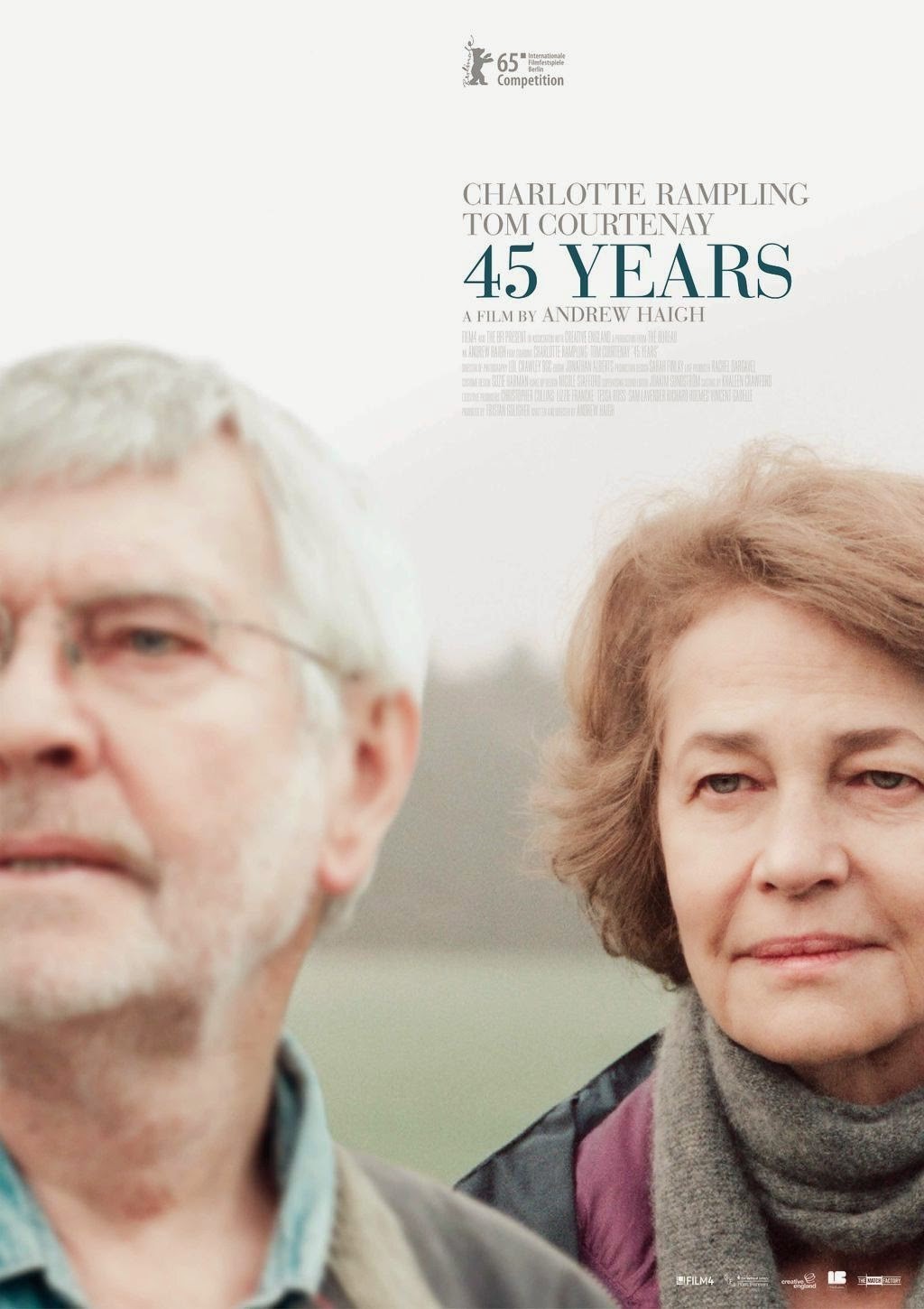
45 Years

D: Andrew Haigh / 95m

Cast: Charlotte Rampling, Tom Courtenay, Geraldine James, Dolly Wells, David Sibley

Geoff and Kate Mercer (Courtenay, Rampling) are near to celebrating forty-five years of married life with a big party. As their party planner remarks, it’s an odd year to celebrate, but it’s because their fortieth had to be cancelled thanks to Geoff needing a heart bypass. They live outside a small village in Norfolk with their dog Max and appear to have a tranquil, reclusive existence.

On the Monday before the party, Geoff receives a letter from Switzerland that contains a surprise. Back in 1962, Geoff and his then girlfriend, Katya, were hiking through the Swiss Alps when she fell into a crevasse. Now, with the snowline having retreated due to global warming, Katya’s body has been found embedded in a glacier. The news startles Geoff, and unnerves Kate, especially when it occurs to her that it seems odd that Geoff would have been contacted. When he tells her that on occasion during their trip he and Katya pretended to be married to get a hotel room, and because of this he’s regarded as her next of kin, it further unnerves Kate.

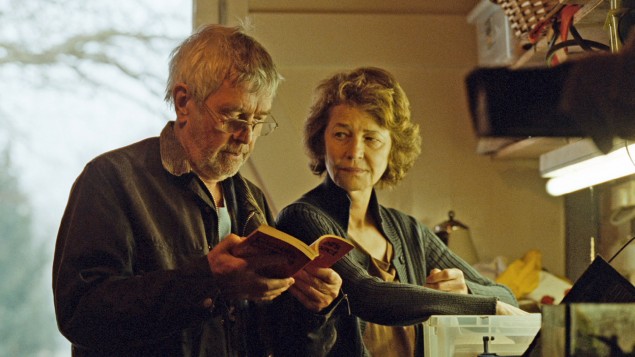
45 Years - scene3

As the week progresses and Kate spends her time organising the party, she begins to realise that Geoff is spending his time reliving memories of his time with Katya. There arre questions she wants to ask him but is afraid to. When she discovers that Geoff has been going up into the loft and looking at old slides, she also discovers something that proves shocking. Kate becomes distant from Geoff, and angry with him for what she sees as a betrayal of their own relationship, that he should want to spend so much time thinking about a woman he knew before he and Kate even met.

With the party looming ever nearer, Kate confronts Geoff over his behaviour but she can’t quite bring herself to fully explain her feelings. All she wants is for Geoff to make it look like he wants to be there. But even with his assurance that he does want to be there, and he does love her, on the day, Kate is wracked with unresolved emotions as the celebration of their life together gets under way.

Adapted from the short story In Another Country by British author David Constantine, 45 Years is a subtle, intelligent movie about perceived betrayal and the jealousy resulting from it that features tremendous performances from both Rampling and Courtenay, and confident, assured direction from Andrew Haigh. It’s a movie that relies heavily on the stillness of contemplation to explore the surprisingly strong emotions felt by its central character, Kate, and it quietly and effectively makes those emotions resonate with a power that is equally unexpected for their intensity.

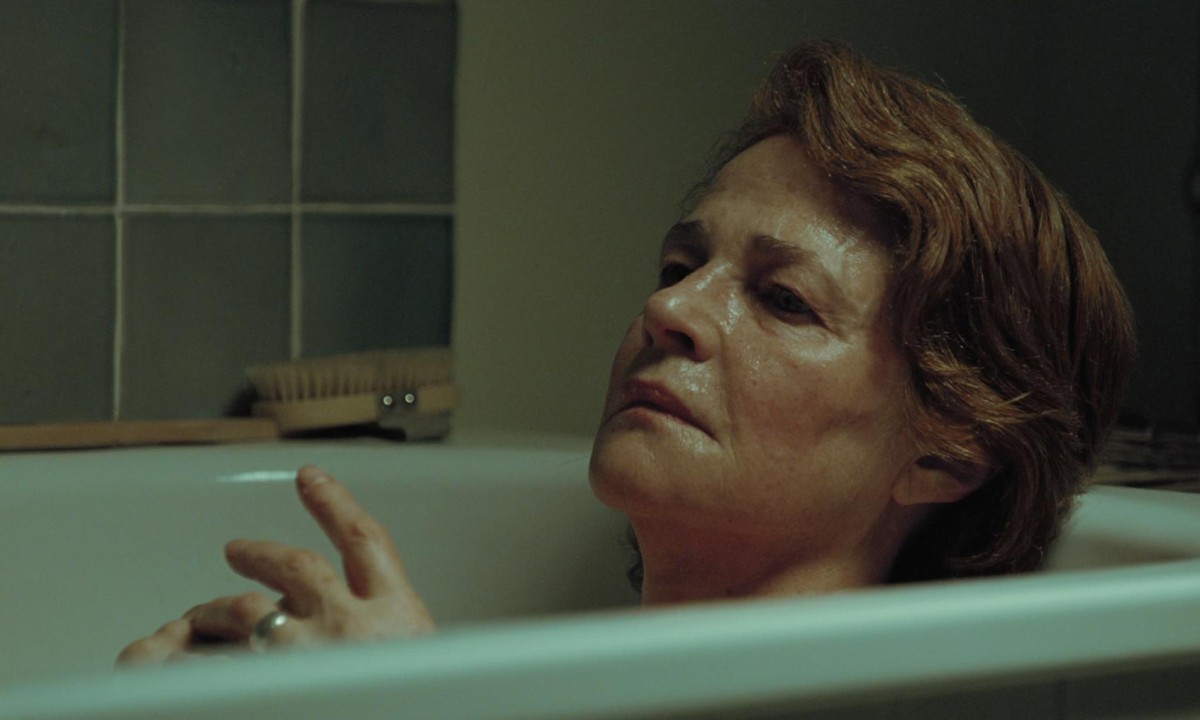
45 Years - scene1

Haigh, who also wrote the screenplay, postions Kate and Geoff at a point where their contentment with each other is so ingrained that it brooks no question – from us at least. But when the letter from Switzerland arrives and we see their quite different reactions to it – Geoff retreats into a world of memory and introspection, Kate sees a challenge to the comfort she’s found in their marriage – that contentment is sure to be disrupted. But where some movies might explore the ways in which both characters are affected by this kind of news, Haigh does something a little unusual: he makes Geoff a silent mourner who talks about Katya in generalities, and brings Kate’s fears and concerns to the fore.

Kate is governed by an irrational but entirely understandable need to know that Katya isn’t Geoff’s great lost love, the woman he has missed for all these years, and also that their marriage hasn’t been a case of Geoff settling for second best. She wants to know that she matters, that Geoff loves her more than he did Katya, that their marriage hasn’t been one of convenience on Geoff’s part. But she cannot find the courage to ask the question directly or with any conviction that she wants to know the answer. And by doing so she makes her situation all the worse, as her assumptions and worries about her place in Geoff’s life are amplified by her insecurities.

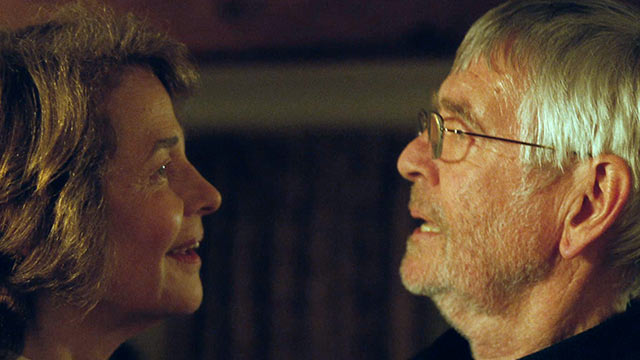
As Kate, Rampling is simply incredible. She gives an impressive, astonishing performance, one of contained desperation, as Kate appears to allow herself to give in to the emotions she feels in the wake of the letter’s arrival. In several scenes and shots Rampling’s features are a mask behind which you can see a swirling cauldron of emotional confusion and dismay. There’s a scene where she plays the piano, and in her playing there’s a release of emotion that is so terrible for its restrained violence; as she hits the keys each note is like a plea for exculpation of her feelings. And at the party, as Kate and Geoff dance together in what should be a joyous moment for them both – a recreation of the first dance at their wedding – Rampling’s body language tells the viewer everything they need to know about how Kate is dealing with it all.

45 Years - scene2

By contrast, Courtenay is required to remain – comparatively – in the shadows. Geoff’s behaviour at the news of Katya’s discovery is largely poignant, an inadequate response given his age and his physical infirmity. Geoff looks frail throughout, and there’s always the possibility the news will prove too much for him, but Haigh is canny enough to make Geoff stronger than he seems, at least emotionally, and there’s a handsome payoff for this at the party. Courtenay is a terrific match for Rampling, his naturally far-off gaze used to good effect as someone remembering another time in their life when they were happy. When he recounts the circumstances of Katya’s death, it’s with a heartfelt sense of acknowledgment for the happiness of that time in his life. For the viewer, it’s clear that Geoff doesn’t feel his relationship with Kate is of lesser importance. Oh that Kate could feel the same way.

45 Years excels at portraying the way in which someone can so easily and quickly feel that the relationship they’ve invested so much time in can feel so false (even if it’s probably not the case; though the movie doesn’t commit itself either way). Haigh shows complete control over the material and the narrative, even in the scenes where Kate is wandering aimlessly about a nearby town and her uncertainty is clear by the random directions she takes. The action is also beautifully framed and shot by DoP Lol Crawley, and the movie revels in its autumnal colour scheme (a perfect metaphor for the characters’ time of life and expectations). It’s a rich, sometimes lyrical movie that rewards in scene after scene, and features two actors at the top of their game. And it all ends with a final shot that is devastating for the way in which it leaves the viewer to decide how, or even if, Geoff and Kate continue their marriage.

Rating: 9/10 – a moving, emotionally astute portrait of a marriage plunged into crisis by the insecurities of one partner, 45 Years is a poignant look at how easy a long-term relationship can be undermined by simple suspicion; Rampling once again shows why she’s still one of the best actresses working today, and Haigh cements his position as one of Britain’s brightest directing talents.

Share this:

  • Click to share on X (Opens in new window) X
  • Click to share on Facebook (Opens in new window) Facebook
  • More
  • Click to print (Opens in new window) Print
  • Click to email a link to a friend (Opens in new window) Email
Like Loading...

Blog Stats

  • 486,772 hits

Recent Posts

  • 10 Reasons to Remember Bibi Andersson (1935-2019)
  • Fantasia (1940)
  • Dances With Wolves (1990) – The Special Edition
  • Kiss of the Spider Woman (1985)
  • The Three Musketeers (1973)

Top Posts & Pages

  • Lost for Life (2013) - Another Look
    Lost for Life (2013) - Another Look
  • Lost for Life (2013)
    Lost for Life (2013)
  • About
    About
  • Exposed (2016)
    Exposed (2016)
  • Cardboard Boxer (2016)
    Cardboard Boxer (2016)
  • A Brief Word About La La Land (2016)
    A Brief Word About La La Land (2016)
  • The Monuments Men (2014)
    The Monuments Men (2014)
  • Removal (2010)
    Removal (2010)
  • My Top 10 Guilty Pleasures
    My Top 10 Guilty Pleasures
  • BFI London Film Festival 2015
    BFI London Film Festival 2015
Follow thedullwoodexperiment on WordPress.com

Blogs I Follow

  • Rubbish Talk
  • Film 4 Fan
  • Fast Film Reviews
  • The Film Blog
  • All Things Movies UK
  • Interpreting the Stars
  • Let's Go To The Movies
  • Movie Reviews 101
  • TMI News
  • Dan the Man's Movie Reviews
  • Film History
  • Jordan and Eddie (The Movie Guys)

Archives

  • April 2019 (13)
  • March 2019 (28)
  • February 2019 (28)
  • January 2019 (32)
  • December 2018 (28)
  • November 2018 (30)
  • October 2018 (29)
  • September 2018 (29)
  • August 2018 (29)
  • July 2018 (30)
  • June 2018 (28)
  • May 2018 (24)
  • April 2018 (21)
  • March 2018 (31)
  • February 2018 (25)
  • January 2018 (30)
  • December 2017 (30)
  • November 2017 (27)
  • October 2017 (27)
  • September 2017 (26)
  • August 2017 (32)
  • July 2017 (32)
  • June 2017 (30)
  • May 2017 (29)
  • April 2017 (29)
  • March 2017 (30)
  • February 2017 (27)
  • January 2017 (32)
  • December 2016 (30)
  • November 2016 (28)
  • October 2016 (30)
  • September 2016 (27)
  • August 2016 (30)
  • July 2016 (30)
  • June 2016 (31)
  • May 2016 (34)
  • April 2016 (30)
  • March 2016 (30)
  • February 2016 (28)
  • January 2016 (35)
  • December 2015 (34)
  • November 2015 (31)
  • October 2015 (31)
  • September 2015 (34)
  • August 2015 (31)
  • July 2015 (33)
  • June 2015 (12)
  • May 2015 (31)
  • April 2015 (32)
  • March 2015 (30)
  • February 2015 (37)
  • January 2015 (39)
  • December 2014 (34)
  • November 2014 (34)
  • October 2014 (36)
  • September 2014 (25)
  • August 2014 (29)
  • July 2014 (29)
  • June 2014 (28)
  • May 2014 (23)
  • April 2014 (21)
  • March 2014 (42)
  • February 2014 (38)
  • January 2014 (29)
  • December 2013 (28)
  • November 2013 (34)
  • October 2013 (4)

Blog at WordPress.com.

Rubbish Talk

Film 4 Fan

A Movie Blog

Fast Film Reviews

The Film Blog

The official blog of everything in film

All Things Movies UK

Movie Reviews and Original Articles

Interpreting the Stars

Dave Examines Movies

Let's Go To The Movies

Film and Theatre Lover!

Movie Reviews 101

Daily Movie Reviews

TMI News

Latest weather, crime and breaking news

Dan the Man's Movie Reviews

All my aimless thoughts, ideas, and ramblings, all packed into one site!

Film History

Telling the story of film

Jordan and Eddie (The Movie Guys)

Movie Reviews & Ramblings from an Australian Based Film Fan

Privacy & Cookies: This site uses cookies. By continuing to use this website, you agree to their use.
To find out more, including how to control cookies, see here: Cookie Policy
  • Subscribe Subscribed
    • thedullwoodexperiment
    • Join 481 other subscribers
    • Already have a WordPress.com account? Log in now.
    • thedullwoodexperiment
    • Subscribe Subscribed
    • Sign up
    • Log in
    • Report this content
    • View site in Reader
    • Manage subscriptions
    • Collapse this bar
 

Loading Comments...
 

    %d