• 10 Reasons to Remember…
  • A Brief Word About…
  • About
  • For One Week Only
  • Happy Birthday
  • Monthly Roundup
  • Old-Time Crime
  • Other Posts
  • Poster of the Week
  • Question of the Week
  • Reviews
  • Trailers

thedullwoodexperiment

~ Viewing movies in a different light

thedullwoodexperiment

Tag Archives: Eddie Redmayne

Early Man (2018)

21 Sunday Jan 2018

Posted by dullwood68 in Movies

≈ 1 Comment

Tags

Aardman, Bronze Age, Comedy, Drama, Eddie Redmayne, Football, Maisie Williams, Nick Park, Review, Stone Age, Timothy Spall, Tom Hiddleston

D: Nick Park / 89m

Cast: Eddie Redmayne, Tom Hiddleston, Maisie Williams, Timothy Spall, Miriam Margolyes, Rob Brydon, Richard Ayoade, Mark Williams, Kayvan Novak, Johnny Vegas, Gina Yashere, Nick Park

In Nick Park’s debut feature as a solo director (and somehow that doesn’t feel right), we’re asked to take a lot on faith: that football was created by an isolated tribe in the Stone Age, that said tribe have remained isolated until the arrival of the Bronze Age, that they’ve lost the ability to play football during that period, and that they’ve somehow survived all this time purely through hunting rabbits (and though they all wear the skins of much larger animals – whom we never see). All perfectly plausible, right? Right. And especially so in the uniquely weird and wonderful world of Aardman animation. After all, what could be so unlikely about a challenge match between a Stone Age team of under-achievers and a Bronze Age team overseen by a villainous nobleman called Lord Nooth (Hiddleston)? There’s nothing unlikely in that at all. The only thing about it that’s unlikely is that audiences might not be charmed and amused by the exploits of Dug (Redmayne), his pet wild boar Hognob (Park), his tribe, and their bronze coin loving adversary. It’s Aardman; what’s not to like?
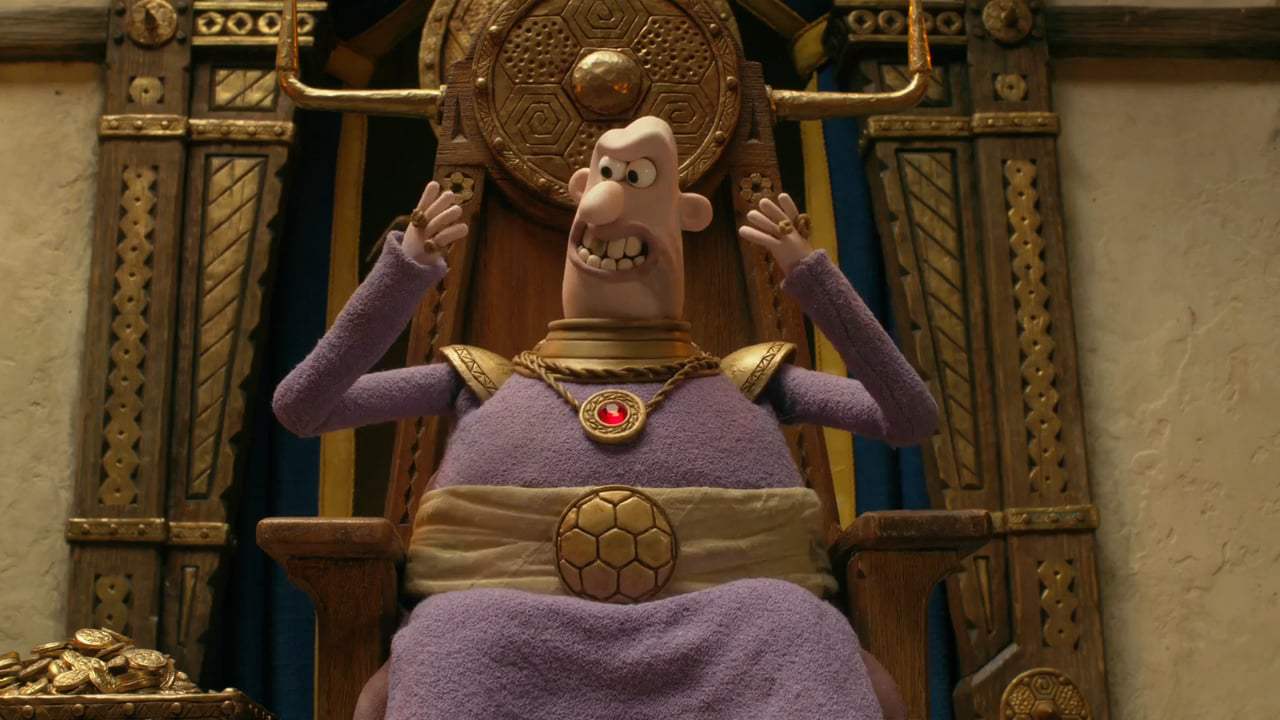
Now if that all sounds like a set up designed to reveal that the movie isn’t very good, then rest assured it is good, and very much so. But Early Man is an Aardman movie that requires audiences to approach it with a certain amount of caution. First of all, it’s very funny, and in the whimsical, very British way that only Aardman can manufacture. Park (who came up with the original story idea) and co-writers Mark Burton and James Higginson have created a world full of inspired sight gags, inspired dialogue, inspired character-based comedy, and a ton of in-jokes. The animation, as expected, is on a par with previous Aardman movies and shorts – meaning it’s excellent – and there is a limited use of CG that, for once, is in support of the Claymation process and doesn’t overwhelm it. Park’s direction is fluid, with an economy of style that matches the material, and there’s terrific voice work from the entire cast, though if you had to highlight anyone’s performance, it would be Brydon as the messenger bird (think Zazu from The Lion King (1994) but with increased attitude). Like all Aardman productions there is a surfeit of riches, and it’s immensely enjoyable.
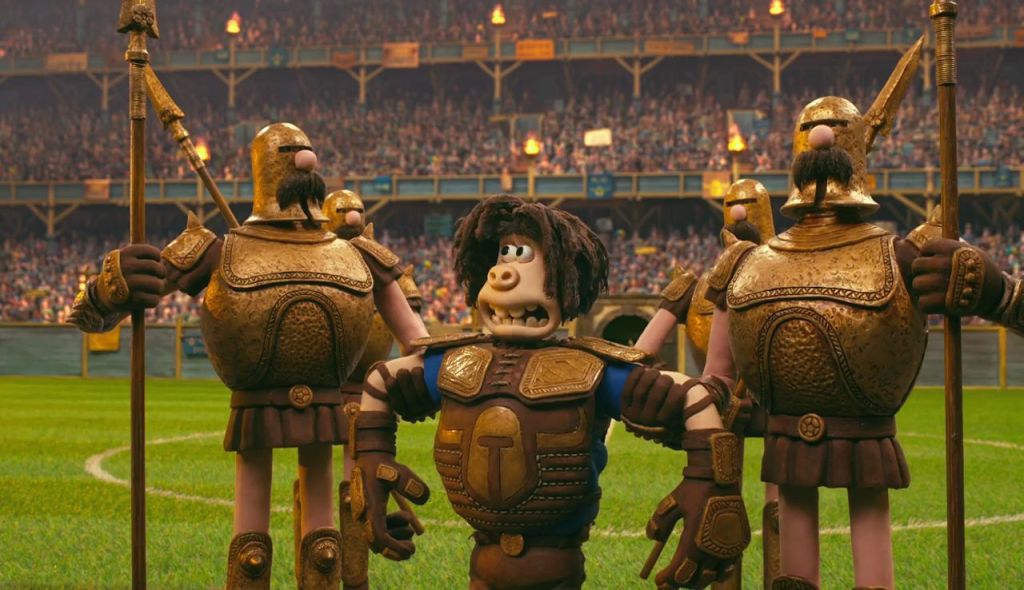
The caution, though, is to do with the storyline. It’s slight, very slight. So slight in fact that there are periods where the movie stalls in its own version of a half-time break. This is where Park and his co-contributors provide more exposition than is actually needed, where the rhythm of the movie slows noticeably and the pace struggles to be regained, and the need to make the movie play out to around the ninety minute mark becomes all too obvious. All these things stop Early Man from being on a par with Chicken Run (2000) or Wallace & Gromit in the Curse of the Were-Rabbit (2005). Here – and despite all the plusses to be found elsewhere – by the time the match starts it’s with some semblance of relief. At this point, the script and the movie both knuckle down and provide a satisfying climax and they earn enough overall merit points to make it all feel as if it’s been time well spent… which it has. It’s an unusual feeling, to be watching something that’s so enjoyable, while at the same time, feeling that there’s something lacking, but that’s the vibe that Early Man gives off. But it’s still a must-see movie, if only to witness once again the absolute pleasure that can be achieved with, and by, lumps of clay.

Rating: 7/10 – like Pixar, Aardman work to very high standards, so when a movie doesn’t quite hit the heights that they or their fans are expecting, it’s always a bit of a disappointment, but though Early Man isn’t as impressive story-wise as it could have been, it’s still a great movie with much to offer; Hognob is like a Stone Age Gromit (no bad thing), there are more football puns than you can shake a woolly mammoth at, and look out for dinosaurs Ray and Harry – a lovely tribute to stop-motion legend Ray Harryhausen.


Postscript: Early Man was given a preview screening at London’s BFI Southbank on 20 January 2018. Following the screening there was a Q&A with Nick Park. Questions were taken from the audience, and one little girl asked, “What was the name of the rabbit?” (a rabbit, a likely ancestor of Hutch from Curse of the Were-Rabbit, is the main target of Dug’s tribe). Park admitted that the rabbit was never given a name, and then he asked the little girl what she thought the rabbit should be called. There was a pause, and then the little girl replied (and with perfect timing), “Rabbit.”
Share this:

  • Click to share on X (Opens in new window) X
  • Click to share on Facebook (Opens in new window) Facebook
  • More
  • Click to print (Opens in new window) Print
  • Click to email a link to a friend (Opens in new window) Email
Like Loading...

Fantastic Beasts and Where to Find Them (2016)

27 Thursday Jul 2017

Posted by dullwood68 in Movies

≈ Leave a comment

Tags

Adventure, Catch Up movie, Colin Farrell, Dan Fogler, David Yates, Drama, Eddie Redmayne, Fantasy, J.K. Rowling, Katherine Waterston, New York, No-Maj, Obscurus, Review, Wizards

D: David Yates / 133m

Cast: Eddie Redmayne, Katherine Waterston, Colin Farrell, Dan Fogler, Samantha Morton, Ezra Miller, Alison Sudol, Carmen Ejogo, Ron Perlman, Jon Voight, Kevin Guthrie, Johnny Depp

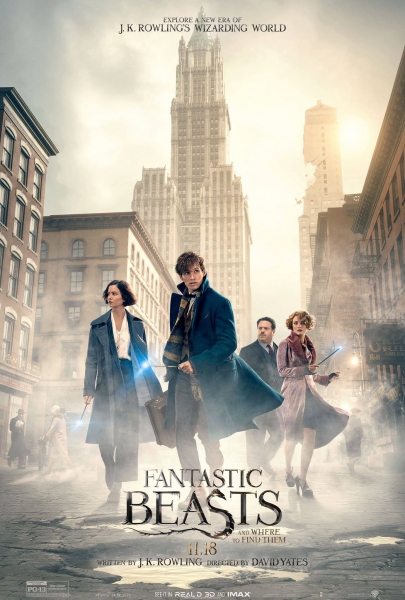
There are some movies that come along and you immediately think: shameless cash-in. Or just: really? Some movies try to be smart and come at a franchise from a different angle, seeking to retain the original fanbase but at the same time giving them something newer, something related but not quite as familiar. Fantastic Beasts and Where to Find Them is one such movie, an attempt by J.K. Rowling and Warner Bros. to squeeze another series of movies out of the Potterverse, and justifying doing so by setting it in the 1920’s (1926 to be precise). Add the fact that what was once meant to be a trilogy will now be a quintet, and you should have a pretty good idea of the motivation in making this new series in the first place.

Which is understandable on a business/financial level, but not on an artistic or creative one. Warner Bros and J.K. Rowling are entitled to make whatever movies they like, but where the Harry Potter saga was clearly that: a saga with an over-arching plot and main storyline, Fantastic Beasts… looks and feels very much like a stand-alone movie that Rowling et al hoped would be successful enough to warrant further entries. Well, financially, it has been – $814,037,575 according to boxofficemojo – but on closer inspection, there are problems that no amount of magical skill can deal with. Partly because of Rowling’s script (her first), and partly because of Yates’ direction. Both lack the credibility needed to make the movie appear better than it is. Rowling knows her wizarding world but this time around she doesn’t have as compelling a story to tell as she did with Harry Potter.

One of the problems with Rowling’s approach is the character of Newt Scamander (Redmayne), a protege of a certain future headmaster of Hogwarts (“Now… what makes Albus Dumbledore… so fond of you?”). Newt is possibly the most under-developed character in the entire Potterverse. As played by Redmayne he’s a closed book that the viewer never gets to know or appreciate, and Rowling never attempts to make him anything other than a floppy-fringed creature collector with all the social skills of a man in a coma. Redmayne has no chance against this, and he ambles and mumbles his way through the movie giving a performance that he looks and feels uncomfortable with. Let’s hope that future installments give us the chance to get to know him better, otherwise he’s going to remain a pedantic nerd whose dialogue consists largely of exposition.

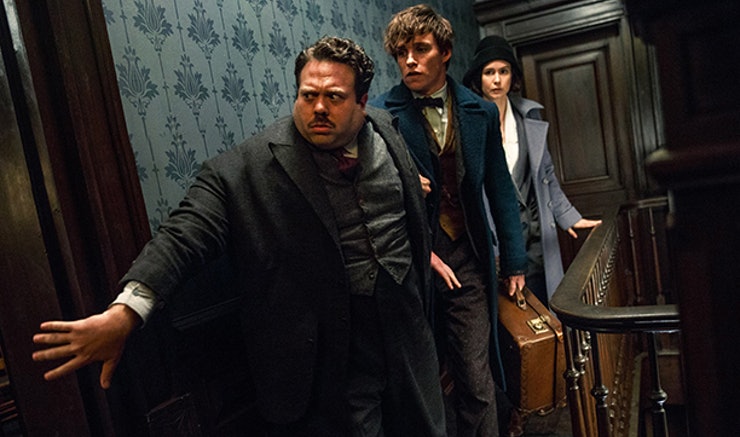
Then there’s the plot itself, which involves a multitude of characters, all of whom waltz around each other in inter-connected ways that don’t add up and which don’t further the nonsensical narrative in any convincing way. We’re alerted at the start to a wizard-gone-bad called Gellert Grindelwald (Depp). Forewarned of his evil nature we wait patiently for him to appear properly only to find that he’s not part of the storyline (at least not in the way we expect). Instead we’re prodded back and forth between Newt and MACUSA (Magical Congress of the United States of America) agent Tina Goldstein (Waterston), or eavesdrop on the lives of the Barebone family, whose matriarch, the forever-adopting Mary Lou (Morton), is head of the New Salem Philanthropic Society, a group seeking to expose the wizarding world for no particular reason other than that’s the motive Rowling gives them for existing. There’s a sub-plot involving a young child that may or may not be the source of a devastating magical creature called an Obscurus (of which naturally, Newt has some experience), and there’s a No-Maj (US slang for Muggle), would-be baker Jacob Kowalski (Fogler), who gets involved thanks to an old-fashioned suitcase switch that only happens in the movies.

There’s more – way more – with Rowling trying to cram in enough incidents for the planned series as a whole, but mostly the movie revolves around Newt’s search for some of the beasts in the title, the ones who manage to escape the suitcase he keeps them in. All these things and again, way more, serve only to make the movie a piecemeal adventure that flits from scene to scene in its attempts to tell a coherent, and more importantly, interesting story. Too much happens for reasons beyond the skill of Rowling to explain, and while a handful of the performances rise above the constraints of the script – Fogler’s, Sudol as Tina’s Legilimens sister Queenie, Miller as the tortured Clarence Barebone – they aren’t enough to rescue the movie as a whole.

Which leads us to Yates, whose direction isn’t as bold or as confident as it was with Harry Potter parts five through eight (and who is attached to the rest of this series). Here, Yates is clearly a director for hire, and if he had any input into the tone or feel of the movie then it looks to have been dismissed with a wave of Rowling’s pen. The movie lacks for energy in its many action scenes, and any attempts at corralling the wayward script is lost in a welter of special effects, many of which aren’t that impressive (a common fault with movies set in the Potterverse). Yates’ skill as a director is missing here and scenes that should have an emotional impact pass by as blandly as the rest. Ultimately what’s missing is the sense of awe and wonder the audience should be experiencing at seeing these fantastic beasts, and from being allowed to explore this new/old (you decide) era in wizarding history. That the movie never achieves this is disappointing, and doesn’t bode well for the remaining four movies coming our way.

Rating: 5/10 – not the most auspicious of starts to a franchise, Fantastic Beasts and Where to Find Them is by-the-numbers moviemaking that doesn’t make the most of its fantasy trappings or its Twenties New York setting (it literally could have been set anywhere and it wouldn’t have made a difference to the story or the characters); Rowling shoehorns in as much as she can but can’t quite manage to make any of it as exciting or significant as she did with the boy wizard, all of which leaves the movie looking and sounding like a cynical exercise in milking further dividends from a previously successful franchise. (25/31)

Share this:

  • Click to share on X (Opens in new window) X
  • Click to share on Facebook (Opens in new window) Facebook
  • More
  • Click to print (Opens in new window) Print
  • Click to email a link to a friend (Opens in new window) Email
Like Loading...

Trailers – Coco (2017), Baby Driver (2017) and Early Man (2018)

16 Thursday Mar 2017

Posted by dullwood68 in Movies

≈ Leave a comment

Tags

Aardman Studios, Animation, Ansel Elgort, Eddie Redmayne, Edgar Wright, Nick Park, Pixar, Previews, Thriller, Trailers

The second movie this year from Pixar (after Cars 3), Coco sees the creators of the Toy Story series make what is arguably their first fantasy movie, as twelve year old Miguel (Anthony Gonzalez) finds himself embroiled in a long-standing family mystery surrounding a ban on music. Miguel’s quest to solve this mystery, and how it connects to his musical idol Ernesto de la Cruz (Benjamin Bratt), leads Miguel into the fabled Land of the Dead. The trailer makes it clear that music is integral to the story in Coco, and the TV footage of de la Cruz is reminiscent of the newsreel footage from Up (2009), but once again it’s the quality of the animation that captures the attention: the end reveal is breathtaking. Pixar appear to have weathered the initial controversy surrounding their decision to try and trademark the term “Día de los Muertos”, and in doing so, have created a Pixar movie first: Miguel is their first central character of ethnic origin. In a way this could be a movie to savour, as it’s the last original story idea we’ll see from Pixar until March 2020. But if the story is locked in, then this could be the kind of uplifting, emotionally resonant tale that Pixar does so well when it’s not concentrating too much on banging out lacklustre sequels to existing favourites.


Edgar Wright may be the only director to turn down a gig at Marvel (he walked away from Ant-Man (2015) citing creative differences), but the downside of that decision for movie fans was his distinctive directing style being absent from our screens for four loooong years. But now he’s back, and with baby-faced Ansel Elgort as, well, the Baby Driver of the title. An action/crime/thriller about a getaway driver (yes, Elgort) looking to “retire” after meeting the girl of his dreams (Lily Collins), but reeled in for one last job by über-crime lord Kevin Spacey, the movie is replete with Wright’s trademark visual stylings (no static angles allowed here), and offbeat sense of humour (the Halloween argument). Anyone familiar with the video for Mint Royale’s Blue Song will already know how Baby Driver begins, but those who don’t will be in for a treat nevertheless. The trailer features some very impressive stunt driving, a great supporting cast that includes the likes of Jamie Foxx and Jon Hamm, and appropriately for a movie where the title character drives to the sounds of his own personal soundtrack, some really great tunes.


Aardman Studios are gloriously unique. They’re the only animation company who work with stop-motion clay animation techniques, and they regularly make crowd-pleasing movies that thrive on their own unique form of invention and wit. And if the teaser trailer for Early Man is anything to go by, then they’re onto another winner here as well. Even though we won’t see the finished product until January 2018, there’s already enough here to vouchsafe its tale of Dug (voiced by Eddie Redmayne) and his efforts to unite his tribe against rivals from the Bronze Age (yes, time travel is involved) in a confrontation that pre-dates European football by thousands and thousands of years. Dug is a classic Aardman creation, and will no doubt prove popular, but if one character is likely to stand out from all the rest, it has to be Dug’s trusty sidekick, Hognob the (early) pig. With this being Nick Park’s first solo venture as a director, and like Pixar’s Coco, Aardman’s last original story idea for some time to come, this is definitely one to look forward to (and hopefully treasure).

Share this:

  • Click to share on X (Opens in new window) X
  • Click to share on Facebook (Opens in new window) Facebook
  • More
  • Click to print (Opens in new window) Print
  • Click to email a link to a friend (Opens in new window) Email
Like Loading...

Monthly Roundup – January 2017

31 Tuesday Jan 2017

Posted by dullwood68 in Movies

≈ 3 Comments

Tags

Action, Animation, Ariel Schulman, Auli'i Cravalho, Chester Morris, Chris Wedge, Chris Williams, D.J. Caruso, Dave Franco, David Yates, Disney, Don Hall, Donnie Yen, Dwayne Johnson, Eddie Redmayne, Emma Roberts, Fantastic Beasts and Where to Find Them, George Sherman, Gerry O'Hara, Guy Hamilton, Heart of a Dog, Henry Joost, Horror, Howard Lovecraft and the Frozen Kingdom, Ian McShane, J.K. Rowling, January 2017, John Musker, Laurie Anderson, Lolabelle, Lucas Till, Moana, Monster Trucks, Monthly roundup, Movies, Nerve (2016), Oliver Reed, Rat terrier, Ray Enright, Reviews, Richard Conte, Ron Clements, Sean Patrick O'Reilly, The Party's Over, The Pleasure Girls, The Sixties, The Sleeping City, Tomorrow at Seven, Vin Diesel, xXx: Return of Xander Cage

Nerve (2016) / D: Henry Joost, Ariel Schulman / 96m

Cast: Dave Franco, Emma Roberts, Emily Meade, Miles Heizer, Juliette Lewis, Kimiko Glenn, Marc John Jefferies, Colson Baker, Brian Marc

maxresdefault

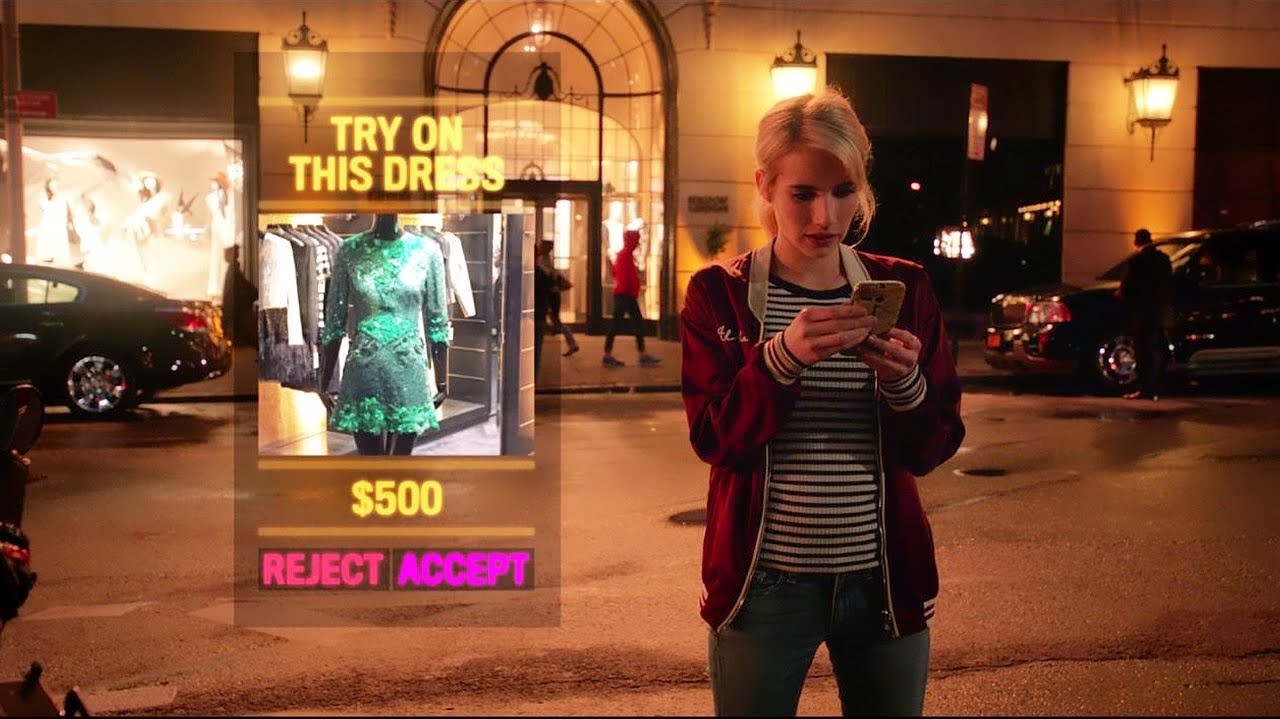
Rating: 6/10 – an online game of Truth or Dare quickly escalates into something more dangerous than expected when Vee (Roberts) decides to escape her comfort zone and take on the game’s challenges; less than subtle criticisms of the Internet and social media can’t hide the fact that this kind of scenario – teens (mostly) take risks to become “cool” in the eyes of the world – lacks immediacy and a real sense that its characters are in any actual danger, leaving Nerve to flirt with its ideas but never really take them out on a first date.

Fantastic Beasts and Where to Find Them (2016) / D: David Yates / 133m

Cast: Eddie Redmayne, Katherine Waterston, Dan Fogler, Colin Farrell, Alison Sudol, Samantha Morton, Ezra Miller, Faith Wood-Blagrove, Jenn Murray, Jon Voight, Ronan Raftery, Josh Cowdery, Ron Perlman, Carmen Ejogo

maxresdefault-1

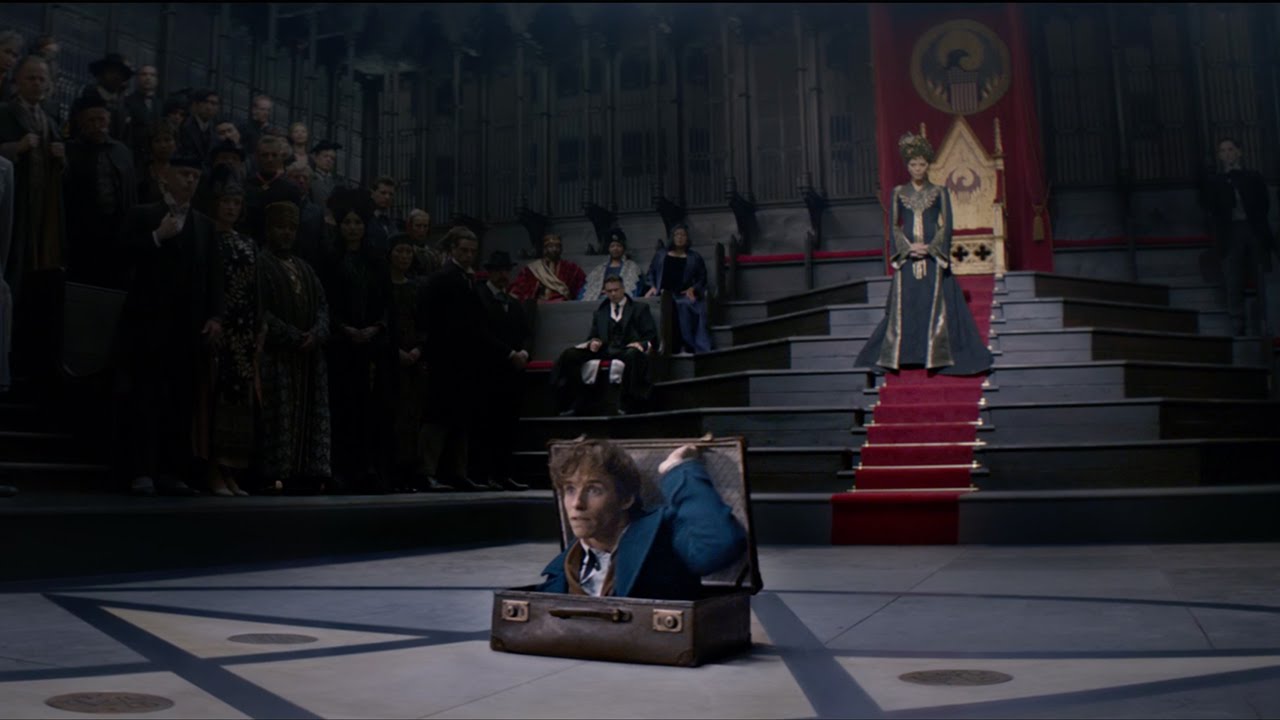
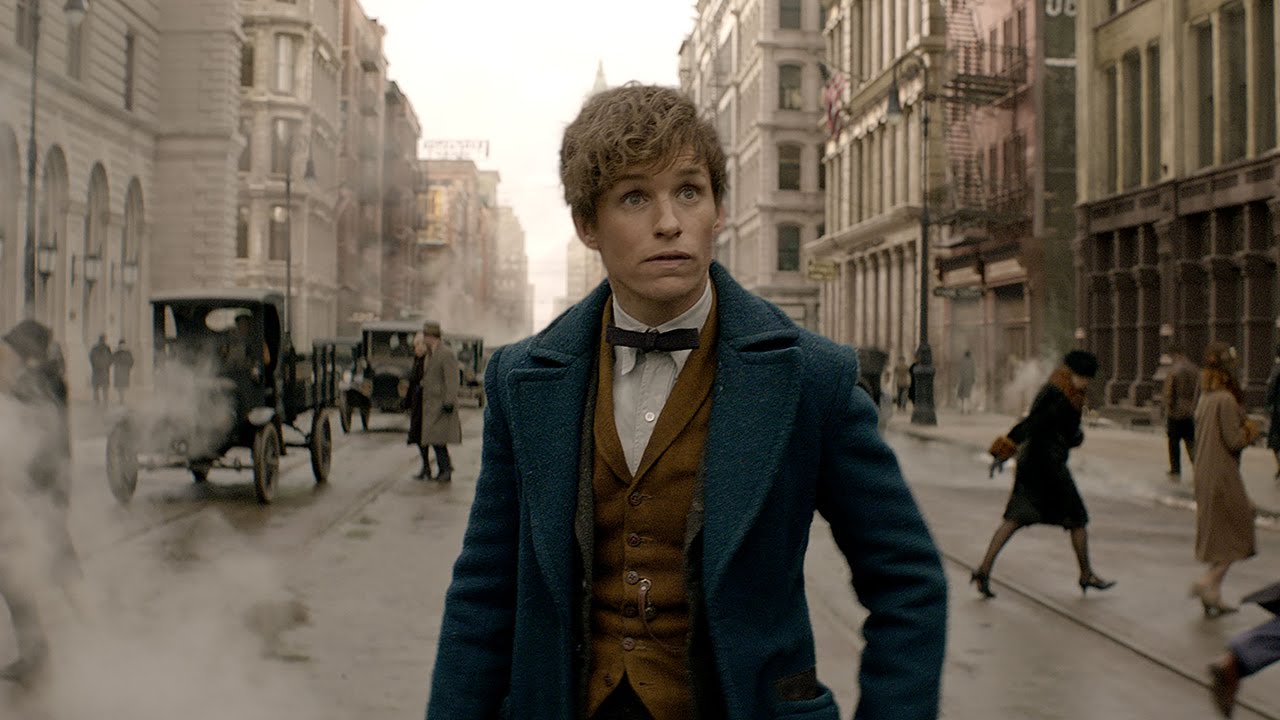
Rating: 5/10 – in New York in 1926, young wizard, Newt Scamander (Redmayne), arrives with a case full of fantastic beasts (what else?) and finds himself in the midst of an evil plot to boost Warner Bros.’ take at the box office; despite being written by J.K. Rowling, Fantastic Beasts... is littered with characters we never get to know, clumsy demarcations between the wizarding world and that of the Muggles (or No-Maj’s as they’re known here), features another tedious series of destruction-porn episodes, and fosters the overwhelming sense that, despite protestations to the contrary, this is a franchise cash-in and nothing more.

Moana (2016) / D: Ron Clements, John Musker, Don Hall, Chris Williams / 107m

Cast: Auli’i Cravalho, Dwayne Johnson, Rachel House, Temuera Morrison, Jemaine Clement, Nicole Scherzinger, Alan Tudyk

36190303mauiandmoana-1280-1479767753823_large

Rating: 6/10 – when a curse threatens the island she lives on, chief’s daughter Moana (Cravalho) goes in search of the one person who can put things right: the cause of the curse, demi-god Maui (Johnson); following on from the delightful (and fresh) Zootopia (2016), it’s shocking to see just how lightweight Moana is in comparison, with little depth to the characters, and a plot so flimsy it’s almost see-through, all of which leaves the movie’s stunning animation as the only thing that makes an impact.

The Party’s Over (1965) / D: Guy Hamilton / 94m

Cast: Oliver Reed, Clifford David, Ann Lynn, Katherine Woodville, Louise Sorel, Mike Pratt, Maurice Browning, Jonathan Burn, Roddy Maude-Roxby, Annette Robertson, Alison Seebohm, Eddie Albert

cache_2432985076

Rating: 7/10 – an American businessman (David) comes to London to persuade his fiancée (Lynn) to return home and get married, but he finds himself battling against her friends (led by Reed’s anti-Establishment poser), and her sudden disappearance; seen today, The Party’s Over has all the hallmarks of a Sixties curio, but at the time it pushed quite a few boundaries, and fell foul of the British censors, forcing Hamilton to remove his name from the credits – but not before he’d made a fascinating and striking movie that’s only let down by a handful of weak performances and an ending that matches them.

The Sleeping City (1950) / D: George Sherman / 85m

Cast: Richard Conte, Coleen Gray, Richard Taber, John Alexander, Peggy Dow, Alex Nicol

image-w384

Rating: 6/10 – the murder of a doctor at New York’s Bellevue Hospital prompts the police to place three undercover officers there in an attempt to flush out the killer; beginning with an awkward endorsement of the Bellevue staff by Conte (whose inability to read from cue cards is obvious), The Sleeping City soon settles into its film noir trappings but while it’s diverting enough, it doesn’t know what to do with Conte’s lead detective, or how to make its central plot more interesting than it is.

Heart of a Dog (2015) / D: Laurie Anderson / 75m

With: Laurie Anderson

hoad_stills_05_lolaconcert

Rating: 8/10 – a tone poem, an essay, a treatise on the unconditional love a dog has for its owner, and a wider examination of grief and loss allied to the events of 9/11 – this isn’t just about Laurie Anderson’s relationship with her beloved rat terrier, Lolabelle, but about the various ways that love and loss can affect us; at its core, Heart of a Dog is not a documentary, but a collage of distressed film stock, abstract sound and sound effects, Anderson’s performance persona, visual memories, heartfelt imagery and reminiscences, poetic reality, and Anderson’s own unique view of the world and the essential poetic nature of it all, all of which combines to provide the viewer with one of the most intriguing and thought-provoking movies of recent years.

Tomorrow at Seven (1933) / D: Ray Enright / 62m

Cast: Chester Morris, Vivienne Osborne, Frank McHugh, Allen Jenkins, Henry Stephenson, Grant Mitchell, Charles Middleton, Oscar Apfel, Virginia Howell

tomorrowatseven

Rating: 7/10 – the Black Ace is a master criminal/murderer who predicts the time he’ll kill each of his victims, and he never fails, but crime writer Neil Broderick (Morris) is on his trail, and with the help of Black Ace expert, Thornton Drake (Stephenson), is determined to catch him; an old dark house mystery that features light relief (or major annoyance – take your pick) from the double act of McHugh and Jenkins as two of the stupidest cops on the force, Tomorrow at Seven does a good job of playing cat and mouse with the audience, but with so few suspects on display, the identity of the Black Ace is, sadly, all too obvious.

The Pleasure Girls (1965) / D: Gerry O’Hara / 88m

Cast: Ian McShane, Francesca Annis, Mark Eden, Klaus Kinski, Anneke Wills, Tony Tanner, Rosemary Nicols, Suzanna Leigh, Colleen Fitzpatrick, Carol Cleveland

the-pleasure-girls-images-b1253ff6-802d-4e22-a998-7d660e9305d

Rating: 6/10 – Sally (Annis) comes to London to be a model, and soon falls in with a like-minded group of young women looking to find their way in the world – and have a lot of fun at the same time, even though it doesn’t always work out like that; though the focus is in on Sally, her friends, and the various relationships they form, The Pleasure Girls makes more of an impact thanks to its male cast, with McShane, Eden and Kinski (very good) all standing out thanks to strong characterisations and having less soap opera-style dialogue than that of the female cast, and O’Hara’s direction appearing to wander whenever two or more of the girls are on screen.

Monster Trucks (2016) / D: Chris Wedge / 105m

Cast: Lucas Till, Jane Levy, Thomas Lennon, Barry Pepper, Rob Lowe, Holt McCallany, Amy Ryan, Danny Glover, Frank Whaley

monster-trucks

Rating: 7/10 – an oil-drilling operation leads to the release of three “monsters” that live deep underground, but while the oil company captures two of the creatures, the third ends up befriending high school senior, Tripp (Till), who in turn helps it to avoid being captured as well; an innocuous throwback to the kind of fantasy movies made for kids in the Eighties, Monster Trucks is a lot of fun if you let yourself just go with it, and though its message of tolerance and understanding of “foreigners” seems at odds with current notions of US nationalism, it’s still a message we can all stand to hear one more time.

Howard Lovecraft and the Frozen Kingdom (2016) / D: Sean Patrick O’Reilly / 83m

Cast: Kiefer O’Reilly, Sean Patrick O’Reilly, Jane Curtin, Ron Perlman, Christopher Plummer, Alison Wandzura, Tyler Nicol, Doug Bradley

howard-lovecraft-5

Rating: 5/10 – young Howard Lovecraft (Kiefer O’Reilly) finds himself transported to a strange kingdom of ice which is inhabited by equally strange creatures, and where he finds himself searching for both a way back, and a way to reassure his father (Nicol) (who’s locked up in an asylum) that his ravings about other worlds and said creatures are all true; a curious blend of children’s animation and H.P. Lovecraft’s Cthulhu mythos, Howard Lovecraft and the Frozen Kingdom is quite straightforward in its approach, but is let down by poor production values, an animation style that makes it look like a video game from the Nineties, and a script that juggles motivations and dialogue like a one-handed man in a chainsaw-catching competition.

xXx: Return of Xander Cage (2017) / D: D.J. Caruso / 107m

Cast: Vin Diesel, Donnie Yen, Deepika Padukone, Toni Collette, Ruby Rose, Kris Wu, Tony Jaa, Nina Dobrev, Rory McCann, Michael Bisping, Samuel L. Jackson

xxx-the-return-of-xander-cage-vin-diesel-donnie-yen

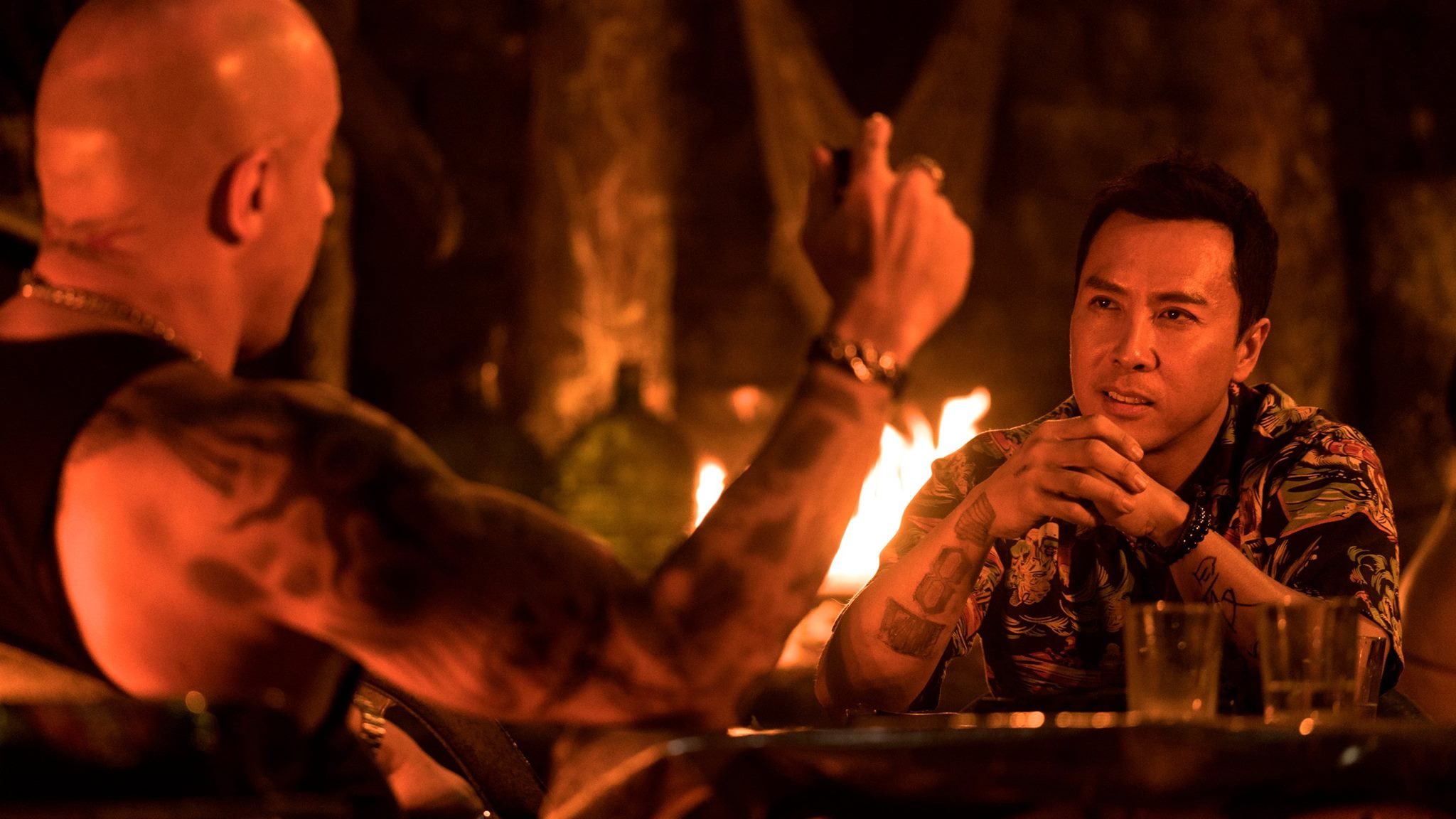
Rating: 4/10 – the world is in peril from yet another technological McGuffin, and it’s up to extreme sports enthusiast/secret agent Xander Cage (Diesel) to save the day; with Diesel unable to get The Last Witch Hunter (2015) off the ground as another franchise earner, it’s no surprise that he’s returned to a character he left behind fifteen years ago, but this is as uninspired and as predictable as you’d expect, and only Yen’s (always) impressive physicality makes any kind of an impact.

Share this:

  • Click to share on X (Opens in new window) X
  • Click to share on Facebook (Opens in new window) Facebook
  • More
  • Click to print (Opens in new window) Print
  • Click to email a link to a friend (Opens in new window) Email
Like Loading...

The Danish Girl (2015)

17 Sunday Jan 2016

Posted by dullwood68 in Movies

≈ Leave a comment

Tags

1926, Alicia Vikander, Amber Heard, Artists, Ben Whishaw, Copenhagen, Denmark, Drama, Eddie Redmayne, Einar Wegener, Gerda Wegener, Lili Elbe, Literary adaptation, Matthias Schoenaerts, Painting, Sex change, Tom Hooper, Transgender, True story

The Danish Girl

D: Tom Hooper / 119m

Cast: Eddie Redmayne, Alicia Vikander, Matthias Schoenaerts, Ben Whishaw, Sebastian Koch, Amber Heard, Adrian Schiller, Pip Torrens

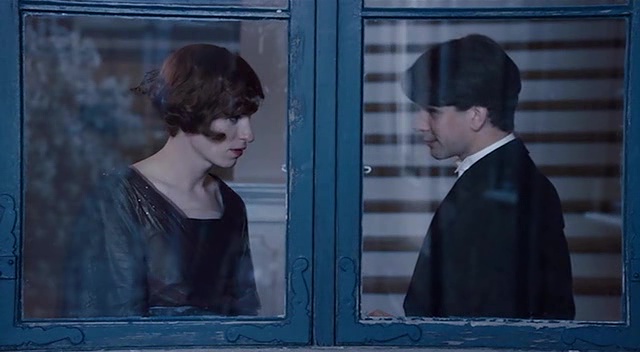
Copenhagen, 1926. Einar Wegener (Redmayne) is a celebrated painter and husband to fellow painter Gerda (Vikander). They live in a big house by a canal and appear to be blissfully happy together, despite Gerda’s work being passed over by the local art dealer (Schiller), and despite not having had a child together in the six years they’ve been married. They are well regarded amongst their friends and contemporaries, including Ulla (Heard), a dancer who Gerda has agreed to paint a portrait of. One day Ulla is late for her sitting and Gerda asks Einar to take her place. He puts on stockings and shoes and covers himself with a dress; the effect of having the dress next to him reawakens old feelings from his childhood. When Ulla does arrive she’s delighted to see her “substitute” and tells Einar he should be known as Lili.

Later, Gerda discovers Einar is wearing one of her nightgowns under his clothes. She accepts this and the next morning while he sleeps she sketches him, giving him an androgynous look. When Einar refuses to attend an artist’s ball, Gerda prompts him to attend in disguise, as his “cousin” Lili. She intends it to be a game while Einar is secretly pleased to be able to dress as a woman. At the ball, Lili attracts the attention of Henrik (Whishaw) who engineers a situation where he kisses her. This initially confuses Einar but the urge to continue as Lili is stronger and he continues to see Henrik secretly.

TDG - scene1

When their relationship ends, Einar makes the decision to be Lili most of the time. Out of this, Gerda finds her muse, and her paintings of Lili begin to gain attention. When her work is noticed by art dealers in Paris, she takes the opportunity to go there, and succeeds in persuading Einar to come with her. It’s good timing, as Einar has been seeking treatment for what he believes is a condition that can be resolved, but most doctors believe he is either insane or perverted and want to see him committed. In Paris, Gerda contacts Einar’s childhood friend and art dealer Hans Axgil (Schoenaerts), but when she brings Hans back to their apartment, they find Lili there instead of Einar.

At this time Einar and Gerda hear about a German doctor who is interested in people like Einar who feel like they are a woman trapped inside a man’s body. The doctor, called Warnekros (Koch), is trying to pioneer the kind of surgery that will allow a man to become a woman, complete with female genitals. Einar agrees to undergo the procedures necessary as he feels this is his best chance of becoming the person he really is – Lili. Meanwhile, Gerda’s conflicting emotions about her husband lead her to skirt perilously close to having an affair with Hans.

At one point in The Danish Girl, Einar Wegener visits a Paris brothel and watches through a window as a young woman sensuously caresses herself. He mimics her movements, and in doing so, has an orgasm. It’s a telling moment, as Einar’s need to be a woman finds expression in a moment of heightened sexuality. It’s also the point at which the movie makes it clear to the audience that Einar’s condition isn’t the result of some mental incapacity, or a chemical imbalance. This is where Einar truly becomes Lili, even if he still has to dress as a man on certain occasions.

TDG - scene3

Lili’s story has been told in her own words in the book, Man into Woman: The First Sex Change, published in 1933, and drawn largely from the diary entries she wrote while undergoing her sex change procedure. The Danish Girl takes the book as a starting point and tells Lili’s story with a stately precision that both heightens the drama and allows room for Hooper to delve deeply into the relationship between Einar and Gerda and Lili herself. For this to work, the movie needed two actors capable of navigating the intricacies of gender confusion and emotional displacement, as Einar embarks on his all-consuming journey to become Lili, and Gerda tries to come to terms with losing the only man she’s ever loved. Fortunately, the movie has Redmayne and Vikander in it, and these two amazingly versatile actors keep the movie from being as dreary and confined as the movie’s backdrop (the movie is a triumph of muted colours and dull settings).

Redmayne is on superb form here, portraying Einar’s transformation from tormented man to blissfully happy woman with so much tenderness and understanding of the mixed emotions both Einar and Lili must have felt that it’s impossible to detect a false note anywhere in his performance. It’s hard to think of another actor who could have portrayed the two roles so effectively. And he’s matched by Vikander, an actress who goes from strength to strength in every movie she makes (even if it’s The Man from U.N.C.L.E.). She takes what could have been a secondary character and imbues her with a clear-sighted intelligence and emotional resilience that complements Redmayne’s performance and ensures that Gerda’s part in all this isn’t forgotten or given less importance. Their scenes together have such a charge that some of them leave the viewer on the edge of their seat, poised to see how their relationship will develop and how much their love for each other will see them through.

TDG - scene2

As mentioned above, Hooper directs in a stately manner he seems to have picked up from watching too many heritage movies, and while this doesn’t disadvantage the movie completely, it does lead to moments where the passage of time – on screen at least – seems slower than it actually is (the events here take place over four years, but you wouldn’t know it otherwise). Some viewers may find their patience tested on these occasions but this is a movie that draws you in with its performances and proves compelling because of them. Few movies take the time to examine in detail how their characters feel, and why, but The Danish Girl – thanks to Lucinda Coxon’s screenplay – does it throughout and with an honesty that uplifts what could have been an entirely depressing story. But then again, this is a movie about courage and determination against the odds, and at a time when transgender issues were only just beginning to be addressed by the medical community. And the movie tackles these issues with a tremendous amount of sympathy and compassion.

The movie has another distinguished, evocative score courtesy of Alexandre Desplat, and is beautifully framed and shot by Danny Cohen (though again, Hooper’s choice of muted colours remains an issue). And Melanie Oliver’s editing is another strength, her ability to utilise a combination of static shots and measured cutting helping to improve the visual style. Away from the main story, the movie drops the ball on only two occasions: with the subplot involving Gerda’s attraction to Hans, which is unnecessary and would seem more relevant if this were a soap opera; and Lili’s relationship with Henrik, which isn’t explored fully, and which adds confusion to the already confused state she’s in at the time (just what is their relationship about?). But these issues aside, the movie is the kind of intelligent, clearly defined movie making that doesn’t come along very often, and which does enormous justice to its central characters.

Rating: 8/10 – with a virtuoso performance from Redmayne, and an equally impressive turn from Vikander, The Danish Girl is a riveting true story about the recipient of the world’s first sex change operation; impressively mounted, and with an honesty that permeates every scene, this is a movie well worth investing the time with, and which rewards on almost every level.

Share this:

  • Click to share on X (Opens in new window) X
  • Click to share on Facebook (Opens in new window) Facebook
  • More
  • Click to print (Opens in new window) Print
  • Click to email a link to a friend (Opens in new window) Email
Like Loading...

Jupiter Ascending (2015)

18 Wednesday Feb 2015

Posted by dullwood68 in Movies

≈ 1 Comment

Tags

Abrasax Family, Action, Andy Wachowski, Caine Wise, Channing Tatum, Douglas Booth, Drama, Eddie Redmayne, Genetic reincarnation, Jupiter, Jupiter Jones, Lana Wachowski, Mila Kunis, Review, Sci-fi, Sean Bean, The Aegis, Thriller, Youth serum

Jupiter Ascending

D: Andy Wachowski, Lana Wachowski / 127m

Cast: Channing Tatum, Mila Kunis, Sean Bean, Eddie Redmayne, Douglas Booth, Tuppence Middleton, Nikki Amuka-Bird, Christina Cole, Nicholas A. Newman, Maria Doyle Kennedy, Gugu Mbatha-Raw, Jeremy Swift, Kick Gurry, James D’Arcy

Jupiter Jones (Kunis) works as a cleaner with her mother, Aleksa (Kennedy), and her aunt. She has no prospects, no will to succeed, and no man in her life. Shackled to her mother’s Russian family, she is unaware that she is the genetic reincarnation of the matriarch of the Abrasax family. The Abrasax family are part of an alien race whose business is that of seeding planets and harvesting the inhabitants once they reach a certain physical maturity. The Abrasax matriarch had Earth as part of her portfolio, and its importance as a source of youth-giving serum is not lost on her offspring, Balem (Redmayne), Kalique (Middleton) and Titus (Booth). Each of them is trying to acquire Earth for themselves, and when they learn of Jupiter’s existence, they initiate plans to either manipulate her or kill her (or both).

Jupiter can claim her genetic forebear’s titles and properties but if she does it will freeze out Balem and his siblings. His response is to send agents to Earth to kill her, but Titus sends a genetically engineered hunter called Caine Wise (Tatum) to protect her and bring her to him. Wise enlists aid of fellow hunter Stinger Apini (Bean) but a group of mercenaries manage to capture Jupiter and take her to a planet owned by Kalique. Kalique informs Jupiter that the conditions of her mother’s will were such that Earth would belong to her genetic reincarnation should one come forward. All Jupiter has to do is to claim her inheritance and her brothers’ plans will be thwarted.

Aided by Stinger and the Aegis, an intergalactic police force, Caine rescues Jupiter from Kalique and takes her to the planet where she can begin to claim her inheritance. Titus appears on the scene and tells Jupiter he plans to uphold his mother’s wish that Earth not be harvested, and that if she marries him it will ensure both Earth’s safety and an end to Balem and Kalique’s scheming. Titus isolates Caine from Jupiter and reveals his real plan which is to marry her and then have her killed, thus inheriting Earth by default. He has Caine expelled from an air lock, while Jupiter agrees to marry Titus…

Jupiter Ascending - scene

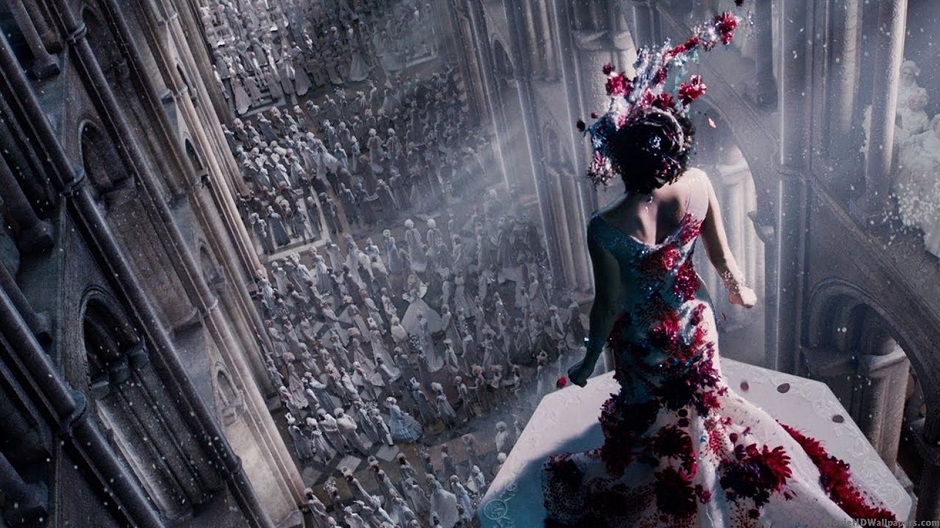
Originally set for release on 25 July 2014, Jupiter Ascending finally arrives on our screens and… is… well… just… terrible. It’s not quite as bad as, say, Teenage Mutant Ninja Turtles (2014) – that would be difficult – but it is shockingly, depressingly bad in ways that are completely surprising given the calibre of the directors, the cast and the crew. Already a box office bomb, with very little chance of its $176,000,000 budget being recouped any time soon, Jupiter Ascending is a classic example of what happens when you ask two feted filmmakers to come up with “an original intellectual property and franchise” – take a bow, Jeff Robinov (Warner Bros. president). The result? A movie that makes no sense at any point during its entire running time.

It’s a spectacular movie, true, but this is yet another sci-fi movie that is a triumph of style over substance. If there had been half as much effort put into the script as there has been into the special effects and the design of the movie then we might be talking about the movie in terms of it being a modern classic. But so successfully have the Wachowskis sabotaged their own script – sorry, “intellectual property” – that instead we have to talk about the movie in terms of it being an (almost) unmitigated disaster. Take the notion that only the human race can produce the serum that keeps the Abrasax family so youthful. So far, so good. But if this is the case, and the Abrasax family have “seeded” Earth in order to produce this serum, why haven’t they done it on other planets? Surely that would make sound business sense (not to mention keep them eternally young)? (It seems not.)

There are plenty of other elements within the script that don’t make sense, such as the whole idea that Jupiter is the genetic reincarnation of the Abrasax’ matriarch. How or why this should even happen in the first place is skipped over by the Wachowski’s, and it hovers over the movie like a particularly stinky McGuffin. And the speed with which Bean’s character changes sides (and is forgiven) has all the dramatic intensity of someone changing their washing powder instead of their allegiance. It’s all in service of a script that careens from one unlikely scene to another while ramping up the visual spectacle to such a pitch that the characters appear incidental to the vast spaceships and the vast sets inside them (though the Wachowskis have seen fit to ensure that no room is too small that Caine can’t pitch and hover around it with ease).

The cast look uncomfortable throughout, with Tatum doing his best not to appear confused (or wishing he was making another movie entirely), and Kunis unable to make Jupiter less irritating than she’s written. Bean appears to be apologising for each line he has to utter – his rhapsodising about bees is a highlight – while Booth mistakes petulance for silky menace, and Middleton is saddled with the weight of too much exposition (and wrinkles). And then there’s Redmayne, soft-spoken for most of the movie and evidencing Balem’s more psychotic tendencies by shouting loudly whenever he’s annoyed. By the end it’s become the movie’s most flamboyant performance, but it would have been better utilised in a pantomime than a science fiction movie trying to take itself seriously.

The action scenes are suitably large-scale and ambitious but still rely heavily on the bad guys being terrible shots, and Wise being able to get off a kill shot from any angle. The Renaissance feel to many of the sets and the overall design is, however, impressive, but the production facility on Jupiter is too overblown, and seems designed more to be destroyed (as it eventually is) than anything else. And therein lies another problem, the Zack Snyder Equation™, which posits that if there is a chance to provide mass destruction on a monumental level then it should be grasped with every gigabyte possible. It seems movie makers still haven’t caught on to the fact that while this may make for an arresting visual sequence, we’ve still seen it way too often now for it to have any meaningful effect.

Rating: 4/10 – with stumbling, forlorn attempts at comedy thrown in here and there – “I love dogs”, Jupiter’s Russian family, any time Famulus (Mbatha-Raw) makes an appearance – Jupiter Ascending succeeds in undermining its own credibility at nearly every turn; a space opera masquerading as something more (though exactly what is hard to determine), this sees the Wachowskis reprising themes from The Matrix to less than impressive effect.

Share this:

  • Click to share on X (Opens in new window) X
  • Click to share on Facebook (Opens in new window) Facebook
  • More
  • Click to print (Opens in new window) Print
  • Click to email a link to a friend (Opens in new window) Email
Like Loading...

The Theory of Everything (2014)

05 Thursday Feb 2015

Posted by dullwood68 in Movies

≈ 1 Comment

Tags

A Brief History of Time, Biography, David Thewlis, Drama, Eddie Redmayne, Felicity Jones, James Marsh, Jane Hawking, Literary adaptation, Motor neurone disease, Physics, Review, Stephen Hawking, Time, True story

Theory of Everything, The

D: James Marsh / 123m

Cast: Eddie Redmayne, Felicity Jones, Charlie Cox, Simon McBurney, Emily Watson, David Thewlis, Maxine Peake, Harry Lloyd

Cambridge, 1963. Stephen Hawking (Redmayne) is an astrophysics student with a brilliant mind and a bright future. At a party he meets Jane Wilde (Jones), who is studying Spanish Romantic poetry. As their romance blossoms so too does Stephen’s clumsiness and lack of coordination. A bad fall leads to a diagnosis of motor neurone disease and a prognosis that gives him only two more years to live. Stephen hides himself away, even from Jane, but she refuses to give up on him. Despite reservations from both their families, the pair marry and soon have their first child.

Stephen achieves his doctorate but his illness is progressing rapidly. He becomes reliant on a wheelchair for getting about and his speech deteriorates. He and Jane have a second child, and the burden on her becomes plain, but her sense of loyalty and commitment stop her from seeking help. At her mother’s suggestion she joins a local choir. Jane and the choir master, Jonathan (Cox) become friends and he begins to help her at home, looking after the children and Stephen as well. Their relationship becomes more serious; when Stephen and Jane have a third child, Jane’s mother asks if the baby is Jonathan’s. He overhears this and while he admits he has feelings for her – and she for him – he decides to stay away for a while. Stephen, however, persuades him to continue helping his family.

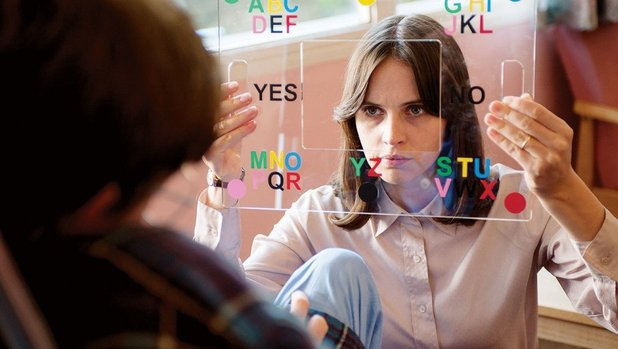
An invitation for Stephen to attend a concert in Bordeaux allows Jane and Jonathan to take the children camping there as well. While at the concert, Stephen becomes unwell and is taken to hospital. There a doctor advises Jane that Stephen will need a tracheotomy and that, as a result he’ll never speak again; she tells them to go ahead. Before they return to England, she and Jonathan agree not to see each other any more. Back home, Jane hires a helper, Elaine (Peake), who works with Stephen as a personal assistant. He also receives a computer which has a built-in voice synthesizer that allows him to communicate with people. It also spurs him to write a book, A Brief History of Time. When he’s invited to America to accept an award he tells Jane that he’ll be taking Elaine with him, and not her. Their marriage effectively over, Jane and Jonathan reconnect, while Stephen’s worldwide fame increases, culminating in his meeting the Queen.

Theory of Everything, The - scene2

Anyone preparing to see The Theory of Everything and expecting to be overwhelmed by long stretches involving discussions related to quantum physics and black hole information paradoxes will be both relieved and pleasantly surprised. For this isn’t a biography of Stephen Hawking the noted physicist, but Stephen Hawking the individual. Eschewing his work in favour of his home life, the movie shows how his illness proved unable to diminish his spirit. As the disease that threatens his life leaves him more and more cut off from the world around him, Stephen’s determination and will to survive rises to the fore. It’s gladdening to see his personality and character still able to shine through, the spark of his mental state undimmed. Once he’s overcome his initial bout of self-pity and he marries Jane, there’s not one moment where he even comes close to contemplating giving in. And when his relationship with Elaine leads to the dissolution of his marriage, the emotion and the regret are all there in his eyes.

Stephen’s courage by itself would make for an uplifting, inspirational story, but what makes the movie even more effective is its detailing of the struggles undertaken – willingly it must be said – by his wife, Jane. As Stephen becomes increasingly disabled, the strain she feels grows and grows, and while her devotion to him is admirable, it’s clear that her need for a normal life is becoming more and more important to her. She snatches brief moments of happiness with Jonathan, a widower looking for someone to ease his own sense of loss; they’re kindred spirits, but Jane’s sense of propriety keeps them apart. This is the other tragedy the movie portrays so well: the emotional despair that comes with realising you have no more left to give, and that it’s only a solemn commitment to someone you once loved that keeps you from leaving.

Based on Jane Wilde Hawking’s memoir Travelling to Infinity: My Life with Stephen, the movie is an emotional roller coaster ride, charting the rise and fall of their relationship over thirty years. It’s a movie that’s expertly crafted by Marsh and features an incisive, sharply defined script by Anthony McCarten. Together, they’ve created a movie that throws a spotlight onto one of the most poignant and touching of relationships and shows how mutual affection and reliance aren’t always enough. Using a surprising lightness of touch that complements the underlying humour displayed by Stephen throughout, Marsh directs with passion and perspicacity, getting to the heart of each scene with ease and coaxing tremendous performances from his two leads. It’s also a tremendous movie to look at, with Benoît Delhomme’s photography proving almost sumptuous at times, beautifully lit and offering compositions that are lush and redolent of the time in which they’re set.

But of course the main draw – or draws, if you prefer – are the performances by Redmayne and Jones. Redmayne is nothing short of excellent as Stephen, whether portraying the gauche young man with a bright future ahead of him, or the crippled, contorted genius his illness failed to stop him becoming. Redmayne’s performance is all the more impressive for having been shot out of sequence, challenging the actor to keep track of Stephen’s physical decline and adapt it to the production schedule. Even toward the end of the movie, when he’s unable to communicate except with his eyes, Redmayne ensures every feeling and every emotion is clearly written in his gaze. It’s a towering achievement, impressive both physically and for its humanity.

But in many ways, this is Jones’s movie, the actress proving mesmerising to watch, her performance one of such singular intensity and skill that it’s almost impossible to believe she’s acting, so completely does she inhabit Jane’s character and personality. Her scenes with Cox are a masterclass of understated longing and repressed emotion – when Jane declares she has feelings for Jonathan it’s such a heartbreaking moment and so powerfully realised that the viewer can only marvel at the depths being plumbed to realise such a moment in so compelling a fashion. But what Jones does best is to externalise each little instant where Jane’s love for Stephen is eroded just that little bit more, and just a little bit more, until she’s forced to admit that she did love him once. The audience can see that moment coming, and the inevitability of it, but when it does come, Jones makes it almost unbearable to watch.

Theory of Everything, The - scene3

There’s more than able support from the likes of Thewlis as Stephen’s college professor, McBurney as his father, and Watson as Jane’s mother, while Cox’s diffident manner as Jonathan is so appealing it’s no wonder Jane falls in love with him (they’re still together today). The Cambridge locations are well chosen and there’s a tremendously evocative score by Jóhann Jóhannsson that is like a musical equation (if such a thing exists). And if anyone’s not sure, yes that is the real Stephen Hawking’s synthesised voice used in the final half hour, relied upon as the makers couldn’t reproduce its unique sound.

Rating: 9/10 – a superb biography of two people in a marriage where nothing is assured except the slow deterioration of their love for each other, The Theory of Everything is one of the most remarkable movies of 2014; with two justly lauded performances at its forefront, it’s a movie that dispenses its main protagonist’s passion for science in bite-size pieces and keeps the focus rightly on his successes and failures as “just another” fallible human being.

Share this:

  • Click to share on X (Opens in new window) X
  • Click to share on Facebook (Opens in new window) Facebook
  • More
  • Click to print (Opens in new window) Print
  • Click to email a link to a friend (Opens in new window) Email
Like Loading...

Blog Stats

  • 486,679 hits

Recent Posts

  • 10 Reasons to Remember Bibi Andersson (1935-2019)
  • Fantasia (1940)
  • Dances With Wolves (1990) – The Special Edition
  • Kiss of the Spider Woman (1985)
  • The Three Musketeers (1973)

Top Posts & Pages

  • Lost for Life (2013) - Another Look
    Lost for Life (2013) - Another Look
  • Lost for Life (2013)
    Lost for Life (2013)
  • About
    About
  • Exposed (2016)
    Exposed (2016)
  • Cardboard Boxer (2016)
    Cardboard Boxer (2016)
  • A Brief Word About La La Land (2016)
    A Brief Word About La La Land (2016)
  • The Monuments Men (2014)
    The Monuments Men (2014)
  • BFI London Film Festival 2015
    BFI London Film Festival 2015
  • A Brief Word About Netflix Original Comedies
    A Brief Word About Netflix Original Comedies
  • Removal (2010)
    Removal (2010)
Follow thedullwoodexperiment on WordPress.com

Blogs I Follow

  • Rubbish Talk
  • Film 4 Fan
  • Fast Film Reviews
  • The Film Blog
  • All Things Movies UK
  • Interpreting the Stars
  • Let's Go To The Movies
  • Movie Reviews 101
  • TMI News
  • Dan the Man's Movie Reviews
  • Film History
  • Jordan and Eddie (The Movie Guys)

Archives

  • April 2019 (13)
  • March 2019 (28)
  • February 2019 (28)
  • January 2019 (32)
  • December 2018 (28)
  • November 2018 (30)
  • October 2018 (29)
  • September 2018 (29)
  • August 2018 (29)
  • July 2018 (30)
  • June 2018 (28)
  • May 2018 (24)
  • April 2018 (21)
  • March 2018 (31)
  • February 2018 (25)
  • January 2018 (30)
  • December 2017 (30)
  • November 2017 (27)
  • October 2017 (27)
  • September 2017 (26)
  • August 2017 (32)
  • July 2017 (32)
  • June 2017 (30)
  • May 2017 (29)
  • April 2017 (29)
  • March 2017 (30)
  • February 2017 (27)
  • January 2017 (32)
  • December 2016 (30)
  • November 2016 (28)
  • October 2016 (30)
  • September 2016 (27)
  • August 2016 (30)
  • July 2016 (30)
  • June 2016 (31)
  • May 2016 (34)
  • April 2016 (30)
  • March 2016 (30)
  • February 2016 (28)
  • January 2016 (35)
  • December 2015 (34)
  • November 2015 (31)
  • October 2015 (31)
  • September 2015 (34)
  • August 2015 (31)
  • July 2015 (33)
  • June 2015 (12)
  • May 2015 (31)
  • April 2015 (32)
  • March 2015 (30)
  • February 2015 (37)
  • January 2015 (39)
  • December 2014 (34)
  • November 2014 (34)
  • October 2014 (36)
  • September 2014 (25)
  • August 2014 (29)
  • July 2014 (29)
  • June 2014 (28)
  • May 2014 (23)
  • April 2014 (21)
  • March 2014 (42)
  • February 2014 (38)
  • January 2014 (29)
  • December 2013 (28)
  • November 2013 (34)
  • October 2013 (4)

Blog at WordPress.com.

Rubbish Talk

Film 4 Fan

A Movie Blog

Fast Film Reviews

The Film Blog

The official blog of everything in film

All Things Movies UK

Movie Reviews and Original Articles

Interpreting the Stars

Dave Examines Movies

Let's Go To The Movies

Film and Theatre Lover!

Movie Reviews 101

Daily Movie Reviews

TMI News

Latest weather, crime and breaking news

Dan the Man's Movie Reviews

All my aimless thoughts, ideas, and ramblings, all packed into one site!

Film History

Telling the story of film

Jordan and Eddie (The Movie Guys)

Movie Reviews & Ramblings from an Australian Based Film Fan

Privacy & Cookies: This site uses cookies. By continuing to use this website, you agree to their use.
To find out more, including how to control cookies, see here: Cookie Policy
  • Subscribe Subscribed
    • thedullwoodexperiment
    • Join 481 other subscribers
    • Already have a WordPress.com account? Log in now.
    • thedullwoodexperiment
    • Subscribe Subscribed
    • Sign up
    • Log in
    • Report this content
    • View site in Reader
    • Manage subscriptions
    • Collapse this bar
 

Loading Comments...
 

    %d