• 10 Reasons to Remember…
  • A Brief Word About…
  • About
  • For One Week Only
  • Happy Birthday
  • Monthly Roundup
  • Old-Time Crime
  • Other Posts
  • Poster of the Week
  • Question of the Week
  • Reviews
  • Trailers

thedullwoodexperiment

~ Viewing movies in a different light

thedullwoodexperiment

Tag Archives: For One Week Only

For One Week Only: Documentaries

26 Monday Nov 2018

Posted by dullwood68 in Movies

≈ Leave a comment

Tags

Documentaries, For One Week Only, Movies, Reviews

Regular visitors to thedullwoodexperiment may have noticed an increase in the number of documentaries that have been reviewed in recent weeks. This hasn’t been deliberate, just the way things have worked out in terms of the movies I’ve watched, and which ones have interested me enough to write about them. I’ve always liked documentaries, and learning about other people and their lives, their struggles, their hopes and dreams, sometimes their failures, or learning about subjects that previously I haven’t had a clue about. And like their fictional movie counterparts, documentaries can be just as entertaining.

And so, to kickstart the much delayed return of For One Week Only, all the reviews posted between now and Sunday 2 December will be of documentaries. Right now I only know which one is going to be the first; there’s so much choice out there, it’s not going to be as straightforward as I would like it to be (choice is not always the would-be reviewer’s best friend). So this will be as much a journey of discovery – if I can use such a grandiose term – for me as it will (hopefully) be for any visitors to the site. All I can hope for is that the movies I do choose, connect with you out there as much as they do with me.

Share this:

  • Click to share on X (Opens in new window) X
  • Click to share on Facebook (Opens in new window) Facebook
  • More
  • Click to print (Opens in new window) Print
  • Click to email a link to a friend (Opens in new window) Email
Like Loading...

A(nother) Brief Word About thedullwoodexperiment

31 Sunday Dec 2017

Posted by dullwood68 in Movies

≈ 1 Comment

Tags

For One Week Only, Movies, Poster of the week, Posts, Reviews, thedullwoodexperiment

Back on 12 December, I wrote a post that talked about my lack of enthusiasm for new movies. The post made it sound like I didn’t care for all new movies, when in fact I was voicing my dislike for the constant diet of mainstream, Hollywood produced movies we’re fed each year, and their repetitive nature. In recent weeks I’ve watched and reviewed the likes of Daddy’s Home Two and Flatliners, movies that reinforce the notion that their makers didn’t really care what they were doing, or even how their movies would be received as long as they made enough money at the box office. Call me cynical, but as I’ve said before on thedullwoodexperiment, the people that make these movies are all highly regarded and all highly talented, but they make the same mediocre/rubbish/moronic (I’m talking about you, Baywatch) movies over and over. And we all rush to see them. Now I’m not saying that movies should be boycotted per se, but if certain movies didn’t do well at the box office then perhaps the studios would take the hint and start making better movies (unlikely, I know, but hey, I have enough optimism for ten people some times).

Anyhoo, what this all means for thedullwoodexperiment is that from 1 January 2018, this blog will no longer provide full-length reviews of the majority of mainstream movies, those tentpole movies that seem able to disappoint us year after year, and which are still likely to do so in the next twelve months. I’ll still be watching them – I’m still a movie addict when all’s said and done – but any reviews will be relegated to each month’s Monthly Roundup. Part of my “issue” with these movies is that they are the ones that everybody will be talking about, and everyone will be posting reviews on them, and the big, unwieldy machine that keeps churning them out will continue to be fed no matter what my opinion is. And I’ve strayed a little from my original intention in setting up this blog, which was to bring non-mainstream movies to people’s attention. I do still do that, but not as often as I should be.

So, what does this mean for thedullwoodexperiment going forward? In terms of the reviews, not a lot. They’ll continue in the same format, but there will be more reviews of foreign movies, and older movies, and there’ll be a British Classics series. For One Week Only will return in the guise of weeks that focus on a particular genre, or star, or director, and in February Poster of the Week will take up permanent residence on a Tuesday. Following on from Mandrake the Magician (1939), there will be a new serial beginning in March, more Brief Words about various subjects as they crop up throughout the year, and more Catch Up movies too. There’s a lot more to come, but you’ll have to wait until later in the year to find out just what “a lot more” amounts to. Hopefully, those of you who are regular followers, or even those of you who just dip in and out of the site as it suits you, will enjoy the changes coming up, and continue on this incredible journey with me. With so many movies out there, it seems to me that broadening our horizons isn’t such a bad thing at all. So here’s to 2018, and discovering more wonderful movies together.

Share this:

  • Click to share on X (Opens in new window) X
  • Click to share on Facebook (Opens in new window) Facebook
  • More
  • Click to print (Opens in new window) Print
  • Click to email a link to a friend (Opens in new window) Email
Like Loading...

For One Week Only: Unnecessary Sequels – 6. S. Darko (2009)

15 Sunday May 2016

Posted by dullwood68 in Movies

≈ 2 Comments

Tags

Briana Evigan, Chris Fisher, Conejo Springs, Daveigh Chase, Donnie Darko, Drama, End of the world, For One Week Only, Iraq Jack, Jackson Rathbone, James Lafferty, Meteorite, Review, Sci-fi, Sequel, Thriller

Introduction

Cult movies are often beloved by their admirers beyond all other movies – passionately, fiercely, and with little truck for anyone or anything that tarnishes that movie’s reputation or their belief in it. Tell a fan of The Rocky Horror Picture Show (1975) that anyone who attends a midnight screening in costume is a few sexual peccadilloes short of an orgy, and you’re likely to be slapped round the face with a posing pouch. But cult movies, by the nature of their fans’ love for them, will often attract producers with an eye to making a quick buck by exploiting said fans’ love and affection. Here’s one such movie, apparently made with the best of intentions but which in practice proved to be as far from those intentions as it’s possible to get.

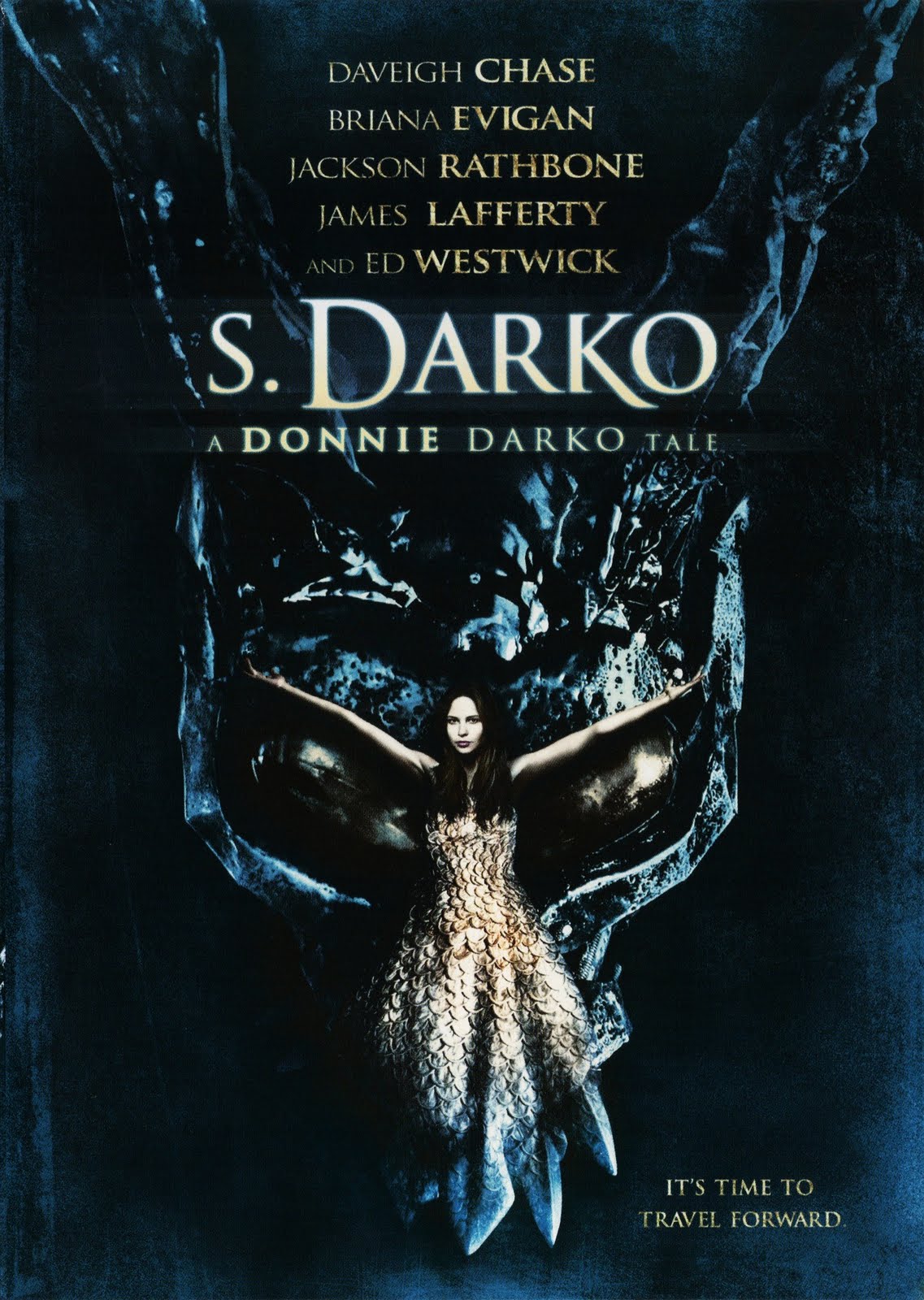
S. Darko (2009) / D: Chris Fisher / 103m

S. Darko

Cast: Daveigh Chase, Briana Evigan, Jackson Rathbone, James Lafferty, Ed Westwick, Matthew Davis, John Hawkes, Bret Roberts, Elizabeth Berkley

By now – unless they’re trapped somewhere in the Fragmentary Universe – fans of Donnie Darko (2001) will have realised or heard that S. Darko is a less than satisfactory follow up to Richard Kelly’s surreal mindbender of a movie. With zero involvement from Kelly himself (not even a “good luck guys!”), this independently made sequel was created with the intention of taking place in “a similar world of blurred fantasy and reality”. Watching the movie, one thing is abundantly clear: neither director Chris Fisher nor screenwriter Nathan Atkins has any real idea of the world that Kelly created for Donnie Darko, or more importantly, the elements that made it all work.

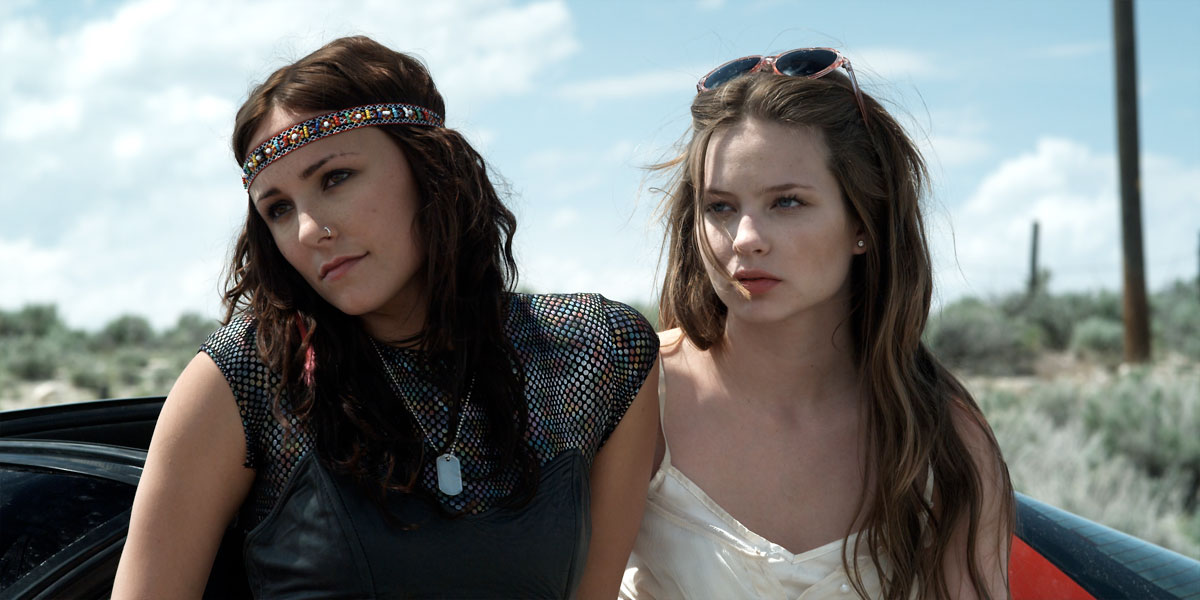
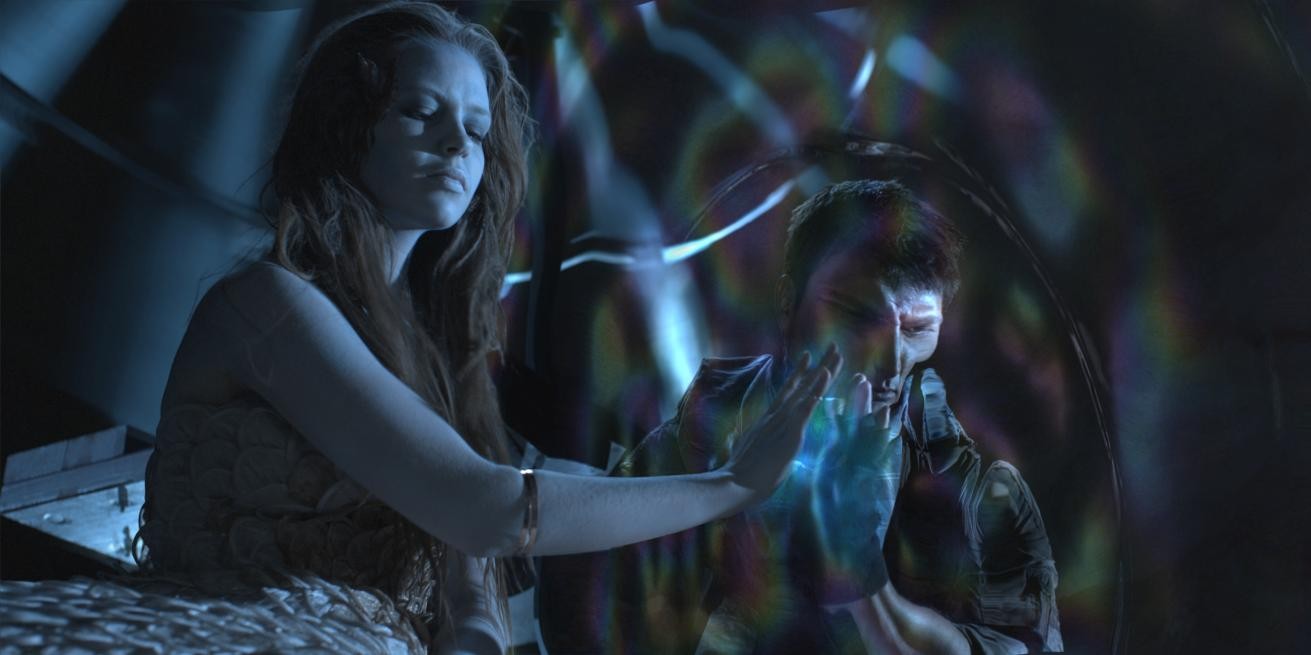
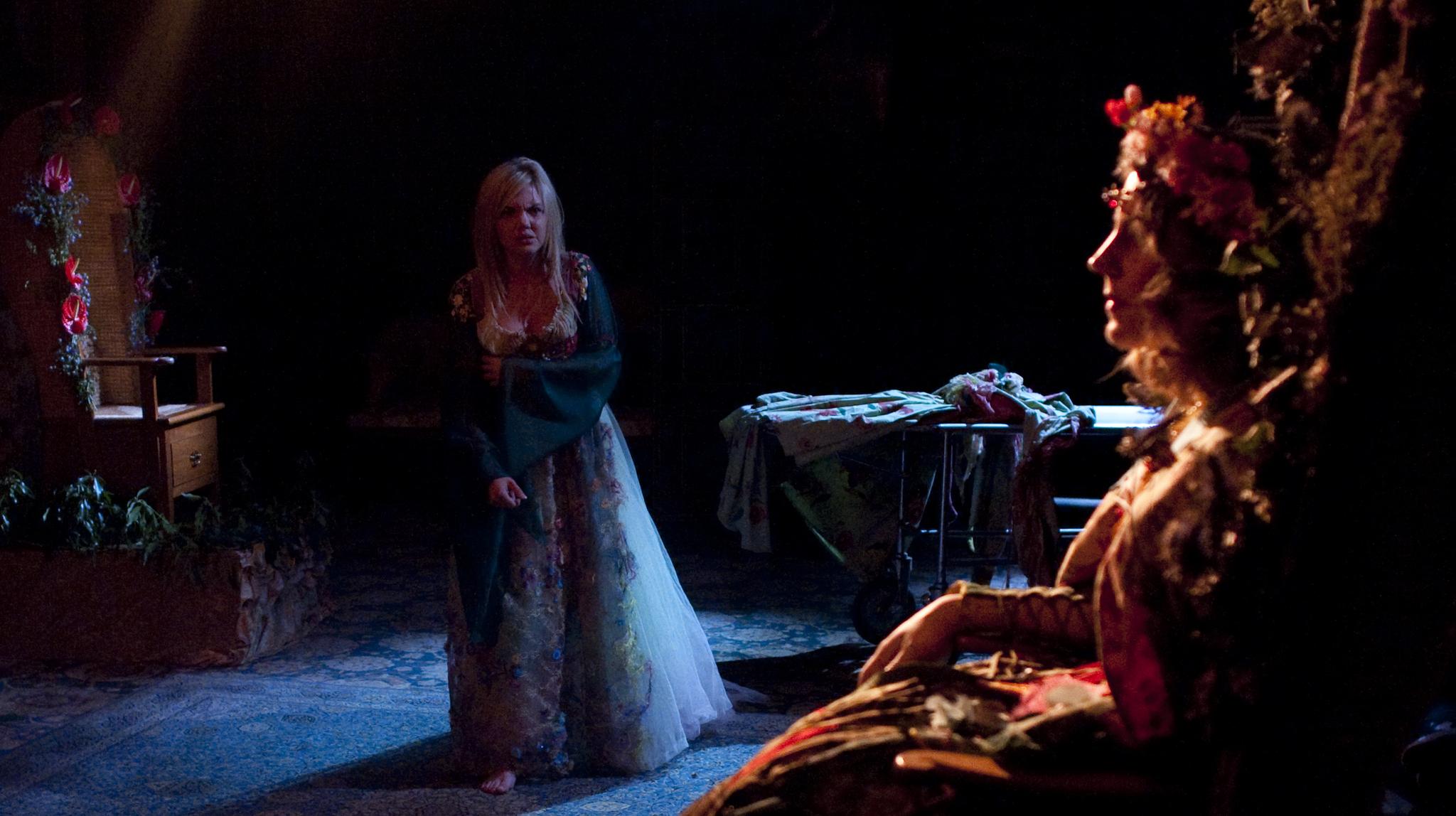
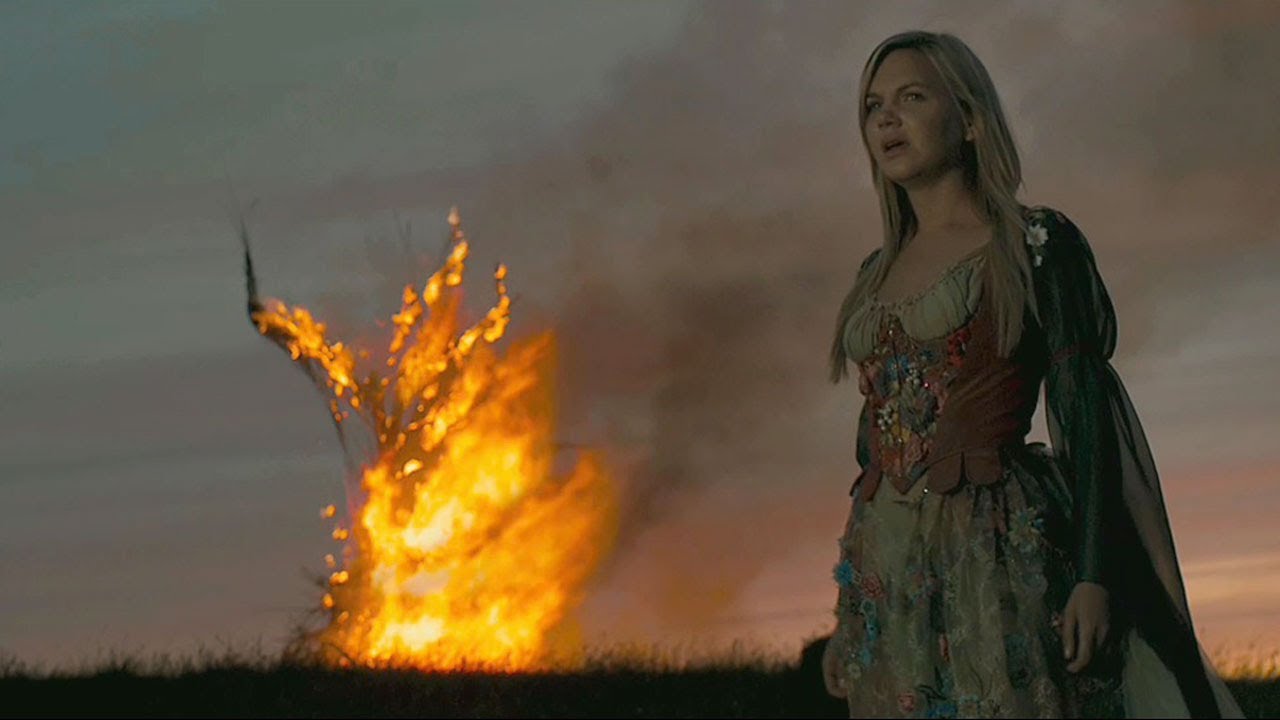
The worst idea they have is to focus on Donnie’s younger sister, Samantha (Chase), as if by using one of Kelly’s original characters (and persuading the original actress to return to the role) it will lend their movie a degree of legitimacy it otherwise wouldn’t have. That this doesn’t work is evidenced by the way in which the character is treated. Samantha has run away from home, aged seventeen, with her best friend Corey (Evigan). When their car breaks down in Utah, the two friends accept a lift into the nearest town, Conejo Springs. Once there, Samantha finds herself sleepwalking; in this state she sees a future version of herself talking to a disturbed man nicknamed Iraq Jack (Lafferty). She tells him that the world will end in a few days’ time on July 4th.

S. Darko - scene3

Aside from passing on these messages, Samantha tends to wander aimlessly around town bumping into various locals and being treated like a bystander in her own storyline. She does get involved in the mystery of a missing child but it’s a subplot that, like large portions of the movie, hasn’t been thought through enough, and it feels like a distraction from the larger story. References to Donnie are made but Samantha’s reactions are muted, as if both Atkins and Chase don’t really know how to articulate her feelings over what happened to him at the end of Donnie Darko. What the script does do however, is saddle both the character (and the unfortunate Chase) with little motivation and even less development, preferring instead to treat Samantha in a callous (and careless) manner not once but twice (you’ll know how when you see the movie – not that you should, of course).

S. Darko - scene1

Atkins’ script is further muddled by its end of the world plotting, incoherent notions of time travel, secondary characters such as creepy bride of Jesus Trudy Kavanagh (Berkley), and inclusion of local nerd Jeremy (Rathbone) who develops a nasty looking rash that remains unexplained and immaterial to the narrative. There are further problems that Atkins can’t overcome, but the main one is his inability to craft dialogue that sounds like a real human being would say it. Here’s just one deathless exchange, between Samantha and local bad boy Randy (Westwick):

Samantha: I didn’t tell you something before. My brother died too. I was ten. Ever since that day, nothing’s ever been the same.

Randy: Never will be. We can’t change that.

Samantha: Think it’ll ever get easier?

Randy: Probably get worse.

Samantha: Maybe it’s up to us.

Randy: No.

Samantha: Wake up, start over?

Randy: I wish I could believe that. We have the same holes in our hearts, you and me.

That exchanges like that one are delivered with such po-faced sincerity makes it almost impossible to take the movie seriously. It’s like watching a teen movie where the leads are trying to make sense of relationship issues rather than fathom the mystery they’re all involved in. The plot – such as it is – is developed in fits and starts, and in such a haphazard manner that when it’s all wrapped up neatly (and with the cinematic equivalent of a bow on top), the viewer who’s managed to reach the end will be wondering what the previous ninety-five minutes were all about (or for).

S. Darko - scene2

Fisher may well be a fan of Kelly’s (emphasis on the) original movie, and he and Atkins may have set out to make a companion piece to that movie, but they show their complete lack of understanding of what made Donnie Darko such an extraordinary experience at every turn. Even on its own merits the movie struggles to perform effectively, with Fisher failing to inject any tension into the material, and leaving scenes feeling listless and uninvolving. The spirit of the original is missing entirely, as is the sense of mystery and chaos just beyond the veil of everyday life. And anyone waiting to see Frank put in an appearance, be prepared for disappointment; here his presence is entirely symbolic.

Rating: 3/10 – while using time lapse shots of clouds as indications of a portentous enigma may work in some movies, in S. Darko it merely serves to remind viewers of just how devoid of purpose and originality the movie really is; jumbled and unnecessary, it’s a movie that doesn’t even try hard enough to match its predecessor for subtlety or thought-provoking drama.

Share this:

  • Click to share on X (Opens in new window) X
  • Click to share on Facebook (Opens in new window) Facebook
  • More
  • Click to print (Opens in new window) Print
  • Click to email a link to a friend (Opens in new window) Email
Like Loading...

For One Week Only: Unnecessary Sequels – 5. Dirty Dancing: Havana Nights (2004)

14 Saturday May 2016

Posted by dullwood68 in Movies

≈ Leave a comment

Tags

Cuba, Cuban Revolution, Dance, Dance competition, Diego Luna, Drama, For One Week Only, Guy Ferland, Havana, John Slattery, Music, Patrick Swayze, Review, Romance, Romola Garai, Sela Ward, Sequel

Introduction

There are dozens of sequels that turn up uninvited, years after their predecessor was first released. Some arrive without any kind of fanfare, while others appear with all the promotional backing available under the sun. Beware of those that arrive under the latter circumstances – sometimes the hype is designed to grab as much at the box office as the movie can manage before word of mouth kicks in and people begin to realise the movie is one to avoid. When the movie in question is a belated sequel to a much-loved original, any abundance of hype is perhaps the biggest clue that the sequel should be avoided. Here is one such example, a movie that came along seventeen years after the original, and still begs the question, why? (Read on for the answer.)

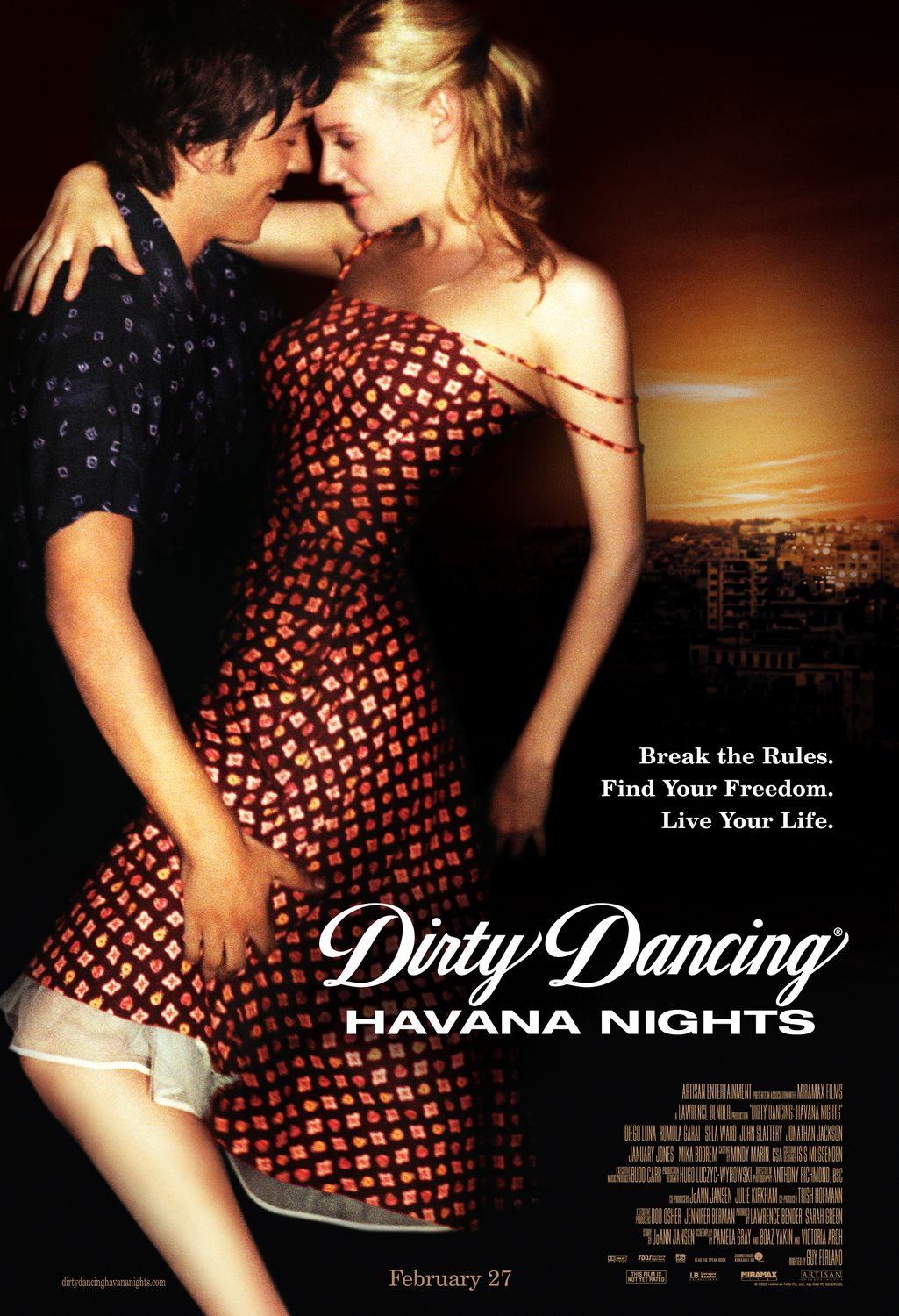
Dirty Dancing: Havana Nights (2004) / D: Guy Ferland / 86m

DDHN

Cast: Diego Luna, Romola Garai, Sela Ward, John Slattery, Jonathan Jackson, Mika Boorem, January Jones, René Lavan, Patrick Swayze, Mya

If you watch the opening credits of Dirty Dancing: Havana Nights closely, you’ll find that one of the producers is called JoAnn Fregalette Jansen (she also has a small, non-speaking role in the movie itself). Jansen lived in Cuba, aged fifteen, during the period the movie is set in, 1958. Playwright Peter Sagal wrote a screenplay based on Jansen’s experiences of the Cuban Revolution, and her relationship with a Cuban revolutionary. The screenplay was titled Cuba Mine and was a serious examination of the events that occurred in Cuba at the time, and how the country’s political idealism became polluted by the Communist ideology that replaced the more liberal regime that existed in the Fifties.

The script was commissioned by Lawrence Bender in 1992. Bender was fresh from the success of producing Reservoir Dogs (1992), but the script went unproduced until Bender revisited it again ten years later. However, Sagal’s script was only used as the basis of a completely new script by Boaz Yakin and Victoria Arch. The end result? A disastrous attempt to recreate the magic of Dirty Dancing (1987).

DDHN - scene1

With the original having proved so successful, and having gained a place within the cultural zeitgeist (“Nobody puts Baby in a corner”), a sequel was always likely to appear eventually, but this is a movie that spends its thankfully short running time replicating the original’s storyline instead of coming up with something new. It’s the eternal problem facing sequels everywhere: how to combine enough DNA from the original movie with newer, fresher elements to make a satisfying whole. Sadly, Dirty Dancing: Havana Nights is a sequel that can’t even assemble enough DNA from its predecessor to make much of a difference. It’s perfunctory, lazy, and lacks impact.

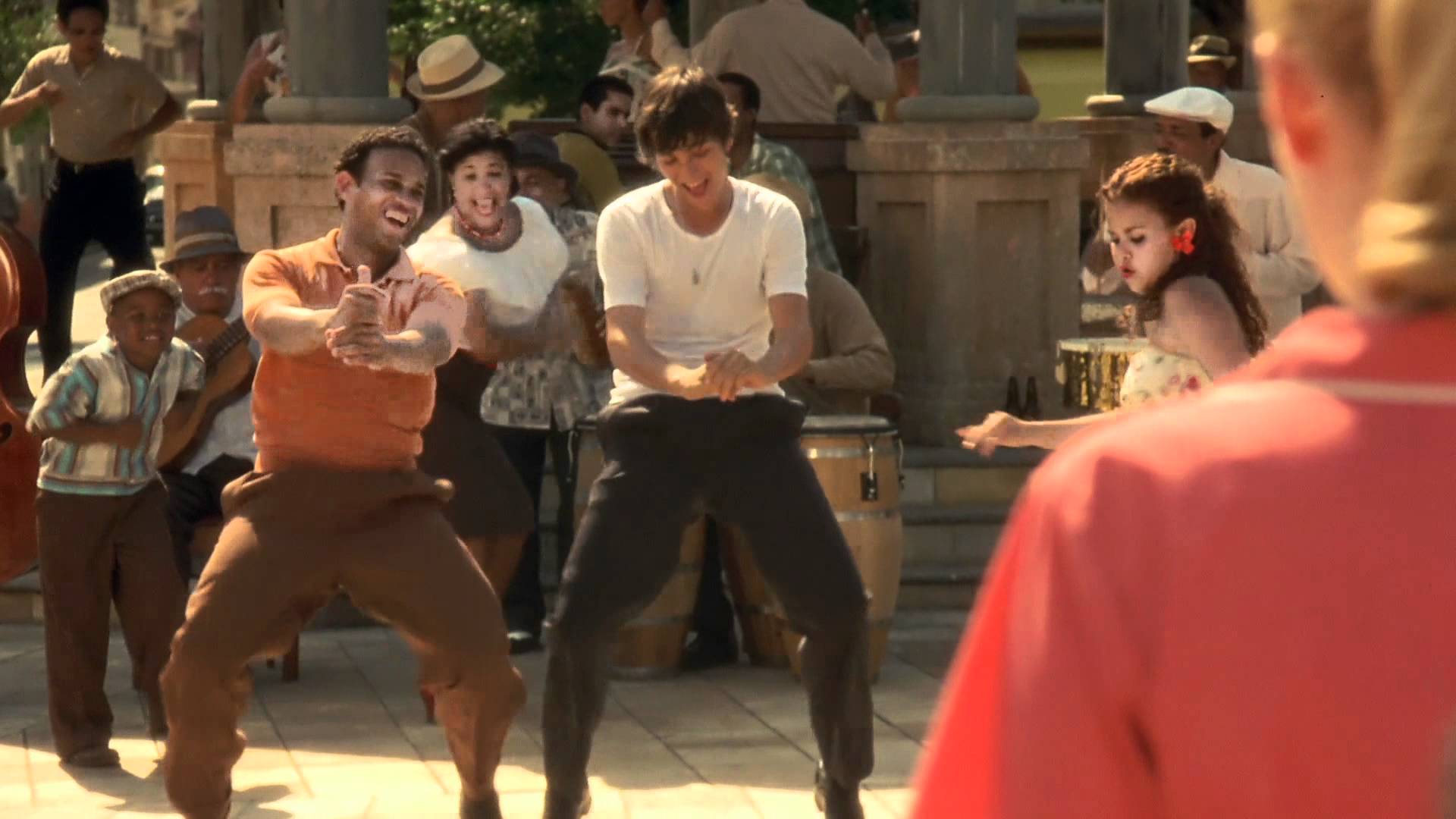
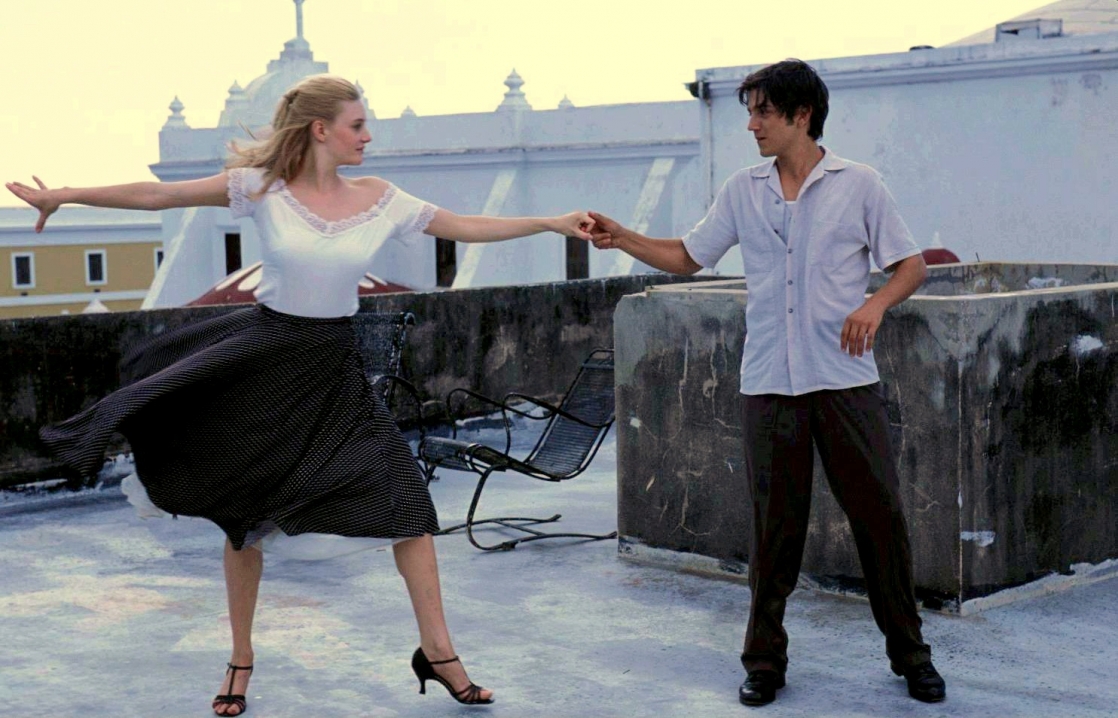
It also has a hard time doing the one thing that it should get right above all else, namely the dance routines. Thanks to the movie’s Cuban setting, the music and dance numbers are meant to be energetic, effortlessly fluid, and somewhat mildly erotic, but thanks to the movie’s determined efforts to edit the dance sequences into bite-sized shots that often don’t match the moves on show immediately before and after each shot, the very elements that are meant to draw in an audience are undermined from the word go. Now this could be a conscious, artisitic decision made by director Guy Ferland and his editors, Luis Colina and Scott Richter, in which case the trio have no idea of how to put together a dance sequence; or it could be that Luna and Garai’s moves weren’t quite as impressive as everyone hoped and they needed a little “help” in looking so accomplished (you decide).

DDHN - scene2

Elsewhere the movie is equally determined to rely on cinematic and cultural clichés in order to tell its story. If the movie was even remotely realistic, it would be easy to believe that, before the revolution, all Cubans were happy-go-lucky souls who never tired of singing and dancing on pretty much every street corner. There are moments of casual racism that don’t amount to anything in terms of the drama, as well as cursory references to the political struggle happening at the time. Luna’s hotel waiter, Javier, evinces his distrust of Americans only until Garai’s preppy Katey waves the lure of competition prize money under his nose, while Katey’s family hang around in the background waiting to be given something to do.

The performances are average, with Luna and Garai developing an uneasy chemistry that seems more convincing on the dance floor than anywhere else, while Ward and Slattery get to play good cop/bad cop once Katey’s relationship with Javier is revealed (the scene in question is notable for playing like an outtake from a TV soap opera). Spare a thought though for poor old Patrick Swayze, co-opted into the script as a dance class instructor who gets to show Katey some moves before being reduced to providing reaction shots during the dance competition. Swayze looks uncomfortable in his scenes, as if he’s having second thoughts about being in the movie but also realising it’s too late to back out.

DDHN - scene3

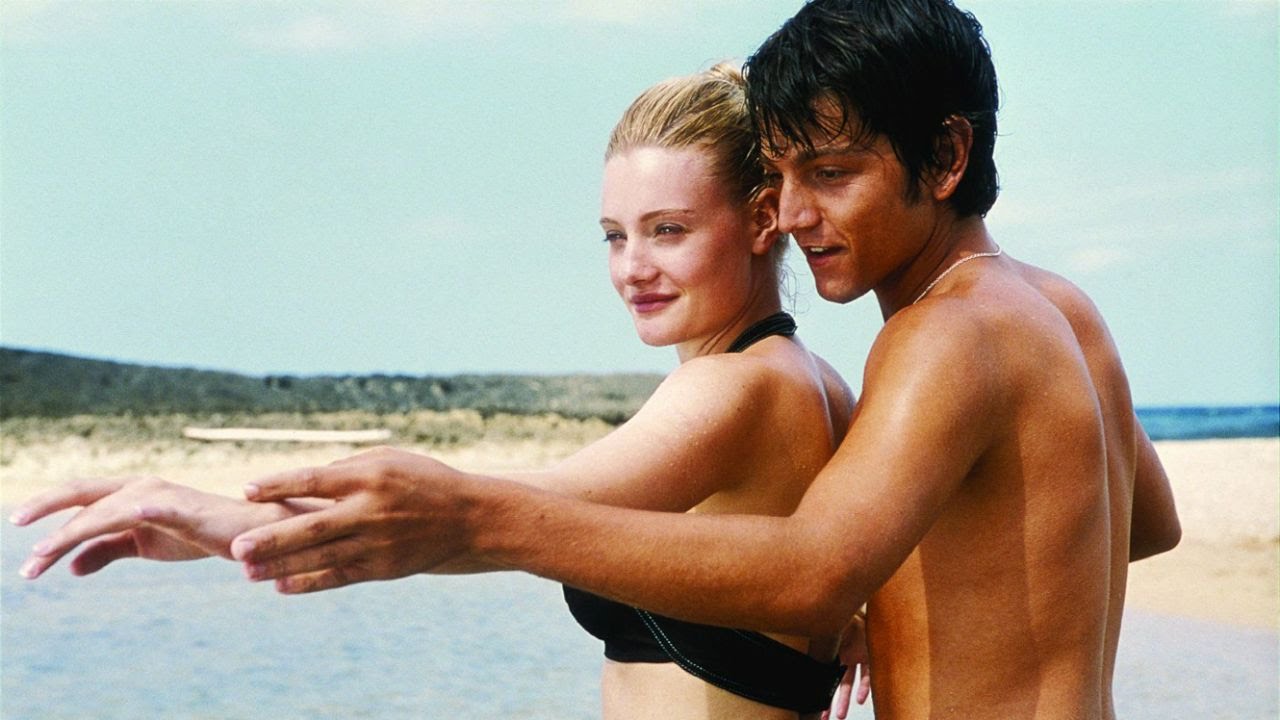
The movie is a sloppy mess, shot through with an earnest quality that wants to be taken for drama. But like so much on display it’s often involuntary, as if the various elements of the screenplay were put together in a blender rather than a word processor. Ferland directs it all with little or no attention to the emotions of the characters – Garai spends quite a bit of time looking upset but gets over it all just as quickly as it’s started – but at least he manages to make the Puerto Rican locations look suitably beautiful, throwing in wondrous sunsets and sunrises with giddy, artistic abandon.

Rating: 3/10 – unimaginative, even in its dance routines, Dirty Dancing: Havana Nights lacks a compelling storyline and characters to care about; with so many aspects not working to their full potential, the movie proves to be inferior in almost every way to its predecessor – and no one should be surprised.

Share this:

  • Click to share on X (Opens in new window) X
  • Click to share on Facebook (Opens in new window) Facebook
  • More
  • Click to print (Opens in new window) Print
  • Click to email a link to a friend (Opens in new window) Email
Like Loading...

For One Week Only: Unnecessary Sequels – 4. Disney Runs Amok (1998-2006)

12 Thursday May 2016

Posted by dullwood68 in Movies

≈ 1 Comment

Tags

101 Dalmatians II: Patch's London Adventure, Atlantis: Milo's Return, Bambi II, Brother Bear 2, Disney, For One Week Only, Kronk's New Groove, Lady and the Tramp II: Scamp's Adventure, Mulan II, Pocahontas II: Journey to a New World, Sequels, The Fox and the Hound 2, The Hunchback of Notre Dame II, Walt Disney

Between 1937 and 1990, The Walt Disney Studios produced twenty-four animated movies, all of them original features. In all that time the only movie Disney had any plans to follow up with a sequel was Fantasia (1940). Having resisted any temptation during those fifty-three years to make a sequel to any of their animated movies, the company made an odd choice for their very first: The Rescuers Down Under (1990). It under-performed at the box office, and since then, only two further entries in the Animated Classics series have been sequels: the long-awaited Fantasia 2000 (1999) and Winnie the Pooh (2011).

But in the Nineties, and away from their Animated Classics, Disney embraced the idea of direct-to-video sequels with a vengeance. The first to be released was The Return of Jafar (1994), a clumsy attempt to capitalise on the success of Aladdin (1992); it was followed by the slightly better Aladdin and the King of Thieves (1996), which proved to be commercially successful. More direct-to-video movies followed, and the House of Mouse, through either its Disney Televison Animation or DisneyToon Studios arms, released a welter of movies that often bore little relation to the originals they were trying to imitate/emulate. The following movies were all released between 1998 and 2006, and are all prime examples of a studio trampling all over its legacy as a creator of some of the most beloved animated movies – hell, just movies – of all time. These are the sequels that have yet to be followed up by another movie that further devalues the original.

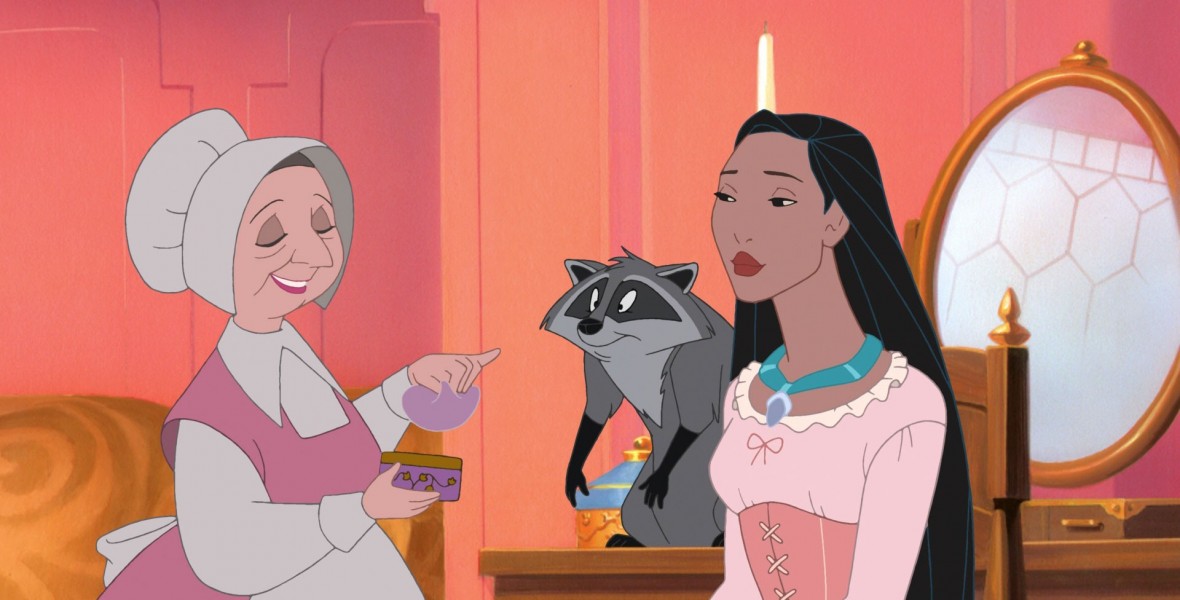
Pocahontas II: Journey to a New World (1998) / D: Tom Ellery, Bradley Raymond / 72m

Rating: 5/10 – neither better nor worse than Pocahontas (1995) – which wasn’t that great to begin with, this sees the same awkward mix of New World politics and cute animals transported to London as Pocahontas strives to avoid conflict between England and the Colonies; the animation is flat and drab to look at, without the attention to detail of an Animated Classic, and the story itself is unsatisfactory, leaving the viewer to tread water waiting for something more interesting to happen (which it doesn’t).

P2JTANW

Hercules: Zero to Hero (1999) / D: Bob Kline / 70m

Rating: 3/10 – a compilation movie with three stories acting as an introduction to Hercules: The Animated Series, this is basic is as basic does, with little charm or imagination to help the viewer along; another example of poorly designed and executed animation, it’s a sequel in name only, and seems to have been made as a way of grabbing as much cash as possible before word got around as to how bad it is.

Lady and the Tramp II: Scamp’s Adventure (2001) / D: Darrell Rooney, Jeannine Roussel / 66m

Rating: 3/10 – the offspring of Lady and Tramp gets into all sorts of trouble when he joins a gang called the Junkyard Dogs in an effort to be a “wild dog”; a better-than-average cast that includes Chazz Palminteri, Mickey Rooney, Cathy Moriarty, Bronson Pinchot, and Frank Welker can’t rescue this mongrel of a movie as it completely ignores what made the original such a classic and spins a tale so dull and uninspired you’ll be hoping the entire canine cast will end up with distemper.

LATT2SA

Return to Never Land (2002) / D: Robin Budd, Donovan Cook / 72m

Rating: 3/10 – released theatrically (although it’s hard to see why), this did well enough to be regarded as a minor success, but it’s still a drab, forgettable movie with none of the charm or energy of the original; the story lacks the kind of forward momentum that keeps the viewer interested, and as Peter Pan, Blayne Weaver gives the kind of vocal performance that makes you wonder if he was given any direction whatsoever.

The Hunchback of Notre Dame II (2002) / D: Bradley Raymond / 69m

Rating: 3/10 – fans of the original will be horrified to see how shoddy the animation is in this equally horrifying sequel that makes a mess of its basic storyline, as Quasimodo (a returning Tom Hulce) is embroiled in a plot to steal Notre Dame’s most famous bell; there’s a lot of filler here, and despite most of the original cast returning along with Hulce, it’s a movie that struggles to engage the audience or provide a solid reason for staying with it ’til the end.

THOND2

101 Dalmatians II: Patch’s London Adventure (2003) / D: Jim Kammerud, Brian Smith / 74m

Rating: 4/10 – despite a stronger storyline than most direct-to-video sequels, this is still a baffling mix of the original’s use of Cruella de Vil and the shenanigans prompted by Patch’s need to seek adventure outside his family (a la Scamp); with two stories being told the movie ends up letting itself down by not paying full attention to either, and the animation is as uninspiring as previous direct-to-video releases.

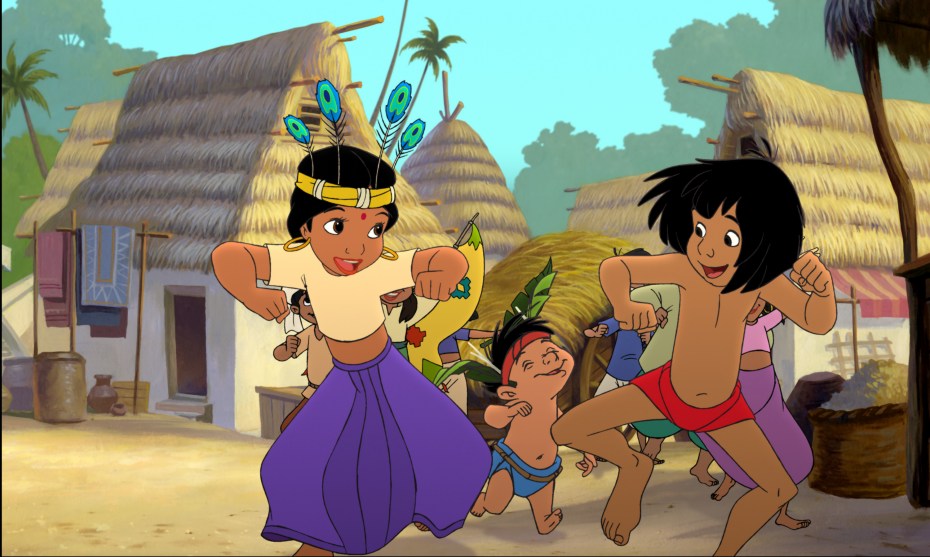
The Jungle Book 2 (2003) / D: Steve Trenbirth / 72m

Rating: 4/10 – despite replaying large chunks of the original, and having some of the flattest, blandest animation of any of the sequels listed here, The Jungle Book 2 was surprisingly given a theatrical release; however, this isn’t an excuse to believe this is a superior product, as it displays a reluctance to be inventive or smart, and instead trades off the goodwill created by the original.

TJB2

Atlantis: Milo’s Return (2003) / D: Victor Cook, Toby Shelton, Tad Stones / 78m

Rating: 3/10 – although Atlantis: The Lost Empire (2001) wasn’t quite the success Disney had hoped for, it still had a certain charm, thanks to Michael J. Fox’s performance and its quaint, steampunk aesthetic; this sequel, made up of three episodes of a TV series that was never completed, shows Disney trying to make something out of nothing, and the result is a sequel that never gels or satisfies thanks to its piecemeal nature.

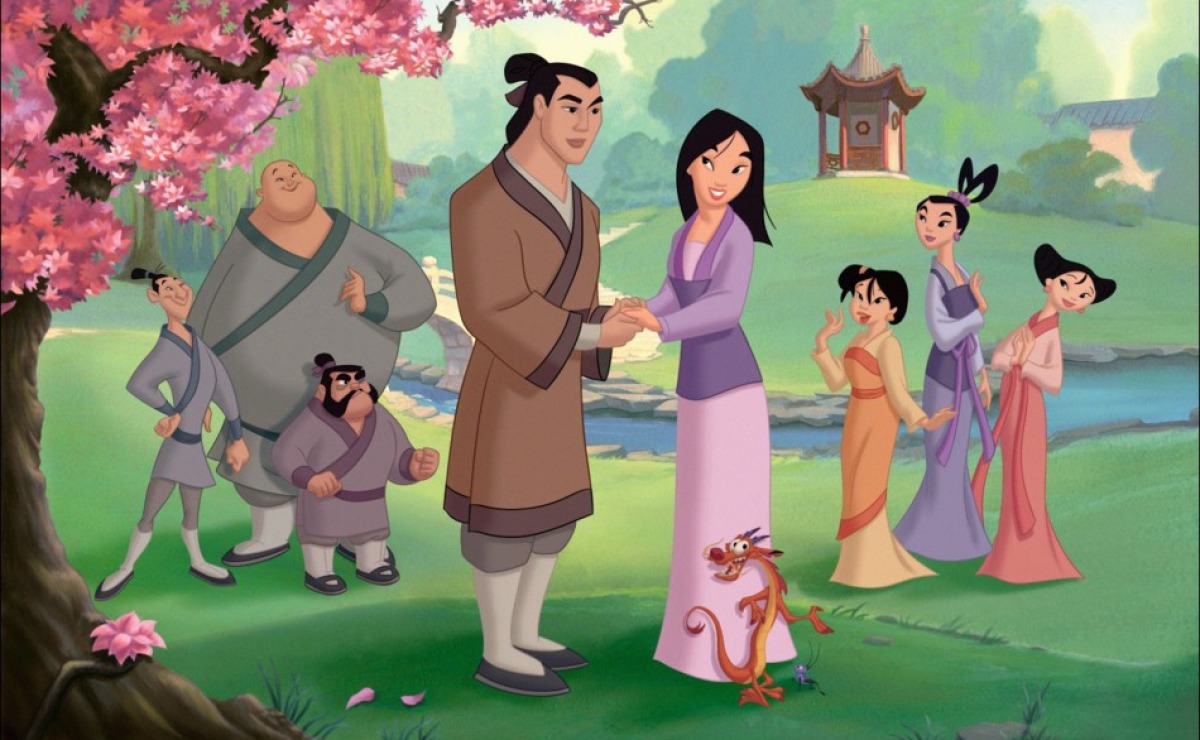
Mulan II (2004) / D: Darrell Rooney, Lynne Southerland / 79m

Rating: 2/10 – one of the poorest of all the direct-to-video sequels, Mulan II is simply dreadful, and begs the question why Disney thought it should have been released in the first place; the script is a muddle of ideas around arranged marriage and loyalty that not even the usually talented voice cast can do anything with, and Rooney and Southerland prove that having two directors doesn’t always guarantee the required level of quality.

M2

Kronk’s New Groove (2005) / D: Elliot M. Bour, Saul Andrew Blinkoff / 72m

Rating: 3/10 – lightweight in both its script and its performances, this sequel to The Emperor’s New Groove (2000) has a storyline that underwhelms consistently and lacks energy; the songs are underwhelming too, while the returning cast – like others before them – aren’t given the freedom to make more of the material than is on the page, all of which leads to a sequel that proves a chore to sit through.

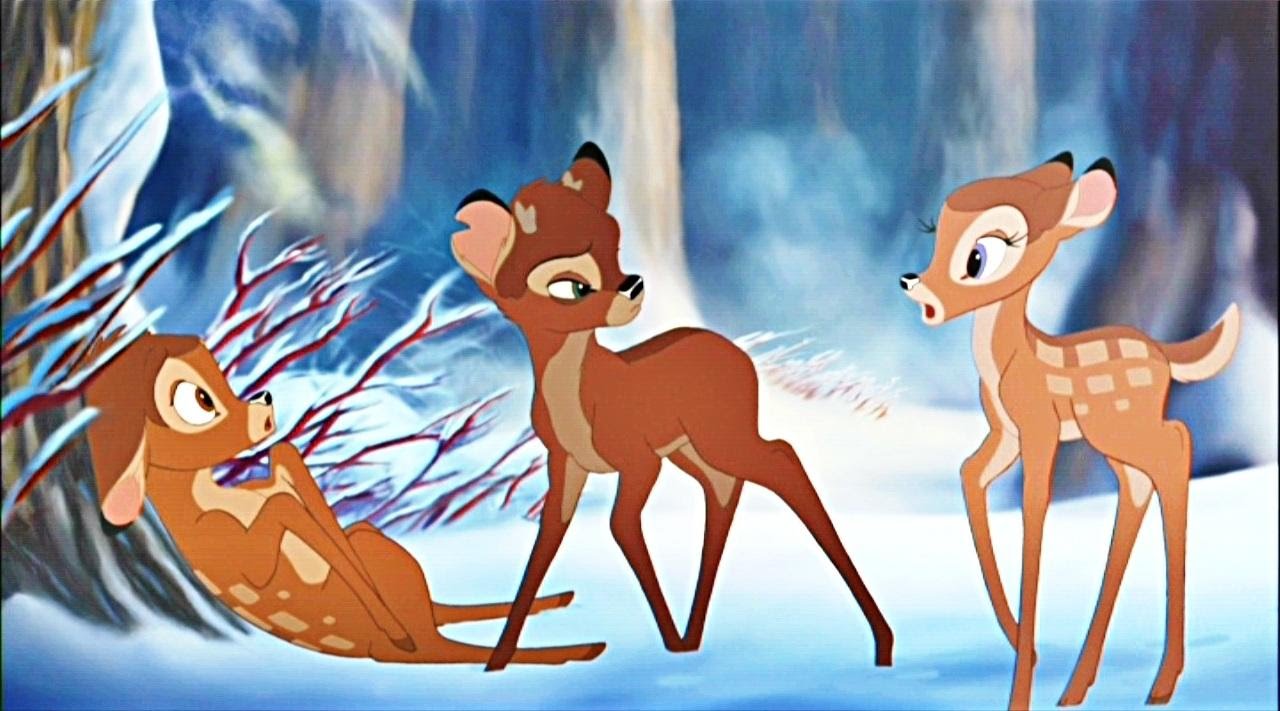
Bambi II (2006) / D: Brian Pimental / 75m

Rating: 3/10 – set during the events of Bambi (1942), and following the death of Bambi’s mother, this ode to single parenting suffers from an agonising sense of its own seriousness and vocal performances that give new meaning to the term “lifeless”; it suffers too from having a visual style that is blander and weaker than that of its predecessor, leaving it feeling and looking even more turgid than it already is.

B2

Brother Bear 2 (2006) / D: Ben Gluck / 73m

Rating: 3/10 – by this stage, Disney’s consistency in churning out pale imitations of its Animated Classics is beginning to become noteworthy in itself, and this sequel to a movie that didn’t exactly set the box office alight is another case in point; only sporadically engaging, and with a soundtrack that practically screams “lacklustre”, Brother Bear 2 has a better rep than most Disney sequels, but that doesn’t detract from the fact that this is still disappointing from start to finish.

The Fox and the Hound 2 (2006) / D: Jim Kammerud / 69m

Rating: 3/10 – Tod and Copper: The Early Years (as this could have been called) aims for a high degree of sentimentality and in doing so, makes watching the movie more hard going than it needs to be; recycling ideas from the Lady and the Tramp and 101 Dalmatians sequels, this has all the feel of a contractual obligation as Kammerud puts the characters through the motions, and the script busies itself with saying nothing of interest or importance.

TFATH2A

Share this:

  • Click to share on X (Opens in new window) X
  • Click to share on Facebook (Opens in new window) Facebook
  • More
  • Click to print (Opens in new window) Print
  • Click to email a link to a friend (Opens in new window) Email
Like Loading...

For One Week Only: Unnecessary Sequels – 3. The Wicker Tree (2011)

11 Wednesday May 2016

Posted by dullwood68 in Movies

≈ Leave a comment

Tags

Britannia Nicol, Cowboys for Christ, Fertility, For One Week Only, Graham McTavish, Henry Garrett, Horror, May Day, Pagan rituals, Robin Hardy, Sequel, Sir Lachlan Morrison, Tressock

Introduction

Horror movies – God bless ’em for their ability to have audiences shaking their heads in frustration as yet another group of teens head off to the haunted woods/abandoned building/kill zone of their choice, only to have their now ritualised behaviours interrupted and curtailed by whichever masked serial killer/escaped demon/demented whackjob happens to be lurking nearby. (And before anyone complains, yes, that description doesn’t cover every horror movie, but it is indicative of a great deal of modern “horror”; the true horror is that these tired, hoary old storylines are trotted out time and again.)

With horror movies becoming increasingly derivative and lacking in originality, the idea of watching one of them with a number at the end of the title isn’t exactly thrilling. Horror sequels rarely ever live up to the promise that may have been delivered by their predecessor, and it’s a very rare horror sequel indeed that expands effectively on, or outstrips, its parent. Not even the prospect of the same writer/director at the helm is a guarantee of quality. Here’s one example of a horror sequel that was much anticipated, but which didn’t live up to everyone’s expectations.

The Wicker Tree (2011) / D: Robin Hardy / 96m

The Wicker Tree

Cast: Britannia Nicol, Henry Garrett, James Mapes, Lesley Mackie, Clive Russell, Graham McTavish, Jacqueline Leonard, Honeysuckle Weeks, Christopher Lee

The Wicker Man (1973) is an acknowledged horror classic, a brooding, unsettling movie that lingers in the memory, and features one of Christopher Lee’s finest performances. The news that the movie’s writer/director Robin Hardy was working on a sequel first surfaced in 2002, and Lee was set to return as Lord Summerisle. But problems with financing kept the movie from being made, and Hardy turned his screenplay into a novel (unfortunately titled Cowboys for Christ). Hardy next adapted his novel into the screenplay that was used for The Wicker Tree, and it’s this process that perhaps gives the best clue as to why the movie doesn’t work as successfully as it should.

Returning to themes set around the belief in paganism in the modern world, The Wicker Tree could, and perhaps should, have been a worthy follow-up to Hardy’s classic original. But the flaws are there from the beginning, and it’s not long before the viewer has no option but to realise that this sequel isn’t going to live up to expectations. Hardy’s story is as basically simple as in The Wicker Man: a religious individual finds themselves caught up in a pagan community, and learns that they are being used as part of a fertility rite that will ensure the community’s survival. But where The Wicker Man had subtlety and a well-judged sense of impending doom for its central character, The Wicker Tree lacks both these elements, and struggles to establish itself as a worthy successor. Part of the problem is the central character of Beth (Nicol), an evangelical Christian from Texas. Thanks to Hardy’s script, and Nicol’s performance, Beth is a character we never get to really know or sympathise with. With no one to root for, or get anxious about, the movie lacks tension as a result.

The Wicker Tree - scene2

There’s also a problem with another character, Sir Lachlan Morrison (McTavish). Originally meant to be played by Christopher Lee, the role is this movie’s equivalent of The Wicker Man‘s Lord Summerisle. But Hardy doesn’t do enough with the role to give McTavish a chance of making him as mesmeric as Lee, or as quietly chilling. McTavish was originally meant to play the role of Morrison’s butler, Beame (Russell), but when Lee was unable to fill the part, McTavish was “promoted”. In doing so, Hardy appears to have recast the part without rewriting the character to match the actor’s skill and ability (McTavish isn’t a patch on Lee). This leads to scenes where McTavish looks uncomfortable, and where his credibility is often in question.

The actions of the community lend themselves to some unfortunate moments of unintended levity, and the May Day celebrations that will culminate in another sacrifice. There are too many of these moments for comfort, and Hardy seems unable to recognise that these are hurting the movie rather than supporting it. Echoes of the first movie abound, but lack a similar effect: where Britt Ekland’s naked dance is rightly remembered for its eerie, yet uncompromising sexuality, here we have Honeysuckle Weeks topless in a river; with apologies to Ms Weeks, it doesn’t evoke the same response.

The Wicker Tree - scene1

Tonally the movie is all over the place, with scenes not having even the barest impact and the plot being propelled forward without any sense that there’s a real through line. As it moves forward, the movie struggles to maintain a sense of the impending horror that awaits Beth come May Day, and although knowledge of the first movie isn’t necessary, the fact that it does exist, and that it is so good, makes Hardy’s mistreatment of his own material so hard to understand. He’s like a man adrift, failing to connect with a story that he’s spent so much time developing, and that translates to the screen. In taking so long to get his movie to the screen it appears that he’s lost sight of almost everything that made The Wicker Man so compelling.

Rating: 3/10 – a movie that makes you wonder just how its creator could have got it so badly wrong, The Wicker Tree is a lumpen, dreadful mess full of equally dreadful performances, and a storyline that defies logical appreciation; that it tarnishes the memory of The Wicker Man is bad enough, but being a bad movie through and through is worse still.

Share this:

  • Click to share on X (Opens in new window) X
  • Click to share on Facebook (Opens in new window) Facebook
  • More
  • Click to print (Opens in new window) Print
  • Click to email a link to a friend (Opens in new window) Email
Like Loading...

For One Week Only: Unnecessary Sequels – 1. Kindergarten Cop (2016)

09 Monday May 2016

Posted by dullwood68 in Movies

≈ Leave a comment

Tags

Action, Aleks Paunovic, Bill Bellamy, Comedy, Darla Taylor, Dolph Lundgren, Don Michael Paul, FBI, Flash drive, For One Week Only, Kindergarten Cop 2, Review, Sequels, Undercover, Witness Protection Program

Introduction

Sequels have been with us since the Silent Era, specifically since The Fall of a Nation (1916), a follow-up to D.W. Griffith’s The Birth of a Nation (1915). Written and directed by Thomas Dixon Jr, it contained much the same contentious and controversial material as its predecessor, but was dismissed by at least one critic as a “preposterous” picture (so even then sequels had a bad rap). The idea of making a sequel to a successful movie never really caught on, but the idea of movie series did, and in the Thirties and Forties, studios such as Universal churned out movie after movie featuring the same characters (often played by the same stars but not always), and adhered to the idea of recycling long before it became fashionable in the Nineties. It wasn’t until the Seventies, and the advent of movies such as The Godfather Part II (1974) and French Connection II (1975), that the studios began to realise that the relatively humble sequel could be a money maker. In the Eighties, independent movie makers jumped on the band wagon also, giving us franchises we never asked for (usually in the horror genre) and unwanted cash-ins that held equal zero enticement. But the makers of these movies knew one thing above else: if you make a sequel to a movie that’s been even halfway successful, and make it as cheaply as possible (okay, that’s two things), then people will pay to see it, either at the cinema or in their own homes.

Sometimes though, a sequel comes along that just leaves the average moviegoer stunned by its existence. This kind of sequel – the sequel you never imagined would be made… ever – usually pops up out of nowhere, unheralded, and with no reason to exist other than that a producer, somewhere, somehow, managed to get financing for it, and people to work on it, and actors to star in it. And with all the effort that goes into the making of a movie, all the time and talent and hard work, how does this particular movie, with all its shortcomings and failures there for all to see, actually get to be as bad as it is? Because that’s the main, major problem with sequels: they pretty much suck big time. Or if they don’t suck big time then they manage to disappoint in other ways, such as retelling the same story as the first movie, or going darker, or refusing to develop the characters, or repeating the same tonal problems that existed the first time around (hello, Batman v Superman: Dawn of Justice). Sequels come with the least level of expectation, and the most sense of a disaster waiting to be viewed. So to illustrate this point, For One Week Only will present seven of the most unnecessary sequels yet made, sequels that were/are so bad that a third movie hasn’t been contemplated or made yet.

Kindergarten Cop 2 (2016) / D: Don Michael Paul / 100m

KC2

Cast: Dolph Lundgren, Darla Taylor, Bill Bellamy, Aleks Paunovic, Michael P. Northey, Sarah Strange, Josiah Black, Raphael Alejandro, Dean Petriw, Abbie Magnuson, Tyreah Herbert, Oscar Hartley, Valencia Budijanto, William Budijanto

Twenty-six years. Not the longest period between an original and its sequel – that honour goes to Bambi (1942) and its DTV sequel Bambi II (2006), with a gap of sixty-four years – nevertheless Kindergarten Cop 2 arrives with only a minimum of enthusiasm to recommend it, and quite a lot to make any unsuspecting viewer run for the hills (even the ones with eyes). This is the kind of sequel that’s basically a retread of the original movie, with minor changes made, and no attempt to improve on things. If anything, the original Kindergarten Cop (1990) is a work of genius when compared to this drab retelling, what with Lundgren’s lumbering approach to the material (every time he smiles it seems as if the effort’s hurting him), and Paul’s absentee landlord version of directing helping to hold the movie back.

Kindergarten Cop 2

This time around, Lundgren’s FBI agent is on the hunt for a flash drive that contains a copy of details of everyone in the Witness Protection Program. It’s been hidden in a school, and it’s up to Agent Reed (Lundgren) to go undercover and locate it while masquerading as a kindergarten teacher, and trying to keep one step ahead of Russian villain Zogu (Paunovic), who wants it so he can track down the ex-girlfriend who’s going to testify against him in an upcoming trial. The whole thing is plotted so lazily that you don’t need any familiarity with the first movie to work out just what’s going to happen. Even the minor subplot involving one of the kids having an abusive parent plays out exactly as you’d expect, even though the dynamic is changed (it’s resolved by a pep talk rather than a beating).

Kindergarten Cop 2:1

The humour is as bland and uninspiring as expected, and the movie dials back on the original’s more brutal approach to violence. Scenes come and go without any sense of connection to each other, and some characters appear to exist in a vacuum; even Reed’s relationship with his partner, Agent Sanders (Bellamy), appears to be more of a convenience arranged by the screenplay than something borne out of two men working together over a period of years. Reed’s love interest with fellow kindergarten teacher, Olivia (Taylor), is as manufactured and hard to believe in as anything else, and the moment when school principal, Miss Sinclaire (Strange), lets rip with a baseball bat – while intended to be funny – merely reaffirms how lazy (and lousy) it all is. And to add insult to injury (the viewer’s), there’s no prizes for guessing when Reed gets to say, “Class dismissed”.

Rating: 3/10 – professionally made but only just, Kindergarten Cop 2 scrapes all kinds of layers from the bottom of the barrel – and some that no one knew were there until now; leaden and tedious, it’s a movie that drags itself along like a wounded animal that’s unaware of just how badly injured it is, but is in dire need of euthanasia.

Share this:

  • Click to share on X (Opens in new window) X
  • Click to share on Facebook (Opens in new window) Facebook
  • More
  • Click to print (Opens in new window) Print
  • Click to email a link to a friend (Opens in new window) Email
Like Loading...

For One Week Only: Women Directors – 5. Barbara Loden & the Seventies

16 Monday Nov 2015

Posted by dullwood68 in Movies

≈ Leave a comment

Tags

Barbara Kopple, Barbara Loden, Catherine Breillat, Chantal Akerman, Elaine May, For One Week Only, Gillian Armstrong, Independent, Jane Arden, Joan Micklin Silver, Liliana Cavani, Lina Wertmüller, Margarethe von Trotta, Safi Faye, Sarah Maldoror, Wanda, Women directors

Introduction

After a long period where female directors were working outside the mainstream and making experimental movies, the Sixties had started to see more women making movies that were accessible to a wider audience. This new generation of women directors wanted to tell stories that featured strong female characters, and as they garnered more and more recognition within the industry, so they also gained awareness with the general movie-going public. One movie, and its director, showed exactly what could be done on a small budget, and how powerful a story could be when told simply, and without resorting to accepted ideas about how a movie should look and feel.

Barbara Loden (1932-1980)

Barbara Loden

Loden began her career as a model and pin-up girl, but in the Fifties she decided to study acting and by the decade’s end she was appearing on Broadway. She was discovered by Elia Kazan who cast her in a minor role in the Montgomery Clift movie Wild River (1960). She followed it with Splendor in the Grass (1961) in which she played Warren Beatty’s wayward sister. Further movie roles failed to come along, and she did some work in television, but in 1964 she won a Tony award for her performance in Arthur Miller’s After the Fall (playing a fictionalised version of Marilyn Monroe). She continued with theatre roles, though in 1966 she was cast opposite Burt Lancaster in the movie version of The Swimmer. However, a dispute between the director Frank Perry and the producer Sam Spiegel over her scene with Lancaster – Loden apparently out-performed her more experienced co-star with ease – led to Perry being fired and several of the movie’s scenes being re-cast and re-shot. Loden’s role went to Janice Rule and it’s her performance that is seen in the finished movie.

In 1967 she married Kazan, and the following year appeared in the unsuccessful Fade-In (1968) with Burt Reynolds. At first she decided to go into semi-retirement, but out of the blue she wrote, directed and starred in a movie that was so innovative and so emotionally detailed (despite the main character’s disaffection with her life) that it took critics and audiences alike by surprise. The movie was Wanda (1970), and at that time it was one of the few American movies directed by a woman, independently or through a studio, to be released theatrically.

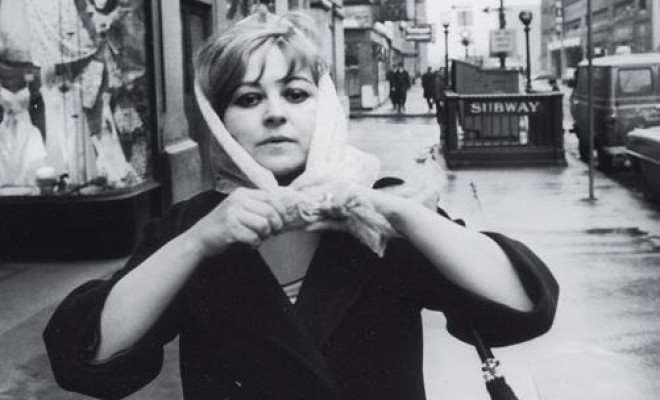
Loden’s tale of a coal miner’s wife who hooks up with a petty criminal was filmed in a cinéma vérité style that matched its melancholy subect matter; it’s so haunting at times that the viewer’s sympathy for Wanda is assured from the start. It’s an incredibly matter-of-fact movie, without a false note to it anywhere, and in all three capacities – writer/director/actress – Loden is supremely confident in what she’s doing, and the movie casts an hypnotic spell that’s hard to shake. You root for Wanda even though you know her life is heading in a downward spiral and the likelihood of her being saved is slim, but Loden’s pessimistic outlook allows for hope as well. It’s a fine line that Loden treads but she proves more than up to the task.

Wanda - scene1

Her efforts were rewarded when Wanda won the International Critics’ Prize at the 1970 Venice Film Festival. Rightly regarded as a masterpiece of independent movie making, Wanda cemented Loden’s place in cinema history, but instead of following it up, she withdrew altogether from making movies and returned to the semi-retirement she’d begun two years before (some say Kazan expressed doubts about Wanda that led Loden to question her ability). Eventually she made two short movies, The Frontier Experience and The Boy Who Liked Deer (both 1975), but they proved to be the final projects that Loden worked on. In 1978 she was diagnosed with breast cancer, and she died two years later.

Loden’s impact on the women directors who followed her can’t be stressed enough. Although she only made one movie, and even though it went virtually unseen for the best part of forty years before being restored for the 2010 Venice International Film Festival, it’s a touchstone movie that is as influential now as it was in 1970. Loden was an assured actress who could be glamorous and confident on screen, but her real talent lay behind the camera, dissecting the lives of ordinary people who are trying to find their place in Life. Whatever the reasons for her not making any more movies, ultimately they’re unimportant, because in Wanda she left us something very special indeed.

The Seventies

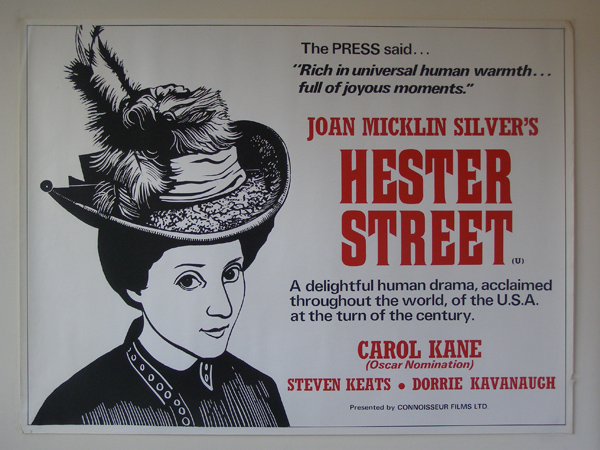
The new decade saw an increase in the presence of women directors across the globe. In America, Elaine May began her directing career with A New Leaf (1971), and after making two short movies, Joan Micklin Silver came to prominence with Hester Street (1975). They were followed by Barbara Kopple, a documentarian who won an Oscar for her first movie, Harlan County, USA (1976). In the UK, feminist filmmaker Jane Arden became the first British female director to gain a solo credit on the movie The Other Side of the Underneath (1972). Down Under, after spending most of the decade making shorts and a documentary, Gillian Armstrong broke into the mainstream with My Brilliant Career (1979) (it was also the first Australian movie to be directed by a woman in forty-six years).

OLYMPUS DIGITAL CAMERA

In Europe, female directors seemed to be everywhere as the decade drew on. Even though she had begun her career in the Sixties it wasn’t until the release of The Night Porter (1974) that Liliana Cavani came to the attention of a wider audience. Her fellow Italian, Lina Wertmüller, also started her career in the Sixties, but also didn’t find fame and a wider audience until the release of The Seduction of Mimi (1971). Germany’s Margarethe von Trotta made two movies with Volker Schlondorff, including the hugely influential The Lost Honor of Katharina Blum (1975), before she made her first solo feature The Second Awakening of Christa Klages (1978). In France, Catherine Breillat began her often controversial directing career with A Real Young Girl (1976), and in neighbouring Belgium, Chantal Akerman secured her position as one of the most influential female directors working at the time with Jeanne Dielman, 23 Quai du Commerce, 1080 Bruxelles (1975).

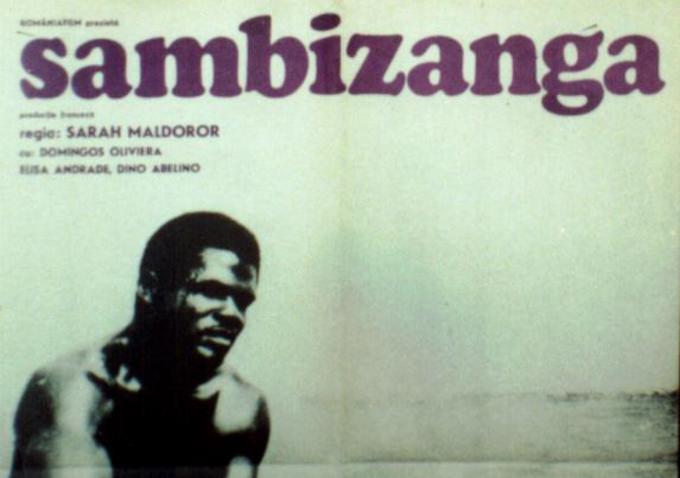
In Africa, Senegalese movie maker Safi Faye became the first female Sub-Saharan director to have a movie commercially distributed. The movie was Letter from My Village (1975) and it gained her international recognition. In Angola, Sarah Maldoror’s examination of the Angolan struggle for liberation, Sambizanga (1972) was a powerful movie that showed the tragedies caused by war, and the despair those tragedies trigger.

Sambizanga

As the decade drew to a close, the establishment of so many different women directors from all around the globe had the sense of “At last!” about it. It wouldn’t be long before female directors began to be heard from in South America and the Middle East as well, and they would bring even more ways of telling stories and entertaining audiences. In the Eighties the ratio of women directors to their male counterparts would still be minimal, percentage-wise at least, but they would definitely enjoy as much commercial and critical success as their male colleagues, a situation that had been long overdue. And as they headed into the Nineties, those barriers were lowered even further. Women directors were here, and they were here to stay.

Share this:

  • Click to share on X (Opens in new window) X
  • Click to share on Facebook (Opens in new window) Facebook
  • More
  • Click to print (Opens in new window) Print
  • Click to email a link to a friend (Opens in new window) Email
Like Loading...

For One Week Only: Women Directors – 4. Agnès Varda & the Sixties

14 Saturday Nov 2015

Posted by dullwood68 in Movies

≈ Leave a comment

Tags

60's, Agnès Varda, Avant garde, Cinécriture, Cléo from 5 to 7, Daisies, Experimental movies, Far from Vietnam, For One Week Only, French New Wave, Jim Morrison, Joyce Wieland, Le Bonheur, Left Bank, Les créatures, Lions Love, Mai Zetterling, Portrait of Jason, Reason Over Passion, Shirley Clarke, Stephanie Rothman, The Connection, Věra Chytilová, Women directors

Introduction

With the Fifties seeing a gradual rise in the number of female movie directors, the Sixties saw that slow expansion get bigger and bigger as more and more women took up the challenge of making movies that were at least as interesting or entertaining as their male counterparts (if they could be financially successful as well would be a great help too). Following in the footsteps of women such as Maya Deren, female experimental movie directors continued to flourish, but this independence didn’t seem to spread to more mainstream movie making. Only one female director of note emerged in the Sixties, and she forged a career for herself that is still going strong today.

Agnès Varda (1928-)

Agnes Varda

Although she’s regarded as a French movie director, Varda was actually born in Belgium. She moved to France in 1940 to live with her mother’s family, and studied art history and photography. Growing up she saw very few movies, but always viewed this as an advantage, so that when she came to make her first movie in 1957, La Pointe Courte, she did so with a naïvete that allowed her to do things she might otherwise have felt she couldn’t do.

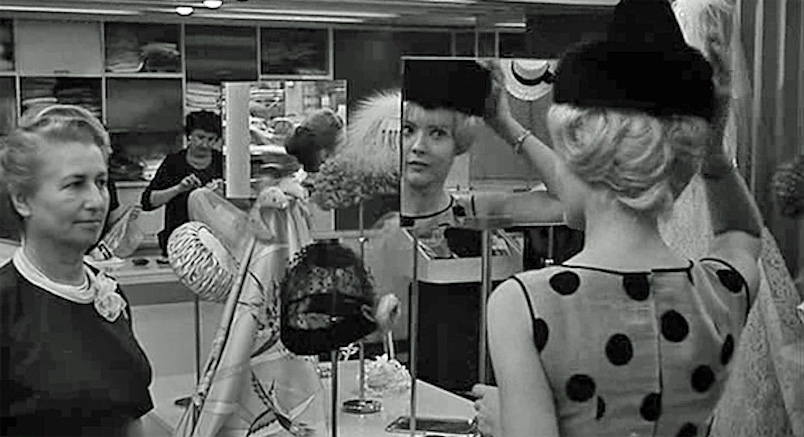
Varda made a number of short movies before her next movie, Cléo from 5 to 7 (1961), made audiences and critics alike sit up and take notice. A sensitively handled drama about a woman (Corinne Marchand) who is waiting for the results of a biopsy, the movie deconstructs the way in which its heroine is seen by everyone around her, and how she deals with the possibility of her imminent mortality. If you’re new to the French New Wave of the early Sixties, then this is as good a movie to start out with, and shows Varda already has a distinct narrative style.

Cleo from 5 to 7

Her abilities as a director were further recognised with the release of her third feature, Le Bonheur (1965). A beautifully crafted rural drama, it’s about a young, happily married man who looks for even more “happiness” with another woman. Though the focus is on the young man, Varda doesn’t downplay the female characters, or make their roles of lesser importance. Instead she emphasises their strength and resilience, and reinforces the idea that neither of them is dependent on the young man’s attention. (1965 was also the year that Varda hired a young actor named Gérard Depardieu for a project called Christmas Carole; it was his first screen role, but alas the movie was never finished due to lack of funding.)

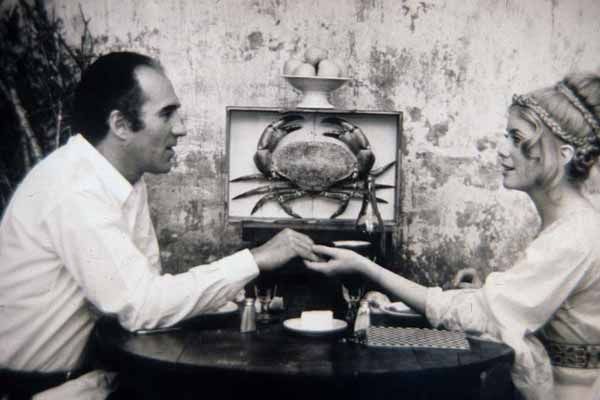
Les créatures (1966) followed, a puzzle box of a movie where the basic storyline of a mute woman’s husband who writes a novel that reflects the lives of the villagers, but in doing so, allows the distinction between fiction and reality to become irrevocably blurred, allowed Varda to play tricks on the viewer throughout. But she’s just being mischievous, and none more so than by casting Catherine Deneuve as the mute wife, using the actress’s physical presence to reinforce the character’s self-reliance and determination.

Les creatures

She contributed a section to the documentary Far from Vietnam (1967), along with the likes of Alain Resnais and Jean-Luc Godard, before making a fascinating though not entirely focused semi-documentary road trip through Los Angeles called Lions Love (1969). Varda had originally wanted Jim Morrison to appear in the movie but he declined (though he can still be seen as a member of the theatre audience in the opening scene). Interestingly enough, Varda attracted several well-known celebrities to appear as themselves, including fellow directors Peter Bogdanovich and Shirley Clarke. There’s no story as such, and what narrative there is is firmly non-linear, making this particular road trip/odyssey one that relies on its visual style to get its message across.

Varda was referred to as “the ancestor of the New Wave” when she was just thirty, but her literary influences and use of location shooting and non-professional actors marks her out as a member of the Left Bank cinema movement instead. She herself describes her style of movie making as cinécriture (writing on film), and she builds her finished product in the editing suite where she finds a movie’s motifs and its rhythm. She is a fiercely intelligent director whose international acclaim in the Sixties helped give other women directors a boost toward realising their own careers.

The 60’s

With the Sixties, female directors who had begun their careers in the Fifties continued to make challenging, independent movies outside the foundering Hollywood studio system. Shirley Clarke made her most well-known movies in the Sixties, The Connection (1962), about a group of junkies waiting in a room for their next fix to arrive, and Portrait of Jason (1967), a documentary about Aaron Payne (alias Jason Holliday) and his experiences of being black and gay in Sixties America. Both movies were well-received in critical circles but lacked for a wider audience. They were movies that held up a mirror to American society at the time, and are all the more powerful for the way they dissect the way said society actively marginalised some of its more vulnerable citizens.

The Canadian artist Joyce Wieland turned her hand to making movies in the Sixties. She made experimental, avant garde shorts on a variety of eclectic themes, and with titles such as Barbara’s Blindness (1965), Handtinting (1967), and Rat Life and Diet in North America (1968). She made her first feature movie in 1969, Reason Over Passion, a prosaic yet highly abstract voyage of discovery through the Canadian psyche as presided over by then Prime Minister Pierre Trudeau. Wieland’s movies were distinctive by the way in which she manipulated the film stock to provide a connection to the artistic style she had developed elsewhere in her work, and to make it feel more organic.

Joyce Wieland

Outside of experimental movie making, female directors tackling more conventional narratives were very thin on the ground. Swedish actress Mai Zetterling made her first feature, Loving Couples, in 1964, and packed it full of controversial elements, from a lesbian kiss to two gay men getting “married” in a church, and a close up of a real birth. She made three more features in the latter half of the decade and each showed a confident hand at the tiller.

In the world of low-budget exploitation features, Stephanie Rothman went from being an executive producer for Roger Corman to co-directing Blood Bath (1966) with Jack Hill, and then flying solo with It’s a Bikini World (1967). She added a strong feminist perspective to her movies, and did her best to mitigate the crassness of the movies she worked on. She was aware of the necessity for female nudity in these low-budget movies but focused on the visual presentation to make these scenes less repulsive and more transgressive.

After making several shorts, Czech director Věra Chytilová won international acclaim for her movie Daisies (1966), a funny, liberating attack on the formal traditions of Czech movie making, and a fascinating glimpse into the minds of two wilful young girls whose attitude to Life is to tear it down and damn the consequences – along as they’re having a good time doing it. It’s an invigorating experience, and eschews the rigid formalism of other Czech movies of the time. Chytilová’s career would pick up again in the Seventies, but Daisies was a statement of intent if ever there was one.

Daisies

And there was another statement of intent waiting just around the corner in 1970…

Share this:

  • Click to share on X (Opens in new window) X
  • Click to share on Facebook (Opens in new window) Facebook
  • More
  • Click to print (Opens in new window) Print
  • Click to email a link to a friend (Opens in new window) Email
Like Loading...

For One Week Only: Women Directors – 1. Dorothy Arzner

06 Friday Nov 2015

Posted by dullwood68 in Movies

≈ 1 Comment

Tags

Alice Guy, Boom mike, Career, Clara Bow, Craig's Wife, Dorothy Arzner, Editor, Famous Players-Lasky, For One Week Only, History, Lois Weber, Manhattan Cocktail, Movies, Old Ironsides, Screen Directors Guild, Screen writer, Silent Era, The Wild Party, Women directors

Later than advertised (and now running from 5-11 November 2015), this edition of For One Week Only is going to focus on women directors.

Introduction

Women have been directing movies since the very beginnings of cinema. In 1896, Frenchwoman Alice Guy made what is regarded as the first movie directed by a woman, La fée aux choux (The Cabbage Fairy). It’s not the most sophisticated of early silents, and only lasts a minute, but it does go some way to proving that it wasn’t entirely a man’s world at the end of the 19th century. Guy went on to have a prolific career as a director: between 1896 and 1920 she made a staggering 430 movies.

During the silent era there were many other “firsts” involving women directors, from Lois Weber’s being the highest-paid female director of the silent era – $5000 a week – to actresses such as Cleo Madison and Grace Cunard finding as much or more success behind the camera than they did in front of it. And the world’s first full-length animated feature, Die Geschichte des Prinzen Achmed (The Adventures of Prince Achmed), made in 1926, was directed by Germany’s Lotte Reiniger. But with the advent of the Talkies, women’s involvement in directing – in the US at least – began to lessen, although by coincidence, there was one woman who managed to buck the trend and carved out a career that included a significant number of achievements.

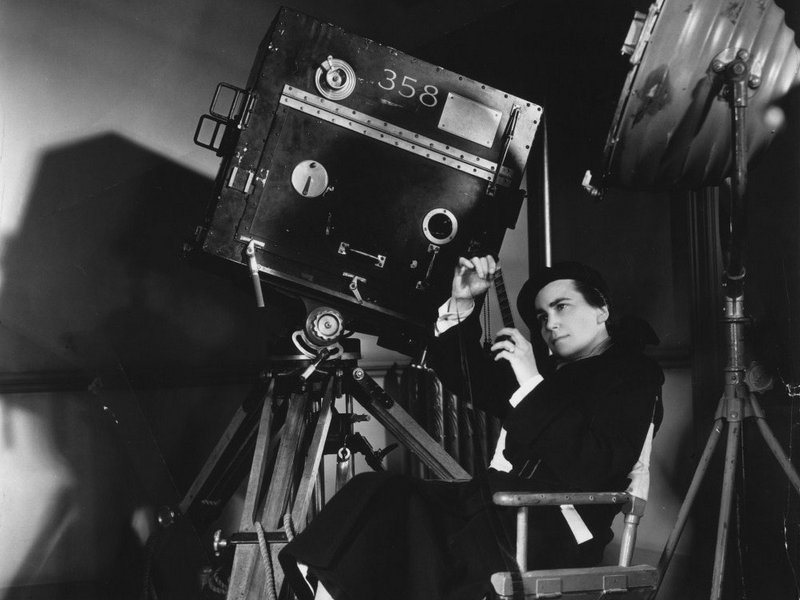
Dorothy Arzner (1897-1979)

Dorothy Arzner

It’s ironic looking back over Dorothy Arzner’s life and career that she had a connection to Hollywood from quite a young age. Her parents ran a café in Los Angeles that was frequented by such movie luminaries as Charles Chaplin, William S. Hart and Erich von Stroheim, and Dorothy worked there as a waitress. But her ambition lay in the medical profession and she enrolled in a pre-med programme after graduating from high school; during World War I she served as an ambulance driver.

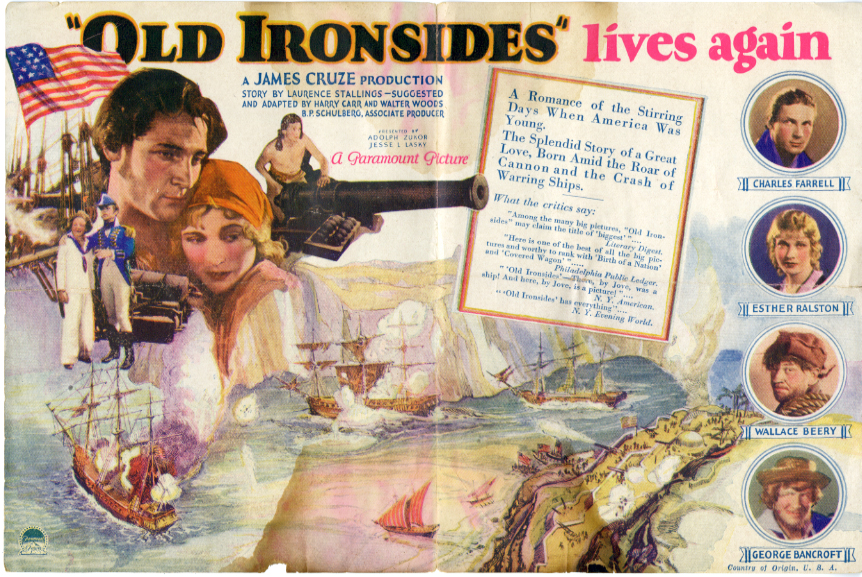
Once hostilities had ceased, Arzner changed tack and got a job working for a newspaper. There she was introduced to William C. DeMille – Cecil’s brother – and landed a job as a stenographer at Famous Players-Lasky (the forerunner of Paramount Pictures). Having become very interested in working in the movies, Arzner began to amass as much knowledge as she could and she soon became a script writer, as well as an editor. Between 1919 and 1926 she worked on eight features as a screen writer, and eight features as an editor, including uncredited duties in both capacities on James Cruze’s Old Ironsides (1926). So good was her work that she was the first person of either gender to receive an on-screen credit as an editor.

Old Ironsides

Her ambition though was to become a director, and in 1927 she made her first feature, Fashions for Women, a drama about a cigarette girl played by Esther Ralston who falls in love with a count while finding success as a model. It was a rather innocuous start to her career as a director but did well enough for her to tackle two more movies that year, Ten Modern Commandments, a romantic comedy-drama that also featured Ralston, and Get Your Man, a romantic comedy set in Paris that starred Clara Bow. But it was Manhattan Cocktail (1928) that was to be the second of many “firsts” that Arzner would achieve in her career, as she became the first female to direct a sound feature (albeit a part-talkie).

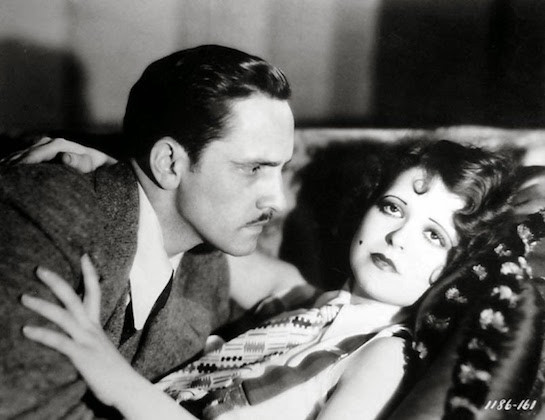
Reuniting with Bow for The Wild Party (1929), Arzner found her star struggling with the demands of making her first talkie, and specifically the microphones that were being used. In order to accommodate and reassure her star, Arzner came up with what was, for then, a unique solution: she devised the industry’s first boom mike so that Bow could move around unhampered by having to be near a microphone.

Wild Party, The

As her career continued into the Thirties, Arzner made a number of moderately successful pre-Code movies, and worked with a variety of Paramount stars, such as Claudette Colbert, Pat O’Brien, Ginger Rogers, Fredric March, Ruth Chatterton, Paul Lukas, Sylvia Sidney, and a young Cary Grant. But as Paramount’s fortunes suffered due to the Depression, and the company insisted on pay cuts across the board, Arzner became a freelance director and was quickly snapped up by RKO to direct Christopher Strong (1933). The movie starred Katharine Hepburn and the two didn’t get along, so much so that Hepburn complained about Arzner to the studio; wisely, RKO backed their director.

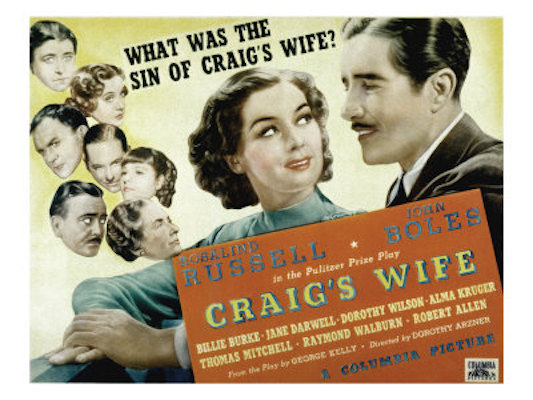
Despite the animosity between the two women the movie was a critical, if not financial, success, and Arzner moved on to Nana (1934), a vanity project for Anna Sten, a Russian actress being promoted by Samuel Goldwyn. Alas the movie was a flop, and it wasn’t until 1936 that Arzner made another picture, the well-received and critically lauded Craig’s Wife, starring Rosalind Russell. Also that year, Arzner was the first woman to be enrolled into the recently formed Screen Directors Guild; for many years afterward she would remain the only woman in the Guild until Ida Lupino joined in 1950.

Craig's Wife

1937 saw Arzner work with and establish a close friendship with Joan Crawford, firstly providing uncredited direction on The Last of Mrs Cheyney, and then directing the star in that same year’s rags-to-riches tale The Bride Wore Red. Both movies were successful with audiences, but Arzner was unable to secure another picture until 1940 and the romantic drama Dance, Girl, Dance. Though it was a critical and commercial failure at the time, the movie underwent a re-evaluation in the 1970’s and is now regarded as one of Arzner’s more intriguing and important movies and as an early example of female empowerment. Three years later, Arzner made her last feature, the wartime drama First Comes Courage, an exercise in propaganda that featured the clearly Scandinavian Merle Oberon as a resistance fighter torn between Nazi Carl Esmond and Brit Brian Aherne.

Arzner turned her attention to the war effort after that, and made several training movies for the Women’s Army Corps. After the war she decided to work in television, making documentaries and commercials until the 1950’s when she became a filmmaking teacher. She first taught at the Pasadena Playhouse before moving to UCLA in the Sixties (one of her pupils was Francis Ford Coppola). She stayed there until her death in 1979.

Even though Dorothy Arzner was the most well-known female director working in Hollywood during its so-called Golden Age, the late Twenties through to the early Forties, she was also the only female director working in Hollywood during that time. She made movies that featured strong female heroines, and she found ways of including some of her feminist beliefs in the movies she made, slyly and with style. She also had a unique visual approach to the material she directed, and if you watch her movies today there’s a freshness about them that separates them from the otherwise formulaic movies being made at the time.

Arzner fought her way up from the bottom, and refused to be intimidated by the phallocentric system she worked in. She occupied a unenviable position in Hollywood, both as a woman and as a lesbian, but did so without compromising those values she felt strongly about. That she chose to give up directing movies after World War II is a cause for disappointment; it would have been interesting to see what she made of the role of women in the post-War era. But perhaps she’d had enough of being the only woman in such a male-dominated industry. After all, she did have this to say: “When I went to work in a studio, I took my pride and made a nice little ball of it and threw it right out the window.”

Dorothy Arzner 2

Share this:

  • Click to share on X (Opens in new window) X
  • Click to share on Facebook (Opens in new window) Facebook
  • More
  • Click to print (Opens in new window) Print
  • Click to email a link to a friend (Opens in new window) Email
Like Loading...

Preview: For One Week Only 2 – 8 November 2015

31 Saturday Oct 2015

Posted by dullwood68 in Movies

≈ Leave a comment

Tags

Angelina Jolie, For One Week Only, Lois Weber, Movies, Preview, Sight & Sound, Women directors

In the October issue of UK movie magazine Sight & Sound, the feature article was entitled, The Female Gaze: 100 Overlooked Films Directed by Women. In the article’s introduction, Isabel Stevens asks the question, “Other than decrying the status quo and highlighting and critiquing new films by female directors, what can a film magazine do?” The answer is to shed light on a variety of movies made by women directors and to reinforce the notion that they were and are just as capable as their male counterparts of making intelligent, thought-provoking, and entertaining movies on a wide variety of subjects.

Lois Weber

In recognition of this, and over the coming week, thedullwoodexperiment will be looking at some of the movies on the Sight & Sound list, and celebrating the contribution that women directors have made since those groundbreaking days of 1896. In the meantime you may want to look at the reviews of the movies directed by women that are already on the site, women such as:

Sima Urale, Margot Benacerraf, Allison Burnett, Ellie Kanner, Jennifer Kent, Amma Asante, Kimberly Peirce, Laura Poitras, Stacie Passon, Carol Morley, Sam Taylor-Johnson, Madonna, Jennifer Lee, Ana Lily Amirpour, Rebecca Johnson, Susan Seidelman, Lois Weber, Lake Bell, Courteney Cox, Lynn Shelton, Megan Griffiths, Karen Leigh Hopkins, Sara St. Onge, Gillian Robespierre, Jane Anderson, Gren Wells, Jen & Sylvia Soska, Clio Barnard, Susanne Bier, Laura Lau, Caryn Waechter, Annette K. Olesen, Maggie Carey, Vivian Qu, Karen Moncrieff, Angelina Jolie, Marjane Satrapi, Haifaa Al-Mansour, Shira Piven, Jocelyn Towne, Crystal Moselle, and Lauren Montgomery.

Angelina Jolie

Share this:

  • Click to share on X (Opens in new window) X
  • Click to share on Facebook (Opens in new window) Facebook
  • More
  • Click to print (Opens in new window) Print
  • Click to email a link to a friend (Opens in new window) Email
Like Loading...

thedullwoodexperiment – Two Years On

30 Friday Oct 2015

Posted by dullwood68 in Movies

≈ Leave a comment

Tags

Birthday, For One Week Only, Poster of the week, thedullwoodexperiment

Today thedullwoodexperiment is two years old.

Birthday

It still comes as a surprise to me that I get to do this (most) every day, and that I get the visits and feedback that I do, just by writing about what I love most: the movies. Even when a movie is a real stinker, it’s still an enjoyable feeling to be able to put my thoughts about such debacles out there, and alongside the movies that really work.

I’ve got several ideas and plans for Year Three, including the return of Poster of the Week (though in a slightly different format), the return of Zatoichi (my apologies for not having continued the series as originally planned), further installments of For One Week Only, and several other ideas that will remain under wraps for now. Reviews will continue to be the focus, but I aim to increase the amount of non-review posts as well.

As always I’m open to suggestions about which movies should be reviewed or included, and if anyone wants to see something specific under the For One Week Only banner, feel free to let me know. Any and all feedback will be gratefully received. Now, what can I watch next…?

Share this:

  • Click to share on X (Opens in new window) X
  • Click to share on Facebook (Opens in new window) Facebook
  • More
  • Click to print (Opens in new window) Print
  • Click to email a link to a friend (Opens in new window) Email
Like Loading...

For One Week Only: Australian Cinema – Part II

18 Tuesday Aug 2015

Posted by dullwood68 in Movies

≈ Leave a comment

Tags

1921-1940, American movies, Australian cinema, Beaumont Smith, Convicts, Eva Novak, For One Week Only, For the Term of His Natural Life, George Fisher, Historical drama, Literary adaptation, Marcus Clarke, Murder, Norman Dawn, Raymond Longford, Review, Romance

Australian Cinema Part II – 1921-1940

At the beginning of the 1920’s, the Australian movie industry was facing new challenges following the aftermath of World War I. Back in 1912, production companies had merged to form the Australasian Films and Union Theaters, a body which effectively controlled which movies were shown and where. However, it soon became apparent to distributors that there was a decreasing market for Australian movies, a belief that was exacerbated by the relatively cheap cost of importing, say, American movies that had already recouped their budgets in their home market. With local movies being passed over in favour of these imports, the industry began to dwindle. By 1923 this meant that 94% of all movies shown in Australia were American imports.

Movies did continue to be made though, and directors such as Raymond Longford and Beaumont Smith maintained their own standards against the influx of American product. Longford made several well-received movies during the early Twenties, including The Blue Mountains Mystery (1921) and The Dinkum Bloke (1923), but with the death of Lottie Lyell in 1925 his career began to flounder and he never regained the status he’d had in the 1910’s. Beaumont Smith made comedies, quickly and cheaply produced, and this practice earned him the nickname “One Shot Beau”. He too made several movies during the early Twenties, including While the Billy Boils (1921) and The Digger Earl (1924), but like Longford his career began to flounder and he retired officially in 1925 thanks to dwindling profits.

With the US continuing to dominate the market, especially in terms of the emerging “talkies”, Australian movie production maintained a reasonable level but not every movie was as successfully received as they had been in the past. New movie makers arrived on the scene, writer/directors such as Norman Dawn and Paulette McDonagh, and though they too faced an uphill battle to make an impact (or a profit) with their movies, nevertheless they succeeded. Dawn made one of the most impressive Australian movies of the late Twenties, the historical drama For the Term of His Natural Life (1927), yet another movie that showed Australia was just as capable as Hollywood of producing intelligent and compelling movies.
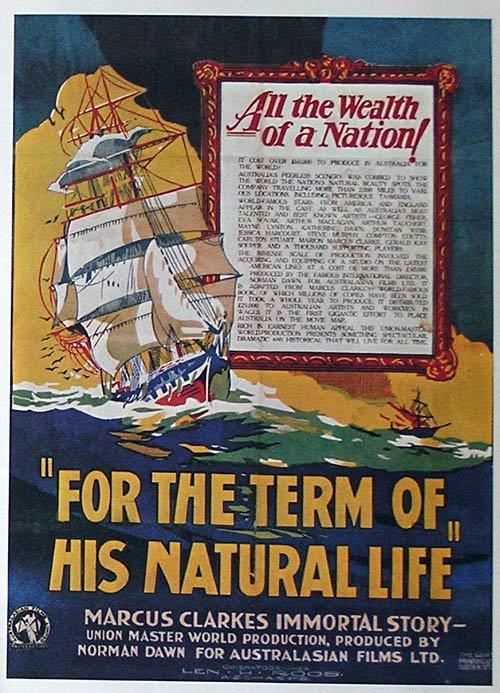
For the Term of His Natural Life

For the Term of His Natural Life (1927) / D: Norman Dawn / 102m

Cast: George Fisher, Eva Novak, Dunstan Webb, Jessica Harcourt, Arthur McLaglen, Katherine Dawn, Gerald Kay Souper, Marion Marcus Clarke, Arthur Tauchert, Mayne Lynton, Compton Coutts

1827, England. A row between Sir Richard Devine and his wife Ellinor (Clarke) leads to the revelation that their son, also Richard (Fisher), is illegitimate and the result of a brief affair with Lord Bellasis. Sir Richard banishes his son, while at the same time Lord Bellasis has an argument with his son, known as John Rex (also Fisher) that leads to John killing his father. Richard chances upon the body but is discovered by some of Lord Bellasis’s men. Accused of his murder, but thinking that Sir Richard has committed it, he remains silent (and helps to keep his mother’s shame from being exposed as well). He gives his name as Rufus Dawes and allows himself to be tried and sentenced to life imprisonment in a penal colony in Australia.

On the voyage a mutiny is organised by none other than John Rex, with the aid of his fiancée, Sarah Purfoy (Harcourt). Purfoy is travelling as nurse to the daughter of the new governor, Major Vickers (Souper) and his wife (Dawn). Rufus overhears the plans for the mutiny and alerts the crew. The mutiny is foiled but the mutineers guess that Rufus informed on them, and they have their revenge by claiming he was the leader. When the ship reaches Macquarie Harbour, Rufus is left in isolation on a nearby island.

Six years pass. The governor’s daughter, Sylvia (Novak) has grown into a beautiful young woman, and has attracted the attention of Captain Frere (Webb). Frere was in command of the penal ship that brought them all to Australia; his distrust of the convicts has made him cruel and merciless. His arrival at the harbour is to inform Major Vickers that he is to decamp to Port Arthur, along with all the convicts. This coincides with Rufus’s decision to end his life by jumping off a high cliff on his island; however, he survives. Meanwhile, Vickers travels with the prisoners on one ship while his wife and daughter, accompanied by Frere, travel on a second ship. This ship is hijacked by Rex and the trio are left on a beach, witjhout supplies, to fend for themselves. Rufus is washed ashore and sets about trying to return them all to the governor. He builds a makeshift boat and they set off, but not before Sylvia’s mother succumbs to a fever. It’s all too much for the young woman, and by the time they’re rescued, Sylvia also has a fever, but one that robs her of the memories of what has happened. Frere takes advantage of this and has Rufus re-imprisoned, and takes the credit for their being alive.

Years pass. Frere and Sylvia are due to be married, while Rex has been apprehended and is to be tried and expected to hang. Purfoy reappears and blackmails Frere into getting his sentence reduced. At the trial Rufus is called to testify, but when it becomes clear that Sylvia doesn’t recognise him, his accusations against Frere go unheeded. With his life spared, Rex plans another escape and asks Rufus to go with him. Rufus declines the offer but asks Rex to take a letter home to his mother. The escape plan is a success, and with Purefoy’s help, Rex gets to Sydney, whereupon he reads Rufus’s letter and discover the truth about their relationship. Realising that this is the reason why they look so much alike, Rex determines to go to England and impersonate Rufus and live his life in the way he’s always wanted…
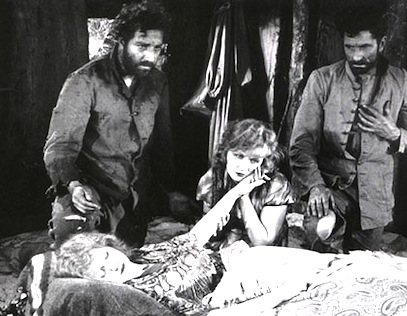
For the Term of His Natural Life - scene

Based on the novel by Marcus Clarke, and previously adapted for the screen in 1908 and 1911, For the Term of His Natural Life is the most expensive Australian silent movie ever made, and also one of the most gripping. Its tale of doppelgängers, murder, mutinies, dangerous convicts, a scheming captain, a young woman in peril, the twin burdens of shame and regret – all combine to make a movie that grips from beginning to end, and it’s a movie that’s so well filmed for the time that it makes some modern day movies look amateurish in comparison.

The budget aside, Dawn’s adaptation aims high and rarely falls short, capturing the agony and despair of the convicts’ lives and the conditions they’re forced to live in. In this sense the movie doesn’t pull any punches, and as a record of the period it’s remarkably faithful, with the makers’ decision to film in the actual locations depicted adding to the credibility of the outdoor scenes (the Inca, an old sailing ship, was renovated and used for the scenes in Sydney harbour). With such an effort made to make the background as realistic as possible, and with exact copies of contemporary clothing made as well, Dawn’s grounding of the narrative pays off in dividends. It’s like looking through a window into the past.

Dawn is aided immeasurably by his cast, with Fisher a standout as the anguished Rufus and the malicious Rex. The viewer is never in any doubt as to which character is on screen, and even though there are few scenes where the two characters interact, it’s a testament to the efforts of DoP’s Len Roos, John William Trerise and Bert Cross that when they do it’s as seamlessly as possible. Of the two characters, Rufus is the more sympathetic (as you’d expect), but Fisher makes sure Rex’s dastardly behaviour isn’t entirely objectionable. It’s a delicate process, but you only have to look to the scene where his relationship to Rufus is revealed to see the desperate need to be accepted that has driven Rex onwards.

Novak is exquisitely lovely as Sylvia, and displays her character’s amnesia with aplomb, keeping her expressions natural and free from hysteria (or the declamatory style of acting that still afflicted some silent movies of the era). As the cowardly, villainous Frere, Webb is eminently hissable, while Harcourt, formerly a fashion model, is entirely convincing as Purfoy, using her feminine wiles to good effect as she charms and entices a variety of the male characters into doing what she wants. In smaller roles, The Sentimental Bloke‘s Tauchert pops up as a prison warden, while Dawn’s wife, Katherine has a touching death scene as Sylvia’s mother (she was also the movie’s editor).

There’s enough here to make a mini-series, but Dawn apportions the appropriate time needed for each scene and development of the storyline, so that no scene outstays its welcome or feels truncated. There’s a natural rhythm and flow to the narrative, and Dawn handles the crises and lulls with equal attention and commitment. In fact, so confident is he with the material that, when it’s over, you don’t realise just how quickly it’s all happened… and how rewarding it’s all been.

Rating: 9/10 – some very minor quibbles aside – such as Coutts eyeball-rolling performance, or an unnecessary reference to a secondary character’s claims of cannibalism – For the Term of His Natural Life is an exciting, character-driven historical drama that succeeds by virtue of its cast and crew’s commitment to the overall tale; one to be seen both for its confident, considered approach and its exacting take on both the material and the period evoked.

Movies such as For the Term of His Natural Life weren’t common however, and as the Twenties drew to a close, movie production resumed a more familiar pattern of homegrown comedies such as the Dad and Dave series along with turgid dramas such as Tiger Island (1930). It was in 1930 that exhibitor F.W. Thring established Efftee Studios in Melbourne, a production company that made the first Australian talkies, movies such as Diggers (1931), The Haunted Barn (1931), and the generally well received remake of The Sentimental Bloke (1932). But with the Australian government refusing to implement quotas for Australian movies it was difficult for any studio or production company to make a profit, and in 1935 Thring was forced to cease making movies; it was estimated he lost A$75,000 of his own money.

Another movie company, Cinesound Productions was more successful, making seventeen features between 1932 and 1940. Cinesound based their productions on the American model and promoted them well enough that each feature either broke even or made a profit. But while other movies continued to be made independently – e.g. In the Wake of the Bounty (1933), which introduced the world to Errol Flynn – the decline that had begun in the Twenties continued unabated. As fewer movies were made each year, and were less and less profitable, the Australian movie industry was dealt a further blow when the UK decided that Australian movies would no longer be included in the local movie quota, thus causing the loss of a previously guaranteed market.

In the Wake of the Bounty

As the Thirties drew to a close with World War II looming on the horizon, the industry began to implement a kind of self-imposed shutdown, recognising that feature length movies would prove too costly to make in the new economic climate. But the future was already uncertain, and though the War did have an impact on movie production, a break was perhaps just what the industry needed.

Share this:

  • Click to share on X (Opens in new window) X
  • Click to share on Facebook (Opens in new window) Facebook
  • More
  • Click to print (Opens in new window) Print
  • Click to email a link to a friend (Opens in new window) Email
Like Loading...

For One Week Only: Australian Cinema – Part I

17 Monday Aug 2015

Posted by dullwood68 in Movies

≈ Leave a comment

Tags

1896-1920, Albert Roche, Arthur Tauchert, Athanaeum Hall, Australian cinema, C.J. Dennis, Drama, For One Week Only, Gilbert Emery, John Gavin, Lottie Lyell, National Film and Sound Archive, Raymond Longford, Restoration, Review, Romance, The Limelight Department, The Sentimental Bloke, The Songs of a Sentimental Bloke

Australian Cinema Part I – 1896-1920

The first cinema presentation in Australia happened in October 1896 at the Athanaeum Hall in Melbourne. It was a short movie (of course), but while Australia and other movie producing countries around the world continued to make and show short movies, it was Australia that would produce the first full-length feature: The Story of the Kelly Gang (1906). Running for approximately sixty minutes, it was directed by Charles Tait, a concert, movie and theatrical entrepreneur, and featured several of his family in key roles. It was a major success, and was shown in New Zealand, Ireland and the UK (alas, only seventeen minutes of footage still survives).

Story of the Kelly Gang, The - scene

While the Athanaeum Hall continued to show movies, Melbourne was also the home of one of the world’s first movie studios, the Limelight Department, which was in use between 1897 and 1910 (and was overseen by the Salvation Army). It made a variety of movies of varying lengths, some three hundred in all, and was, for its time, the biggest producer of movies worldwide. It was responsible for a number of firsts: first feature length documentary, Inauguration of the Commonwealth (1901); first bushranging drama, Bushranging in North Queensland (1904); and first movie combining moving images, glass slides, oratory and music, Soldiers of the Cross (1900). As the Australian movie industry took off, the ensuing boom years of the 1910’s saw the industry flourish, with directors such as John Gavin, Alfred Roche, E.I. Cole and W.J. Lincoln leading the way (and even though some of their efforts may not have been as good as they’d hoped).

In 1911, first-time director Raymond Longford made The Fatal Wedding, a melodrama that proved to be a huge success and which was well received critically. It was also the first Australian movie to claim two particular innovations: that it was the first to use interior sets, and that it featured the first ever close-up. Whether or not this is actually true, it reinforces the view that Australia – despite its distance from the rest of the world’s movie-making community – was forging ahead with new ideas and was creating a robust, popular industry that was the equal of the US, Italy and the UK in terms of movie production and exhibition.

As the decade wore on, more and more movies were made and released, including The Sundowner (1911), Transported (1913), The Martyrdom of Nurse Cavell (1916), Australia’s Peril (1917), and the interestingly titled Does the Jazz Lead to Destruction (1919), but most titles are now considered lost. One movie that has survived, and was the subject of a restoration project in the early 2000’s, is Raymond Longford’s The Sentimental Bloke (1919), viewed as one of the best Australian movies of all time, and based on the poem The Songs of a Sentimental Bloke by C.J. Dennis. Here is a testament to the impressive development of the Australian movie industry, and an example of how advanced this island continent had become.

Sentimental Bloke, The

The Sentimental Bloke (1919) / D: Raymond Longford / 68m

Cast: Arthur Tauchert, Lottie Lyell, Gilbert Emery, Stanley Robinson, Harry Young, Margaret Reid, Charles Keegan, William Coulter, Helen Fergus, C.J. Dennis

Bill (Tauchert) is a larrikin, an uncultivated, mischievous man who behaves as if social conventions don’t apply to him. He drinks – usually with his best friend, Ginger Mick (Emery), and he gambles as well. When he’s caught in a raid on a gambling den, he’s sentenced to six months in gaol. When he gets out he vows to himself that he’ll give up his old life and walk the straight and narrow. He finds work at a market and avoids his old friends. One day he spies a young woman (Lyell) and is instantly smitten with her. But when he approaches her, and uses his usual slang terms to impress her, she rebuffs him. Chastened, and aware that he needs to improve his manners, Bill determines that if she should meet her again he will behave more responsibly.

He learns that the young woman is called Doreen and that she works in a pickle factory, putting labels on the bottles. Through a friend who works there also, Bill arranges a meeting with her, and putting aside his usual way of talking, he shows her that he’s not as bad as she thought previously. They begin seeing each other, but when another man Bill calls the Stror ‘at Coot (Young) starts to pay attention to Doreen as well, his natural belligerence and anger cause him to warn the man off. However, the Stror ‘at Coot persists in seeing Doreen until Bill gets violent with him, a situation that Doreen is unhappy about.

Knowing he’s skating on thin ice, but confused that defending his true love appears to be wrong, Bill assures Doreen that he will try harder. Eventually, after Bill has satisfied the concerns of Doreen’s mother (Reid), they marry and settle down together in their own home. But a chance encounter one night with Ginger Mick leads to Bill lapsing back into his old ways. He gambles away his money, and when he finally gets home in the early hours of the morning, he expects to be chastised for his foolishness. But the next morning brings a surprise, one that allows the couple to move on with their lives and in the fullness of time, to find peace and happiness.

Sentimental Bloke, The - scene

A huge success on its release, The Sentimental Bloke plays like a cross between Charles Dickens and an early Australian soap opera. It’s a charming, easily likeable movie, with a good central performance from Tauchert (who’d only made a couple of short movies before this), and tells its story in a direct, no frills way that makes it all the more enjoyable. In adapting Dennis’s work, Longford and his real life partner Lyell have kept the heart and soul of the poet’s work and translated it to the screen with surprising ease, even to the point of using Dennis’s prose for the intertitles (though some viewers may be put off by the use of colloquialisms and Aussie slang terms).

There’s much to admire, from Tauchert’s naturalistic interpretation of Bill, to Lyell’s considered portrayal of Doreen. Their scenes together reflect Longford’s decision to eschew the usual melodramatic excesses of silent movie acting, and opt for a more realistic approach, leaving Bill and Doreen resembling people that audiences could actually identify with. Tauchert has a wonderfully expressive face (especially when Bill is showing confusion), and Lyell matches him with several moments of pained acceptance, as Doreen’s love for Bill wins out over her reservations about his behaviour. (Sadly, Lyell, who was very very talented, and regarded as Australia’s first movie star, died in 1925 from tuberculosis.) Elsewhere, Emery and Reid provide solid support, but Longford keeps the focus on Bill and Doreen, and rightly so. Their relationship, with its ups and downs and unwavering commitment to each other, is shown without the need for undue or unnecessary emphasis, and is all the more effective for it.

What arises from all this is a great deal of humour to offset the pathos and muted drama. A highlight is a visit to the theatre to see a production of Romeo and Juliet (not something that Bill is too keen on at first). As the couple become wrapped up in the tragedy of Shakespeare’s young lovers, each twist and turn of the story sees them more and more emotionally invested, until the moment when Romeo slays Tybalt and Bill shouts out “Put in the boot!” The movie is stuffed with winning moments like that one, and each adds to the richness of the material.

The movie is also beautifully shot by Arthur Higgins. He was the DoP on The Fatal Wedding, and would work on this movie’s sequel, Ginger Mick (1920). He shows a firm grasp of lighting and composition, and the outdoor sequences have a freshness and vitality about them that few other cinematographers of the period could manage to achieve. It’s a shame that so many of the other movies he shot have since been lost – on this evidence he was exceptionally talented and deserves to be more widely known.

Following its release, The Sentimental Bloke was a success in the UK and Ireland, but not in the US because Dennis’s prose was found to be too difficult to understand. Despite the movie being recut and the intertitles changed, and being called The Story of a Tough Guy, it was quickly withdrawn from distribution. In the Fifties, a fire at a Melbourne movie library resulted in the destruction of all but two boxes of movie negatives. Fortunately, The Sentimental Bloke was saved, and following a transfer of the 35mm nitrate positive to 16mm acetate stock, it was shown to great acclaim at the 1955 Sydney Film Festival (ironically, Longford wasn’t invited to attend as the organisers were unaware he was still alive; he died in 1959).
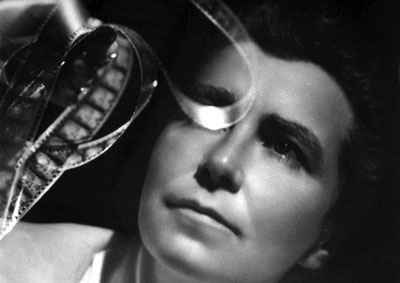
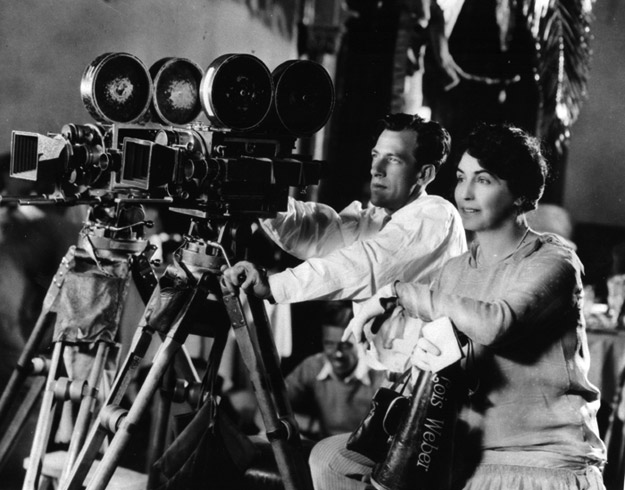
But that wasn’t the end of the movie’s journey. In 1973 an original 35mm negative was discovered at a Film Archive in Rochester, New York. Even though it was a copy of the American version, the quality was better than any Australian copies (it had also been mislabelled The Sentimental Blonde). And in 2000, Australia’s National Film and Sound Archive embarked on a restoration project that included restoring the original colour tinting as much as possible. The results were shown at the 2004 Sydney Film Festival to further acclaim, proving that Longford and Lyell’s efforts all those years ago will continue to be appreciated – and rightly so.

Rating: 9/10 – a bona fide classic that still stands the test of time, The Sentimental Bloke is Australian silent cinema at its finest: dramatic, funny, emotionally earnest, and heartwarming; as one of the few movies to survive (relatively) intact from the period, it should be required viewing for anyone interested in silent cinema, or just because it’s a beautiful story beautifully told.

Share this:

  • Click to share on X (Opens in new window) X
  • Click to share on Facebook (Opens in new window) Facebook
  • More
  • Click to print (Opens in new window) Print
  • Click to email a link to a friend (Opens in new window) Email
Like Loading...

Ladies and Gentlemen – Introducing… For One Week Only

12 Wednesday Aug 2015

Posted by dullwood68 in Movies

≈ Leave a comment

Tags

Australian cinema, For One Week Only, Introduction

For anyone with an interest in movies, there’s generally a point in time when they realise that there’s one aspect of movie watching that provides more pleasure than all the others. It might be a particular genre, horror perhaps, or historical dramas, or movies set in a specific country. It might be a certain theme (addiction, corporate crime), or movies made by the same director or actor. Whatever it is, any movies connected with that aspect will come to mean the cinematic equivalent of comfort food, and sometimes, even if the movie is really, really, really bad, you’ll still gain some degree of satisfaction from watching it.

For me, horror movies fit the bill. I grew up watching them, I continue to watch them (good, bad, or frankly appalling), and if I’m having a really bad day, or just feel completely fed up or miserable, I sit down and watch the worst horror movie I can find. (We’re talking Leprechaun: Origins (2014) levels of bad here.) And it always does the trick.

With that in mind, let me introduce a new feature on thedullwoodexperiment: For One Week Only. The idea is to focus on one theme or actor or country’s output or cinematographer or point in history (or future) or genre or production company – you get the gist. This feature will occur roughly every six to eight weeks and will cover the selected topic/person in some detail across the week. During these weeks the regular reviews and trailer alerts will continue to appear, but will take a back seat to the new feature. Any and all feedback will be greatly appreciated, as will any suggestions for future weeks.

The first For One Week Only begins on Monday 17 August with a look at the Australian movie industry, and will comprise a kind of potted history of its development, and include reviews of movies that have been either instrumental in bringing Australia’s output to the attention of international audiences, or have a historical significance. Australian cinema is unique, and I’m looking forward to exploring that strange, wicked, off-beat world in all its cinematic glory. I can’t wait to get started on Monday – as Nux from Mad Max: Fury Road (2015) might say, “What a day! What a lovely day!”

For One Week Only (1)

Share this:

  • Click to share on X (Opens in new window) X
  • Click to share on Facebook (Opens in new window) Facebook
  • More
  • Click to print (Opens in new window) Print
  • Click to email a link to a friend (Opens in new window) Email
Like Loading...

Blog Stats

  • 490,512 hits

Recent Posts

  • 10 Reasons to Remember Bibi Andersson (1935-2019)
  • Fantasia (1940)
  • Dances With Wolves (1990) – The Special Edition
  • Kiss of the Spider Woman (1985)
  • The Three Musketeers (1973)

Top Posts & Pages

  • The Dark Tower (2017)
    The Dark Tower (2017)
  • The White Orchid (2018)
    The White Orchid (2018)
  • Lost for Life (2013) - Another Look
    Lost for Life (2013) - Another Look
  • Captain Fantastic (2016)
    Captain Fantastic (2016)
  • Miss Baek (2018)
    Miss Baek (2018)
  • Two Shorts by François Ozon: A Summer Dress (1996) and X2000 (1998)
    Two Shorts by François Ozon: A Summer Dress (1996) and X2000 (1998)
  • Central Intelligence (2016)
    Central Intelligence (2016)
  • Taken (2008)
    Taken (2008)
  • A Brief Word About Cineworld Unlimited
    A Brief Word About Cineworld Unlimited
  • Nancy Drew... Reporter (1939)
    Nancy Drew... Reporter (1939)
Follow thedullwoodexperiment on WordPress.com

Blogs I Follow

  • Rubbish Talk
  • Film 4 Fan
  • Fast Film Reviews
  • The Film Blog
  • All Things Movies UK
  • Interpreting the Stars
  • Let's Go To The Movies
  • Movie Reviews 101
  • TMI News
  • Dan the Man's Movie Reviews
  • Film History
  • Jordan and Eddie (The Movie Guys)

Archives

  • April 2019 (13)
  • March 2019 (28)
  • February 2019 (28)
  • January 2019 (32)
  • December 2018 (28)
  • November 2018 (30)
  • October 2018 (29)
  • September 2018 (29)
  • August 2018 (29)
  • July 2018 (30)
  • June 2018 (28)
  • May 2018 (24)
  • April 2018 (21)
  • March 2018 (31)
  • February 2018 (25)
  • January 2018 (30)
  • December 2017 (30)
  • November 2017 (27)
  • October 2017 (27)
  • September 2017 (26)
  • August 2017 (32)
  • July 2017 (32)
  • June 2017 (30)
  • May 2017 (29)
  • April 2017 (29)
  • March 2017 (30)
  • February 2017 (27)
  • January 2017 (32)
  • December 2016 (30)
  • November 2016 (28)
  • October 2016 (30)
  • September 2016 (27)
  • August 2016 (30)
  • July 2016 (30)
  • June 2016 (31)
  • May 2016 (34)
  • April 2016 (30)
  • March 2016 (30)
  • February 2016 (28)
  • January 2016 (35)
  • December 2015 (34)
  • November 2015 (31)
  • October 2015 (31)
  • September 2015 (34)
  • August 2015 (31)
  • July 2015 (33)
  • June 2015 (12)
  • May 2015 (31)
  • April 2015 (32)
  • March 2015 (30)
  • February 2015 (37)
  • January 2015 (39)
  • December 2014 (34)
  • November 2014 (34)
  • October 2014 (36)
  • September 2014 (25)
  • August 2014 (29)
  • July 2014 (29)
  • June 2014 (28)
  • May 2014 (23)
  • April 2014 (21)
  • March 2014 (42)
  • February 2014 (38)
  • January 2014 (29)
  • December 2013 (28)
  • November 2013 (34)
  • October 2013 (4)

Create a free website or blog at WordPress.com.

Rubbish Talk

Film 4 Fan

A Movie Blog

Fast Film Reviews

The Film Blog

The official blog of everything in film

All Things Movies UK

Movie Reviews and Original Articles

Interpreting the Stars

Dave Examines Movies

Let's Go To The Movies

Film and Theatre Lover!

Movie Reviews 101

Daily Movie Reviews

TMI News

Latest weather, crime and breaking news

Dan the Man's Movie Reviews

All my aimless thoughts, ideas, and ramblings, all packed into one site!

Film History

Telling the story of film

Jordan and Eddie (The Movie Guys)

Movie Reviews & Ramblings from an Australian Based Film Fan

Privacy & Cookies: This site uses cookies. By continuing to use this website, you agree to their use.
To find out more, including how to control cookies, see here: Cookie Policy
  • Subscribe Subscribed
    • thedullwoodexperiment
    • Join 481 other subscribers
    • Already have a WordPress.com account? Log in now.
    • thedullwoodexperiment
    • Subscribe Subscribed
    • Sign up
    • Log in
    • Report this content
    • View site in Reader
    • Manage subscriptions
    • Collapse this bar
 

Loading Comments...
 

    %d