Cast: James McAvoy, Michael Fassbender, Jennifer Lawrence, Oscar Isaac, Nicholas Hoult, Rose Byrne, Evan Peters, Sophie Turner, Tye Sheridan, Kodi Smit-McPhee, Lucas Till, Olivia Munn, Ben Hardy, Alexandra Shipp, Josh Helman, Ally Sheedy
It’s okay.
Rating: 6/10 – an average sequel that offers a muddled storyline complete with yet more disaster porn, the best thing you can say about X-Men: Apocalypse is that it’s competently made; without a strong emotional core to help the audience care about the characters, or a real sense of impending apocalypse to make the stakes all the more gripping, this is a sequel that fails to build on the good work achieved in the previous two instalments.
Cast: Ben Stiller, Owen Wilson, Will Ferrell, Penélope Cruz, Kristen Wiig, Kyle Mooney, Justin Theroux, Cyrus Arnold, Benedict Cumberbatch, Nathan Lee Graham, Billy Zane
Zero
Originality
Or
Laughs
Applied,
Now
Don’t
Ever
Repeat!
2 (for the money)
Rating: 3/10 – Stiller and co re-team for another crack at making idiot male model Derek Zoolander funny – and still miss the boat, the dock, hell, the whole damn harbour; the above photo says it all, as Zoolander 2 strikes out by repeating much of the same material the original trotted out, and (using just the one example) by thinking that “jokes” such as Susan Boyle giving the finger to a bunch of paparazzi is equal to side-splitting hilarity.
Cult movies are often beloved by their admirers beyond all other movies – passionately, fiercely, and with little truck for anyone or anything that tarnishes that movie’s reputation or their belief in it. Tell a fan of The Rocky Horror Picture Show (1975) that anyone who attends a midnight screening in costume is a few sexual peccadilloes short of an orgy, and you’re likely to be slapped round the face with a posing pouch. But cult movies, by the nature of their fans’ love for them, will often attract producers with an eye to making a quick buck by exploiting said fans’ love and affection. Here’s one such movie, apparently made with the best of intentions but which in practice proved to be as far from those intentions as it’s possible to get.
S. Darko (2009) / D: Chris Fisher / 103m
Cast: Daveigh Chase, Briana Evigan, Jackson Rathbone, James Lafferty, Ed Westwick, Matthew Davis, John Hawkes, Bret Roberts, Elizabeth Berkley
By now – unless they’re trapped somewhere in the Fragmentary Universe – fans of Donnie Darko (2001) will have realised or heard that S. Darko is a less than satisfactory follow up to Richard Kelly’s surreal mindbender of a movie. With zero involvement from Kelly himself (not even a “good luck guys!”), this independently made sequel was created with the intention of taking place in “a similar world of blurred fantasy and reality”. Watching the movie, one thing is abundantly clear: neither director Chris Fisher nor screenwriter Nathan Atkins has any real idea of the world that Kelly created for Donnie Darko, or more importantly, the elements that made it all work.
The worst idea they have is to focus on Donnie’s younger sister, Samantha (Chase), as if by using one of Kelly’s original characters (and persuading the original actress to return to the role) it will lend their movie a degree of legitimacy it otherwise wouldn’t have. That this doesn’t work is evidenced by the way in which the character is treated. Samantha has run away from home, aged seventeen, with her best friend Corey (Evigan). When their car breaks down in Utah, the two friends accept a lift into the nearest town, Conejo Springs. Once there, Samantha finds herself sleepwalking; in this state she sees a future version of herself talking to a disturbed man nicknamed Iraq Jack (Lafferty). She tells him that the world will end in a few days’ time on July 4th.
Aside from passing on these messages, Samantha tends to wander aimlessly around town bumping into various locals and being treated like a bystander in her own storyline. She does get involved in the mystery of a missing child but it’s a subplot that, like large portions of the movie, hasn’t been thought through enough, and it feels like a distraction from the larger story. References to Donnie are made but Samantha’s reactions are muted, as if both Atkins and Chase don’t really know how to articulate her feelings over what happened to him at the end of Donnie Darko. What the script does do however, is saddle both the character (and the unfortunate Chase) with little motivation and even less development, preferring instead to treat Samantha in a callous (and careless) manner not once but twice (you’ll know how when you see the movie – not that you should, of course).
Atkins’ script is further muddled by its end of the world plotting, incoherent notions of time travel, secondary characters such as creepy bride of Jesus Trudy Kavanagh (Berkley), and inclusion of local nerd Jeremy (Rathbone) who develops a nasty looking rash that remains unexplained and immaterial to the narrative. There are further problems that Atkins can’t overcome, but the main one is his inability to craft dialogue that sounds like a real human being would say it. Here’s just one deathless exchange, between Samantha and local bad boy Randy (Westwick):
Samantha: I didn’t tell you something before. My brother died too. I was ten. Ever since that day, nothing’s ever been the same.
Randy: Never will be. We can’t change that.
Samantha: Think it’ll ever get easier?
Randy: Probably get worse.
Samantha: Maybe it’s up to us.
Randy: No.
Samantha: Wake up, start over?
Randy: I wish I could believe that. We have the same holes in our hearts, you and me.
That exchanges like that one are delivered with such po-faced sincerity makes it almost impossible to take the movie seriously. It’s like watching a teen movie where the leads are trying to make sense of relationship issues rather than fathom the mystery they’re all involved in. The plot – such as it is – is developed in fits and starts, and in such a haphazard manner that when it’s all wrapped up neatly (and with the cinematic equivalent of a bow on top), the viewer who’s managed to reach the end will be wondering what the previous ninety-five minutes were all about (or for).
Fisher may well be a fan of Kelly’s (emphasis on the) original movie, and he and Atkins may have set out to make a companion piece to that movie, but they show their complete lack of understanding of what made Donnie Darko such an extraordinary experience at every turn. Even on its own merits the movie struggles to perform effectively, with Fisher failing to inject any tension into the material, and leaving scenes feeling listless and uninvolving. The spirit of the original is missing entirely, as is the sense of mystery and chaos just beyond the veil of everyday life. And anyone waiting to see Frank put in an appearance, be prepared for disappointment; here his presence is entirely symbolic.
Rating: 3/10 – while using time lapse shots of clouds as indications of a portentous enigma may work in some movies, in S. Darko it merely serves to remind viewers of just how devoid of purpose and originality the movie really is; jumbled and unnecessary, it’s a movie that doesn’t even try hard enough to match its predecessor for subtlety or thought-provoking drama.
There are dozens of sequels that turn up uninvited, years after their predecessor was first released. Some arrive without any kind of fanfare, while others appear with all the promotional backing available under the sun. Beware of those that arrive under the latter circumstances – sometimes the hype is designed to grab as much at the box office as the movie can manage before word of mouth kicks in and people begin to realise the movie is one to avoid. When the movie in question is a belated sequel to a much-loved original, any abundance of hype is perhaps the biggest clue that the sequel should be avoided. Here is one such example, a movie that came along seventeen years after the original, and still begs the question, why? (Read on for the answer.)
Cast: Diego Luna, Romola Garai, Sela Ward, John Slattery, Jonathan Jackson, Mika Boorem, January Jones, René Lavan, Patrick Swayze, Mya
If you watch the opening credits of Dirty Dancing: Havana Nights closely, you’ll find that one of the producers is called JoAnn Fregalette Jansen (she also has a small, non-speaking role in the movie itself). Jansen lived in Cuba, aged fifteen, during the period the movie is set in, 1958. Playwright Peter Sagal wrote a screenplay based on Jansen’s experiences of the Cuban Revolution, and her relationship with a Cuban revolutionary. The screenplay was titled Cuba Mine and was a serious examination of the events that occurred in Cuba at the time, and how the country’s political idealism became polluted by the Communist ideology that replaced the more liberal regime that existed in the Fifties.
The script was commissioned by Lawrence Bender in 1992. Bender was fresh from the success of producing Reservoir Dogs (1992), but the script went unproduced until Bender revisited it again ten years later. However, Sagal’s script was only used as the basis of a completely new script by Boaz Yakin and Victoria Arch. The end result? A disastrous attempt to recreate the magic of Dirty Dancing (1987).
With the original having proved so successful, and having gained a place within the cultural zeitgeist (“Nobody puts Baby in a corner”), a sequel was always likely to appear eventually, but this is a movie that spends its thankfully short running time replicating the original’s storyline instead of coming up with something new. It’s the eternal problem facing sequels everywhere: how to combine enough DNA from the original movie with newer, fresher elements to make a satisfying whole. Sadly, Dirty Dancing: Havana Nights is a sequel that can’t even assemble enough DNA from its predecessor to make much of a difference. It’s perfunctory, lazy, and lacks impact.
It also has a hard time doing the one thing that it should get right above all else, namely the dance routines. Thanks to the movie’s Cuban setting, the music and dance numbers are meant to be energetic, effortlessly fluid, and somewhat mildly erotic, but thanks to the movie’s determined efforts to edit the dance sequences into bite-sized shots that often don’t match the moves on show immediately before and after each shot, the very elements that are meant to draw in an audience are undermined from the word go. Now this could be a conscious, artisitic decision made by director Guy Ferland and his editors, Luis Colina and Scott Richter, in which case the trio have no idea of how to put together a dance sequence; or it could be that Luna and Garai’s moves weren’t quite as impressive as everyone hoped and they needed a little “help” in looking so accomplished (you decide).
Elsewhere the movie is equally determined to rely on cinematic and cultural clichés in order to tell its story. If the movie was even remotely realistic, it would be easy to believe that, before the revolution, all Cubans were happy-go-lucky souls who never tired of singing and dancing on pretty much every street corner. There are moments of casual racism that don’t amount to anything in terms of the drama, as well as cursory references to the political struggle happening at the time. Luna’s hotel waiter, Javier, evinces his distrust of Americans only until Garai’s preppy Katey waves the lure of competition prize money under his nose, while Katey’s family hang around in the background waiting to be given something to do.
The performances are average, with Luna and Garai developing an uneasy chemistry that seems more convincing on the dance floor than anywhere else, while Ward and Slattery get to play good cop/bad cop once Katey’s relationship with Javier is revealed (the scene in question is notable for playing like an outtake from a TV soap opera). Spare a thought though for poor old Patrick Swayze, co-opted into the script as a dance class instructor who gets to show Katey some moves before being reduced to providing reaction shots during the dance competition. Swayze looks uncomfortable in his scenes, as if he’s having second thoughts about being in the movie but also realising it’s too late to back out.
The movie is a sloppy mess, shot through with an earnest quality that wants to be taken for drama. But like so much on display it’s often involuntary, as if the various elements of the screenplay were put together in a blender rather than a word processor. Ferland directs it all with little or no attention to the emotions of the characters – Garai spends quite a bit of time looking upset but gets over it all just as quickly as it’s started – but at least he manages to make the Puerto Rican locations look suitably beautiful, throwing in wondrous sunsets and sunrises with giddy, artistic abandon.
Rating: 3/10 – unimaginative, even in its dance routines, Dirty Dancing: Havana Nights lacks a compelling storyline and characters to care about; with so many aspects not working to their full potential, the movie proves to be inferior in almost every way to its predecessor – and no one should be surprised.
Horror movies – God bless ’em for their ability to have audiences shaking their heads in frustration as yet another group of teens head off to the haunted woods/abandoned building/kill zone of their choice, only to have their now ritualised behaviours interrupted and curtailed by whichever masked serial killer/escaped demon/demented whackjob happens to be lurking nearby. (And before anyone complains, yes, that description doesn’t cover every horror movie, but it is indicative of a great deal of modern “horror”; the true horror is that these tired, hoary old storylines are trotted out time and again.)
With horror movies becoming increasingly derivative and lacking in originality, the idea of watching one of them with a number at the end of the title isn’t exactly thrilling. Horror sequels rarely ever live up to the promise that may have been delivered by their predecessor, and it’s a very rare horror sequel indeed that expands effectively on, or outstrips, its parent. Not even the prospect of the same writer/director at the helm is a guarantee of quality. Here’s one example of a horror sequel that was much anticipated, but which didn’t live up to everyone’s expectations.
The Wicker Tree (2011) / D: Robin Hardy / 96m
Cast: Britannia Nicol, Henry Garrett, James Mapes, Lesley Mackie, Clive Russell, Graham McTavish, Jacqueline Leonard, Honeysuckle Weeks, Christopher Lee
The Wicker Man (1973) is an acknowledged horror classic, a brooding, unsettling movie that lingers in the memory, and features one of Christopher Lee’s finest performances. The news that the movie’s writer/director Robin Hardy was working on a sequel first surfaced in 2002, and Lee was set to return as Lord Summerisle. But problems with financing kept the movie from being made, and Hardy turned his screenplay into a novel (unfortunately titled Cowboys for Christ). Hardy next adapted his novel into the screenplay that was used for The Wicker Tree, and it’s this process that perhaps gives the best clue as to why the movie doesn’t work as successfully as it should.
Returning to themes set around the belief in paganism in the modern world, The Wicker Tree could, and perhaps should, have been a worthy follow-up to Hardy’s classic original. But the flaws are there from the beginning, and it’s not long before the viewer has no option but to realise that this sequel isn’t going to live up to expectations. Hardy’s story is as basically simple as in The Wicker Man: a religious individual finds themselves caught up in a pagan community, and learns that they are being used as part of a fertility rite that will ensure the community’s survival. But where The Wicker Man had subtlety and a well-judged sense of impending doom for its central character, The Wicker Tree lacks both these elements, and struggles to establish itself as a worthy successor. Part of the problem is the central character of Beth (Nicol), an evangelical Christian from Texas. Thanks to Hardy’s script, and Nicol’s performance, Beth is a character we never get to really know or sympathise with. With no one to root for, or get anxious about, the movie lacks tension as a result.
There’s also a problem with another character, Sir Lachlan Morrison (McTavish). Originally meant to be played by Christopher Lee, the role is this movie’s equivalent of The Wicker Man‘s Lord Summerisle. But Hardy doesn’t do enough with the role to give McTavish a chance of making him as mesmeric as Lee, or as quietly chilling. McTavish was originally meant to play the role of Morrison’s butler, Beame (Russell), but when Lee was unable to fill the part, McTavish was “promoted”. In doing so, Hardy appears to have recast the part without rewriting the character to match the actor’s skill and ability (McTavish isn’t a patch on Lee). This leads to scenes where McTavish looks uncomfortable, and where his credibility is often in question.
The actions of the community lend themselves to some unfortunate moments of unintended levity, and the May Day celebrations that will culminate in another sacrifice. There are too many of these moments for comfort, and Hardy seems unable to recognise that these are hurting the movie rather than supporting it. Echoes of the first movie abound, but lack a similar effect: where Britt Ekland’s naked dance is rightly remembered for its eerie, yet uncompromising sexuality, here we have Honeysuckle Weeks topless in a river; with apologies to Ms Weeks, it doesn’t evoke the same response.
Tonally the movie is all over the place, with scenes not having even the barest impact and the plot being propelled forward without any sense that there’s a real through line. As it moves forward, the movie struggles to maintain a sense of the impending horror that awaits Beth come May Day, and although knowledge of the first movie isn’t necessary, the fact that it does exist, and that it is so good, makes Hardy’s mistreatment of his own material so hard to understand. He’s like a man adrift, failing to connect with a story that he’s spent so much time developing, and that translates to the screen. In taking so long to get his movie to the screen it appears that he’s lost sight of almost everything that made The Wicker Man so compelling.
Rating: 3/10 – a movie that makes you wonder just how its creator could have got it so badly wrong, The Wicker Tree is a lumpen, dreadful mess full of equally dreadful performances, and a storyline that defies logical appreciation; that it tarnishes the memory of The Wicker Man is bad enough, but being a bad movie through and through is worse still.
Cast: Ice Cube, Kevin Hart, Ken Jeong, Benjamin Bratt, Olivia Munn, Tika Sumpter, Bruce McGill, Michael Rose, Sherri Shepherd, Tyrese Gibson
Overheard at a cinema in Boise, Idaho (or somewhere like that – you get the idea):
Assistant: Hi, how can I help you today?
Customer: Hi. I’d like two tickets for Ride Along 2, please.
Assistant: Two tickets? Why?
Customer: I’m sorry?
Assistant: Why do you want two tickets? Don’t you like the person you’ve come with?
Customer: I beg your pardon.
Assistant: Look, it’s no skin off my nose, but wouldn’t you rather see something else? Like Norm of the North perhaps?
Customer: No, we’d like to see Ride Along 2. We like Kevin Hart. He’s funny.
Assistant: He is, yes. But unfortunately the movie isn’t.
Customer: Well, that’s your opinion. Now, can I have two tickets to see Ride Along 2? Please.
Assistant: Well, okay, I guess you’re old enough to know what you’re doing.
Customer: You know, you’re being very rude. I don’t think I’ve ever been so insulted before.
Assistant: Let’s not get ahead of ourselves, shall we? Wait until you’ve seen the movie, then decide, huh?
Rating: 3/10 – a dire sequel that recreates several of the first movie’s so-called “funniest moments”, Ride Along 2 proves that recycling isn’t as good for the environment (and particularly a cinema screen) as we’ve all been told; formulaic in the extreme, and low on real laughs, this is the kind of movie that studios make when they can’t think of anything that’s better/more original/more entertaining to make.
Cast: Ben Affleck, Henry Cavill, Amy Adams, Jesse Eisenberg, Diane Lane, Laurence Fishburne, Jeremy Irons, Gal Gadot, Holly Hunter, Scoot McNairy, Callan Mulvey, Harry Lennix
$250 million budget + uneven script + wayward direction + awkward performances + Jesse Eisenberg (“The red capes are coming, the red capes are coming”) + Doomsday looking too much like the Abomination from The Incredible Hulk (2008) + Batman and Superman being upstaged by Wonder Woman = the longest, most uninteresting, most bloated and unwieldy Batman and Superman movies yet. ‘Nuff said.
Rating: 4/10 – dreary, overlong, and lacking a coherent storyline, Batman v Superman: Dawn of Justice is neither a DC Universe movie that works, or a superhero movie that gives viewers anything new; with too many short cuts in the narrative to help overcome its sluggish construction, the movie provides further evidence – if any were needed – Snyder should move on, David S. Goyer shouldn’t be an automatic choice for DC screenplays, and Henry Cavill is still so awfully po-faced as the son of Kal-El.
Cast: Chris Hemsworth, Charlize Theron, Emily Blunt, Jessica Chastain, Nick Frost, Rob Brydon, Sam Claflin, Sheridan Smith, Alexandra Roach, Sope Dirisu
Once upon a time there were two sisters. One, Ravenna (Theron), lusted for power, and used her dark magic to take over kingdoms and rule them with an iron fist. The other, Freya (Blunt), had yet to find the magic gift she possessed, but Ravenna assured her the day would come when her power would assert itself. And then Freya fell pregnant, and had a baby. But then a tragedy occurred and her baby died in a fire, apparently caused by her baby’s father, her one true love. Her powers exerted themselves then, and Freya’s gift was to be able to control ice in all its forms. She exerted her revenge on her one true love, then left Ravenna’s care to make a kingdom for herself in the North. She became known as the Ice Queen, and she was feared by all.
Her pain found expression in a strange way. She would order the children from the villages in her kingdom to be rounded and trained as warriors for her growing army. All these children had to do was swear allegiance to her and foreswear any notion of love. In return she would give their lives meaning in their service to her. But love will out, and two children grew up to love each other, despite Freya’s law. Eric (Hemsworth) and Sarah (Chastain) made plans to leave Freya’s stronghold and their roles as huntsmen. But Freya learned of their plans and saw to it that they didn’t come to fruition. Eric saw Sarah killed, and he was knocked unconscious and thrown into the river to die.
But Eric survived. Time passed. Seven years, during which time he helped Snow White rid her kingdom of the villainous Ravenna. But now a new threat is in place. Ravenna’s mirror, a source of very powerful magic, has been stolen, and Eric is tasked with finding it and taking it to a sanctuary where it can be made safe. He agrees to the task, and is joined by two dwarves, Nion (Frost) and Gryff (Brydon). Soon they discover that Freya is trying to find the mirror as well. They seek help from two female dwarves, Mrs Bronwyn (Smith) and Doreena (Roach), and journey into a hidden forest inhabited by goblins to take back the mirror. But once they do they find themselves caught in a trap of Freya’s devising, leading to the mirror’s capture, and only one course of action left to them: to follow the Ice Queen back to her stronghold and destroy her and the mirror once and for all.
Snow White and the Huntsman (2012) was an unexpected success, trading on Theron’s evil hearted queen and Kristen Stewart’s take on Snow White as a fantasy version of Joan of Arc. It had an impressive budget – $170 million – and made back nearly $400 million at the international box office. A sequel was always on the cards, it was just a matter of when. But here’s the rub: The Huntsman: Winter’s War isn’t just a sequel, it’s also a prequel. In it we see the Huntsman’s back story, his childhood years as a trainee in Freya’s huntsman army and his eventual love affair with Sarah, whom he marries in secret. When she dies, fate spares his life and the movie skims over the events of its predecessor with a single line of narrated dialogue (courtesy of Liam Neeson).
Then we’re fully in sequel mode, as Sam Claflin’s earnest prince convinces Eric to look for the mirror. And Freya, who has been adding nearby kingdoms to her own over the past seven years, gets wind of the mirror and its magical properties. A race against time, then, to see who reaches the mirror first. Alas, no, not really. Instead, after an eventful and encouraging first half hour, the movie settles down into fantasy adventure mode, with humour provided by Frost and Brydon. Freya’s threat is put on the back burner and Eric is confronted with a figure from his past who provides complications for his quest. It’s all serviceable enough, and despite everyone’s best efforts, all entirely forgettable.
The problem lies both with the script by Evan Spiliotopoulos and Craig Mazin, and Nicolas-Troyan’s direction. The script lumbers from one unconnected scene to the next, straining the audience’s patience thanks to semi-amusing quips and snide remarks courtesy of Brydon, cowardly assertions from Frost, an drab, wearing performance from Chastain, and Hemsworth’s assumption that a big grin can pass for acting when he so desires (sorry, Chris, it doesn’t). Ravenna remains the primary adversary, despite being off screen for two thirds of the movie, and Freya’s delusional take on love and its inability to offer true contentment is recounted so often it’s as if the makers weren’t sure an audience would grasp the idea the first time around.
But if the movie’s storyline and plotting are a cause for alarm, spare a thought for Nicolas-Troyan, bumped up from second unit director on the first movie, and a poor second choice after Frank Darabont, who was attached to the project for some time before he dropped out. He’s not so bad when it comes to the action sequences, but in between times, when the characters have to display their feelings, or the script calls for another bout of humorous insults (which are pretty much all of Brydon’s lines), his lack of experience shines through. Too many scenes fall flat or fail to make much of an impact, and the cast are left to inject whatever energy they can, but with the script and their director seemingly working against them, it’s an uphill struggle for all of them.
This being a big budget fantasy movie, however, it does score highly for its production design, its costumes, and its special effects (though an encounter with a goblin isn’t as effective as it should be, thanks to its looking like an angry ape with a liking for bling). The ice effects are cleverly done, and there’s a pleasing sense of a real world lurking behind all the CGI, while James Newton Howard contributes a suitably stirring score to help prop things up when it all gets a little too silly (which is most of the middle section). And of course, the makers can’t help themselves at the end, and leave a way open for a further (full-fledged) sequel. But if anyone really cares by that stage, then the movie will have truly worked its magic.
Rating: 5/10 – a superficially appealing prequel/sequel, The Huntsman: Winter’s War isn’t the most memorable of fantasy movies, and chances are, viewers will have forgotten most of its content a short while after seeing it; it’s not a bad movie per se, but then it’s not a good movie either, and sometimes, that’s the worst anyone can say about any movie.
Cast: Shailene Woodley, Theo James, Naomi Watts, Octavia Spencer, Jeff Daniels, Zoë Kravitz, Ansel Elgort, Miles Teller, Keiynan Lonsdale, Daniel Dae Kim, Maggie Q, Bill Skarsgård, Jonny Weston, Ray Stevenson, Mekhi Phifer, Ashley Judd
And so Jeanine is dead, killed by Four’s mother, Evelyn (Watts). Everything’s okay and peace has been restored. Except that Evelyn is making sure it comes at a further price: everyone who was on Erudite’s side has to be put on trial and their “crimes” answered for. This means executions on a wide scale, and although Tris (Woodley) has disowned her brother, Caleb (Elgort), he faces the same fate. With the message from outside Chicago still indicating that there are more answers to be found outside the city than in, Tris and Four (James) opt to breach the wall and go in search of those answers. Four decides to help Caleb escape, and the trio are joined by Christina (Kravitz), Tori (Maggie Q), and Peter (Teller). Despite an attempt to stop them by Evelyn’s lieutenant, Edgar (Weston), they climb over the wall and down to the other side.
There they find a toxic wasteland, where the earth is a scorch blasted red. Having been followed by Edgar, the group are relieved when they reach a force field that opens to reveal an armed force. This group protects Tris and her friends from Edgar, and with his threat neutralised, they take Tris and company to their base far out in the wasteland, the so-called Bureau of Genetic Welfare, where Tris in particular is welcomed by the Bureau’s director, David (Daniels). With Tris being the fruit of an experiment to right a wrong perpetrated long ago, David is keen to run tests on her, while keeping Four and the others occupied and away from her as much as possible. But Four is quick to suspect that David isn’t as honest as he makes out, but Tris doesn’t see it.
Meanwhile, back in Chicago, Johanna (Spencer) has formed a group she calls Allegiant, and who are at odds with Evelyn’s way of running things. Another war of attrition is about to take place between the two factions, and though Tris wants David to intervene – after all, he has been monitoring Chicago for a long time because of the experiment – but instead of doing so, he sends Peter back with a nerve gas that will render everyone who comes into contact with it, unable to remember anything that happened to them before they were exposed. And while David takes Tris to meet the Council who ultimately decide everyone’s fate, Four discovers what the gas has been used for in the wasteland. And when Tris finally becomes aware of David’s duplicity, she and Four, along with Christina and Caleb, return to Chicago to stop Evelyn from using the gas on Allegiant.
Three movies in and the Divergent series is showing serious signs that it’s running out of ideas. Allegiant is superficially entertaining, but in comparison with parts one and two, it lacks anything fresh to entertain either fans or newcomers. It’s also the first time that the series gives up on Tris as an independent, strong-minded female, and instead hands over leadership duties to Four – which wouldn’t be such a bad idea if he wasn’t written as a bit of a pompous told-you-so kind of character. (Throughout the series, Four has been the gloomiest character of them all, unable to smile or express his feelings about anything without a frown.) And with Tris relegated to a secondary role, there’s only Daniels left to pick up the slack, as everyone else (James excepted) is afforded only enough screen time to either provide any relevant exposition, or keep the plot ticking over (Spencer and Watts are wasted, while Judd is brought back yet again to add some more of her character’s turgid back story).
The problem with the movie is twofold: one, it’s the first half of the third book in the series, and as such, doesn’t have a credible ending, just another narrowly avoided cliffhanger that leaves things open for part four (or should that be part three-point-five?); and two, the action seems more than usually contrived once Tris et al leave Chicago. The wasteland is less than threatening, and the Bureau is predictably shiny on the surface (and in David’s “office”), while the barracks Four and Christina are assigned to are remarkably similar to those inhabited by Dauntless in the first movie. It’s all brightly lit and commendably shot by esteemed DoP Florian Ballhaus (returning from Insurgent (2015) and already hired for the next instalment), but it’s becoming hard to care what happens to anyone.
At its heart, the Divergent series is about DNA profiling and the perils that can follow on from it. It’s a concept that’s been there in the first two movies, but which hasn’t been addressed directly. But now that it has, and through the medium of video no less, the truth behind the use of Chicago as a test ground, and the true meaning of being Divergent, all sounds quite dull and unexciting. The movie fails to make Tris’s nature important to its own story, and instead opts for being yet another race-against-time thriller, abandoning the ethical and moral debate it wants to engage in and relying on tried and trusted action movie clichés to wind up its narrative.
It’s no surprise that the movie has underperformed at the box office (leading to the final movie, Ascendant, due next year, having its budget cut), because even though Tris makes it out of Chicago, once she does, the movie doesn’t know what to do with her, and for a character as intriguing and interesting as Tris, that’s a terrible decision to make on any level. And it doesn’t help that your central villain is ultimately a harried bureaucrat, a futuristic pen-pusher if you will. That’s another stumble, and especially bad after having Kate Winslet fill the villain’s shoes for the first two movies. It all adds up to a movie that coasts on the success of its predecessors, and feels and looks like a stopgap before the real conclusion in part four.
Rating: 5/10 – another series instalment that will have newcomers wondering what all the fuss has been about, Allegiant is a movie that has little to offer in terms of its characters’ development, or in terms of expanding the wider narrative; Woodley – this series’ biggest asset – is sidelined for much of the movie, and though James is a competent enough actor, he doesn’t have his co-star’s presence on screen, which makes large chunks of the movie something of a chore to sit through.
Cast: Jack Black, Bryan Cranston, Dustin Hoffman, Angelina Jolie, J.K. Simmons, Seth Rogen, James Hong, Lucy Liu, David Cross, Jackie Chan, Kate Hudson, Randall Duk Kim
In the Spirit World, Master Oogway (Kim) has his chi stolen from him by the villainous Kai (Simmons). With Oogway’s chi and those of the other denizens of the Spirit World, Kai can regain his human form and seek out the only warrior who can defeat him, the Dragon Warrior, aka Po the panda (Black). Meanwhile, Po has his own problems. Master Shifu (Hoffman) has given him the role of teaching the Famous Five, and subsequently he meets his real father, Li (Cranston). When Kai sends his emissaries to challenge Po, the Famous Five intervene but aren’t strong enough to defeat them; one by one they have their chi’s taken from them. Only Po has the strength and skill to best Kai, but first he must travel with his father to the village of his birth, and take instruction in how to become a Chi master; only then will he be able to defeat Kai and banish him back to the Spirit World.
Sequels with 3 in the title are often tired, limited affairs that trade on former glories while lacking the energy and freshness of their predecessors. However, Kung Fu Panda 3 bucks the trend and delivers a movie that is as energetic as 1 and 2, and proves to be just as entertaining. The kung fu moves are as impressive as ever, and the animated stylings that go with them are particularly exciting, especially in the Spirit World, where physics is a concept that’s easily ignored. In the real world, Po’s dilemma at discovering his real father after being raised so faithfully by Mr Ling (Hong) is played out amidst a strong mix of comedy and pathos, and the depiction of the panda village is bursting with wonderful characters and visual humour.
Kai is a villain in the mold of the first movie’s Tai Lung, and as a result is the movie’s weakest link, but Simmons is obviously having fun with the role (as is everyone else), and in comparison with the rest of the story, the character’s familiarity is not a major flaw. The burgeoning relationship between Po and Li is a definite bonus and has been handled well by scriptwriters Jonathan Aibel and Glenn Berger, their inclusion of Mr Ling doing justice to the relationship established in parts one and two. The visuals are as stunning as ever, and the colours have a photo-realistic sheen to them that haven’t been seen in previous outings, making it all the more superb than before.
Rating: 8/10 – a treat for the eyes (and as rewarding for the mind), Kung Fu Panda 3 is something of a retread of the first movie but in this case, it’s not a bad thing; with a superb voice cast and stunning animation throughout, this sequel proves that putting a lot of heart and soul into a movie pays off every time.
Cast: Gerard Butler, Aaron Eckhart, Morgan Freeman, Angela Bassett, Alon Moni Aboutboul, Robert Forster, Jackie Earle Haley, Melissa Leo, Radha Mitchell, Sean O’Bryan, Charlotte Riley, Colin Salmon, Waleed Zuaiter
Three years have passed since the events of Olympus Has Fallen. Benjamin Asher (Eckhart) is in his second term of office as the US President, and Mike Banning (Butler) is still his most trusted Secret Service agent. Mike and his wife, Leah (Mitchell), are expecting their first child, and this newly approaching responsibility has prompted Mike to consider resigning from the Secret Service. But before he can make a final decision, the unexpected death of the British Prime Minister means a state funeral and the attendance of around forty heads of state from around the globe, including Asher.
In London, their arrival at the funeral triggers a series of terrorist attacks on some of the various heads of state: a barge explosion on the Thames that kills the French President, bombs going off at either end of Chelsea Bridge where the Japanese Prime Minister is held up in traffic, a further explosion at the Houses of Parliament where the Italian Prime Minister is canoodling with his latest girlfriend, and gunfire outside Buckingham Palace where the German Chancellor is mowed down. A firefight between the Secret Service and heavily armed terrorists ends with Asher, Banning, and Secret Service director Lynne Jacobs (Bassett) escaping by car and then by helicopter. But soon their helicopter is shot down, and Asher and Banning have to find safety before they’re found by the terrorists.
They find temporary sanctuary at an MI6 safe house, along the way learning that the main target of the attacks is Asher himself, and that he’s wanted alive so that he can be executed, live on the Net, for everyone in the world to see. At the safe house they also discover the reason why: two years before, Asher ordered a drone strike on a notorious arms dealer, Aamir Barkawi (Aboutboul). Barkawi survived, as did his son Kamran (Zuaiter), but his daughter was killed in the blast. This is his revenge. Aided by MI6 agent Jacquelin Marshall (Riley), Asher and Banning also discover that someone is aiding Barkawi by providing access to the British security systems.
With the safe house compromised, Asher and Banning escape but they’re ambushed, and Asher is taken. Banning learns the terrorists’ location at the same time the US and British security services do, and together with an SAS unit, he makes a last ditch effort to rescue Asher and put an end to Barkawi’s plan.
Olympus Has Fallen was a surprising success back in 2013, a thick-eared, jingoistic action movie that took its premise seriously and wasn’t afraid of being occasionally brutal and uncompromising (Banning’s interrogation technique). That it was also hugely absurd and as dumb as a bag of nails didn’t seem to hurt its performance at the box office, and it was helped immensely by Butler’s no-nonsense attitude in the role of Banning. Here he’s similarly resolute, only cracking a smile when discussing being a parent, or delivering occasional wisecracks as and when the script requires him to. And the rest of the returning cast all retain that poker-faced sincerity, pulling horrified faces when needed and looking shocked the rest of the time (except for Freeman, who remains passive pretty much throughout).
The narrative is predicatably inane, the kind of illogical mix of coincidence and haphazard plotting that sees perfectly orchestrated attacks occur in a matter of minutes, but which would have had to rely on the alignment of too many variables to ever work in reality (and yes, of course this isn’t reality, it’s escapism, but even escapism can keep a foothold in the real world). There’s a degree of fun to be had in seeing so many iconic London landmarks blown up or strafed by bullets or suffering incidental damage due to car chases, but it’s all strangely unimpressive. The first movie was made for $70m, but this time round it feels as if the budget was lower, and as a result, the CGI employed looks rougher and less convincing. And the action sequences have that speeded-up, over-edited approach that makes everything happen in a blur, and robs them of any impact.
London Has Fallen crams a lot into its relatively short running time, but most of it is to little effect. Once London has “fallen” the movie doesn’t really know what to do, and resorts to having Asher and Banning running around and killing bad guys at every turn. Barkawi is a better villain than Olympus‘s Korean antagonist, his personal vendetta a better reason for events than any political ideology, but his son Kamran is soon reduced from being his sister’s avenger to just another thug spouting anti-Western sentiments. Back home, Leah’s expecting a baby is meant to show that Banning isn’t all dour looks and grim forebodings (at one point he even suggests their baby has a Kevlar mattress), but with no likelihood of any threat being aimed in their direction, and with Banning being practically indestructible, all talk of his getting back safely to be a dad is redundant. And the subplot involving the mole? You’ll know who it is the moment they appear on screen.
The change of location means a further devaluing of the premise, as the series charges around London (and Romania) with all the subtlety of a Pamplona bull, and the city’s iconic landscape gives way to a series of nondescript back alleys and buildings that have all the character of slum dwellings. You can see the movie getting cheaper and cheaper as it progresses, and by the end you could be forgiven for thinking you were watching a DTV movie made entirely in Romania (something with Steven Seagal in it perhaps). And the freshness and creativity of the first movie’s action scenes is abandoned in favour of an abundance of hallway shootouts where Banning seeks cover behind every available nook and cranny, while the bad guys stand out in the open so they can be more easily despatched.
Replacing Frederik Bond in the director’s chair, Najafi makes a half-decent fist of things, but he doesn’t bring anything memorable or enticing to the movie, shooting it in a flat, perfunctory way that keeps things from getting too exciting or involving. But with a script that never tries to be anything more than simplistic or pedestrian, Najafi was unlikely to be able to elevate the material, and the result is a movie that stalls far too often on its way to its inevitably dreary conclusion. Scenes rarely connect one to the next, and the movie’s one attempt at tragedy is ruined by the predictable outcome attached to the phrase, “Yes, I’ll be a godmother”.
If there is to be a third movie – and it’s possible, Asher still has two years in office to see out – then it’s to be hoped that a better story can be found than this one to suit the needs of the series. Butler continues to be the main draw, dishing out punishment with a viciousness that few action heroes indulge in, and he also dishes out a handful of one liners with the appropriate acknowledgment of how corny/risible/absurd they are in the given circumstances. Eckhart has only to keep up and get punched repeatedly when captured, while Freeman dons his Mantle of Gravitas with all the enthusiasm of an actor given nothing to do that’s different from before. Forster, Leo, O’Bryan and Haley all get occasional lines of dialogue, and the British contingent, led by Salmon as a befuddled Chief Inspector(!), has its ineptitude made plain until Riley’s appearance as a smart, methodical, and cynical MI6 agent.
As action sequels go, London Has Fallen isn’t going to set the box office alight, and it isn’t going to impress many viewers with its uninspired plotting, featherweight storylines and blink-and-you’ll-miss-it direction from Najafi. With most of its final forty minutes shot at night, it’s also one of the murkiest, most visually unrewarding movies made in recent years, and by the time Butler as Banning is making googly-eyes at his son, audiences will have been moved to lethargy. All of which makes the final shot, where Banning decides whether or not to resign, one that carries a tremendous amount of hope with it – and not that he stays in the service.
Rating: 5/10 – not so bad that it should be avoided, and not so good that it should be applauded, London Has Fallen sets its stall out early on and doesn’t deviate from its intention of being as thick-eared as its predecessor; laughable in places – especially to anyone who lives in London – but determined to ignore how absurd it is, the movie lumbers through the motions and never shows any sign that it wants to be any better than it is.
Cast: Jason O’Mara, Yvonne Strahovski, Stuart Allan, Sean Maher, Morena Baccarin, Gaius Charles, James Garrett, Ernie Hudson, Robin Atkin Downes, Travis Willingham, Geoff Pierson
Rating: 7/10 – when Batman (O’Mara) is missing believed dead after an encounter with The Heretic (Willingham), it falls to Nightwing (Maher), Robin (Allan) and newcomer Batwoman (Strahovski) to discover if he really is dead, or if his disappearance is part of a bigger plot; continuing Warner Bros. impressive streak of animated Batman movies, Batman: Bad Blood is as moody and psychologically sombre as its live action counterparts, even if some of its characters behave like children in their attempts to get along.
The Shanghai Cobra (1945) / Phil Karlson / 64m
Cast: Sidney Toler, Mantan Moreland, Benson Fong, James Cardwell, Joan Barclay, Addison Richards, Arthur Loft
Rating: 5/10 – the Oriental detective is tasked with finding the murderer of several bank employees, but the mystery turns out to be connected to an old case Chan was involved in years before in Shanghai; another conveyor belt Monogram/Charlie Chan movie, The Shanghai Cobra is hardly distracting, or distinguishable from any of its Forties brethren, but it’s entertaining enough in its way, and Toler still seems to be enjoying himself in the role (which is no mean feat).
Rating: 3/10 – Olympics wannabe sprinter Shania Andrews (Crichlow) makes it onto the UK team but finds her progress hampered by a rivalry with fellow athlete Lisa Temple (James), as well as personal problems of her own; for Fast Girls, writer and star Noel Clarke has fashioned a cliché-strewn drama that lacks cohesion between scenes and is laden with unconvincing dialogue, not to mention the paper-thin plotting and some extremely wayward performances.
Hotel Transylvania 2 (2015) / D: Genndy Tartakovsky / 89m
Cast: Adam Sandler, Andy Samberg, Selena Gomez, Kevin James, Steve Buscemi, David Spade, Keegan-Michael Key, Asher Blinkoff, Fran Drescher, Molly Shannon, Megan Mullally, Nick Offerman, Dana Carvey, Rob Riggle, Mel Brooks
Rating: 6/10 – Count Dracula (Sandler) has a grandchild – but will the little sprog turn out to be fully human, or will he sprout fangs and make his grandfather eternally happy?; a serviceable sequel, Hotel Transylvania 2 lacks momentum in the first hour and then pulls it together to provide a fun conclusion, which makes it okay for children, but adults will probably be wishing they were watching the first movie instead.
Cast: Randy Orton, Eric Roberts, Wes Studi, Steven Michael Quezada, Bill Stinchcomb, Alex Knight, Dylan Kenin, Michael Sheets, Morse Bicknell
The world of The Most Dangerous Game gets another hackneyed, played out already diversion in the form of The Condemned 2, yet another WWE Films exercise in low budget stupidity. You can imagine the meeting where such a movie is discussed and agreed: men in sharp suits sitting around asking themselves which WWE superstar they should employ in their latest cheaply produced action thriller, and which already expired concept should they put him in. And though Randy Orton has already paid his dues in 12 Rounds: Reloaded (2013), someone clearly felt that one embarrassing WWE movie on his CV wasn’t enough.
But what further movie to shoehorn him into? And then someone had the idea, the creative challenge that would make all the difference, and that would show a solid commitment to enhancing Orton’s onscreen career: a sequel to a movie made eight years before, and which had an actual budget and a degree of in-built credibility with its casting of “Stone Cold” Steve Austin and Vinnie Jones. Yes, someone said, let’s make a sequel to The Condemned (2007).
But then someone else must have interrupted all the cheering and the backslapping and the hearty congratulations for solving such a weighty issue. And that person must have said, “hang on, before we get carried away, we haven’t got the same kind of money to make a sequel that we did the original”. And everyone would have nodded their heads in agreement, acknowledging that the studio’s run of action movies over the last five years had underperformed spectacularly, and that as a result, budgets had been trimmed to within an inch of a WWE Diva’s waistline. So what to do? Come up with another idea?
The answer was clearly no. The answer was to scale back the production values of the original – obviously – and scale down the size of the original’s plot. Instead of a nationally televised manhunt taking place on a remote island, and Jones’s twisted psycho hellbent on killing Austin’s noble hero, how about a twisted psycho putting pressure on the team of an ex-bail bondsman to take part in hunting him through the dusty arroyos of New Mexico? Cue more nods of agreement, a phone call to Orton’s agent, the drafting of a production schedule, and hey presto! one more movie out of the starting (Lions)gate.
As quickly and as cheaply made as The Condemned 2 is though, it’s still a masterpiece in comparison to some of WWE Films’ other releases – Knucklehead (2010), and Leprechaun: Origins (2014), yes, we’re talking about you guys. But it does push the boundaries of credibility from the very start, as Orton and his team of heavily armed bail bondsmen infiltrate the hideout of a very bad man indeed (played by Studi), who’s worth a million if they bring him in alive. After much gunplay and a standoff between Orton and Studi, Orton kills the very bad man and is subsequently convicted of involuntary manslaughter (but he’s given a two year suspended sentence, so that’s okay). But Orton quits the bail business and decides he’s having nothing more to do with guns or criminals or running around in the middle of the night chasing bounties.
Of course, that’s what he thinks. In the meantime, Studi’s second in command, a shifty-looking sleazebag called Raul (Quezada) has set up a bizarre gambling casino in an abandoned industrial plant, where high rollers can bet on the outcome of the latest game in town: hunting the ex-bail bondsman. Having coerced/threatened/blackmailed his team to try and kill Orton, Raul encourages his bloodthirsty clientele to bet heavily on each encounter. But Orton proves unsurprisingly difficult to kill (note to WWE execs: how about that for a movie title?). As he struggles to get to the bottom of why his friends suddenly have murderous intentions toward him, Orton looks perplexed and confused, and often seems to have forgotten he has lines of dialogue. In comparison, while Orton underacts, Quezada takes up the shortfall and overacts like a ramped-up kid with ADHD.
Soon though, Orton finds out what’s going on thanks to one of his team showing some balls, and aided by his father (played by Roberts) and another of his team that he convinces to help him, Orton heads for Raul’s casino-cum-hideout, and against a backdrop of several dozen explosions, comes face-to-face with his nemesis. Yes, it’s not exactly Shakespeare, and nor should it be, but aside from its use of a drone as a way of Raul keeping track of what’s happening with Orton, there’s very very very little that either makes sense or shows any sign of an inventive approach to the material or the narrative. The script is credited to Alan B. McElroy, and if that name rings any kind of a bell, then it’ll be because he wrote Wrong Turn (2003), The Marine (2006), and way back, Halloween 4: The Return of Michael Myers (1988). (You should now have a pretty good idea just how bad the script is.)
Thankfully though, McElroy’s script has been put in the hands of low-budget action movie specialist Roel Reiné, whose recent career has seen him wrestle equally unwieldy storylines and plots to life, and often for WWE Films. One thing Reiné is good at is injecting energy into often tired screenplays. He’s also adept at boosting them by virtue of a visual style that allows for unexpected camera angles during fight scenes, and particularly here, some stunning overhead (drone-PoV) shots that look amazing, and show off the New Mexico landscape to impressive effect. They’re not enough to outweigh the dreary predictability of the script, or the muted performances of the cast (Quezada’s aside – he really needed a moustache to play with to complete the portrayal), but they do add rare moments of sunshine in an otherwise gloomy offering.
There are more WWE movies waiting in the pipeline to be released on an unsuspecting audience, and while there’s no sign that any of them will be better than The Condemned 2, one thing can be taken for granted: they’ll follow WWE Films existing template for making these kinds of movies: take one WWE superstar, add a few fight scenes and a handful of explosions, throw in a psychotic bad guy, and combine all these elements into a less than compelling whole, and on the stingiest budget possible. Next up? Dolph Ziggler and Kane in Countdown (2016). Now how can anyone pass that up?
Rating: 4/10 – there are worse WWE-backed movies out there, but this still takes some explaining in terms of its stitched-together script and performances that make no effort to connect with each other; not even strictly a sequel to the original, The Condemned 2 ambles awkwardly to its pyrotechnic-heavy conclusion, and provides further evidence that rather than enhancing its superstars’ careers, these kind of outings seem more of a punishment than a reward for their work in the ring.
Cast: Michael B. Jordan, Sylvester Stallone, Tessa Thompson, Phylicia Rashad, Andre Ward, Anthony Bellew, Ritchie Coster, Jacob “Stitch” Duran, Graham McTavish, Gabe Rosado
The Rocky series has been a recurring staple of moviegoing since Sylvester Stallone first introduced us to the Italian Stallion back in 1976. The first movie had so much heart it sometimes felt like it would burst, and Stallone’s performance was a perfect match for the character. Rocky II (1979) was the inevitable sequel, and Stallone was canny enough to replicate enough of what made the first movie so good with newer elements that complemented the original. But then he made an unnecessary third movie, Rocky III (1982), and suddenly Rocky was fighting for an uneasy mix of revenge and morality. And then we had the blatant jingoism of Rocky IV (1985), with the Italian Stallion representing American pride at its most unseemly against a near unstoppable Russian opponent (thank God the Cold War was nearly over).
That seemed to be it, but then Stallone came up with Rocky V (1990), an attempt at scaling back the stylistic excesses of the previous two movies, but which lacked an interesting story. By then, Stallone was forty-four and age was beginning to make its point (as the movie recognised), and the chances of Rocky Balboa still stepping into the ring and taking even more poundings was quickly dismissed. But just as you can never keep a good fighter down, a sixth movie appeared, Rocky Balboa (2006). It showed more of a respect for the series than parts III – V, and it gave Stallone a chance to show just how much affection he had for the character, and that Rocky could be rescued from unintended parody. And that, surely, everyone felt, was that.
Well, almost. Now we have a seventh movie and a sixth sequel, except that this time around, the focus isn’t on Rocky Balboa but instead it’s on the illegitimate son of his most famous opponent, Apollo Creed. He has the appropriate (and unfortunate) name of Adonis, and when we first meet him he’s a young boy in a childcare facility. He’s also beating up one of the other boys, so right away we know he’s got anger issues. And we know that these issues will resurface later in the movie to provide an obstacle to getting where he wants to be, and if by chance he meets someone significant, in being with the person he wants to be with. He’s given an unexpected reprieve from a young life busting other kid’s noses by the arrival of Apollo Creed’s widow, Mary Anne (Rashad), who takes him home with her.
As an adult, Adonis (Jordan) is conflicted: he has a well-paid office job but he also fights down in Tijuana where he’s undefeated after fifteen bouts. He’s self-taught, self-motivated, but knows he needs a proper coach to help him make a name for himself in the ring. And that name needs to be Johnson, his mother’s name, because he doesn’t want to make it on the back of his father’s legendary status. So he resigns from his job, and moves from Los Angeles to Philadelphia, home of another boxing legend. There he approaches Rocky, who after the usual demurring, agrees to help him train to be a better, professional fighter. And he meets someone significant, in the form of wannabe musician and downstairs neighbour, Bianca (Thompson).
Adonis is focused, and when he wins his first US fight against local boxer Leo ‘The Lion’ Sporino (Rosado), the cat is soon out of the bag in terms of his heritage. And with World Light-Heavyweight Champion ‘Pretty’ Ricky Conlan (Bellew) needing a fight in the next six months, the stage is set for the kind of fairytale ending that only happens in Hollywood boxing movies, and which includes highlights of a highly physical, hugely punishing twelve round bout (basically the kind that rarely happen in the real world).
If some of the summary above sounds a little cynical, then it is. Creed is a movie that follows a well established template, and is incredibly easy to predict, right down to the outcome of Adonis’s bout with Conlan. There’s nothing here that you won’t have seen before, and there’s little that’s new or innovative. But fortunately, this is a movie where all that doesn’t matter, because what it does have is a fondness for and a charity towards the characters that allows them to feel like old friends even though you’ve only just met them. Adonis is the eternal child trying to find a place for himself in the world, and with only a single means to do it. He’s matched by Bianca, whose progressive hearing loss means she has to concentrate on her music almost to the exclusion of everything else. They’re both sympathetic characters and easily likeable, and both Jordan and Thompson have no trouble investing them with the kind of emotional honesty needed to avoid their becoming stereotypes.
And then there’s the man himself, Rocky Balboa, aged, resigned to running his restaurant, and staying adrift from the world that made him famous. This is a character that Stallone has played for nearly forty years all told, and this is finally the movie where he gives his best performance as the Italian Stallion. It’s a modest, surprisingly complex performance, with delicate shadings that haven’t been seen in a Rocky movie before, and Stallone appears so at home in the role that it really does seem difficult to separate the two: is Stallone Rocky, or is Rocky Stallone? Either way, the much maligned actor is excellent in his signature role, and he reminds us of just how much heart and soul the character had back in the beginning.
Away from Stallone, much of the movie’s success is down to the direction of Ryan Coogler. Coogler adopts a slightly unconventional visual approach to the movie which pays off during its quieter moments as the widescreen image is used to highlight a range of emotions. He’s also adept at keeping the camera in the ring, having it circle the boxers (and sometimes getting in between them) and prowl around every punch and blow. It’s a fluid performance by the camera, and superbly orchestrated by Coogler and DoP Maryse Alberti. The editing by Claudia Castello and Michael P. Shawver is also a plus in these sequences, interspersing the fluid camerawork with quick cuts and flourishes when the action needs to get in tight.
There are references to the earlier movies throughout, though bizarrely, Rocky’s early morning training run is transformed completely, with Adonis trailed and then overtaken by local youngsters on a variety of souped-up bikes. Bill Conti’s iconic score is in there as well, though you might not always recognise it, and of course, those steps outside the Philadelpha Museum of Art get a visit, but in a way that’s less majestical and more realistic. Fans will be pleased to see so much effort being put into what is the seventh movie in the series, and with the torch being passed from Stallone to Jordan, there’s always the possibility that we’ll be following Adonis Creed’s career for some time to come.
Rating: 8/10 – on a par with the first two movies, Creed is hugely enjoyable, and benefits from a script – by Coogler and Aaron Covington – that puts the characters first before the fight scenes; if there still remains a lack of development in some areas (the various subplots), there’s more than enough here to keep old, new and non-fans alike happy and satisfied.
Cast: Jennifer Lawrence, Josh Hutcherson, Liam Hemsworth, Donald Sutherland, Julianne Moore, Woody Harrelson, Philip Seymour Hoffman, Willow Shields, Sam Claflin, Elizabeth Banks, Mahershala Ali, Jena Malone, Jeffrey Wright, Natalie Dormer, Evan Ross, Elden Henson, Wes Chatham, Michelle Forbes, Patina Miller, Stanley Tucci
Picking up after Peeta’s failed attempt to kill Katniss, the final instalment in The Hunger Games series begins with a problem for both the makers and the audience to consider: should the movie launch straight into the rebels’ expected attack on the Capitol, or should it hold back and spend some time reiterating the relationships between Katniss and Peeta and Gale, and begin to explore the similar machinations of President Snow and his potential successor, Alma Coin? The answer is the latter, and while this decision allows for further layers to be added to Katniss’s ever-present self-doubt (and sets up the ending), it also has the effect of reminding the viewer that we’ve been here before – and in each of the three previous movies.
One of the series’ strengths has always been the way in which Katniss appears to be a stranger to herself while everyone around her finds her actions entirely predictable. It’s an idea that continues here, with the Mockingjay being used at every turn, even when she acts independently. But it’s in danger of becoming as unwieldy a plot device as the idea that President Snow has a camera in every home in Panem (as well as in every shop, and on every street corner… you get the idea). We get it. And if the decision to split Mockingjay the novel into two parts was so that the final movie could be all about the rebels’ final push on the Capitol, then why are we still going over old ground?
To be fair, it’s the price the movie makes for being faithful to Suzanne Collins’ source material. But what it also does is to make The Hunger Games: Mockingjay Part 2 longer than it needed to be, and curiously sapped of urgency once Katniss et al begin their progress toward the Capitol. There are too many scenes where characters stop to muse on their individual plights, and Peeta tries to sort out if his memories are real or lies constructed by his torturers in the Capitol. At first glance it’s all meaningful, and yet another indication of how careful the makers have been in grounding the action, but do you know what? It’s Part Four – we already care about these characters. All we want now is for Katniss to come face to face with President Snow, and for the promise of all those booby traps we’ve seen in the trailer to give us a thrilling, rousing, edge-of-the-seat kick-ass end to everything.
What we’re looking for is the kind of series’ ending we got with Harry Potter and the Deathly Hallows Part 2 (2011), but the action sequences, though expertly staged and choreographed – and which winnow out the surplus characters – just… don’t… bring it. It’s a strange awareness to have, to realise that the best action scenes have all appeared in the earlier movies, but there it is: even the underground fight against the Capitol Mutts suffers from over-familiarity as Katniss shows off the same bow skills we’ve seen before from Legolas and Hawkeye. And as mentioned before, there’s a distinct lack of urgency to it all, as the movie’s rhythm is maintained at such a steady pace that even when Katniss and her comrades are out-running a booby-trap at full pelt, you can sense the editing team of Alan Edward Bell and Mark Yoshikawa making sure it’s not shown at too full a pelt or their hard work elsewhere might be jeopardised.
And yet, somehow – somehow – the movie overcomes these drawbacks and proves to be a fitting end to the saga. It’s still an intelligent, and intelligently made, movie, and the effort in maintaining the good work achieved in the previous movies is clear to see, with returning director Lawrence once again steering things to tremendous effect. He’s aided by a returning cast who all clearly want to be there, and who are committed to ending the series as best they can. And for the most part, they succeed. Lawrence doesn’t put a foot wrong as Katniss, miring her in doubt and misplaced guilt, and keeping her insecurities to the fore in a performance that becomes all the more impressive for having been sustained across four movies. Hutcherson impresses the most (four words I didn’t think I’d ever write), his PTSD Peeta being a difficult role to pull off, but he makes short work of it, and in doing so, makes Peeta the most sympathetic character in the whole series.
Completing the “romantic threesome” is Hemsworth as Gale. Four movies in and he’s still the series’ one weak link, an actor so stiff he could throw himself at the enemy instead of shooting them, and still score a death. (Now if Sam Claflin had played Gale, then the often tepid romance with Katniss might have been more compelling.) Sutherland continues to play Snow with effortless malice; without his silky venom to play against, the rebellion would have appeared less than necessary. As his rival for power, Moore strikes a more strident note as Coin, and as Coin’s true nature becomes more and more clear, the actress withstands the temptation to become the series’ answer to Cruella de Ville (the clue’s in the hair).
Further down the cast list, Harrelson is sidelined early on; the late, great Philip Seymour Hoffman has a few scenes that hint at a bigger, if obviously curtailed role; Claflin brings his trademark smirk to playing Finnick Odair, as well as a much needed sense of fun; Banks hangs around on the periphery of things as Effie; and Tucci is shoehorned in as Caesar Flickerman in a TV segment that goes against an earlier scene where Snow (very severely) chastises an underling. Everyone is present and correct, and director Lawrence coaxes good performances from everyone, making it incredibly easy for the audience to continue rooting for their favourite characters.
Whatever your feelings about The Hunger Games franchise – and there are plenty of nay-sayers out there – this has been one of the most surprisingly intelligent and well produced projects of the last ten years. Jennifer Lawrence has proved to be an inspired choice as Katniss Everdeen, and the world of the Districts has been so convincingly constructed that the plight of their inhabitants has been echoed by events taking place in the real world even now. And even though Suzanne Collins originally wrote her novels for the YA market, these are remarkably adult movies, with a strong sense of moral culpability and responsibility. A triumph then, and when all is said and done, one that few of us could have seen coming.
Rating: 8/10 – narrative hiccoughs aside, The Hunger Games: Mockingjay Part 2 is still head and shoulders above any other dystopian YA sci-fi series out there, and is a great showcase for what can be achieved if the intention is not to soft pedal any serious themes inherent in the material; thrilling (just) and chock-full of great performances, this is a fitting swansong to a series that has surprised and entertained audiences for four years and this despite getting increasingly bleaker as it’s gone along.
There are three types of Pixar sequel: the first is the assured, perfectly realised sequel that works on all levels and shows the company’s creativity isn’t hampered by there being a number in the title – like Toy Story 2 for example (or even Toy Story 3). Then there’s the sequel that occupies the middle ground, the sequel that is warmly received, enjoyable even, but which ultimately doesn’t add much to the lustre of its predecessor – like Monsters University for example. And then there’s the third type, the sequel that really shouldn’t have been made, and should have been filed away in John Lasseter’s head as “one trip to the well too far” – like Cars 2 (the only example, actually). Which category Finding Dory will fit into is yet to be seen, and the trailer doesn’t really give us a clue (maybe the next one will), but if it’s as good as Finding Nemo then Pixar will deserve every plaudit coming to them. Fingers crossed!
Cast: Daniel Craig, Christoph Waltz, Léa Seydoux, Ralph Fiennes, Ben Whishaw, Naomie Harris, Monica Bellucci, Dave Bautista, Andrew Scott, Rory Kinnear, Jesper Christensen, Alessandro Cremona
And so, here we are again, back in familiar territory: after a run of three movies with a new actor playing James Bond, and with the material getting worse and worse, we arrive at a fourth movie that neither grips or excites, boasts a decent script or direction, and which labours through its extended running time like an asthmatic running a half-marathon. We could be talking about Die Another Day (2002), but instead we’re talking about Spectre, the latest in the oft-rebooted franchise, and possibly Daniel Craig’s last outing as Bond (he may do one more but nothing’s definite yet).
It’s been a relatively short nine years since Casino Royale exploded onto our screens in a welter of frenzied, punishing action sequences, and one of the best Bond scripts ever. It was everything you could ever hope for from a Bond movie, and then some, and for many fans it went straight to the top of their favourite Bond movie list. There were some psychological aspects to it in terms of Bond’s behaviour, the best Bond villain for an age, and as an “origin story” it worked much better than most. But most of all it was fun with a capital F.
And then there came the inevitable stumble with Quantum of Solace (2008). A straight-out revenge flick but with James Bond as the central character, it was basically a direct follow-up to Casino Royale that suffered from a weak villain and a mid-section that dragged as if the writers had lost focus on the story they were telling. But it did have some great action sequences, just as tough and brutal as before, and a great performance from Craig. (If you watch it back to back with Casino Royale as a four hour movie it plays a lot better than on its own.)
Now at this stage, the producers brought on board Sam Mendes to helm the third outing for Craig, and he delivered the most successful Bond movie to date: Skyfall (2012). But while critics and fans heaped praise on the first Bond movie to make over a billion dollars at the box office, less easily swayed viewers could see the cracks starting to show as the writers tried to include a mystery relating to Bond’s past. And there were problems elsewhere, where the script showed signs of laziness (the train crash – how could Silva have “known” that he and Bond would meet at that particular place and time for the train to come crashing through the ceiling?).
That laziness has been extended to Spectre, with its tired action sequences (only the fight on the train between Bond and Mr Hinx has any energy or verve about it), eggshell thin characterisations (why does it seem as if Vesper Lynd is the only female character in the Bond franchise with any depth?), nonsensical reason for the villain’s actions (whatever happened to blackmailing the world’s leaders into not killing them with hijacked nukes?), and nods to previous entries in the franchise that only serve to remind audiences of the good old days when Bond just got on with the job and didn’t have to deal with questions about his lifestyle or any emotional scarring arising out of his childhood.
There’s also the absurd plot about linking all the world’s security systems under one (though it looks as if Waltz’s character is already doing that anyway), and then there’s Christoph Waltz’s ersatz-Blofeld scampering around like an escaped inmate from Bellevue, and providing none of the menace required to make his character a match for Bond’s determination and drive; in fact, he has more in common with Elliot Carver, Jonathan Pryce’s crazed media tycoon in Tomorrow Never Dies (1997) (but that’s still not a recommendation). Waltz is a good actor, but he’s all too often an actor making his own decisions about playing a role, and without, it seems, much instruction from the director. Here he tries the playful über-villain too often for comfort, and for the head of an organisation that included Le Chiffre and Raoul Silva as mere agents, looks entirely like someone’s younger brother who finally gets to play with his bigger brother’s toys.
Once again, the female characters are there for decoration, with Seydoux going to sleep in a hotel room fully clothed and then waking up some time later in her slip, and Bellucci wasted as the wife of a man Bond kills in the opening sequence. Harris though, does get more to do as Miss Moneypenny (we even get a glimpse of her home life), but beyond that it’s business as usual, with no other female roles of note, and the focus firmly on the macho posturing that occurs elsewhere throughout (even Whishaw gets a moment out in the field where he encounters some danger). Fiennes is a grumpy-looking M (though he does get the movie’s best line), Scott is a slimy-looking C, and Bautista is all the more imposing for being dressed in bespoke tailoring throughout. The returning Christensen is a welcome sight but he’s only there to reiterate what he said in Quantum of Solace (though “we have people everywhere” now becomes “he’s everywhere”), and his one scene is over far too quickly.
Returning as well, of course, is Mendes, whose handling of Skyfall meant he was always going to be asked to return, but perhaps it would have been better to go with someone who could inject some much needed energy into proceedings. Mendes is good at the MI6 stuff, prowling the corridors of power and highlighting the power games surrounding the shake up of the security services that serves as the political backdrop for the movie, but “out in the field” he’s less confident, and on this evidence, less engaged. There are too many scenes that go by without making much of an impact, and too many scenes that could have been more judiciously pruned in the editing suite. Instead, Mendes does just enough to make Spectre a facsimile of Skyfall, but without the emotional ending (here Bond rides off into the sunset with Seydoux’s character, but you know she won’t be back for the next movie).
If Craig decides not to play Bond one more time then the producers will need to go back to square one and start afresh – again. If they do, then let’s hope this whole let’s-give-Bond-an-origin-story-he-doesn’t-need angle is dropped in favour of seeing him do what he does best: being a one-man wrecking crew with no time for niceties. In many ways, Ian Fleming’s creation is a “sexist, misogynist dinosaur”, but it’s what we’ve loved about him for over fifty years now, and in their efforts to give us a “new” Bond for contemporary times, the producers have lost sight of what makes him truly Bond: he doesn’t do introspection or guilt, and because of that he’s good at his job. (And if a reboot is in order, then let’s get Martin Campbell back in the director’s chair – he seems to know what he’s doing.)
Rating: 5/10 – not a complete stinker – it’s production values, along with Craig’s still committed performace see to that – but not the best Bond outing you’re likely to see either, and proof that the series, in this stretch at least, is heading downhill fast; when even the action sequences in Spectre feel tired and lacklustre, then it’s time for the producers to take a step back and work out where they really want to take Bond next, because right now, it doesn’t look as if they know.
D: Jonathan M. Goldstein, John Francis Daley / 99m
Cast: Ed Helms, Christina Applegate, Skyler Gisondo, Steele Stebbins, Chris Hemsworth, Leslie Mann, Chevy Chase, Beverly D’Angelo, Charlie Day, Catherine Missal, Ron Livingston, Norman Reedus, Keegan-Michael Key, Regina Hall
Q: When is a movie a remake, a sequel and a reboot all put together?
A: When it’s Vacation!
With movie franchises being extended or rebooted at every turn, it was only a matter of time before we started to see an influx of movies made from comedies out of the Eighties (there’s a Police Academy reboot in the works, and Kevin Smith is still keen to make another Fletch movie). But while we anxiously await the arrival of a further Lemon Popsicle or Porky’s installment, we have this latest attempt at producing a contemporary version of a much-loved comedy favourite.
The set up is clever enough: now grown up, Rusty Griswold (Helms) has a family of his own: wife Debbie (Applegate), teenage son James (Gisondo), and pre-teen son Kevin (Stebbins). Each year he takes them all to the same cabin in the woods that everyone except Rusty is tired of. But when he overhears Debbie complaining about it to one of their friends he realises he needs to come up with a different destination this year. Remembering the trip he took to Walley World with his dad Clark (Chase), mom Ellen (D”Angelo) and sister Audrey (Mann) when he was a kid, Rusty decides the best way to get his family to be more excited about going away is to plan a road trip to the theme park that he recalls so fondly.
It’s at this point that the movie casts a knowing wink at the audience, and does its best to sound cleverer than it actually is. In response to James’s statement that he’s “never heard of the original vacation”, Rusty replies confidently, “Doesn’t matter. The new vacation will stand on its own”. It’s a bold though far from oversold moment, and one that will have fans of the original saying to themselves, “Really?” And that particular word will be one that viewers will come back to time and again as the Griswold family road trip unfolds from Chicago to Santa Monica with all the grim inevitability of an influenza outbreak in an old folks’ home.
With the original framework firmly in place, Vacation relies on a mix of modern day gross out humour, old fashioned puerility, and laboured jokes to provide the comedy while asking its cast to take a back seat and not do anything too funny. It’s a strange circumstance, but watch the movie closely and you’ll find that Helms, Applegate et al aren’t that funny in themselves (or as their characters), and that the script by Goldstein and Daley has the Griswolds acting largely as observers of their own road trip. On the few occasions when one of them is directly involved in a comedic situation, such as Rusty helping Stone Crandall (Hemsworth), his sister’s overly endowed husband, to round up some cows, the initial joke of his killing one is outdone by the one that follows, when one of the other cows chows down on the remains (yes folks, it’s a movie first, cannibal cows).
Elsewhere we’re treated to a paedophile trucker, a side trip to Debbie’s old alma mater, the Griswolds bathing in raw sewage, a rental car called the Prancer that comes with a remote control that includes buttons labelled with a rocket and a swastika (wisely, Rusty never presses that button), Stone showing off his “six pack”, a love interest for James, a white water rafting trip that goes wrong thanks to just-jilted guide Chad (Day), and the sight of Kevin trying to suffocate his older brother with a cellophane bag – twice (though, admittedly, the timing of this makes it a whole lot funnier than it sounds). There are various subplots: Rusty and Debbie’s attempts to put the spark back into their marriage by having sex wherever and whenever they can; Kevin’s bullying of James; Rusty’s run-ins with rival airline pilot Ethan (Livingston); and the whole notion of a family trying to bond over a trip only one of them wants to make (again).
If you’re easily amused, and don’t mind how uneven the movie is, then Vacation will seem like a great movie to sit down with a few beers and watch on a Saturday night, but the reality is that it’s hard to tell if writers/directors Goldstein and Daley were either in a rush with the script, or felt constrained by having to follow the original in terms of the movie’s structure. Whatever the case, the movie coasts along without making too much of an impact, and mixes gross out humour with long stretches of quiet amiability, and some very awkward moments that can’t help but feel out of place e.g. Rusty’s uncertain knowledge of sexual matters leads to James wanting to give the girl he likes a rim job (he thinks it’s kissing with your lips closed).
The cast cope well enough, and it’s good to see Chase back as the Griswold patriarch, but equally it won’t be long before you’re wondering what’s happened to his eyelids. There are some cameos dotted here and there, and a certain singer appears in the closing credits, but there’s no standout character or performance. What this movie really needed was someone like Cousin Eddie to come along and really stir things up.
Rating: 5/10 – not as amusing as the original movie it tries to emulate, Vacation suffers from trying too hard to be funny, and not having the conviction to be as subversive as its predecessor (watch it again to see how dark it is); beautifully shot however, and with a great soundtrack that features Seal’s Kiss from a Rose, this is technically well made but not a movie you’ll want to watch more than once.
Cast: Michael Gross, Jamie Kennedy, Pearl Thusi, Daniel Janks, Ian Roberts, Zak Hendrikx, Nolitha Zulu, Rea Rangaka, Brandon Auret, Sello Sebotsane
After successfully hunting down and restricting Graboid outbreaks to the south-western United States, Burt Gummer (Gross) is restyling himself as a survivalist. He films his treks into the wilderness with the aid of a cameraman, but when his regular cameraman is replaced by bike-riding, smart-talking Travis Welker (Kennedy), Burt isn’t too pleased by his attitude or his suddenly showing up out of the blue. While Travis tries to tell Burt how he can improve his profile, they’re interrupted by the arrival of a South African called Erich Van Wyck (Janks). Van Wyck tells Burt there is a problem with Graboids in a wildlife reserve, and he wants him to travel there to help solve the problem. Naturally, Burt agrees, and Travis goes with him to document everything.
At the wildlife reserve, Van Wyck introduces them to their guide, Johan (Auret), and the facility’s doctor, Nandi Montabu (Thusi). An attack on an archaeological dig reveals the existence of a different form of Graboid, and while Burt tries to figure out how these particular creatures have come to exist and why they don’t behave in the same way as their American counterparts, the attacks become more frequent and claim more lives. The discovery of an egg leads to the realisation that somewhere there’s a nest, and if they’re allowed to hatch then the area will be overrun. But Burt’s plan to eradicate them is foiled by Van Wyck who reveals a different plan for the Graboids – one that has the potential to put a lot more people in danger, and not just in South Africa.
Eleven years after we last saw Michael Gross as a member of the Gummer family, in the wonderfully left-field Tremors 4: The Legend Begins (2004) (where he played Burt’s ancestor, Hiram), the trigger-happy, gun-loving “survivalist” is back, and though as expected this fourth sequel to the 1990 original is severely let down by a lazy, focus-lite script, it’s good to see the man back again, and doing what he does best: blasting Graboids, because he can. It’s a good thing too, because without him the movie would be a complete disaster, with only some unexpectedly impressive creature designs to save the day. (Forget about the rest of the cast, who range from perpetually annoying – Kennedy, Auret – to mildly embarrassing – Thusi, Janks – to just plain woeful – the couple at the archaeological dig.)
Any film with a 5 in the title is always going to be a bit suspect when it comes to quality, but here, with the participation of series’ creators Brent Maddock and S.S. Wilson reduced to providing the storyline only, the finished script by Woodrow Truesmith, M.A. Deuce, and John Whelpley is a hodgepodge of dreary dialogue, lazy character motivation, clumsy nods to the other movies in the franchise, a blatant steal from Jurassic Park (1993), and a couple of moments of casual racism. It’s all put together in unconvincing style by Paul, who’s made a career (of sorts) out of directing rubbish sequels such as Lake Placid: The Final Chapter (2012), Jarhead 2: Field of Fire (2014), and the upcoming – God help us all – Kindergarten Cop 2 (2016). Between Paul and DoP Michael Swan, the movie looks like it was shot by someone with very bad Parkinson’s, and Vanick Moradian’s editing is so uneven it looks as if the footage used in the final cut was chosen at random.
It’s a shame, as the Tremors series has, by and large, been a source of surprising thrills and sometimes wicked humour, as well as introducing us to a monster that exists with a clear set of boundaries as to its behaviour. This movie abandons that idea, but in trying to expand the threat – flying Graboids anyone? – it merely reinforces how lazy it all is. And even though Gross is the icing on the cake in the previous movies, here he’s the icing, the cake, and the cake stand as well.
Rating: 3/10 – bottom of the barrel stuff that “ass blasts” over the series’ legacy, and doesn’t even have the courtesy to pretend to care, Tremors 5: Bloodlines is far and away the worst instalment yet, and should remain the last; dead in the water from the word go, this gets by on Gross’s professionalism and little else, while every frame serves as a reminder of just how good the original movie was.
Cast Nikolaj Lie Kaas, Fares Fares, Pilou Asbæk, David Dencik, Sarah-Sofie Boussnina, Danica Curcic, Nikolaj Groth, Søren Pilmark, Beate Bille, Marco Ilsø, Philip Stilling, Kristian Høgh Jeppesen, Johanne Louise Schmidt, Hans Henrik Clemensen, Peter Christoffersen, Katrine Rosenthal
At a police awards ceremony, cold case investigator Carl Mørck (Kaas) is accosted by a retired policeman who begs him to look into the case of his two children who were both killed in 1994. Mørck refuses, and later the man commits suicide, prompting Mørck, supported by his partner Assad (Fares) to look into the case. They learn that the siblings both attended the same boarding school, and that there was a call to the police – made by a young woman – alerting them to the crime. With this as their only clue, Mørck and Assad visit the school where they learn that the young woman was probably Kimmie Lassen (Boussnina); but unfortunately for them she hasn’t been seen in twenty years.
Learning also that Kimmie’s friends at the time included now reputable businessmen Ditlev Pram (Asbæk) and Ulrik Dybbøl (Dencik), and that the man who confessed to the crime, Bjarne Thøgersen (Jeppesen), was represented by the best criminal lawyer in Denmark, Bent Krum (Clemensen), and only served three years in prison, Mørck and Assad sense a conspiracy. They visit Thøgersen who alerts Pram to the new interest in the deaths. Pram hires a man named Albjerg (Christofferson) to look for Kimmie, while Mørck endeavours to find her first. But an older Kimmie (Curcic) is also a very wary Kimmie, and with the help of her friend, Tine (Rosenthal), she manages to stay one step ahead of everyone when she becomes aware that people are looking for her. But Albjerg tracks her down, and though she gets away, she also has a run in with Mørck that leaves him bruised and battered.
Meanwhile, Pram and Dybbøl use their political contacts to put pressure on senior police in an effort to get Mørck and Assad taken off the case. Furious, Mørck confronts his immediate boss (Pilmark) and makes enough of a case from the evidence that he’s amassed to show that it should be pursued further, and that Kimmie Lassen holds the key to what happened twenty years ago. When she is finally caught by the police, it seems that Pram and Dybbøl’s arrest is only a matter of time. But Kimmie has other ideas: she escapes and goes after them herself, as much to kill them first, and as much again to make up for her involvement in the deaths of the young brother and sister.
As much a riveting crime thriller as its predecessor, The Keeper of Lost Causes (2013), The Absent One is another triumphal adaptation of a novel by Jussi Adler-Olsen. With almost everyone involved in the first movie returning to make this one, the movie is like a seamless addition to what is an ongoing series. The tone, the feel, the pace, and the sensibility of The Absent One is such that anyone who has seen The Keeper of Lost Causes can slip into the series’ bleak, gloomy mise en scene with ease, sure in the knowledge that what follows will be of an equally high standard, and equally as satisfying (if not more so).
There are several reasons for this, not least the taut, gripping screenplay by Nikolaj Arcel and his writing partner Rasmus Heisterberg. In distilling Adler-Olsen’s novel they’ve kept the focus on the ripple effect the murders have had over the years, as well as Mørck’s inability to let something go once he’s got a grip on it. The detective’s persistence and dogged nature – which are pretty much all he has to keep him going – is beautifully expressed through Kaas’s beleaguered performance. This is a man who keeps his pain externalised to stop it from eating away at him inside, but the payoff is a lack of compassion and sympathy for others; he only takes on the case in the first place because he can’t deal with the guilt of refusing the retired policeman. Kaas gives a wonderfully fractured portrayal of Mørck, growing further into the character and inhabiting him completely.
Ably supported by Fares, whose Assad is never a foil for Mørck, Kaas heads up a cast that never puts a foot wrong, even in the smaller roles. The script supports them all the way, assembling the pieces of the plot with skill and precision, letting the viewer glimpse the events of twenty years ago without spoiling the true nature of the killings, and allowing the mystery surrounding those killings to remain in place almost until the very end. It’s a bold, confident approach, and allows the tension inherent in the story to build to a quietly devastating denouement (and which puts Mørck through the ringer once more – but then he probably wouldn’t have it any other way).
Retaining his place in the director’s chair, Nørgaard keeps things tightly focused and highlights the psychological toll felt by Kimmie over the course of twenty years (she has a terrible secret of her own that, when revealed, is the most upsetting thing seen in either movie). It’s to Nørgaard’s credit that Kimmie’s humanity is never downplayed, and in the hands of Curcic, she’s a character so far removed from her younger self (also extremely well played by Boussnina) that the sadness of her situation is almost palpable. (In a better world, she and Mørck would make for an interesting couple.)
While the villains of the piece aren’t as effectively drawn, their callous natures are given plenty of screen time, as well as the slow disintegration of their self-confidence and eventual hubris. Asbæk and Dencik are appropriately cold and uncaring in their roles, revealing the innate hostility towards others that privilege has bestowed on them, and providing strong counterpoints to Mørck’s own disdain for others. It’s all reflected in the somber, unforgiving violence and shadowy dangers that permeate the movie and which help to make it such a rewarding (if slightly downbeat) experience.
Rating: 9/10 – a sequel that is as equally good as its forerunner, The Absent One is a dark, atmospheric thriller that is as uncompromising as it is compelling; with two further movies in the pipeline, let’s hope that the makers can maintain the quality shown so far.
Cast: Caleb Landry Jones, Callum Turner, Pat Shortt, David Thewlis, Richard E. Grant, Vanessa Kirby, Tamsin Egerton, Aimee-Ffion Edwards, Sinéad Cusack, David Hayman, John Standing, Brian F. O’Byrne, Julian Wadham
Nine years after the events depicted in Hope and Glory (1987), eighteen year old Bill Rohan (Turner) is nurturing a desire to get into movie making. But National Service comes along and Bill is conscripted into the Army, where his skills lead him – and his friend Percy (Jones) – to teaching other conscripts how to type. With the threat of being transferred to the front line in Korea hovering over them, Bill and Percy make the best of their lot, including continual run-ins with their immediate superior, the punctilious Sergeant-Major Bradley (Thewlis). They find a comrade in skiver Private Redmond (Shortt), and resolve to steal the regimental clock as a two-fingered salute to one of their senior officers, the pompous, overbearing RSM Digby.
While Bill and Percy circumvent the rules with seeming impunity, they also find love: Percy with nurse Sophie (Edwards), and Bill with emotionally distant Ophelia (Egerton). But the course of true love fails to run smoothly for either of them, with Ophelia proving complicit in an abusive relationship, and Percy showing no signs of committing to Sophie. Their run-ins with Sgt-Major Bradley escalate to the point where they turn the tables on him, a decision which has unforeseen consequences. The search for the regimental clock leads Private Redmond – suspected by Digby and Major Cross (Grant), the officer in charge – to ratting on Percy to avoid being sent to Korea. With his friend facing a court-martial, and his affair with Ophelia offering no comfort, Bill’s rite of passage to adulthood proves a rockier experience than he ever expected.
Widely reported as John Boorman’s swan song movie, Queen & Country is a largely disappointing end to a career that has had some tremendous highs – Point Blank (1967), Deliverance (1972), The General (1998) – and one incredible low – Exorcist II: The Heretic (1977). What’s disappointing is that Boorman has failed to inject the same kind of nostalgic bonhomie that made Hope and Glory such a joy to watch. And though the movie is based on Boorman’s own experiences in the Fifties, there’s little here that resonates as effectively as his experiences of World War II. It’s a shame, as the movie will generate a lot of interest due to the warm regard held by its predecessor, but anyone persuaded to watch this as part of a Boorman double bill with Hope and Glory would do well to choose something else (the undervalued Leo the Last (1970) perhaps).
This isn’t to say that the movie is a complete disaster – Boorman is too good a director for that, and the material does have moments where it’s both affecting and heartfelt. Bill’s despair at the actions of Ophelia tugs at the heartstrings, while Bradley’s officious nature hides a man struggling to maintain his sanity. The performances range from the credulous (Jones, all sniggering, body-wracking obnoxiousness), to the pantomimic (Grant, operating at a level of high-strung anxiety that would look less out of place in a drawing-room farce), while Egerton strikes a chilling note as an upper-class object of desire who has no idea of her own self-worth. Turner is okay as the older Bill, but thanks to Boorman’s script, is hampered by being too likeable throughout, and isn’t allowed to show any other facets of the character. But the standout is Kirby as Bill’s rapacious sister, Dawn, a force of nature that the script – thankfully – fails to keep a lid on. References to Bill’s family living near to Shepperton Studios hint at his future endeavours and there’s a lovely final shot that is as succinct as it is emotive. If Boorman is persuaded to continue making movies, his take on starting out in the industry would be well worth waiting for.
Rating: 5/10 – awkwardly irreverent in its dealings with the Army, but on surer ground in its more emotional relationships, Queen & Country is a mix of drama and comedy that never quite gels; with some scenes that feel extraneous, and others that seem burdened by the need to harken back to Hope and Glory, this is a movie that – sadly – promises more than it actually delivers.
Cast: Tom Hardy, Charlize Theron, Nicholas Hoult, Hugh Keays-Byrne, Josh Helman, Nathan Jones, Zoë Kravitz, Rosie Huntington-Whiteley, Riley Keough, Abbey Lee, Courtney Eaton, John Howard, Richard Carter
Captured by men under the command of Outback warlord Immortan Joe (Keays-Byrne), Max Rockatansky (Hardy) is held prisoner in the Citadel, Joe’s fortress hideout. When one of Joe’s lieutenants, Imperator Furiosa (Theron), helps five of Joe’s “brides” escape, Joe sends everyone after her, including Nux (Hoult), a war boy with little experience and who’s been given Max as a “blood bag”. Forced to take Max with him in the pursuit, Nux catches up to Furiosa, who is driving a large petrol tanker. He and some of the other war boys attempt to stop Furiosa, but are unsuccessful. And in the melee, Max – who was chained to the front of Nux’s vehicle – frees himself and joins the fleeing women.
Quickly earning their trust, and still being pursued by Immortan Joe, Max learns that they are heading for the “Green Place”, where Furiosa was born; there they will be safe and able to live freely. Joe succeeds in catching up to them and in their efforts to elude him, one of the brides is killed. They manage to get away from him and further along the way, they meet up with a band of women called the Vuvalini. The women plan to carry on across a vast salt flat but with no guarantee that they’ll reach the other side alive. Instead, Max convinces them to go back the way they came, through Joe’s forces, and take the Citadel from him while it’s undefended.
Let’s get the superlatives out of the way, shall we? Thrilling, exciting, stirring, incredible, jaw-dropping, amazing, breathtaking, magnificent, gripping, mind-blowing, superb… the list goes on and on. Thirty years on from the frankly disappointing Mad Max: Beyond Thunderdome (1985), George Miller has returned to the barren future world inhabited by Max Rockatansky, and he’s come up with one of the best action movies you’ll see for some time to come. Mad Max: Fury Road is simply stunning, from John Seale’s exquisite cinematography, to Jason Ballantine and Margaret Sixel’s impressive editing techniques, to Jenny Beavan’s wonderfully expressive costume design, the movie has all this and more going for it, and in a year with so many action thrillers coming our way, will prove very hard to beat.
It’s a major triumph for Miller, hewing to a simple formula: don’t let up on the pace and don’t let up on the mayhem. There are some astonishing stunts performed in this movie, and they leave the viewer open mouthed in admiration for the various stunt teams who put all this together, and also for the sensational vehicles that have been designed and created (and endlessly destroyed). The cast are impressive as well, and if Theron steals the movie it’s mainly because Miller has amped up Max’s taciturn nature and made him more of a physical presence than an intellectual one. But everyone’s a winner, not least the audience, and this is one movie that deserves every plaudit coming its way.
Rating: 9/10 – with not an animated penguin in sight, George Miller returns to doing what he’s always done best: providing the kind of over-the-top, automobile anarchy that has the viewer watching with undisguised awe; filmed with undeniable passion – and with a lovely nod to Peter Weir’s The Cars That Ate Paris (1974) – Mad Max: Fury Road is a cause for joy and exultation, and is possibly the only time a fourth movie in a franchise has proven to be the best of the series.
Cast: Kevin James, Raini Rodriguez, Neal McDonough, Eduardo Verástegui, Daniella Alonso, David Henrie, D.B. Woodside, Nicholas Turturro, Gary Valentine, Ana Gasteyer, Loni Love, Shelley Desai, Shirley Knight
INTERIOR. DAY. THE OFFICE OF MICHAEL LYNTON, CHAIRMAN & CEO OF SONY PICTURES ENTERTAINMENT. THE OFFICE DOOR OPENS. HIS SECRETARY COMES IN.
LYNTON: Yes?
SECRETARY: You’ve just had a call from Kevin James.
LYNTON: Okay. What was it about?
SECRETARY: He said he had a great idea for Paul Blart: Mall Cop 3.
LYNTON: Have you seen Paul Blart: Mall Cop 2?
SECRETARY: No, I haven’t.
LYNTON: Well, pray you never have to. And after we pass on number three, pray no other studio picks it up instead.
SECRETARY: Is 2 that bad?
LYNTON: Bad? It makes Zookeeper look like it should have won Best Film at the Oscars.
SECRETARY: Okay, that is bad. What shall I say if he calls back?
LYNTON: (thinks for a moment) Tell him I’ve died – No, that won’t stop him. No, tell him we’re only making horror movies from now on. And pray he doesn’t come up with an idea for one of those instead.
SECRETARY: Got it. Will do.
LYNTON: Hell, I wish he would.
THE SECRETARY LEAVES. LYNTON GETS UP FROM HIS DESK AND WALKS TO THE WINDOW. HE LOOKS OUT AND SHAKES HIS HEAD REPEATEDLY IN A WEARY, RESIGNED MANNER.
FADE OUT.
Rating: 3/10 – so bad you wish you could forget it the moment you see it, Paul Blart: Mall Cop 2 is an appalling, unfunny mess that mistakes pratfalls for the height of humour, and makes continually desperate attempts to inject real mirth into proceedings; an early front runner for Worst Sequel of 2015.
Cast: Shailene Woodley, Theo James, Kate Winslet, Ansel Elgort, Miles Teller, Naomi Watts, Octavia Spencer, Jai Courtney, Mekhi Phifer, Zoë Kravitz, Maggie Q, Daniel Dae Kim, Jonny Weston, Ashley Judd, Ray Stevenson, Tony Goldwyn, Janet McTeer
In the aftermath of the attack on Abnegation, a search reveals a box that contains all the faction symbols. It’s taken to Erudite where Jeanine (Winslet) reveals it holds a message from the city’s elders, but only a Divergent can open it; this leads Jeanine to order that all Divergents are rounded up. Meanwhile, Tris (Woodley), Four (James), Caleb (Elgort) and Peter (Teller) are hiding out in Amity, under the protection of their leader Johanna (Spencer). Tris is all for returning to Erudite and killing Jeanine but Four warns against acting so hastily: they need to be a stronger force before they can attack the ruling faction.
Matters are brought to a head when Dauntless leader Max (Phifer) arrives to look for any Divergents. Peter reveals their presence but Tris, Four and Caleb manage to escape on a train that takes them into Factionless territory. There they meet Evelyn (Watts), the Factionless leader who, it turns out, is Four’s mother. She advocates a coalition between Factionless and the remainder of Dauntless. The next day, Tris, Four and Caleb leave to visit Candor, where the remainder of Dauntless have taken refuge. On the way, Caleb tells Tris he can’t go with them and they part. In Candor, their leader, Jack (Dae Kim) arranges a trial to determine the truth of Four’s insistence that Jeanine is lying to the other factions. A raid by Max and Eric (Courtney) leads to Tris being tested and found to be 100% Divergent. The raid is unsuccessful though and Tris is rescued by Four and Candor. At Erudite, Peter tells Jeanine the best way in which she can trap Tris. With the lives of all in Candor at risk because of Tris’s presence there, she determines to turn herself in.
At Erudite, Tris is apprehended and taken in front of Jeanine. She explains about the box and has Tris hooked up to it. In order to open it, Tris has to pass each Faction test, something none of the other Divergents abducted by Jeanine has managed. With Caleb having rejoined Erudite, and Peter also on their side, Tris can only hope that whatever message the box holds, that she will survive the ordeal long enough to learn what it is, and what it means for the city.
After the prolonged set up and introduction of each Faction and the world they support that made up most of Divergent (2014), you’d think Insurgent would be less reliant on large chunks of awkward exposition. But it’s not the case, as this instalment introduces new characters and broadens the original’s scope. This leads to more explanations for everyone’s behaviour and more occasions where the not-exactly-complicated story has to be explained every step of the way (as if the audience wouldn’t be able to keep up). Which is a shame, as this time around, Tris’s newfound place in her world is much more interesting and exciting to be a part of.
Weighed down by the expectations that come with cinema’s version of “middle child syndrome” (and even though Allegiant will be released in two parts – damn you Harry Potter!), Insurgent gets a lot right. It ups the action content, makes the heroes more heroic, the villains more villainous, and ends with the news that we’ve all been waiting to hear: next time we go outside the wall. The movie couldn’t be more designed to please its audience, both existing and new. And that’s another factor that makes the movie work: you don’t have to have seen Divergent to work out what’s going on. Such is the care that’s been taken with the adaptation of the book, that even though there are huge chunks that are missing (including whole storylines), it’s a tribute to screenwriters Brian Duffield, Akiva Goldsman and Mark Bomback that this is a well constructed, and surprisingly streamlined version that holds its own and isn’t reliant on the first movie.
It also moves the characters forward in unexpected ways. Tris is hell-bent on killing Jeanine which isn’t the usual approach in a YA movie (you’d never expect to hear Katniss Everdeen sound so vehement about President Snow as Tris is about Jeanine). It’s refreshing to see someone be that blunt and not harbour any deep-seated guilt or reservations about the rights or wrongs of such a thing; Tris is resigned and more importantly, she can’t wait to do it. As for her love interest, the taciturn Four, we get to see him deal with a greater authority than Eric or Max, or even his dad: his mother, presumed dead all these years and as determined to get Jeanine almost as much as Tris. While he wrestles with his emotional scars, Tris gets down to the task of taking out Jeanine; it’s like he’s not even supporting her anymore.
Of course, true love overcomes any dispute or disagreement and Tris and Four leave their differences behind when it comes to overthrowing Erudite, and although the message in the box is one that only readers of the novel will have seen coming, it’s still a treat to see it revealed in such a dramatic, world-upsetting way. It’s yet another way in which new director Schwentke keeps things interesting and the viewer on their toes. He makes judicious use of the new cast members, with even Watts (who has Big Villain written all over her) required to keep it simple and not detract from the main storyline, that of Tris learning to forgive herself for the deaths of her parents and the turncoat Will. Woodley, still the best thing in both movies, shades her emotions with ease and presents a version of Tris that is still learning but who’s also streets ahead of her rebellious companions (but then she is Divergent).
The rest of the cast offer and provide excellent support, with special mention going to Courtney, Spencer, Watts and Teller, though Elgort is still stuck with possibly the blandest character in the whole series, and suffers as a result; he just can’t make him interesting. Winslet is icy and controlling and strangely attractive because of all that, and steals each scene she’s in. The final scene robs us of a major character and is a great way to end this movie and set up some of the dramatics of the next, but it also feels like a bit of a cheap shot at the audience’s expense. What, do we ask, does that mean for Tris and Four and all the rest? Well, to find out, tune in next year!
Rating: 7/10 – better than Divergent, and better assembled, Insurgent shows the franchise gaining in confidence and moving ahead in the right direction; not without its flaws – Peter is still an annoyingly underwritten character – the movie packs a lot in and, on the whole, makes it all work with a great deal of panache.
Cast: Danny Trejo, Danny Glover, John Amos, Loni Love, Jimmy Bennett, Carol Sutton, Sammi Rotibi, Davi Jay, Judd Lormand, Jeff Pope
Pensioners with attitude Frank Vega (Trejo) and Bernie Pope (Glover) are still the best of friends and still annoying each other. When their friend Carmen (Love) calls to say she’s getting married, and she wants both of them to come to Baton Rouge for the wedding – with all expenses paid by her father Earl (Amos) – they head on down for the festivities. They meet Earl’s wife, Lois (Sutton), Carmen’s brother Ronald (Bennett), and Carmen’s wheelchair-bound fiancé, Geoffrey (Rotini). But on their first night at Earl’s mansion home, intruders break in and kidnap Carmen, despite Frank’s best efforts to stop them. The next day, Earl receives a ransom demand for $5 million, due in thirty-two hours.
The local chief of police, Broussard (Jay) takes charge of the investigation, but he’s aware of Frank and Bernie’s notoriety and warns them against getting involved. In no time at all they ignore Broussard’s advice, and using a clue found by Ronald, track one of the gang of intruders to a local club. There they force him to tell them the name of another gang member, Landry (Pope), who is more “connected”. While Carmen remains imprisoned in an abandoned factory, and her family struggle to deal with her kidnapping, Frank and Bernie ignore a further, more serious warning from Detective Williamson (Lormand) and track down Landry who tells them where Carmen is being held. At the same time, Carmen manages to escape from the room where she’s been imprisoned. She ends up in an office where she’s able to fax her location to the police.
However, the fax is intercepted by one of Broussard’s deputies who takes it to his chief. On their way to the abandoned factory, Frank and Bernie are forced to stop by uniformed police. Broussard is with them, and it becomes clear that he’s behind the kidnapping. He knocks Frank unconscious; when he comes to he and Bernie are on their way to an airstrip. Broussard’s plan is to have them thrown out of a plane to their deaths. But Frank and Bernie have other ideas…
The first Bad Ass movie, released in 2012, was based on the real-life exploits of Thomas Bruso. It was an uneven mix of wish fulfilment action beats and cornball humour that did enough to warrant a sequel, Bad Asses (2014). This upped the humour, thanks largely to the involvement of Glover, and showed that there was mileage to be had from a pensioner – or two – who wasn’t prepared to take any shit. With no sign that the series is stopping any time soon, and with the budget getting bigger with each instalment, Bad Asses on the Bayou shows the series stretching credibility and common sense in its efforts to provide a good time.
Lacking a cohesive script, the movie opts to play out like a Seventies low budget actioner, with dreadful leaps in both narrative and characterisation, and with writer/director Moss clearly having assembled his script from the bottom of the bin marked “clichés”. So we have Frank and Bernie bickering in a bank and foiling a robbery. We have Frank and Bernie taking out purse thieves at a gas station (actually well choreographed). We have Frank dispensing wisdom to a bullied Ronald, Carmen played as a sassy, high-energy stereotype, Bernie hitting on women around three times younger than he is, and the odd moment of sadistic violence (Frank pushing Landry’s face into a fat frier). And to cap it all we have intermittent scenes where Bernie’s recent liver transplant causes him pain at the wrong time (but which is never developed any further than that).
There’s also some poorly executed attempts at humour – Bernie: “I ain’t running” – and Moss hasn’t decided if he’s spoofing his own creation yet, but with Trejo’s performance bordering on tired already, and Glover playing Bernie exactly as he did in Bad Asses, the series is in danger of disappearing up its own absurdity. It’s not enough this time round for the movie to flirt with plausibility and then leave it high and dry like a forgotten bride at the altar, or for it to include moderately well executed action sequences that show off where the bulk of the budget has been used. Instead of using the extra money to strengthen, expand or add depth to the original concept, Moss and co have taken Frank and Bernie out of their comfort zones and relocated them to the Deep South – and fallen back on the same approach they used in the first two movies, thus making the change of scenery no real change at all (and Frank and Bernie never actually spend any time “on the bayou”).
With Baton Rouge proving a poor, unfriendly backdrop to the main storyline – a short montage of the sights of Baton Rouge shows very little that could be considered attractive about the area – and a visual style that highlights blandness each time, Bad Asses on the Bayou is the least interesting of the series to watch in terms of its look and feel, and is a movie propagated with too many similar-sounding rap songs. If there is to be another Bad Ass movie, and this one promises a next instalment titled Bad Asses in Bangcock (yep, that’s how they’ve spelt it), then let’s hope that Moss works from someone else’s (better) script, and Trejo and Glover are given more to do than beat people up and make cheap wisecracks.
Rating: 4/10 – the law of diminishing sequels kicks in with a vengeance, leaving Bad Asses on the Bayou looking and feeling like a half-finished idea that sounded good at the time; with a sense that everyone involved is treading water, or just going through the motions, keeping the series going may not be the best way forward for both the makers and for future audiences.
Cast: Judi Dench, Maggie Smith, Bill Nighy, Dev Patel, Celia Imrie, Ronald Pickup, Tina Desai, Diana Hardcastle, Richard Gere, Tamsin Greig, Penelope Wilton, Lillete Dubey, Shazad Latif, Claire Price, Rajesh Tailang, David Strathairn
With the Best Exotic Marigold Hotel a success, and extra rooms being added due to its popularity, owner Sonny (Patel) and his manager, Muriel (Smith) travel to San Diego to meet with Ty Burley (Strathairn), the owner of a string of hotels that cater to the elderly. Their plan is to purchase another hotel in Jaipur, but while Burley is enthusiastic about their plan, he tells them that any agreement will be dependent on his sending an anonymous inspector to the Best Exotic Marigold Hotel; it will be their recommendation that wins or loses the deal.
Back in Jaipur, Evelyn (Dench) and Douglas (Nighy) have yet to make a commitment to each other. They skirt around their friendship, too afraid to confess or reveal their true feelings for each other. In the meantime, Douglas works as a part-time tour guide (though he’s terrible at it), while Evelyn works for a company sourcing local fabrics. Another resident, Madge (Imrie), is having trouble deciding which one of two suitors to accept if they propose, while Norman (Pickup) and Carol (Hardcastle) are adjusting to being a couple after years of casual relationships. And preparations for Sonny’s impending wedding to Sunaina (Desai) are well under way.
The arrival of new guest Guy Chambers (Gere) has Sonny in a fluster as he thinks Guy is the anonymous hotel inspector. He goes all out to impress him, even to the point of showing him the nearby hotel he’s looking to buy. But a problem arises: an old friend of his and Sunaina’s, Kushal (Latif), has bought the hotel as an investment opportunity. Angered by this, and jealous of the time Kushal is spending with Sunaina arranging the wedding, Sonny puts his marriage in jeopardy. His problems are further added to when Guy shows a romantic interest in Sonny’s mother (Dubey).
Evelyn and Douglas continue to avoid committing to each other, and the arrival of Jean (Wilton), Douglas’s estranged wife, adds confusion to the mix. Madge finds her feelings for her suitors moving in an unexpected direction, and Norman begins to suspect that Carol is having an affair. With Guy and Sonny’s mother hitting it off as well, and Muriel receiving some unwelcome news following a check-up at the clinic, it’s left to Sonny and Sunaina’s wedding to bring everyone together, and to help everyone resolve their issues, and seal the fate of the second Best Exotic Marigold Hotel.
The continued health and well-being of its stars permitting, the unexpected success of The Best Exotic Marigold Hotel (2011) was always likely to inspire a sequel – or, in this case, a follow on – and it’s a relief to find that the elements that made the first movie such a hit haven’t been ignored or forgotten about. And so, The Second Best Exotic Marigold Hotel, like its predecessor before it, is by turns funny, dramatic, sad, hopeful, colourful, affecting, and undemanding. This last isn’t a negative, however, but a recognition that this is a movie that doesn’t have to try too hard to be entertaining or provide its audience with anything more than they’re expecting. It does what it needs to do with the utmost confidence, and it doesn’t disappoint.
It’s a movie with a great deal of heart, and a great deal of affectionate humour too; and, for a movie with such an predominantly aging cast, a lot of energy. Madden directs Ol Parker’s script with an eye for the subtle moments in amongst the more farcical elements (Norman trying to “save” Carol), or those that seem too unlikely (Guy being attracted to Sonny’s mother). And he gets them: Douglas’s wistful wedding speech; Madge’s tearful recognition of the relationship she really wants; Sonny’s doorstep apology to Sunaina; Evelyn’s uncertainty about meeting Douglas in Mumbai; the manager of the Viceroy Club’s comment about their bedrooms: “They’re for guests when they’re tired… or fortunate”; and Guy’s quietly moving speech to Sonny’s mother.
Helped tremendously by its returning cast, writer, and director, the movie has an advantage right from the start: everyone knows what to do. If things seem too reminiscent of the first movie, then that’s a plus on this occasion, as familiarity breeds endearment and acceptance. It helps that actors of the calibre of Dench, Smith and Nighy are so loved by audiences around the globe, and that they rarely put a foot wrong or try to sell an unconvincing emotion. They’re past masters at this type of movie and their roles, and they inhabit their characters with ease. And if the main plot and various accompanying storylines seem a little obvious or straightforward – predictable even – then, again, this isn’t a negative. Sometimes you can have too much of a good thing.
The various Indian locations are used to good effect and remain a perfect backdrop for such an unlikely tale of success (both the hotel and the movie). The peace of the hotel is contrasted nicely with the din and the hubbub of the street scenes, and Ben Smithery’s cinematography adds a painterly sheen to everything, making the sights seem even more colourful than they are. There’s a well-choreographed dance routine to round things off, as well as a more sombre farewell to one of the characters, and the sense that if there were to be a third movie, the recognition that it might struggle to keep matters as interesting as the first two.
Rating: 8/10 – a sequel that’s as effective as its precursor, The Second Best Exotic Marigold Hotel is an enchanting, appealing return to Jaipur and some much-loved characters; while not pushing any boundaries (or needing to), it remains guaranteed to put a smile on the face of even the most indifferent of viewers.
Cast: Ben Stiller, Robin Williams, Owen Wilson, Steve Coogan, Ricky Gervais, Dan Stevens, Rebel Wilson, Skyler Gisondo, Rami Malek, Patrick Gallagher, Mizuo Peck, Ben Kingsley, Dick Van Dyke, Mickey Rooney, Bill Cobbs
Egypt, 1938. A team of archaeologists discover the tomb of Akhmenrah (Malek). They also find a golden tablet, but are warned that “the end will come” if the tablet is removed.
New York, present day. The Museum of Natural History is having an evening gala. Night security guard Larry Daley (Stiller) has arranged for some of the exhibits, including Teddy Roosevelt (Williams), Attila the Hun (Gallagher), and Sacagawea (Peck), to take part. Aware that the golden tablet that brings them all to life is showing signs of corrosion, Larry is unprepared for how it affects the exhibits during the gala; they run amok and the event is a disaster. Larry learns that the prophecy, that “the end will come”, means an end to the magic that brings the exhibits to life, and that the only way to stop it is to take the tablet to the British Museum in London. The museum holds the bodies of Akhmenrah’s parents, and it’s his father, Merenkahre (Kingsley), who can stop the tablet from losing its magic.
Larry arranges for the tablet and Akhmenrah to be shipped to the British Museum and takes his son, Nick (Gisondo), along with him. When they reach the museum they find that Teddy, Attila and Sacagawea have stowed away on the journey, along with Dexter the monkey, Jedediah (Wilson), Octavius (Coogan), and Laa (Stiller), a neanderthal who looks like Larry. As the museum’s exhibits start to come to life, they head for the Egyptian exhibition, but find themselves attacked by the skeleton of a triceratops. Luckily, they’re saved by Sir Lancelot (Stevens) who agrees to help them. An encounter with a nine-headed Xiangliu statue provides some unwanted danger, but eventually they reach Akhmenrah’s parents, where Merenkahre reveals that the tablet needs to be exposed to moonlight to restore its powers. However, believing it to be the Holy Grail, Lancelot steals the tablet and flees the museum in search of Camelot. Larry et al chase after him, but the tablet is close to losing its power altogether.
And so, the law of diminishing returns rears its predictable head and helps bury yet another fantasy franchise. While no one would say that the Night at the Museum movies are anything other than pleasantly diverting, what this second sequel lacks is the manic energy of the first two, and a script that makes the barest attempt at providing a credible storyline. Hardly any of it makes sense, from the idea that “the end will come” if the tablet is removed from the Akhmenrah family tomb in the first place, to the idea that Larry would take his son along with him to London (they’re having “issues”), to the conceit that the British Museum has only the one guard (who is stationed in a gatehouse and not inside the actual building), to the notion that Lancelot would mistake the tablet for the Holy Grail, to the judgment that everyone can get back to New York before the sun rises – from London… in the middle of the night… It’s like someone chucked a whole sticky mess of ideas at a wall and these were the ones that didn’t slip to the floor.
With the script having gone AWOL from the beginning, it’s left to director Shawn Levy to make the most of a bad set up, but for the most part he’s AWOL as well. The opening sequence in Egypt has a sub-Raiders of the Lost Ark feel that makes it the most interesting part of the movie, but it’s probably because it doesn’t take place inside a museum. Still, it has an intensity that’s missing from the rest of the movie, and Levy at least ensures a minimal sense of wonder at the tomb’s discovery. From then on it’s business as usual, with Gervais’ museum head acting all prissy, Coogan highlighting Octavius’s homosexual leanings, Dexter getting to urinate on someone (this time Jedediah and Octavius), Williams dispensing kind words and wisdom as if Roosevelt was the sagest exhibit of them all, the Easter Island head saying “dum-dum” as if that was still funny by itself, and a set of dinosaur bones that just want to play if given the right encouragement. It’s lazy with a capital L-A-Z-Y.
The same is true of the performances. It would be foolish to expect the cast of a second sequel to bring their ‘A’ game to things, but watching some of them going through the motions is not only dispiriting, but embarrassing as well. Stiller all but sleepwalks through his role as Larry, bringing not one new quirk or character trait to the table, and mugging for all he’s worth as Laa, the comedy neanderthal. In support it’s business as usual for all concerned, with Williams smiling from beneath his moustache at every opportunity, Gallagher playing Attila as a great big softie, Peck kept on the sidelines as Sacagawea, Wilson and Coogan reprising their “good buddy” relationship (and which sorely needs some antagonism added back into it), and Malek remaining as bland as ever. Even Crystal the Monkey is subdued this time around, as if even she can’t be bothered. Only Stevens rises above the paucity of the material, his preening, carefree Lancelot proving an unexpected treat. (As for Rebel Wilson’s in-all-ways frustrated security guard, well, the less said the better.)
A bittersweet farewell to Teddy Roosevelt aside – and would that even be true if it weren’t for the sad death of Robin Williams last year? – Night at the Museum: Secret of the Tomb scampers along like a young child wanting to be noticed but not really knowing how to go about it. Lacking in anything resembling a “wow” factor, even the special effects don’t have the same impact as before. But thanks to some splendid cinematography by Guillermo Navarro, the movie does look good, which is something at least.
Rating: 3/10 – poorly executed, and as devoid of life as the exhibits it animates, Night at the Museum: Secret of the Tomb is yet another unnecessary sequel that tries too hard to make up for its deficiencies; when the level of humour is to have an Egyptian pharaoh ask someone to “kiss my staff” then it’s time to let the golden tablet corrode for good.
Cast: Liam Neeson, Forest Whitaker, Maggie Grace, Famke Janssen, Dougray Scott, Sam Spruell, Leland Orser, Jon Gries, David Warshofsky, Don Harvey, Dylan Bruno, Andrew Howard, Jonny Weston
When Bryan Mills (Neeson) receives a visit from his ex-wife Lenore, it’s because she wants to let him know she still has feelings for him, and that her marriage – to Stuart St John (Scott) – is on the rocks. Bryan tells her that they can’t be together while she’s still married. Stuart pays him visit as well and asks Bryan to stay away from Lenore while they try to sort out their marriage; Bryan tells him he will.
The next day, Lenore asks to meet Bryan at his place. When he gets there he finds she’s been murdered. The police arrive and try to arrest him but he escapes. He tells his daughter, Kim (Grace) what’s happened and vows to find Lenore’s killer. The police, led by Inspector Franck Dotzler (Whitaker), pursue Bryan while he tries to figure out the reason for Lenore’s death. He learns that Stuart has hired personal bodyguards and, fearing Kim is in danger from Lenore’s killer and Stuart is somehow involved, he abducts Stuart and learns that he owes a lot of money to a Russian gangster named Oleg Malankov (Spruell), and that Lenore’s death was probably to make Stuart pay up. With the help of his ex-CIA colleagues (Orser, Gries, Warshofsky), Bryan goes after Malankov, intending to kill him.
And so, the law of diminishing returns rears its predictable head and helps bury yet another action franchise. It shouldn’t really be a surprise, as this was a movie that wouldn’t have been made if 20th Century Fox hadn’t wanted it in the first place. With that decision made, and with Neeson unwilling to star unless no one was actually “taken”, you can see how the project was doomed from the start. As it is, no one could have been prepared for just how little effort was going to be put in by all concerned. From the lazy, credibility-free script by Luc Besson and Robert Mark Kamen, to the wayward, unfocused direction by Megaton, to the headache-inducing, rapid cross-cutting of the action scenes, to the (mobile) phoned-in performances from a cast that should know better.
Just how bad is it? Two examples: Lenore is killed by having her throat cut, but when Stuart has to identify her at the morgue she clearly has a scar where the cut should be. And despite being “trapped” in an underground car park full of police, Bryan escapes with ease by driving through them all and exiting the car park – which the police haven’t thought to cordon off or block. There are plenty of other moments where the unfortunate viewer will be shaking their head in disbelief, and plenty of other moments where they’ll be wondering if it can get any worse – the answer is yes, it can.
Rating: 3/10 – a sad conclusion to an otherwise entertaining if always far-fetched action franchise, Taken 3 is a spectacular misfire that often defies explanation; if there is to be a fourth movie – and Neeson appears to be keen on the idea – then maybe the tag line will be It Really Does End Here… Probably.
Cast: Jim Carrey, Jeff Daniels, Rob Riggle, Laurie Holden, Rachel Melvin, Kathleen Turner, Steve Tom, Don Lake, Patricia French, Brady Bluhm, Tembi Locke
Ever since his failed romance with “Mary Samsonite”, Lloyd Christmas (Carrey) has been in a mental institution where he appears to be in a persistent vegetative state. Visited two or three times every week by his best friend, Harry Dunne (Daniels), Lloyd eventually reveals he’s okay and that he’s been playing an elaborate prank on Harry the whole time. Back at their old apartment, Harry tells Lloyd he needs a kidney transplant soon or he’ll die. They visit Harry’s parents in the hope one of them will be a donor, but Harry learns he was adopted. As they leave, Harry is given all the mail that’s been piling up since he moved out; amongst it all is a twenty-two year old postcard from Fraida Felcher (Turner) telling Harry she’s pregnant and to call her.
The duo track Fraida down and she reveals she had a daughter she named Fanny (Melvin) who she gave up for adoption. She also tells them she’s written to her but the letter was returned with a request not to try and contact Penny (her adopted name) ever again. Undeterred by this, Lloyd and Harry determine to find Penny and save Harry’s life. They travel to Maryland where Penny lives with her adoptive parents, famed scientist Bernard Pinchelow (Tom) and his wife Adele (Holden). Unfortunately, they just miss her, as Penny has gone to El Paso to represent her father at a KEN conference, but she’s forgotten to take a special gift for the conference’s organiser that Pinchelow says will be of major benefit to everyone worldwide.
Lloyd and Harry – accompanied by Travis (Riggle), the Pinchelow’s housekeeper – take the gift and head to El Paso. What they don’t know is that Travis is having an affair with Adele, and that they’re plotting to kill Pinchelow; they’re also looking to steal the gift and make millions from it. Along the way, Travis attempts to kill Lloyd and Harry but is thwarted by a freight train and killed. Harry and Lloyd continue on to El Paso, while Adele learns of Travis’s demise from his twin brother (Riggle); he agrees to help her with her plan.
At the conference, Harry is mistaken for Pinchelow and gains admittance, telling the organisers that Lloyd is a colleague. But when Lloyd lets slip that he’s attracted to Penny, Lloyd has him thrown out. Lloyd arranges a meeting with Penny and she reads the letter Fraida sent her; from it, Lloyd deduces that he is Penny’s father and not Lloyd. Penny leaves to get back to the convention, but Adele and Travis’s brother are there as well, and so is Fraida. It all leads to a showdown in a bathroom that sees Lloyd reappear having made the most generous gesture of his life.
How do you follow a cult favourite twenty years on? Do you keep to the same formula that made the first movie so successful, or do you try another approach with the same characters and hope it’s not too jarring for fans? Well, if you’re the Farrelly Brothers and you’ve got Jim Carrey and Jeff Daniels back on board, the weight of expectations can only lead to one answer: give ’em more of the same.
Dumb and Dumber To was always going to be a sequel that critics would have little time for, but the Farrellys, aided by their committed stars, have come up with a movie that honours the first one without entirely sullying its reputation. True, the plot is unsophisticated (not that the first movie’s was any more original or complex), and the humour is broad, puerile and often farcical, but this is a concept that lives or dies not by its content but its willingness to be as relentlessly silly as possible. And silly it is – unremittingly, gloriously, stupidly silly.
Leaving restraint at the door, the tone is set by Harry’s attempt to remove Lloyd’s catheter, an uncomfortably wrong moment that encapsulates the Farrellys approach to both Lloyd and Harry, and the movie as a whole – nothing is too out there. After almost twenty-five years of cinematic gross-out humour it’s got to be difficult to push that particular envelope but there are moments of inspiration that more than make up for the banality of the plot and the supporting cast’s perfunctory acting. The catheter joke gives way to a series of sight gags and one liners that are effortlessly sold by Carrey and Daniels, and it’s clear that the two actors are having a whale of a time, their efforts at raising laughs proving infectious. Carrey, an actor whose facial gurning was overplayed during the Nineties, brings that particular skill back to the big screen and reminds us just how talented he is when “silly” is a movie’s prime objective. But it’s Daniels who steals the show, his big rubbery face the perfect foil for Carrey’s sharp-edged contortions. Daniels is lovable in a way that Carrey can’t be because of the way the characters are written, and he takes full advantage, making Harry not only funnier to watch, but more endearing as well.
There are, inevitably, problems with the script – Lloyd’s selfless gesture involves a trip to Mexico he couldn’t possibly have made, references to the first movie are crammed in for no other reason than to have them there, the conference scenes are not as sharp as they could have been – but it’s the laughs that count, and the Farrellys deliver when it matters, including (for this reviewer) a brilliant moment when Lloyd and Harry think they’ve reached Penny’s home in Maryland (and if you ever end up in a situation where Lloyd is offering you goji berries, just don’t, okay?). The movie also runs around ten minutes too long and some scenes could have done with some more judicious editing, but on the whole, this is much better than you might expect.
Rating: 7/10 – not the travesty some critics would have you believe, Dumb and Dumber To ends with an advert for Dumb and Dumber For (in 2034); if we do get to spend some more time with Lloyd and Harry, and it’s up to the standard of this outing, then 2034 can’t come round soon enough.
Cast: Phoebe Fox, Jeremy Irvine, Helen McCrory, Oaklee Prendergast, Adrian Rawlins, Ned Dennehy, Amelia Crouch, Amelia Pidgeon, Casper Allpress, Pip Pearce, Leilah de Meza, Jude Wright, Alfie Simmons, Leanne Best
London, 1941. The Blitz has caused the evacuation of several schoolchildren along with their headmistress, Jean Hogg (McCrory) and their teacher, Eve Parkins (Fox). As they take the train to their destination of Crythin Gifford, Eve shares a compartment with RAF pilot Harry Burnstow who is on his way to a new posting at a nearby airfield. Met by local air raid warden Dr Rhodes (Rawlins), he takes them through the now deserted village where the bus has a puncture. While it’s repaired, Eve encounters a blind man, Jacob (Dennehy) who warns her that she and the children will never escape “her”.
At Eel Marsh House, the two women and their charges settle in. Eve has a bad dream that leads to her seeing a woman dressed all in black (Best). The figure vanishes, but the next day, one of the children, Edward (Prendergast), who has been mute since the death of his parents in an air raid, is locked in the nursery by two other children, and sees the woman in black. Afterwards, Edward carries a tattered doll around with him. That night, one of the boys who locked him in the nursery is led from the house by the woman in black; the next morning he’s found dead.
Another sighting of the woman in black in a graveyard leads Eve to discover her identity and the sad history of her child, Nathaniel. With Eve becoming even more convinced that they are all in danger, she battles to convince Jean that they should all leave as soon as possible. An air raid sees the woman in black claim another victim, and with the aid of Harry, they head for the airfield where he’s based. While they wait for the morning to come, Edward is spirited away back to Eel Marsh House. Eve refuses to leave him behind and makes her way back to rescue him.
Set forty years after the events of The Woman in Black (2012), this unnecessary sequel fails to match the quality and all-round scariness of its predecessor, and thanks to a badly constructed screenplay by Jon Croker, almost reduces its titular character to making little more than a cameo appearance.
The success of the original always meant there would be a sequel, and with the decision to set the new story during World War II it seemed as if the makers had come up with an idea that would avoid the usual horror sequel inanity that most follow ups suffer from. Alas, the wartime setting is the only good idea the makers have come up with, and the rest of the movie is as turgid and predictable and run-of-the-mill as any other horror sequel.
With the woman in black’s story told in the first movie, its resurrection here feels like padding in a movie that repeats various shots and sequences in an attempt to promote a sense of menace that never really pays off. Eve has the same nightmare over and over, and while it replays with different outcomes (including a bone-wearying appearance from you-know-who on one occasion), and serves to provide Eve with a back story of her own, the script’s intention for it to be as scary as what’s happening in Eel Marsh House never pans out. Likewise, the oft-repeated shot looking upward at the hole in the ceiling above Edward’s bed – will we glimpse the woman in black there? – is played over and over and becomes tiresome in the extreme.
That a potential franchise has run out of steam so soon may not be surprising to some, but the strength of the original in comparison to this outing is too evident for any other analysis. As a main character, Eve is too blandly presented to have much of an impact, and the viewer has a tough time sympathising with her or her predicament, even when mad, blind Jacob has her temporarily imprisoned. The same goes for the character of Jean, the rationalist who denies the supernatural until it’s literally staring her in the face (and then is all nice and apologetic). Both Fox and McCrory are more than capable actresses, but even with their talents they’re unable to raise their performances above the level of perfunctory. Worse still is Harry, a character so unimaginatively drawn that Irvine is unable to add any colour or flesh him out to an extent that would make him more interesting.
As for Jennet Humpfrye herself, the movie places her firmly in the background, giving her less exposure and as a result, making her less menacing. As a supposedly single-minded, revenge-oriented character she’s remarkably relaxed in her efforts to kill the children placed so conveniently in her home (especially after forty years). And with the change in actress – Best taking over from Liz White – the look and design of the woman in black has been altered somewhat, with Jennet looking younger and less intimidating behind her veil. It’s a sign that not all’s well, that the movie’s primary source of scares and shocks is not as effectively rendered as before (and perhaps this is why we see so little of her, the makers realising how tame her appearance looks in comparison).
To make matters worse the interiors of Eel Marsh House are gloomily lit and make it difficult to see what’s going on when the action takes place at night, while the exteriors are equally bleak and forlorn. It’s all done for the sake of atmosphere but makes the movie an unappealing viewing experience nevertheless. Orchestrating it all, Harper forgets to imbue the movie with a sense of credible peril, and one jump scare aside, defaults on the terror as well. It all leads to an ending that is rushed and dramatically unsatisfactory, and reinforces the feeling that the makers could have done a whole lot better.
Rating: 4/10 – a movie that plays at being scary but doesn’t deliver, The Woman in Black: Angel of Death aims high but succeeds only in being mediocre; a poor effort by all concerned, and one that (hopefully) will discourage a further movie from being made.
Cast: Justin Welborn, Emmy Argo, Gustavo Salmerón, Marian Álvarez, Nick Blanco, Chase Newton, Shane Bradey
The latest in the found footage horror series, V/H/S Viral strays further and further from the original concept, partly it seems to avoid accusations of “more of the same”, and partly in recognition that the VHS format is now too outdated to work effectively (either way, just how many empty houses full of old tapes can there be?).
Beginning with the wraparound story, Vicious Circles, where a guy ends up chasing the ice cream van that he believes holds his kidnapped girlfriend (and which is already being chased by police), the movie then tells the bizarre story of Dante the Great, a magician who comes into possession of a cloak (once owned by Houdini) that allows him to really do magic – but at a price. It’s a bit of dumb fun, more interested in showing off it’s gravity-defying stunt work than exploring the idea of possession by an object. In terms of found footage it’s also the most contrived, with camera placements in places where they’re really unlikely to be, and with too many used sources for the footage to have been put together in the way in which the segment is presented.
The middle tale, Parallel Monsters, concerns a scientist, Alfonso, who creates a doorway to an alternate universe – in his basement. He meets a replica of himself and the two explore each other’s houses, but while they seem identical, Alfonso soon discovers that not everything is the same in this other universe. It’s a mix of Cronenbergian body horror and sci-fi conventions that has an unintentionally hilarious bedside moment before reaching its predictable climax.
The last tale, Bonestorm, features a couple of skateboarders who travel down to Tijuana to skate at a remote storm drain only to find they’ve upset the local devil worshippers who try and kill them before the devil in the drain tries as well. Of the three stories this is the worst, mixing POV shots of the skaters offing dozens of extras dressed as devil worshippers with the kind of crass dialogue that makes you wish they’d die before they even get to Tijuana.
With the wraparound story proving too confusing to make sense, as well as having no connection to the three tales – a fourth tale, Gorgeous Vortex, was cut to provide a “smoother” running time (whatever that means) – V/H/S Viral is too far removed from the first two movies to be effective, and the material is weak throughout (it’s like watching Halloween (1978) and Halloween II (1981) and then wondering if Halloween III: Season of the Witch (1982) was really the best they could come up with).
Rating: 3/10 – a very poor sequel that can’t even be bothered to put its tales into any kind of context, V/H/S Viral is lacking in almost every department; tired, and horrible (as opposed to horrifying), this sequel is one that even fans will want to disown.
Cast: Mel Gibson, Danny Glover, Joe Pesci, Rene Russo, Chris Rock, Jet Li, Steve Kahan, Kim Chan, Darlene Love, Traci Wolfe, Eddy Ko
An incident involving an iron-suited, flamethrower-wielding criminal leads to two revelations: that Roger Murtaugh (Glover) is going to be a grandfather, and that Martin Riggs (Gibson) is going to be a father. Nine months later the two men are looking forward to the imminent births. Out one night on Roger’s boat, and accompanied by Leo Getz (Pesci), they find themselves nearly struck by a cargo freighter. When the freighter’s crew opens fire on them, Riggs takes the fight to them and boards the vessel. The ship eventually runs aground and the cargo hold reveals a group of Chinese illegal immigrants.
Later, Murtaugh discovers a family hiding in one of the lifeboats. Instead of letting INS know, he allows them to come home with him (but he doesn’t tell Riggs; he also doesn’t tell the investigating officer, Butters (Rock), who is secretly the father of Roger’s grandchild). In Chinatown, triad boss Uncle Benny (Chan) has a visitor in the form of Triad negotiator Wah Sing Ku (Li). Wah has been expecting the family Roger has discovered, as they are an important part of his plan to free four Triad overlords (including one who is his brother) from the clutches of a corrupt Chinese general. The head of the family, Hong (Ko), has an uncle who is a master engraver; Wah aims to buy the overlords’ freedom with counterfeit money.
Riggs and Murtaugh are given promotions to captain, and they start to help Butters with his investigation. A visit to Uncle Benny sees them meet Wah but they don’t find out who he is. Leaving Leo to trail Uncle Benny, Riggs and Murtaugh are unaware of just how close they’re getting, but it’s close enough for Wah to find out where the family are hiding and to abduct them – and then to put Riggs, his partner Lorna (Russo), Murtaugh and his wife (Love) and pregnant daughter (Wolfe) in danger of being burned alive. They all manage to escape unharmed, and with Butters in tow, Riggs and Murtaugh track down Uncle Benny at his dentist’s. With the use of some nitrous oxide, they get Uncle Benny to reveal the plot involving the Four Fathers (the triad overlords). When they liaise with other detectives who work the Chinatown beat, the three men learn about the corrupt Chinese general and where the exchange is likely to take place. Interrupting the meet, they spill the beans about the money, and a vicious firefight breaks, along with a three-way showdown between Riggs, Murtaugh and Wah.
The last in the series, Lethal Weapon 4 could, and perhaps should, have been a whole lot worse, but it’s a measure of the likeability of the characters, and the directorial flair of Richard Donner that, while it may still be the least in the series, it’s also an entertaining ride that will put a smile on fans’ faces. The familiarity of the material and the verbal sparring between Riggs and Murtaugh (however predictable), along with the extended action sequences and the often slapstick comedy, makes this the celluloid equivalent of being wrapped up in a nice, warm blanket on a cold winter’s evening. It’s a huge comfort to know that everything you could want from a Lethal Weapon movie is all present and correct.
With all the series’ highlights in place, the movie does meander in places, mostly when it’s trying to acknowledge the fact that its characters are getting on a bit and are “getting too old for this shit”. Given that this is the fourth in the series, and also given that there’s been a clear decision to end the franchise before it gets too derivative and stale, this acknowledgment is a welcome development. It makes for a satisfactory conclusion to the series, but all the angst and drama of the first two movies – already lessened in Lethal Weapon 3 (1992) – has now been left behind completely. Riggs’ journey from near-suicidal nut job to devoted family man is complete, while Murtaugh is a proud grandfather whose anxiety about the loss of material things (usually his car, this time round his boat) and whatever can go wrong actually doing so, is more accepting of what Fate throws at him. These are now very settled men, and while it’s heartening to see them take on the bad guys one last time, this is a movie that – fortunately – realises it’s time to call it a day.
As lighthearted – and lightweight – as it is, Lethal Weapon 4 still does its best to deliver where it matters most: in the action sequences. The opener, with its exploding tanker and fiery devastation, is as preposterous as it sounds, but is still an impressive start to the movie and at least reassures the viewer that it’s going to be business as usual. There’s the obligatory car chase with its detour aboard a trailer, a foot chase that ends with Riggs dangling from a roof, a well choreographed fight at the Murtaugh home that showcases Li’s martial arts skills, and a climactic shootout that evolves into the three-way showdown mentioned above. All are expertly shot and cut together, and all are exciting to watch, but the familiarity they bring with them makes them less than memorable. It’s a shame, but draws attention to the fact that familiarity doesn’t always breed originality.
It’s difficult as well to bring anything new to the table with such well established characters, and while Gibson and Glover are still as enjoyable to watch as always, there’s more than a hint of tiredness in their banter, as they rework old lines and try to maintain the jokiness of previous outings. This leads to some awkward dialogue being exchanged – mostly around Murtaugh’s belief that Butters is attracted to him – and a sense that all the in-jokes and series’ references were included at the expense of more original material. It’s a trade-off, no doubt willingly made by Donner and the producers, but leaves the movie feeling a little jaded and occasionally lacklustre.
On the performance side, everyone acquits themselves well, particularly Pesci who’s given a completely out of character monologue towards the movie’s end that is surprisingly effective, and Li who provides Riggs and Murtaugh with the series’ first truly formidable adversary. Two scenes aside, Russo is reduced to hovering in the background, while Rock plays Butters as an earnest, slightly duller version of the man Murtaugh may have been when he was younger. Behind the camera, Donner plays ringmaster with his usual skill and expertise, while Andrzej Bartkowiak does a great job in making even the static shots interesting to watch. And no Lethal Weapon movie would be complete without the musical collaboration of Eric Clapton and Michael Kamen, here adding another familiar element with their jazz-infused score.
Rating: 7/10 – the tag line reads “The gang’s all here” and they are, along with all the other “best bits” of the series, in a movie that could have been called Lethal Weapon’s Greatest Hits; fun, if a tad too long thanks to its need to wrap things up, Lethal Weapon 4 is still an enjoyable diversion and provides an admirable send off for its two aging heroes.
Cast: Addison Timlin, Veronica Cartwright, Gary Cole, Edward Herrmann, Travis Tope, Joshua Leonard, Anthony Anderson, Ed Lauter, Denis O’Hare, Spencer Treat Clark
Texarkana, October 2013. At an outdoor screening of The Town That Dreaded Sundown, the movie made in 1976 about the murders that took place in the town during the spring of 1946, Corey (Clark) realises that his girlfriend Jami (Timlin) isn’t enjoying the movie. They leave, and find somewhere else to park up. They soon find they’re not alone: a man with a burlap sack over his head and eyeholes cut out is standing in front of their car with a gun in his hand. He forces them out of the car. The man makes Corey lie face down on the ground before killing him with a knife. Jami escapes but not before the man tells her that he’s doing this for “Mary, and so that the town won’t forget her”.
In the days that follow, Jami tries to discover what the killer meant about “Mary”, and goes to the town’s newspaper archives to learn more about the murders in 1946. She meets Nick (Tope) who helps her find the material she’s looking for. She finds a suspect at the time whose son might be responsible for the new crimes and takes her findings to the police. Led by Texas Ranger, Captain J.D. Morales (Anderson), the investigating team – which also includes Chief Deputy Tillman (Cole), Sheriff Underwood (Lauter), and Deputy Foster (Leonard) – allow Jami to explain her theory but reveal that they’ve already explored that avenue and it leads to a dead end.
A double murder occurs and it becomes clear that the killer is replicating the original murders. Jami continues her own investigation and discovers that there was a death in 1946 that was considered to be a suicide but which may have been the Phantom Killer’s final victim. When she also discovers that the man’s wife was called Mary, she begins to piece together enough evidence to suggest that the man’s grandson is very likely the killer. Meanwhile, the murders continue, and Jami finds herself targeted once again, as she and Nick edge ever nearer to revealing the killer’s identity.
Less a remake of the original movie than a belated sequel – though it has elements of the former – The Town That Dreaded Sundown is an initially interesting, apparently well constructed movie that riffs on the events of 1946 while adding a modern day twist to proceedings that appears cleverer than it actually is.
The movie begins with a voiceover reminiscent of the 1976 movie, and offers a recap of the Phantom Killer’s exploits. It then states that the following events happened in Texarkana in 2013. With such an unnecessary claim made right from the start, the movie’s attempts at creating a companion piece to Charles B. Pierce’s cult classic are seriously hindered, as the credibility needed to make the movie work on the same level is quickly abandoned. It’s a shame, as the meta-movie that was intended shines through from time to time, dispelling the fug of contemporary horror movie clichés that the movie trots out with wearying persistence.
As a result the killings are less intense, eschewing the febrile pitch of the original for a more blood-soaked approach; it’s as if the makers didn’t trust their audience to remain interested unless they threw in a gory moment or two every ten minutes. This leads to unnecessarily silly moments such as when a woman jumps out of a motel room window and breaks her leg (you get a close-up shot of the bone sticking out) – and then makes it to a car and tries to get it started. To make matters worse, when the killer catches up with her and stabs her to death in the car, the windows are treated to the kind of blood spray that looks like it was achieved by ejecting it from a cannon.
Where the movie does score points for originality is when Jami and Nick focus on the original movie and the idea that, in putting his movie together, Charles B. Pierce may have come across evidence that he wasn’t able to either incorporate into his movie, or prove was relevant to the murders. With Pierce having passed away in 2010, they turn their attention to his son – also Charles – who still lives in Texarkana. Alas, this twist in the story is ruined by having Pierce Jr behave like an obsessive backwoods loon, rather than someone who’s just interested in what is a very beguiling mystery (he’s played by Denis O’Hare, but the real Pierce can be seen in the background of the bar where Tillman meets up with a local prostitute).
With the script by Roberto Aguirre-Sacasa proving so uneven despite a plethora of good intentions, and with Gomez-Rejon unable to raise the material above the level of a slasher movie, this dispenses with character development early on – Anderson’s laid-back Morales remains that way whatever happens – and reveals the killer’s identity in such a WTF? moment (as well as being lifted from another horror franchise) that the viewer will probably be picking their jaw up off the floor. The cast add little to the proceedings, with Timlin unable to dial down Jami’s insipid nature, or provide any energy in a role that the likes of Jamie Lee Curtis would have made their own in the first couple of scenes. Cole is wasted, as is Leonard and Cartwright (as Jami’s grandmother), while Lauter gets the odd line here and there, and Herrmann has a puzzling role as the local clergyman who’s dispensed with – by the plot, at least – halfway through.
As noted above, there are plenty of good intentions here but almost none of them are organised into a coherent, plausible whole. The accent on gore is a misstep, the whole revenge plot is never given the depth or sense of injustice it needs, and the whole scene at the gas station throws what little credibility the movie has managed to retain to the four winds and beyond. As a belated sequel it barely works, but as an example of a potentially clever remake it fails completely.
Rating: 4/10 – a clever premise undermined by sloppy plotting, weak characters and a lack of directorial control, The Town That Dreaded Sundown is one of the less appealing horror movies of 2014; if watched on a double bill with the original, this should definitely be viewed first.
The sequel to Sergio Leone’s surprise hit, A Fistful of Dollars (1964), had several interesting posters designed for it at the time of its release, but this one is interesting for a couple of reasons.
The first thing to realise is that this is very much a poster that follows on from its predecessor, both in terms of design and reference. The image of Clint Eastwood is taken from the poster for A Fistful of Dollars (though just what’s going on with his left eye is a little strange), and the third tag line below the title is an updated version of a similar tag line from the first movie – that one read, “It’s the first motion picture of its kind! It won’t be the last!” It’s not often you see that kind of continuity in movie posters, but it’s a nice touch (even if it is bragging a little).
The principal tag line is urgent and attention grabbing, a bold statement of intent, and promising a showdown that will be exciting and dramatic. However, the description of Lee Van Cleef’s character – the man in black – is undermined by the poster’s image of him in very obviously brown coat and trousers and red waistcoat (though perhaps the artist was working from an early character or costume design). Van Cleef’s horse, clumsily included behind him, is there to show off the range of his arsenal, giving a clear indication (despite its positioning) of the danger facing the Man With No Name, and adding to the sense of threat in the main tag line.
There are other elements that don’t work as well – the gold coins dotted around, the slightly awkward second tag line – and at first glance it’s not as bold or inventive as some other posters for Westerns, but its warm tones and straightforward imagery work well enough to draw the eye more than once, and in its way, proves unexpectedly evocative.
If you love horror movies then you’ll be more than familiar with the idea of the indestructible killer. Brought to life in brilliant fashion by John Carpenter in Halloween (1978), the unstoppable serial killer has become a staple of horror movies ever since, and if you’re a movie studio with a death-defying killer on your books, what can you do? The answer is: make as many movies featuring them as you can before the public gets too tired of them.
This is the way the makers of the Wrong Turn series have gone, and since the debut of Three Fingers, Sawtooth and One Eye back in 2003 – yes, it’s been that long – they’ve sliced and diced their way through unlucky teen after unlucky teen and carved out a place for themselves in the world of low budget, made for home video horror movies. And if anyone thought, eleven years ago, that the original would spawn five sequels, then they should be predicting lottery numbers and not how many cheap variations can be made out of one less than expandable idea. Which leads us to:
aka Wrong Turn 6: Last Resort
D: Valeri Milev / 90m
Cast: Anthony Ilott, Chris Jarvis, Aqueela Zoll, Sadie Katz, Rollo Skinner, Billy Ashworth, Harry Belcher, Joe Gaminara, Roxanne Pallett, Radoslav Pardanov, Danko Jordanov, Asen Asenov
Part four – the aptly titled Wrong Turn 4 (2011) – attempted to provide an origin story for the series’ trio of maniacal cannibals, but this instalment ignores that attempt altogether and creates another one. It’s no better or worse than the previous idea, but is indicative of the problems in making a fifth sequel to a movie that told you all you needed to know in the first place. No one expects a brilliant plot or storyline from a movie with VI in the title, but it’s the feeling that the makers are content to put in as little effort as possible that rankles the most. There’s the requisite handful of horny, less than whip-smart faux teens to be despatched in occasionally inventive ways, and absolutely no sense that any of the series’ less than iconic trio will ever be put in any meaningful danger or even be injured.
Wrong Turn VI tries to be different by having its three deformed murderers involved in a bizarre plot to maintain the “purity” of their hidden community, and which is set largely in a hotel that is “inherited” by troubled twenty-something Danny (Ilott). It’s ridiculous, nonsensical stuff, a badly constructed hook on which to hang a series of gory murders. It’s a movie that’s tension-free and treats its audience with a large dollop of contempt, and yet the producers are already planning a seventh movie to foist upon us in 2015. With all that, it seems equally clear that fans of the series have a low tolerance for the repetitive vagaries of the franchise, and aren’t too bothered if the acting and direction are poor, the dialogue is atrocious, and the trio’s make up varies in quality from movie to movie (Three Finger looks awful in this instalment, as if he’s part melted in the sun). It’s all about the kills, and one surreal murder involving a fire hose aside, Wrong Turn VI offers little that’s new or inventive or even interesting.
Rating: 2/10 – a chore to sit through, Wrong Turn VI is a waste of ninety minutes of anyone’s life; as mentioned above, the movie is a contemptuous, cynical exercise that deserves to be avoided like the proverbial plague.
So, then, what about…
D: Jen Soska, Sylvia Soska / 90m
Cast: Glenn Jacobs, Danielle Harris, Katharine Isabelle, Kaj-Erik Eriksen, Chelan Simmons, Greyston Holt, Lee Majdoub, Michael Eklund, Nancy Bell
Where Wrong Turn VI puts every deformed foot wrong in its efforts to achieve some degree of plausibility, See No Evil 2 is surprisingly nimble on its feet, and, for a sequel appearing eight years after its predecessor, does more with its Halloween II (1981) set up than you might expect.
This is largely due to the involvement of the Soska sisters, Jen and Sylvia, who made genre favourite American Mary (2012, and which also starred Katharine Isabelle). For once, a horror sequel is in the hands of directors who really understand what works and what doesn’t work, and who manage to elevate material that’s sorely lacking in some departments to a level where those failings can be readily forgiven. The movie spends time introducing its characters, and does it so well that even Simmons’ airhead gains the viewer’s sympathy. As with any horror sequel – or pretty much any stand alone horror movie – there’s nothing here that hasn’t been seen before, but it’s the way in which it’s put together that makes all the difference. And it has a major plus in the presence of Danielle Harris, an actress with a great pedigree in horror movies.
Despite being a WWE produced movie (not always the best advert for a movie – see Leprechaun: Origins (2014) if any proof is needed), See No Evil 2 has a great feel to it, and the Soska’s display an ingenious ability in framing shots and using large areas of unoccupied space to often unnerving effect. They can’t quite overcome Jacob Goodnight’s uncanny ability to navigate the morgue where the action takes place with such incredible ease, and the flashbacks to the first movie are more for the sake of newbies than anything else, but it’s all done with such confidence that when other things happen just so the movie can move forward, the viewer doesn’t feel like they’ve been treated as if it doesn’t matter. There’s the expected nihilistic ending, an unexpected twist around twenty minutes from the end, and kills that are effective if not too flashy (or even that gory).
Rating: 6/10 – not so good that you can’t predict how things will turn out, but a well directed and solidly paced sequel that in many ways, improves on the original, See No Evil 2 has a lot going for it; Isabelle provides an amazing turn as the not-quite-on-the-same-planet Tamara, and for once, watching characters running up and down deserted corridors isn’t as demoralising as in other movies.
Comparing the two movies, it seems obvious that care is a forgotten word in the world of horror sequels, and that while See No Evil 2 is clearly the better of the two, it only achieves that position by being lucky enough to have the right directors in place. Without the Soska sisters, Jacob Goodnight’s second outing would be just another derivative stalk ‘n’ slash horror, with no verve to offset its jarring lack of ideas and solid if unspectacular retread of Halloween II. Wrong Turn VI doesn’t even have that luxury, and shows how bad a movie can be when it appears that the template is more important than the finished product. The future for both series’ antagonists is likely to see an even further reduction in the quality of their respective instalments – just how worse the Wrong Turn movies can get will be interesting by itself – but unless their producers really put some thought and effort into what they’re doing then these movies will remain for aficionados only.
Cast: Mickey Rourke, Jessica Alba, Josh Brolin, Joseph Gordon-Levitt, Rosario Dawson, Bruce Willis, Eva Green, Powers Boothe, Dennis Haysbert, Ray Liotta, Christopher Meloni, Jeremy Piven, Christopher Lloyd, Jaime King, Juno Temple, Stacy Keach, Marton Csokas, Jude Ciccolella, Jamie Chung, Julia Garner
Basin City, night. Marv (Rourke) is having trouble remembering what’s happened to him as he surveys the wreckage of two cars and the bodies of two young men lying in the road. As the night’s events become clearer, he remembers an encounter with four young men, and being shot by one of them. Heading for the Projects, two of the young men attempt to ambush Marv but they’re stopped by unseen assailants. Marv kills them both and chases the other two down, bringing his memory full circle.
At Kadie’s Bar, a poker game in a back room is presided over by Senator Roark (Boothe). Johnny (Gordon-Levitt), a drifter, invites himself into the game and wins big, earning the enmity of the Senator. Later, Johnny has the fingers of his lucky hand broken by the Senator, and is shot in the leg as well. Johnny swears revenge but Roark is dismissive of the threat, believing himself invincible because of the power he wields.
Elsewhere in Basin City, private eye Dwight (Brolin) receives a phone call from someone he’d hoped he’d never hear from again, old flame Ava (Green). They meet, and she reveals she is in an abusive marriage, and is fearful for her life. When she’s forced to leave by Manute (Haysbert), who works for her husband, Dwight decides to find out more. He goes to Ava’s home but is caught by Manute and viciously beaten up. Back at his apartment, Dwight receives another visit from Ava and they have sex, but again Manute arrives and takes her away. Enlisting Marv’s help, Dwight returns to Ava’s home, where he kills her husband, Damien (Csokas), but soon realises he’s been set up by Ava who shoots him. Marv (who’s blinded Manute in a vicious fight between the two) rescues Dwight and they get away to Old Town. Helped by old friend Gail (Dawson), Dwight recovers and enlists her help in seeking revenge on Ava. They return to Ava’s home to settle matters once and for all.
Johnny finds a doctor (Lloyd) to help him with his injuries and he returns to the poker game where once again he beats Roark. His victory is short-lived as Roark turns the tables on him once more. While Roark reclaims his standing, Nancy (Alba), a stripper at Kadie’s, plots to kill him in revenge for the death of Hartigan (Willis), a cop she cared about. But Nancy drinks too much and hasn’t the courage to act on her anger. In a fit of rage, she disfigures herself, which leads Marv to offer his help. Together they make their way to Roark’s estate, where Nancy comes face to face with the Senator.
Arriving nine years after its predecessor, Sin City: A Dame to Kill For retains many of the earlier movie’s characters, the same visual approach, hard-boiled dialogue and non-linear storytelling, and extreme bouts of violence. As a companion piece, the movie works well, but there’s something missing from the experience: anything new.
The first movie worked precisely because it was new. The mixture of live action and CGI, allied to heavily stylised violence and Frank Miller’s nihilistic characters, was, in its own way, a refreshing change from other violent dramas (and thankfully proved hard to duplicate). The problem here is that Miller and Rodriguez have stuck too closely to the original formula, leaving Sin City: A Dame to Kill For looking and feeling like a greatest hits version of the first movie, rather than a bona fide sequel. It’s disquieting to realise as you watch the movie that everything’s the same, and with that realisation it also becomes clear that this outing is going to lack the verve and complexity of Miller and Rodriguez’s first collaboration. The tone is the same and there’s no variation.
Worse still is the lack of investment in certain characters, notably Johnny who we don’t really care about, despite his opposition to Senator Roark, and Nancy, whose bitter reluctance to act against the Senator seems forced rather than natural. Twice she has him in her sights while performing a routine, and both times she fails to pull the trigger. Credible? No; and nor is Marv appearing in each storyline, and helping out in the same fashion on two separate occasions (it’s also problematical that he died in the first movie – why is he in this one?) Hartigan returns as a ghost but makes almost no impact on Nancy’s story, while Gail and her team of female assassins are treated like bystanders.
Even the cast can’t raise this one from its slumbers, though Green makes the biggest impression, making Ava one of the most deceitful and alluring femme fatales to be seen for some time (she’s naked quite a lot as well, and shot in a fetishistic fashion that is reserved only for her). Brolin subs for Clive Owen, and Boothe steps out from behind Rutger Hauer to play the movie’s main villain with aggressive panache.
Ultimately, the stories aren’t strong enough, or interesting enough, to resonate beyond a first viewing, and by the end, even the violence has lost its charm, becoming repetitive and – sadly – unexciting. What’s left is an uneven mix that doesn’t know how to straighten itself out or make itself more coherent.
Rating: 5/10 – below par in pretty much every department with just enough being done to make the movie look better than it actually is, Sin City: A Dame to Kill For is a sequel that tries hard to recreate the magic of its forerunner, but never really succeeds; if a further entry is planned, Messrs Miller and Rodriguez will need to spend more time at the drawing board before committing anything to film.
With the advent of CinemaScope in 1953, the movies became bigger, grander, and more expansive, as befitted the new anamorphic format. And as if to emphasise the new screen size, movie posters became bigger, grander, and more expansive as well, with landscape designs becoming more and more prevalent. The first CinemaScope movie was The Robe (1953), a biblical drama starring Richard Burton. As can be seen from the poster above, it spawned a sequel that featured a character from that first movie, the slave Demetrius played by Victor Mature.
What’s interesting about this particular poster is its devotion to cramming in as much incident from the movie as possible, much like the screen image audiences would see, a wide, panoramic view of the action. There’s the carousing and revelries of the citizens of Rome (that might not be consensual given the look on the woman’s face in the bottom left hand corner). There’s the sight of three tigers all leaping at Demetrius in the arena (with the Coliseum and another gladiator highlighted behind them), and in the bottom right hand corner the figure of Peter (played by Michael Rennie) clasping the robe that will be passed to Demetrius. And almost taking centre stage, Demetrius and Messalina (played by Susan Hayward) locked in an embrace that unfortunately makes the titular hero look like a vampire feeding off his latest victim.
With the movie’s villain, Caligula, relegated to the far background of the Romans and their debauchery, the poster encapsulates several of the movie’s main highlights but saves room for its most important attributes. These are the technical advancement (and miracle) of CinemaScope, along with the innovation that is “high-fidelity directional-stereophonic sound” (not forgetting the movie’s having been filmed in Technicolor as well). Leaving no room for its cast or director (at the very least), the poster makes no effort to include anything further than the title and it’s relation to The Robe; it’s as if it expects moviegoers to be aware of who’s in it etc. already.
Making a virtue of promoting the movie’s spectacle, this poster for Demetrius and the Gladiators is a visual treat, drawing the eye here and there, and stripping back the usual cast and crew information in favour of those arresting images. It’s a bold move, but one that pays off handsomely.
Cast: Simon Bird, James Buckley, Blake Harrison, Joe Thomas, Emily Berrington, Tamla Kari, Freddie Stroma, Belinda Stewart-Wilson, David Field, Greg Davies, Lydia Rose Bewley
With Jay (Buckley) having gone to live and work in Australia six months before, his friends Will (Bird), Simon (Thomas) and Neil (Harrison) decide to pay him a visit and do some travelling at the same time. Arriving in Sydney, they find that Jay’s claims of being a top DJ and living in a mansion full of gorgeous, sexually available women is a pack of lies. When Will bumps into Katie (Berrington), someone he used to know at school, and who seems to be attracted to him, he persuades the rest of the gang to head off to a water park called Splash Planet where Katie will be working. While they’re there, it emerges that Jay is in Australia to find his old girlfriend, Jane (Bewley). Meanwhile, Simon is trying to find a way of dumping his psychotic girlfriend, Lucy (Kari), and Neil wants to be a dolphin trainer. When Jay discovers Jane has moved on, it causes a rift that sees Will stay behind while the others travel into the Outback.
While a sequel to the first movie wasn’t entirely expected, now that it’s here the decision to move the action to Australia appears to have been a good idea, but aside from toning down Jay’s crude, rampant sexism and making him a little more sympathetic, the characters are the same as before, with the same attitudes and problems. The humour is still as rancorous, and the depiction of women as little more than sex objects is still (unfortunately) in place, while attempts to make winners out of perennial losers leads to mixed results (Jay and Jane, Will and Katie).
Under the guidance of series’ and first movie scriptwriters Beesley and Morris, The Inbetweeners 2 has its moments – Will and one of Neil’s bowel movements is a very funny, very gross standout – but it coasts along for too much of its running time and provides little that’s unexpected or clever. As sequels go, the change of location is effectively exploited (the stunning locations are beautifully framed and photographed by Ben Wheeler), but the inclusion of secondary characters such as Mr Gilbert (Davies – a series’ favourite) seems forced rather than a natural part of the story.
Rating: 6/10 – one for the fans, who will lap this up, The Inbetweeners 2 ticks all the boxes you’d expect and, to be fair, does so without stopping to apologise once; uneven then and on that level, on a par with the first movie.
Cast: Sylvester Stallone, Jason Statham, Antonio Banderas, Jet Li, Wesley Snipes, Dolph Lundgren, Kelsey Grammer, Harrison Ford, Mel Gibson, Randy Couture, Terry Crews, Arnold Schwarzenegger, Kellan Lutz, Ronda Rousey, Glen Powell, Victor Ortiz, Robert Davi
Having rescued old friend Doc (Snipes), who’s been in prison in a foreign country for eight years, Barney (Stallone) and part of his team of Expendables head for Somalia in order to stop an arms deal that the US government – represented by Drummer (Ford) – wants foiled; they also have to capture arms dealer Victor Mins in the process. But the plan goes wrong when Victor Mins turns out to be Conrad Stonebanks (Gibson), co-founder of the Expendables, and a man Barney thought he’d killed years before. As Barney and his team come under increasing firepower, Stonebanks targets Caesar (Crews) and shoots him, wounding him badly. They manage to escape but the experience prompts Barney to “retire” the rest of his team, even his closest friend Lee (Statham). With Drummer still anxious to get Mins/Stonebanks, Barney enlists the help of Bonaparte (Grammer) in putting together a newer, younger team. Once assembled, Barney and his new recruits go after Stonebanks. They manage to capture him but their getaway is prevented by Stonebanks’ men who rescue him, and in a reversal of fortune, seize Barney’s young team.
With at first only Galgo (Banderas), a mercenary desperate to prove himself, and Trench (Schwarzenegger) to help him, Barney finds his old team refusing to let him go without them; he also finds himself backed up (unofficially) by Drummer. The group heads for Stonebanks’ military training complex. Getting in proves to be easy, but with Stonebanks’ men plus an army ranged against them, getting back out is a whole different matter.
The first Expendables movie was an okay affair bolstered by the concept itself: take a number of ageing action stars and put ’em all together and see how much fun can be had. The follow up was more of the same and had an extended airport shootout that was bizarrely unexciting. Now, with Hollywood’s current penchant for making trilogies out of almost any movie idea, we have the latest – and hopefully last – testosterone-fuelled outing for the getting-on-a-bit daredevils.
For anyone who’s seen the first two movies, the lack of a solid storyline won’t come as a surprise, nor will the lack of credible characters, residing as they do in such an incredible world (perhaps Barney and his team should be called The Incredibles – no, wait, that’s already been taken). The returning viewer will also see that the dialogue has been kept at a first draft stage, character motivations remain simplistic at best, and the performances are as one-note as before. In short, there’s been as much effort put into this movie as the first two.
It’s an amazing achievement when a movie is the culmination of all the bad things of its predecessors, and then adds a few more bad things for good measure. With The Expendables 3, Stallone and co-writers Clayton Rothenberger and Katrin Benedikt have taken the witlessness of these movies and instead of reining it all in, have instead ramped it up another notch. There’s the opening sequence where Doc is rescued from a heavily guarded train: he’s been in prison for eight years – why is it only now that Barney decides to free him? In Somalia, Barney’s jeopardises the mission when he sees Stonebanks and tries to kill him (it’s Stallone’s “Khan!” moment). When he assembles his new team, Barney awkwardly swaps his old friends for “kids” he feels a paternal responsibility for – so in either case he’s trying to people he cares about from getting hurt, so why the need to change the team (other than as a script requirement)? Surely it would be more dramatic if it’d been the other way round and Barney was using the new team to rescue the old one.
And then there’s the big bad villain himself, Conrad Stonebanks, a vicious, preening, self-deluded ex-mercenary turned arms dealer who doesn’t exactly hide from the world – at one point he’s seen attending a museum exhibition in the middle of Moscow – but whom the US government appears to have no knowledge of and worse yet, no photos of him. And yet Drummer tracks him down to Bucharest with apparent ease and the new team track his movements – again, with ease. But before all this, nothing? No clue? Not one photograph to run through a Facial Recognition programme? No? Really?
It’s disheartening when you see so little effort going into something that cost $90 million to make (though really it’d be disheartening whatever the budget; the makers of these movies aren’t exactly inexperienced). But where the script founders and sinks under the weight of its own (limited) expectations, the hoped-for rescue from complete viewing drudgery courtesy of some slam-bang action sequences also fails to materialise. Just how many times can these guys go through the same motions, the same fights, wade through hundreds of run-into-the-line-of-fire extras and stuntmen, without themselves wondering if it’s all worth it? And how many times can the audience?
In terms of the cast, the Expendables themselves walk through it all without pausing to act, while newcomers Ford, Banderas and Grammer – we’ll leave Lutz et al. as they’re not allowed to contribute very much – do their best to inject some energy into the proceedings, though Ford’s grumpy turn serves only to reinforce every off screen curmudgeon story you’ve ever heard about the man. Only Banderas seems to have gauged the mediocrity of the situation and decided to ignore it all; Galgo is the only character you can even remotely warm to (and he’s essentially a big motor mouth).
In the director’s chair, Hughes – who’s been tapped for the upcoming remake of The Raid (2011) (as if we need it) – shows a grasp of how to assemble an impressive action sequence but doesn’t bring anything new to the equation, instead falling back on tried and tested shots, camera angles and set ups. Of the various showdowns at Stonebanks’ hideout, a two-hander featuring Banderas and Rousey taking on all-comers is more effective than most, and the eventual brawl between Barney and Stonebanks is a severe let-down, less of a brawl and more of a slightly “harder” version of patty-cake.
With The Expendables 4 already rumoured to happen, there’s a sense that whatever box office returns this outing secures, the series is going to continue until Stallone says otherwise (he’s also prepping further Rambo and Rocky sequels). But unless he hands the writing reins over to somebody else, the law of diminishing returns may well dictate otherwise.
Rating: 4/10 – loud, dumb, unadventurous, and reworking a whole raft of already tired scenarios, The Expendables 3 proves that however much fun a bunch of actors are having on a movie, it doesn’t mean the audience will have the same experience watching it; short on ingenuity and with the now de rigueur extended action sequence to round things off, this is one movie that doesn’t know when to quit.
Cast: Ian Ziering, Tara Reid, Vivica A. Fox, Mark McGrath, Kari Wuhrer, Courtney Baxter, Dante Palminteri, Judd Hirsch
On a flight to New York, Fin (Ziering) and April (Reid) are discussing their plans to meet up with Fin’s sister, Ellen (Wuhrer), her husband Martin (McGrath), and their two children, Mora (Baxter) and Vaughn (Palminteri). As the plane heads into a storm, Fin thinks he sees a shark outside the plane. When he sees more, and so does April, he’s absolutely sure. When one of the sharks is sucked into one of the engines, blowing it out, the plane begins a rapid descent made worse by the subsequent deaths of the pilot and co-pilot, but not before April loses her hand to a shark in the melee. Fin manages to land the plane, but before you can say FAA regulations or investigation, he’s warning the public about the impending sharknado and then heading off to the hospital with April.
With April (very, very) quickly recovered from her surgery, Fin leaves to find Ellen and her family. He catches up with Martin and Vaughn, along with old flame Skye (Fox) at a Mets game and they flee to the subway just as the storm hits. Meanwhile, Ellen and Mora are on a ferry heading back from the Statue of Liberty, along with a couple of Ellen’s friends, one of whom gets taken out by a flying shark. Back in the subway, flooding causes sharks to attack the train, but the group survive and head above ground where they collect bomb-making equipment from various places; Fin’s idea is to destroy the storm – which has now mutated into two enormous twisters (as in the first movie) – and save the city. Items collected, they head to the hotel building where his sister is staying, and where they are reunited, Ellen and Mora having made it back safely (but without the other friend, who gets flattened by a falling shark).
Fin and Skye try to destroy the twisters before they combine but their home-made bombs aren’t powerful enough. Devising a back-up plan involving freon tanks stored at the top of the Empire State Building, Fin’s attempts to get there are helped by the unexpected arrival of April in a fire truck, and the cooperation of the city’s mayor. Fin and Skye head to the top of the Empire State Building, and with three twisters now about to converge, Fin’s plan has to succeed.
The success of Sharknado (2013), a movie with all the style of a bull in a china shop spouting nonsense rhymes, was completely unexpected considering it was more awful than anyone could have imagined. And with that movie earning itself a 1/10 rating with this reviewer, the prospect of a sequel was like the cinematic equivalent of surviving testicular cancer with one intact, only to be told it’s back, and in the other one. But – and this is the amazing part – Sharknado 2: The Second One, despite its clunky title, its risible dialogue and still dreadful CGI, is actually more fun than the original, and even more amazingly, it’s actually better than the original.
To be fair, that’s not saying that much, because even with what looks to be a bigger budget, the plot still plays fast and loose, and loose again, with logic and reality, the dialogue is still laughable – check out Fin’s line to April when he retrieves her severed arm (which should have been just a hand) – the special effects are still not even remotely convincing, the sharks are still shoved into as many contrived places as returning screenwriter Thunder Levin can come up with, and Tara Reid returns to give everyone that dead-eyed stare that sharks would give their dorsal fins for. It’s an impressive collection of negatives for one low-budget movie to cram into ninety minutes, but you can just imagine the folks at The Asylum taking it up as a kind of challenge.
And yet, this time round the makers have added a vital ingredient that wasn’t in the first movie: ironic self-awareness. It makes all the difference, lifting The Second One up from its expected rung on the lower depths of cinematic hell to a slightly higher rung where it can look down smugly on its predecessor. From the moment Robert Hays pops up as the pilot of the New York flight, and Fin sees sharks outside the plane in the same way that William Shatner saw a gremlin on the wing in The Twilight Zone episode Nightmare at 20,000 Feet, there’s a palpable sense that someone, somewhere at The Asylum had realised what was missing from the first movie, and acted accordingly. There are further cameos from the likes of Richard Kind as a washed-up baseball player who gets to swing one last bat at a falling shark, Billy Ray Cyrus as a doctor called Quint (not the only Jaws reference: Martin and Ellen’s surname is Brody), Sandra Denton (Pepa from the rap duo Salt-n-Pepa) as one of Ellen’s unfortunate friends, Andy Dick as a cop with the most unlikely haircut this side of Phil Spector, Kurt Angle as a fire chief, and Perez Hilton as an impatient subway traveller – all of them adding to the unexpected fun the movie’s been infused with. (There’s also loads more in-jokes and shark movie references.)
Returnees Ziering and Reid keep it (largely) straight though, as does Fox, charged with providing some unneeded back story between Skye and Fin that no one’s interested in, and Hirsch makes way more of his role than he has any right to (even when he has to say the same dialogue twice in different shots). Also returning as director, Ferrante keeps the pace moving but still leaves a lot of scenes bereft of tension, while the editing is as haphazard and ill-focused as the first movie, and the score relies a little too much on the (The Ballad of) Sharknado to support the action.
Rating: 3/10 – it’s still a mess, whichever way you chainsaw it, but at least Sharknado 2: The Second One knows it; with Sharknado 3 already promised for 2015, let’s hope the makers secure an even bigger budget and do something about those ropey effects, and the ropey production design, and the ropey editing, and the ropey plots, and the – oh well, you get the picture…
Cast: Frank Grillo, Carmen Ejogo, Zach Gilford, Kiele Sanchez, Zoë Soul, Justina Machado, John Beasley, Jack Conley, Michael K. Williams
March 31, 2023: The annual Purge is mere hours away. A police sergeant, Leo (Grillo) is preparing to use the twelve hour crime amnesty to murder the man who ran over and killed his son. A diner waitress, Eva (Ejogo) is on her way home to spend the evening with her daughter, Cali (Soul) and father, Rico (Beasley). And a couple, Shane (Gilford) and Liz (Sanchez), are travelling to see his sister; they have something important to tell her. Then the couple’s car breaks down, leaving them stranded and pursued by a gang of masked and face-painted Purgers. Meanwhile, Eva and Cali are doing their best to reassure their father that they will be able to cope with the increasing cost of his medical treatment, but Rico is dismissive. While they prepare dinner, he leaves their apartment, having made arrangements that will see both of them well taken care of… but at a price.
The Purge begins. Leo takes to the streets, while Shane and Liz continue to try and avoid the gang that’s pursuing them. Eva and Cali discover their father has gone – and the reason why. They also find their building under attack from a team of SWAT-like intruders led by Big Daddy (Conley). A more immediate threat comes from one of their neighbours but the women find themselves abducted by Big Daddy’s men instead. Leo happens to be passing by when he sees Eva and Cali being dragged into the street; against his better judgment he rescues the women, and without knowing it, Shane and Liz as well (they’ve taken the opportunity to hide in the back of his car). Their escape sees Leo’s car hit several times by bullets and later it breaks down. Eva tells Leo she has a friend nearby with a car and if he gets everyone to her friend’s apartment then she’ll persuade her friend, Tanya (Machado) to let him have the car. Leo agrees and they all set off on foot. The group finds itself under attack before they reach Tanya’s apartment, and Shane is wounded in the shoulder in the process.
Simmering tensions amongst Tanya’s family leads to unexpected bloodshed and the group are forced to leave – but without a car. Outside it isn’t long before Big Daddy’s men capture them. They are taken to a building that has been set up to provide rich patrons with the opportunity to have their own private Purge, and the five find themselves in a room being stalked by seven of the rich Purgers. Leo kills some of them, at which point the building is invaded by a group of anti-Purgists led by Carmelo (Williams). Leo, Eva and Cali flee in the confusion and they head to the home of the man who killed Leo’s son. The women try to convince Leo to let it go, but he enters the man’s home anyway…
It’s an ominous thought, but there’s a good possibility that we’ll be “treated” to a Purge movie every year until the law of dwindling financial returns convinces the producers to shut up shop and move on to pastures new. In the meantime, this first sequel does its best to expand on the original movie’s intriguing premise, but dulls matters despite its increased budget ($9 million, triple the original’s), and a broadening of the material that takes in everything from Government corruption to an anti-Purge movement to its third act Most Dangerous Game development. It’s a smart move, but it’s not too long before the viewer may well be wondering, Why didn’t they stick with the whole home under siege schtick of the first movie? The family under attack is briefly referenced when Eva and Cali’s building is stormed by Big Daddy’s men but it’s less an excuse for some carefully built-up tension and suspense than for Noel Gugliemi’s gun-toting neighbour to bring on the ham. And the makers have fallen into the trap of so many other filmmakers in the past, and failed to realise that having a group of people running around deserted streets at night while being pursued is about as exciting a prospect as watching an Uwe Boll double bill.
The main problem here is that none of the characters are particularly likeable, so it’s difficult to care if they’re killed or not. Where The Purge (2013) took some time to introduce its dysfunctional family, here the emphasis is on quick brush strokes and on to the next set up before anyone realises how little has been invested in creating a group the audience can root for. Leo is as taciturn as you’d expect from a character who occupies an uneasy moral high ground, while Eva, who you might also expect to turn out to be the resourceful heroine is instead relegated to bystander the longer the movie goes on. Cali is too whiny to care about, and Shane and Liz are as irritating as a paper cut – of all five, these are the ones you hope don’t make it to the next morning. However, this isn’t the actors’ fault, but returning writer/director DeMonaco’s, his script trying to cram too much in – the whole third act with the moneyed elite feels like it should be the focus of another instalment, and is as dramatically rushed as the rest of the movie.
Thanks to its hurried pacing and uninspired plotting, The Purge: Anarchy is only fitfully involving, and with only hints and oblique clues as to the even wider conspiracy still to be explored, the movie feels increasingly like a transition piece, something to keep the audience happy until the bigger story can be worked out and put on screen. That said, there are some nice, incidental touches: the woman covered in blood at the roadside, the bus on fire rolling by in the background, the return of the Stranger (Edwin Hodge) from the first movie, but they’re so few and far between, they make you wonder why the rest of the movie has to be so predictable. The cast do their best with the material but the limitations of their characters defeat them for the most part, and the lack of any real threat – having someone wearing face paint really isn’t scary or threatening any more, not on screen at least – leaves the group’s chances of survival looking more likely than not. DeMonaco directs efficiently enough but without bringing anything new visually or stylistically that we haven’t seen in a hundred other similar movies.
Rating: 5/10 – a calculated sequel that never really takes off, The Purge: Anarchy shows what can happen when a movie is unexpectedly successful and the idea of a franchise is borne; future Purges will need to be more tightly focused than this episode, and with characters the audience can invest in emotionally, otherwise the series may well find itself purged of anyone who’s interested.
Cast: Andy Serkis, Jason Clarke, Gary Oldman, Keri Russell, Toby Kebbell, Kodi Smit-McPhee, Kirk Acevedo, Nick Thurston, Terry Notary, Karin Konoval, Judy Greer
Set ten years on from the outbreak of the ALZ-113 virus, and which has decimated the human population, Dawn of the Planet of the Apes opens with Caesar (Serkis) and his fellow simians having made a home in the woods north of San Francisco. They have an education system, and a code of behaviour that allows each sub-species of ape to live in harmony; their most important rule is that “ape shall not kill ape”. Caesar has a wife, Cornelia (Greer), and son Blue Eyes (Thurston); Cornelia is pregnant with their second child. On a deer hunt, Blue Eyes is attacked and wounded by a bear. Caesar comes to his aid but the bear is too formidable an opponent. It’s only when Caesar’s friend Koba (Kebbell) joins the fray that the bear is killed. With Caesar admonishing his son for getting into such a predicament, Blue Eyes is hurt and upset and begins to resent his father’s attitude.
Later, Blue Eyes and his friend, Ash (Doc Shaw) encounter a human, Carver (Acevedo). He panics and shoots Ash. Alerted by the gunshot, Caesar and several other apes rush to the scene. They find that Carver is part of a small party of humans led by Malcolm (Clarke). Caesar tells the humans to leave but sends Koba and two other chimps to follow them. Malcolm and his party return to their base in San Francisco where it becomes clear their fuel reserves are close to running out and their purpose in being in the woods was to find the nearby hydroelectric dam that could be restarted and restore power to the city. The humans’ leader, Dreyfus (Oldman) is suspicious of the apes and frightened by how advanced they have become. When Caesar rides in to their sanctuary and tells them he doesn’t want any conflict but will fight the humans if necessary, Dreyfus in turn escalates the tensions the humans already feel, and prepares them for “a war”.
Malcolm convinces Dreyfus to let him and a team – including his wife, Ellie (Russell) and son Alex (Smit-McPhee) – have three days to get the dam running again. Caesar agrees to help them but Koba mistrusts the humans and fears Caesar is too soft on them. Again, an incident involving Carver and a gun has Caesar telling the humans to leave but this time Caesar allows them to stay in order to help Cornelia who has fallen sick since giving birth. Koba, who has been scouting the humans’ compound and is aware of their arsenal, accuses Caesar of loving humans more than apes. Caesar attacks him but stops short of killing him. Koba returns to the compound and seizes some weapons, killing two men in the process. He then returns to the forest where he uses a rifle to shoot Caesar who falls through the tree canopy. Malcolm’s group run for their lives and in the process find Caesar’s body. He guides them to his old home with Will Rodman (James Franco), where he begins to recuperate. Meanwhile, Koba, having made it look like the humans have killed Caesar, attacks the human compound. Dreyfus and the humans mount a defence but are soon overrun. Now it is the humans’ turn to feel what it’s like to be caged…
The unexpected success of Rise of the Planet of the Apes (2011) was due largely to that movie’s intelligent handling of its plot and various storylines, allied to some of the most impressive motion capture performances seen since the conclusion of The Lord of the Rings trilogy. With Rise proving such a formidable reimagining of the Planet of the Apes franchise, it seemed unlikely that a sequel would be as good, but thanks to an equally impressive script – by Mark Bomback, Rick Jaffa and Amanda Silver – and virtually a quantum leap forward in mo-cap rendering, Dawn more than holds its own against its predecessor, and does so with a darker visual style and more interplay between the apes. It’s a feast for the eyes, the ears, the heart and the soul, gripping throughout, with trenchant observations about the (not-so-many) differences between humans and apes, and how mistrust can so easily spawn unwanted bloodshed.
The focus is firmly on Caesar in this outing, his leadership abilities and how they shape his approach to the humans, brought to the fore from the beginning, his memories of his previous life still haunting him. The movie shows his strength and compassion, matching his awareness of the humans capability for duplicity with his knowledge that, like himself and his extended family, they’re just trying to survive. Caesar’s matched by the character of Malcolm, two “people” who are able to acknowledge the benefits that can be found in the two groups’ working together; it’s not unfair to say that during the course of the movie the two become friends, and this adds an extra layer of meaning to the cooperation between the two species. As Caesar says at one point, in respect of Will Rodman, “[He was] a good man… like you.”
The movie pits Caesar and Malcolm against more fundamentalist characters in each faction, with Koba’s animosity towards the humans borne out of the pain and terror he experienced as a lab animal, while Dreyfus sees the apes as the cause of humanity’s destruction. Neither character has much time for unity or the notion of making peace between the two groups, but they are both passionate in their own ways, even if their actions are potentially disastrous to both groups; that their personal feelings are allowed to sway their actions – in the same way that Caesar and Malcolm are able to generate mutual self-respect and understanding – show clearly, and quite cleverly, that whichever side of the argument characters are on, the similarities between the groups are many.
With this dramatic groundwork in place the movie is free to embellish upon those themes with an emotional layer that acts as an evincive counterpart to the action, and underpins those sequences with simplicity and conviction. It’s an often delicate balancing act, but again, the script is well-constructed and while the course of events is in many ways as predictable as the flow of a river, it’s the many unexpected undercurrents that are continually surprising and moving. Reeves, who is already attached as writer/director of the next Apes movie, due in 2016, allows the action to flow organically from the drama of each development in the plot, and extracts excellent performances all round. He maintains the visual style of Rise while augmenting it with a more subdued approach to the lighting (but then this is meant to be a “darker” movie), and keeps the camera moving in ever more inventive, and unexpected, ways.
On the performance side, Serkis and Kebbell offer truly astonishing performances, making it even more difficult to say that motion capture isn’t a valid form of acting, the two actors’ expressions clearly conveying their characters’ emotions through the digital assembly. There’s not a single misstep in either of their portrayals, and while Serkis’ innate understanding of mo-cap is as commanding as ever, it’s Kebbell’s performance that is the more compelling, making the traumatised Koba one of the most remarkable, and memorable, characters seen in recent years. By comparison, the (recognisably) human cast offer sterling performances but have to make more of an effort to make an impact. Clarke, one of Australia’s best exports, overcomes some perfunctory characterisation to breathe life into Malcolm and make him more accessible than he at first appears, and Oldman does the same with Dreyfus, heightening the character’s paranoid leadership through the sadness he still carries with him over the loss of his family. In support, Russell is solid despite having little to do, Smit-McPhee is in the same boat, while Acevedo makes Carver’s xenophobia vivid and deplorable at the same time.
If the movie stumbles once or twice – and it does – it quickly picks itself up again and marches on boldly, its intelligence and surprisingly complex take on what it means to be “human” carrying it forward with an almost Shakespearean air of confidence. The CGI apes fit seamlessly into the forest surroundings, and if sometimes their facial expressions aren’t quite as sharply detailed in medium shot as they are in close-up, it’s a minor distraction (and is no doubt already being addressed for the next movie). With an even greater threat facing Caesar and the ape community in the future, Dawn serves as notice that science fiction, when it’s as well thought out and assembled as this movie is, can be as compelling and significant as any modern day drama, and just as impressive.
Rating: 9/10 – thought-provoking and convincing in equal measure, Dawn of the Planet of the Apes is that rare sequel: one that complements and expands on its predecessor with accomplished ease; with some knowing references to the original series of films, and a firm grip on what it wants to say, this instalment rewards the viewer on so many levels it’s as brilliant an accomplishment as you’re likely to see all year.
Cast: Jay Baruchel, Cate Blanchett, Gerard Butler, Craig Ferguson, America Ferrera, Jonah Hill, Christopher Mintz-Plasse, T.J. Miller, Kristen Wiig, Djimon Hounsou, Kit Harington
Five years after the events of the first movie, the villagers of Berk are now co-existing peacefully with dragons. While everyone has settled into this new arrangement, Hiccup (Baruchel) is still as restless and inquisitive about the world as he’s always been. While out one day mapping new lands with his dragon Toothless, Hiccup is joined by Astrid (Ferrera) and together they encounter a dragon trapper named Eret (Harington). He tries to capture the two dragons but Hiccup and Astrid escape; they also learn that Eret is trapping dragons for Drago Bloodfist (Hounsou) who is building an army of them in order to conquer the surrounding lands. Returning to Berk, Hiccup tells his father, Stoick (Butler), about Drago. Stoick adopts a siege mentality, telling Hiccup they must prepare for the worst, for Drago is not a man who can be reasoned with. Hiccup doesn’t believe this, and with Astrid, goes off to find Eret, where they promptly surrender in an attempt to be taken to Drago. However, Stoick, village blacksmith Gobber (Ferguson) and Hiccup and Astrid’s friends find and rescue them.
Hiccup and Toothless carry on with their search for Drago but are surprised by the appearance of a masked dragon rider, who captures them with ease. The rider is revealed to be Hiccup’s mother, Valka (Blanchett). She went missing twenty years before when Hiccup was a baby, and has been saving dragons the whole time, learning about them and keeping them safe in an island haven created out of ice by a giant, alpha dragon. As mother and son reunite, Stoick tracks Hiccup to the island, while Astrid and friends abduct Eret and get him to take them to where Drago is readying his army of men and dragons, but they are captured and Drago learns of Berk and its dragons. Stoick and Valka are reunited, but soon Drago attacks the island. Valka and her dragons put up a strong resistance, but Drago has an ace up his sleeve: another alpha dragon that challenges and defeats Valka’s. With Drago’s alpha dragon able to control all the other dragons, including Toothless, Drago moves on to Berk.
Expanding on the original movie’s themes of tolerance and understanding, How to Train Your Dragon 2 once again reveals that the biggest threat in a world full of dragons is Man himself. With Berk now a harmonious place where dragons are part and parcel of daily life, Hiccup’s search for new lands and new experiences is a neat reflection on the movie itself, a way for the series – part three is due in 2016 – to beef up the drama and bring the wider world and all its complications back to Berk. By broadening the movie’s horizons, the storyline attempts to become richer and attain a greater depth, and in doing so, rewards the audience at (almost) every turn. The introduction of two new protagonists, Valka and Drago, stops the movie from being a retread of the first movie, and allows How to Train Your Dragon 2 to work as a movie in its own right, while at the same time, pointing the way to a greater, three-movie story arc that has yet to play out fully. With the reintroduction of Stoick, Gobber, Astrid, Snotlout (Hill) et al – old friends all of them – the mix of the familiar and the new is a (mostly) winning formula.
Of the two new characters, Valka is the more fascinating, an absentee mother who has greater empathy with dragons than with her son or husband. Her abandonment of Hiccup when he is merely a baby is one of the movie’s more surprising scenes, a moment when a mother’s love for her son is outweighed by her horror at the injustice she sees happening around her. With this back story fleshed out, the stage is set for some familial conflict, but writer/director DeBlois avoids any emotional confrontations, and instead opts for a reconciliation between Valka, Stoick and Hiccup that tugs very, very effectively at the heartstrings but fails to elevate the drama inherent in such a situation. (With Valka’s past behaviour all forgiven in an instant, the viewer could also be forgiven for wondering why her absence was so important in the first place.) In comparison, Drago is the more straightforward character, but carelessly so, his thirst for power so poorly referenced and explained that he becomes just another necessary tyrant for the hero to overcome, an almost stock villain complete with obligatory sneer and sharply angled features. What could have been an interesting connection – Drago lost an arm to a dragon, Hiccup his foot – is brushed over as soon as it’s revealed, and even in the face of overwhelming evidence of the good that can come from a symbiotic relationship with dragons, maintains his conquering mindset. It’s all too convenient, poor motivation that preserves the threat he represents, and the need for a large-scale, crowd-pleasing climax.
There’s a lot of rushing in the movie, a hurrying to get to the next scene, the next big animated showpiece, that stops How to Train Your Dragon 2 from being entirely successful. There is one event that is so unexpected, and so dramatically effective that its subsequent glossing over is close to unforgivable – it would also have made for a better ending to the movie, as well as providing Part 3 with a strong opening. It should have a lasting effect on several of the characters but instead is shunted aside in favour of the aforementioned climax (which ends the movie predictably and with a complete lack of resonance, despite Hiccup’s upbeat voice over).
In spite of all this, the movie is on the whole, an absolute joy to watch, the animation often breathtaking, and the warmth it carries over from the first movie working completely in its favour. It’s good to see Hiccup and his friends so credibly older, their teenage years now left behind and their adult lives just beginning. The animators have aged them well, and it’s a pleasure to be reacquainted with them. The relationship between Hiccup and Toothless is as moving as before, and so too is his emerging romance with Astrid: it’s gently done and handled with great affection. Their friends all get their chance in the limelight, particularly Ruffnut (Wiig) who develops a major crush on the unfortunate Eret, and there’s sterling work from the sheep. Back on composing duties, John Powell provides an emotionally rousing score that complements the material with assured ease, and in the director’s chair, DeBlois proves more than capable of helming a movie on his own, showing a flair for, and an understanding of, the material that bodes well for Part 3 (providing he gets someone to co-write the script with him).
Rating: 8/10 – missed opportunities aside, what’s on screen is bigger, bolder, and in places, more beautifully rendered than in the first movie; funny as well – and in all the right places – How to Train Your Dragon 2 may disappoint some younger viewers with its more adult themes, but this is animation of often stunning quality and with a top-notch cast who all know exactly what they’re doing.
Cast: Ken Kirzinger, Jesse Hutch, Kirsten Prout, Ben Hollingsworth, Gianpaolo Venuta, Leela Savasta, Jake Manley, Dean Armstrong, Sara Mitich, J. Adam Brown, David Ferry
When a couple (Mitich, Brown) decide to lure someone to their motel room so they can rob them, they put a call out to any nearby truckers who might be listening on their CB radios. What they don’t bank on is psycho trucker Rusty Nail (Kirzinger) answering their call. Easily overpowering them, they find themselves chained to the axle of his rig and clinging to the bonnet; if they manage to stay on for a mile, not only will Rusty set them free, they’ll also be okay for coke. Of course, Rusty has a trick up his sleeve, and the couple die. When their bodies are discovered, the police put it down to some kind of animal attack, but newbie Officer Williams (Armstrong) isn’t so sure, especially when another officer talks about that particular stretch of highway being called Slaughter Alley, and the high number of deaths and disappearances that have taken place there over the years.
The movie switches focus then to a group of race car enthusiasts planning to take part in Canada’s Road Rally 1000. Jordan (Hutch) is the lead driver, Mickey (Hollingsworth), the mechanic, Austin (Venuta) the owner of the race car and second driver, Bobby (Manley), Mickey’s assistant, while Austin and Mickey’s girlfriends, Jewel (Prout) and Alisa (Savasta) are also along for the ride. Realising that by taking Route 17 – the aforementioned Slaughter Alley – will shave a day off their travelling time, the group take the road more dangerous, and even after they receive a warning from resident truck stop looney Barry (Ferry). While Austin is driving the race car, he overtakes a truck, causing stones to fly up and hit the front of the vehicle. The truck is Rusty Nail’s and he proceeds to chase them; they elude him however, and continue on to the border.
It’s not long, though, before Rusty catches up with them, and one by one the group fall foul of the angry trucker’s desire for revenge. As the death toll rises, it’s left to the remaining two people in the group to face Rusty in a showdown at a scrap yard.
Following on from Joy Ride 2: Dead Ahead (2008), this latest instalment in the franchise is yet another excuse for gory killings and the liberal spraying of blood and grue. Brought in to breathe new life into what wasn’t exactly a failing series of movies – do two movies constitute a series? – writer/director O’Brien brings the overwrought bag of tricks he used to successfully exterminate any fun to be had with the Wrong Turn franchise, and uses it to create a movie that resonates more as an offshoot of the Saw movies than as another chapter in the saga of everyone’s favourite road-based psycho (outside of the one in Duel (1971) that is).
With O’Brien behind the wheel (apologies for the pun), anyone who has seen Wrong Turn 5 (2012) will know that characterisation, consistency, credibility and creativity will all be abandoned in favour of Nail doing what he does best: maiming, torturing and killing various poor unfortunates; or basically, anyone who pisses him off (which it seems is just about everybody). While the set piece killings are this movie’s entire raison d’être, it’s still a shame that the same amount of effort can’t go into developing some characters we can actually care about. Not one character in the entire movie is worthy of our sympathy or regard, and so, all the viewer can do is struggle through the dreary scenes that pad out the movie between killings. As each death occurs, it’s almost with a sense of relief that there’s one less individual each time who won’t be around to spout the inconsequential dialogue that O’Brien serves up as either gratuitous exposition or wretched conversation.
It all adds up to poor performances all round, with Hutch and Prout proving more difficult to watch than their co-stars, both actors seemingly unable to pitch an emotion in such a way that the audience will recognise it. Kirzinger provides the series’ first physical incarnation of Rusty Nail, though O’Brien focuses more on his boots than his mostly obscured features, and “gifts” the stuntman-turned-actor with the kind of quip-filled dialogue that Robert Englund would have rejected/struggled with in his Freddy Krueger days. That said, Kirzinger is an imposing figure, and is quietly menacing, which does add to the required effect. Sadly, though, it’s not enough to save Joy Ride 3 from being as derivative and difficult to relate to as any other horror movie sequel. The killings are as well-staged as you might expect (and certainly not shy about spreading as much gore around as possible), but Michael Marshall’s photography is serviceable and not particularly attention-grabbing. There’s also some dubious editing, courtesy of Michael Trent, that cripples any tension that might have helped the movie seem a little more accomplished, and a few attempts at humour that fall as flat as a burst tyre.
Rating: 4/10 – disposable and relentlessly disappointing, Joy Ride 3 proves an even worse addition to the franchise than its predecessor; gorehounds will probably enjoy it, but this is a horror movie that runs out of gas in the first five minutes.
Cast: Jonah Hill, Channing Tatum, Ice Cube, Peter Stormare, Wyatt Russell, Amber Stevens, Jillian Bell, Kenny Lucas, Keith Lucas, Nick Offerman, Jimmy Tatro, Caroline Aaron
Having saved the day in 21 Jump Street – and to everyone’s surprise – rookie cops Schmidt (Hill) and Jenko (Tatum) are given another assignment, but this time instead of going undercover at a high school, they’re off to college instead. With the church at 21 Jump Street having been bought back by the Koreans, the pair are assigned to the Vietnamese church across the road at 22 Jump Street. Still under the command of the ever-cussing Captain Dickson (Cube), Schmidt and Jenko have to find who’s dealing a new drug on campus called WhyPhy (pronounced Wi-Fi), and who the supplier is as well.
College life proves to be divisive for the duo, with Jenko being welcomed into a jock fraternity headed by Zook (Russell), while Schmidt finds himself welcome amongst the geeks, in particular, art major Maya (Stevens). When Zook is revealed to have an incriminating tattoo, Jenko refuses to accept he might be the dealer; so strong is his new attachment to the fraternity life he decides he and Schmidt should go their own way. When the college counsellor is arrested and the case officially closed, neither Schmidt nor Jenko is convinced he’s the dealer. They resume their investigation and discover the supplier is a criminal known as the Ghost (Stormare). They also find out he plans to distribute the new drug at the upcoming spring break celebrations at Puerto Mexico. With the dealer’s identity still a mystery, Schmidt and Jenko travel there in a bid to apprehend him and stop the drug spreading nationwide.
The surprise success of 21 Jump Street meant that a sequel was inevitable, and returning writers/directors Lord and Miller have a great time subverting the pitfalls of such an endeavour, most notably in an extended sequence featuring the hangdog Deputy Chief Hardy (Offerman) where his instructions to Schmidt and Jenko to “keep things the same because they seemed to work the first time” are carried to their logical extreme (and then beyond). There’s even a reference to the increased budget for the movie – $70m as opposed to the original’s $42m – when Hardy says the top brass have given 22 Jump Street more money to help them with their investigation. It’s one of the funniest scenes in the movie, and played to perfection by messrs Offerman, Tatum and Hill.
As it turns out, the investigation is of secondary (hell, even tertiary) importance, as the movie focuses on the break-up of Schmidt and Jenko’s professional and personal relationships, with Jenko’s bromance with Zook taking up a great deal of screen time (as if we didn’t get how important it is to him), leaving Schmidt to act possessive and look broken hearted, even with his budding romance with Maya taking off at the same time. This jealousy angle, somewhat signposted from the beginning, is given far more emphasis than it needs, and there’s very little room for the actual investigation, other than a few half-hearted attempts at surveillance and a trip to the counsellor’s office that ends up mocking every couples therapy session you’ve ever seen. But, despite these scenes being very well played by Tatum and Hill, they often outstay their welcome, and could do with some judicious editing.
With plenty of scenes that could have been excised or shortened, 22 Jump Street is a movie sequel where the saying “Less is more” is definitely not adhered to. It’s as if Lord and Miller, by embracing the tropes and conventions that contribute to most sequels, felt that being self-referential was all they had to do, and that it would get them off the hook when things didn’t quite work out. But by following the template of the first movie so closely, what little originality there is on display is overwhelmed by so much that is familiar. It’s a tightrope walk, and one where not everyone manages to stay on. That said, the jokes about the stars’ age and looks come thick and fast and are very funny, with Hill in particular being given a roasting on more than one occasion.
Hill and Tatum still make for a great double act, though it’s Tatum who edges it here, his physicality and willingness to look foolish having more appeal than Hill’s strident comic style. Cube is, well, Cube playing every other foul-mouthed, aggressive character he’s ever played (he’s in danger of becoming his own caricature now), while the rest of the supporting cast deal well with a range of underwritten characters. There are cameos from Rob Riggle and Dave Franco, and the usual attempts to make it difficult to work out who the dealer is (not easy but not difficult either), and there’s a great moment when Jenko uses a girl on the beach to see off two of the Ghost’s thugs (who appear out of nowhere).
Enjoyable for the most part, with one absolutely standout moment about halfway through – watch for Jenko’s reaction when he finds out something about Schmidt’s love life – 22 Jump Street coasts along for much of its running time, riffing off the previous movie and doing just enough for the most part to avoid being looked on as a “contractual obligation”. There are laughs to be had, but the action scenes are low-key and not very exciting, and there’s an incredibly indulgent end credits sequence that is amusing to begin with but soon runs out of both steam and imagination.
Rating: 5/10 – too long, and too uninterested in its drugs-related storyline, 22 Jump Street will nevertheless please fans of the original; if there is a 23 Jump Street (as seems likely) then a tighter, less self-reverential storyline will be required.
Cast: Iko Uwais, Arifin Putra, Tio Pakusodewo, Oka Antara, Alex Abbad, Cecep Arif Rahman, Ken’ichi Endô, Julie Estelle, Very Tri Yulisman, Yayan Ruhian, Cok Simbara, Roy Marten
Picking up after the events of The Raid, The Raid 2 reintroduces us to Rama (Uwais), that movie’s protagonist, and his boss Bunawar (Simbara). After a quick debrief, Bunawar tells Rama he has another job for him, one that will take him undercover in an attempt to find further links to corrupt police officials. Given a false identity, Yuda, Rama is sent to prison with the intention of getting close to Uco (Putra). Uco is the son of gang boss Bangun (Pakusodewo), and the two men strike up an uneasy friendship, culminating in Rama saving Uco’s life during a massive prison brawl (one of the movie’s several impressive set pieces).
Two years later, Rama is released from prison and is welcomed into Bangun’s gang where he acts as a bodyguard for Uco and as an enforcer. He also learns that Bangun isn’t the only crime boss in town, there’s also a Chinese gang led by Goto (Endô), but both sides have agreed on a truce that has lasted for ten years. However, up-and-coming gangster Bejo (Abbad) wants both gangs overthrown and himself installed as overall boss. With Uco desperate to become more involved in his father’s organisation, and continually being passed over when important jobs present themselves, it isn’t long before Bejo has struck a deal with Uco, and the pair begin to undermine the peace that has existed for so long.
With both sides doing their best to avoid any conflict, Uco is forced to take drastic measures to ensure the war between them takes place. Now caught in the middle and with little support from Bunawar, Rama must avoid having his real identity revealed while also stopping Bejo and Uco from taking over. This leads to an extended showdown at a restaurant where Bejo and Uco are negotiating with corrupt policeman, Reza (Marten).
Following the tremendous success of The Raid, a follow up was inevitable, and it’s to writer/director Gareth Evans’ credit that he’s managed to expand on the criminal underworld introduced in the first movie, while retaining the fierce, bone-crunching action that made that movie such an exhilarating (albeit vicious) thrill ride. The introduction of the two rival gangs deepens the ongoing story – there’s a third movie still to come – and the relationship between Bangun and Uco, while predictable, is given sufficient screen time to be credible. It does mean that Rama takes a bit of a back seat during the movie’s middle third, and this protracted section could have done with some judicious trimming, but you can’t fault Evans for trying to broaden the scope after the claustrophobic setting of the first movie. However, much of this expansion is unnecessary and there are too many scenes that replicate scenes that have gone before, while most of the new characters are a whisper away from being derivative and uninspired; it’s thanks to a great cast that they resonate more effectively than the shortcomings of Evans’ script would seem to allow. And Rama’s remit: to expose more of the high-level corruption revealed in The Raid, is largely forgotten about until the movie’s untidy resolution.
But it’s the action that counts and it’s here that Evans builds on the explosive, visceral content of The Raid to bring us several sequences that are just astonishing for their creativity, incredible choreography, and wince-inducing blows. From the prison brawl (where one inmate has his leg broken in suitably horrible fashion), to the exploits of Bejo’s hired assassins Hammer Girl (Estelle) and Baseball Bat Man (Yulisman), to a car chase that earns prizes for its verve and ingenuity, to the final showdown between Rama and The Assassin (Rahman) that is dizzying in the speed of its execution, Evans raises the bar once more and shows Hollywood that even now, most action movies it churns out remain anaemic in comparison.
Rating: 8/10 – an adrenaline rush of a movie tempered by slower-paced sequences that boost the overall plot, The Raid 2 is slightly less rewarding than its predecessor but still head and shoulders above any other action movie you’ll see this year; unremittingly savage and gory in places, this sees Evans consolidate his position as the best action director working today.
Cast: Ricky Gervais, Ty Burrell, Tina Fey, Steve Whitmire, Eric Jacobson, Dave Goelz, Bill Barretta, David Rudman, Matt Vogel, Peter Linz, and a list of cameos as long as the Great Gonzo’s nose
Picking up right where The Muppets (2011) ended, Muppets Most Wanted starts off with a musical number explaining the inevitability of a sequel (it’s even called We’re Doing a Sequel). Having broken the fourth wall so anarchically, the gang then ponder what they can do next. Enter international tour manager Dominic Badguy (Gervais), with an offer to take their show around the world. Kermit is reluctant, wanting to take things more slowly and hone the show they’ve only recently revived. However, the gang’s enthusiasm for the idea makes him relent and they head off to the first date of the tour, “comedy capital of the world, Berlin”.
Meanwhile, in a Siberian gulag, the world’s greatest criminal, Constantine makes his escape. Constantine looks exactly like Kermit except for a mole on his right cheek, and before you can say “Hel-lllooo, my name is Kerrrr-meet the Frorg”, Kermit has a mole glued to his face and is shipped off to the gulag, while Constantine applies some green makeup and takes over as Kermit. Along with Dominic – his Number Two; there’s a song about it – they plot various thefts that will eventually allow them to steal the Crown Jewels. With no one realising Kermit has been replaced, and with Dominic allowing the gang free rein with the show, the tour’s success – after Berlin, they travel to Madrid and then Dublin – keeps everyone happy, except for Animal who’s the only one who knows Kermit isn’t Kermit.
In the gulag, Kermit is kept under the watchful eye of warden Nadya (Fey), and although she comes to believe he isn’t Constantine, she tells him it doesn’t matter, he has to stay there anyway. It’s not long before he’s persuaded to oversee the annual review show, and getting the inmates to perfect their song-and-dance routines. Back in Europe, the thefts are connected to the Muppet tour by Interpol agent Jean Pierre Napoleon (Burrell) and FBI agent Sam the Eagle. They follow the gang to the UK where they are due to perform at the Tower of London. Will Kermit make it out of the gulag in time to thwart Constantine’s plan? Will Miss Piggy get to duet with Celine Dion? Will the world’s second greatest criminal, the mysterious Lemur, get to the Crown Jewels first? Will the gulag inmates see their show transfer to Broadway? And will Constantine succeed in marrying Miss Piggy in a bizarre third act twist?*
Where The Muppets was a reboot filtered through Jason Segel’s love of the gang, this is the kind of Muppet movie that we’re more familiar with: two or three human co-stars to interact with throughout, a bunch of songs to break up the manic activity and often screwball (and screwy) humour, a plot or storyline that serves as a springboard for both, and some of the gang being given legs (here though, it’s problematical: with Fozzie it makes a sight gag work, with Kermit it makes a song and dance routine look like he’s a poorly stringed marionette). The emphasis is on having fun and while the plot veers dangerously close to being too lightweight, it’s no bad thing as the movie zips along at a good pace, and the mix of corny jokes, visual gags, great songs (again courtesy of Jemaine Clement), cameo appearances**, and clever practical effects is expertly handled by returning director James Bobin.
On the human front, Gervais coasts along for most of the movie, his role getting smaller and smaller as things progress. Gervais is a somewhat diffident actor, and here his character serves more as a facilitator for the plot than anything else. Burrell has fun playing against Sam the Eagle and their game of oneupmanship with their badges makes for a great gag (and one not entirely spoilt by the trailer). It’s Fey who gets the best role, investing Nadya with a goofy realpolitik approach to the material, and perhaps inadvertently, nabbing the movie’s best (throwaway) line. Of the Muppets, Constantine is a great new addition and deserves his time in the spotlight, the highlight of which is when he has to introduce the show for the first time. Kermit, Miss Piggy, Fozzie and the rest of the gang all get their moments, and Beaker gets to save the day with his Bomb Attracting Suit.
Muppets Most Wanted is a fun-filled follow up to The Muppets and works on its own merits, incorporating in-jokes and references from other Muppet movies as well as giving its audience a better plot than usual to follow. This knowing mix makes all the difference and avoids the too reverential approach of its predecessor. With an action-packed finale to round things off, Muppets Most Wanted has all the energy and purpose you could need from a Muppet movie, and more besides.
Rating: 8/10 – for a movie that is – as Dr Bunsen Honeydew quite rightly points out – the eighth in the series, Muppets Most Wanted still hits the mark and proves the Muppets are as entertaining as ever; “Good night, Danny Trejo”.
*The answers are: Yes, Yes, Yes, Who knows?, and What do you think?
**Those cameos in full: Hugh Bonneville, Christoph Waltz, Salma Hayek, Tom Hollander, Frank Langella, Lady Gaga, Tony Bennett, James McAvoy, Tom Hiddleston, Céline Dion, Rob Corddry, Zach Galifianakis, Toby Jones, Mackenzie Crook, Til Schweiger, Usher Raymond, Josh Groban, Ray Liotta, Saoirse Ronan, Stanley Tucci, Chloë Grace Moretz, Jemaine Clement, Russell Tovey (though if you blink you really will miss him), and Danny Trejo.
Cast: Will Ferrell, Steve Carell, Paul Rudd, David Koechner, Christina Applegate, Meagan Good, James Marsden, Josh Lawson, Kristen Wiig, Dylan Baker, Judah Nelson, Greg Kinnear, Harrison Ford
Nine years after Ron Burgundy’s first outing, the news anchor with the salon quality hair is back, still unrepentantly sexist, still with an ego the size of San Diego, and still oblivious to the chaos he causes around him. Happily married to Veronica Corningstone (Applegate) and sharing the lead anchor spot with her at the World Broadcast news station, Ron’s life is devastated when news boss Mack Tannen (Ford) promotes Veronica to lead anchor and fires Ron. Forcing Veronica to choose between him and her promotion, she chooses the job and Ron leaves her and their son Walter (Lawson). After a stint at San Diego’s Sea World, Ron is approached by Freddie Shapp (Baker) to come work for Global News Network and be part of the first ever 24-hour news channel. Ron agrees on the proviso that he can assemble his own news team. He tracks down Brian Fantana (Rudd), Champ Kind (Koechner) and Brick Tamland (Carell), and with his team around him, he sets about regaining his position at the top of the news tree.
The success of Anchorman: The Legend of Ron Burgundy, a slow-build process fuelled by home video and extensive word of mouth, brought with it the fans’ desire for a sequel. On its own merits, the first movie can be seen as a “happy accident”, an uneven mixture of stupidity and witlessness that was nevertheless funny at the same time. Ron was crass and boorish in a “who-let-the-moron-out?” kind of way, while his news team almost matched him low IQ for low IQ. Carell, then still climbing the comedy ladder, was endearing as the intellectually challenged Brick, Rudd was boyishly charming as Brian, and Koechner was – intentionally? by accident? – the funniest of all of them as Champ Kind, a man who has never heard a woman speak before. Ferrell created a fantastic character, a vain popinjay with delusions of adequacy, and milked the character for all he was worth. The performances made the movie, and over the years, have firmly lodged themselves in our collective comedy memories, so much so that we remember them with excessive fondness.
Sadly, that’s how they should have remained. Anchorman 2: The Legend Continues trades heavily on our love of the characters but holds them in a kind of developmental stasis; in nearly ten years they haven’t changed a bit. Ron is still vain, Brian is still the scent-fixated ladies man, Champ is still the least developed of the four, and Brick is still an idiot. Veronica, having challenged Ron’s supremacy in the first movie, is demoted back to the same role again. The secondary characters are used as a foil for the news team’s shenanigans – not least Kristen Wiig’s uncomfortable turn as Brick’s love interest, Chani – and even Ron’s nemesis at GNN, Jack Lime (Marsden), is given little to make him a serious rival for the news anchor crown. And as with the first movie, Ron’s “story arc” is that he learns not to be so self-centred.
A re-tread then rather than a true sequel, Anchorman 2 arrives with a tremendous weight of expectation and reveals itself as more of a vanity project for Will and the gang (including director/co-writer McKay). There are laughs but as most of them are repeats of gags and scenes from the first movie, it’s hard to look upon them as anything but nostalgic or, worse still, lazy. Add the awkwardness of Carell’s performance – the line between exploiting Brick’s “disability” and treating him kindly is crossed time and time again – plus two sequences that inflate the running time beyond what’s necessary, and a recurring sense that the script was a first draft, and you have a movie that never quite gels in the way its makers had hoped. There’s an attempt at lampooning the public’s appetite for sensationalist news but it’s only briefly explored, and whatever criticism is implied by the need for ratings success over quality content is given short shrift also.
The movie does have a professional sheen to it, however, and the technical side of things is adequately handled but there are times when it even has the feel of a TV show. Ferrell acquits himself well, despite the limitations of his own script, and is ably supported by his cast mates. McKay directs ably enough, and the soundtrack throws up a few Eighties gems despite itself. And as for the final, cameo-studded battle of the news stations, what starts out as a glorious free-for-all, ends up as a let-down with a poor ending…and this is, ultimately, the main fault with the movie: scenes begin strongly but soon peter out. Once or twice in a two-hour movie is forgivable, but not all the way through. With this much talent involved, a better return would have been expected.
Rating: 5/10 – a huge disappointment and a perfect example of when cherished, much-loved movies should be left to stand alone; uninspired, derivative and overlong.
Cast: Randy Orton, Tom Stevens, Brian Markinson, Venus Terzo, Cindy Busby, Sean Rogerson
Taking the semi-original idea of 12 Rounds (2009) and repeating it, 12 Rounds: Reloaded swaps John Cena’s cop for Randy Orton’s EMT (emergency medical technician), and Aiden Gillen’s psycho criminal for Brian Markinson’s psycho government defence contractor. This time around, Nick Malloy (Orton) fails to save the female passenger in a two-car pile-up. One year later and aggrieved husband Heller (Markinson) is out to “balance the scales of justice”. Malloy’s wife, Sarah (Busby) is kidnapped, and Malloy is forced to find clue after clues to why he and Sarah have been targeted, as he travels from one place to another in an occasionally desperate race against time. Along the way he picks up wastrel Tommy Weaver (Stevens), and the attention as they begin to realise Malloy is somehow connected to the recent disappearance of the Governor (don’t worry, it all comes together after about an hour).
This is dispiriting stuff, with a mess of a script that gives none of its cast the chance to provide anything resembling a performance. Orton gives new meaning to the phrase “as wooden as a dimestore Indian”, while Stevens and Markinson crank up the dial past eleven in their attempts to spout their dialogue convincingly. Terzo, as McKenzie, the police officer in charge of chasing Malloy and finding the Governor, fares even less well and the scene where she agrees to help Malloy is as brief and as unconvincing as it could possibly get (the part really needed Yancy Butler, but hey, them’s the breaks). The race against time aspect of the plot is played without throughout: often Heller resets the time during rounds whenever there’s the slightest hold up or delay in Malloy’s progress.
Reiné, no stranger to the world of low-budget action movies, does his best but the lack of any real peril linked to the continual absurdities of David Benullo’s script, hampers him from the start. The action sequences are poorly edited, and the scene where Malloy takes on two police officers in a park is so disjointed it makes the following sequence where he and Weaver escape in the officers’ cruiser look like the Odessa steps sequence in Battleship Potemkin. And the movie’s budget is, in fact, so low that the opening car crash happens off screen.
Ultimately, 12 Rounds: Reloaded fails because it’s a very cheap knock-off of an already fully played out idea. It lacks the conviction to put Malloy in any real danger or morally dubious circumstances, and reduces the threat to his wife by leaving her out of things until almost the end; a brief shot of Sarah asleep on a couch is used by Heller to keep Malloy in tow, but the script itself undercuts any menace – and believe me, there isn’t any – by having the police talk to her later in the movie…and she’s fine. Minor – often very minor – characters meet various grisly ends but there’s no sense of outrage or horror at what Heller’s doing, just a hope that he’ll get his comeuppance sooner rather than later so we can all go and do something more interesting. There’s only one moment in the whole movie where the audience’s expectations are undermined but by the time it happens, the viewer will have been past caring (waaaaay past).
WWE Films have produced a lot of low-budget action movies in recent years, in part as a way of further branding their “superstars” in the acting world. So far, only Dwayne Johnson, aka The Rock, is still the only wrestler who has met, and indeed surpassed, expectations. And while Orton was completely adequate in his cameo in That’s What I Am (2011), on this evidence his elevation from prime-time wrestling to movie stardom won’t be happening anytime soon.
Rating: 3/10 – muddled, underwhelming, dire, atrocious… just some of the words that could have been in the main review, but they all apply; let’s hope no one has the idea of making 12 Rounds: Revolutions.
Originally posted on thedullwoodexperiment website.
Cast: Bruce Willis, John Malkovich, Mary-Louise Parker, Helen Mirren, Byung-hun Lee, Anthony Hopkins, Catherine Zeta-Jones, Neal McDonough, David Thewlis, Brian Cox, Garrick Hagon, Tim Pigott-Smith
A surprise hit in 2010, Red was fun to watch because it had an ageing cast (Parker excepted) indulging in the kind of action movie heroics that (Willis excepted) you wouldn’t normally find them involved in. Everyone looked like they were having a great time, so it was almost a certainty there would be a sequel. And here it is.
Following on from the first movie, Frank Moses (Willis) is still having trouble settling down with Sarah (Parker). When Marvin (Malkovich) warns that someone is coming for both of them, he then fakes his own death. At the funeral, Frank is taken in for questioning by federal agents. Frank and Marvin are accused of having worked on Project Nightshade, an operation carried out over thirty years before whose purpose was to plant a nuclear bomb in Moscow. After Frank survives an attempt to kill him by sinister US agent Jack Horton (McDonough), the Americans hire Han (Lee) to complete the task, while the British give the job to old friend and ally Victoria (Mirren). Both countries have their reasons for putting Frank and Marvin on their most wanted lists, and as the movie progresses those reasons become clearer and clearer, and have a lot to do with missing-presumed-dead scientist Edward Bailey (Hopkins). In order to clear themselves, Frank, Marvin and Sarah travel from the US to Paris to Moscow and then to London in their efforts to stop the bomb from being set off. Along the way they are variously helped and/or hindered by terrorist The Frog (Thewlis), Russian official Ivan (Cox), and an ex-flame of Frank’s, Katja (Zeta-Jones).
The first movie, as mentioned above, was fun to watch, but Red 2 is a chore. From the opening sequence to the final scene, the movie lumbers from set up to set up, barely pausing to catch its own breath. If it did, if it gave itself a chance to breathe, then there’s more chance the audience would realise how poor a sequel it is, so the movie doesn’t let up. Willis, Malkovich and Hopkins overact as if their careers depend on it, while Parker stretches kooky to flat-out annoying. Lee is underused, McDonough makes the most of his early scenes, while Zeta-Jones succeeds in putting the fatal in femme fatale. Only Helen Mirren emerges unscathed from a script – by Jon and Erich Hoeber – that dispenses with any attempt at characterisation, pays lip service to the idea of a coherent plot, and includes some of the worst dialogue this side of an Adam Sandler movie (Jack & Jill anyone?).
The action sequences are perfunctory and often poorly edited, and the humour that punctuates the movie seems forced rather than organic. It’s the same old schtick from the first movie but less interesting and on a bigger budget. Parisot directs as if he’s not responsible for anything that appears on screen, and nothing can detract from the sense of hopelessness that builds toward the incredibly naff – and predictable – showdown between Willis and the movie’s main villain (their identity in itself completely predictable). It’s somehow more disappointing when a big budget movie with a talented cast tanks so badly – you’d think someone might look at the script and say, “hang on, can’t we do something about this?”. If this is a cast and crew that are doing their best, perhaps they just shouldn’t bother.
Rating: 4/10 – an unremittingly bad sequel to a moderately good first movie, Red 2 stutters and stumbles its way through a disaster of a script; saved from a lower rating by some good location work, and the pleasure of seeing Helen Mirren showing everyone else how it should be done.

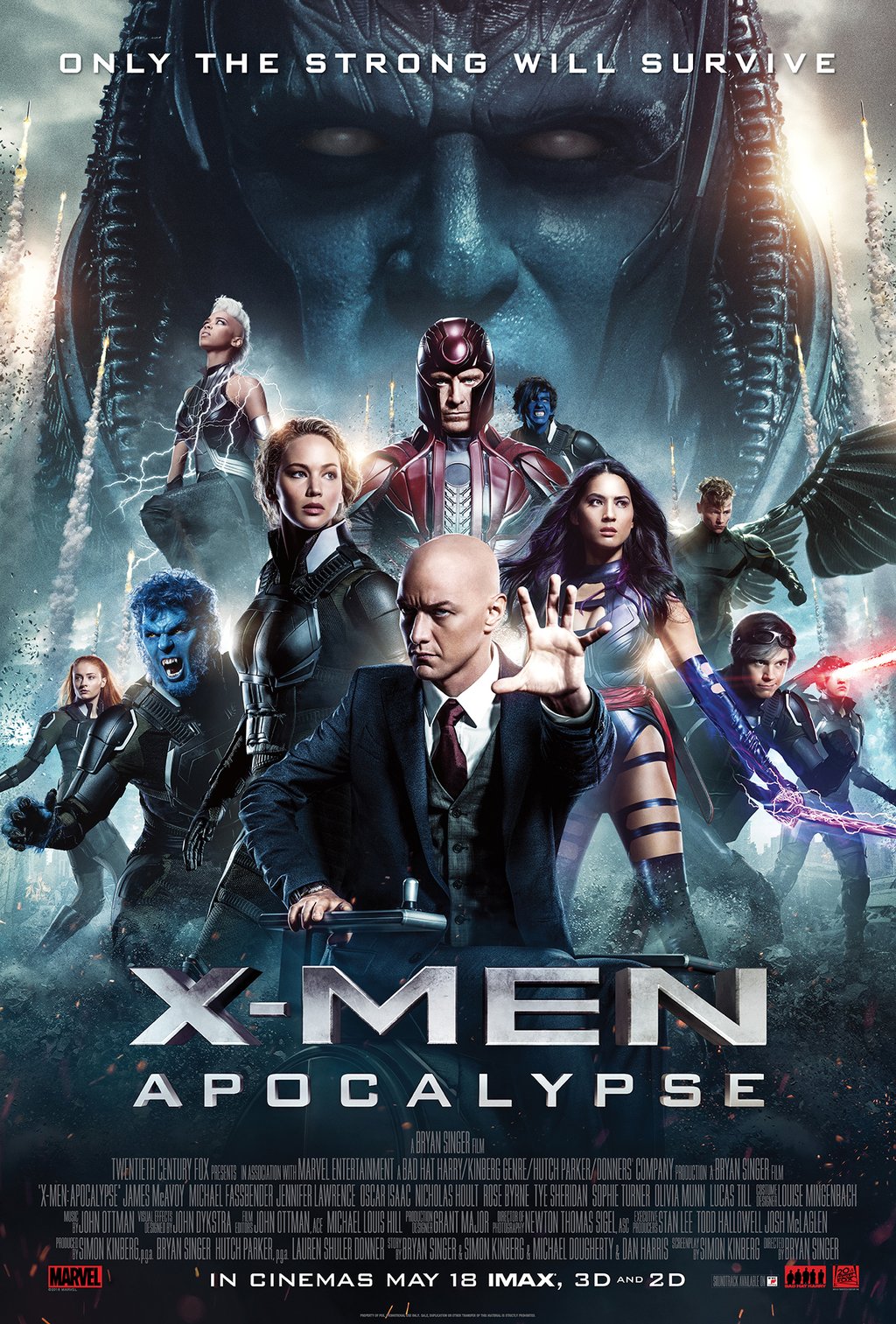

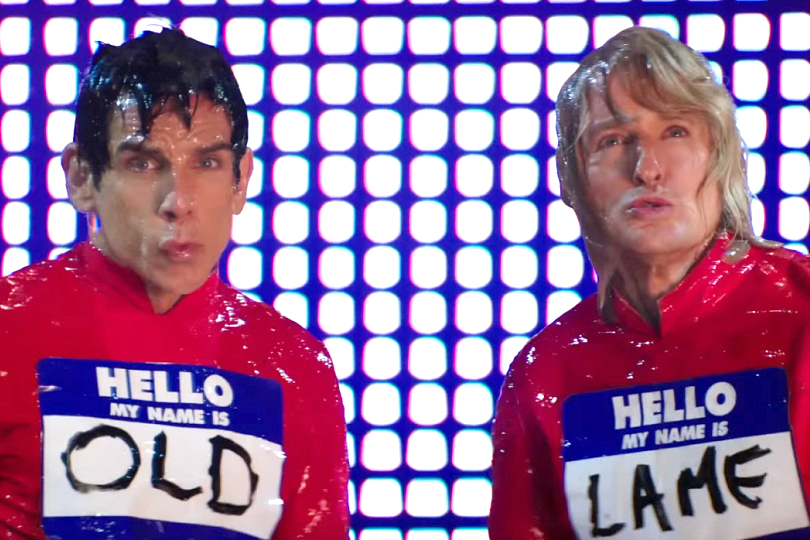
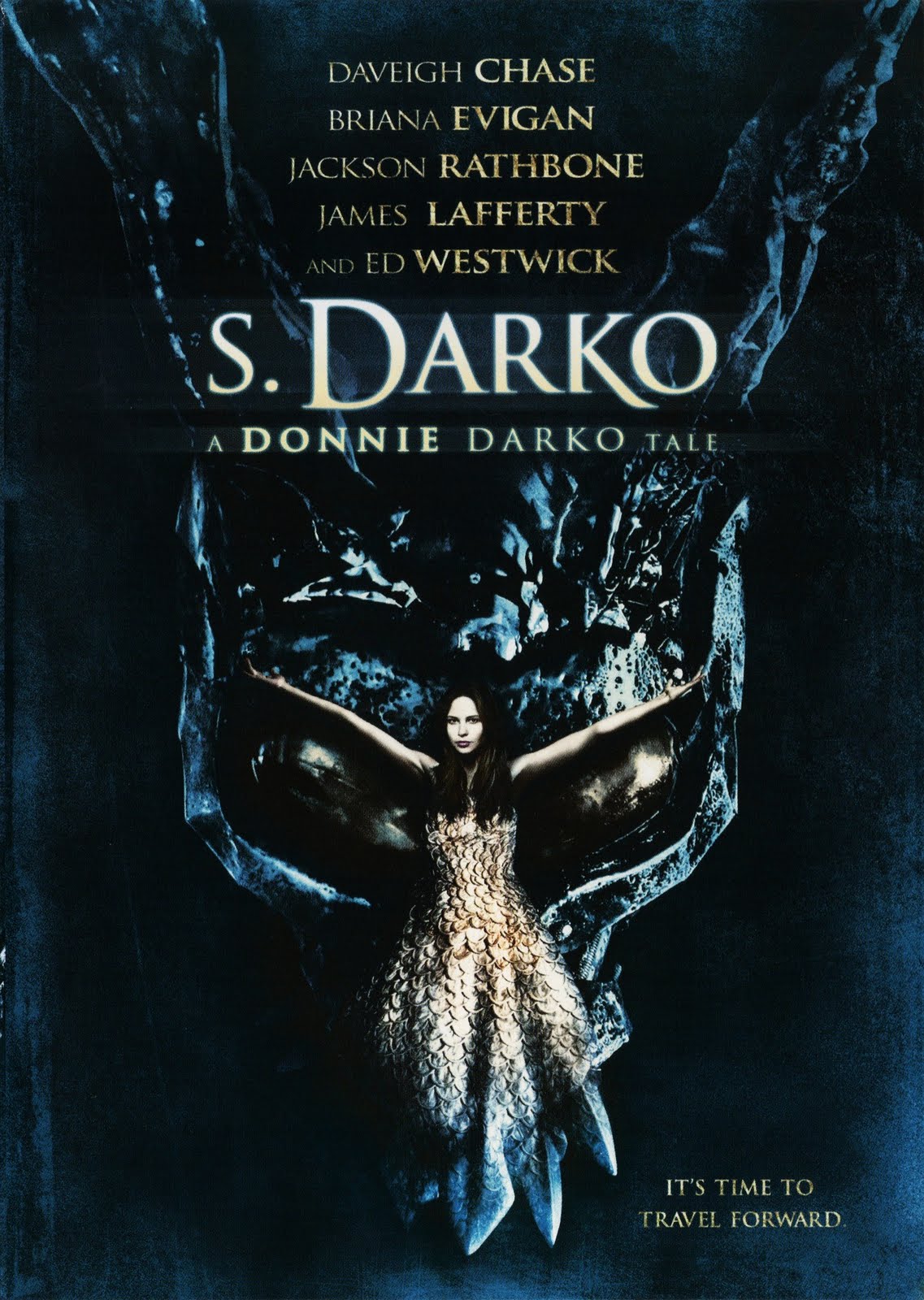
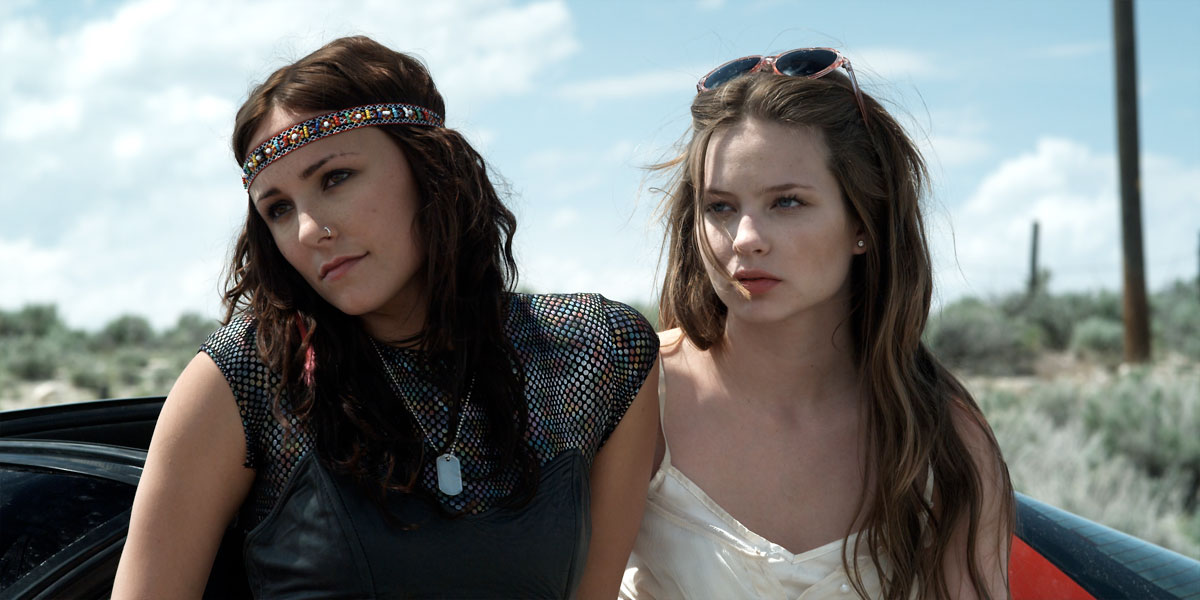

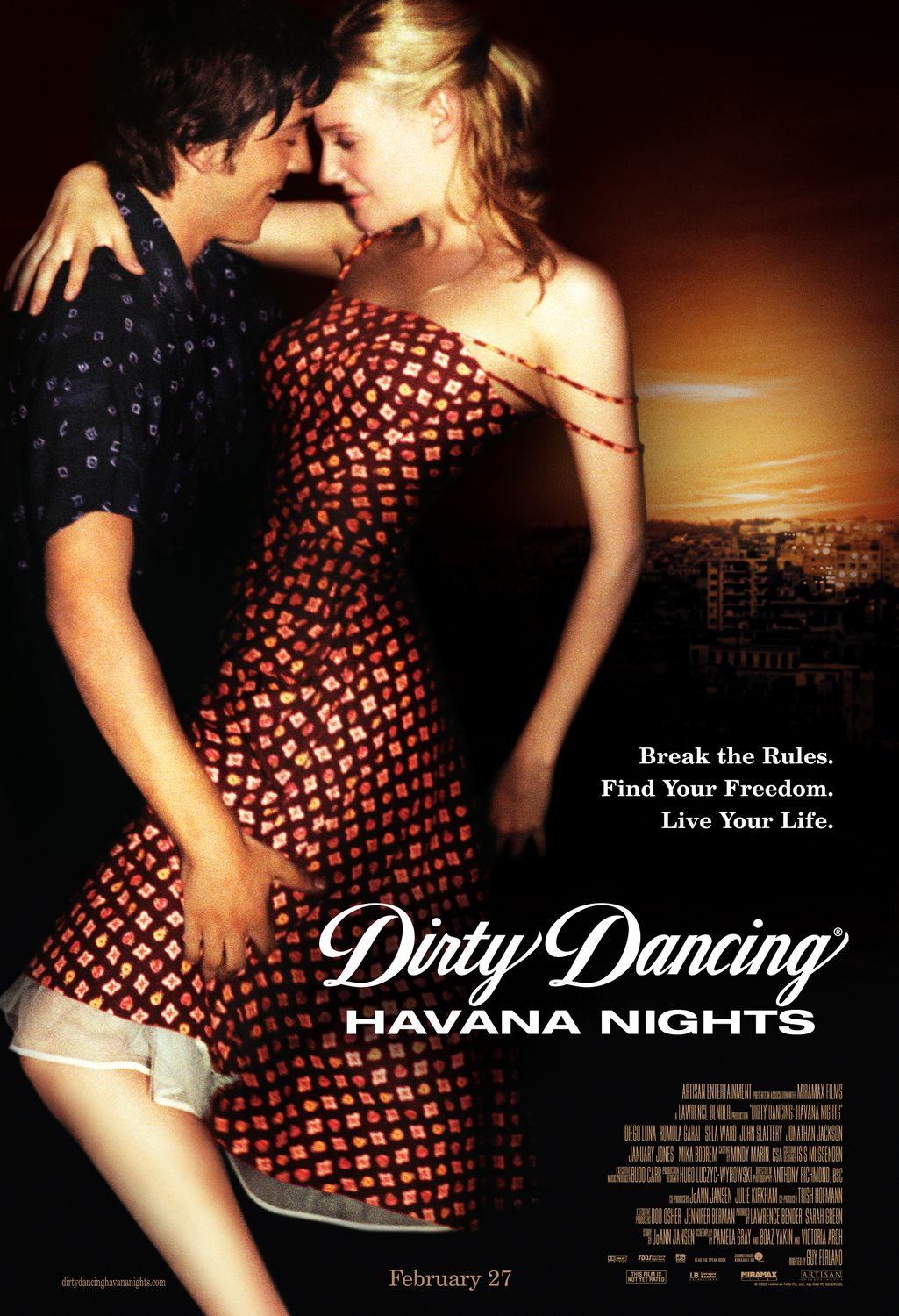
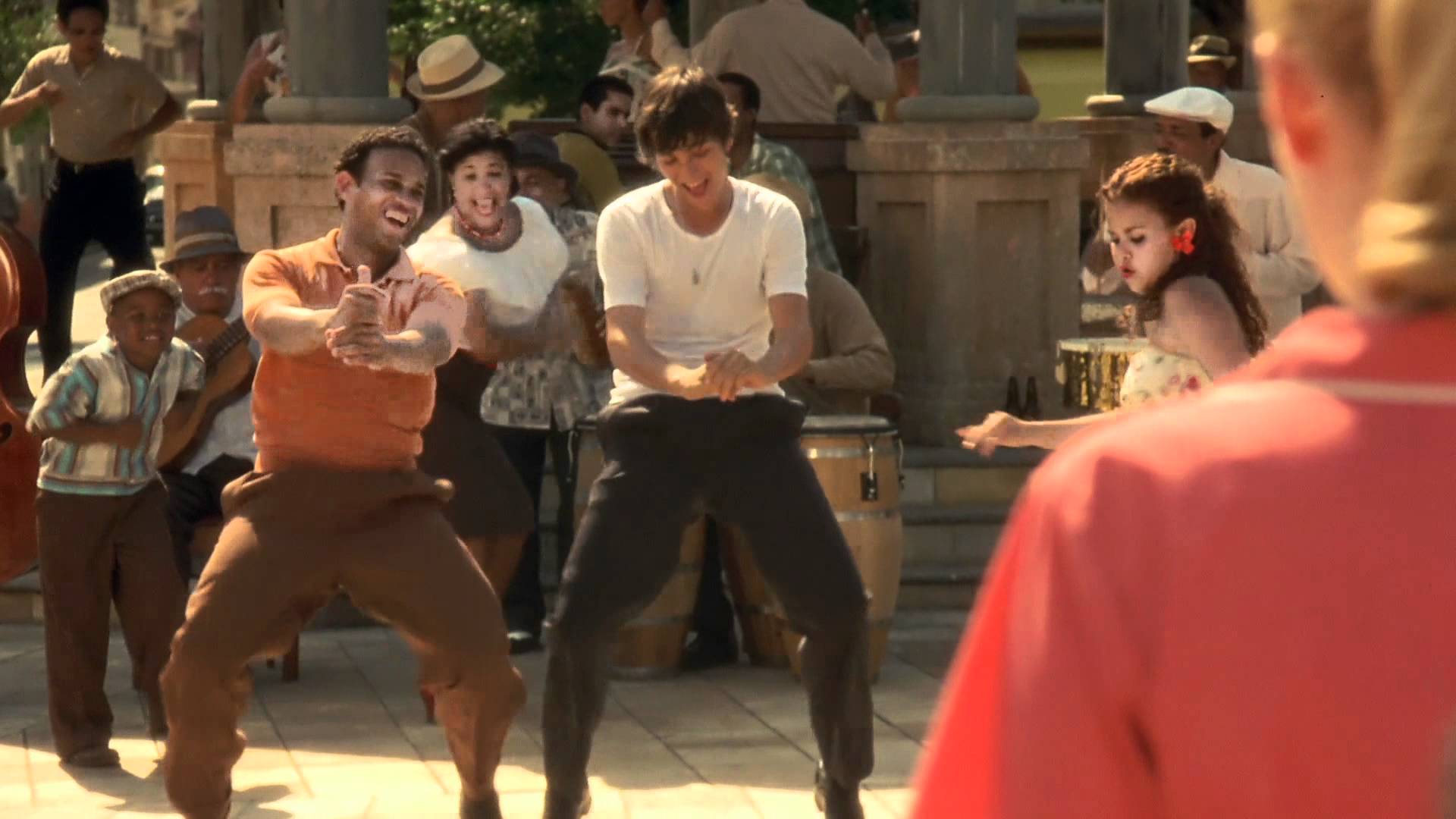
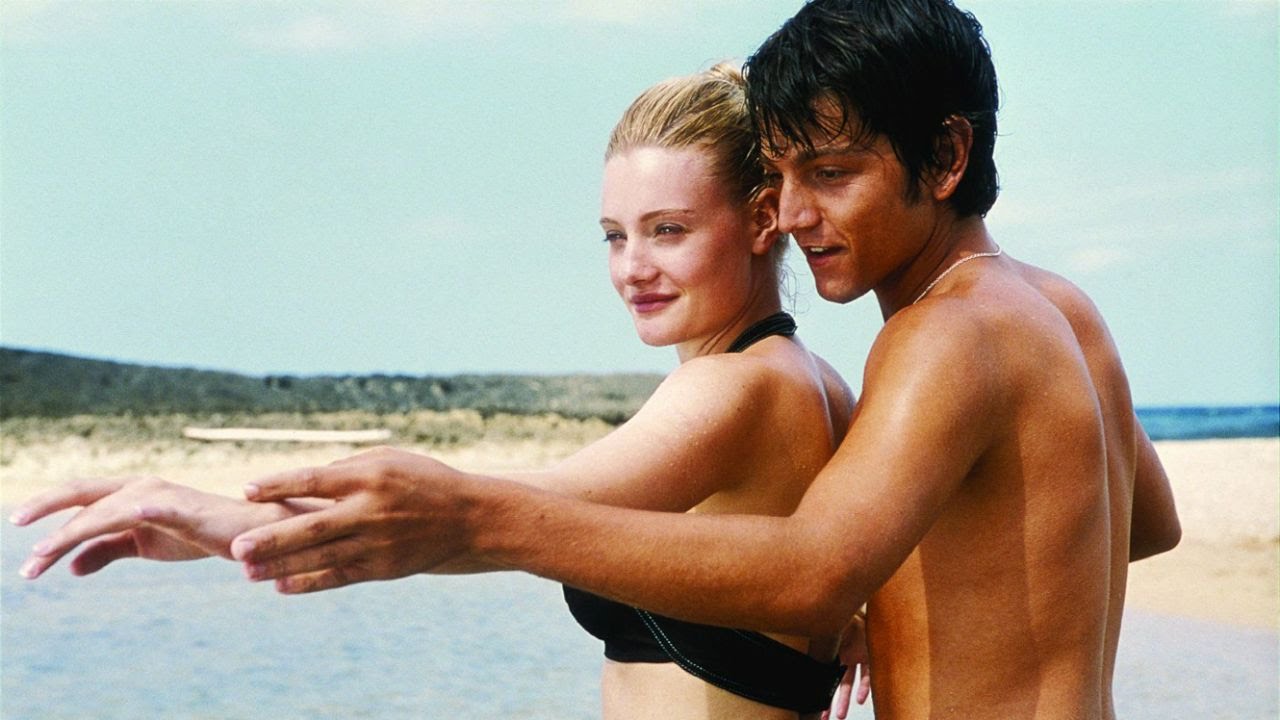
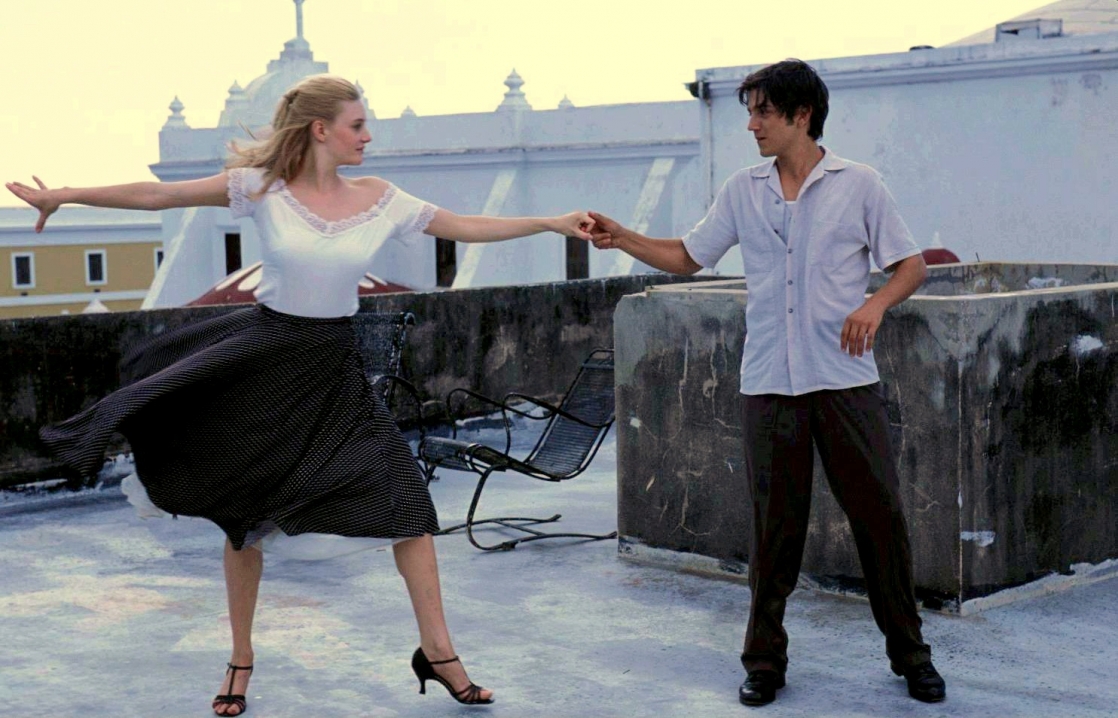

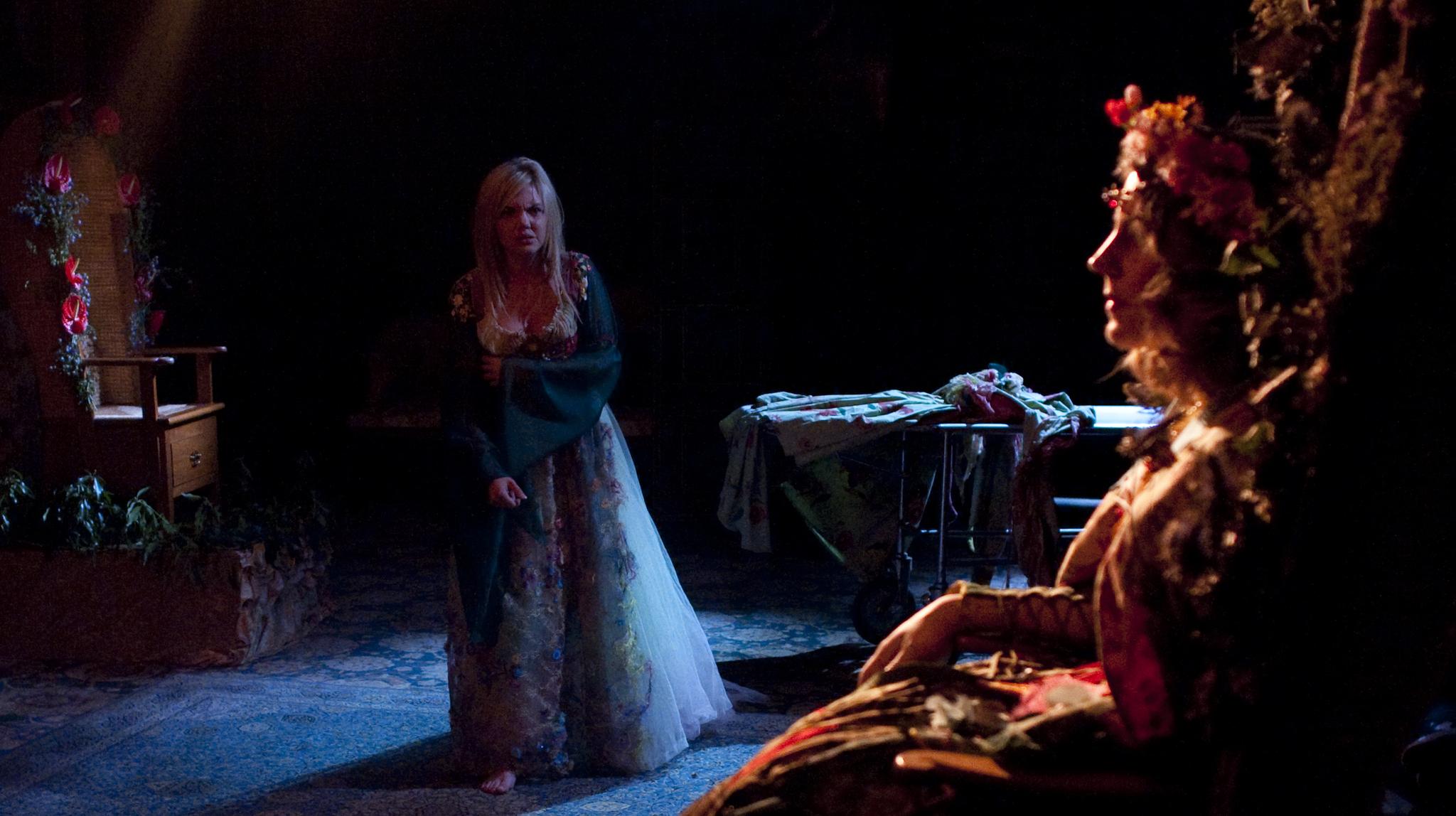
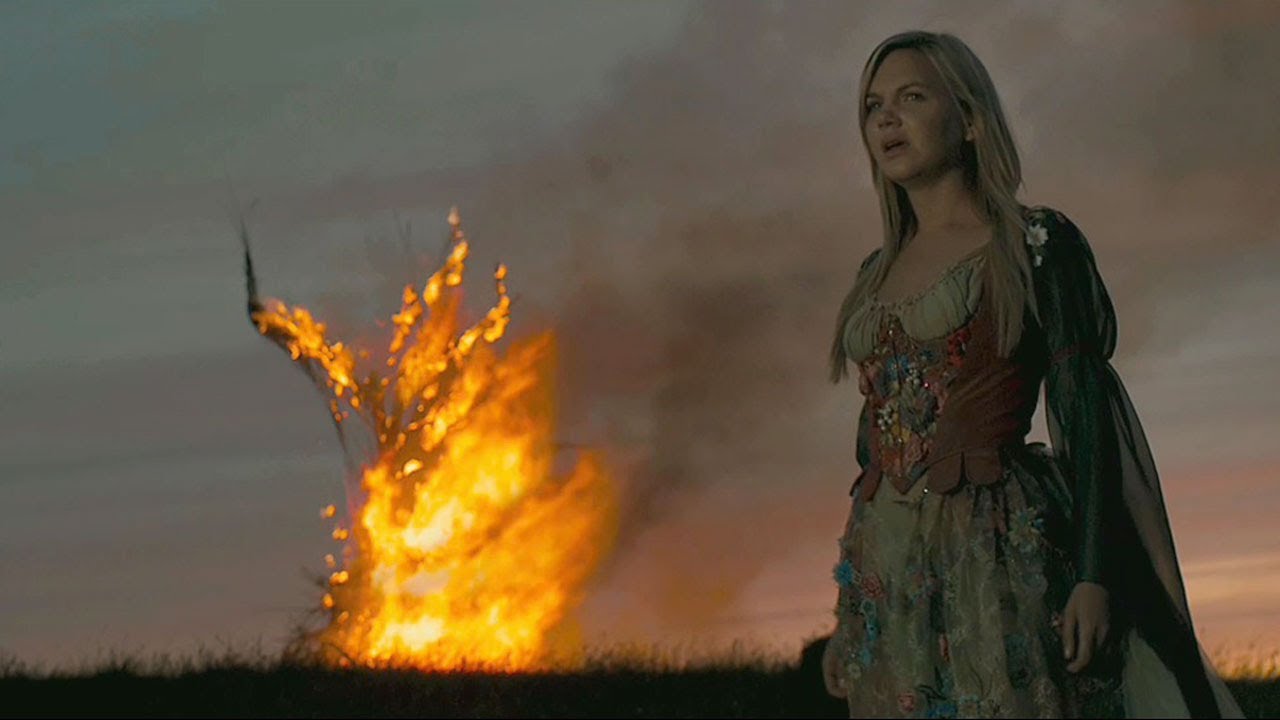
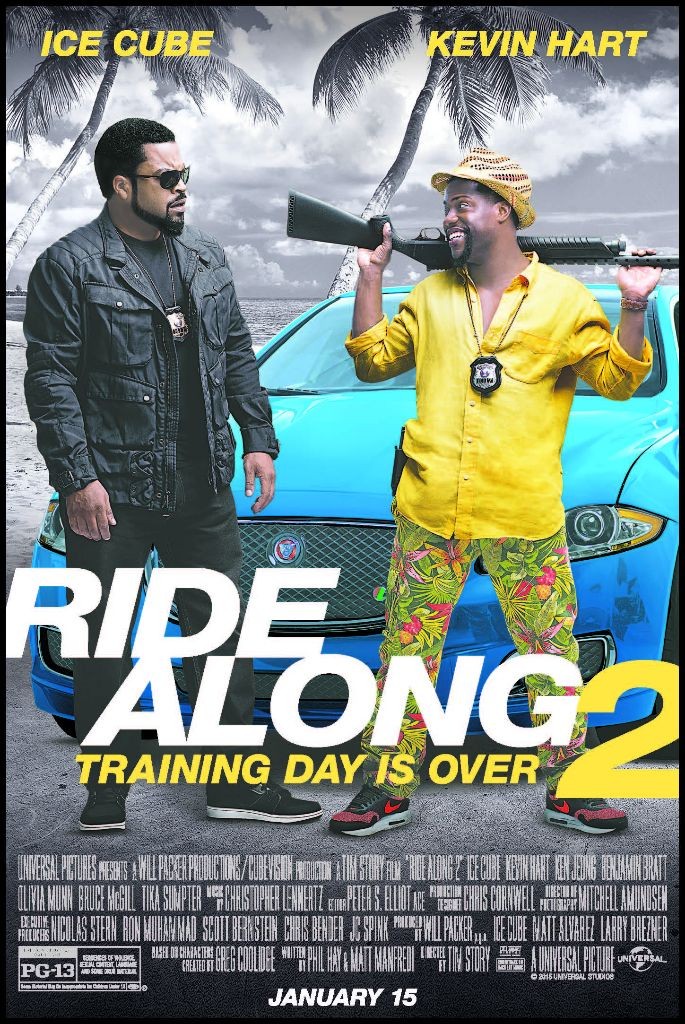

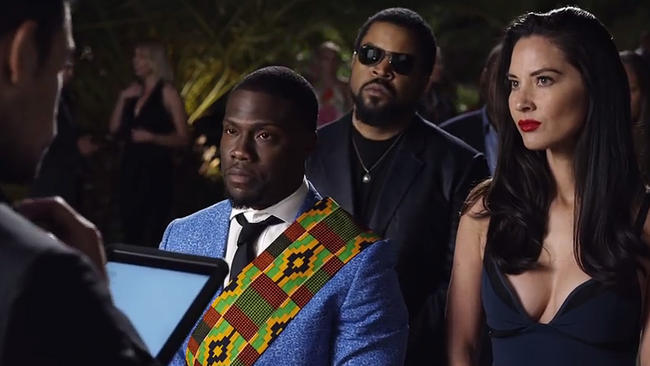
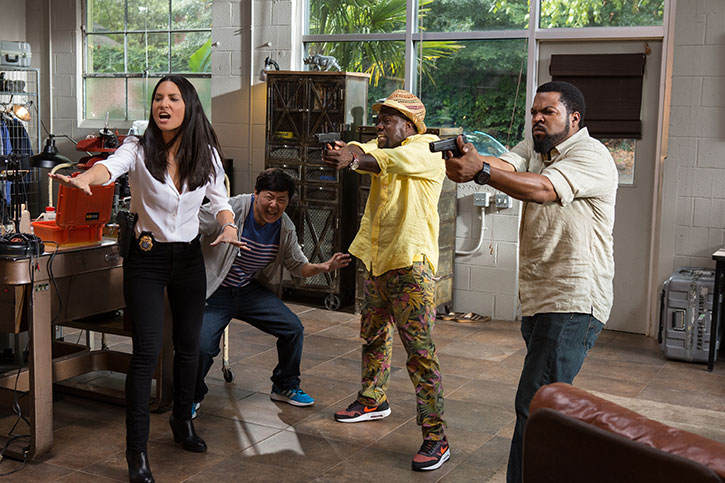


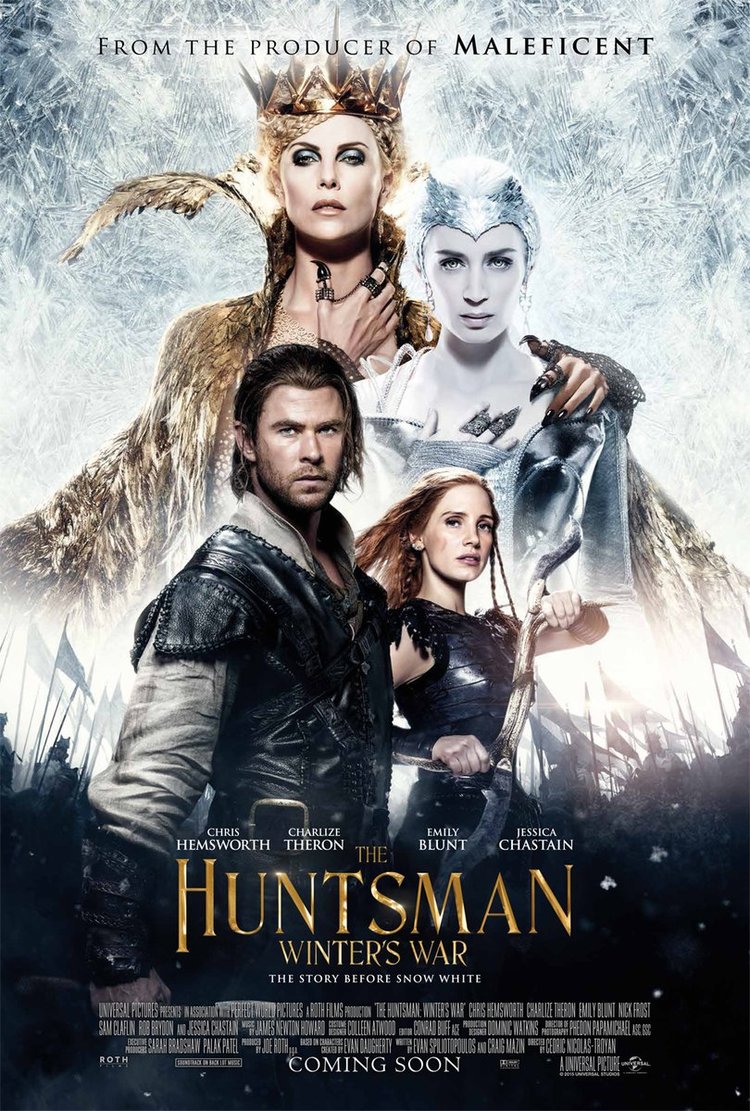

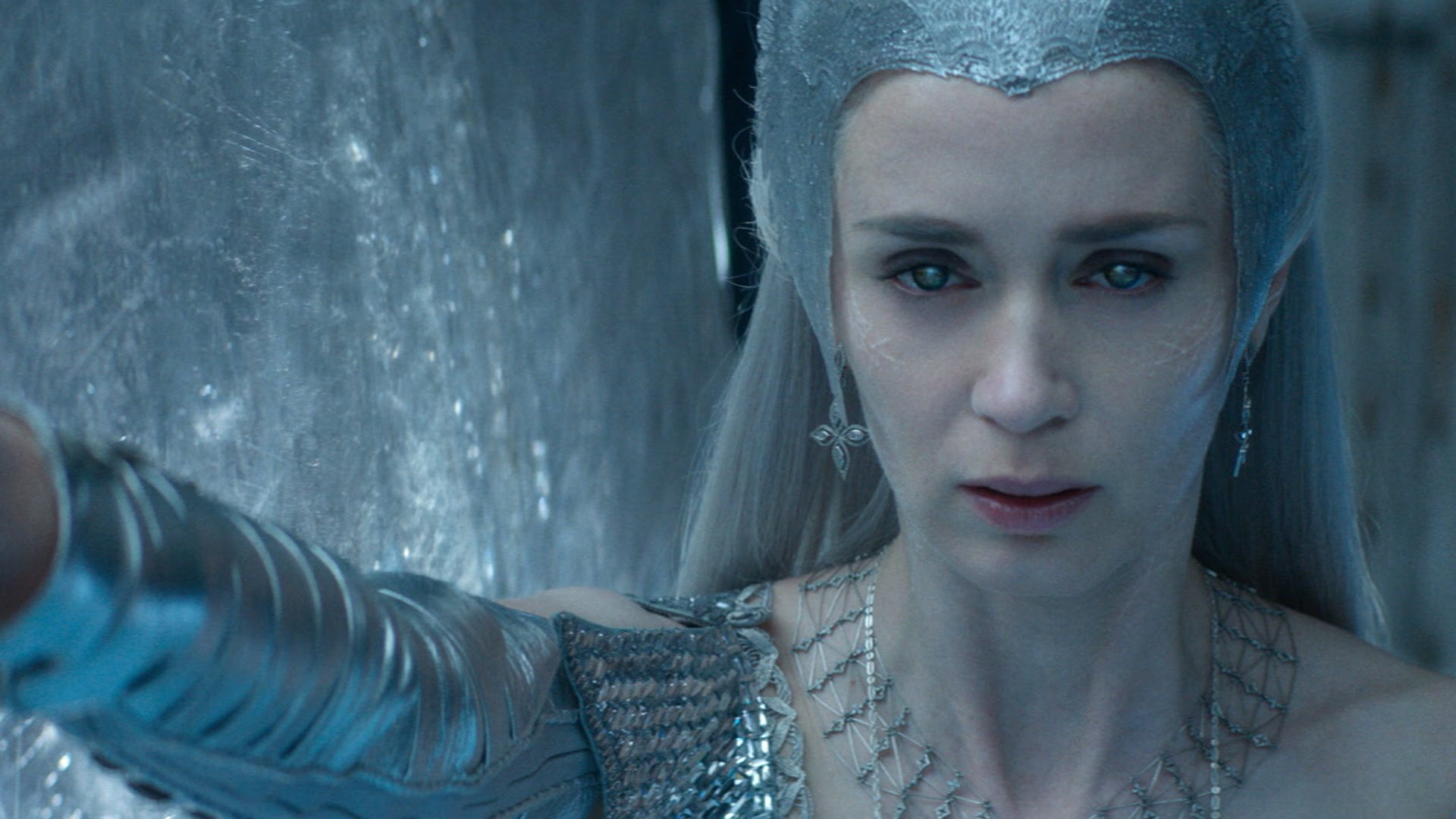




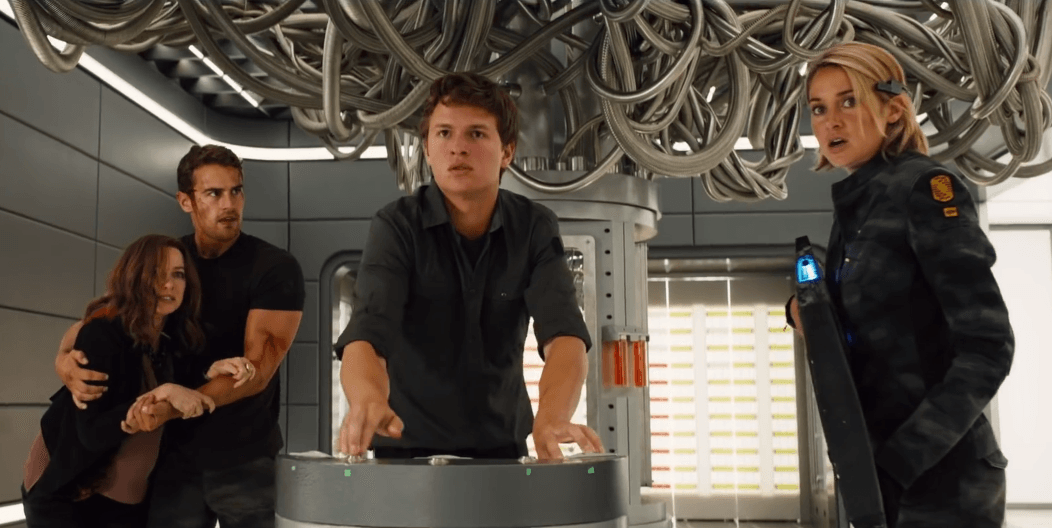
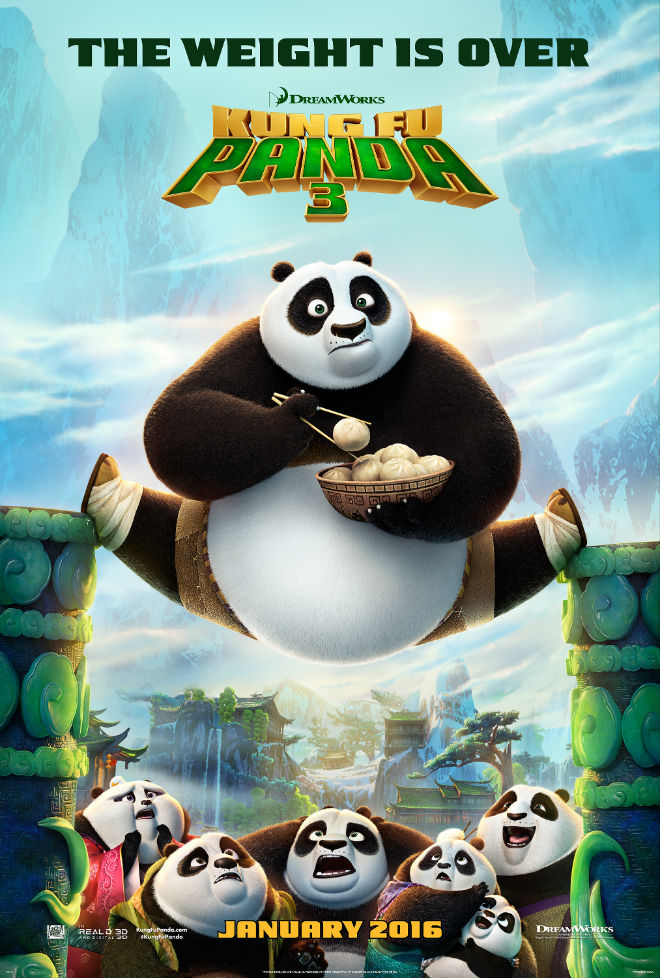


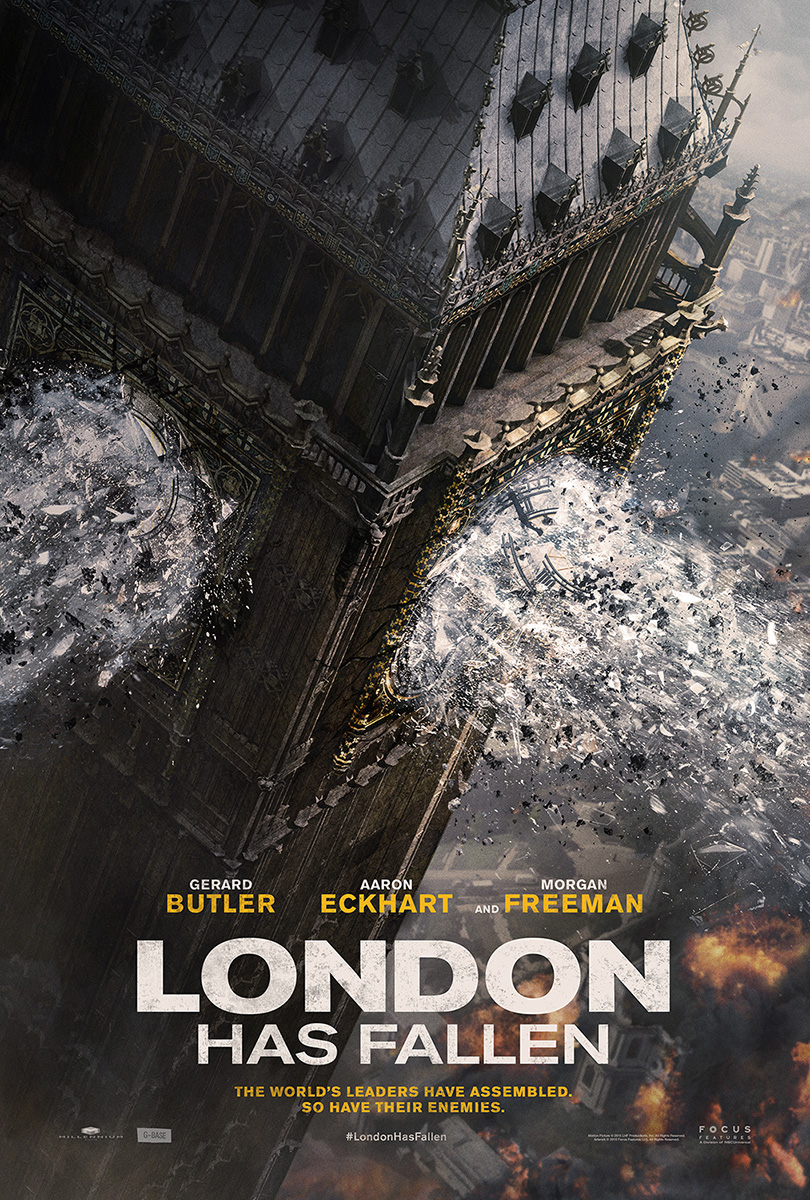


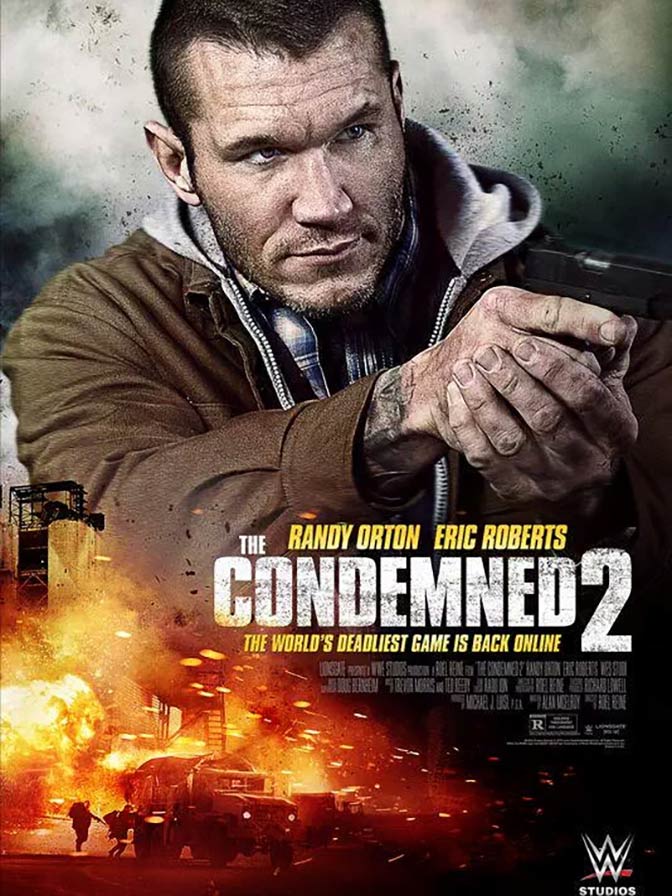
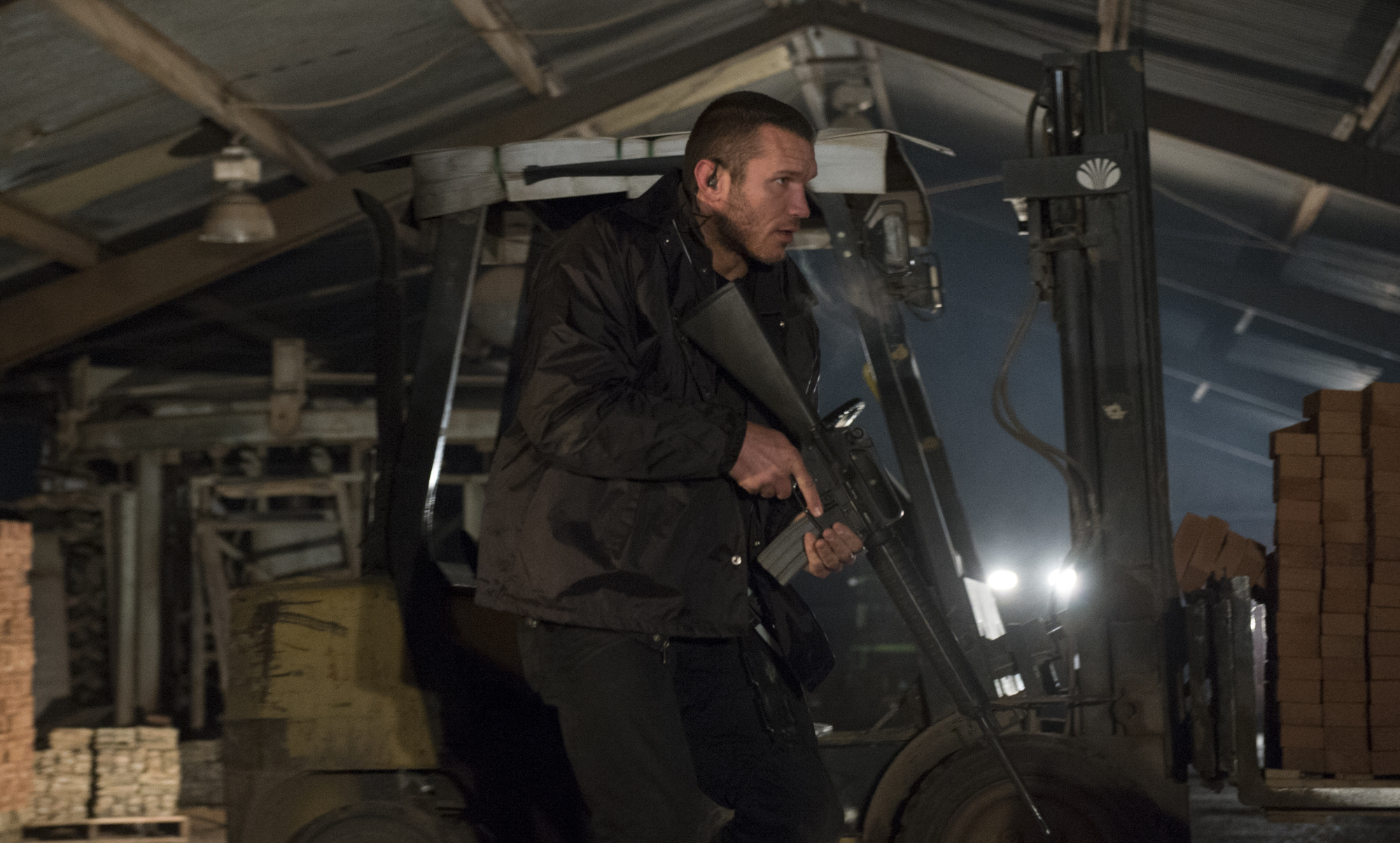

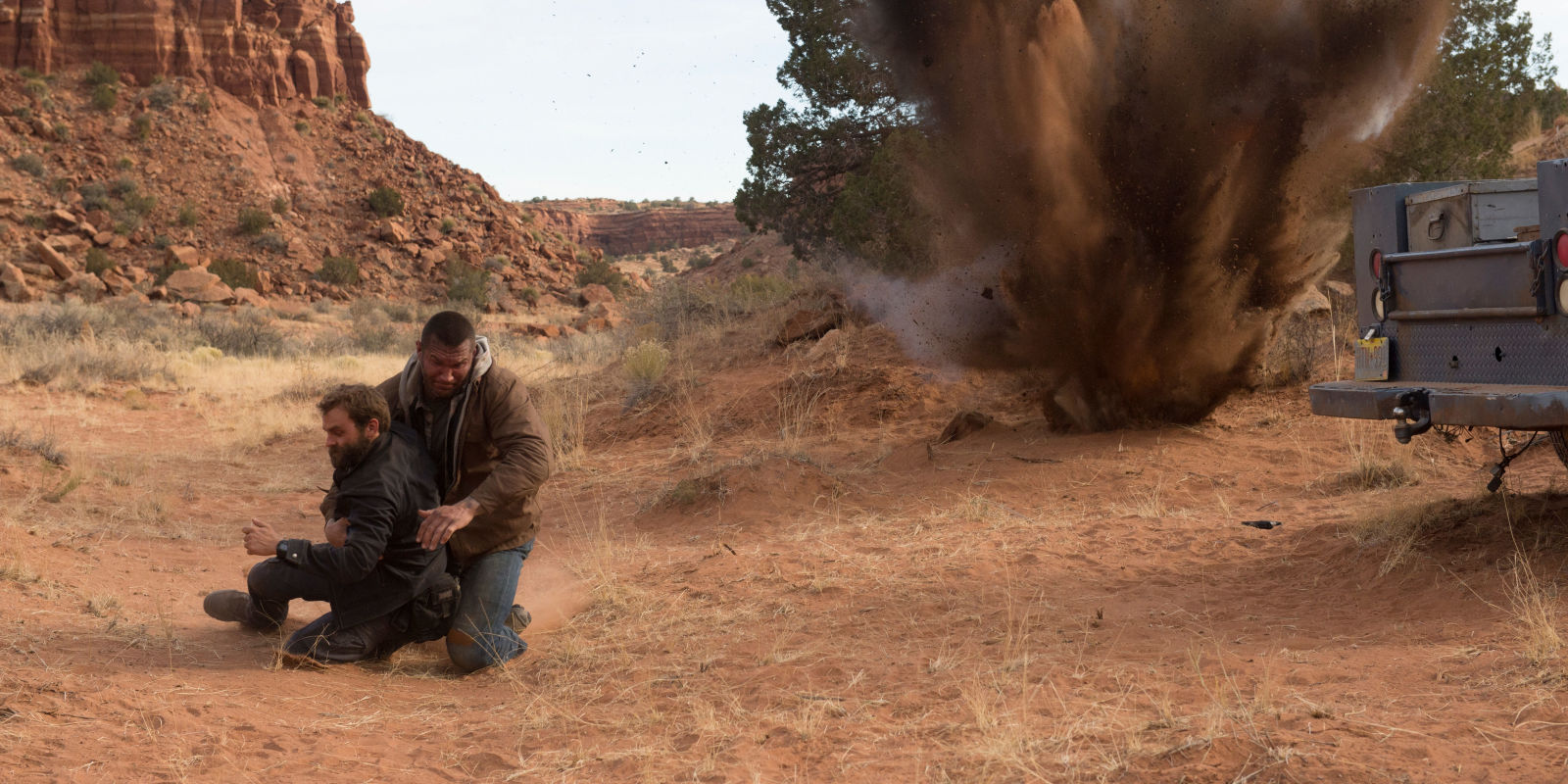
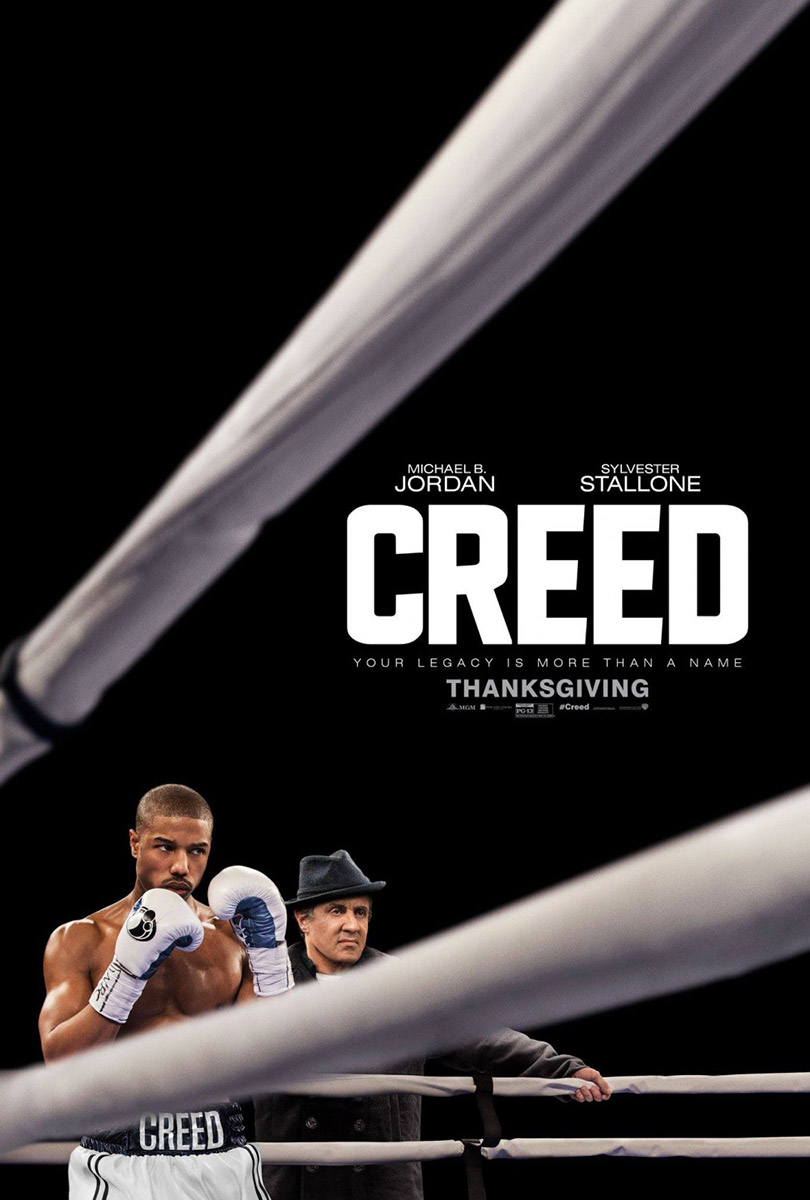
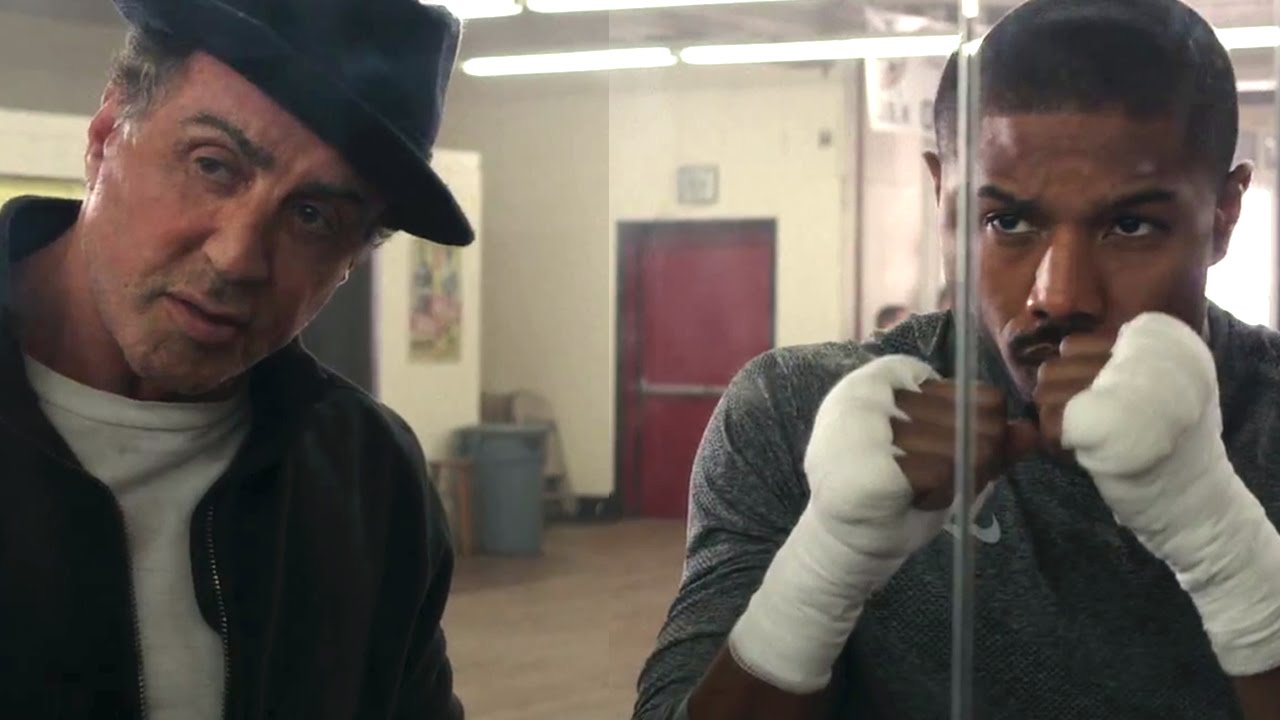
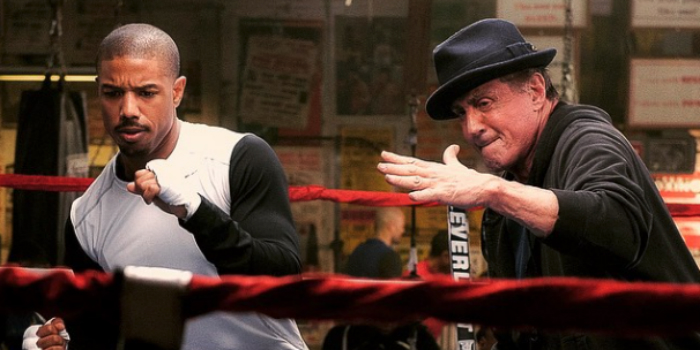
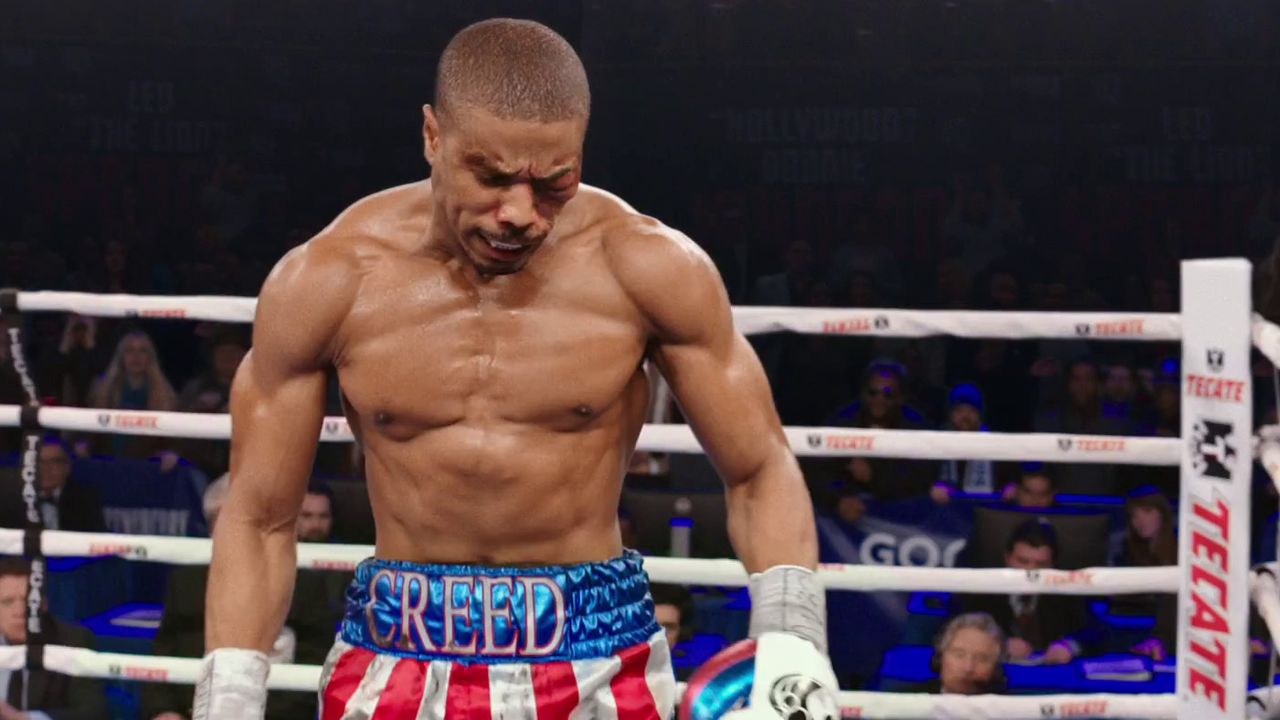


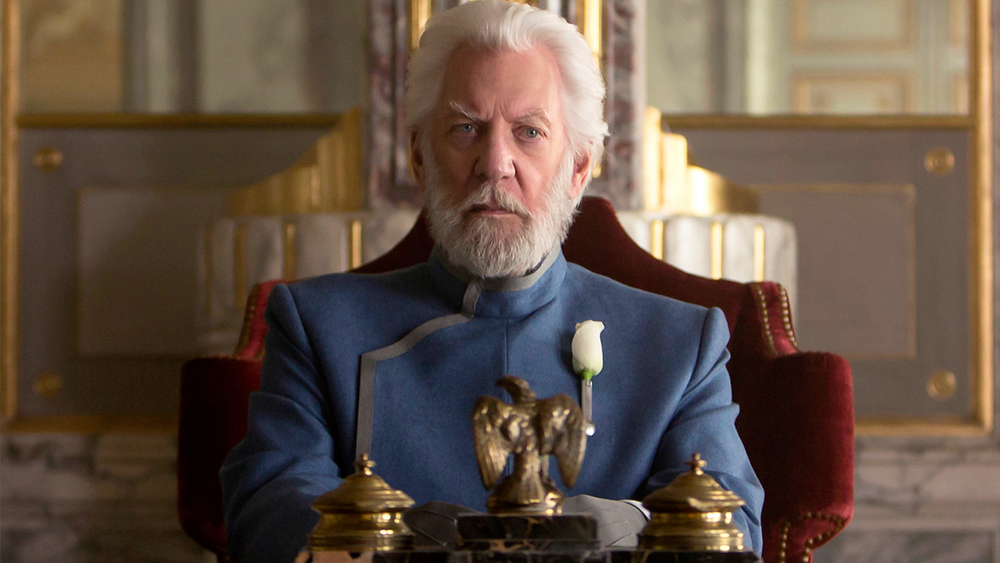
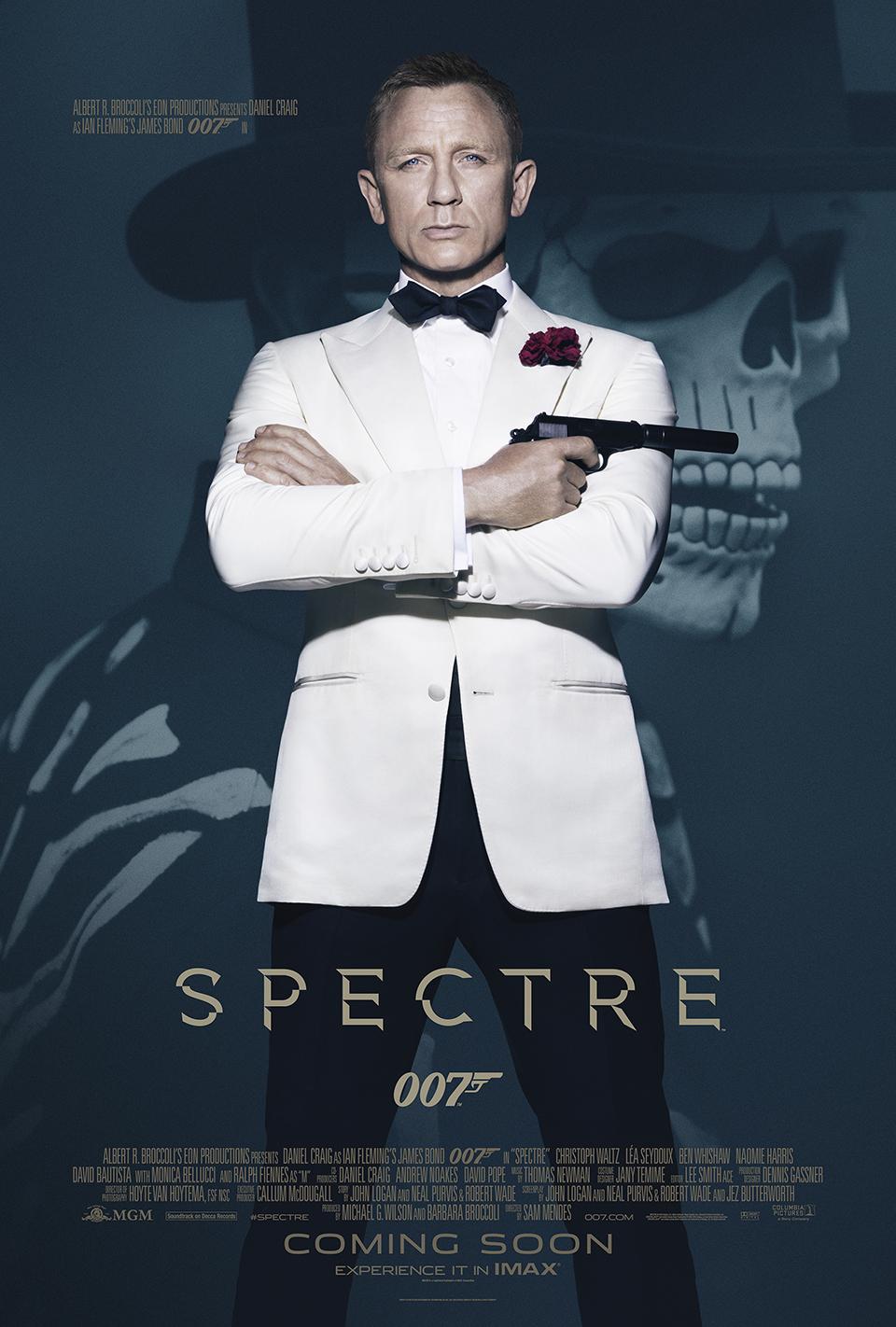
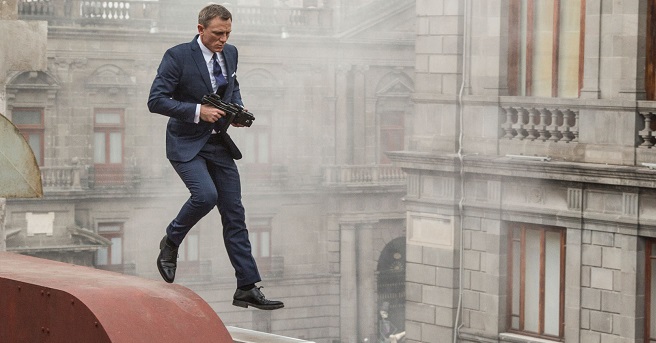
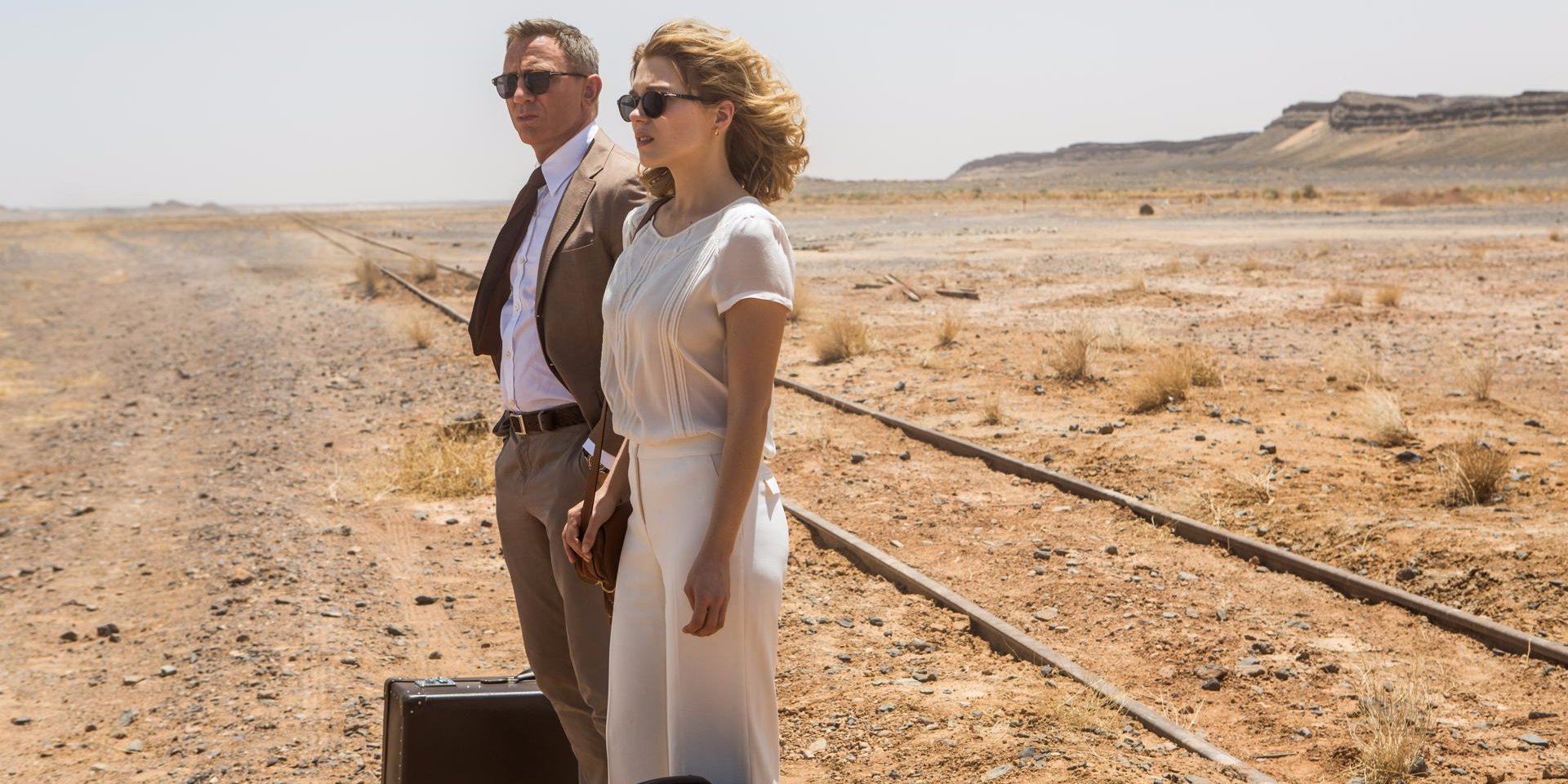

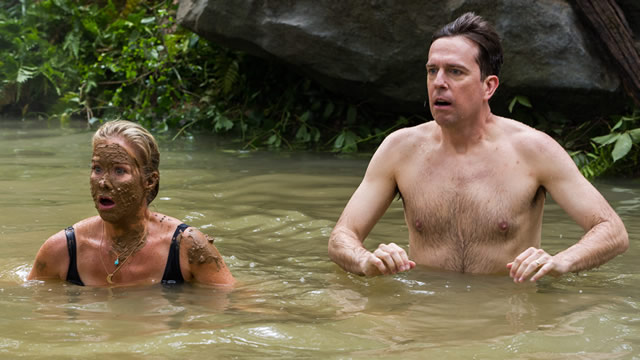

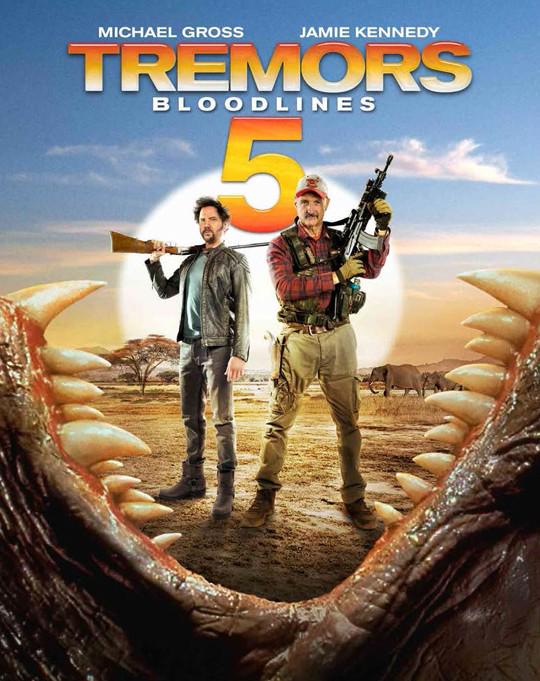
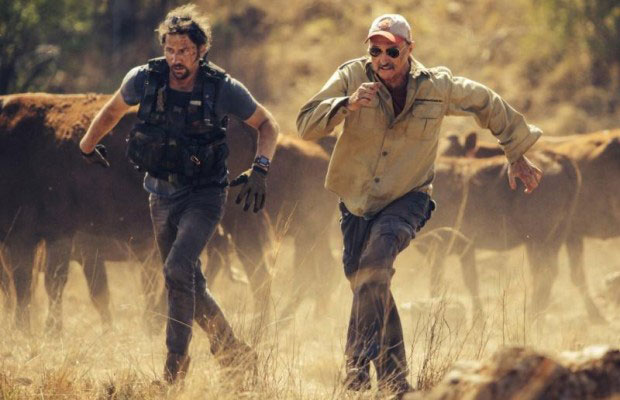
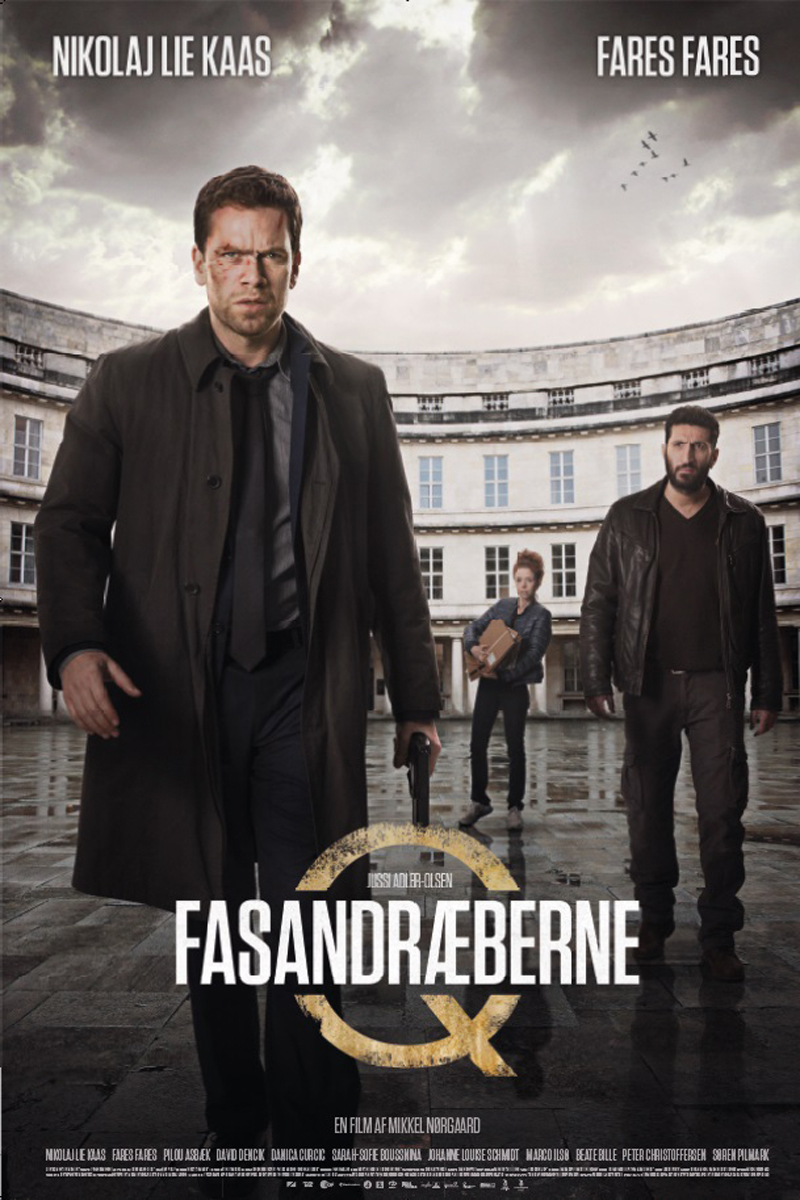
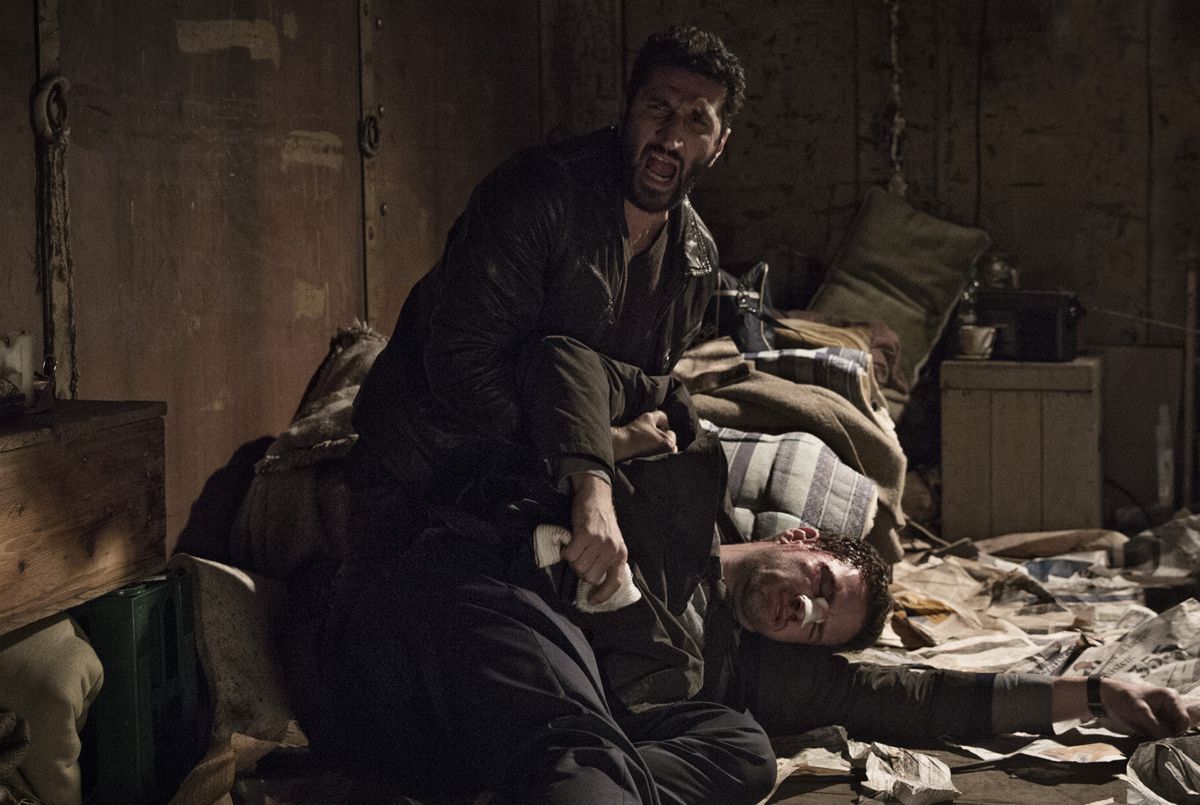
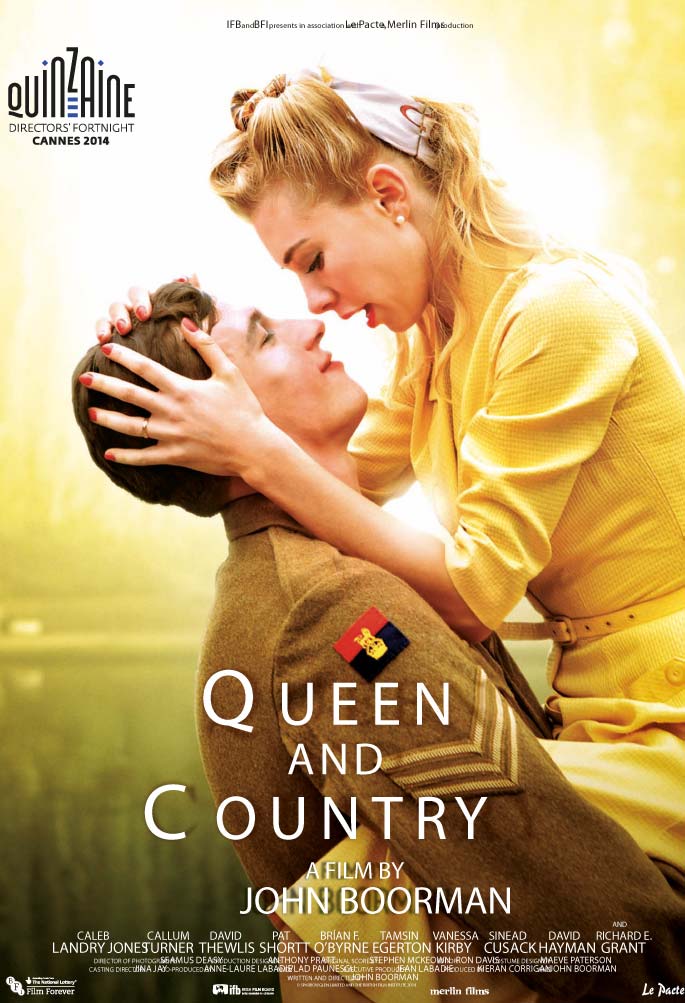
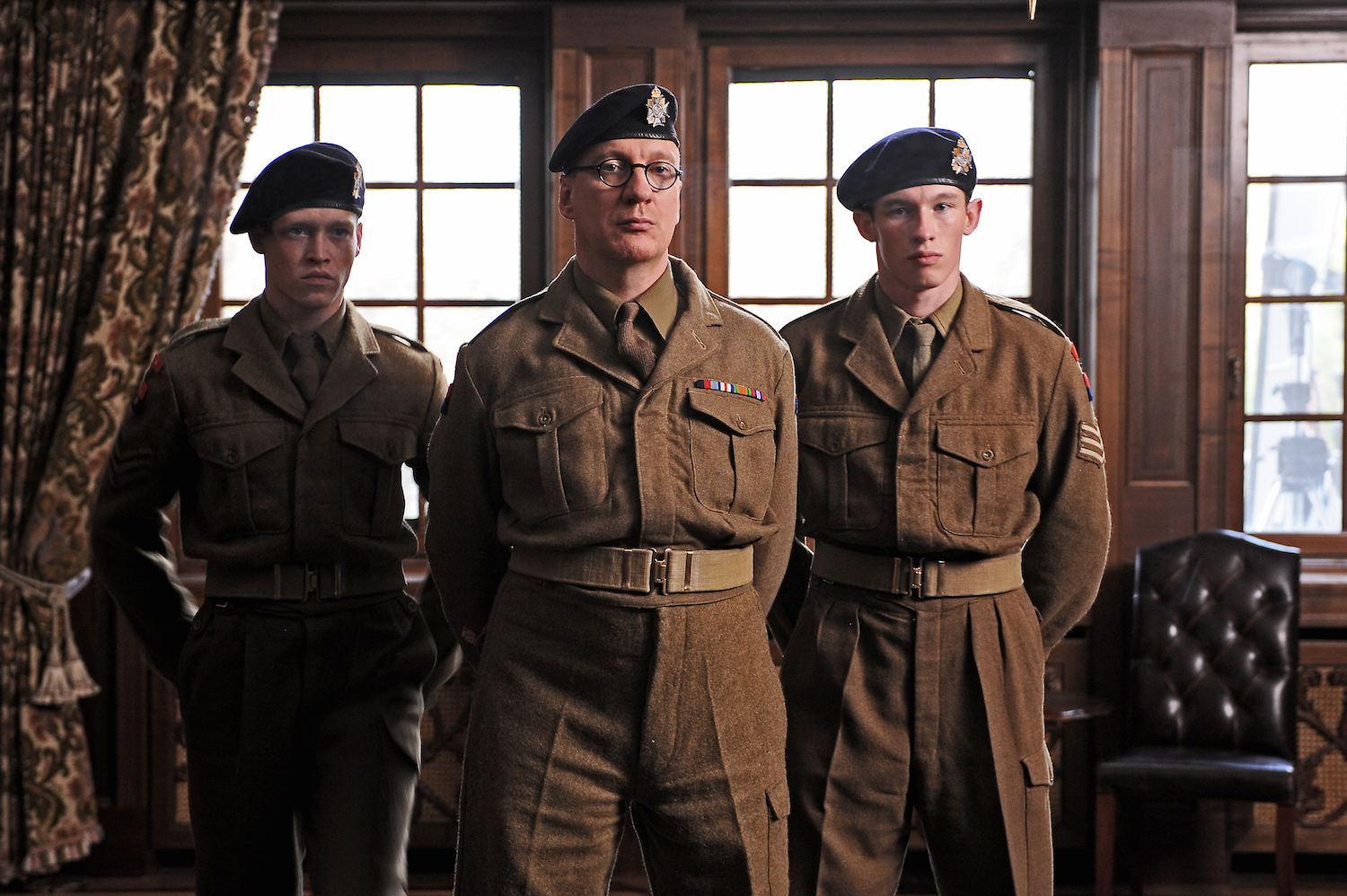
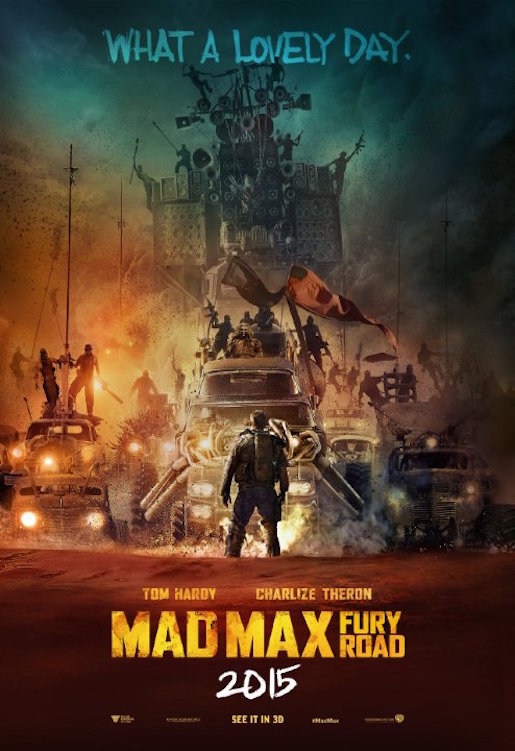

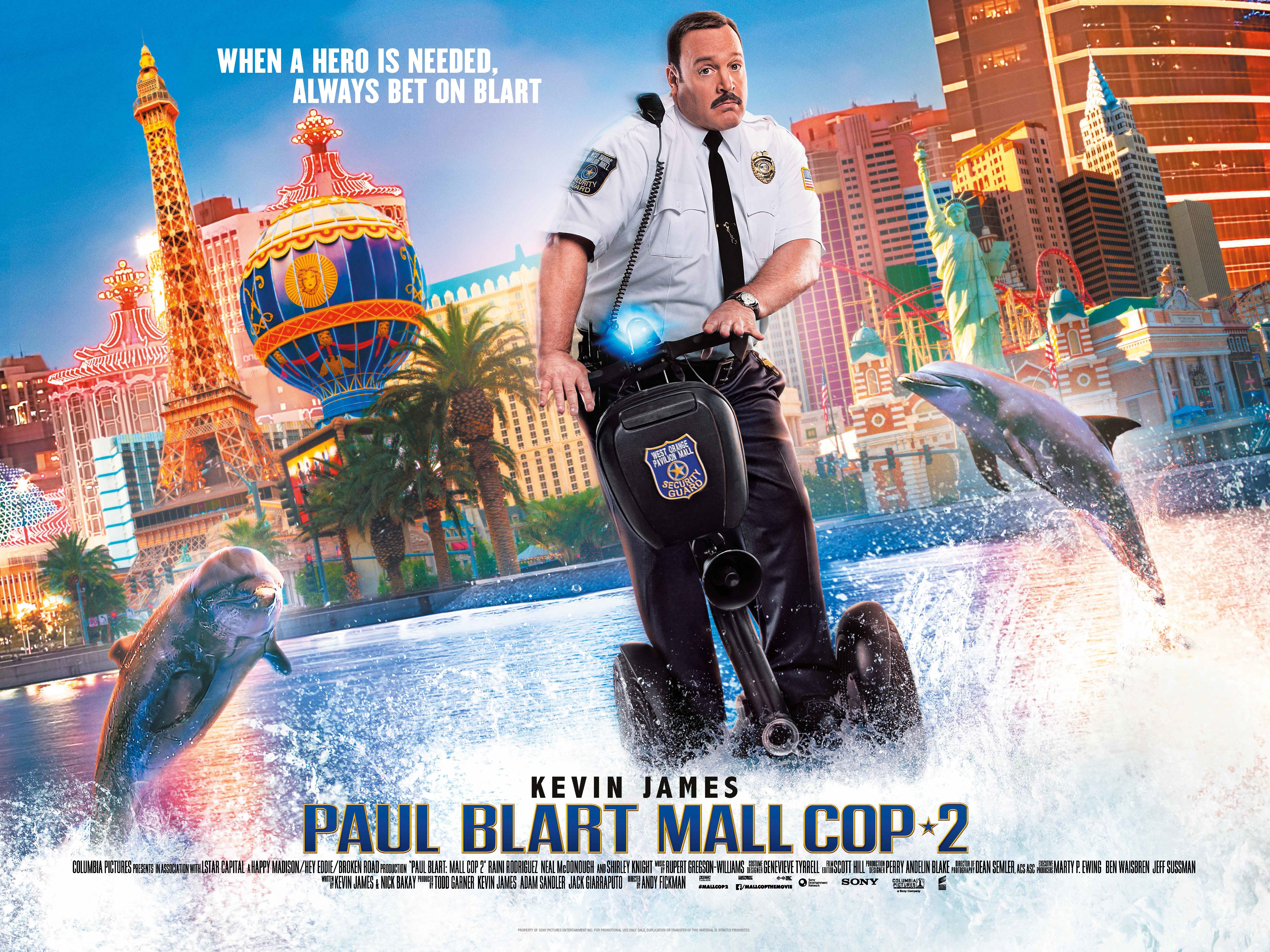
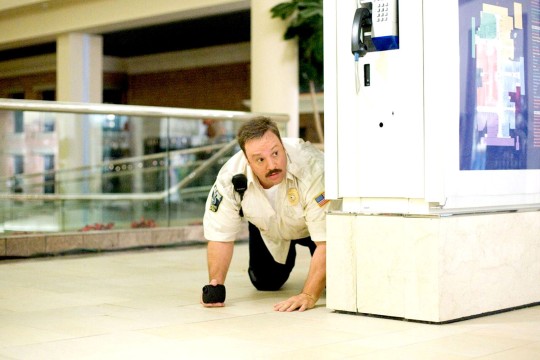
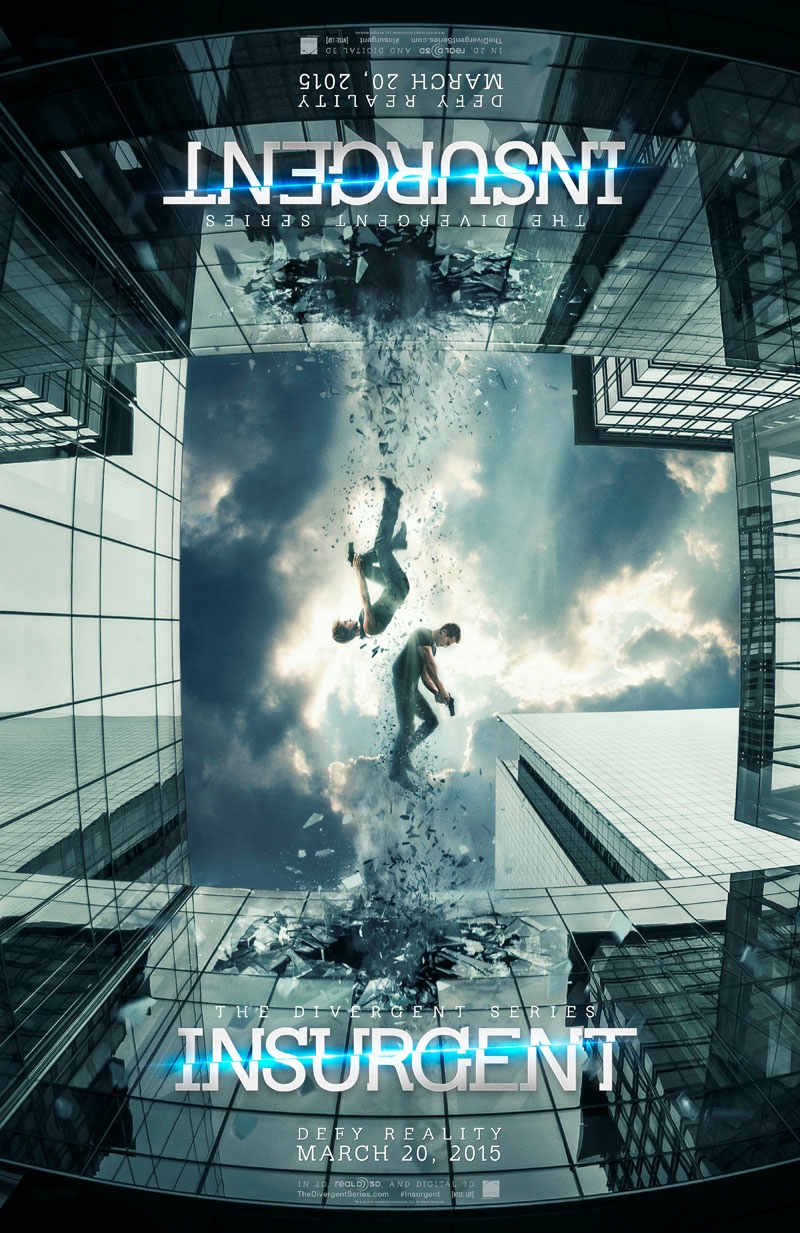


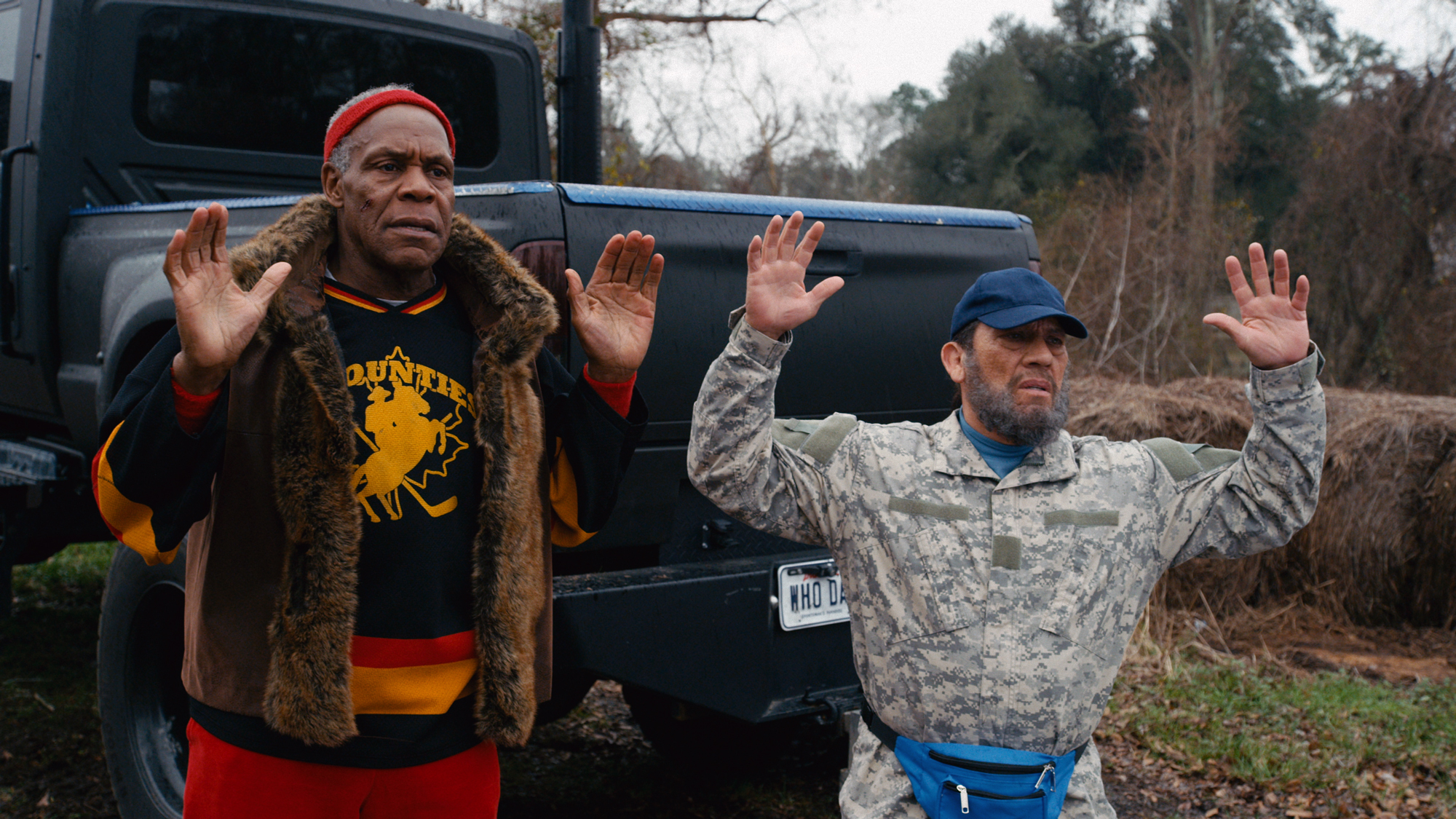

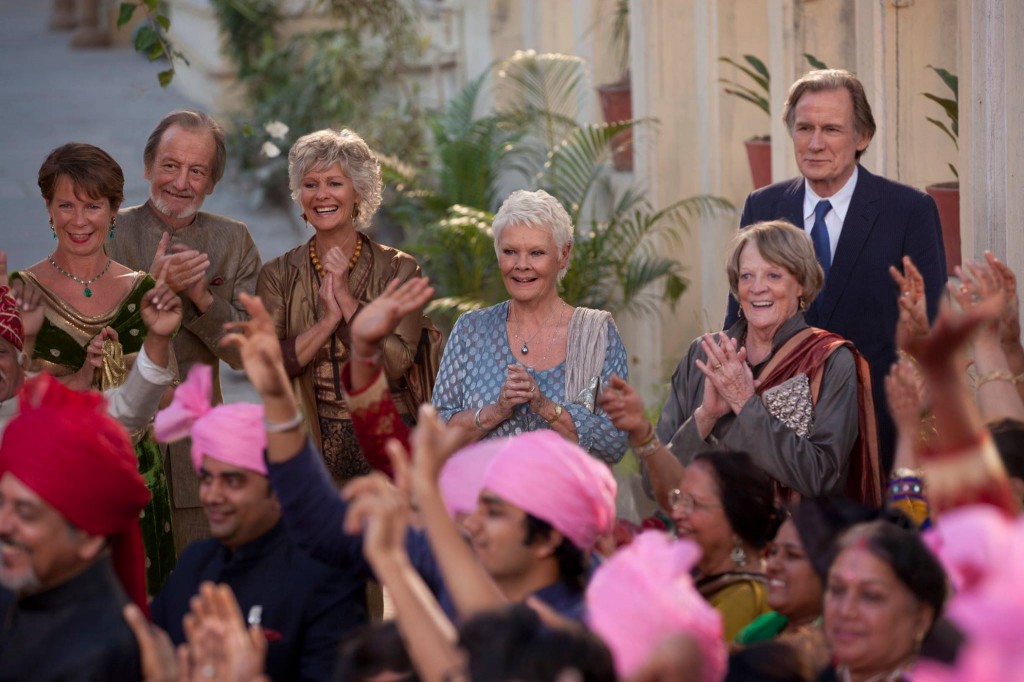
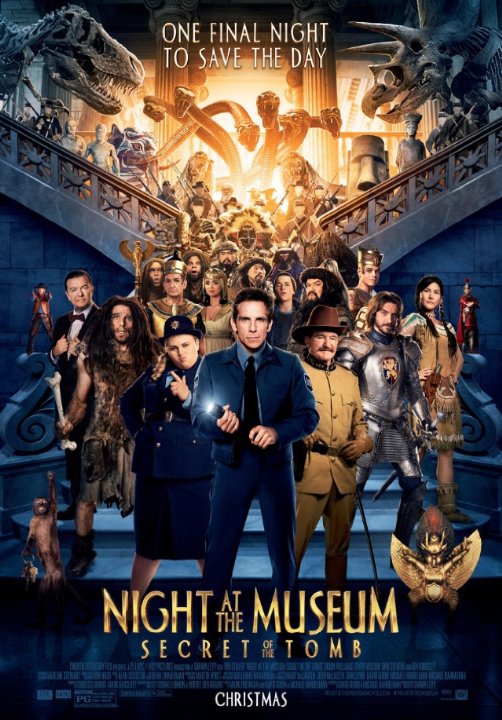
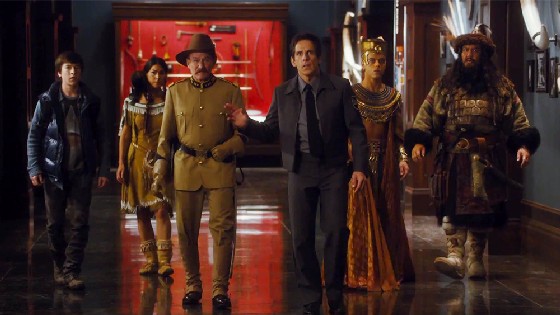


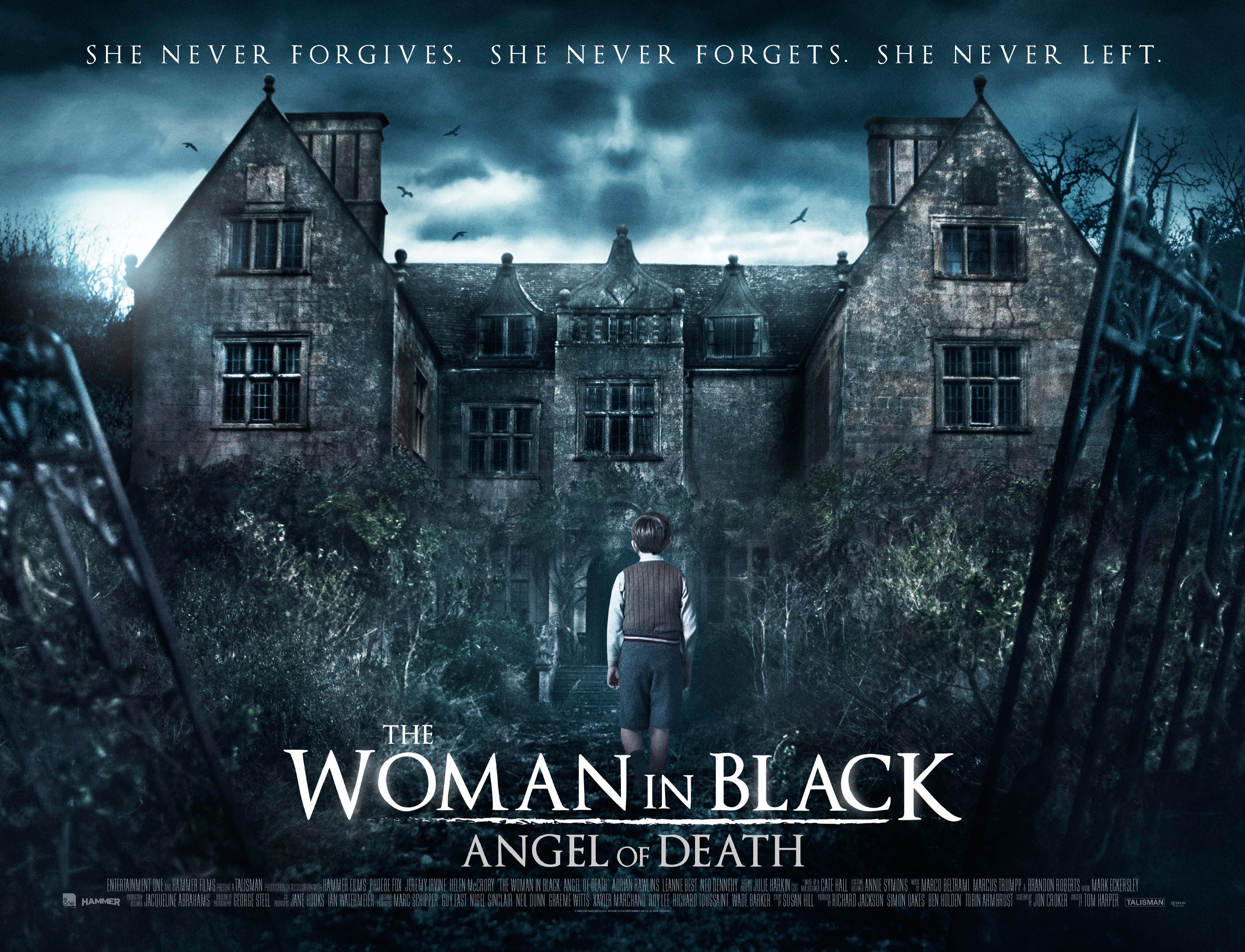


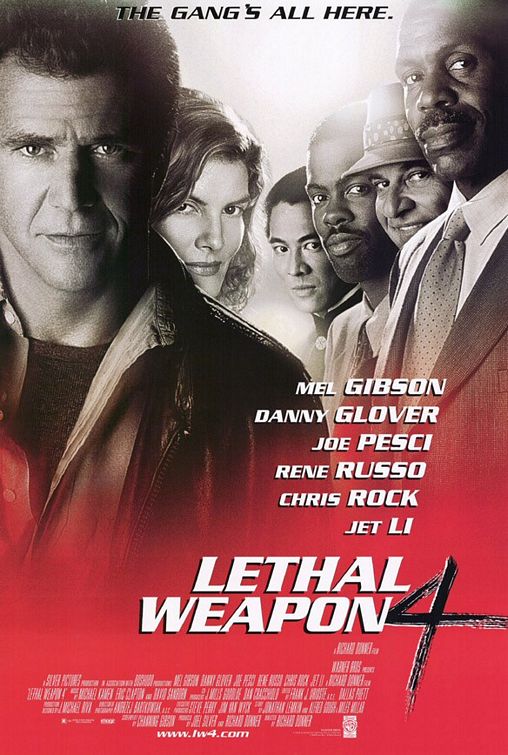


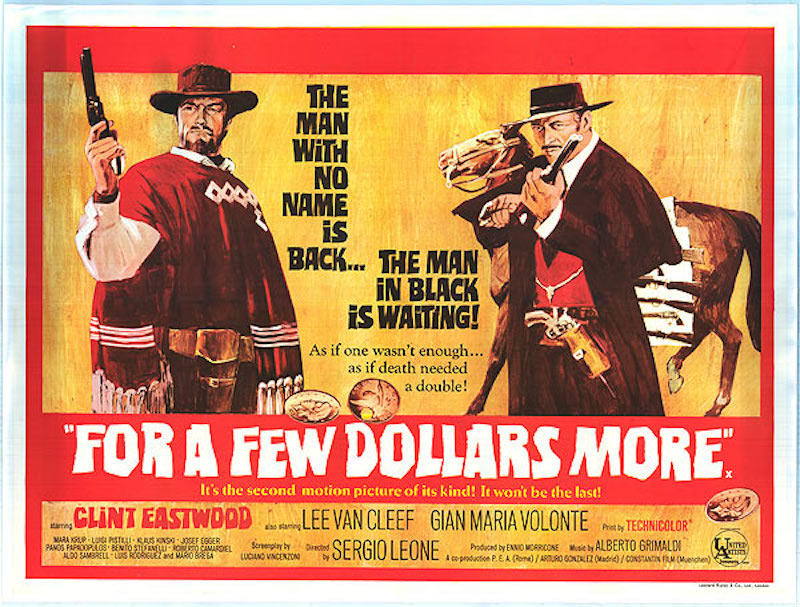



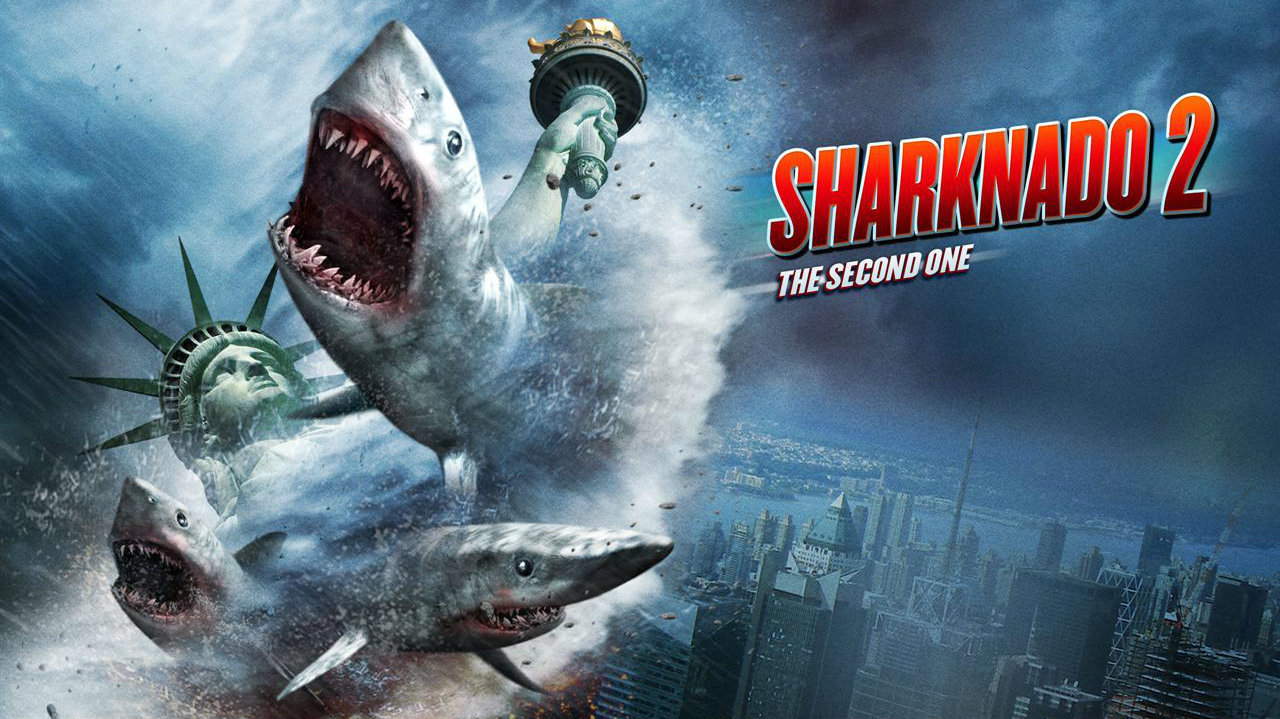
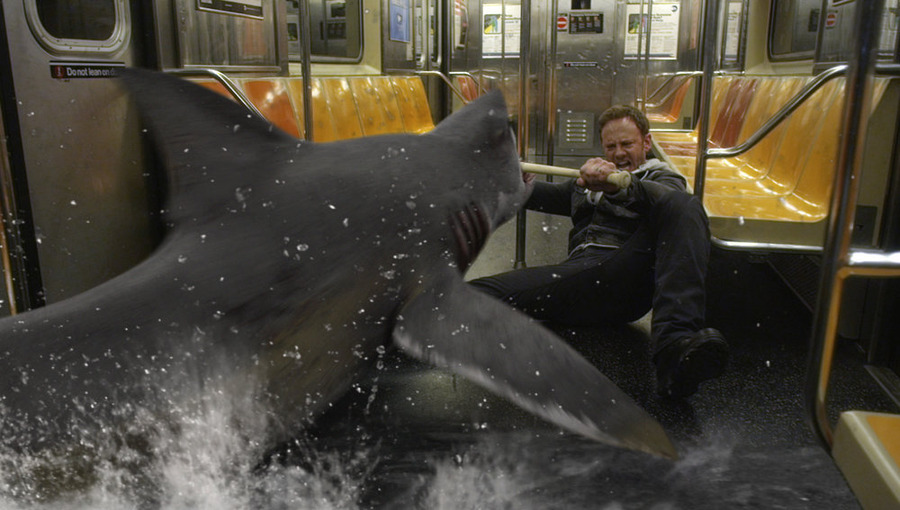
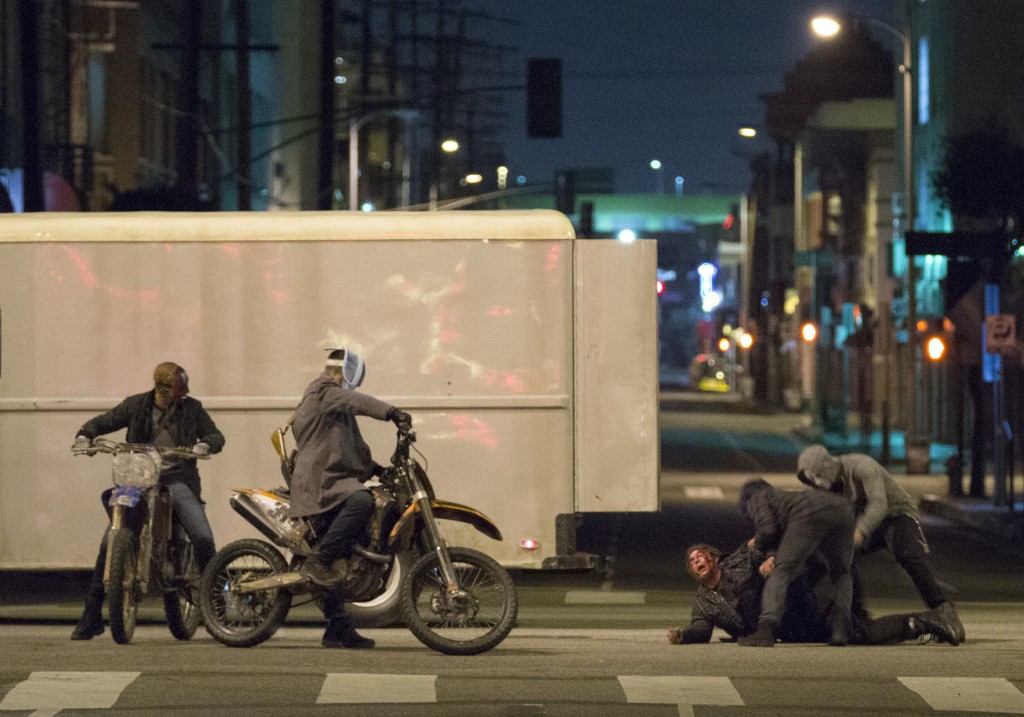









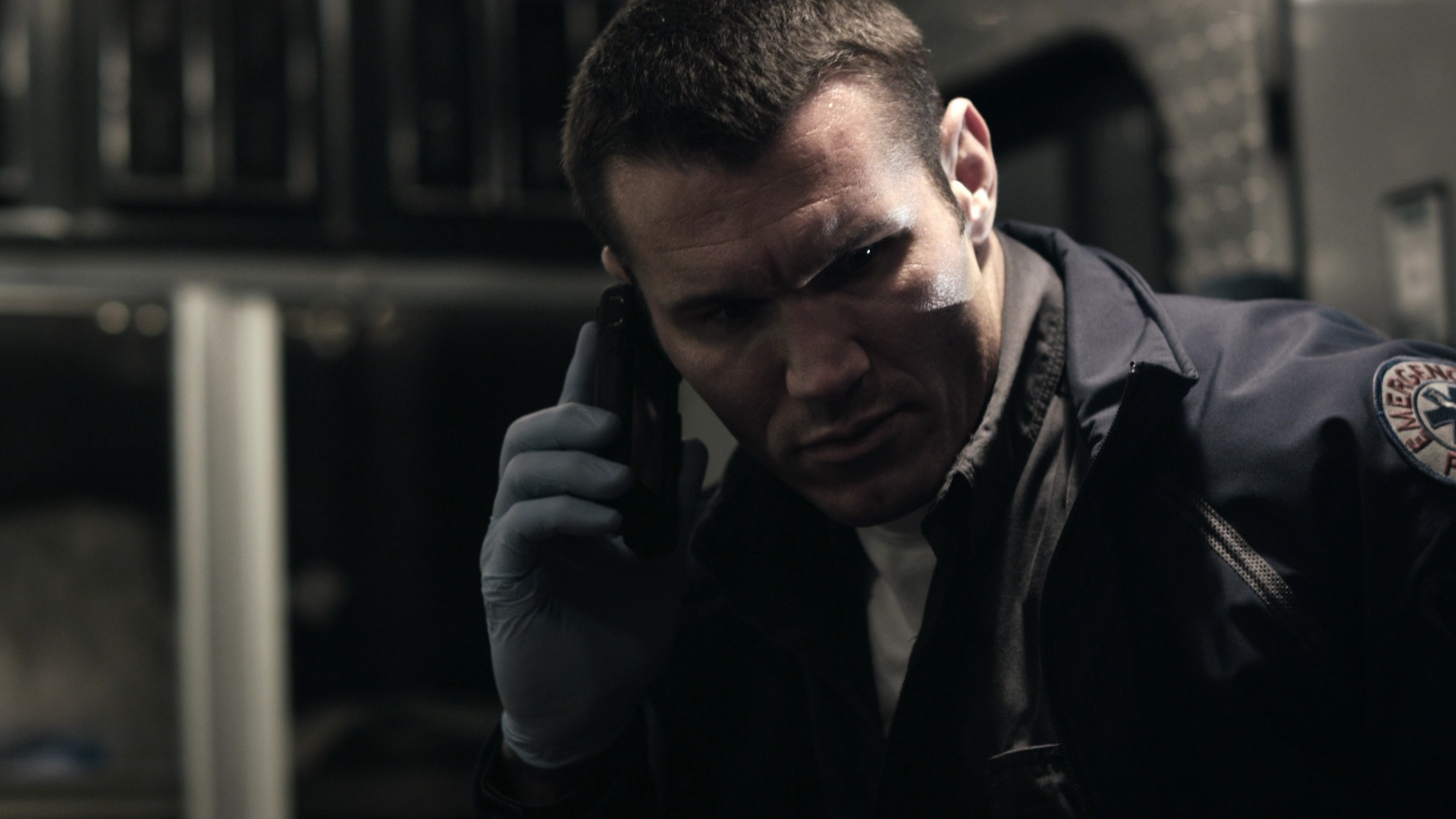

 thedullwoodexperiment