• 10 Reasons to Remember…
  • A Brief Word About…
  • About
  • For One Week Only
  • Happy Birthday
  • Monthly Roundup
  • Old-Time Crime
  • Other Posts
  • Poster of the Week
  • Question of the Week
  • Reviews
  • Trailers

thedullwoodexperiment

~ Viewing movies in a different light

thedullwoodexperiment

Author Archives: dullwood68

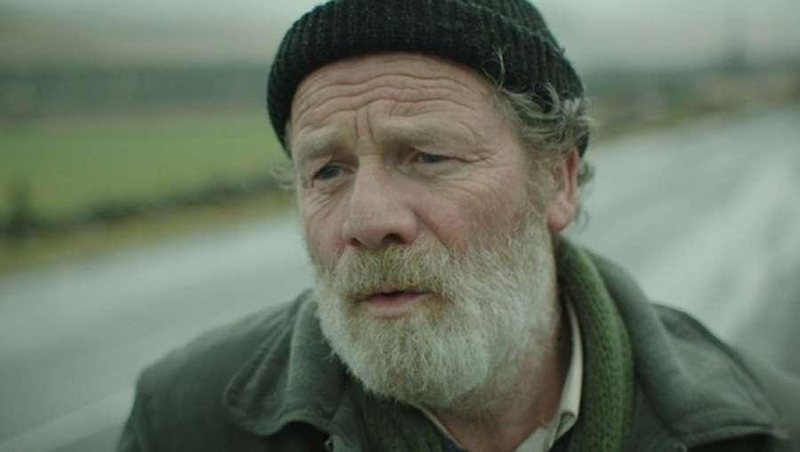
Hector (2015)

04 Monday Jun 2018

Posted by dullwood68 in Movies

≈ Leave a comment

Tags

Charity shelter, Drama, Family ties, Homeless, Jake Gavin, Keith Allen, London, Peter Mullan, Review, Sarah Solemani, Scotland

D: Jake Gavin / 87m

Cast: Peter Mullan, Keith Allen, Natalie Gavin, Laurie Ventry, Sarah Solemani, Ewan Stewart, Stephen Tompkinson, Gina McKee

Hector McAdam (Mullan) is a fifty-something homeless man “living” with two other homeless people, Dougie (Ventry) and Hazel (Gavin), in a makeshift “home” at the rear of a service station in Scotland. He walks with a limp and has been in poor health for some time. Needing an operation, Hector decides to get in touch with his sister, Lizzie (McKee), who lives in Newcastle, but though he tracks down her husband, Derek (Tompkinson), his sister doesn’t want to see him. With his annual trip to London to stay at a charity shelter over the Xmas period coming up, Hector determines instead to find his brother, Peter (Stewart). With the aid of one of the shelter’s support workers, Sara (Solemani), Hector tries to locate Peter, but with only a vague idea of where to find him, his chances of being successful are very slim. But one day, Sara has a surprise for him, an unexpected visitor – Peter. As the reasons for Hector being homeless begin to be revealed, he’s also given a chance to reconnect with his family, and to face the future with more optimism than before…

Movies like Hector can appear – at first – as if they’re too slight, or too ephemeral, to work properly. This is borne out by the movie’s opening scenes, which see Hector trudging the streets from place to place and looking forlorn and rootless, a man adrift from his own life but having made a kind of peace with that. He’s good-natured, kind and thoughtful, but above all modest in his efforts to get by. Whatever his previous life, he’s moved on in his own way, even though it’s meant rejecting his family (and losing much more). We never learn what it is that means he needs an operation, but the emphasis is clear: it’s serious enough to make him rethink his situation and want to make amends (he has been homeless, and isolated himself, for fifteen years). As we spend more time with Hector, watching how painful walking is for him, how he has moments where he seems on the verge of some kind of seizure, first-time writer/director Jake Gavin ensures that Hector’s plight is one the viewer is entirely sympathetic of. He’s a good man, well liked and regarded, and thanks to Peter Mullan’s exemplary performance, deserving of our support.

By telling Hector’s story against a backdrop of homelessness and personal hardship, Gavin eschews the usual tropes and themes associated with such elements in favour of an approach that allows for tragedy and heartbreak, but not in a way that’s exploitative or melodramatic. Gavin’s direction is confident yet simple, allowing the narrative to broaden its scope when necessary, and to introduce a number of secondary characters, including Solemani’s ultra-supportive charity worker, that allows for an optimistic tone throughout. It’s arguable that Hector has it too easy – a social worker has helped him get his benefits and a pension, a shopkeeper helps him after he’s been assaulted – but that would be to miss the point of Hector’s story: it’s about taking those first brave steps toward reconciliation, both with his family and with himself. Mullan’s performance is first class, quietly commanding and authoritative, and with an emotional clarity to the character that’s all the more impressive for being so restrained. There’s fine support from Solemani, Ventry and Gavin, though Tompkinson’s over protective (and boorish) brother-in-law feels out of place, something that fortunately doesn’t harm the movie too much. It’s a surprisingly rewarding first feature, touching but persuasive, and with a simple sincerity that’s hard to beat.

Rating: 8/10 – a good example of the antithesis of today’s modern blockbuster, Hector is a small gem of a movie: unshowy yet emotive, and handled with due care and attention by all concerned; shot in a low-key style by DoP David Raedeker, this modest production is intelligent, absorbing, and beautifully understated.

Share this:

  • Click to share on X (Opens in new window) X
  • Click to share on Facebook (Opens in new window) Facebook
  • More
  • Click to print (Opens in new window) Print
  • Click to email a link to a friend (Opens in new window) Email
Like Loading...

Mary Shelley (2017)

03 Sunday Jun 2018

Posted by dullwood68 in Movies

≈ Leave a comment

Tags

Biography, Douglas Booth, Drama, Elle Fanning, Frankenstein, Haifaa Al Mansour, History, Lord Byron, Percy Shelley, Review, Romance, True story

D: Haifaa al-Mansour / 120m

Cast: Elle Fanning, Douglas Booth, Stephen Dillane, Bel Powley, Tom Sturridge, Joanne Froggatt, Ben Hardy, Maisie Williams

London, 1813. Mary Wollstonecraft Godwin (Fanning) is the sixteen year old daughter of bookseller and political philosopher, William Godwin (Dillane). Mary is wilful, and more interested in reading and writing than contributing to the household chores, and this in turn causes bad feelings with her stepmother (Froggatt). Things come to a head and Mary is sent to stay with one of her father’s friends in Scotland. There she meets the young poet Percy Bysshe Shelley (Booth), and an attraction develops between them. When Mary returns to London, Shelley follows her and their relationship deepens, even though Mary learns Shelley is married and has a child. Leaving her family home along with her stepsister Claire Clairmont (Powley), the pair and Shelley at first live in less than impressive surroundings until Shelley comes into some money. An invitation through Claire to stay with notorious poet and philanderer Lord Byron (Sturridge) near Geneva in the summer of 1816 comes just at the right time: Shelley’s creditors are literally knocking at the door. Once there, a challenge from Byron to write a ghost story led Mary to begin writing the novel that would seal her fame and her reputation…

A heritage picture with all the attendant tropes that go with it, Mary Shelley focuses on the early romantic life of the creator of Frankenstein: or, the Modern Prometheus, and does its best to show the trials and tribulations that made up Mary’s life, but without connecting them convincingly with the writing of her classic novel. With any historical biography, the problem lies in recreating an acceptable and authentic sounding series of events to illustrate how a novel, a painting, or a similar work of art came into being. Emma Jensen’s original screenplay does its best – there’s the loss of Mary’s mother shortly after she was born, a theatrical display of galvanism, querulous thoughts on an afterlife – but it can’t quite make us believe that Mary was destined to write her “ghost story” in the way that the script would have us accept. There’s both encouragement and discouragement from Shelley, Mary’s own determination to prove a patriarchal society that it’s dismissal of the efforts of women is wrong, and inevitably, the support of her father at a crucial point in the novel’s publication. That these things happened is not necessarily in dispute, but the way in which they’re laid out is unfortunately quite mundane.

This proves a detriment to the movie overall, with al-Mansour’s efforts held in check by the demands of the feel and shape of the narrative, which is respectful without being passionate, and fluid though without feeling driven. There are the requisite setbacks and tragedies on display, and they come at their expected moments, and so much so that you can tick them off as you watch. This leaves Fanning somewhat adrift in a movie that her peformance dominates, and which allows her to show a greater range and skill in her portrayal of Mary than is usually the case. In support, Booth is a gifted yet emotionally petulant Shelley, Powley is terrific as the envious stepsister trying to make her own mark through an unfortunate dalliance with Byron, and Dillane does seemingly little, but to such good effect that he’s the focus of every scene he’s in. al-Mansour, following up her debut feature Wadjda (2012), is a great choice as director but again is defeated by the apparent requirements for making a period picture. It’s ironic then, that a movie about the creator of a literary figure brought to life by lightning, lacks the spark needed to bring it’s own tale fully to life.

Rating: 6/10 – it looks good (thanks to David Ungaro’s sterling cinematography), and it’s replete with good performances, but Mary Shelley is ultimately too pedestrian in nature and presentation to linger in the memory; the romance between Mary and Percy fizzles out in a perfunctory “that’s done” fashion, her stance as a proto-feminist (and the nominal ease with which she overcomes the gender prejudice of the times) is clunky, and is undermined by the movie’s end, where her fame and fortune is guaranteed by the intervention of her lover and her father – and there’s further irony for you.

Share this:

  • Click to share on X (Opens in new window) X
  • Click to share on Facebook (Opens in new window) Facebook
  • More
  • Click to print (Opens in new window) Print
  • Click to email a link to a friend (Opens in new window) Email
Like Loading...

Monthly Roundup – May 2018

02 Saturday Jun 2018

Posted by dullwood68 in Movies

≈ 1 Comment

Tags

Action, Adam Robitel, Air Hawks, Alanna Forte, Albert S. Rogell, Alden Ehrenreich, Alex Richanbach, Alex Skarlatos, Andy Milligan, Animation, Aviation, Bath house, Beatrix Potter, Bedelia, Bernard Charnacé, Betsy-Blue English, CGI, Clint Eastwood, Comedy, David Leitch, Deadpool 2, DJ, Domhnall Gleeson, Don Michael Paul, Drama, Emilia Clarke, Enemies Closer, From Hell to the Wild West, Gabrielle Haugh, Gerard Jacuzzo, Gillian Jacobs, Graboids, Han Solo, Homosexuality, Horror, Ian Hunter, Ibiza, Insidious: The Last Key, Jack the Ripper, James Corden, James Stewart, Jamie Kennedy, Jean Rollin, Jean-Claude Van Damme, Jeepers Creepers 3, Jesse V. Johnson, Josh Brolin, Lance Comfort, Lin Shaye, Louis Mandylor, Maggie Grace, Margaret Lockwood, Marvel, Michael Gross, Murder, Mutants, Mystery, Navy Blue and Gold, Newhaven Fort, Peter Hyams, Peter Rabbit, Prankz., Prequel, Ralph Bellamy, Rene Perez, Reviews, Robert Dahdah, Robert Kovacs, Robert Young, Romance, Ron Howard, Rose Byrne, Russell Peters, Ryan Reynolds, Sam Wood, Sci-fi, Scott Adkins, Sequel, Simone Rollin, Solo: A Star Wars Story, Spencer Stone, Stan Shaw, Supercon, Superhero, Tala Birell, The 15:17 to Paris, The Creeper, The Debt Collector, The Mask of Medusa, Thriller, Tom Everett Scott, Tremors: A Cold Day in Hell, True story, Vapors, Victor Salva, Warren Dudley, Will Gluck, Zak Knutson

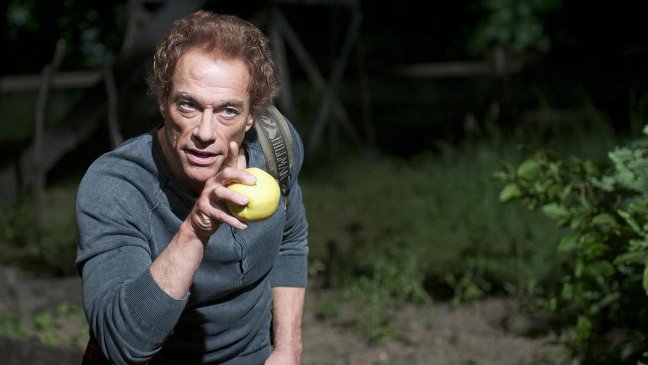
Enemies Closer (2013) / D: Peter Hyams / 85m

Cast: Tom Everett Scott, Jean-Claude Van Damme, Orlando Jones, Linzey Cocker, Christopher Robbie, Zachary Baharov, Dimo Alexiev, Kris Van Damme

Rating: 5/10 – when a plane carrying drugs crash lands in the waters off King’s Island it’s up to ranger (and ex-Navy Seal) Henry Taylor (Scott) to stop mercenary Xander (Van Damme) and his men from retrieving the cargo; a bone-headed action movie with a flamboyant performance from Van Damme, Enemies Closer is saved from complete disaster by Hyams’ confident direction and cinematography, a script that often seems aware of how silly it all is, and an earnest turn from Scott that eschews the usual macho heroics expected from something that, in essence, is Die Hard on a Small Island.

From Hell to the Wild West (2017) / D: Rene Perez / 77m

Cast: Robert Kovacs, Alanna Forte, Charlie Glackin, Karin Brauns, Robert Bronzi, Sammy Durrani

Rating: 3/10 – a masked serial killer sets up home in a ghost town in California, until a Marshall (Kovacs) and a bounty hunter (Bronzi) team up to end his reign of terror; a low budget horror with an interesting premise, From Hell to the Wild West is let down by poor production values, terrible acting, the kind of Easter eggs that stick out like a sore thumb (Bronzi was a stunt double for Charles Bronson, and his character name is Buchinski), a threadbare plot, and occasional stabs at direction by Perez – all of which make it yet another horror movie that’s a chore to sit through.

Tremors: A Cold Day in Hell (2018) / D: Don Michael Paul / 98m

Cast: Michael Gross, Jamie Kennedy, Tanya van Graan, Jamie-Lee Money, Kiroshan Naidoo, Keeno Lee Hector, Rob van Vuuren, Adrienne Pearce, Francesco Nassimbeni, Paul de Toit

Rating: 4/10 – Burt Gummer (Gross) and his son, Travis (Kennedy), are called in when Graboid activity is discovered in the Canadian tundra, and threatens a research facility; number six in the series, Tremors: A Cold Day in Hell marks a serious downturn in quality thanks to dreary plotting, cardboard characters, and absentee suspense, and supports the notion that the franchise should be put to bed (even though there’s a TV series on the horizon), something that not even the continued presence of Gross can mitigate against, or the producers.

The Debt Collector (2018) / D: Jesse V. Johnson / 96m

Cast: Scott Adkins, Louis Mandylor, Vladimir Kulich, Michael Paré, Tony Todd, Rachel Brann, Esteban Cueto, Jack Lowe

Rating: 5/10 – a financially strapped martial arts instructor, French (Adkins), takes on a job as a debt collector for a local gangster, and finds himself elbow deep in unexpected violence and the search for someone who may or may not have swindled one of the debtors on his list; though breezy and easy-going, and replete with fight scenes designed to show off Adkins prowess as an action hero, The Debt Collector gets bogged down by its neo-noir-style script, and a plethora of supporting characters that come and go without making an impact, or contributing much to the story.

Air Hawks (1935) / D: Albert S. Rogell / 68m

Cast: Ralph Bellamy, Tala Birell, Wiley Post, Douglass Dumbrille, Robert Allen, Billie Seward, Victor Kilian, Robert Middlemass, Geneva Mitchell, Wyrley Birch, Edward Van Sloan

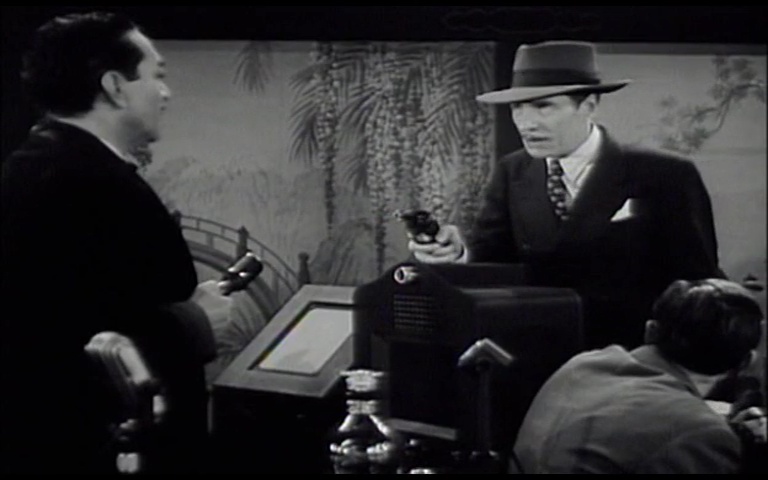
Rating: 6/10 – a small-time independent airline finds itself being sabotaged by a rival airline in its attempts to win a transcontinental contract from the government; a mash-up of aviation drama and sci-fi elements (Van Sloan’s character operates a “death ray” from the back of a truck), Air Hawks is the kind of sincerely acted and directed nonsense that Hollywood churned out by the dozens during the Thirties, but it’s enjoyable nonetheless, with eager performances from Bellamy and Kilian, nightclub scenes that don’t feel out of place at all(!), and a knowing sense of how silly it all is.

Supercon (2018) / D: Zak Knutson / 100m

Cast: Russell Peters, Maggie Grace, Ryan Kwanten, Brooks Braselman, Clancy Brown, John Malkovich, Mike Epps, Caroline Fourmy

Rating: 3/10 – at a TV/artists/superhero convention, a group of friends decide to rob the promoter and at the same time, stick it to an overbearing TV icon (Brown) as payback for the way they’ve been treated; somewhere – though buried deep – inside the mess that is Supercon is a great idea for a movie set at a fantasy convention centre, but this dire, uninspired comedy isn’t it, lacking as it does real laughs, any conviction, and consistent direction, all things that seemed to have been “refused entry” at the earliest stages of production.

The 15:17 to Paris (2018) / D: Clint Eastwood / 94m

Cast: Spencer Stone, Alex Skarlatos, Anthony Sadler, Judy Greer, Jenna Fischer, Ray Corasani, P.J. Byrne, Thomas Lennon, William Jennings, Bryce Gheisar, Paul-Mikél Williams

Rating: 6/10 – the true story of how three friends, two of whom (Stone, Skarlatos) were American servicemen, tackled and overcame a gun-toting terrorist on a train bound for Paris from Amsterdam in August 2015; with the terrorist incident being dealt with in a matter of minutes, The 15:17 to Paris has to pad out its running time, and does so by showing how the three friends met and grew up, and their progress through Europe until that fateful train ride, a decision that works well in introducing the trio, but which makes this in some ways more of a rites of passage-cum-travelogue movie than the incisive thriller it wants to be.

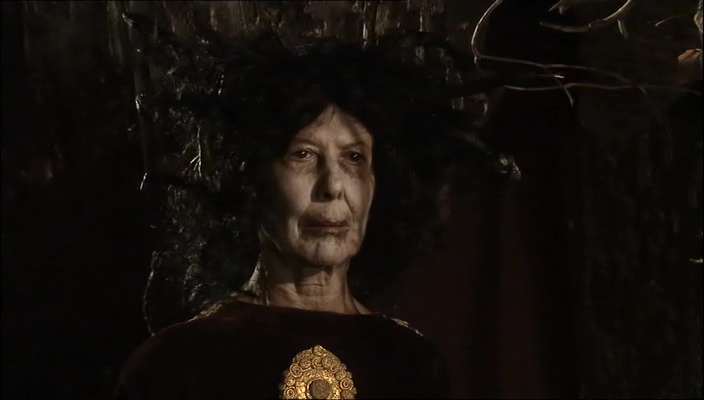
The Mask of Medusa (2009) / D: Jean Rollin / 73m

Original title: Le masque de la Méduse

Cast: Simone Rollin, Bernard Charnacé, Sabine Lenoël, Thomas Smith, Marlène Delcambre

Rating: 5/10 – a retelling of the classical story of the Gorgon presented in two parts; Rollin’s final project, The Mask of Medusa is much more of an experimental movie than you’ll find amongst his usual work, but it has a starkly defined approach that allows the largely idiosyncratic dialogue room to work, and the austere nature of the visuals has an unnerving effect that works well at times with the narrative, but it’s also an experience that offers little in the way of intellectual or emotional reward for the viewer, which makes this something of a disappointment as Rollin’s last movie.

Jeepers Creepers 3 (2017) / D: Victor Salva / 101m

Cast: Stan Shaw, Gabrielle Haugh, Brandon Smith, Meg Foster, Jordan Salloum, Chester Rushing, Jason Bayle, Ryan Moore, Jonathan Breck

Rating: 3/10 – the Creeper targets anyone who comes near the truck he collects his victims in, as well as the members of a family he terrorised originally twenty-three years before; set between the first and second movies, Jeepers Creepers 3 suffers from tortuous sequelitis, with Salva stretching the franchise’s time frame out of whack, and failing to provide viewers with the scares and thrills seen in the original movie, something that, though predictable, doesn’t bode well for the already in gestation Part Four.

Navy Blue and Gold (1937) / D: Sam Wood / 94m

Cast: Robert Young, James Stewart, Florence Rice, Billie Burke, Lionel Barrymore, Tom Brown, Samuel S. Hinds, Paul Kelly, Barnett Parker, Frank Albertson

Rating: 7/10 – three new recruits to the United States Naval Academy (Young, Stewart, Brown) battle their own individual problems, as well as trying to make the grade; a patriotic flag waver of a movie, and cinematic recruitment drive for the US Navy, Navy Blue and Gold features likeable performances from all three “cadets”, the usual soap opera elements to help keep the plot ticking over, and Barrymore doing yet another variation on his crusty old man persona, all of which, along with Wood’s erstwhile direction, ensure the movie is pleasant if undemanding.

Bedelia (1946) / D: Lance Comfort / 90m

Cast: Margaret Lockwood, Ian Hunter, Barry K. Barnes, Anne Crawford, Beatrice Varley, Louise Hampton, Jill Esmond

Rating: 7/10 – a woman (Lockwood), married for the second time, comes under the suspicion of an artist (Barnes) who believes her husband (Hunter) is likely to end up dead – just as her first husband did; a clever piece of melodrama from the novel by Vera Caspary, Bedelia doesn’t quite ratchet up the suspense as it goes along, but it does offer a fine performance from Lockwood as a femme with the emphasis on fatale, and occasional psychological details that help keep Bedelia herself from appearing evil for evil’s sake.

Peter Rabbit (2018) / D: Will Gluck / 95m

Cast: James Corden, Rose Byrne, Domhnall Gleeson, Margot Robbie, Sam Neill, Elizabeth Debicki, Daisy Ridley, Sia, Colin Moody

Rating: 7/10 – when the farmer (Neill) who continually tries to stop Peter Rabbit (Corden) and his friends stealing from his vegetable garden drops dead, so begins a war of attrition with his grandnephew (Gleeson); as a modern updating of Beatrix Potter’s beloved characters, purists might want to stay away from Peter Rabbit, but this is a colourful, immensely charming (if occasionally cynical) tale that is both funny and sweet, and which falls just the right side of being overwhelmingly saccharine.

Insidious: The Last Key (2018) / D: Adam Robitel / 103m

Cast: Lin Shaye, Leigh Whannell, Angus Sampson, Kirk Acevedo, Caitlin Gerard, Spencer Locke, Josh Stewart, Tessa Ferrer, Bruce Davison, Javier Botet

Rating: 6/10 – Elise Rainier (Shaye) is forced to come face to face with a demon from her childhood, as it targets members of her brother’s family; another trip into the Further reveals signs of the franchise beginning to cannibalise itself in the search for newer, scarier installments, though at least Insidious: The Last Key has the ever reliable Shaye to add a layer of sincerity to the usual hokey paranormal goings on, and one or two scares that do actually hit the mark, but this should be more way more effective than it actually is.

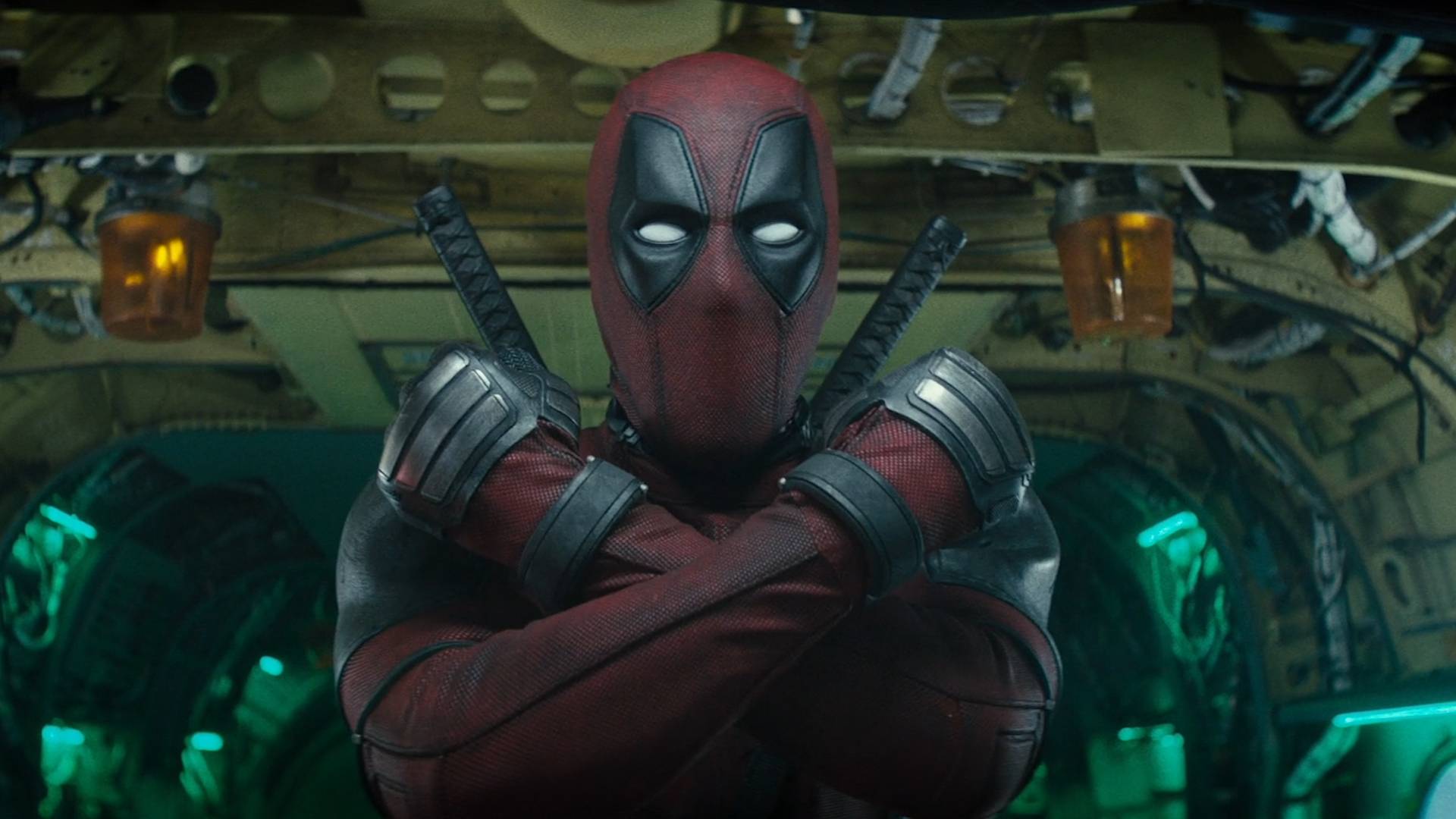
Deadpool 2 (2018) / D: David Leitch / 119m

Cast: Ryan Reynolds, Josh Brolin, Morena Baccarin, Julian Dennison, Zazie Beetz, T.J. Miller, Leslie Uggams, Karan Soni, Brianna Hildebrand, Stefan Kapicic, Eddie Marsan, Rob Delaney, Lewis Tan, Bill Skarsgård, Terry Crews

Rating: 8/10 – everyone’s favourite Merc with a Mouth is called upon to protect a teenage mutant (Dennison) with pyro abilities from a time-travelling half-man, half-cyborg called Cable (Brolin); any worries about Deadpool 2 not living up to the hype and being a letdown are dispensed with by more meta jokes than you can shake a pair of baby legs at, the same extreme levels of bloody violence as the first movie, and the opening title sequence, which gleefully advertises the fact that it’s directed by “one of the directors who killed the dog in John Wick”.

Vapors (1965) / D: Andy Milligan / 32m

Cast: Robert Dahdah, Gerard Jacuzzo, Hal Sherwood, Hal Borske, Richard Goldberger, Larry Ree

Rating: 7/10 – set in a bath house for homosexuals, first-timer Thomas (Jacuzzo) ends up sharing a room with married man, Mr Jaffee (Dahdah), who in between interruptions by some of the other patrons, tells him a disturbing personal story; an absorbing insight into both the freedom of expression afforded gay men by the confines of a bath house, as well as the personal stories that often have a tragic nature to them, Vapors is a redolent and pungent exploration of a milieu that few of us will have any experience of, and which contains content that is still relevant today.

Solo: A Star Wars Story (2018) / D: Ron Howard / 135m

Cast: Alden Ehrenreich, Emilia Clarke, Woody Harrelson, Paul Bettany, Joonas Suotamo, Donald Glover, Phoebe Waller-Bridge, Thandie Newton, Jon Favreau, Linda Hunt

Rating: 6/10 – Han Solo (Ehrenreich), a pilot for the Imperial Empire, breaks away from the Empire to work with smuggler Tobias Beckett (Harrelson) in an attempt to rescue his lover Qi’ra (Clarke) from their home planet – but it’s not as easy as it first seems; a movie that spends too much time reminding audiences that its main character has a chequered history, Solo: A Star Wars Story is a series of admittedly entertaining action sequences in search of a coherent story to wrap around them, but hamstrung by a bland lead performance, and another round of secondary characters you can’t connect with.

Prankz. (2017) / D: Warren Dudley / 71m

Cast: Betsy-Blue English, Elliot Windsor, Ray d James, Isabelle Rayner, Sharon Drain

Rating: 3/10 – six vlogs, two of which were never uploaded, show a footballer (Windsor), his girlfriend (English), and his best friend (James), playing pranks on each other, until a planned prank backfires with horrific consequences; an object lesson in how not to make a found footage horror movie, Prankz. is low budget awfulness personified, and as far from entertaining, or scary, or credible, or worth your time as it’s possible to be, which is the only achievement this dire movie is able to claim.

Ibiza (2018) / D: Alex Richanbach / 94m

Cast: Gillian Jacobs, Vanessa Bayer, Phoebe Robinson, Michaela Watkins, Richard Madden, Nelson Dante, Anjela Nedyalkova, Jordi Mollá

Rating: 3/10 – tasked with clinching a business deal in Barcelona, Harper (Jacobs) not only takes along her two best friends (Bayer, Robinson), but falls for a DJ (Madden) whose next gig is in Ibiza – where she determines to find him, even if it puts the deal in jeopardy; a romantic comedy that is neither romantic or funny – desperate is a more appropriate description – Ibiza is so bad that it’s yet another Netflix movie that you can’t believe was ever given a green light, or that Will Ferrell and Adam McKay stayed on board as producers once they saw the script (or what passes for one).

Share this:

  • Click to share on X (Opens in new window) X
  • Click to share on Facebook (Opens in new window) Facebook
  • More
  • Click to print (Opens in new window) Print
  • Click to email a link to a friend (Opens in new window) Email
Like Loading...

Bastards (2013)

01 Friday Jun 2018

Posted by dullwood68 in Movies

≈ Leave a comment

Tags

Abuse, Chiara Mastroianni, Claire Denis, Drama, France, Mystery, Review, Suicide, Thriller, Vincent Lindon

Original title: Les salauds

D: Claire Denis / 100m

Cast: Vincent Lindon, Chiara Mastroianni, Julie Bataille, Michel Subor, Lola Créton, Alex Descas, Grégoire Colin, Florence Loiret Caille, Christophe Miossec, Yann Antoine Bizette, Laurent Grévill

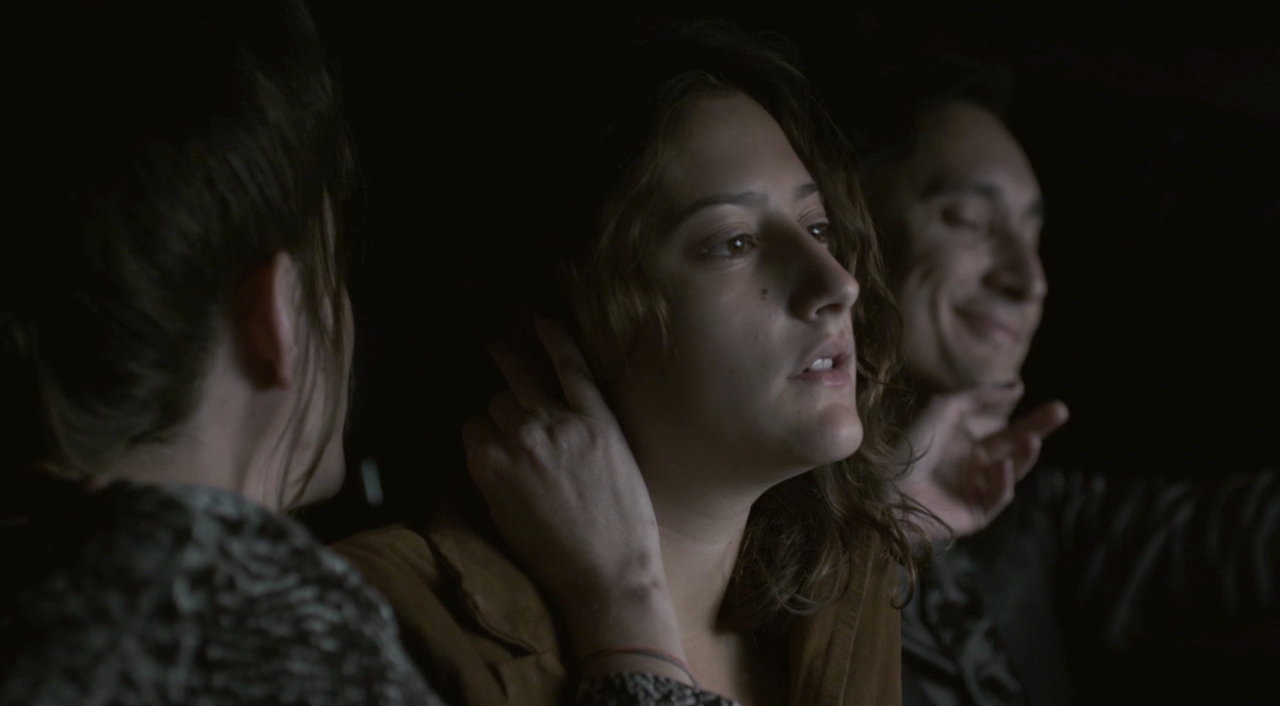
Following the death by suicide of his brother-in-law Jacques (Grévill), supertanker captain Marco Silvestri (Lindon) returns home at the behest of his sister, Sandra (Bataille). Sandra is convinced Jacques killed himself because of his involvement with successful businessman Edouard Laporte (Subor), though she has no proof. Marco moves into the apartment above Laporte’s, and begins a relationship with his mistress, Raphaëlle (Mastroianni); she lives there with their son, Joseph (Bizette). While Marco investigates Jacques’ death, he also discovers that his teenage niece, Justine (Créton), is in hospital having tried to take her life. He also learns that she has been sexually abused, but she won’t reveal who by. As his relationship with Raphaëlle becomes more intense, evidence seems to support the idea that Laporte is the person who assaulted Justine. Proof of what happened comes in the form of video footage, but it complicates things for Marco, and matters are further exacerbated when Justine runs away from the hospital where she’s convalescing, and Laporte tells Raphaëlle that Joseph is going to live with him…

A dark and moody thriller that, in Denis’s customary style, plays with notions of time and space and its characters physical connections to both, Bastards is a deliberately downbeat movie that is like taking a bath in multiple levels of corruption and moral culpability. Marco is a nominal hero, the nearest we get to a crusader looking for the truth, but even he’s not above behaving selfishly or violently in order to get the answers he’s looking for. He’s still the most sympathetic character in the movie – and that includes Justine, who is lost to both her family and the audience through her actions – but Denis, along with co-screenwriter Jean-Pol Fargeau, ensures Marco isn’t above reproach for his actions, even though he’s doing his best to unravel the mystery of Jacques’s death, and Justine’s assault. He’s a good man with good intentions, but his actions are often as unsavoury as his nemeses. Lindon plays him with a taciturn, no-nonsense approach that hides deep-rooted feelings of inadequacy and failure, the self-imposed distance between him and his family causing guilt to be the driving force behind his actions. Lindon is a strong masculine presence, powerful and stocky in a blunt, uncompromising way, and his casting is one of Denis’s best decisions.

There’s good support from Mastroianni as the compromised Raphaëlle, and though Subor is perhaps a little too reptilian for Laporte, he’s still an appropriately chilling figure (a moment where he takes Joseph’s hand in his is uncomfortable for the implication that goes with it). Denis has crafted an adroit though straightforward thriller that teases out its characters’ secrets and motivations in revelatory moments that are impactful dramatically if not quite promoting an emotional response in the viewer. Combined with the way in which the movie is assembled – Annette Dutertre’s editing, overseen by Denis, allows for scenes that feel disjointed and at times, out of place – this is as much an intellectual movie making exercise as it is a polished if gloomy thriller. It’s still a movie to admire in terms of its construction and the way it unfolds, but the lack of sympathetic characters makes it difficult to engage with, or care about the outcome, which is meant to be shocking, both for what is revealed, and for what it means overall. That being the case, the movie falls short of reaching its full potential, and remains a triumph of style over content.

Rating: 7/10 – not one of Denis’s best movies, but still intriguing to watch nevertheless, Bastards has a distinctly grim atmosphere to it, and a nihilistic streak that adds to its intensity; not entirely successful, but even a below par Denis movie is better than ones made by some movie makers operating at the top of their game.

Share this:

  • Click to share on X (Opens in new window) X
  • Click to share on Facebook (Opens in new window) Facebook
  • More
  • Click to print (Opens in new window) Print
  • Click to email a link to a friend (Opens in new window) Email
Like Loading...

Welcome to Leith (2015)

30 Wednesday May 2018

Posted by dullwood68 in Movies

≈ Leave a comment

Tags

Arrest, Christopher K. Walker, Craig Cobb, Documentary, Kynan Dutton, Lee Cook, Michael Beach Nichols, North Dakota, Review, Ryan Schock, True story, White supremacy

D: Michael Beach Nichols, Christopher K. Walker / 86m

With: Craig Cobb, Ryan Schock, Lee Cook, Kynan Dutton, Michelle Schock, Gregory Bruce, Jeff Schoep, Deborah Henderson, Ryan Lenz, Heidi Beirich, Bobby Harper, Todd Schwarz

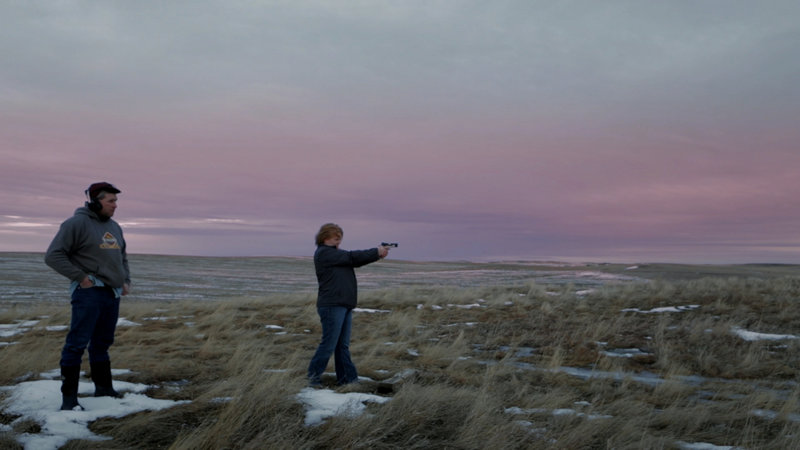
In May 2012, a white supremacist by the name of Craig Cobb bought twelve plots of land in the small North Dakota town of Leith – population twenty-four. Cobb’s intention was to build a community of like-minded people which would allow them to gain an electoral majority in Leith, and be “in charge”. Once the people of Leith became aware of Cobb’s background, as well as his intentions, they banded together to protect themselves from the prospect of seeing their town overrun in this way. The mayor, Ryan Schock, along with the rest of the town council, implemented an ordinance that required Cobb and those who’d come to Leith to support him, to be connected to the mains water and sewage supply or be evicted from their properties (none were). Following this decision, in November 2013, Cobb, along with a fellow white supremacist, Kynan Dutton, were arrested after walking the streets of Leith carrying loaded weapons. Charges of terrorising the citizens of Leith were brought against both men, and a trial was expected to begin the following year. But not everything went according to plan…

In Welcome to Leith, the battle lines are clearly drawn: an influx of white supremacists versus horrified townspeople increasingly afraid for their lives and livelihood. For most viewers it’s an easy decision to make as to where any sympathies should lie, but the undeniable power of Michael Beach Nichols and Christopher K. Walker’s gripping documentary is not that this decision is so obvious, or cut and dried, but that it highlights the irony of a section of society fighting for its place in the world by displacing another section of society in order to do so. This is an aspect that seems to escape Cobb and his followers and supporters, but it’s made abundantly clear by the white supremacist’s actions and behaviour. At a town council meeting, Cobb impugns the involvement of a father, Lee Cook, in the murder of his seventeen year old daughter. It’s a particularly horrible moment in a movie full of moments where negative racial profiling is exposed for the hate crime it is, and so-called Christians defend their First Amendment rights as if they are the only ones entitled to them.

Another irony exposed by the movie is the way in which Cobb and his followers behave, as if by spewing bile and hatred towards others, that it makes their cause all the more agreeable or acceptable. While Nichols and Walker don’t delve into the psychology of Cobb’s beliefs (it’s not really necessary), they do show the ways in which a small group of townspeople became affected by those beliefs, and the fear and mistrust engendered by them – for example, Cook wouldn’t let his family stay in their home while he was at work. More importantly, Nichols and Walker approach the material using a balance that offsets any accusations of bias, instead presenting events from all sides, even if as a viewer, you don’t agree with some of them. Also, what happens after Cobb and Dutton are arrested, and the subsequent legal wranglings that went on, shows just how committed both men were to their beliefs (and there’s irony there too). But if there’s any one moment where Cobb’s white nationalist observance is punctured for good and all it’s when the results of a DNA test he undertook for The Trisha Goddard Show reveal he’s genetically fourteen per cent sub-Saharan African. Now, how’s that for irony?

Rating: 8/10 – a formidable examination of an attempt to subvert a small township for a cause’s own subversive ends, Welcome to Leith is chilling, breathtaking to watch unfold, and a cautionary tale for our times; forget the Insidious horror series, what Cobb and his followers tried to do is really insidious, and the fact that it could happen elsewhere is a message the movie makes very loud and clear.

Share this:

  • Click to share on X (Opens in new window) X
  • Click to share on Facebook (Opens in new window) Facebook
  • More
  • Click to print (Opens in new window) Print
  • Click to email a link to a friend (Opens in new window) Email
Like Loading...

Batman (1943) – Chapter 10: Flying Spies

29 Tuesday May 2018

Posted by dullwood68 in Movies

≈ Leave a comment

Tags

Action, Columbia, Douglas Croft, Drama, J. Carrol Naish, Lambert Hillyer, Lewis Wilson, Radium, Review, Serial, Shirley Patterson, The Sphinx Club, Thriller

D: Lambert Hillyer / 18m

Cast: Lewis Wilson, Douglas Croft, J. Carrol  Naish, Shirley Patterson, William Austin, John Maxwell, Ted Oliver, Lester Dorr

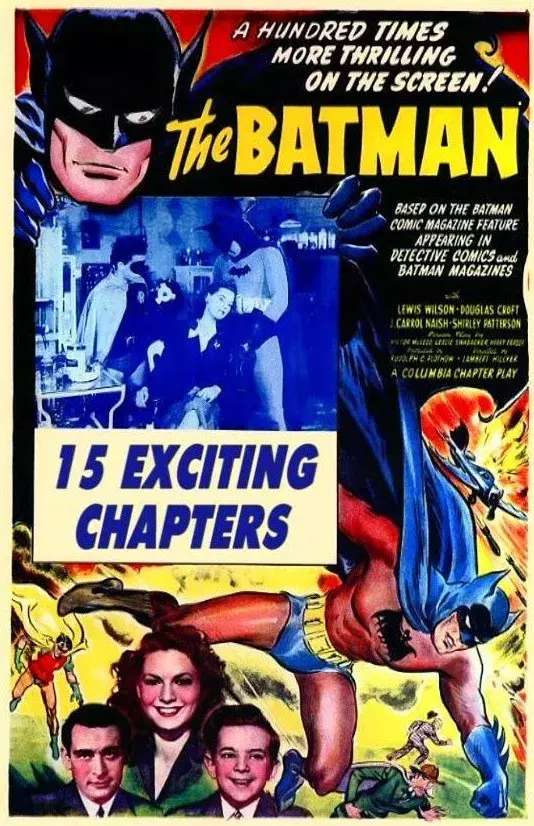
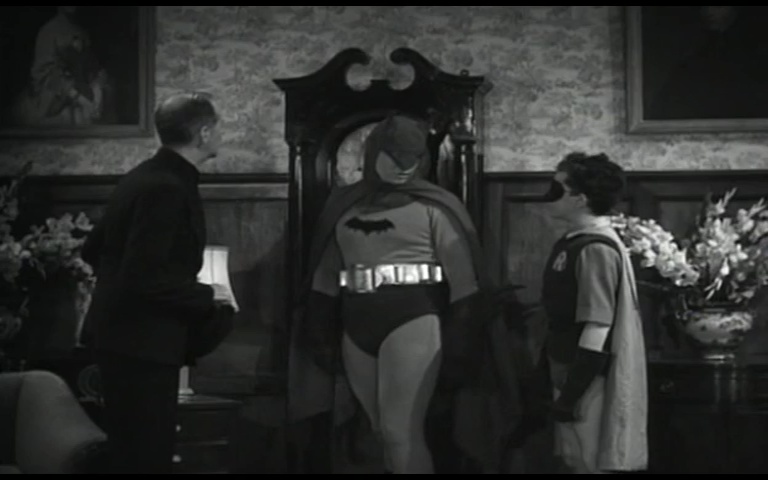
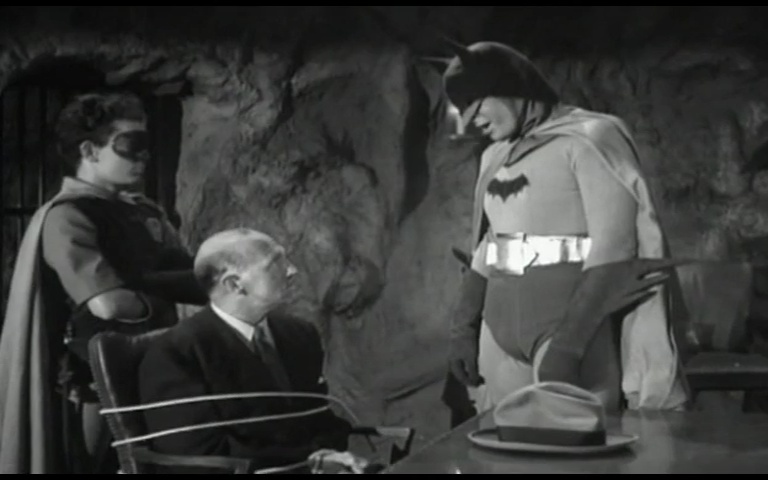
Having survived being crushed by a ship’s gang plank (by simply rolling out of the way), Batman, along with Robin, returns to the Bat Cave, and decides to drop off their (not forgotten) captive, Marshall (Oliver), to the police. Meanwhile, Daka learns that another supply of radium has become available. Batman learns of the radium too, in a secret government message. Believing that his recent disguise as Chuck White is still a better way of infiltrating Daka’s gang, he returns to the Sphinx Club. From there he’s taken to another of the gang’s hideouts, where he’s observed by Daka and given approval to go along with the henchmen assigned to retrieving the radium; this is going to be dropped by parachute from an airplane that night. At the drop site, Chuck gets away from Daka’s men and changes into Batman. With Robin’s help he gets the radium package before they do, and drives off in one of their vehicles. With a tire shot out, and the Caped Crusader unable to control the steering, the vehicle crashes down the side of a hill and bursts into flames, sending Batman to certain death…

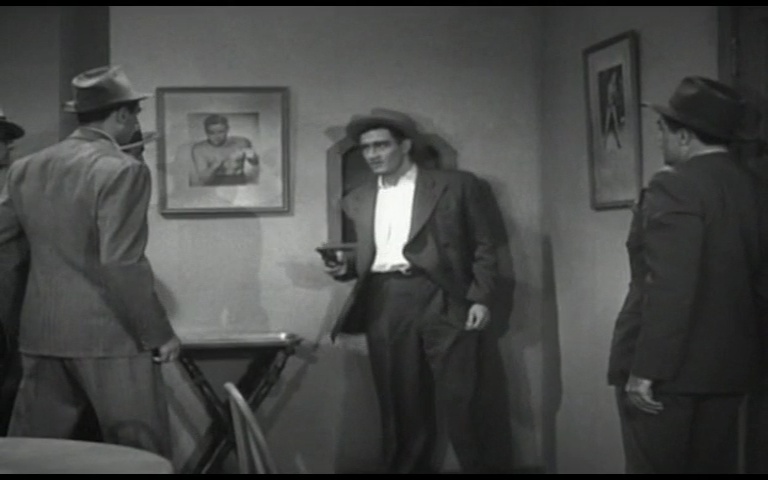
With two thirds over, and no end game in sight still, Chapter 10 is a curious installment. It’s better than Chapter 9, but not so good that it matches the standard of Chapters 6-8. For all that, though, this is another filler episode, but one that somehow feels that it has more momentum and more incident than the last time out (it doesn’t, but still, there’s a definite sense of the serial somehow upping its game). Perhaps it’s the serial’s weird sense of humour, which makes itself felt throughout, or the way in which each scene seems to be operating at speed. Hillyer appears to be in a hurry, as is the script, but it’s hard to work out why. It follows the standard formula for a filler episode, so perhaps the humour is an unexpected by-product (though Hillyer is too experienced for that to be entirely true). There’s the scene where Linda comes to see Bruce, gets jealous of White (don’t ask), and then leaves in a huff – and that’s it for Linda in this chapter. There’s Daka assessing Bruce as Chuck through the eyeholes in a painting, and the radium package (which Daka’s agent has trouble lifting) being attached to the kind of parachute that is the epitome of inadequate.

Credibility has never been the serial’s strong suit, and it’s highly unlikely that anyone making it thought they were making anything other than a B-movie with a better than average budget – even if you’re not sure where the money went. However, Chapter 10 does prove entertaining overall, from Alfred posing as a cab driver, to Marshall’s abrupt dismissal from the story, and the inclusion of yet more radium to be hijacked/stolen (which begs the question, just how secure is this stuff?). One aspect that does appear to be getting worse is the recap of the last episode, which this time means that Chapter 10 doesn’t get started properly until after three minutes have elapsed. Of course, this is to ensure that the required couple of bouts of fisticuffs still occur in each installment, but it’s becoming more and more of a liability, especially as the fight choreography remains as laughable as ever. Bruce’s disguise as Chuck is still something of an unacceptable caricature (that nose), but at least the chapter ends on a much more dramatic note than usual. An exploding vehicle? Just how is Batman going to survive this time…?

Rating: 6/10 – neither very good or very bad, but strangely acceptable as a moderately entertaining episode, Chapter 10 of Batman always feels like it could go either way, but it actually holds to the middle ground with some elan; if one wish could be granted, though, it would be for no more talk of radium, a plot device that has now been run into the ground.

Share this:

  • Click to share on X (Opens in new window) X
  • Click to share on Facebook (Opens in new window) Facebook
  • More
  • Click to print (Opens in new window) Print
  • Click to email a link to a friend (Opens in new window) Email
Like Loading...

Mad to Be Normal (2017)

28 Monday May 2018

Posted by dullwood68 in Movies

≈ Leave a comment

Tags

David Tennant, Drama, Elisabeth Moss, Gabriel Byrne, Kingsley Hall, Mental illness, Psychiatry, R.D. Laing, Review, Robert Mullan, Schizophrenia, True story

D: Robert Mullan / 105m

Cast: David Tennant, Elisabeth Moss, Michael Gambon, Gabriel Byrne, David Bamber, Adam Paul Harvey, Olivia Poulet, Jerome Holder, Lydia Orange, Tom Richards

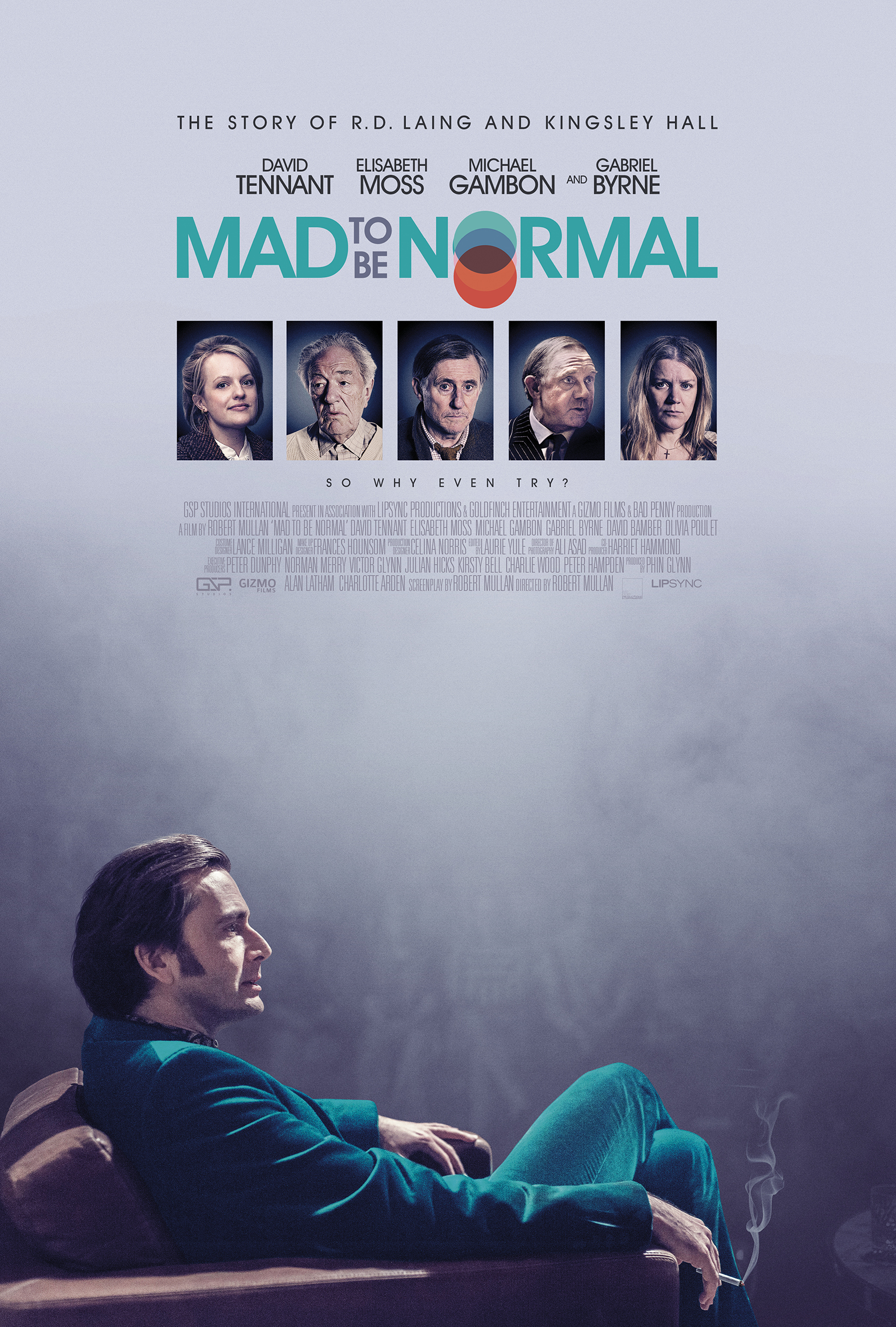
Beginning in 1965, the noted psychiatrist R.D. Laing (Tennant) was the head of the Philadelphia Association, a community-based psychiatric project based at Kingsley Hall in London’s  East End. There, therapists and patients lived together, and the aim was to provide a restraint-free, drug-free environment for those afflicted by schizophrenia. It was a pioneering experiment that drew plenty of criticism from the psychiatric establishment of the time, which decried Laing’s rejection of traditional treatments such as constant sedation and electro-convulsive therapy. For the purposes of Mad to Be Normal, Laing’s relationship with his girlfriend at the time, Jutta Werner, is transposed into one with an ambitious American student called Angie Wood (Moss). Their relationship provides the backbone of Robert Mullan’s movie, a serious yet distant piece that only superficially explores both Laing the man and Laing the health care professional. While he deals with the dynamics of their relationship, Laing also fights off challenges from the establishment (in the form of David Bamber’s blinkered traditionalist), and the patients at Kingsley Hall itself.

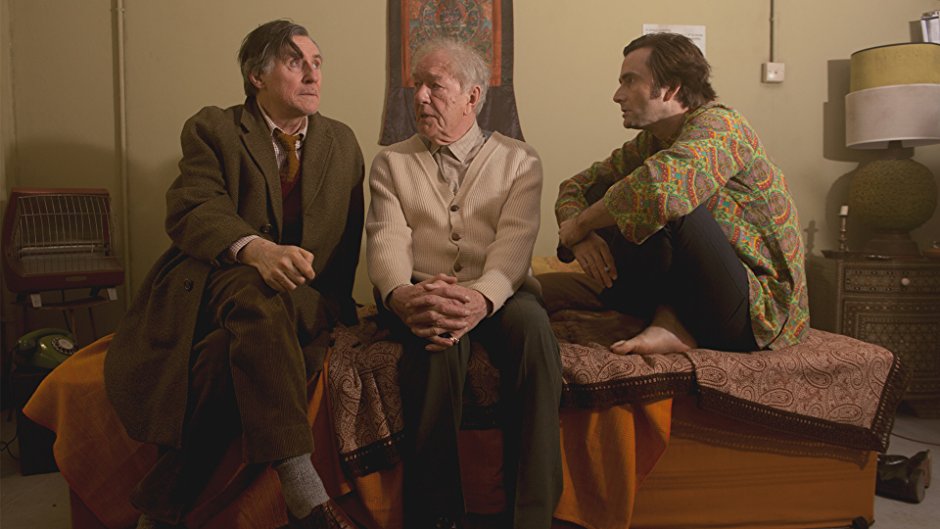
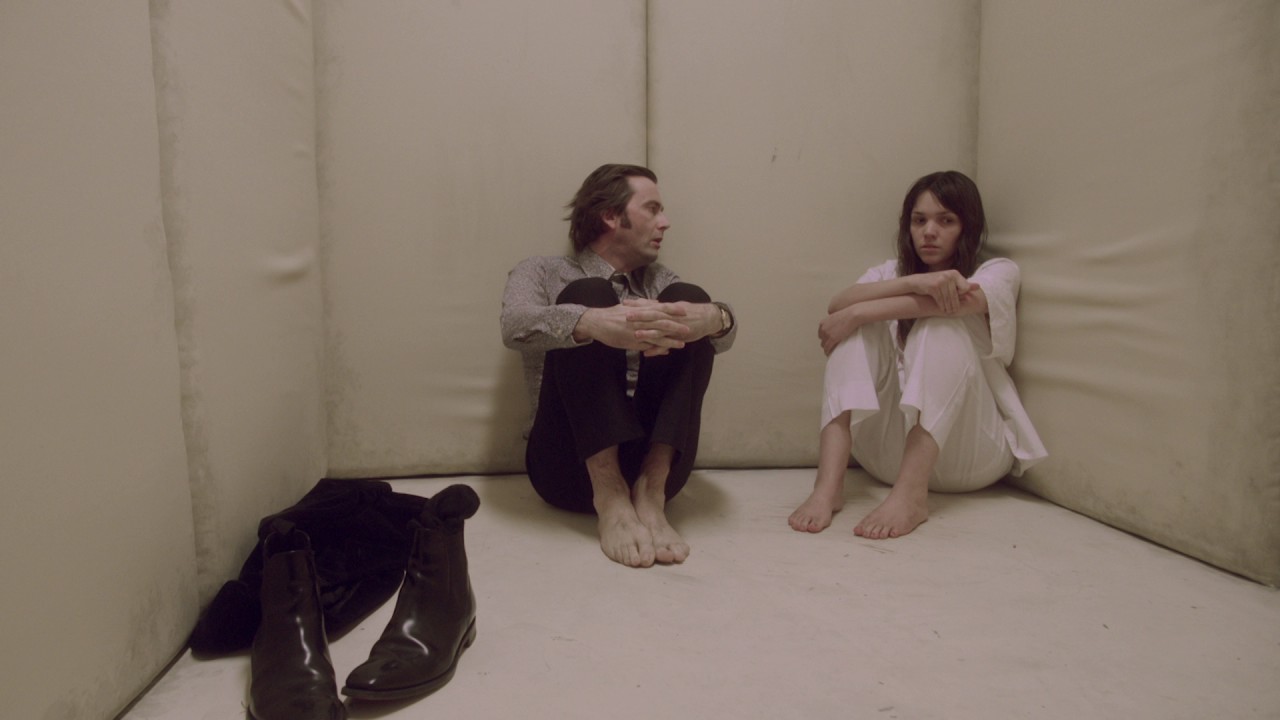
These patients include Sydney (Gambon), an elderly childhood trauma sufferer, Maria (Poulet), who can’t forgive herself for losing her baby, John (Holder), who hears voices, and Jim (Byrne), whose obsession with the moon belies violent tendencies relating to childbirth. The movie works well when it focuses on the patients, and there’s a terrific scene set in New York where Laing coaxes responses from a young woman, Sarah (Orange), who doesn’t speak or eat or otherwise engage with anyone. But away from these interactions, Laing’s life and commitment to his work don’t have the same impact, or come anywhere close to it. This is a major drawback for the movie as a whole, because though there is plenty of tension and dramatic incident borne out of Mullan and co-screenwriter Tracy Moreton’s script, Mullan doesn’t seem to know how to present these incidents in such a way that we get a clear insight into Laing’s own mental processes. He’s eloquent enough when challenged, and Tennant displays a passion and commitment to the role that gets the character through several moments where the drama lapses into soap opera, but as to the man himself, and his reasons for doing the work he does, this isn’t necessarily the forum for that kind of revelation.

This leaves the movie focusing mainly on said challenges, and the slow descent into violent madness experienced by Jim. Despite a terrific performance from Byrne, though, Jim’s story is predictable in the extreme, and the irony of his eventual treatment is hammered home with all the subtlety of an ECT session. But while Byrne is gifted with possibly the best role in the movie (it reminds you just how good an actor he is), Moss is left stranded by a role that keeps her sidelined for much of the running time, and which reduces Angie to the status of a secondary character, even when she has Laing’s child (though not his first; a subplot involving the five children he already has is thrown in for good but not lasting measure). Mullan and the script rarely attempt to explore the efficacy of the work carried out at Kingsley Hall, or show if there is any improvement gained by any of the patients there, and so we see patients behaving erratically though consistently, while Laing becomes more and more depressed himself. That there’s no real dramatic conclusion to all this – the movie ends very abruptly – doesn’t help either, leaving the viewer to wonder if there was any point to the movie, and on which level.

Rating: 6/10 – an uneven and dramatically unsatisfying look at a pivotal moment in the annals of “alternative psychiatry”, Mad to Be Normal is predicated on the assumption that Laing knew exactly what he was doing – and then doesn’t show the viewer how or why he was doing it; rescued by a clutch of good performances, the movie short changes Laing in favour of a routinely mounted biography that only skims the surface of its controversial and charismatic central character.

Share this:

  • Click to share on X (Opens in new window) X
  • Click to share on Facebook (Opens in new window) Facebook
  • More
  • Click to print (Opens in new window) Print
  • Click to email a link to a friend (Opens in new window) Email
Like Loading...

Every Day (2018)

27 Sunday May 2018

Posted by dullwood68 in Movies

≈ 1 Comment

Tags

Angourie Rice, Body swapping, David Levithan, Drama, Instagram, Jusice Smith, Literary adaptation, Lucas Jade Zumann, Michael Sucsy, Owen Teague, Review, Romance

D: Michael Sucsy / 97m

Cast: Angourie Rice, Justice Smith, Lucas Jade Zumann, Jacob Batalon, Colin Ford, Owen Teague, Maria Bello, Michael Cram, Debby Ryan

Rhiannon (Rice) is a sixteen year old schoolgirl whose boyfriend, Justin (Smith), surprises her one day by convincing her to skip classes and go to the beach. It’s a wonderful day, one that ends with Rhiannon believing that Justin, who isn’t normally so spontaneous or thoughtful, has changed for the better. However, the next day sees Justin finding it difficult to remember what happened the day before, and back to his usual self. Over the next few days, Rhiannon meets a handful of new people, all of whom are different but who also exhibit similar behaviours. One girl she meets tells her that these people have all been one person, inhabiting each body for a day, and that day at the beach has caused this person – who calls himself A – to want to spend more time with Rhiannon. Though at first she’s incredulous, Rhiannon begins to believe A’s story, and in the process starts to fall in love with him, despite the obstacles between them. But it’s when A finds himself able to stay in a body for more than a day that things become even more complicated…

A Twilight Zone-style scenario given a teen soap opera makeover, Every Day is the kind of inoffensive, and somewhat blandly presented movie that wants its characters to be better versions of themselves, but through the intervention of a body swapping entity instead of going on a personal journey of self-discovery. Rhiannon’s parents have their issues – dad had a breakdown some time before, mom now “works late” a lot – but it’s only when Rhiannon is substituted by A for a day that “she” does anything about these problems. Similarly, a teenager with suicidal thoughts is saved by A’s stepping up and saving the day. Every Day wears its wish fulfillment heart on its sleeve, and Jesse Andrews’ adaptation of David Levithan’s novel is keen to ensure that any drama is cleared away as tidily as possible, and as soon after it’s introduced, as if real life is ever that simple. What this means is that the material remains mostly good natured throughout and any lows are compensated for by the next high waiting around the corner. With the structure and the plotting laid out in such a straightforward, no frills way, the movie rarely moves out of second gear, or gains any real dramatic traction.

However, one area where the movie does excel is in its assembled depiction of A. Played by a total of fifteen actors and actresses (including Rice), it’s this aspect of the movie that works best. Watching so many different people playing the same character, and with all of them, even those with a limited amount of screen time, providing a consistent personality and mannerisms, is the movie’s trump card. A is handled with a great deal of care and attention throughout, and Sucsy and his talented cast ensure that his predicament is handled with a degree of sensitivity and even gravitas that is both unexpected and sincere. With A’s character feeling and sounding so grounded from the beginning, it helps the rest of the movie in terms of the drama surrounding his relationship with Rhiannon. As romances go, it’s not ideal, or practical, and the script doesn’t shy away from the likelihood that not everything will work out as it does in most other teen romantic dramas. But again, things run a little too smoothly, and any tension or close examinaton of A’s condition is passed over, making this a teen romance that can’t quite muster enough passion or depth to stand out from the crowd.

Rating: 6/10 – though the challenge of having fifteen different actors play the same role is achieved with a great degree of skill and confidence, it’s the overall story of Every Day that stops it from being better than it is; lacking in substance and/or dramatic thrust, it’s a movie that ambles along comfortably, while offering just enough to keep viewers interested until the end.

Share this:

  • Click to share on X (Opens in new window) X
  • Click to share on Facebook (Opens in new window) Facebook
  • More
  • Click to print (Opens in new window) Print
  • Click to email a link to a friend (Opens in new window) Email
Like Loading...

Bottom of the World (2017)

26 Saturday May 2018

Posted by dullwood68 in Movies

≈ Leave a comment

Tags

Disappearance, Douglas Smith, Drama, Evangelist, Jena Malone, Murder, Mystery, Review, Richard Sears, Ted Levine, Thriller

D: Richard Sears / 85m

Cast: Jena Malone, Douglas Smith, Ted Levine, Tamara Duarte, Kevin Owen McDonald, Jon McLaren, Mark Sivertsen

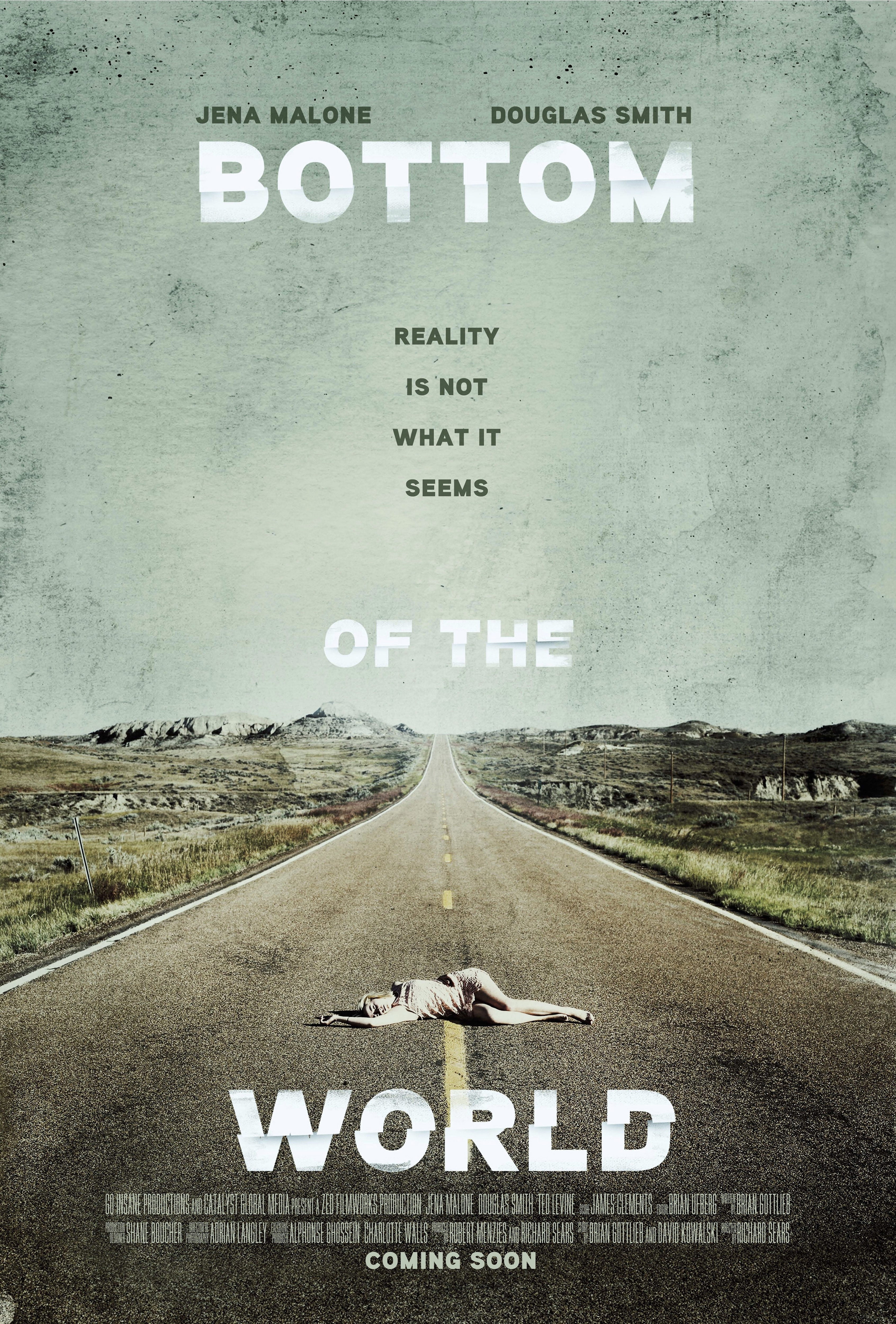
While on their way to LA and travelling through the South West, young couple Scarlett (Malone) and Alex (Smith) find themselves staying at a hotel overnight where they appear to be the only guests. At one point, Alex sees a man in a hoodie (McDonald) outside their room, looking up. When they leave the next morning, the man is there again. Back on the road, Scarlett becomes ill and they turn back, staying overnight at another hotel. The same thing happens again the next day, but this time, Scarlett disappears while Alex is in the hotel bar. When he tries to find her he meets the man in the hoodie who takes him out into the desert where he tells Alex there are bodies that he’s buried there at a certain spot; he then vanishes. Certain that Scarlett is with a locally based evangelist (Levine), Alex tracks him down to his church, but their confrontation offers more questions than answers, and Alex is forced to accept (or deny) that his trip with Scarlett has all been a dream when he wakes up and finds he is married to Paige (Duarte), and his next door neighbour looks exactly like Scarlett…

Early on in Richard Sears’ mystery mindbender of a movie, Scarlett asks Alex what’s the worst thing he’s ever done. His reply is boring, and no match for her tale of her mistreatment of a severely brain damaged cousin that she was meant to be looking after when she was younger. It’s a disturbing account, and feels somewhat out of place so early in the narrative, but it’s key to the events that transpire once Alex finds himself searching for Scarlett and then trying to decide if his life with her or his life with Paige is his true reality. With elements of both seeping and bleeding through and into each other, Alex’s quest for “the truth” becomes something that threatens to undermine his sanity. Through it all though, Brian Gottlieb’s script keeps bringing Alex back to Scarlett’s grim admission, and the mystery of her complicity – real or not? – becomes an obsession. It also leads Alex (and the viewer) to question the veracity of his memories, and the nature of his relationship with Scarlett. In his “dream” were they running away from a guilty truth, or toward one?

The answer(s) aren’t all forthcoming. Gottlieb’s script isn’t entirely successful when it comes to explaining just what exactly is going on, and while a fair degree of ambiguity is necessary to keep the scenario intriguing, a couple of narrative corners require a “one bound and he was free” approach to resolve matters. This leaves some moments feeling contrived and less than completely credible, and though Sears keeps things resolutely cryptic through a combination of hallucinatory visuals and an unsettling soundtrack, too much comes across as forced and/or unnecessary (Alex obsessing over the one black pea in a can is a case in point). So while the mystery of Scarlett’s story is eventually decided on, it’s at a disservice to the characters, who are required to behave bizarrely just to match the requirements of the plot. Playing two roles, Malone is a captivating presence as Scarlett, and ice cool as the more traditional femme fatale Alex has for a neighbour. As the tortured and conflicted Alex, Smith copes well with a role that could have been too arch and mannered for comfort (though it’s a close call at times), while Levine provides brief but effective support, and Adrian Langley’s apposite cinematography creates two distinct worlds for the price of one.

Rating: 6/10 – there are echoes of David Lynch here that aren’t as successfully integrated as they might have been, and the fusion of dream and reality doesn’t always gel, but there’s enough in Bottom of the World to make it worth watching; a valid attempt to create a waking nightmare, it nevertheless relies too heavily on the kinds of narrative “claim jumping” that requires too many occasions where belief has to be tempered thanks to narrative necessity.

Share this:

  • Click to share on X (Opens in new window) X
  • Click to share on Facebook (Opens in new window) Facebook
  • More
  • Click to print (Opens in new window) Print
  • Click to email a link to a friend (Opens in new window) Email
Like Loading...

Thoroughbreds (2017)

25 Friday May 2018

Posted by dullwood68 in Movies

≈ Leave a comment

Tags

Anton Yelchin, Anya Taylor-Joy, Black comedy, Cory Finley, Drama, Friends, Murder, Olivia Cooke, Review, Stepfather, Thriller

D: Cory Finley / 92m

Cast: Olivia Cooke, Anya Taylor-Joy, Anton Yelchin, Paul Sparks, Francie Swift, Kaili Vernoff

Amanda (Cooke) and Lily (Taylor-Joy) were once the best of friends, but circumstances affecting both their lives have caused them to drift apart. But those same circumstances now see them brought together again as Lily provides tutoring to Amanda, and they begin to re-establish their friendship. Amanda is emotionally crippled, while Lily is quite the opposite, and feels too much. When Amanda realises that Lily despises her stepfather, Mark (Sparks), it’s not long before she’s asking why Lily doesn’t murder him. Shocked at first, Lily begins to come around to the idea when her mother (Swift) tells her that she’s being sent to a boarding school for children with behavioural issues. Needing an alibi, they enlist the help of convicted felon, Tim (Yelchin), a hapless would-be drug dealer. With their plan set up for a weekend when both will be away, it’s down to Tim to carry out the crime, but things go awry and Mark remains very much alive. The plan, though, undergoes something of a change, one that sees Lily take charge by herself in an effort to resolve the situation once and for all…

A deliciously bittersweet, and biting, black comedy, Thoroughbreds is the debut feature of writer-director Cory Finley, and is as confident and assured a debut as you could hope for. Originally conceived of as a play, Finley’s exploration of two teenagers and their emotional differences, and the path both find themselves intent upon pursuing, is a striking and beautifully composed ode to teenage disaffection (and purposeful affectation). Amanda and Lily’s relationship provides challenges to both young women in terms of their emotional growth, and Finley provides an object lesson in how to create and develop two separate characters whose own individual needs quietly and inevitably dovetail until both are able to express those elements each other have been lacking. Amanda learns how to empathise, and Lily learns how to rationalise. These things make both of them stronger, and part of the pleasure of Finley’s finely judged screenplay is the way in which Amanda learns how to bond while Lily learns how to be alone. Throughout the movie, the tense dynamic established between them never quite settles comfortably into a groove that allows the viewer to predict what will happen next, and Finley manipulates the material accordingly.

It’s a movie that contains many examples of black comedy, and darkly satirical thriller elements that often subvert the modern day noir feel that Finley ascribes to the narrative. The glossy yet all too orderly environment of Lily’s home provides a trenchant backdrop for the largely muted passions on display, and Finley’s careful but invigorating direction ensures the movie is as visually arresting as it is emotionally powerful. As the murderous-minded Amanda and Lily, Cooke and Taylor-Joy both give excellent performances, while Yelchin (in one of his last roles), is marvellous as Tim, a man with dreams that aren’t matched by his ability or skill to see them through. It’s also worth noting Sparks’ performance as Mark, the ostensible bad guy who wears a frown on his face like a damaging accusation; it’s a tightly controlled portrayal, and all the more effective for not being the stereotype it so easily could have been. On the technical side, there’s much else to recommend the movie, from Lyle Vincent’s crisp, artfully composed cinematography, to Jeremy Woodward’s austere yet evocative production design, and Erik Friedlander’s memorably haunting score. With a sharp, calculating nature bubbling just below the surface, Thoroughbreds is a welcome addition to the usually underwhelming teen angst movies we normally get, and is all the better for managing to avoid the genre’s many pitfalls.

Rating: 8/10 – a movie that creates a precise and prescribed milieu on which to hang its tale of what happens when stifled emotions meet murderous ambition, Thoroughbreds is a genuine surprise, and a bona fide pleasure as well; with terrific performances wringing every possible nuance from his razor sharp screenplay, Finley’s debut highlights the arrival (hopefully) of someone with a great career ahead of them.

Share this:

  • Click to share on X (Opens in new window) X
  • Click to share on Facebook (Opens in new window) Facebook
  • More
  • Click to print (Opens in new window) Print
  • Click to email a link to a friend (Opens in new window) Email
Like Loading...

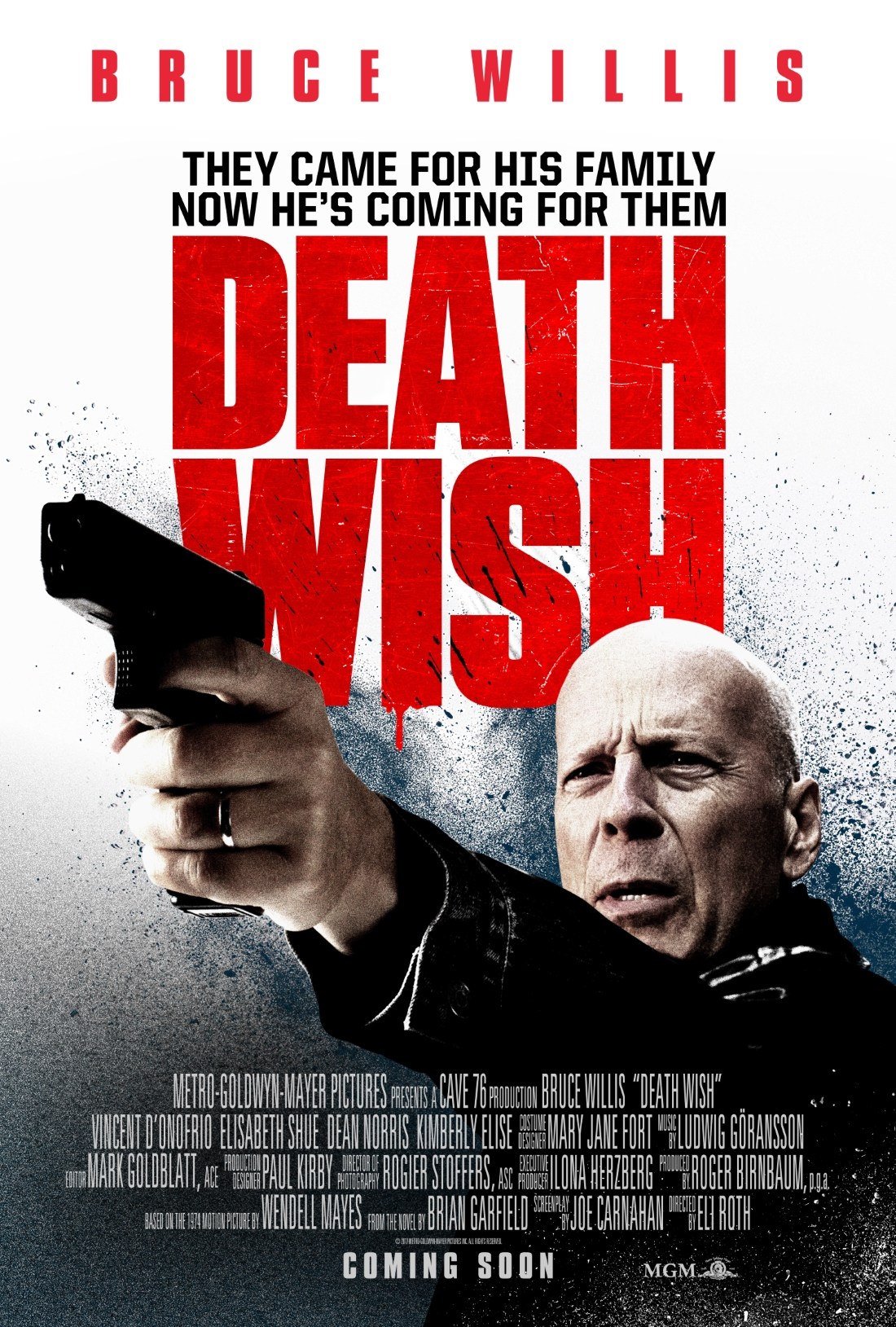
Death Wish (2018)

24 Thursday May 2018

Posted by dullwood68 in Movies

≈ Leave a comment

Tags

Bruce Willis, Burglary, Chicago, Dean Norris, Drama, Eli Roth, Murder, Remake, The Grim Reaper, Thriller, Vigilante, Vincent D'Onofrio

D: Eli Roth / 107m

Cast: Bruce Willis, Vincent D’Onofrio, Elisabeth Shue, Camila Morrone, Dean Norris, Beau Knapp, Kimberly Elise, Len Cariou, Jack Kesy, Ronnie Gene Blevins

Paul Kersey (Willis) is a trauma surgeon working at a Chicago hospital. He has a wife, Lucy (Shue), and a teenage daughter, Jordan (Morrone), who is about to go off to college. One night, while Kersey is working, three burglars break into his home while everyone is out, but Lucy and Jordan return while they’re still there. Lucy is killed, and Jordan suffers a skull fracture that leaves her in a coma. The police, represented by Detective Kevin Raines (Norris) and Detective Leonore Jackson (Elise), offer hope that they’ll catch the men responsible, but with no leads, time passes and Kersey begins to wonder if he’ll ever have justice for his family. Angry at the police’s inability to protect people, Kersey becomes a vigilante, and earns the soubriquet The Grim Reaper. When a gunshot victim is admitted to the ER and is wearing one of Kersey’s stolen watches, it provides him with enough information to begin tracking down the men the police can’t find. But as he hunts them down, Raines and Jackson become suspicious of his actions, and the leader of the men (Knapp) targets him directly…

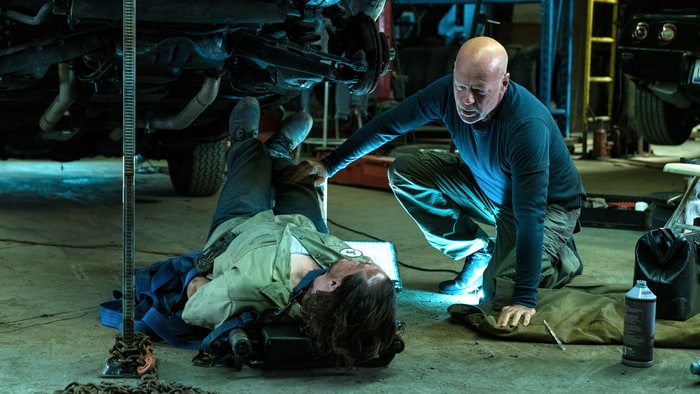
The idea of a remake of Michael Winner’s exploitation “classic” has been mooted for a while now (since 2006 when Sylvester Stallone was set to direct and star). There have been a few stops and starts along the way, and now we have the combination of Eli Roth and Bruce Willis, and a movie that has all the charm and appeal of applying haemorrhoid cream. There’s no other way of putting it: this incarnation of Death Wish is appalling, a right-wing political tract that lacks the courage of its own convictions, and strives for relevance in a day and age where violence is a sad, every day occurrence in the good old US of A. While talking heads debate the merits of having a vigilante on the streets of Chicago, Willis’s monotone Kersey goes on a journey of violent wish-fulfillment that screams “under-developed!” For a surgeon with no previous experience of handling a gun even, he’s able to act with impunity (he takes out a drug dealer on the street – in daylight – without being shot at by anyone), and even when he takes on the burglars, he leaves no evidence of his involvement.

So while Kersey gets away with murder, the police amble through proceedings like unwitting sleepwalkers at a narcolepsy convention (they even have time to joke about their investigation with their boss). It’s laughable, and something of an insult to the talent and skill of Joe Carnahan, the sole credited writer of this farrago, whose original script was re-written once Roth came on board. With a plethora of poorly written characters (D’Onofrio plays Kersey’s brother, but why he’s even there is impossible to work out), dialogue that sounds like a deaf person’s idea of dialogue, and Kersey’s motivations remaining murky at best, this is further sabotaged by Roth’s inability to maintain a consistent tone or invest proceedings with any appreciable energy. Willis continues to look bored out of his skull (a too common occurrence these days), the bad guys are straight out of generic villain central casting, and the action scenes are the nearest the movie comes to waking up. It has all the hallmarks of a movie that was rushed into production before the rights ran out, or worse, was rushed into production without anyone having a clear idea of what they were doing. So they truly did have a death wish…

Rating: 3/10 – abandoning any notion of moral ambiguity from the outset, Death Wish – Roth’s exploitation-free remake – is as dull as they come, and as ineptly handled as you’d expect; if you need any proof, just watch the early scene where Kersey “consoles” a cop whose partner has just died – and then hang your head in dismay.

Share this:

  • Click to share on X (Opens in new window) X
  • Click to share on Facebook (Opens in new window) Facebook
  • More
  • Click to print (Opens in new window) Print
  • Click to email a link to a friend (Opens in new window) Email
Like Loading...

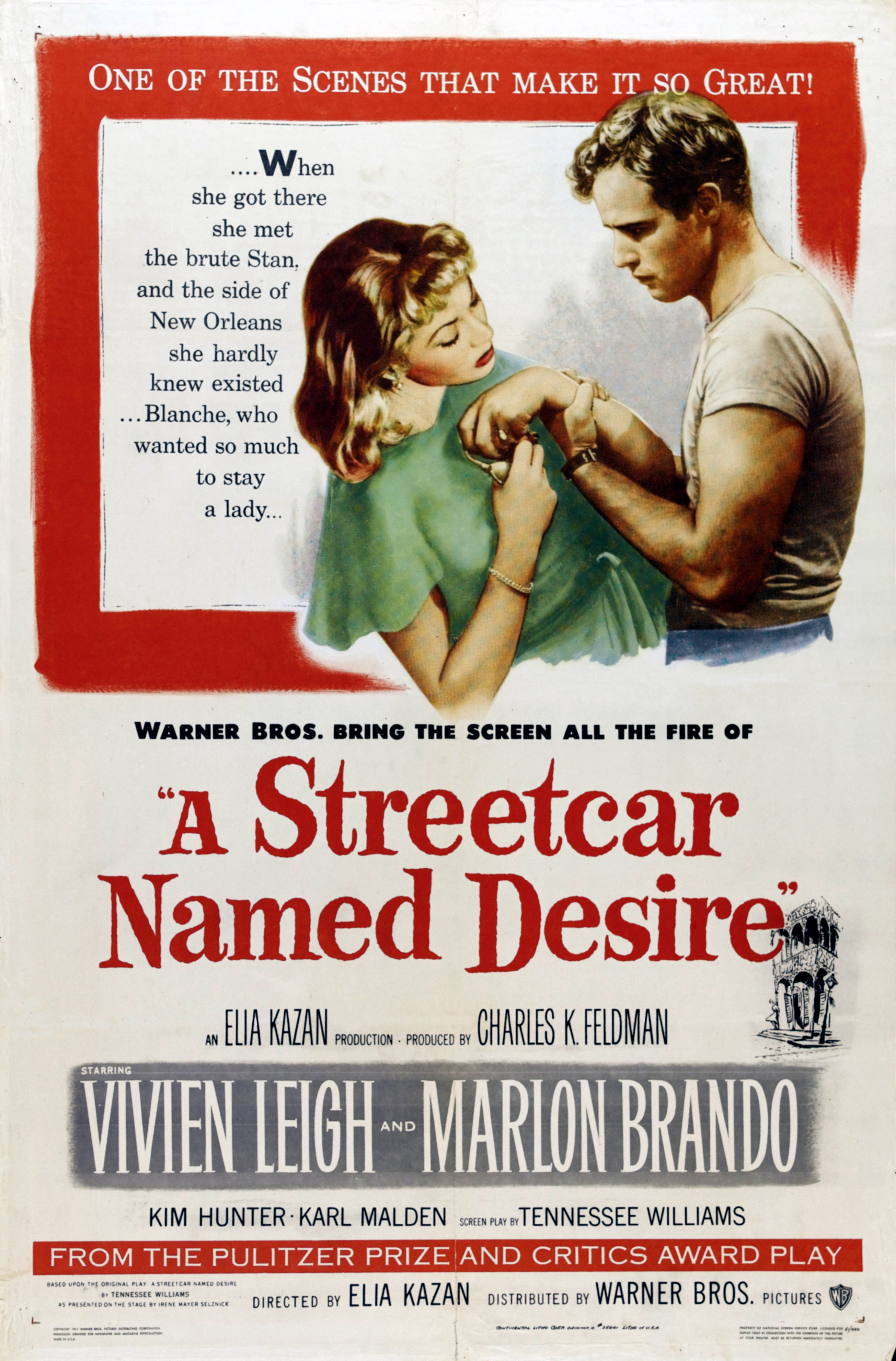
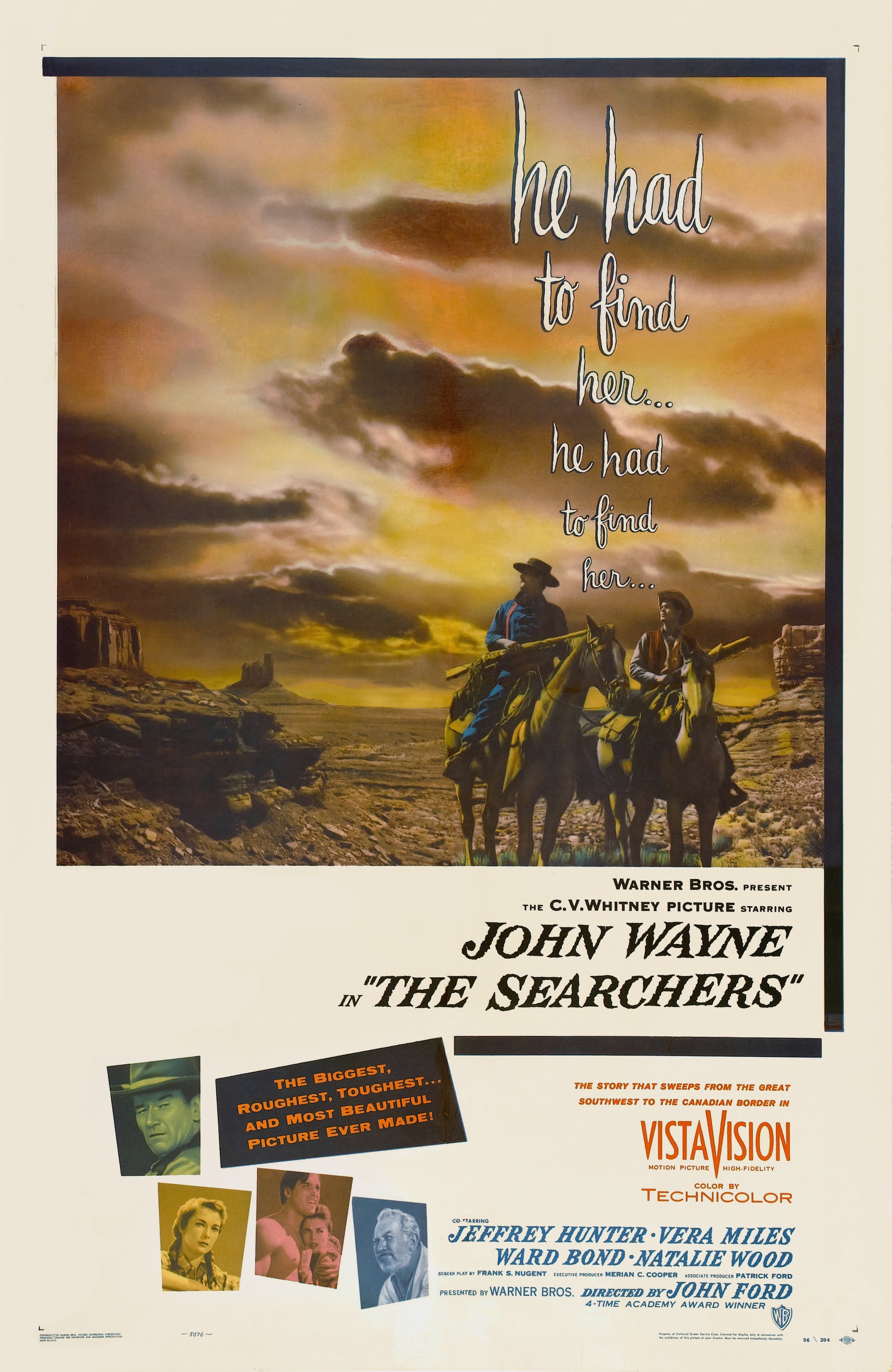
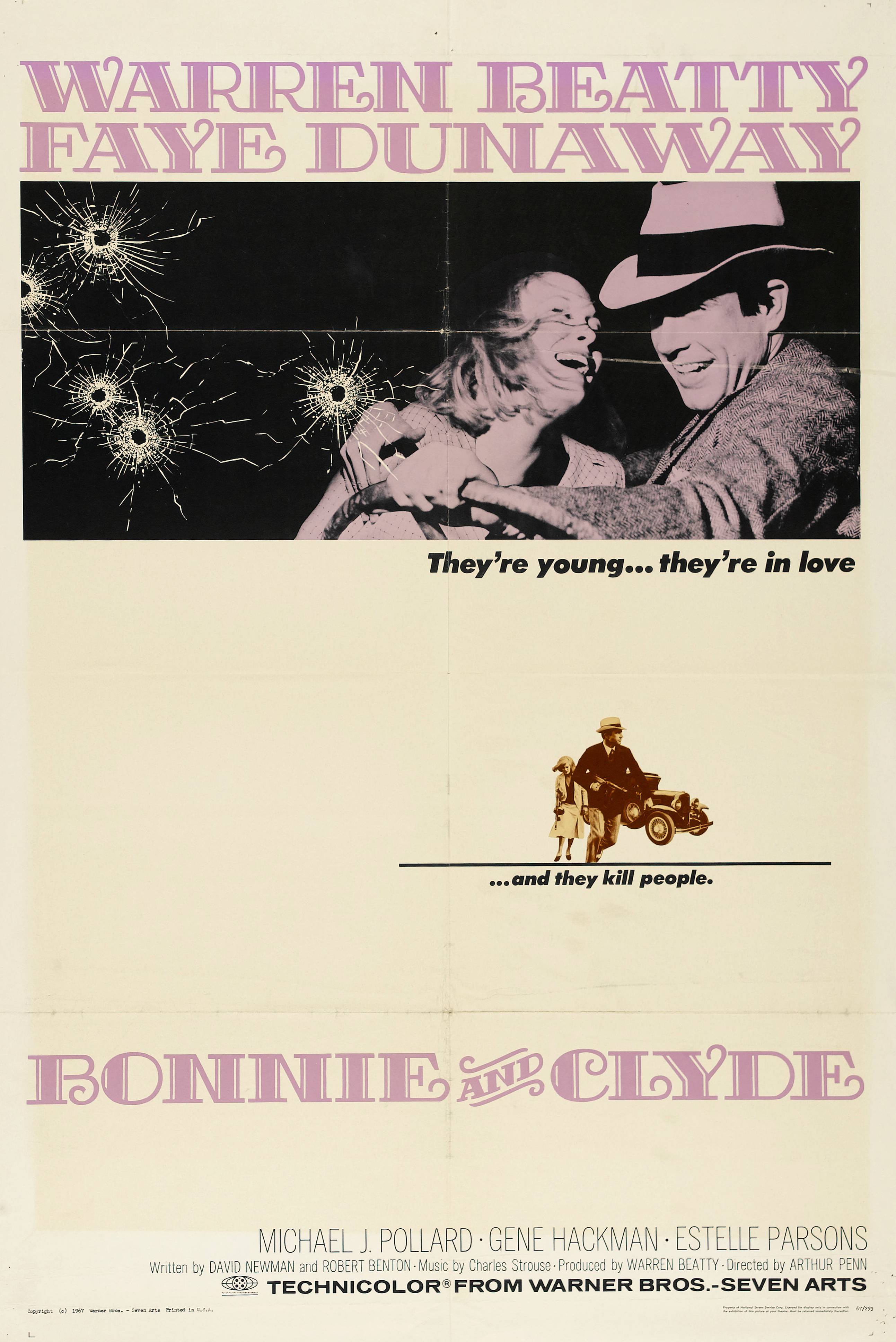
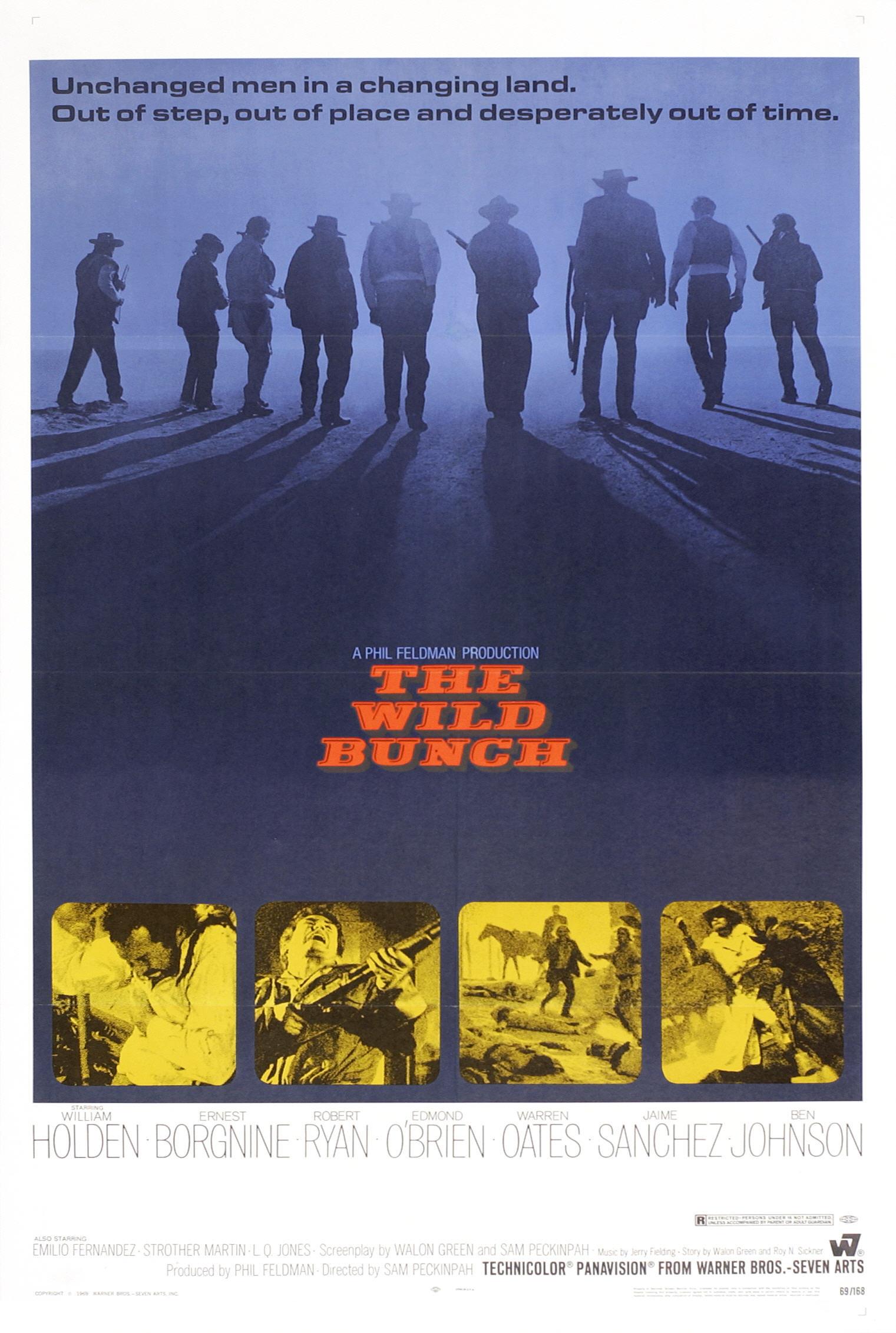
Poster(s) of the Week – A Tribute to Bill Gold

23 Wednesday May 2018

Posted by dullwood68 in Movies

≈ Leave a comment

Tags

Bill Gold, Career, Graphic design, Poster of the week, Posters, Warner Bros.

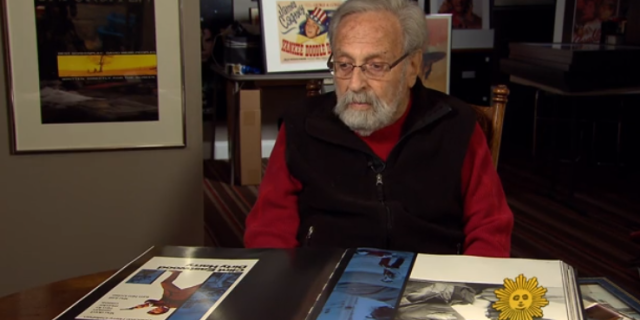
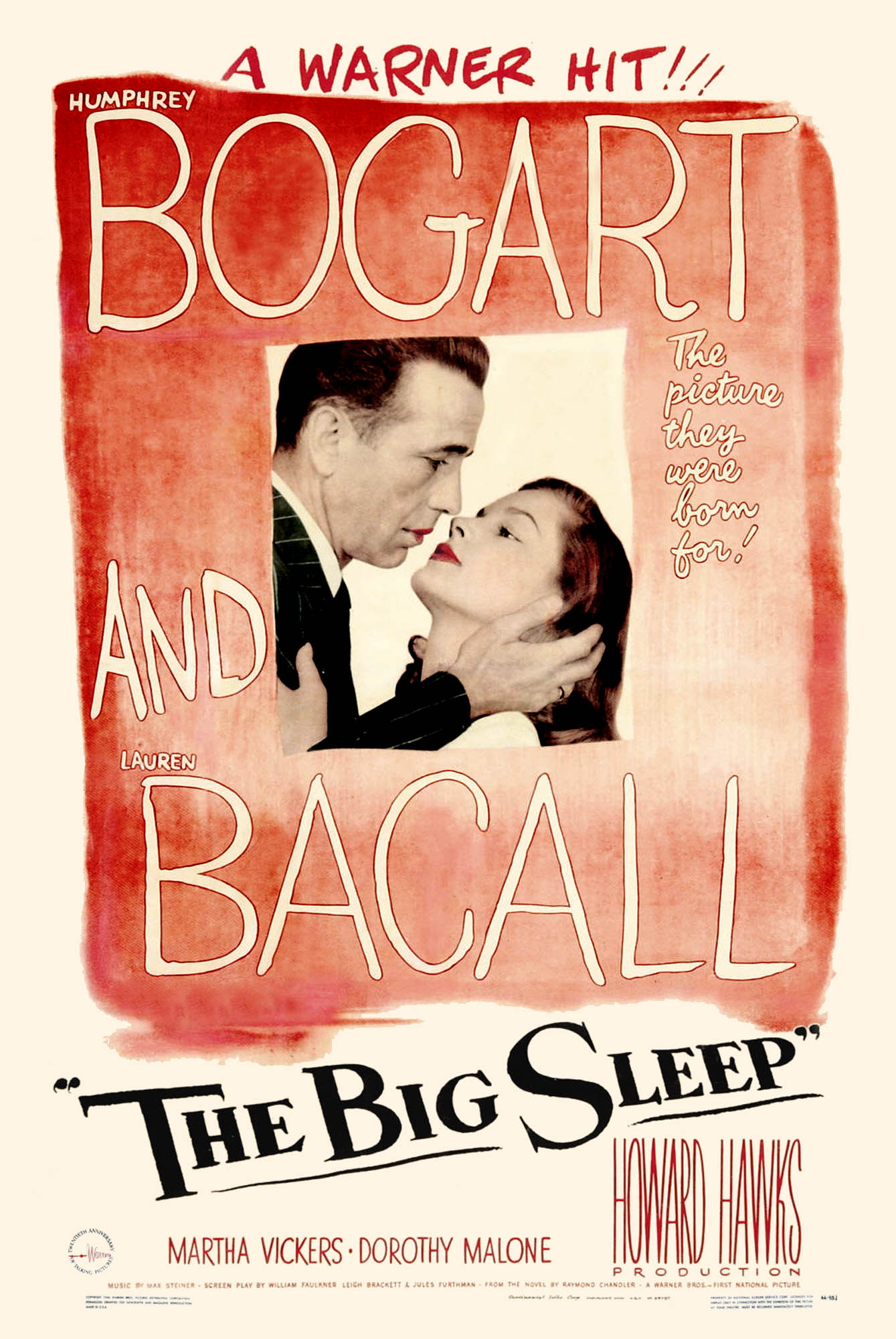
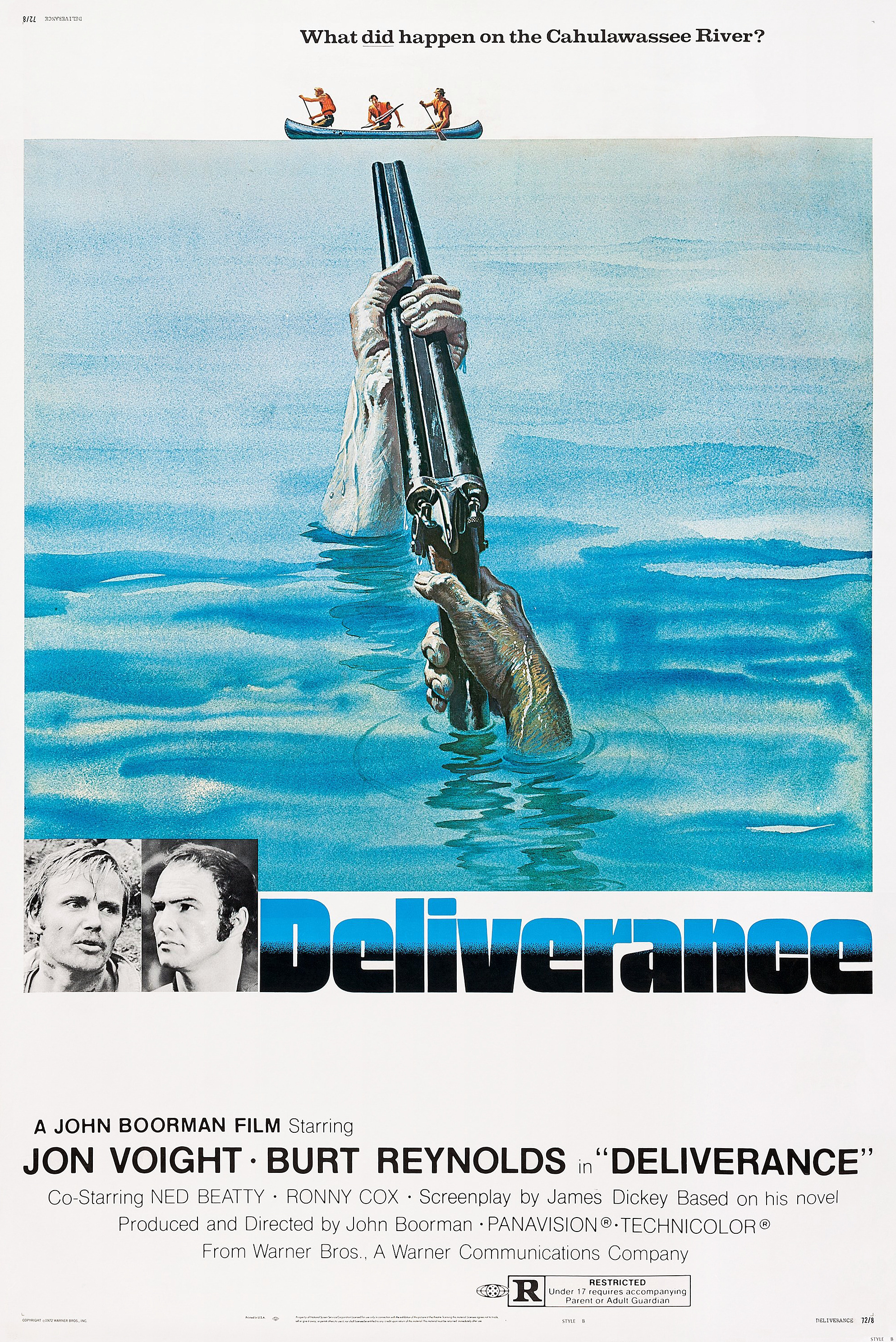
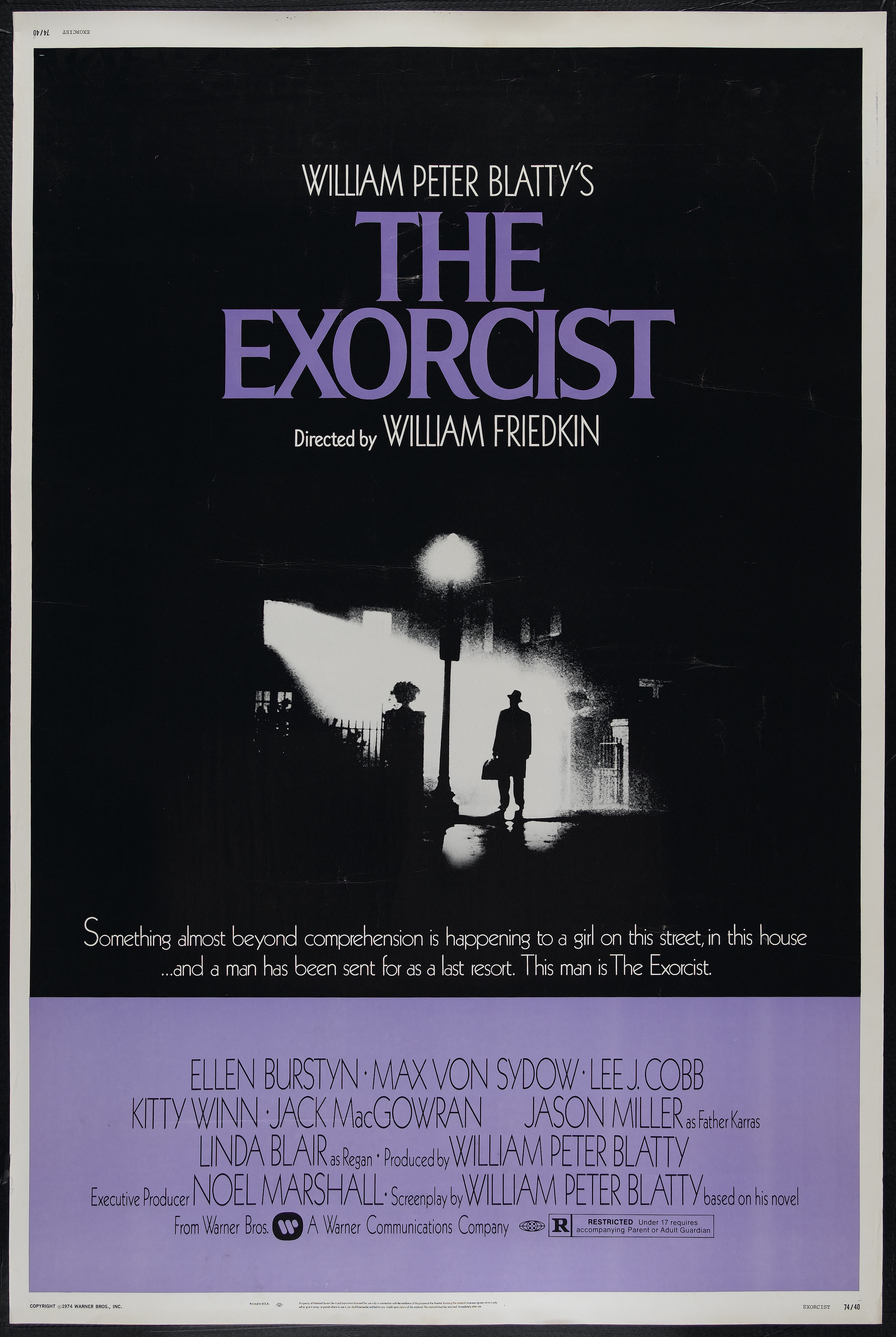
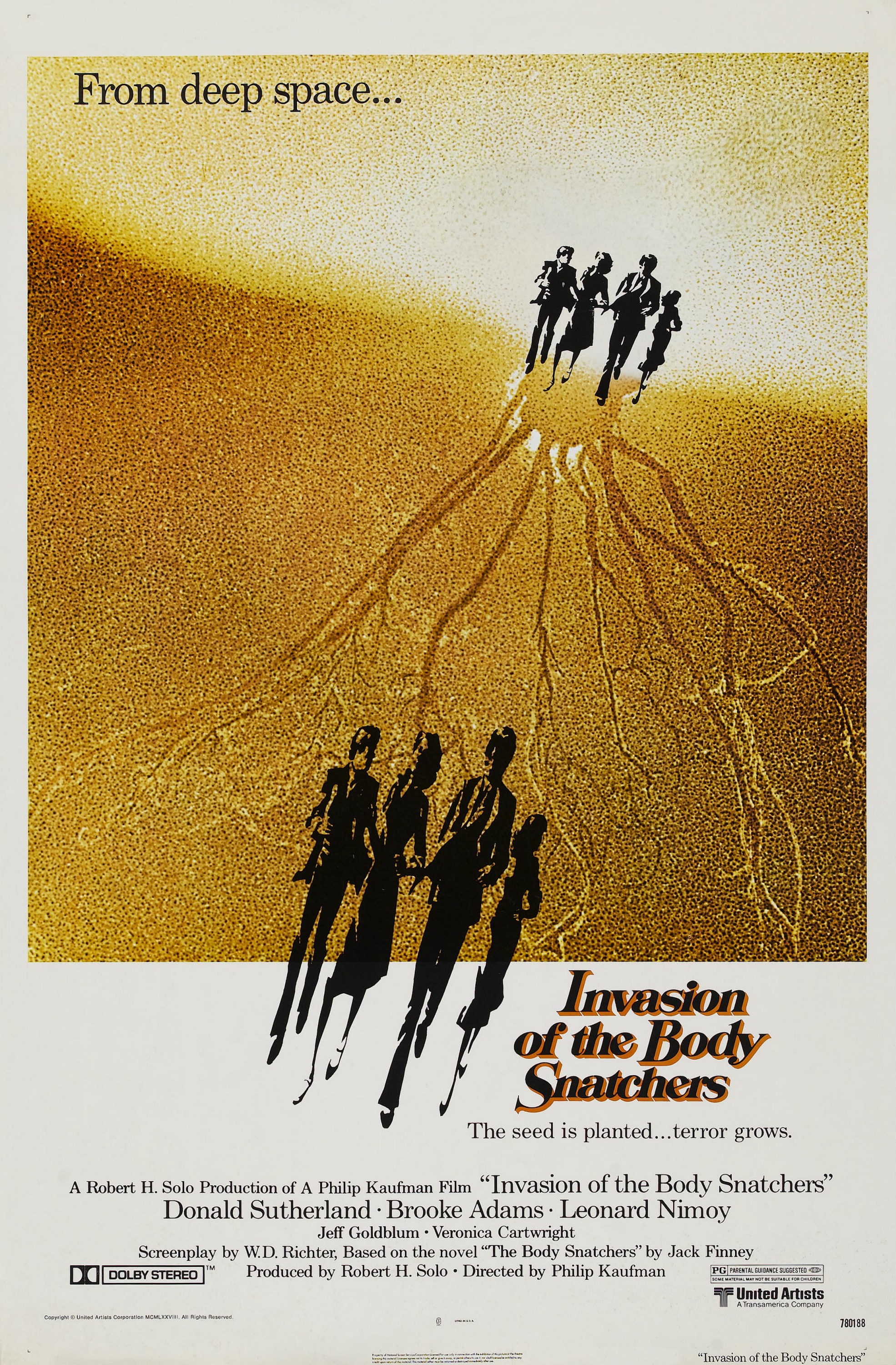
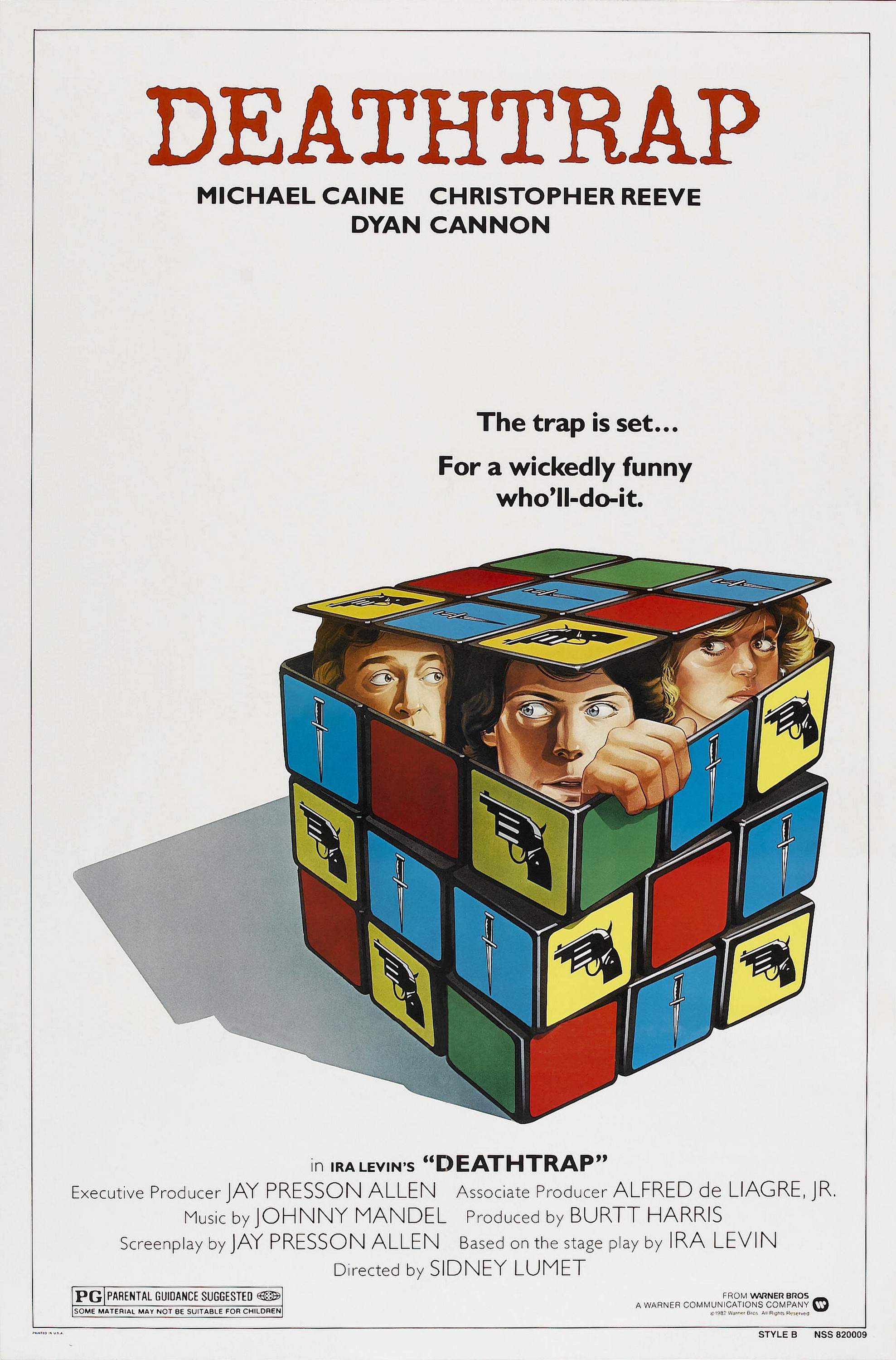
If you had to identify a link between Casablanca (1942) and A Clockwork Orange (1971) – other than that they’re both classics – it’s unlikely that you’d opt for the graphic designer Bill Gold. But Gold designed the posters for both movies as part of a career that began in 1942 with Yankee Doodle Dandy and continued until 2011 with J. Edgar (for which he came out of retirement at the age of ninety).

He began his design career in 1941, working in the advertising department at Warner Bros., and eventually becoming head of poster design in 1947. When the New York offices of Warner Bros. advertising unit was disbanded in 1962, Gold created his own company, Bill Gold Advertising, and continued designing posters for movies as varied as Camelot (1967), Diamonds Are Forever (1971), Breathless (1983), and In the Line of Fire (1993). He designed the posters for pretty much every Clint Eastwood movie from Dirty Harry (1971) onwards, and when he was awarded a Lifetime Achievement Award from The Hollywood Reporter in 1994, it was Eastwood who presented him with the award. Involved in the design and creation of around two thousand movie posters during his near seventy year career, Gold passed away on 20 May 2018 aged ninety-seven. In tribute to Gold and his work, here are ten posters that sum up both his talent and the reason why he was held in such regard by the likes of Laurence Oliver, Elia Kazan, and Ridley Scott.


Share this:

  • Click to share on X (Opens in new window) X
  • Click to share on Facebook (Opens in new window) Facebook
  • More
  • Click to print (Opens in new window) Print
  • Click to email a link to a friend (Opens in new window) Email
Like Loading...

Batman (1943) – Chapter 9: The Sign of the Sphinx

22 Tuesday May 2018

Posted by dullwood68 in Movies

≈ Leave a comment

Tags

Action, Columbia, Douglas Croft, Drama, J. Carrol Naish, Lambert Hillyer, Lewis Wilson, Review, Serial, Shirley Patterson, The Sphinx Club, Thriller

D: Lambert Hillyer / 16m

Cast: Lewis Wilson, Douglas Croft, J. Carrol Naish, Shirley Patterson, William Austin, John Maxwell, Ted Oliver

Surviving the explosion in the mine thanks to a pair of well placed cross beams, Batman and Robin rescue an also lucky Linda, and one of Daka’s henchmen, Marshall (Oliver). They take Marshall to the Bat Cave, but he won’t talk – at first. Leaving him alone, he escapes his bonds (as planned) and uses a conveniently situated telephone to make a call. Expecting this, Batman uses a device that details the number called and uses it to find out the location of Marshall’s hideout. It proves to be a riverfront joint called the Sphinx Club. Bruce decides to infiltrate the hideout disguised as a criminal called Chuck White (his disguise is so good it fools Linda). Once inside the Sphinx Club, Bruce/Chuck meets Fletcher (Maxwell), one of Daka’s lieutenants. At the point where he has to prove he’s a friend of Marshall’s, Bruce is rescued by Robin distracting Fletcher and his men. While Bruce changes into his Batman outfit, Robin is chased through the nearby docks. Batman joins the fray, but is overpowered and knocked unconscious. Then one of Fletcher’s men cuts the rope for the gang plank, sending it crashing down on the Caped Crusader, and sending Batman to certain death…

The end of the Colton-radium mine sub-plot (which sadly sees the end of Charles Middleton’s involvement in the serial), means a change in direction for Batman, and a return to the not so heady days of the earlier episodes. Instead of a story arc designed to play out across several chapters, we’re back to another installment where Batman and Robin locate another place where Daka has a connection, they head over there after gaining any relevant information with ease, and engage in a punch up with Daka’s goons. It’s a makeshift, or make-do, entry that marks a major backward step for the serial, and which feels as if – once again – Messrs McLeod, Swabacker and Fraser need to pad out an episode as best they can before, hopefully, a new and stronger sub-plot can be introduced to see the serial through to the end. Even Hillyer, the serial’s chief energiser, can’t do anything with this chapter, and his direction is perfunctory at best and uninspired at worst. It’s an episode that goes through the motions in a way that seemed to have been left behind in Chapter 4.

Despite all this, though, there are a couple of moments where the serial’s penchant for unexpected mirth is to the fore, and where suspension of belief is not only required, but practically demanded. The scene in the Bat Cave, where Marshall finds and is able to use a telephone is a corker, a real moment of inspired lunacy on the writers’ part that has to be seen to be believed. It’s possibly the serial’s funniest, silliest moment so far, an occurrence so far-fetched and incredible that in some ways you have to acknowledge the brazen absurdity of it all (and by the way, that henchman is still there, possibly without food or water, while Batman and Robin are being duffed up at the docks). The other moment is where Linda is presented with Bruce as Chuck, and doesn’t recognise him. It’s funny because it’s obviously Bruce with a putty nose and unflattering eyebrows; anyone can see it. The serial’s sense of humour has always been a little bit hit and miss, but here it’s so far off kilter that you can’t help wondering if it’s all been done on a dare. And dropping a gang plank on the Caped Crusader? Just how is Batman going to survive this time…?

Rating: 6/10 – replete with too many absurdities – “We never got to the cave. It was so hot out, we laid down by the roadside and took a nap” – Chapter 9 undoes all the good work of the previous three episodes and resigns Batman to another round of repetitive storytelling; once again, there’s no option but to hope that things improve in Chapter 10.

Share this:

  • Click to share on X (Opens in new window) X
  • Click to share on Facebook (Opens in new window) Facebook
  • More
  • Click to print (Opens in new window) Print
  • Click to email a link to a friend (Opens in new window) Email
Like Loading...

Cardboard Gangsters (2017)

21 Monday May 2018

Posted by dullwood68 in Movies

≈ Leave a comment

Tags

Best friends, Crime, Darndale, Drama, Drugs, Fionn Walton, Ireland, John Connors, Kierston Wareing, Mark O'Connor, Review

D: Mark O’Connor / 92m

Cast: John Connors, Fionn Walton, Kierston Wareing, Jimmy Smallhorne, Paul Alwright, Ryan Lincoln, Fionna Hewitt-Tramley, Toni O’Rourke

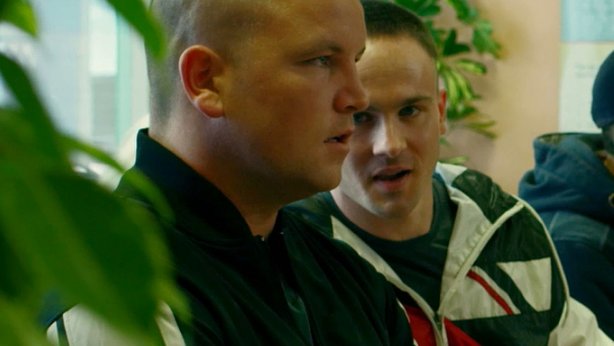
Having grown up together in the small town of Darndale, four friends, now in their early twenties, find themselves at a crossroads. Jay (Connors), Dano (Walton), Glenner (Alwright), and Cobbie (Lincoln), are either unemployed or working for cash (or both) in order to get by. Dano wants them to knock off the local crime boss, Derra (Smallhorne), believing it would be “easy”. Jay and the others think it’s a bad idea. But when Jay is forced to rob an off licence to pay off his mother’s debt to Derra, it’s not long before the quartet are selling drugs on Derra’s patch, and doing so with relative impunity. To complicate matters, Jay’s girlfriend Sarah (O’Rourke) is pregnant, but he’s also having an affair with Derra’s wife, Kim (Wareing). Soon enough, Jay and his friends’ successful “business” venture attracts Derra’s attention, and he makes Jay an offer that Jay flatly refuses. What follows is a series of events that become more and more violent, and which threaten the lives of Jay, his mother (Hewitt-Tramley), his friends, and Sarah – events that will change their lives, and Derra’s, completely…

A rough-edged drama that often betrays its low budget roots, Cardboard Gangsters is still a robust Irish movie that is far more ambitious than you might expect. It’s a familiar milieu that we’re exposed to, but this isn’t necessarily a bad thing, as the script by director O’Connor and star Connors, provides enough familiarity for audiences to assess the movie’s narrative dynamic at a glance, while also adding several unexpected emotional layers for good measure. There are the usual themes of loyalty and brotherhood, as well as trust and betrayal, but shot through with a knowing vitality that invests even the most dramatically prosaic of scenes with a pace and an energy that elevates the material immensely. The various inter-relationships are handled well, and O’Connor displays a knack for stripping back the characterisations to a bare minimum while allowing the performances to grow from them. Even a character such as Dano, a mile a minute loudmouth with big ideas but little courage to back them up, is allowed to grow and develop as the movie progresses, and Walton seizes the opportunity to make him as memorable as possible. Again, the movie may appear predictable and rote at times, but the approach offsets this entirely.

Where the movie does excel is in its depiction of Jay and his violent nature, something he’s aware of but not always able to control. He’s a naturally cautious young man (he’s twenty-four but according to Kim he looks thirty), but his more aggressive, don’t care temperament puts him in many more dangerous situations than he needs to be in. His affair with Kim is a case in point; knowing she’s married to Derra doesn’t faze him in the least, even though he’s aware it’s unlikely to go well for him if Derra finds out. Connors portrays Jay with a quiet, deep-rooted sense of concentration, as if he’s constantly working out all the angles – only to ignore all the best ones for the bad. He’s a thinker who’s in thrall to his emotions, and Connors is very good indeed as the up and coming gang boss whose personal issues threaten the lives of everyone around him. Set against a small town backdrop of social listlessness, O’Connor imbues the movie with a modicum of hope for the four friends but is wise enough to know that youthful ambition isn’t always enough to guarantee success. And though the outcome is necessarily bleak, the demands of the narrative mean there’s no other option, either for O’Connor, or Jay.

Rating: 7/10 – better than average, and scoring points for the deftness of its characterisations, Cardboard Gangsters tells an overly familiar tale with verve and no small semblance of rugged style; some may find the Irish accents impenetrable at times, but the gist of the story (and individual scenes) shines through, making this easier to follow than expected, and shot through with moments of quiet power.

Share this:

  • Click to share on X (Opens in new window) X
  • Click to share on Facebook (Opens in new window) Facebook
  • More
  • Click to print (Opens in new window) Print
  • Click to email a link to a friend (Opens in new window) Email
Like Loading...

Tehran Taboo (2017)

19 Saturday May 2018

Posted by dullwood68 in Movies

≈ 2 Comments

Tags

Ali Soozandeh, Animation, Arash Marandi, Drama, Elmira Rafizadeh, Iran, Prostitution, Review, Sex, Tehran, Virginity, Zhara Amir Ebrahimi

D: Ali Soozandeh / 96m

Cast: Elmira Rafizadeh, Zhara Amir Ebrahimi, Arash Marandi, Bilal Yasar, Negar Mona Alizadeh, Morteza Tavakoli, Alireza Bayram, Hasan Ali Mete

Pari (Rafizadeh) is a wife and mother whose husband is a drug addict and in prison; she wants a divorce but he won’t agree to it. Sara (Ebrahimi) is a wife and mother-to-be who wants a job; her husband, Mohsen (Bayram), won’t allow it. Babak (Marandi) is an aspiring musician who has a one-night stand with Donya (Alizadeh) who is due to marry in a week’s time; this means she is no longer a virgin, something her fiancé is expecting her to be when they marry. Babak must arrange for Donya to have an operation to “restore” her maidenhood. Pari resorts to prostitution in order to get by; a chance encounter with a judge (Mete) sees her and her son, Elias (Yasar) set up in the same apartment block that Sara and Babak live in. Pari and Sara become friends, while  Pari finds herself helping Babak and Donya. As their lives intertwine, and secrets are revealed, each of the four must make decisions that will affect each of their futures, some of them irrevocably…

A movie that perhaps could only be presented in the rotoscoping animated format that director Ali Soozandeh has opted for, Tehran Taboo creditably and credibly explores the hypocrisy and double standards inherent in Iranian society today. Just how deep-rooted this is, is best illustrated by an early scene where Pari negotiates a sexual favour for a taxi driver. With the act and its price agreed, Pari sets to only for the taxi driver to spot his daughter walking along hand in hand with a boy. His sense of outrage is almost incandescent. That Iranian society is overwhelmingly patriarchal, and its laws designed to keep women firmly in the places prescribed for them, is nothing new, but the way in which Soozandeh and script collaborator Grit Kienzlen have constructed the interlocking stories of Pari, Sara, Babak and Donya, is to show just how far-reaching its effects can be. This is reflected in the lengths that Pari will go to to provide for herself and Elias, and the desperation that Sara feels at Mohsen’s unwillingness to agree to let her work. Likewise, Babak’s good intentions in supporting Donya lead him into unfamiiar social and political territory. They’re all trying to do what’s best, but at a continual cost to themselves.

Soozandeh is savvy enough to ensure that not everyone makes the best decisions, and though some of what transpires can be guessed at way in advance, the situations his characters find themselves in are compelling enough that the movie’s obvious lack of subtlety isn’t a hindrance (plus you could argue that with Iranian laws lacking their own subtlety, why bother?). At one point, Babak’s friend Amir (Tavakoli) says, “Saying no is more important than breathing in Tehran!”, and it’s the most persuasive observation in the whole movie, a moment of carefree discourse that sums up the oppressive nature of Iranian law as a whole. With its focus on various sexual proclivities, and moments of female nudity, this is definitely not a movie that could have been made in Tehran (or anywhere in Iran for that matter), and the rotoscoping effect adds an emotional currency that might not have been present otherwise, with expressions highlighting the characters’ feelings in ways that feel far more intriguing than usual. Soozandeh is aided immensely by a very talented cast, with Rafizadeh particularly impressive as the world-weary yet still optimistic Pari, while it should be noted that, thanks to editors Frank Geiger and Andrea Mertens, the movie has a brisk sense of immediacy about it that helps make it absorbing to watch.

Rating: 8/10 – while some of the traditional background animation feels flat and in need of development, and some of the more political elements are laid on with the proverbial trowel, there’s no denying that Tehran Taboo is a timely reminder of the undeserved restrictions imposed on a certain section of its population; thought-provoking despite some of its more soap opera-style elements, it’s a movie that also offers hope and sympathy along the way.

Share this:

  • Click to share on X (Opens in new window) X
  • Click to share on Facebook (Opens in new window) Facebook
  • More
  • Click to print (Opens in new window) Print
  • Click to email a link to a friend (Opens in new window) Email
Like Loading...

Stephanie (2017)

18 Friday May 2018

Posted by dullwood68 in Movies

≈ Leave a comment

Tags

Akiva Goldsman, Anna Torv, Blumhouse, Drama, Frank Grillo, Horror, Review, Shree Crooks, Thriller

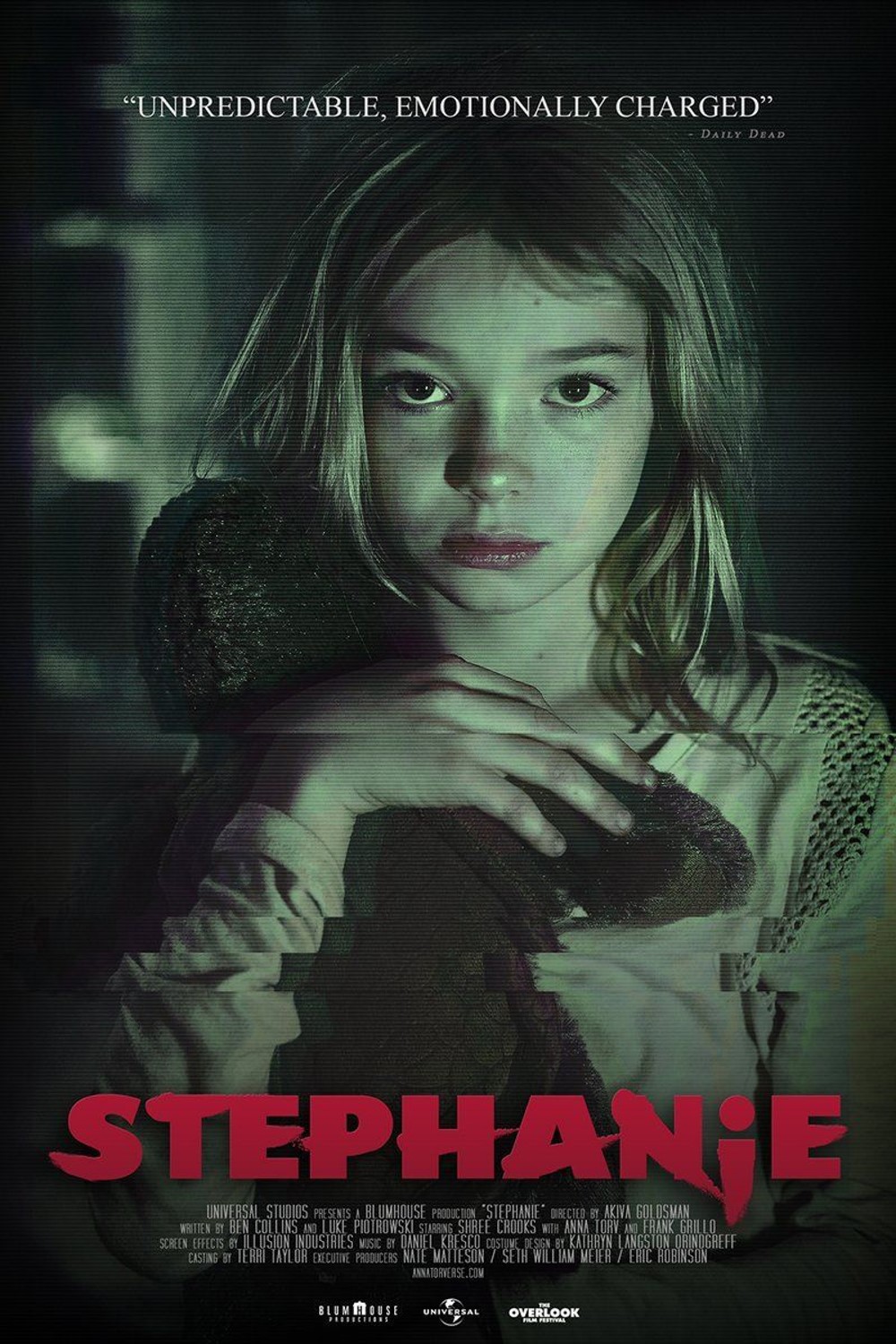
D: Akiva Goldsman / 86m

Cast: Shree Crooks, Frank Grillo, Anna Torv, Jonah Beres

A young girl, Stephanie (Crooks), is alone in her family home, her only companions a stuffed toy turtle called Francis and a rabbit called Mr Hopper. Her parents (Grillo, Torv) have disappeared, and she doesn’t know if and when they’ll be coming back. She channel hops between her favourite TV shows and occasionally sees a news channel that is reporting on some kind of global epidemic. While she seems happy to be on her own, if she becomes sad or upset, it draws the attention of a monster that lives in the nearby woods. When this happens, Stephanie has learnt to hide and keep absolutely quiet; then the monster will go away. When her parents finally come home, her father is overjoyed to see her, but her mother is guarded and uncertain. There are issues surrounding her brother (Beres), and there are implications for Stephanie and her parents that are related to the epidemic. While her father erects a fence around the property to keep out the monster, Stephanie begins to suspect that there are things her parents aren’t telling her. But when they do, it puts a whole new perspective on everything she thought she knew…

Originally shown at the 2017 Overlook Film Festival, Stephanie is a Blumhouse production that is much more low-key than usual, but which also has a number of unfortunate elements to it that provide a good indication as to why Blumhouse’s usual distribution deal with Universal has resulted in around a year’s delay in getting the movie out to audiences (the movie hasn’t had a theatrical run). While the central notion of an isolated young girl at the mercy of a predatory monster has the potential to provide the requisite scares and thrills needed to make the movie work effectively, issues with the script – by Ben Collins and Luke Piotrowski – are further compounded by the erratic nature of Akiva Goldsman’s direction. The first twenty-five minutes, where Stephanie is shown getting by on her own, or avoiding being caught by the monster, are drawn out and lack the necessary impact that would allow the viewer to be really concerned for her. While the monster certainly makes its presence felt (and Jamie Hardt’s sound design helps immensely here), the ease with which Stephanie eludes it neuters any possible tension.

With the arrival of Stephanie’s parents, the movie picks up a certain amount of speed, but in the process begins to offer more questions than it has answers for, least of all in terms of the nature of the monster, and more so in relation to what’s going on in the wider world, and why. The script never properly explains why Stephanie was abandoned, and it never recovers from a third act-providing twist that makes no sense when weighed against what occurred in the first act. Throughout all this, Goldsman directs at a safe distance, disallowing any real emotion to find its way through the fog of misconstrued intentions on the parents’ side, and specious motivations on Stephanie’s side. The movie ticks over acceptably, but fortunately has a very good performance from Crooks as Stephanie, her childlike behaviour matched by more adult qualities handed to her by the script (though not consistently). Grillo and Torv cope well with characters that come across as convenient though not essential, while the denouement is frustratingly predictable once the twist is revealed. The script does attempt to show the fears governing both Stephanie and her parents’ actions, but while there are potential themes and sub-plots that could have been included – and would have made the material richer – in the end, the movie is too innocuous to be anywhere near as potent as it should be.

Rating: 5/10 – with the pace and tone of the movie at odds with its thriller aspects, Stephanie struggles to maintain a consistency likely to keep the average viewer fully engaged; a shame then, as the basic story – or its potential – could have made this a small but accomplished horror thriller, rather than the distant, unfulfilling feature that it really is.

NOTE: Currently, there doesn’t appear to be a trailer for Stephanie available, just the short scene below:

Share this:

  • Click to share on X (Opens in new window) X
  • Click to share on Facebook (Opens in new window) Facebook
  • More
  • Click to print (Opens in new window) Print
  • Click to email a link to a friend (Opens in new window) Email
Like Loading...

Broken Gardenias (2014)

17 Thursday May 2018

Posted by dullwood68 in Movies

≈ Leave a comment

Tags

Alma S. Grey, Comedy, Drama, Father/daughter relationship, Jack Morocco, Kai Alexander, LGBTQ+, Los Angeles, Review, Road movie, Romance, Suicide

D: Kai Alexander / 89m

Cast: Alma S. Grey, Jack Morocco, Caroline Heinle, Louis Dezseran, Nathan Douglas, Khelsy Raymond, Marlyse Londe, Geoffrey Kennedy, Amanda S. Hall

For Jenni (Grey), life isn’t something that she feels entirely comfortable with. She’s shy, has a somewhat childish attitude to her work in a plant nursery (she tells awful jokes to the plants), lives with a housemate (Heinle) who thinks she’s weird, and has a crush on a fellow nursery worker (Hall) that she’s too insecure to act on. When circumstances result in her losing both her home and her job, Jenni decides that suicide is her only remaining option. She goes to the park to hang herself but is stopped from doing so by Sam (Morocco), a free spirit who gets Jenni to open up about herself. Jenni tells Sam about her father, who she hasn’t seen since she was six years old. All she has is an old photo of him outside the house they used to live in in Los Angeles. Sam persuades Jenni to try and find him, and they travel to L.A. There, a number of distractions hold up their search, and their new-found friendship is put to the test…

A comical quasi-road movie that features a brace of enjoyable performances from its leads, Broken Gardenias is a good-natured comedy drama that doesn’t provide viewers with anything out of the ordinary, and which isn’t trying to be too profound either. It’s an indie movie with a surplus of charm that is in service to a script (by Grey) that sets out its stall very early on. It’s about acceptance, and on various levels. Jenni is afraid of taking chances, so travelling to L.A. is a big deal for her, especially as she has no idea if tracking down her father will be successful, or provide her with some, or all – or nothing – of the answers she’s looking for. Sam has a more positive outlook, but that’s because she’s compensating for Jenni’s lack of confidence, and her own nature allows her to accept Jenni’s uncertainty without necssarily supporting it. For once, the script isn’t concerned with whether or not both women learn from each other and grow as individuals accordingly, but with the singular journey that Jenni takes in gaining the confidence that has eluded her for so long. There’ll be tears, there’ll be laughs, and there’ll be unexpected sexual encounters, but above all, there’ll be emotional, cathartic outbursts.

Grey and Morocco play off and against each other with considerable skill, which is beneficial on those occasions when Grey’s script wanders off course (an encounter with a stoner lady who gives Jenni and Sam a lift), or scenes that drag on without adding anything to the narrative. There’s also a risible sub-plot involving Jenni’s housemate – and her boyfriend – who are visiting L.A. at the same time, a set up that has a less than satisfying, and very contrived resolution. With this in mind, though, Broken Gardenias has much more to offer, from the aforementioned performances, Alexander’s relaxed yet en point direction, some colourful L.A. locations, Meena Singh’s bright and airy cinematography, and a winsome, whimsical score by Tiffanie Lanmon. It’s very much a movie that wears its lesbian laurels on its sleeve, but it’s also a story that could be just as enjoyable and just as relevant if both Jenni and Sam were straight (though the romantic aspects might need adjusting). In the end, Grey has fashioned a knowing script that doesn’t take either Jenni or Sam for granted, and makes their growing relationship – with all its stumbles and strides – something to cherish, and relish, for its easy simplicity.

Rating: 7/10 – a small triumph of LGBTQ+ movie making, Broken Gardenias overcomes a handful of narrative hiccups to provide an engaging and entertaining look at one woman’s journey to gaining self-confidence and self-reliance; Grey and Morocco are an attractive pairing, there’s a good mix of drama and comedy, and it’s all set against a familiar indie backdrop that helps anchor some of the more wayward aspects of the script.

Share this:

  • Click to share on X (Opens in new window) X
  • Click to share on Facebook (Opens in new window) Facebook
  • More
  • Click to print (Opens in new window) Print
  • Click to email a link to a friend (Opens in new window) Email
Like Loading...

Trailer – Leave No Trace (2018)

16 Wednesday May 2018

Posted by dullwood68 in Movies

≈ Leave a comment

Tags

Ben Foster, Debra Granik, Drama, Literary adaptation, My Abandonment, Peter Rock, Preview, Thomasin McKenzie, Trailer

In a summer that will be dominated again by mega-budget blockbusters, trying to pick out a movie or two (or even three) that offers something a little different from heavily edited fight scenes, numerous explosions, and the same characters we’ve seen several times before, is something that will probably require a little persistence. One movie that fits this particular bill is Leave No Trace, the latest drama from Debra Granik, the director of Winter’s Bone (2010). Adapted from the novel My Abandonment by Peter Rock, the movie stars Ben Foster as Will, an ex-military man living in a Portland, Oregon forest with his thirteen year old daughter, Tom, played by Thomasin McKenzie. The pair eschew civilisation, and Will has educated Tom himself. Inevitably their “idyllic” lifestyle is discovered and they are forced into a “normal” life through the intervention of social services. Unable to adapt to their new lives, however, they decide to journey back into the forest.

A movie that looks to be engrossing due to the dynamic of the relationship between Will and Tom, and their commitment to each other, the trailer sets up a number of questions for the potential viewer to be thinking about ahead of seeing Leave No Trace – not the least of which is why are they in the forest in the first place – and it promises excellent performances from its two leads. As a substitute for the usual fare seen in our cinemas during the summer months, this has all the hallmarks of a movie that could quietly gain everyone’s attention, and prove to be an attractive, rewarding alternative to the flash, bang, wallop on offer pretty much across the board.

Share this:

  • Click to share on X (Opens in new window) X
  • Click to share on Facebook (Opens in new window) Facebook
  • More
  • Click to print (Opens in new window) Print
  • Click to email a link to a friend (Opens in new window) Email
Like Loading...

Bombshell (2017)

15 Tuesday May 2018

Posted by dullwood68 in Movies

≈ Leave a comment

Tags

Actress, Alexandra Dean, Anthony Loder, Beauty, Biography, Denise Loder-Deluca, Documentary, Fleming Meeks, Frequency hopping, Hedy Lamarr, Review, Vienna

aka Bombshell: The Hedy Lamarr Story

D: Alexandra Dean / 88m

With Hedy Lamarr, Anthony Loder, Denise Loder-Deluca, Fleming Meeks, Robert Osborne, Wendy Colton, Diane Kruger, Stephen Michael Shearer, Jimmy Loder, Jeanine Basinger, Peter Bogdanovich

In recent years, Hedy Lamarr and her life and work have been the subject of a critical reappraisal, from her role as an actress in Hollywood, to her other work as an inventor. This duality has been examined and explored through plays and photographic exhibitions, and her influence has extended as far as being the inspiration for Anne Hathaway’s portrayal of Catwoman in The Dark Knight Rises (2012). Bombshell charts Lamarr’s life from her childhood growing up in Vienna (as Hedy Kiesler), through to her early movie career and the production that brought her both fame and notoriety, Extase (1933), in which she appeared nude. Her family’s Jewish background put them at risk from the Nazis and so she fled Vienna to Paris where she met Louis B. Mayer, the head of MGM. She began her Hollywood career soon after, but she made a more lasting contribution through her work as an inventor, coming up with a system – in conjunction with composer George Antheil – called frequency hopping, something that stopped torpedoes from being tracked or jammed.

This occurred during World War II, and up until this stage, Bombshell is something of a standard biopic, charting Lamarr’s rise as an actress, and highlighting the Viennese background that propelled her, unexpectedly, to international stardom. Lamarr’s determination to succeed is also highlighted, as is her belief in herself and her abilities. But it’s the invention of frequency hopping – and its eventual use by the US Navy – that proves to be most intriguing. The documentary tells a story of bad luck and bad timing as Lamarr’s work proves too difficult to be adapted during the war, and when it is finally adopted in the early Sixties it’s too late for Lamarr to capitalise on its use financially. By this time her acting career has come to an end, and she has begun to withdraw from public life, becoming something of a recluse. Her children from her marriage to John Loder, Anthony and Denise, tell a story of ill-advised plastic surgery – footage of Lamarr in her later years shows just how much it was a bad idea – family estrangement (another son, Jimmy, believed he was adopted and chose to be brought up by someone else), and arrests for shoplifting.

Bombshell brings all these strands and aspects of Lamarr’s life together in a cogent and deftly considered way thanks to a mix of recent interviews, archival footage and photography, and recordings made by journalist Fleming Meeks in 1990 when he interviewed Lamarr, but which he thought were lost. The movie gains depth and a large degree of poignancy from the way in which Lamarr’s life played out in such a sad way in her later years, and the bittersweet emphasis on her beauty (knowing where it will lead) adds pathos as well. In the end, and despite the setbacks in both her careers (only a handful of her movies have stood the test of time), Lamarr’s story is one of huge promise that was only moderately and temporarily realised. Making her feature debut, Dean assembles the highs and lows of Lamarr’s life – married six times, highly regarded for her beauty if not her brains, more interesting away from acting – and paints a compelling portrait of a woman who was perhaps born two or three decades too soon. Ultimately it’s a sad tale because of its outcome, but thanks to Dean and the participation of Lamarr’s family, it’s also a celebration of an extraordinary woman who was much, much more than just a great beauty.

Rating: 8/10 – with an honesty about its subject that is sincere and affecting, Bombshell is a fascinating look at Hedy Lamarr the person, rather than just the actress or the inventor; a biography that examines much of her life in detail, and with a sympathetic approach, it’s an absorbing tale that does Lamarr justice in a way that, in many ways, she wasn’t granted while she was alive.

Share this:

  • Click to share on X (Opens in new window) X
  • Click to share on Facebook (Opens in new window) Facebook
  • More
  • Click to print (Opens in new window) Print
  • Click to email a link to a friend (Opens in new window) Email
Like Loading...

Blade of the Immortal (2017)

14 Monday May 2018

Posted by dullwood68 in Movies

≈ Leave a comment

Tags

Action, Drama, Japan, Kimura Takuya, Manga adaptation, Review, Samurai, Sugisaki Hana, Takashi Miike, Thriller

Original title: Mugen no jûnin

D: Takashi Miike / 141m

Cast: Kimura Takuya, Sugisaki Hana, Fukushi Sôta, Ichihara Hayato, Toda Erika, Kitamura Kazuki, Kuriyama Chiaki, Mitsushima Shinnosuke, Tanaka Min, Yamamoto Yôko

Manji (Kimura) is a man haunted by a tragic past involving the death of his sister, an incident that left him unable to die thanks to the intervention of a mysterious woman (Yamamoto). Fifty-two years later, a young girl, Rin (Sugisaki), approaches him to be her bodyguard and help gain revenge for the death of her father at the hands of Kagehisa Anotsu (Fukushi), the head of a new martial arts school. Manji refuses at first, but when Rin is attacked by one of Kagehisa’s men, he changes his mind. When news reaches Kagehisa that his man is dead, so begins a series of encounters as Kagehisa’s followers – aware that Manji cannot be killed – try various ways and means to defeat him. Meanwhile, Kagehisa attempts to influence the Shogun training school into joining his own school, but his plan fails. As Manji’s body suffers more and more from each encounter, circumstances bring him and Kagehisa together against an army of Shogun warriors, and if fate has a hand, then against each other…

Blade of the Immortal is Takashi Miike’s one hundredth movie, a feat that he’s achieved since his debut in 1991 (and he’s made two further movies since). Returning to the samurai arena he visited so effectively in 13 Assassins (2010), Takashi takes on another manga/anime adaptation and throws the audience headlong into a world of treachery, violence, political intrigue, vengeance, and misplaced codes of honour. As expected, it’s a bravura piece of movie making from Takashi, visually striking – the opening sequence is in black and white – bold in its execution with several stunningly mounted action set pieces, and a central character in Manji whose plight is weighing him down with every passing year. There’s a melancholy air to Manji’s situation that the script by Oishi Tetsuya maintains throughout, imbuing the character with a fatalism that gives depth to the part and helps ensure Manji isn’t just another invincible hero. Kimura is terrific in the role, Manji’s scarred features reflecting the pain of being immortal, and his interaction with Rin (who is a dead ringer for his sister; as she should be, as Sugisaki plays both roles) offering him both unexpected hope and potential redemption.

These themes play out against the kind of feudal backdrop that we’ve all become familiar with, and it’s these elements that don’t have the effect they should have. Kagehiso’s plan to appropriate all the teaching schools under one banner (and leader) never quite grips as a villainous ambition, though the personal reasons for his actions revealed later in the movie almost make it more convincing. The middle section of the movie suffers accordingly, as Kagehiso’s machinations and an unlikely alliance between Manji and members of a school who’ve yet to be assimilated stretch out the running time unnecessarily. Thankfully there’s a handful of superbly choreographed action scenes to offset what feels like too much filler, particularly in terms of the various examples of exotic weaponry on display, and the endlessly roving camerawork of Kita Nobuyasu. The performances are uniformly good as well, the quality of the characterisations allowing the likes of Sugisaki, Fukushi, Tanaka (as a duplicitous advisor to Kagehisa), and Toda (as a repentant member of Kagehisa’s clan) to add layers to their roles that might not otherwise have been possible. But at the end of the day it’s Takashi’s movie, and while this may be one of his more accessible movies, it’s clear that the enfant terrible of Japanese cinema is showing no sign of slowing down or avoiding challenges.

Rating: 7/10 – though Takashi’s propensity for extreme violence is dialled down, there’s still more than enough bloodshed on display in Blade of the Immortal to keep long-time fans, and newer viewers, happy; bold and thrilling (for the most part), this is stirring stuff supported by strong characterisations and a knowing sense of how outlandish it all is.

Share this:

  • Click to share on X (Opens in new window) X
  • Click to share on Facebook (Opens in new window) Facebook
  • More
  • Click to print (Opens in new window) Print
  • Click to email a link to a friend (Opens in new window) Email
Like Loading...

Toc Toc (2017)

13 Sunday May 2018

Posted by dullwood68 in Movies

≈ Leave a comment

Tags

Alexandra Jiménez, Comedy, Drama, OCD, Paco León, Patients, Review, Rossy de Palma, Spain, Theatrical adaptation, Therapy, Vicente Villanueva, Waiting room

D: Vicente Villanueva / 96m

Cast: Paco León, Rossy de Palma, Alexandra Jiménez, Nuria Herrero, Adrián Lastra, Oscar Martínez, Inma Cuevos

Six patients of the same therapist find themselves in his waiting room and all with the same appointment. With his receptionist (Cuevos) blaming the mix up on a new computer software programme, and the doctor himself delayed on his way back from London, the sextet decide to wait for him to arrive. Bianca (Jiménez) has a fear of bacteria and continually cleans both herself and her surroundings. Emilio (León) is a hoarder and someone who counts everything. Otto (Lastra) can’t step on lines and is obsessed by symmetry and balance. Lili (Herrero) has to repeat everything she or whomever she’s talking to says – twice. Ana Maria (De Palma) is susceptible to the power of suggestion and mis-repeats what other people say without realising it. And there’s Federico (Martínez) who suffers from Tourette’s Syndrome. As the wait for their therapist carries on, they begin to find out about each other, and the various issues that blight their every day lives. And then one of them suggests they take the opportunity to do a bit of group therapy, something that brings forth some very unexpected results…

A seriously funny movie that avoids making fun of its characters by painting their various plights with sympathy and understanding, Toc Toc is an adaptation of the stage play by Laurent Baffie. It’s sensitively handled, and takes its time in establishing each character’s problem and how they attempt to deal with it. It’s these defensive mechanisms that the script (by Villanueva) exploits in the beginning, and a great deal of the early humour is in seeing how much more difficult these defence mechanisms make their individual lives. Bianca cleans the lab where she works which raises the ire of the cleaning staff. Ana Maria crosses herself every time she hears a profanity, which is tiringly often. Otto can’t maintain a relationship if his partner is deliberately and unthinkingly messy. As each character explains just how their obsessions can have a negative effect on their lives, each illustration is conveyed in a humorous and yet melancholy way that allows the movie to be both necessarily exploitative but also sincere and mindful. It’s a delicate balancing act, but thanks to Villanueva’s assured direction and the unwavering commitment of the cast, these characters are never less than treated kindly, and with a great deal of compassion.

This allows the interaction between them – though still imbued with a staginess that can’t be avoided – to flourish in rich and rewarding ways. There’s a budding romance between Otto and Lili that is as sweet and unassuming as you could hope for, and Ana Maria’s initial reluctance to admit she’s a patient reveals a resourcefulness that proves to be a benefit to the whole group. These and other aspects are carefully drawn out by Villanueva and the cast, and even though there are farcical elements that are enacted with undisguised glee, the underlying seriousness of the situation isn’t ignored, making this often beautifully observed and trenchant at the same time. All the cast are on good form, with León’s garrulous, jokey cab driver and de Palma’s uptight religious hausfrau particularly enjoyable to watch, and Villanueva maintains a light, frothy tone that’s supported by a whimsical score by Antonio Escobar, and David Omedes’ fluid cinematography. Even the most casual of viewers will be able to work out where all this is heading, but it’s how it gets there that’s very much part of the fun.

Rating: 8/10 – some staginess and predictability aside, Toc Toc is a delightfully engaging meringue of a movie that knows exactly what it’s doing, and does it very well indeed; good-natured and agreeable, it’s the kind of movie that, like many other foreign language movies, deserves a wider audience than it will most likely attract.

NOTE: Sadly, there’s no subtitled trailer for Toc Toc currently available.

Share this:

  • Click to share on X (Opens in new window) X
  • Click to share on Facebook (Opens in new window) Facebook
  • More
  • Click to print (Opens in new window) Print
  • Click to email a link to a friend (Opens in new window) Email
Like Loading...

Batman (1943) – Chapter 8: Lured by Radium

13 Sunday May 2018

Posted by dullwood68 in Movies

≈ 1 Comment

Tags

Action, Columbia, Douglas Croft, Drama, J. Carrol Naish, Lambert Hillyer, Lewis Wilson, Radium mine, Review, Serial, Shirley Patterson, Thriller

D: Lambert Hillyer / 17m

Cast: Lewis Wilson, Douglas Croft, J. Carrol Naish, Shirley Patterson, William Austin, Charles Middleton, John Maxwell, William Wilkerson

Thanks to Robin’s quick thinking in turning off the power to the lift, Batman avoids certain death again. Worried by Colton’s disappearance, Linda decides to try and find him; Bruce and Dick agree to go with her. Meanwhile, back at Dr Daka’s lair, Colton (Middleton), to avoid being turned into one of Daka’s zombies, agrees to reveal the location of his radium mine. The next day sees Colton and six of Daka’s henchmen arrive at the mine, but Colton gets away from them and heads deeper into the mine. At the same time, Bruce, Dick and Linda, accompanied by Alfred, arrive at Colton’s cabin. While Linda and Alfred wait there, Bruce and Dick go to the mine, where they discover Daka’s men are there. Changing into their Batman and Robin outfits they enter the mine and a fight ensues. Back at the cabin, Colton appears from below a hidden trapdoor intent on blowing up the mine so that Daka cannot use the radium. Back down in the mine, he primes the explosives, but during the continuing fight, one of Daka’s men falls on the detonator, the blast collapsing the mine and sending Batman to certain death…

Now at the halfway point, Batman still feels as if it’s hitting its stride and comfortably so, with the sub-plot involving Colton’s radium mine providing continued excitement. As with Chapter 7, this has a shorter runtime than is apparent, thanks to the inclusion of the whole fight scene from the end of its predecessor (and not to mention the opening titles etc.). But again, everything is played out more concisely, and with a lot more verve, even though the script takes time out to introduce Steve (Wilkerson), a Native American who helps Bruce et al with directions to Colton’s cabin and the mine. It’s hard to work out why the character is there at all – Colton can provide directions by himself, and Linda has a map showing where the mine is – but his presence is a pleasant enough diversion, and doesn’t interfere with the overall pace of the episode. It does give Wilson and Croft a chance to be seen more as Bruce and Dick than in most chapters, and gives Wilson in particular a chance to break away from the earnestness that comes with being Batman.

But while these are relatively new elements – improvements even – the script still has plenty of tried and trusted moments for fans/viewers who haven’t given up yet to enjoy, from Linda accusing Bruce of being too lazy, Alfred behaving like the milquetoast he so clearly is, Croft’s stuntman having way less hair when dressed as Robin, and Naish’s make up giving Daka a perma-sneer. It’s still all in service to the kind of story that appears to have been made up from chapter to chapter, and it still benefits from Hillyer’s grasp of the absurdity of it all. As the serial continues it’s Hillyer who’s proving to be Batman‘s most valuable player, offsetting even the most risible moments with a straightforward, unfussy style that helps override the inherent silliness of it all. There’s even the odd, unexpected camera angle that belies the idea that camera set ups were purely of the one-and-done variety. Now that the serial has found its feet, there’s a consistency and a purpose about it all that augurs well for the second half of the serial as a whole, even though this chapter will see the end of the Colton sub-plot, and maybe the last time we ask the question just how is Batman going to survive this time…?

Rating: 7/10 – continuing the more confident approach first seen in Chapter 5, Chapter 7 is another solid, enjoyable chapter in a serial that has been mostly the opposite up until now; while not stretching the boundaries of serials made at the time, Batman is still worth watching, and still the kind of basic, no-frills entertainment that can be entirely its own reward.

Share this:

  • Click to share on X (Opens in new window) X
  • Click to share on Facebook (Opens in new window) Facebook
  • More
  • Click to print (Opens in new window) Print
  • Click to email a link to a friend (Opens in new window) Email
Like Loading...

Monthly Roundup – April 2018

12 Saturday May 2018

Posted by dullwood68 in Movies

≈ Leave a comment

Tags

Action, Adventure, Alain Guiraudie, Alberto Cavalcanti, Amen Island, Animation, Anthony Russo, Assassin, Avengers: Infinity War, B-movie, Babak Nafari, Bank robbery, Barbara Britton, Billy Brown, Blaxploitation, Blue Sky, Brad Peyton, Bullfighting, Burglars, Carlos Saldanha, Children of the Corn: Runaway, Children's Film Foundation, Chris Evans, Christina De Vallee, Comedy, Crime, Danny Glover, David Paisley, Drama, Eugeniusz Chylek, Ferdinand, France, Genetic experiment, Hafsia Herzi, Horror, Jake Ryan Scott, Jeffrey Dean Morgan, Joe Russo, John Cena, John Gulager, Johnny on the Run, Kate McKinnon, Le roi de l'évasion, Lewis Gilbert, Literary adaptation, Ludovic Berthillot, Maggie Grace, Marci Miller, Mark Harriott, Marvel, Marvel Cinematic Universe, Mike Matthews, Naomie Harris, Pine-Thomas, Proud Mary, Rampage, Reviews, Rival gangs, Rob Cohen, Robert Downey Jr, Robert Lowery, Romance, Ryan Kwanten, Sequel, Sydney Tafler, Taraji P. Henson, Thanos, The Hurricane Heist, The Monster of Highgate Ponds, They Made Me a Killer, Thriller, Toby Kebbell, Unhappy Birthday, Video game, William C. Thomas

They Made Me a Killer (1946) / D: William C. Thomas / 64m

Cast: Robert Lowery, Barbara Britton, Lola Lane, Frank Albertson, Elisabeth Risdon, Byron Barr, Edmund MacDonald, Ralph Sanford, James Bush

Rating: 5/10 – a man (Lowery) drives across country after the death of his brother and gives a lift to a woman (Lane) who tricks him into being the getaway driver in a bank robbery, a situation that sees him on the run from the police but determined to prove his innocence; a gritty, hard-boiled film noir, They Made Me a Killer adds enough incident to its basic plot to keep viewers entertained from start to finish without really adding anything new or overly impressive to the mix, but it does have a brash performance from Lowery, and Thomas’s direction ensures it’s another solid effort from Paramount’s B-movie unit, Pine-Thomas.

Proud Mary (2018) / D: Babak Najafi / 89m

Cast: Taraji P. Henson, Billy Brown, Jahi Di’Allo Winston, Danny Glover, Neal McDonough, Margaret Avery, Xander Berkeley, Rade Serbedzija, Erik LaRay Harvey

Rating: 3/10 – a female assassin (Henson) finds herself protecting the teenage boy (Winston) whose father she killed years before, and at a time when her actions cause a murderous dispute between the gang she works for and their main rival; as the titular Proud Mary, Henson makes for a less than convincing assassin in this modern day blaxploitation thriller that lets itself down constantly thanks to a turgid script and lacklustre direction, and which has far too many moments where suspension of disbelief isn’t just required but an absolute necessity.

Children of the Corn: Runaway (2018) / D: John Gulager / 82m

Cast: Marci Miller, Jake Ryan Scott, Mary Kathryn Bryant, Lynn Andrews III, Sara Moore, Diane Ayala Goldner, Clu Gulager

Rating: 3/10 – arriving in a small Oklahoman town with her teenage son, Ruth (Miller) attempts to put down roots after over ten years of running from the child cult that nearly cost her her life, but she soon finds that safety still isn’t something she can count on; number ten in the overall series, Children of the Corn: Runaway is yet another entry that keeps well away from any attempts at providing anything new, and succeeds only in being as dull to watch as you’d expect, leaving unlucky viewers to ponder on why these movies still keep getting made when it’s clear the basic premise has been done to death – again and again and again…

Johnny on the Run (1953) / D: Lewis Gilbert / 68m

Cast: Eugeniusz Chylek, Sydney Tafler, Michael Balfour, Edna Wynn, David Coote, Cleo Sylvestre, Jean Anderson, Moultrie Kelsall, Mona Washbourne

Rating: 7/10 – after running away from his foster home in Edinburgh, a young Polish boy, Janek (Chylek), unwittingly falls in with two burglars (Tafler, Balfour), and then finds himself in a Highland village where the possibility of a new and better life is within his grasp; an enjoyable mix of drama and comedy from the UK’s Children’s Film Foundation, Johnny on the Run benefits from sterling performances, Gilbert’s astute direction, excellent location work, and a good understanding of what will interest both children and adults alike, making this one of the Foundation’s better entries, and still as entertaining now as when it was first released.

Ferdinand (2017) / D: Carlos Saldanha / 108m

Cast: John Cena, Kate McKinnon, Anthony Anderson, Bobby Cannavale, Peyton Manning, David Tennant, Jeremy Sisto, Lily Day, Gina Rodriguez, Daveed Diggs, Gabriel Iglesias

Rating: 8/10 – a young bull called Ferdinand (Cena) whose disposition includes a fondness for flowers and protecting other animals, finds himself temporarily living with a supportive family, until events bring him back to the world of bullfighting that he thought he’d left behind; the classic children’s tale gets the Blue Sky treatment, and in the process, retains much of the story’s whimsical yet pertinent takes on pacifism, anti-bullying, and gender diversity, while providing audiences with a rollicking and very humorous adventure that makes Ferdinand a very enjoyable experience indeed.

The Hurricane Heist (2018) / D: Rob Cohen / 98m

Cast: Toby Kebbell, Maggie Grace, Ryan Kwanten, Ralph Ineson, Melissa Bolona, Ben Cross, Jamie Andrew Cutler, Christian Contreras

Rating: 4/10 – thieves target a US Treasury facility during a Category 5 hurricane, but don’t reckon on their plans going awry thanks to a Treasury agent (Grace), a meteorologist (Kebbell), and his ex-Marine brother (Kwanten); as daft as you’d expect, The Hurricane Heist continues the downward career spiral of Cohen, and betrays its relatively small budget every time it sets up a major action sequence, leaving its talented cast to thrash against the wind machines in search of credibility and sincerity, a notion that the script abandons very early on as it maximises all its efforts to appear as ridiculous as possible (which is the only area in which it succeeds).

The Monster of Highgate Ponds (1961) / D: Alberto Cavalcanti / 59m

Cast: Sophie Clay, Michael Wade, Terry Raven, Ronald Howard, Frederick Piper, Michael Balfour, Roy Vincente, Beryl Cooke

Rating: 6/10 – when his uncle (Howard) returns home from a trip to Malaya, David (Wade) gets to keep a large egg that’s been brought back, but little does he realise that a creature will hatch from the egg – a creature David, his sister Sophie (Clay), and their friend, Chris (Raven) need to protect from the authorities until his uncle returns home from his latest trip; though the special effects that bring the “monster” to life are less than impressive, there’s a pleasing low budget, wish fulfillment vibe to The Monster of Highgate Ponds that allows for the absurdity of it all to be taken in stride, and thanks to Cavalcanti’s relaxed direction, that absurdity makes the movie all the more enjoyable.

Rampage (2018) / D: Brad Peyton / 107m

Cast: Dwayne Johnson, Naomie Harris, Malin Akerman, Jeffrey Dean Morgan, Jake Lacy

Rating: 5/10 – a gorilla, a wolf, and an alligator are all exposed to an illegal genetic engineering experiment and become massively bigger and more aggressive thanks to the corporation behind the experiment, leaving the gorilla’s handler (Johnson) to try and help put things right; based on a video game, and as brightly ridiculous as any movie version of a video game could be, Rampage uses its (very) simple plotting to bludgeon the audience into submission with a variety of exemplary digital effects, while also trying to dredge up a suitable amount of emotion along the way, but in the end – and surprisingly – it’s Johnson’s knowing performance and Morgan’s affected government spook that trade this up from simple disaster to almost disaster.

Unhappy Birthday (2011) / D: Mark Harriott, Mike Matthews / 91m

aka Amen Island

Cast: David Paisley, Christina De Vallee, Jill Riddiford, Jonathan Deane

Rating: 4/10 – Rick (Paisley) and his girlfriend, Sadie (De Vallee), along with their friend Jonny (Keane), travel to the tidal island of Amen to reunite Sadie with her long lost sister, only to find that the islanders have a secret that threatens the lives of all three of them; a low budget British thriller with distinct echoes of The Wicker Man (1973) – though it’s not nearly as effective – Unhappy Birthday highlights the isolated nature of the island and the strangeness of its inhabitants, but reduces its characters to squabbling malcontents pretty much from the word go, which makes spending time with them far from appealing, and stops the viewer from having any sympathy for them once things start to go wrong.

Avengers: Infinity War (2018) / D: Anthony Russo, Joe Russo / 149m

Cast: Robert Downey Jr, Chris Evans, Mark Ruffalo, Chris Hemsworth, Chris Pratt, Josh Brolin, Scarlett Johansson, Don Cheadle, Benedict Cumberbatch, Tom Holland, Chadwick Boseman, Zoe Saldana, Karen Gillan, Tom Hiddleston, Paul Bettany, Elizabeth Olsen, Anthony Mackie, Sebastian Stan, Idris Elba, Danai Gurira, Peter Dinklage, Benedict Wong, Pom Klementieff, Dave Bautista, Vin Diesel, Bradley Cooper, Gwyneth Paltrow, Benicio Del Toro, William Hurt, Letitia Wright

Rating: 8/10 – Thanos (Brolin) finally gets around to collecting the Infinity stones and only the Avengers (and almost every other Marvel superhero) can stop him – or can they?; there’s much that could be said about Avengers: Infinity War, but suffice it to say, after eighteen previous movies, Marvel have finally made the MCU’s version of The Empire Strikes Back (1980).

The King of Escape (2009) / D: Alain Guiraudie / 90m

Original title: Le roi de l’évasion

Cast: Ludovic Berthillot, Hafsia Herzi, Pierre Laur, Luc Palun, Pascal Aubert, François Clavier, Bruno Valayer, Jean Toscan

Rating: 6/10 – when a middle-aged homosexual tractor salesman (Berthillot) falls in love with the daughter (Herzi) of a rival salesman, this unexpected turn of events has further unexpected repercussions, all of which lead the pair to go on the run from her father and the police; as much a comedy of manners as an unlikely romance, The King of Escape is humorous (though far from profound), and features too many scenes of its central couple running across fields and through woods, something that becomes as tiring for the viewer as it must have been for the actors, though the performances are finely judged, and Guiraudie’s direction displays the increasing confidence that would allow him to make a bigger step with Stranger by the Lake (2013).

Share this:

  • Click to share on X (Opens in new window) X
  • Click to share on Facebook (Opens in new window) Facebook
  • More
  • Click to print (Opens in new window) Print
  • Click to email a link to a friend (Opens in new window) Email
Like Loading...

The Escape of Prisoner 614 (2018)

11 Friday May 2018

Posted by dullwood68 in Movies

≈ Leave a comment

Tags

Comedy, Deputy Sheriffs, Drama, Escaped convict, George Semple III, Jake McDorman, Martin Starr, Review, Ron Perlman, Shandaken, Zach Golden

D: Zach Golden / 97m

Cast: Martin Starr, Jake McDorman, George Semple III, Ron Perlman, Sondra James, Michael Sirow

In the quiet southern town of Shandaken, crime is at an all-time low. Going back seven years, the town’s two deputies, Jim Doyle (Starr) and Thurman Hayford (McDorman), have what might be considered an envious record: in all that time they haven’t made one single arrest. However, this doesn’t sit well with the sheriff (Perlman). With their record giving him the opportunity to get rid of them, Jim and Thurman find themselves suddenly unemployed. But fate throws them a lifeline in the form of a convict, Prisoner 614 (Semple III), who has escaped from a nearby prison. Determined to capture the escapee, and use his capture to get their jobs back, the two ex-deputies set off into the nearby mountains to track him down. This proves easier than expected but getting back proves less so. Soon the trio are lost, and while the sheriff waits on their return, Jim and Thurman discover that Prisoner 614 was wrongly imprisoned. Aware that if they bring him back, the sheriff is likely to find a way of ensuring that Prisoner 614 doesn’t make it back to the prison – at all – they come up with a plan to keep him safe…

When we first meet Jim and Thurman they’re playing cops and robbers, chasing each other throught the woods and using prop guns to shoot at each other. These are grown men, but with one foot in a lingering childhood that keeps them from engaging fully with the world around them. They’re inept, foolish, naïve, and irredeemably good-natured. They’re also immensely likeable, and thanks to Zach Golden’s sincere and affectionate screenplay, the kind of gentle, unassuming heroes we can all get behind and root for. They have modest ambitions, and modest hopes. All of this goes to make The Escape of Prisoner 614 the kind of guilty pleasure that comes along every so often, and which allows the viewer to just enjoy a movie for its own sake. Golden’s debut is pleasantly free of subtext or hidden meanings, and it skirts around wider issues such as institutional racism because they’re not part of the story Golden wants to tell. This is a carefree, slightly unbelievable tale that succeeds thanks to a surfeit of unforced charm, and terrific performances. It may feel slight, and even under-developed at times, but it has an often wicked sense of humour, and it doesn’t set out to be more than it is. In and of itself, it’s a movie that’s as good-natured as its two main characters.

As the hapless pair, Starr and McDorman are on fine form, exploiting their characters’ naïveté with disarmingly skillful precision. Starr is terrific as the cautious Doyle, his deadpan delivery and pessimistic demeanour offering several understated yet hilarious moments, while McDorman portrays Hayford as the more generally upbeat and positive half of the duo, complementing Starr’s performance with aplomb. As the bully-boy sheriff, Perlman takes a role that could have been reduced to caricature and adds comic layers to the part that are both unexpected and enjoyable. It’s all played out in the kind of non-specific yet generic small town milieu that allows for quirky goings-on and equally quirky characters to come and go – James’ diner waitress, Marla, is a particular treat – while treating the main storyline with equal affection. It’s not for everyone, and some viewers may find the slightness of Golden’s tale to be unsatisfactory, but sometimes a movie that doesn’t concern itself with frills or unnecessary layers is all the better for being so purposely restrictive. And this is one such movie.

Rating: 8/10 – a knowingly arch comedy of errors, The Escape of Prisoner 614 is a gentle, low-key movie that has modest ambitions, and a confidence that augurs well for Golden’s next feature; bolstered by Adam Lee’s textured cinematography, and a naturalistic feel that underpins the deliberately whimsical nature of the material, this is a small-scale winner that’s both delightful and entertaining.

Share this:

  • Click to share on X (Opens in new window) X
  • Click to share on Facebook (Opens in new window) Facebook
  • More
  • Click to print (Opens in new window) Print
  • Click to email a link to a friend (Opens in new window) Email
Like Loading...

Trailer – The Predator (2018)

10 Thursday May 2018

Posted by dullwood68 in Movies

≈ Leave a comment

Tags

Action, Boyd Holbrook, Sci-fi, Sequel, Shane Black, Trailer

The long promised fourth entry in the Predator series is now a step nearer (after being delayed from its planned February 2018 opening). And what do we have in store come September? Well… alarm bells should be ringing like a campanologist’s convention at Notre-Dame Cathedral. A young boy just happens to receive – in the mail, no less – a beacon that attracts a Predator to Earth? Shane Black is a terrific writer, and there’s likely to be a perfectly plausible explanation for what appears to be one of the clumsiest set ups in sequel history, but right now, the jury has to be out. And the various action beats we can see don’t exactly augur well either. With most of said action apparently set in yet another small American township (that will be likely smashed and blown to smithereens in the process), this doesn’t look or feel as tense or as thrilling as the original. But who knows? This is meant to be a teaser trailer after all, and it does feature Boyd Holbrook (always a good thing), and it does bear witness to Black’s sardonic way with dialogue (or maybe co-writer Fred Dekker’s), so there may be more to the movie than meets the eye. Let’s hope so, because at a time when third sequels – let’s forget about those awful Alien/Predator movies – don’t elicit that much of a positive response, this could be one to buck the trend.

Share this:

  • Click to share on X (Opens in new window) X
  • Click to share on Facebook (Opens in new window) Facebook
  • More
  • Click to print (Opens in new window) Print
  • Click to email a link to a friend (Opens in new window) Email
Like Loading...

The Vault (2017)

10 Thursday May 2018

Posted by dullwood68 in Movies

≈ Leave a comment

Tags

Bank robbery, Crime, Dan Bush, Drama, Francesca Eastwood, Horror, James Franco, Review, Scott Haze, Taryn Manning, Thriller

D: Dan Bush / 91m

Cast: Francesca Eastwood, Taryn Manning, Scott Haze, James Franco, Q’orianka Kilcher, Jeff Gum, Clifton Collins Jr, Keith Loneker, Jill Jane Clements, Michael Milford, Conal Byrne

Just as a bank is about to close, a customer and an applicant for one of the teller’s positions, as well as three firemen, reveal themselves to be robbers, intent on emptying the safe. They’re expecting to grab around a million dollars, but find only $70,000 instead. It’s at this point that the assistant manager (Franco) tells them about the old vault located in the basement, one that holds six million dollars. The robbers – sisters Leah (Eastwood) and Vee (Manning), their brother Michael (Haze), and their accomplices, Cyrus (Loneker) and Kramer (Milford) – begin the process of breaking into the vault, but as soon as they do, strange things start to happen. It all appears to tie in to another attempted robbery at the bank in 1982, when a man in a white mask “snapped” and killed some of his hostages by burning them alive in the old vault. As the robbers find their numbers dwindling, it becomes a race against time to evade both the police waiting outside, and the supernatural forces at work within.

It’s something of a given that if you try and splice two genres together, then it’s a rare occasion when both benefit. The Vault is one such movie. An uneven and unsuccessful mix of crime and horror genres, it’s basic premise – robbers get more than they bargained for when they pick the wrong bank – is played out with all the subtlety and consideration of an idea that’s only been partly thought through, and which serves only to highlight the paucity of the premise’s development. Make no mistake, this is yet another horror movie where paranormal events occur because they can, and not because they should or if they make sense given the overall set up. Co-written by director Bush and Conal Byrne (who has a small role as a bank employee), the script lumbers from one unconvincing scene to another, and fails to make any of its characters memorable or more than cyphers. Leah and Vee have an adversarial relationship but apart from Vee accusing Leah of planning to disappear once the heist is over, there’s nothing of substance to support Vee’s distrust. Likewise, Michael is presented as an inherently good man, but as we’re never granted an insight into why he’s with his sisters, it’s all for nothing.

The longer the movie continues the more muddled it gets. Fans of the horror genre will spot a glaring “twist” very early on, and will be spitting fake blood over a final scene that is so hackneyed and predictable – as well as betraying the movie’s own internal logic – that it has to be seen to be believed. Meanwhile, fans of the crime genre, and particularly those who like a good heist caper, will feel short-changed by the derivative nature of Bush and Byrne’s set up and the various ways in which tried and trusted genre elements are trotted out without making any impact at all. Against all this, the cast have no chance but to keep their heads down and hope for the best, with Eastwood especially ill-served in a role that lacks both depth and a clearly defined character arc. Movies such as The Vault will continue to be made, and audiences will continue to be disappointed by the ways in which their makers fail to understand the basic needs and requirements of such genre movies. And therein lies both the real crime, and the real horror…

Rating: 3/10 – with its muddled storyline and questionable theatrics, The Vault offers little in the way of authentic thrills or chills, and soon becomes irredeemably tiresome; another genre hybrid that makes a disappointing patchwork out of its good intentions, it’s an unfortunate backward step for Bush and Byrne following their much better work on The Reconstruction of William Zero (2014).

Share this:

  • Click to share on X (Opens in new window) X
  • Click to share on Facebook (Opens in new window) Facebook
  • More
  • Click to print (Opens in new window) Print
  • Click to email a link to a friend (Opens in new window) Email
Like Loading...

10 Reasons to Remember Anne V. Coates (1925-2018)

09 Wednesday May 2018

Posted by dullwood68 in Movies

≈ Leave a comment

Anne V. Coates (12 December 1925 – 8 May 2018)

That Anne V. Coates went into the movie industry shouldn’t really have been a surprise. The niece of J. Arthur Rank, she wanted to become a director, and after a brief stint at a pioneering plastic surgery hospital, she began working for a production company that dealt in religious shorts. Often restoring old prints for re-distribution, the  work she did there helped her to land a job as an assistant editor at Pinewood Studios. This was in the aftermath of World War II, and at a time when any female working as an editor within the British movie industry was a rarity. She was soon working alongside the likes of Michael Powell and Emeric Pressburger, and making inroads within the male dominated environment of a major British studio.

Throughout the Fifties, Coates worked steadily, honing her craft even when she had a less than satisfying experience thanks to directors who couldn’t see the advantage of having her work on their projects. One director she did have a great professional relationship with was David Lean, and her work on Lawrence of Arabia (1962) – assembling the movie from around four miles of celluloid – earned Coates her first Oscar nomination, which she won (she would be nominated a further four times). As her career continued, Coates sought to work with directors and movie makers she found interesting, and over the ensuing fifty years she collaborated with directors as varied as Sidney Lumet, John Sturges, Hugh Hudson, and Adrian Lyne. She worked on a diverse range of movies, from The Horse’s Mouth (1958) to Aces High (1976) to Masters of the Universe (1987), and her last movie was Fifty Shades of Grey (2015). Often her involvement was the best thing about some of the movies she edited, and though she wasn’t always able to rescue the thinnest of material, she was always able to give a movie a rhythm and a structure that aided the narrative as much as possible.

Coates also liked to assemble a movie with regard to the performances, using them to find the necessary pace and tone of the movie as a whole, an approach that not every director appreciated. She was also fiercely determined – when challenged – to do what she felt was right for the movie: “I don’t care if a director tells me to take 10 frames off – because I don’t take 10 frames off. I take off what I think would be appropriate.” Over the course of her career, she became a name to trust because of this attitude to her work, and seeing her name in the credits of a movie was often reassuring; if nothing else, you could be certain that scenes wouldn’t exceed their natural length and that the narrative would flow as required. If you accept the idea that, after the director, the editor is the most important person who works on a movie, then in Anne V. Coates, the industry has lost one of its most valuable players.

1 – The Pickwick Papers (1952)

2 – Tunes of Glory (1960)

3 – Lawrence of Arabia (1962)

4 – Becket (1964)

5 – Murder on the Orient Express (1974)

6 – The Elephant Man (1980)

7 – Chaplin (1992)

8 – In the Line of Fire (1993)

9 – Out of Sight (1998)

10 – Erin Brockovich (2000)

Share this:

  • Click to share on X (Opens in new window) X
  • Click to share on Facebook (Opens in new window) Facebook
  • More
  • Click to print (Opens in new window) Print
  • Click to email a link to a friend (Opens in new window) Email
Like Loading...

Another Brief Word About thedullwoodexperiment

09 Wednesday May 2018

Posted by dullwood68 in Movies

≈ Leave a comment

Some of the more observant among you will have noticed a lack of any new content on thedullwoodexperiment over the last couple of weeks. This has been due to a bout of ill health that meant my staying in hospital for a while. Thankfully I’m on the mend now, and itching to get back to providing more reviews etc. I’ve really missed being able to write up my thoughts about the movies I’ve seen – and I’ve managed to see quite a few over the last two weeks – so over the next few days there will be an increase in the number of daily posts I’ll be putting together. The Monthly Roundup for April will be one of those posts, and for those of you still on tenterhooks waiting to see how Batman survives having a lift fall on him, the answer to that mystery will be addressed as well. Otherwise, it will be business as usual – and that’s exactly where thedullwoodexperiment should be.

Share this:

  • Click to share on X (Opens in new window) X
  • Click to share on Facebook (Opens in new window) Facebook
  • More
  • Click to print (Opens in new window) Print
  • Click to email a link to a friend (Opens in new window) Email
Like Loading...

Batman (1943) – Chapter 7: The Phoney Doctor

24 Tuesday Apr 2018

Posted by dullwood68 in Movies

≈ Leave a comment

Tags

Action, Columbia, Douglas Croft, Drama, J. Carrol Naish, Lambert Hillyer, Lewis Wilson, Nakina Laundry, Radium mine, Review, Serial, Thriller

D: Lambert Hillyer / 16m

Cast: Lewis Wilson, Douglas Croft, J. Carrol Naish, William Austin, Charles Middleton, John Maxwell, Charles C. Wilson, Gus Glassmire

With the help of some strategically fallen cross beams, Batman (Wilson) is shielded from the effects of the explosion and emerges unscathed from the rubble. Back in civvies as Bruce Wayne, he warns Ken Colton (Middleton) to be wary of any visitors to his hotel room, and then heads to police headquarters where he and Dick (Croft) are able to identify one of Daka’s hirelings from a mug shot. Meanwhile, Colton does exactly what he was warned not to do, and allows a man claiming to be a doctor into his room. Soon he’s drugged and being taken to Daka’s hideout. There, Colton learns what’s happened to his friend, Martin Warren (Glassmire) and tries to escape. Bruce and Dick find out Colton has been abducted, and a clue leads them to the Nakina Laundry. As Batman and Robin, the pair encounter a group of Daka’s men and a fight ensues. Batman is over-powered and he falls to the bottom of a lift shaft. Daka’s men make their escape, but not before sending the lift down to crush the Caped Crusader to death…

Having almost reached the midway point, Chapter 7 provides us with the shortest entry yet – and that’s with the first two minutes including a recap of the end of Chapter 6. But it’s another episode that packs a lot in, as if relishing the challenge of having such a short time in which to make an impact. As a result we’re spared some of the more tiresome aspects of the serial so far, such as Daka’s pontificating, and Bruce and Dick waiting around for the next clue to drop into their laps. We get to see a little more of Bruce’s Young Scientist chemical set, continue to wonder why it is that every one of Daka’s henchmen has the same handprint (could it be that Daka’s monitor is stuck on Henchman No. 5 and he hasn’t realised?), marvel at how different the colour of Colton’s beard is from the hair on his head, and wait for another comic one-liner from Captain Arnold. Even the obligatory bout of fisticuffs seems to have been bettered choreographed this time around, and there’s some surprisingly subtle moments of humour in there as well. This entry doesn’t quite reach the giddy heights of Chapter 5, but it’s pretty darn close.

Of course, we’re part way through a mini-storyline that has yet to fully play out, what with Colton’s radium mine in Daka’s sights, but the doldrum that was Chapter 6 put to one side, the serial seems to be picking up increasing speed and purpose. Even the scene where Colton shows off the gun he keeps up his sleeve isn’t as redundant as it feels because there’s a payoff to it later on. And the script makes Batman and Robin far more proactive than they’ve been at any time previously. It’s almost as if what’s gone before has been the filler needed to get a fifteen chapter serial to the point where it can legitimately take off and become really entertaining. It’s reflected in the performances, with Wilson and Croft shrugging off the over-earnest nature of their characterisations in favour of going with the narrative flow, and Middleton – one of those unsung supporting actors you can always rely on – providing energy and grit as the two-toned Colton. But while there’s much that’s good about Chapter 7, there is one aspect that is getting a little wearing. Just once, it would be nice to see an episode end without having to wonder just how is Batman going to survive this time…?

Rating: 7/10 – an above average entry, Chapter 7 zips along at a good pace with no shortage of incident, and helps to make Batman look and feel as if it has more of a purpose now; stripped back and straightforward seems to be working, something that it’s to be hoped is continued in Chapter 8.

Share this:

  • Click to share on X (Opens in new window) X
  • Click to share on Facebook (Opens in new window) Facebook
  • More
  • Click to print (Opens in new window) Print
  • Click to email a link to a friend (Opens in new window) Email
Like Loading...

The Tenth Victim (1965)

23 Monday Apr 2018

Posted by dullwood68 in Movies

≈ 1 Comment

Tags

Drama, Elio Petri, Italy, La decima vittima, Literary adaptation, Marcello Mastroianni, Ming Tea, Review, Sci-fi, The Big Hunt, Thriller, Ursula Andress

Original title: La decima vittima

D: Elio Petri / 89m

Cast: Marcello Mastroianni, Ursula Andress, Elsa Martinelli, Salvo Randone, Massimo Serato, Milo Quesada, Luce Bonifassy, George Wang

In the future, war has been eradicated thanks to The Big Hunt, a televised form of mass entertainment that involves people with violent tendencies taking it in turns to be Hunter or Hunted. The Hunter knows everything about their prey, while the Hunted has no idea who might be trying to kill them. There is a financial reward for the winner of each round, and if a contestant successfully despatches their tenth victim then they win a million dollars and can retire from the game. Caroline Meredith (Andress) is facing her tenth hunt; her intended victim is Marcello Poletti (Mastroianni), who has survived six hunts. With sponsorship allowing Caroline the chance to stage the grandest of all televised kills, she sets about luring Marcello to his death by pretending to be a journalist who wants to interview him about the sexual proclivities of Italian men. But Marcello becomes suspicious of her behaviour, and soon the pair are involved in an increasingly convoluted game of bluff and double-bluff, a game that will test the limits of the feelings they are starting to have for each other…

In many ways, Italian movies from the Sixties were startling creations, and unlike any others from around the world. Adapted from the short story, Seventh Victim (1953) by Robert Sheckley, The Tenth Victim fits neatly into that category, its tale of intrigue and romance bolstered by futuristic costume designs, a visual style that fuses images of old Rome with avant-garde projections of its future version, and a reckless approach to the narrative that serves the movie well for the most part, but which also undermines it completely at other times. It’s a sci-fi thriller with earnest romantic leanings that don’t quite gel into a convincing whole, but it’s also a movie that provides sights and sounds that you’re unlikely to see anywhere else (even in other, similar Italian movies of the period). Where else would you see a bra that fires bullets, or a mechanical toy animal that Marcello calls his only friend, or a seat that catapults an unlucky sitter into a nearby pool with a crocodile in it? Bizarre moments like these, where the script goes off on a creative tangent, help the movie overcome some of its more pedestrian passages, but there aren’t enough to overcome the feeling that the material is being stretched too thin in places, and to no obvious benefit.

That said, the game of bluff and double-bluff played out by Caroline and Marcello does have its moments, with each trying to manoeuvre the other into place so their kill can have the most impact. Andress is earnest and determined as Caroline, both in terms of her character’s growing love for Marcello, and her single-minded pursuit of the game’s ultimate prize. But while Andress – unexpectedly – proves to be very good indeed in her role, the same can’t be said of Mastroianni, who is let down by the script’s indecision in how to portray him. One minute he’s looking smug, the next he’s angry, the moment after that he’s as amorous as a typical Italian male… and so on. He’s not helped by Petri’s scattershot approach to directing, with the future director of Investigation of a Citizen Above Suspicion (1970) unable to maintain a consistent pace or tone throughout. There are very definite highs in the movie, but there are also very damning lows, and it’s this inconsistency that stops the movie from being as carefree and as enjoyable as it could have been.

Rating: 7/10 – while there’s a lot going on visually – all of it captured by Gianni Di Venanzo’s exemplary cinematography – the story suffers somewhat, making The Tenth Victim both invigorating and disappointing at the same time; with the main storyline falling victim to a series of implausible built-in plot developments, the movie is as preposterous as many others of its kind from the Sixties, but thanks to a frothy sense of its own absurdity, overcomes many of its faults by sheer force of indomitable Italian will.

Share this:

  • Click to share on X (Opens in new window) X
  • Click to share on Facebook (Opens in new window) Facebook
  • More
  • Click to print (Opens in new window) Print
  • Click to email a link to a friend (Opens in new window) Email
Like Loading...

A Brief Word About Cineworld Unlimited

22 Sunday Apr 2018

Posted by dullwood68 in Movies

≈ Leave a comment

Tags

Cineworld, Movies, Online bookings, Opinion piece, Unlimited

Here in the UK, we have a cinema chain called Cineworld. They were the first to introduce a monthly subscription – called Unlimited – and the main attraction is that for a set price each month (currently from £17.90), you can see as many movies as you want and as many times as you want. This sounds like a great deal – and it is – but beneath the surface glamour of such an offer, there are a couple of restrictions that don’t seem to add up.

First, if you’re an Unlimited member, you can only make up to three online bookings at any one time. This seems counter-intuitive to what Unlimited is supposed to mean. Say you’re looking at the current listings. It’s a surprisingly good week at the cinema in the UK and there’s a bunch of movies you want to see. Being a major movie buff, you naturally want to see as many as possible, and using the kind of judicious organising that only the truly obsessive would spend time working out, you realise you can see four movies all on the same day (sure, you might end up going from one movie straight into the next with only a few minutes to spare but, hey, that’s all part of the fun). But thanks to the cap Cineworld have placed on online orders, you can only book three of them. To see the remaining movie, you’ll have to visit the cinema on the day and hope that a) the screening you need isn’t sold out, and b) if it isn’t, that you can get the seat that you want.

It doesn’t get any better at the cinema, either. Say you pick your day’s worth of movie watching and decide to just head on down to your local Cineworld, card in hand and with a serious desire to put a dent in their hot dog (or popcorn) and Pepsi Max supplies. You get to the counter and try to get tickets for each movie on your list there and then. Except you can’t. You can’t “buy” tickets in advance at the cinema, you have to “buy” each one before each separate screening. And nobody tells you why. Not even Cineworld on their website. The only way you can book in advance – drum roll, please – is online. And we know where that gets us. Now is that crazy, or is that crazy?

Membership or no membership, this is pretty poor in terms of customer service. And by extolling the virtues of a subscription deal that says as many movies as you want and as many times as you want, it seems that at the same time, Cineworld are content to put unnecessary obstacles in the way of their members actually getting to see the movies they want to see. And again, that’s just crazy.

Share this:

  • Click to share on X (Opens in new window) X
  • Click to share on Facebook (Opens in new window) Facebook
  • More
  • Click to print (Opens in new window) Print
  • Click to email a link to a friend (Opens in new window) Email
Like Loading...

Million Dollar Legs (1932)

21 Saturday Apr 2018

Posted by dullwood68 in Movies

≈ Leave a comment

Tags

Andy Clyde, Bankruptcy, Ben Turpin, Comedy, Edward F. Cline, Jack Oakie, Joseph L. Mankiewicz, Klopstokia, Olympics, Paramount, Review, W.C. Fields

D: Edward F. Cline / 59m

Cast: Jack Oakie, W.C. Fields, Andy Clyde, Lyda Roberti, Susan Fleming, Hugh Herbert, Ben Turpin, George Barbier, Dickie Moore

In the country of Klopstokia, where the women are all called Angela and the men are all called George, brush salesman Migg Tweeny (Oakie) runs into a young woman (named Angela, naturally) and immediately the pair fall in love. Angela (Fleming) takes Migg to meet her father, who just happens to be the country’s president (Fields). The president is at odds with his cabinet. Led by the Secretary of the Treasury (Herbert), the cabinet is plotting to overthrow him as his policies – or lack of them – have resulted in Klopstokia teetering on the edge of bankruptcy. When Migg realises that many Klopstokians are natural athletes, he suggests the country takes part in the upcoming Olympic Games; if they win, they’ll also collect a large cash reward being offered by Migg’s boss (Barbier). The cabinet take steps to sabotage the president’s efforts and hire femme fatale Mata Machree (Roberti) to seduce the athletes (why isn’t she called Angela?). Only a last-minute intervention by Angela keeps the country’s Olympic dream alive, and it comes down to the last event, the weightlifting competition, to decide if Klopstokia will avoid financial ruin…

If you’re in any doubt as to what kind of comedy is being served up by Million Dollar Legs, then an opening caption should explain everything (as it does about Klopstokia): Chief Exports … Goats and Nuts. Chief Imports … Goats and Nuts. Chief Inhabitants … Goats and Nuts. Yes, we’re in a weird approximation of a European country where anything goes. There’s parody, slapstick, farce, and every other form of comedic license you can think of. There are visual gags galore, razor sharp one-liners, and all courtesy of a group of comedians whose own individual (and often contrasting) styles somehow come together to make the movie one of the most consistently funny releases Paramount ever produced. With a script by Joseph L. Mankiewicz and Henry Myers that was originally written for the Marx Brothers (who turned it down), Million Dollar Legs is so carefree and unconcerned with being disciplined that the viewer has no choice but to go along with it all. Scenes often exist just to be funny, and they bear no relation to anything that’s gone before, or will do in the future. It’s like watching a movie that has only a tenuous sense of story and plot, is more than aware of it, but just doesn’t feel it’s important.

There’s so much to take in and enjoy. Fields ditches his standard curmudgeonly persona and appears looser and more relaxed than usual; the result is a performance that sparkles with comic invention. He’s in good company, too. Oakie shines as the loveable lunkhead he always played so well, Clyde is restraint personified as the president’s major-domo (and fastest man on two legs), Herbert makes his character’s shifty and obsequious behaviour a constant source of amusement, and Turpin pops up unexpectedly here and there as a black cloaked spy with a notebook. Roberti is equally effective in a pastiche Marlene Dietrich role that sees her throw her hips around with the kind of wild abandon that could injure someone. Ostensibly in charge of everything, Cline has no option but to stand back and let his cast loose on the material. Anarchy and preposterousness ensue in equal measure, with side orders of silliness and absurdity. Paramount never made another movie even remotely as harebrained as this one, and though at first glance the Marx Brothers’ rejection of the script might imply that this won’t be as good as one of their own movies, nothing could be further from the truth.

Rating: 9/10 – hugely enjoyable, and with its experienced cast working in effortless fashion, Million Dollar Legs is the kind of movie that modern audiences would be tempted to overlook – and that would be a travesty; alive with comic possibilities and fizzing with imagination, this is hilarious, inspired stuff indeed, and packs more into its relatively short running time than some features manage over twice the length.

NOTE: The trailer below is for a special screening of the movie held in 2010.

Share this:

  • Click to share on X (Opens in new window) X
  • Click to share on Facebook (Opens in new window) Facebook
  • More
  • Click to print (Opens in new window) Print
  • Click to email a link to a friend (Opens in new window) Email
Like Loading...

Paterno (2018)

20 Friday Apr 2018

Posted by dullwood68 in Movies

≈ Leave a comment

Tags

Al Pacino, American Football, Barry Levinson, Child abuse, Drama, Kathy Baker, Penn State, Review, Riley Keough, True story

D: Barry Levinson / 105m

Cast: Al Pacino, Riley Keough, Kathy Baker, Greg Grunwald, Annie Parisse, Larry Mitchell, Michael Mastro, Benjamin Cook, Kristen Bush, Peter Jacobson, Sean Cullen, Jim Johnson

In October 2011, Joe Paterno (Pacino) wins his 409th game as head coach of the Penn State Nittany Lions football team. At the ripe old age of eighty-four, Paterno has been with Penn State for sixty-one years, and is a local legend; a statue dedicated to him refers to him as “a coach, an educator, and a humanitarian”. But when a former assistant coach, now retired, called Jerry Sandusky (Johnson) is indicted on charges of child sexual abuse, Paterno finds himself embroiled in the case as speculation mounts that he was aware of Sandusky’s behaviour and did nothing to stop it. A local journalist, Sara Ganim (Keough), is the first person to fully investigate and report on the story, and she establishes a rapport with one of Sandusky’s victims, a student called Aaron (Cook), who was the first to come forward about the abuse. As the ensuing week plays out, the story broadens to include senior members of the Penn State faculty and the role they played in downplaying historical accusations made against Sandusky, accusations that they were aware of. As further accusations of wrong-doing are made, Paterno and his family find themselves trying to deal with a situation that, increasingly, they can’t control…

The question at the heart of Paterno isn’t how could a paedophile like Jerry Sandusky get away with what he did for so long, and nor is it how could his peers have ignored it for so long and so deliberately. Instead, the question is: how likely is it that Joe Paterno, given his standing at Penn State, didn’t know about it? As the story unfolds, and Debora Cahn and John C. Richards’ script reveals more and more about the levels of culpability that allowed Sandusky such a free rein for so long, each revelation serves to make it appear more and more unlikely that Paterno could have been as in the dark as he claimed. And as the movie progresses, we see Paterno’s initial refusal to get involved give way to moments of tempered reluctance, unwarranted bravado, and desperate agitation. Pacino – back on form after a string of less than sterling performances – shows both the physical frailty of the man, and the emotional reticence that informs his behaviour when challenged as to his awareness of Sandusky’s crimes. Thanks to both the script and his portrayal, Paterno isn’t just the legendary football coach beloved of everyone, but a human puzzle whose pieces don’t quite fit together as neatly as they should.

Pacino’s performance is cleverly constructed and detailed, and serves as the movie’s strongest suit. You’re never quite sure if Paterno is feeling guilty for what he did, or for what he didn’t do, and it’s this ambiguity that makes the movie so watchable. (It’s almost a shame that the movie ends the way it does.) Also making something of a comeback, director Levinson ensures the immediacy of the story remains paramount, and there are parts of the movie that play out like a thriller as more and more of the truth is revealed. Shot through with carefully chosen moments where the soundtrack is  teeming with snatches of angry, accusing, or shocked vox pop, the movie is dramatic without overstepping its remit, and even the scenes of people chanting Paterno’s name outside his home are based on fact. There are good supporting turns from Keough and Baker (as Paterno’s wife, Sue), and though this never “opens out” due to what must have been a tight budget, Marcell Rév’s cinematography perfectly complements the claustrophobia of Paterno’s unofficial “house arrest” while matters were decided without him.

Rating: 8/10 – featuring Pacino’s most effective and rewarding screen performance for some time, Paterno rightly keeps its focus on its leading character while also exposing the hypocrisy and deception going on around him; an intelligent but modest drama that packs an emotional wallop when it needs to, it’s also a movie that successfully avoids being exploitative or insensitive.

Share this:

  • Click to share on X (Opens in new window) X
  • Click to share on Facebook (Opens in new window) Facebook
  • More
  • Click to print (Opens in new window) Print
  • Click to email a link to a friend (Opens in new window) Email
Like Loading...

Every Reason to Forget (2018)

19 Thursday Apr 2018

Posted by dullwood68 in Movies

≈ 1 Comment

Tags

Bianca Comparato, Brazil, Comedy, Drama, Johnny Massaro, Maria Laura Nogueiro, Pedro Coutinho, Regina Braga, Review, Romance, Therapy, Tinder

Original title: Todas As Razões Para Esquecer

aka All the Reasons to Forget

D: Pedro Coutinho / 90m

Cast: Johnny Massaro, Bianca Comparato, Regina Braga, Maria Laura Nogueiro, Victor Mendes, Thiago Amaral, Rafael Primot

Antonio (Massaro) is an ad designer whose relationship with Sofia (Comparato) comes to an abrupt end after two years. Convincing himself that she made him end it, Antonio stays temporarily with his cousin, Carla (Nogueira), and her husband, Felipe (Primot). Carla and Felipe are having marriage problems and are seeing a couples therapist, Dr Elisa (Braga). When it’s suggested that Antonio should see her so he can make sense of his break-up from Sofia, he goes along with the idea without considering if therapy will really help him. While Dr Elisa challenges Antonio to open up and express his feelings, he takes advice from Carla and his friends, neighbour Deco (Amaral), and would-be writer Gabriel (Mendes), and tries to win Sofia back. His efforts don’t work as planned, and it’s not until Dr Elisa prescribes a certain mix of medication that Antonio finds his life improving, and things getting arguably better. But will Antonio’s newly found peace of mind help in winning back Sofia…?

A romantic comedy about one man’s tragic inability to understand the nuances and particularities of romantic relationships, Every Reason to Forget is an amiable, pleasant enough movie that somehow makes a virtue of its main character’s vapid intelligence and startling short-sightedness. Antonio isn’t just clueless, he’s actively clueless. He’s like a child who keeps burning his fingers on the stove but can’t work out why it keeps happening. He knows there’s a reason why he and Sofia are no longer together but he can’t work out what it is. This makes it nigh impossible for him to move on with his life, and why he makes so many mistakes in trying to do so. Faced with such an uphill struggle, Antonio resorts to measures such as finding a match on Tinder, and using relationship questions from a teen magazine to highlight how much more in tune he is. Amusing as much of this is though, writer-director Coutinho – making his feature debut – never really clarifies if Antonio is doing all this to win Sofia back (initially most likely), or for himself (increasingly most likely). And why he’s the way he is isn’t explored at all, leaving the viewer to wonder just how his relationship with Sofia lasted for two whole years in the first place.

As the emotionally switched off Antonio, Massaro has a certain vulnerable charm that works well for the character, and when the movie gets a little darker – which isn’t too often – he’s not afraid to make Antonio appear selfish and inconsiderate. Massaro also has a knack for keeping Antonio sympathetic in these moments, and though he’s someone for whom the art of poorly focused navel-gazing seems to be a built-in personality trait, Massaro’s portrayal of Antonio is effective without feeling contrived. There’s good support too from Braga as Antonio’s sex obsessed therapist, and Nogueira as the cousin who, in a US remake, would likely be the character he ends up with. Coutinho keeps things moving at an even pace, but in doing so, makes this occasionally feel like it’s dragging, and it’s not as willingly dramatic as it could have been. Despite this, and despite Antonio’s perpetual misunderstanding of his own imperfections, Coutinho does his best to make this an amusing and somewhat pleasant diversion, even though you might be wondering if there’s ever going to be any depth to the proceedings. The answer is yes, but with reservations as to when they do.

Rating: 5/10 – too monotone in its dramatic and visual approach – Joao Padua’s cinematography sometimes feels as if there wasn’t enough time for a proper set up – Every Reason to Forget is genial enough but lets its main character off the hook for his behaviour once too often; still, Coutinho shows promise, and with a tighter script in the future, should do much better, but until then this outing will have to serve as a fair attempt at putting a Brazilian twist on a well established genre.

NOTE: Currently there isn’t a trailer with English subtitles available.

Share this:

  • Click to share on X (Opens in new window) X
  • Click to share on Facebook (Opens in new window) Facebook
  • More
  • Click to print (Opens in new window) Print
  • Click to email a link to a friend (Opens in new window) Email
Like Loading...

I Can’t Think Straight (2008)

18 Wednesday Apr 2018

Posted by dullwood68 in Movies

≈ Leave a comment

Tags

Drama, LGBTQ+, Lisa Ray, Literary adaptation, Review, Romance, Sexuality, Shamim Sarif, Sheetal Sheth, Wedding

D: Shamim Sarif / 79m

Cast: Lisa Ray, Sheetal Sheth, Antonia Frering, Dalip Tahil, Nina Wadia, Ernest Ignatius, Siddiqua Akhtar, Amber Rose Revah, Anya Lahiri, Kimberly Jaraj, Sam Vicenti, Rez Kempton, Darwin Shaw

The daughter of wealthy Christian Palestinians (Frering, Tahil), Tala (Ray) is preparing to get married. Hani (Shaw) is a handsome young businessman, and her fourth fiancé. The wedding is due to take place in Jordan, but Tala lives and works in London. There she meets Leyla (Sheth), the girlfriend of Ali (Kempton), one of Tala’s old college friends. There’s an instant attraction between the two, and soon they are finding excuses to spend time together. A trip to Oxford with one of Tala’s sisters, Lamia (Lahiri), leads to Leyla and Tala sleeping together. But where this emboldens Leyla to acknowledge and embrace her sexuality, Tala cites her family and cultural traditions as reasons why she can’t commit to a relationship with Leyla, and this causes a wedge between them. They go their separate ways, with Tala preparing to enter into a marriage that isn’t what she wants, and Leyla choosing to make a life-changing decision. Time passes, but though both women retain their feelings for each other, it takes one more life-changing decision to allow them the chance of being happy together…

A lighter, less dramatic (and contemporary) version of Sarif’s previous movie, The World Unseen, I Can’t Think Straight is also another adaptation by Sarif of one of her novels. It’s a semi-autobiographical tale where Leyla represents Sarif, and reunites Ray and Sheth in similar roles from The World Unseen. It’s a breezy effort, more concerned with applying humour to events than focusing on the drama, and making the romance between Tala and Leyla more predictable. It’s a movie where the outcome can be guessed within the first ten minutes, and where each character fits neatly into a prescribed stereotype, particularly both sets of parents, with the mothers portrayed as controlling, and resistant to truly supporting their daughters’ happiness, while the fathers are entirely accepting and sympathetic. With the majority of the characters being so agreeable, Sarif has to work hard to make Tala and Leyla’s burgeoning relationship the source of any conflict. And when she does, the same issue that hampers the script elsewhere also comes to the fore: it’s all too inevitable to be completely convincing.

Along the way we’re treated to picture postcard shots of London and Oxford, a battery of supporting characters who are all painted in broad brush strokes, and a polo match where Tala’s hair and make up are immaculate – after she’s taken part (the script does acknowledge this, but even so…). But what really doesn’t help is the dialogue. Clunky and awkward, and often proving the better of the cast – including Ray and Sheth – Sarif and co-screenwriter Kelly Moss have concocted some truly cringeworthy lines that  call attention to themselves when they’re uttered. It’s not helpful either that the script is peppered with lumbering references to the Israeli-Palestinian divide, and Tala’s mother voices as many anti-Semitic remarks as she can manage in any given scene. Thankfully, Ray and Sheth manage to make more of Tala and Leyla than is on the page, though the rest of the performances remain perfunctory throughout. As that commonplace conundrum, the difficult second movie, I Can’t Think Straight lacks the persuasiveness and focus of Sarif’s first movie, and suffers accordingly. It’s lightweight and somewhat superficial, and unsure if it’s a rom-com or a rom-dram. In the end it’s an ungainly combination of the two, and though there are occasional moments where the script does work, there aren’t enough of them to make this anything more than disappointing.

Rating: 4/10 – a movie that betrays its low budget production values, and gives the impression its script needed more of a polish, I Can’t Think Straight tells its lesbian love story like it was a meringue, i.e. light and insubstantial; Sarif does her own novel a minimum of justice, and there’s a complacency to the material that hampers it further, making this something of a curio and nothing more.

Share this:

  • Click to share on X (Opens in new window) X
  • Click to share on Facebook (Opens in new window) Facebook
  • More
  • Click to print (Opens in new window) Print
  • Click to email a link to a friend (Opens in new window) Email
Like Loading...

Batman (1943) – Chapter 6: Poison Peril

17 Tuesday Apr 2018

Posted by dullwood68 in Movies

≈ Leave a comment

Tags

Action, Columbia, Douglas Croft, Drama, J. Carrol Naish, Lambert Hillyer, Lewis Wilson, Radium mine, Review, Serial, Shirley Patterson, Thriller

D: Lambert Hillyer / 17m

Cast: Lewis Wilson, Douglas Croft, J. Carrol Naish, Shirley Patterson, William Austin, Charles Middleton, John Maxwell

Unable to exit the stricken Lockheed plane before it crashes, Batman (Wilson) instead just walks clear of the wreckage, but not before saving the mechanics who had been zombified by Dr Daka (Naish). In doing so he discovers the snazzy silver caps that Daka uses to control people, and takes one with him. When Daka is informed of the failure of his mission, there’s another setback when the submarine he’s been in contact with is blown to bits by the US Navy. Meanwhile, Linda (Patterson) tells Bruce and Dick (Croft) about an old friend of theirs, Ken Colton (Middleton). Colton has struck it big with a radium mine, and is in town to see Linda’s Uncle Martin, who helped him buy it. Daka has Linda’s home bugged and learns about Colton’s mine but not its location. Colton is attacked by Daka’s men but Batman and Robin come to the rescue. When Daka makes another attempt on Colton’s life by luring him to an abandoned factory, Alfred (Austin) poses as Colton. Batman and Robin burst in, but Robin is soon incapacitated, and Batman knocked unconscious just as toxic chemicals receiving an electrical charge bring the factory down on top of the Caped Crusader…

Though Chapter 5 is definitely the silliest entry yet, Chapter 6 tries its best to match it. That it doesn’t succeed is due to the introduction of Colton and the latest sub-plot to revolve around Daka’s pursuit of large quantities of radium. Having to spend time setting this up, and planting the suspicion that Daka may eventually start targeting Bruce Wayne, this entry certainly has its moments – and Batman walking out of the plane wreckage without a scratch on him is easily one of them. Daka’s role is affected too, with the script requiring him to do a lot of knob-twiddling, while uttering the classic line (about Bruce Wayne), “That simpering idiot could never be the Batman!” And once again Alfred is placed in danger by impersonating someone else, and doing so in such a constipated manner that he and his fake beard aren’t fooling anyone. It’s all hands on deck on the good ship USS Implausible. The script follows its by now standard pattern: Batman cheats death, Daka plots something new, Bruce and Dick find out about said plot, there are fisticuffs, and then Batman is put in harm’s way at the end of the episode.

The introduction of Middleton as Colton seems promising enough but he’s very much the latest deus ex machina for Daka’s plotting, and in some respects he’s a replacement for the returning Linda. While she manages to get through the entire chapter without being put in danger, Colton is soon incapacitated and made to rest up (though it’s not so bad that he loses consciousness, or is forgotten about). But what is really noticeable is the apparent reluctance Batman has in doing anything with the clues he’s discovered, such as Daka’s radium gun, or the snazzy silver caps of Daka’s zombified henchmen. Just when you think, “this must be the episode where Batman starts to take the fight to Daka”, the script continues to do the opposite. Frustrating as this is, the formula remains king, and though a showdown between the two is inevitable, it’s obviously not going to happen soon. And so we have another poorly choreographed scrap between Batman and Robin and Daka’s goons – actually two such scraps – and the unexpected development of the Caped Crusader having a glass jaw (he’s been knocked out before, but not so easily). But all of this at least leads to the usual question: just how is Batman going to survive this time…?

Rating: 6/10 – the stop/start nature of the serial is in evidence here as yet another sub-plot tries to get off the ground without appearing flimsy and not particularly well thought out; Chapter 6 fizzes here and there, but there are too many moments where the effort to keep Batman from feeling strained and/or under-developed leads to just such an assumption.

Share this:

  • Click to share on X (Opens in new window) X
  • Click to share on Facebook (Opens in new window) Facebook
  • More
  • Click to print (Opens in new window) Print
  • Click to email a link to a friend (Opens in new window) Email
Like Loading...

A Brief Word About R. Lee Ermey and Vittorio Taviani

16 Monday Apr 2018

Posted by dullwood68 in Movies

≈ Leave a comment

Tags

Actor, Careers, Director, Full Metal Jacket, Movies, Padre Padrone, Paolo Taviani

With the recent death of Miloš Forman, this past weekend has been made even sadder by the passing of actor R. Lee Ermey, and director Vittorio Taviani.

R. Lee Ermey (24 March 1944 – 15 April 1987)

A character actor whose career blossomed thanks to his portrayal of Gny Sgt. Hartman in Stanley Kubrick’s Full Metal Jacket (1987), Ermey was the epitome of the gruff, no-nonsense soldier he so often portrayed. He was also a much in demand voice actor, lending his easily recognisable tones to the likes of Starship Troopers: The Series (1999-2000), Batman: The Brave and the Bold (2009-2011), and of course, the Toy Story trilogy. Ermey’s military background made him somewhat typecast, but he did have solid supporting roles in movies such as Fletch Lives (1989), Dead Man Walking (1995), and The Texas Chainsaw Massacre (2003). His signature role as Hartman, though – one of the few occasions where Kubrick allowed an actor to improvise his dialogue – will always be remembered for its vitriolic intensity, and some of the most inventive insults ever committed to screen: “Private Pyle, your ass looks like about a hundred and fifty pounds of chewed bubblegum!”

Vittorio Taviani (20 September 1929 – 15 April 1987)

With his brother, Paolo, Vittorio Taviani was repsonsible for some of the most impressive Italian movies of the last fifty years, including Under the Sign of Scorpio (1969), the Palme d’Or prize-winning Padre Padrone (1977), The Night of the Shooting Stars (1982), Good Morning, Babylon (1987), and Caesar Must Die (2012). Also a writer, a producer and an editor like his brother, Taviani favoured a poetic, visually arresting style that is both attractive to watch, and an often powerful backdrop for the stories he and his brother told. He began his career as a journalist, but switched to making movies in the Sixties, a decision that allowed him to express his own personal political beliefs through features such as A Man for Burning (1962) (which the brothers co-directed with Valentino Orsini). Inspired to make movies by a chance viewing of Roberto Rossellini’s Paisà (1946), Taviani and his brother have given us a wonderful selection of movies that explore human truths with honesty and sincerity, and which have held up a mirror to the irrepressible nature of Italian culture.

Share this:

  • Click to share on X (Opens in new window) X
  • Click to share on Facebook (Opens in new window) Facebook
  • More
  • Click to print (Opens in new window) Print
  • Click to email a link to a friend (Opens in new window) Email
Like Loading...

10 Reasons to Remember Miloš Forman (1932-2018)

15 Sunday Apr 2018

Posted by dullwood68 in Movies

≈ 1 Comment

Tags

Amadeus, Career, Czechoslovakia, Director, One Flew Over the Cuckoo's Nest, Oscar winner

Miloš Forman (18 February 1932 – 13 April 2018)

Miloš Forman once said, “It all begins in the script. If what’s happening is interesting, it doesn’t matter where you shoot from, people will be interested to watch. If you write something boring, you can film from mosquitoes’ underpants and it will still be boring.” Forman knew the value of a good script, and even a cursory look at the movies he made reveals a grasp of that essential provision. Though he was a master visualist, and an expert at creating the relevant mood for each of his projects, his affinity for the written word always made his movies stand out from the crowd. Through dialogue he could reach the emotional heart of a character and show that emotional heart to audiences around the world. From his beginnings in his native Czechoslovakia, through to the movies he made as a continual outsider within the Hollywood system, Forman was a director who pursued the projects that interested him, and through doing so, ensured that his body of work would remain fascinating and thought-provoking.

At a young age, he wanted to be a theatrical producer. He attended boarding school with the likes of future Czech president Václav Havel, and future movie makers Ivan Passer and Jerzy Skolimowski. He studied screenwriting at the Academy of Performing Arts in Prague, and later worked for Alfréd Radok, the creator of Laterna Magika. He began making movies in the early Sixties, creating a comedic style that brought him to the attention of festival programmers around the world, and soon to much wider audiences than could be found in Czechoslovakia. The Prague Spring of 1968 pushed Forman into leaving his home country, and he wound up in the US, where after a good but inauspicious start, he was hired to direct an adaptation of Ken Kesey’s novel, One Flew Over the Cuckkoo’s Nest – Forman always said that he was hired because he was within the producers’ price range. He won an Oscar for his efforts on the movie, and from there on, the future of his career was assured (he won a second Oscar for his work on Amadeus).

Forman continued to make intelligent, critically well received movies across a variety of genres. But though his movies didn’t always do well at the box office, his standing within the movie community increased with every project. Even a “lesser” Forman movie, such as Goya’s Ghosts (2006), had moments where his artistry and skill as a director helped transform the material into something better than originally envisaged. He worked particularly well with actors, and steered the likes of Jack Nicholson, Brad Dourif, Elizabeth McGovern, F. Murray Abraham, and Woody Harrelson to Oscar nominations (Nicholson and Abraham, of course, won). Forman was also a staunch advocate of individual freedoms, and was wise to the irony of fleeing one country (Czechoslovakia) where censorship was directly applied by the State, to another country (the US) where indirect censorship applied by the studios, often meant it was more difficult to make the kinds of movies he was interested in making. But what was most important to him was that he liked to have fun when making a movie, even if he was making a serious drama, and in that respect, his movies retain an engaging, sprightly quality to them, a liveliness that helps keep them feeling fresh even after repeated viewings.

1 – A Blonde in Love (1965)

2 – The Fireman’s Ball (1967)

3 – Taking Off (1971)

4 – One Flew Over the Cuckoo’s Nest (1975)

5 – Hair (1979)

6 – Ragtime (1981)

7 – Amadeus (1984)

8 – Valmont (1989)

9 – The People vs. Larry Flynt (1996)

10 – Man on the Moon (1999)

Share this:

  • Click to share on X (Opens in new window) X
  • Click to share on Facebook (Opens in new window) Facebook
  • More
  • Click to print (Opens in new window) Print
  • Click to email a link to a friend (Opens in new window) Email
Like Loading...

British Classics – An Inspector Calls (1954)

15 Sunday Apr 2018

Posted by dullwood68 in Movies

≈ Leave a comment

Tags

Alistair Sim, Arthur Young, Brian Worth, Brumley, Bryan Forbes, Drama, Eileen Moore, Guy Hamilton, J.B. Priestley, Olga Lindo, Review, Theatrical adaptation

D: Guy Hamilton / 80m

Cast: Alistair Sim, Olga Lindo, Arthur Young, Brian Worth, Eileen Moore, Bryan Forbes, Jane Wenham

For the Birlings, a prosperous middle-class family living in the Yorkshire town of Brumley, an evening celebrating the engagement of their daughter, Sheila (Moore), to Gerald Croft (Worth), the son of one of Mr Birling’s competitors (Birling is a successful mill owner), is interrupted by the appearance of a police inspector named Poole (Sim). Poole is there to make enquiries relating to the death of a young woman at the local infirmary. Poole reveals that the young woman, Eva Smith (Wenham), appears to have committed suicide, and that she left behind a diary which mentions her connection to Mr Birling at least. At first, no one in the family – or Croft – admits to having known her, but as Poole relates her story over the last two years, it soon becomes clear that each one of them has had an effect on the direction the young woman’s life has taken, and that they may ultimately share a combined responsibility for her death. But a chance enounter reveals a truth about the inspector that none of them could have been prepared for…

The first screen adaptation of J.B. Priestley’s stage play, An Inspector Calls is a movie with a sense of political and social purpose. Set in 1912, it acts as a critique of post-Victorian middle-class hypocrisy, and in its own measured way, paints a searing portrait of the innate superiority that the middle-classes felt they were entitled to feel when dealing with the working-classes. Birling fires Eva from his mill because she was asking for better wages; he takes offence because he already feels he’s doing more than enough for his workers. Croft meets her at a low-point in her life, but his good deeds lead to her being set up as a mistress, and exploited accordingly. And at another point, when Eva is in dire need of help, Mrs Birling’s chairmanship of the local committee for financial aid, allows her to pour scorn on Eva’s request because she won’t reveal certain details of her situation out of pride. Desmond Davis’ screenplay highlights the self-satisfied, arrogant nature of the older Birlings, entrenched in their views and unwilling to accept responsibility for the consequences of their actions, while Priestley’s own socialist message is reflected in the younger Birlings’ ability to see why concern for others should be a necessary part of repaying earned privilege.

As Eva’s story plays out, and the scale of one family’s involvement in her tragic death is revealed, Davis and director Guy Hamilton tighten the emotional screws, and strip away the pretence and denial avowed by Croft and the Birlings until, as Sheila states, they’re all different people thanks to the inspector’s arrival. Sim is excellent as the gentle yet forceful Poole, his often mournful expression reflecting not just the sad fate of one young woman, but the inability of the older Birlings to admit their culpability. Lindo and Young deliver performances full of arrogance and bluster, while Moore is suitably anguished as the one person who can see why Poole’s presence is so meaningful for them all. Worth is a little stiff at times, but Forbes shines as Eric, the son whose drinking problem can’t be acknowledged by his mother because of how it will reflect on her. In many ways, the movie is a classic “drawing-room drama”, but spiked with an element of mystery. It draws in the viewer confidently and with a clear understanding of the story’s themes and values, and deftly skewers the institutional glibness and bigotry of the period. And by the time it reveals the hidden twist in its tale, its deconstruction of moral lassitude is complete.

Rating: 9/10 – a perfectly judged exploration of the class divide existing in pre-World War I Britain, An Inspector Calls offers an unassuming yet powerful dissection of that period’s social inequality; Sim has rarely been better, Hamilton’s direction is precise and uncompromising, and as theatrical adaptations go, it’s in a league of its own.

NOTE: Sadly, there’s no trailer available for An Inspector Calls.

Share this:

  • Click to share on X (Opens in new window) X
  • Click to share on Facebook (Opens in new window) Facebook
  • More
  • Click to print (Opens in new window) Print
  • Click to email a link to a friend (Opens in new window) Email
Like Loading...

The World Unseen (2007)

12 Thursday Apr 2018

Posted by dullwood68 in Movies

≈ 1 Comment

Tags

Apartheid, Cape Town, Drama, LGBTQ+, Lisa Ray, Literary adaptation, Location Cafe, Parvin Dabas, Review, Romance, Shamim Sarif, Sheetal Sheth

D: Shamim Sarif / 90m

Cast: Lisa Ray, Sheetal Sheth, Parvin Dabas, Nandana Sen, David Dennis, Grethe Fox, Colin Moss, Natalie Becker, Rajesh Gopie, Bernard White, Avantika Akerkar

Cape Town, 1952. Amina (Sheth) is a young Indian woman who owns and runs the Location Cafe, a haven for both the local Indian community and the blacks. Miriam (Ray) is an Indian housewife and mother of three who visits the cafe and finds herself fascinated by Amina’s seemingly carefree, yet proud attitude. Her husband, Omar (Dabas), opens a general store on the outskirts of the city, and for a while, things progress as expected. Omar’s sister, though, puts them in danger when she comes to visit from Paris with her white husband. The police discover their presence, and Omar’s sister, Rehmat (Sen), is only saved from arrest by Amina’s hiding her. This helps to build Amina and Miriam’s friendship, something that is aided by Omar’s decision to hire Amina to create a vegetable garden behind the store. The two women spend more and more time together, and their friendship deepens until each begins to acknowledge the attraction they have for each other. But how can their love flourish when they have to contend with the social, sexual, cultural and political milieu they’re a part of?

A romantic drama set in a time and place that would have heavily condemned the sexual love of two women for each other, The World Unseen is a carefully paced, judiciously mounted movie that isn’t too interested in putting its central characters in too much jeopardy, while it explores themes related to the racism and homophobia of the period. Adapted from writer-director Sarif’s own novel, her tale of fledgling love amidst the trials and tribulations of apartheid South Africa is a low-key affair, telling its story simply and with due care and attention to the characters of Amina and Miriam. Thanks to Sarif’s script and the performances of Ray and Sheth, both women are sharply drawn, and their thoughts and feelings expertly expressed through covert looks, cautious body language, and coded language. The slow reveal of their feelings for each other is hidden behind a veil of subterfuge, and Sarif shows the mounting tension between Amina’s longing for Miriam and Miriam’s hesitancy over what it will mean to her marriage and her children, in such a way that the sincerity of their emotions is never in doubt.

With the movie’s central relationship locked in, Sarif is free to build around it, adding sub-plots and minor incidents to help flesh out the running time. Sadly, not all of these sub-plots are as successful as they could have been, and though they don’t do anything to hurt the pace of the movie – Sarif’s measured direction ensures everything proceeds at an even pace – there are too many that feel as if they’ve been lifted from a soap opera. Amina’s silent partner in the cafe, Jacob (Dennis), has a predictably short relationship with a white postmistress (Fox), Omar has a secret that Miriam has no choice but to tolerate (at first), and Amina’s grandmother tries to push her into an arranged marriage. Most of these elements end as quietly as they began, and lack any appreciable impact, but thanks to the engaging quality of the material as a whole, the movie doesn’t suffer as dramatically as it might have done. The rest of the performances are adequate (though Moss’s permanently aggressive policeman is particularly one-note), and the visual style is consistently muted in terms of colour and light, something that robs it of any further appeal, but overall this is a quietly persuasive movie that does very well by its central characters.

Rating: 7/10 – with its well conceived romance, and passive recreation of the time period it’s set in, The World Unseen is exemplary when focusing on its central characters’ hopes and dreams, but less so when the focus switches elsewhere; Sarif’s first outing as a writer and a director shows promise, and there’s a clear message about female empowerment, but in the end, there’s too much that feels perfunctory instead of important.

Share this:

  • Click to share on X (Opens in new window) X
  • Click to share on Facebook (Opens in new window) Facebook
  • More
  • Click to print (Opens in new window) Print
  • Click to email a link to a friend (Opens in new window) Email
Like Loading...

Ghost Stories (2017)

11 Wednesday Apr 2018

Posted by dullwood68 in Movies

≈ Leave a comment

Tags

Alex Lawther, Andy Nyman, Drama, Ghosts, Horror, Jeremy Dyson, Martin Freeman, Paranormal investigator, Paul Whitehouse, Review

D: Jeremy Dyson, Andy Nyman / 98m

Cast: Andy Nyman, Paul Whitehouse, Alex Lawther, Martin Freeman, Leonard Byrne, Samuel Bottomley, Jake Davies, Nicholas Burns

Beginning with fragmented home movie footage set in 1979, Ghost Stories is the latest British horror movie to be granted a wide release, and to be backed by generous praise. The home movie footage shows incidents from the childhood of professor Phillip Goodman (Nyman), a paranormal investigator who has a TV show that debunks self-proclaimed psychics. Goodman receives an invitation from 70’s paranormal investigator Charles Cameron (Byrne), to look into three cases of apparently unexplainable ghostly sightings. The first relates to a nightwatchman (Whitehouse) working in an old, disused women’s asylum. The second relates to a young man (Lawther) who has an encounter with the Devil while driving home one night. And the third concerns a financier (Freeman), who experiences poltergeist activity at his home. Goodman investigates each case in turn, and comes to the conclusion that there is nothing remotely supernatural or paranormal about any of the cases, preferring instead to believe that what each person has experienced is actually the result of their own neuroses and psychological issues. But when he returns to confront Cameron with his findings, what happens next is far more disturbing…

…except, it isn’t. What happens next takes the movie into completely different territory and serves only to dissipate the sense of muted dread that has been achieved so far. It expands on the framing device of Goodman’s investigations, but in a way that abandons the eerie approach of the first hour in favour of a waking nightmare scenario that sees Goodman haunted by events from his childhood. There’s a pay off at the end (which is meant to be clever, but feels contrived instead), but by then it’s too late. The initial promise of the movie – that Goodman’s investigations will reveal a world of horror he can’t explain away rationally – never gets off the ground, and while there are plenty of riffs and echoes on events within the movie, there’s too much that proves superfluous. The title is misleading as well, as only one of the stories, the first, is about an actual ghost. And as the movie progresses, it does what so many other horror movies fall prey to: having inexplicable things happen for no other reason than that it’s a supernatural story and anything can happen… even though they shouldn’t.

The movie is also hampered by its indecisive tone. There’s humour here, and in the second story a little too much (though Lawther’s reply to the Devil’s command to “Stay” is priceless), and some of the situations and the performances veer between serious and comic, often within the same scene. Whitehouse plays his character straight for the most part, but the script can’t resist giving him a few forced one-liners. Lawther is batty with a side order of nuts, while Freeman opts for supercilious, a decision that fits the character but which leaves him looking and sounding as if he’s walked in from another movie altogether (and not a horror movie). Alas, it’s Nyman who really draws the short straw, which is unfortunate given his involvement as co-writer and co-director with Jeremy Dyson. Goodman is a classic naïf, in way over his head, and with no idea what he’s got himself into. As a result, Nyman does baffled a lot, and then afraid without knowing why he should be (aka baffled a bit more). On the plus side, Ole Bratt Birkeland’s widescreen cinematography is a major asset – you’ll be looking in every corner for the next scare – but aside from some knowing references to Seventies British horror, this is standard fare given an unlikely and surprising boost by critics who really should know better.

Rating: 5/10 – an adaptation of the original stage play, Ghost Stories is less the straight up horror movie it looks like, and more of the convoluted psychological thriller with horror overtones that it actually is; less effective than it needs to be, and uneven for much of its running time, it’s a movie that manages to throw in a few good scares, and offers a handful of creepy moments, but very little else to keep real fans of the genre properly entertained.

Share this:

  • Click to share on X (Opens in new window) X
  • Click to share on Facebook (Opens in new window) Facebook
  • More
  • Click to print (Opens in new window) Print
  • Click to email a link to a friend (Opens in new window) Email
Like Loading...

Batman (1943) – Chapter 5: The Living Corpse

10 Tuesday Apr 2018

Posted by dullwood68 in Movies

≈ 2 Comments

Tags

Action, Columbia, Douglas Croft, Drama, J. Carrol Naish, Lambert Hillyer, Lewis Wilson, Lockheed plane, Review, Serial, Submarine

D: Lambert Hillyer / 17m

Cast: Lewis Wilson, Douglas Croft, J. Carrol Naish, William Austin, John Maxwell

Having jumped from the truck just before it crashes through a barrier and topples down the side of a mountain, Batman (Wilson), along with Robin (Croft) and Alfred (Austin), return to Wayne Manor. Meanwhile, Dr Daka (Naish) bemoans yet another of his plans having failed, until he receives a message from a Japanese submarine advising him of a “package” being delivered to him that evening. The “package” is a Japanese soldier (the Living Corpse of the title) who instructs Daka to steal a Lockheed plane that has an experimental engine. At the same time, in his civilian guise of Bruce Wayne, Batman receives instructions from the US government to safeguard the very same Lockheed plane. While Daka kidnaps two Lockheed employees and turns them into zombies, Bruce and Dick go undercover at the Lockheed plant. Bruce sneaks onto the plane, while Dick discovers that Daka’s zombies have replaced the original pilots. He alerts Bruce (now dressed as Batman); Daka’s zombies tackle him. While they fight, the military learns of the plane’s hijacking and order it to be shot down. Soon the plane takes multiple hits, and crashes, sending the Caped Crusader to certain death…

…and the award for silliest entry so far goes to Chapter 5! After the turgid nature of Chapter 4, the writers perhaps imbibed a little too much sake, and the result is easily the wildest, most logic free entry of the series. The whole idea of the Living Corpse is just so spectacularly absurd it’s hard to believe anyone thought it would work in the first place. Dropped off by a submarine and delivered to Daka’s lair in a coffin, the Living Corpse is revived by electrical stimulus à la Frankenstein’s monster, imparts his message before tearing off a uniform button that contains further information about the plan, and then promptly expires. The whole thing is made all the more absurd thanks to two things: Daka having spoken to the submarine captain on the radio beforehand (why not have the captain relay the plan that way?), and the terrible map of the Lockheed plant that is retrieved from his button (it looks like it was done by someone with no real idea of what a map should look like). Whether it was meant to be a dramatic device or not, the result is laughter all round.

Chapter 5 also marks the point where the script starts to become irretrievably lazy. Daka zombifies the Lockheed workers, but unlike his other, similarly afflicted henchmen, they don’t wear the snazzy silver caps that act as control devices – so how does he control them? And instead of stealing experimental planes, why isn’t Daka out patenting the dashcam he’s had his henchmen install in the cockpit – the one that allows him to warn them that Batman is in the plane with them? It’s all too silly, and yet… and yet… all this silliness somehow works. Hillyer’s direction is as fluid and fast-paced as in Chapter 2, and even the now traditional dead spot where Batman is gifted a clue as to Daka’s next nefarious plan is fun (it involves an invisible message and a Young Scientist chemical set). Even the use of three different models once the Lockheed plane is in the air can’t detract from the fun to be had from this Chapter. And while all this craziness goes on, the cast get on with the arduous task of taking it all seriously, something that Shirley Patterson at least doesn’t have to worry about: she doesn’t appear at all (though to be fair, her character is probably still unconscious from the previous chapter). But if she did appear, one thing is for sure: she’d probably be wondering just how is Batman going to survive this time…?

Rating: 7/10 – a transformative episode, and a complete turnaround from the dour exploits of the previous entry, Chapter 5 ditches the serious tone adopted until now and opts for outright absurdity, making this possibly the most enjoyable episode so far; whether this approach continues in the next chapter remains to be seen, but let’s hope so, as by taking such a ridiculous and nonsensical direction, this might prove the making of the serial as a whole.

Share this:

  • Click to share on X (Opens in new window) X
  • Click to share on Facebook (Opens in new window) Facebook
  • More
  • Click to print (Opens in new window) Print
  • Click to email a link to a friend (Opens in new window) Email
Like Loading...

A Brief Word About Cannes 2018 and Netflix

09 Monday Apr 2018

Posted by dullwood68 in Movies

≈ Leave a comment

Tags

Alfonso Cuarón, Cannes Film Festival, Jeremy Saulnier, Netflix, Official Competition, Opinion piece, Paul Greengrass

In what sounds like the reaction of a spoilt child when told by its parents that it can only have one slice of birthday cake and not the whole thing, Netflix is threatening to pull five of its movies from this year’s Cannes Film Festival. Cannes has decided that only movies that receive a theatrical release in France will be eligible for entry to the prestigious Official Competition. The five movies are: Alfonso Cuarón’s Roma, Jeremy Saulnier’s Hold the Dark, Paul Greengrass’s Norway, and two Orson Welles related features, Morgan Neville’s documentary, They’ll Love Me When I’m Dead, and The Other Side of the Wind, Welles’s own movie that has recently been completed after being believed lost.

Cannes have apparently changed the rules in relation to the Official Competition, and it’s this that Netflix are protesting against. While many see it as a snub by the Old Guard – Cannes is seventy-one this year – against the new kids on the block, this is actually a clash of “business models”. Cannes believes it’s important that movies be seen on a big screen, in cinemas, as part of a shared cultural experience. The festival also highlights the range and diversity of cinema from around the world, and despite its elitist standing, always seeks to present what would be regarded as more mainstream movies throughout its yearly run. Already confirmed this year is the latest Star Wars offshoot, Solo, and when the full line up is revealed on 12 April, there’s little doubt that other more mainstream movies will be present.

Netflix, however, have no interest in releasing its movies in cinemas. It’s not their distribution model, and they’re just as inflexible in their approach as Cannes is. Some people are saying that Netflix and their streaming services are the future of movies, that home viewing, whether on sixty-inch plus TV screens, or computer monitors, or tablets, will see an end to theatrical distribution. Perhaps. But if television, once heralded as the inevitable cause of the demise of movie-going, hasn’t done the job after all this time, then Netflix isn’t going to make a difference either. And while it’s true that people want a wider choice of access based on their own terms and needs, the shared experience of a visit to the cinema is still the way to see a movie. As the makers of Godzilla (1998) put it, Size Does Matter.

But should this divide between Cannes and Netflix be considered as anything more than a falling out amongst uneasy friends? Possibly, but in the end it’s unlikely to affect the potential success or failure of any of the movies being withheld, and Cannes and Netflix will continue to prosper in their own unique ways. And as long as that continues, then we, the audience, will continue to be well served by both organisations.

Share this:

  • Click to share on X (Opens in new window) X
  • Click to share on Facebook (Opens in new window) Facebook
  • More
  • Click to print (Opens in new window) Print
  • Click to email a link to a friend (Opens in new window) Email
Like Loading...

Bomb City (2017)

07 Saturday Apr 2018

Posted by dullwood68 in Movies

≈ Leave a comment

Tags

Amarillo, Brian Deneke, Dave Davis, Drama, Glenn Morshower, Hate crime, Jameson Brooks, Logan Huffman, Review, Trial, True story

D: Jameson Brooks / 98m

Cast: Dave Davis, Glenn Morshower, Logan Huffman, Lorelei Linklater, Eddie Hassell, Henry Knotts, Dominic Ryan Gabriel, Luke Shelton, Maemae Renfrow, Michael Seitz, Marilyn Manson

In 1997, Brian Deneke (Davis), a nineteen year old resident of Amarillo, Texas returns home after spending time in New York City. He reconnects with his friends in Amarillo’s punk sub-culture – where he’s well regarded and the vocalist of punk band The White Slave Traders – but finds that the long-standing enmity with the members of the local high school football team is still very much in place. A few minor altercations do nothing to diffuse matters, and though Brian uses his influence to try and calm matters, it’s his own friends that want to escalate things. When some of the jocks carry out an act of mindless vandalism on the place where Brian’s friends live, one of them, King (Knotts), chases them to a car park where he’s overwhelmed by greater numbers and badly beaten. King rallies Brian and some others, and carrying weapons, they return to the car park. A fight ensues, and during it, one of the jocks, Cody Cates (Shelton), uses his car to run down one of the punks… and kill them…

Based on a true story, but changing many of the details of what happened and how, while keeping the basic premise intact, Bomb City – a reference to Amarillo’s being home to one of the largest nuclear weapon facilities in the US – delves deep into the punk sub-culture that existed at the time, and paints a vivid portrait of Brian and his friends that serves to ground the movie as a whole. We get to spend a lot of time with them, and even get to understand them somewhat, and in doing so, Brooks makes his sympathies clear, something that is reinforced by the events that happen after the fight. These events are presented through scenes at a subsequent trial that are woven into the main narrative, but in such a way that they keep the unaware viewer in the dark as to the actual tragedy that occurred, and its highly controversial outcome. But while Brooks – making his feature debut as a director – does a commendable job of making the punks recognisable as individuals, the same can’t be said for the jocks, who remain arrogant stereotypes all the way through.

With the contrast between the two groups highlighted in bold as it were, and the animosity between them based on ignorance and purposeful misunderstanding (and sometimes on both sides), the cultural conservatism of Amarillo, Texas, during the Nineties is brought home powerfully by Morshower’s performance as Cates’s defence attorney, Cameron Wilson. In a chilling summing up before the jury, Wilson’s choice of rhetoric is horrifying, and it’s at this point that the movie reveals the real tragedy of what happened. Everything leads up to this one moment, and Brooks delivers two swift gut punches to the viewer in quick succession. The movie ends on a note of outrage, and it’s left to the viewer to decide if the movie’s themes of prejudice and social xenophobia will ever be addressed fully in the future. Tough though the movie is at times, there’s still much to enjoy before it heads into darker territory, and much of this is there in the script, which has a knowing sense of humour. The performances are solid, with Davis and Huffman making an impact across the divide, and the movie is enhanced by Adam Dietrich’s production design and Jonathan Rudak’s art direction, both of which help to create a convincing milieu for the action.

Rating: 7/10 – an angry movie with purpose, Bomb City explores a real life tragedy with integrity and grit, but takes a little too long in explaining why it’s so angry; still, it deserves a wider audience, and Brooks is someone to keep an eye on, all of which makes the movie a minor gem just waiting to be discovered.

Share this:

  • Click to share on X (Opens in new window) X
  • Click to share on Facebook (Opens in new window) Facebook
  • More
  • Click to print (Opens in new window) Print
  • Click to email a link to a friend (Opens in new window) Email
Like Loading...

Poster of the Week – Withnail & I (1987)

05 Thursday Apr 2018

Posted by dullwood68 in Movies

≈ Leave a comment

Tags

Bruce Robinson, Cult movie, Dartboard, Poster of the week, Ralph Steadman, Telegram

Almost the very definition of a cult movie, Withnail & I is a movie with a number of virtues, and one that remains as consistently entertaining today as it did when it was first released (if you haven’t tried the drinking game yet, then shame on you). It’s fitting then that the poster for the movie should be as iconic as the movie itself, and thanks to the involvement of the artist Ralph Steadman, that’s exactly what it is. It speaks to a very specific kind of British mentality, the kind that operates independently of any other cultural affectation or belief system. It’s an amazing mix of image and graphics, and of the time period the movie takes place in, referencing a bygone era represented by two distinct elements: a classic British dartboard, and a telegram. Both of these elements have a role to play in the movie, but while their importance on screen is negligible, their inclusion and their placement within the poster help to consolidate the tone and feel of the movie itself. It’s the perfect accompaniment – or appetiser, perhaps – for Bruce Robinson’s tale of ribaldry and conspicuous excess.

The dartboard hints at so much of what the movie is about: the passing of an age, an age in which Withnail and I, in their own way, are becoming just as obsolete. Despite the vivid colours and the depth that goes with them, look closer and you’ll find that the board is cracked and weathered. It’s a clever indication that what can be seen at first glance can be deceptive, that there’s an acknowledgement of past glories, of better times gone by, but also that a decisive moment has passed. The same is true of the arrows holding Steadman’s unflattering drawing of the pair to the board. With their Union Jack feathers, the arrows also represent the end of a bygone era. They’re ineluctably tied to the board, a last reminder that things were better – or at least they seemed that way. The drawing itself, featuring Steadman’s trademark artistic style and wildly expressive depiction of Withnail (while I stands diffidently in the background), perfectly expresses the different natures of the two characters. And if you look closely you can see another dartboard in the background with three darts in it, and below that another telegram pinned by another dart.

The telegram is another symbol of a bygone era, a form of communication that has been surpassed by newer technologies; its time is almost up (as is Withnail’s dream of becoming a star). The fact that it contains an invitation to “spend a funny weekend in the English countryside” is the one aspect that strays from the poster’s overall theme, and is the nearest it has to a promotional tagline. But it still somehow fits the tone of the poster (and the movie), that slightly off-centre British attitude that has its own rules and conventions. The whole thing is rounded off by Steadman’s unique graphic style with words, the credits assembled in fractured lines one atop the other but still in deference to the title itself. Boldly highlighted in red, the title is like a challenge: do you dare watch Withnail and I? And perhaps more importantly, if you do, will you like what you find?

Share this:

  • Click to share on X (Opens in new window) X
  • Click to share on Facebook (Opens in new window) Facebook
  • More
  • Click to print (Opens in new window) Print
  • Click to email a link to a friend (Opens in new window) Email
Like Loading...

The Third Murder (2017)

04 Wednesday Apr 2018

Posted by dullwood68 in Movies

≈ Leave a comment

Tags

Confession, Crime, Drama, Fukuyama Masaharu, Japan, Kore-eda Hirokazu, Murder, Review, Sandome no satsujin, Thriller, Trial, Yakusho Kôji

Original title: Sandome no satsujin

D: Kore-eda Hirokazu / 125m

Cast: Fukuyama Masaharu, Yakusho Kôji, Hirose Suzu, Saitô Yuki, Yoshida Kōtarō, Mitsushima Shinnosuke, Matsuoka Izumi, Ichikawa Mikako, Makita Aju

An apparently disgruntled ex-employee persuades the chairman of the company that fired him to go with him to the side of a river at night. There, the ex-employee, named Misumi (Yakusho), kills the chairman and sets light to the body. Misumi is arrested and charged with robbery with homicide (the chairman’s wallet is found on him). Misumi confesses to the crime, though when his initial lawyer Settsu (Yoshida) brings in a hot shot lawyer called Shigemori (Fukuyama), Shigemori begins to have doubts about Misumi’s confession and what actually happened when the chairman was killed. Soon, the chairman’s wife, Yamanaka (Saitô), and his daughter, Sakie (Hirose), are revealed to have things to hide, while there are echoes of a previous crime committed by Misumi thirty years before when he killed two debt collectors. In the run up to the trial, Misumi’s story changes at various times, making it difficult to get at the truth of what happened, and making it difficult for Shigemori to mount a good defence. With his client obscuring matters at every turn, Shigemori finds himself almost desperate to learn if Misumi is really guilty or truly innocent…

A legal drama-cum-thriller, The Third Murder isn’t quite the riveting experience you might hope for – its pace is too slow for that – but it is a compelling examination of the Japanese legal system, where the accused’s guilt or innocence isn’t as important as getting the charges right (or sometimes, the wording of the charges). Of course, the complexities of the Japanese legal system don’t seem like a viable basis for a legal thriller, but in the hands of Kore-eda (who spent several months observing lawyers carrying out mock trials in order to write the screenplay), they form the bedrock on which the wider story is told. With Kore-eda showing us the murder right at the start, and making it clear that Misumi is responsible, doubt is sown through the exploration of the circumstances leading up to the crime. Some of Misumi’s story appears contradictory, and circumstantial evidence appears to paint a potentially different story. And when the chairman’s wife and daughter appear to have colluded in their own separate ways with Misumi, his motive for the murder becomes less straightforward than it had at the beginning. With the narrative shifting at random, the truth – whatever that may be – becomes something that’s slippery and indistinct.

Kore-eda assembles the various layers of Misumi’s story with a great deal of skill, and puts particular emphasis on the scenes where Shigemori visits Misumi in prison. Thanks to Kore-eda’s skill as a director, and Fukuyama and Yakusho’s committed performances, these scenes are less a battle of wits and more a battle for understanding on both sides. There’s a genuine emotional heft to these scenes, and the final confrontation between them sees Kore-eda overlay their heads in a shot that highlights just how important their relationship has become to them. As already mentioned, the movie is slow-paced, but effectively so, and there’s a melancholy feel to much of the material that suits it. The movie looks tremendous as well, thanks to Kore-eda’s decision to shoot in the CinemaScope format, something the writer-director hasn’t used before. As a result, Takimoto Mikiya’s cinematography is often absurdly beautiful to look at, especially when Shigemori and his assistant, Kawashima (Mitsushima) visit the snow-covered area where Misumi committed his first two murders. There’s much more to enjoy, including a fine, understated performance from Hirose, and a subtly emotive score from the under-used Ludovico Einaudi.

Rating: 8/10 – perhaps not everyone will be enamoured of Kore-eda’s latest feature, but The Third Murder sees him on very good form indeed, and creating an intelligent and challenging movie that doesn’t go out of its way to explain everything that’s happening; with its themes of trust and culpability running throughout the movie and affecting how the main characters behave, this is absorbing stuff indeed, and well worth watching if you’re in the mood for something a little different.

Share this:

  • Click to share on X (Opens in new window) X
  • Click to share on Facebook (Opens in new window) Facebook
  • More
  • Click to print (Opens in new window) Print
  • Click to email a link to a friend (Opens in new window) Email
Like Loading...

Batman (1943) – Chapter 4: Slaves of the Rising Sun

03 Tuesday Apr 2018

Posted by dullwood68 in Movies

≈ 2 Comments

Tags

Columbia, Douglas Croft, J. Carrol Naish, Lambert Hillyer, Lewis Wilson, Radium, Review, Serial, Shirley Patterson, Swami, Thriller

D: Lambert Hillyer / 18m

Cast: Lewis Wilson, Douglas Croft, J. Carrol Naish, Shirley Patterson, William Austin, Robert Fiske, Gus Glassmire

Having been shoved off the bridge by Robin (Croft) into the river below, Batman (Wilson) at least has the reassurance of knowing that Dr Daka’s henchmen weren’t able to blow up the supply train. This is something that Daka (Naish) is unaware of at first, but his chief henchman, Foster (Fiske), soon arrives at his lair and gives him the bad news. Foster also turns on him, telling Daka he’s on the losing side, but when he tries to leave, he falls through a trapdoor into a pit full of crocodiles (naturally). Meanwhile, Batman and Robin wait for their next lead. It comes in the form of Linda (Patterson) getting a call to visit a swami where she’ll learn more about her Uncle Martin’s disappearance. It’s all a ruse to get hold of a receipt for a shipment of radium Linda is overseeing to the Gotham City Foundation. Daka’s goons grab the receipt, but Batman and Robin give chase by car. Batman gets onto the goons’ truck, disables two of the men inside by using the radium gun, but when he tussles with the driver, the truck crashes through a barrier and barrels down the side of a mountain, sending the Caped Crusader to certain death…

Four episodes in and already there are increased signs of padding (though not quite as much as there is around the waist of Wilson’s stunt double). For the third time we’re treated to the sight of one of Daka’s men take the fairground ride to his hideout, and for the second time, Daka is given an extended amount of screen time that doesn’t bring anything new to the narrative. On this evidence – and if you thought he had a superpower – the sight of him talking into a microphone is the one thing he seems able to do really well (and with menace). Naish still sounds like Peter Lorre playing Mr Moto – but in a karaoke impression kind of way – and he’s about as menacing as the middle aged men he’s turned into zombies. But he’s still more interesting than the Dynamic Duo, here fast becoming the Dynamic Dunderheads. It’s perhaps unfair, but as the serial is progressing, the decisions Batman and Robin are making aren’t necessarily the brightest. As Bruce, Batman decides to take the swami’s place when Linda visits him, but all it does is ensure she’s grabbed and loses the all-important receipt (though why go to all that trouble when they could just hijack the shipment? Oh well…)

It’s indicative of the problems the serial is facing when an episode that runs eighteen minutes feels tired and perfunctory. Batman is saved at the beginning (naturally), the focus switches to the villain (cue more exposition about the New Order), Bruce and Dick bemoan their lack of clues, Linda is placed in danger once again (it already seems as if she’s spent more time unconscious than not), Robin proves himself useless at being a lookout (again), and there’s the expected showdown between Batman and another bunch of Daka’s hoodlums. It’s formulaic, and it’s unlikely to change any time soon – the high water mark of Chapter 2 already feels like it was ages ago – but still and all, there’s something about the way Hillyer pushes things on that’s appealing, even when his cast stumble over their lines (step forward, Naish and Croft). Despite the lethargy in the script, Hillyer still manages to inject some much needed pace into the material, and the chapter is (naturally) over before you know it. Luckily, it still makes you wonder, just how is Batman going to survive this time…?

Rating: 6/10 – a slapdash, mediocre episode that chugs along without raising too many cheers for itself, Chapter 4 leaves the serial in idle while it rehashes old scenes and doesn’t even try to hide the fact; by this still relatively early stage, Batman seems to be holding back “the good stuff”, so the benefit of the doubt is required, but let’s hope things improve in Chapter 5.

Share this:

  • Click to share on X (Opens in new window) X
  • Click to share on Facebook (Opens in new window) Facebook
  • More
  • Click to print (Opens in new window) Print
  • Click to email a link to a friend (Opens in new window) Email
Like Loading...

A Quiet Place (2018)

02 Monday Apr 2018

Posted by dullwood68 in Movies

≈ Leave a comment

Tags

Creatures, Drama, Emily Blunt, Horror, John Krasinski, Millicent Simmonds, Noah Jupe, Review, Silence, Sound, Thriller

D: John Krasinski / 90m

Cast: Emily Blunt, John Krasinski, Millicent Simmonds, Noah Jupe

In the near future, humans have been decimated by creatures who hunt by sound. One family, the Abbotts – dad Lee (Krasinski), mother Evelyn (Blunt), daughter Regan (Simmonds), and son Marcus (Jupe) – are living in a farmhouse away from the nearest town. They have learned to adapt by being as silent as possible: when they travel they don’t wear anything on their feet, and they stick to paths they’ve created that soften their footfalls. Regan is deaf, and the family all communicate using sign language. Nearly five hundred days have elapsed since the creatures first appeared, and Evelyn is heavily pregnant. One day, Lee decides to take Marcus with him on a trip. Regan wants to go as well, but she’s charged with staying behind and looking after Evelyn. Angry at this, she decides to run away. Meanwhile, Evelyn injures herself, something that causes her to cry out (and attract one of the creatures), and also to go into labour. With the family split up, all of them find themselves in danger, and all of them must rely on their ingenuity to keep from being killed…

A creature feature with a modern, high concept twist, A Quiet Place opens with a prologue that highlights just how much peril the Abbotts are facing on a daily basis. With this established, the movie proceeds to introduce us properly to the characters, and to explore further the world they live in, what with all its rules about being silent, and how best to avoid the creatures that are lying in wait. In adapting an original screenplay by Bryan Woods and Scott Beck, actor-director John Krasinski has made a horror thriller that plays on our fears of the nuclear family coming under threat from a seemingly unstoppable force, and the potential destruction of said family. It’s a movie with a warning message: be careful and keep your family close, because if you don’t, bad things can happen (as the prologue tells us). This allows the movie to explore aspects of personal paranoia and fear that resonate throughout. Bolstered by a determination not to let anyone off lightly, the movie puts its characters into harm’s way at several different turns, and it doesn’t always provide them with a free pass. For once, this is a movie where you can’t be sure just who is going to make it to the end.

Naturally, the focus is on the sound design – though the cinematography by Charlotte Bruus Christensen is equally vivid – and it’s the combination of muted dialogue and rarefied natural sounds, along with periods of prolonged silence that makes it all so effective. Krasinski lessens the effect by including Marco Beltrami’s music score (would that he could have left out a score altogether), but the absence of a familiar soundtrack adds to the tension, and this makes for an uncomfortable atmosphere against which the action takes place. Making his first foray into the genre, Krasinski acquits himself well, and there are good performances from the cast, including Simmonds who is deaf in real life. If there are any caveats, it’s that the movie does feel stretched as it heads into the final half hour, and a couple of narrative decisions push the boundaries of what is otherwise a fairly well constructed scenario. The creatures are appropriately menacing, if a little over-exposed by the end, and the script makes only a casual attempt to explain their provenance, something that’s refreshing and doesn’t cause the movie to put itself on hold while someone delivers a few minutes of exposition (though if they were killed for doing so…).

Rating: 7/10 – a solid, unpretentious horror thriller that is at least trying to do something different, A Quiet Place is an intelligent if ultimately overwrought movie that has a number of effective moments, and makes a few good points about the perils of parenting along the way; there’s tension aplenty, and even though most of it dissipates in favour of the kind of showdown seen dozens (if not hundreds) of times before, this is still an above average survivalist horror that has a lot more to offer than most of its ilk.

Share this:

  • Click to share on X (Opens in new window) X
  • Click to share on Facebook (Opens in new window) Facebook
  • More
  • Click to print (Opens in new window) Print
  • Click to email a link to a friend (Opens in new window) Email
Like Loading...

Interview with Kristina Anapau

01 Sunday Apr 2018

Posted by dullwood68 in Movies

≈ 1 Comment

Tags

Actress, Brian Kohne, Career, Hawaii, Interview, Kristina Anapau, Kuleana, Movies

Kristina Anapau has been an actress since 1997, when she made her screen debut in Escape from Atlantis. Since then she’s appeared on stage, and continued to appear on screen in movies such as Black Swan (2010), and Cornered (2011). Kristina has worked steadily in television as well, bagging guest spots on shows such as CSI: NY and House, and a recurring role on True Blood. She is even more talented, having trained as a classical ballerina as a child, while also being a classically trained pianist. More recently, Kristina has had articles published in a variety of magazines including The Hollywood Film Journal. Her work on the Hawaii-based production, Kuleana (2017), prompted thedullwoodexperiment to interview her about the movie and filming it in the US state where she was born.

How did you come to be involved with Kuleana?

I met the director, Brian Kohne, back in 2011 at The Big Island Film Festival – his first feature won [the] Grand Jury Prize that year. He sent me an earlier version of the Kuleana script about a year later – every time he sent a new draft, I thought the script just couldn’t get any better, but it did. Every time. It was such a beautiful story, I knew I wanted to be a part of it right away.

How did you approach the character of Rose, and were there any particular challenges to playing the role?

I drew a lot from certain elements of myself in creating Rose – Brian and I spoke a lot about her before filming – [and] added layers upon layers. Rose was a pleasure to portray. I think the only challenge were the “fake” cigarettes I had to smoke all day in the scene at the police station. I swear there was something else in those cigarettes!

What was it like working with Brian Kohne?

Brian is so lovely to work with. He has a vision for exactly what he wants to see on screen and puts 200% into everything he does. His creative drive is infectious, and you can’t help but want to join in to help bring that vision to life.

The movie reflects on a turbulent time in Hawaiian history – how much were you aware  of before coming on board?

This film was definitely an education for me in that regard! I’m not a Hawaiian history buff to say the least, and wasn’t born until about ten years later, so I learned a lot about the cultural upheaval of that time period during the making of this film.

How important is your Hawaiian heritage to you both personally and professionally?

I actually don’t have any Hawaiian heritage other than having been born there. My parents both came from the mainland U.S. shortly before meeting there in the 70’s – Anapau is my middle name. My real last name is Roper – British heritage on my Dad’s side and Swedish and German on my Mother’s. Although I just sent my 23andMe kit in, so ask me again in 6 weeks! Maybe I’ll discover a surprise in there!

How was it filming on Maui?

It’s always lovely to go home to Hawaii and Maui is an island I had never explored. A beautiful place to film!

What’s the vibe like in Hawaii in terms of the film industry there?

I haven’t actually spent too much time around the Hawaii film industry other than while making Kuleana and attending a few film fests throughout the years, but everyone seems very driven – very creative – I’m really hoping that Brian’s success with Kuleana will open the door for local filmmakers in a big way.

You were an executive producer on Kuleana – do you see yourself supporting other Hawaiian movies in a similar way in the future?

If the right project came along. Absolutely.

You were awarded a special No Ka Ai award at the 2011 Big Island Film Festival – how important was that to you?

It was a wonderful honor – it was such a special event to be a part of.

Away from acting, you’re a writer and a musician, and you trained to be a classical ballerina – do you have any other ambitions within the arts?

Just to write more!

Who has influenced you the most in terms of your career?

Linda P. Brown. In terms of my career. My life. Everything.

And finally, what’s next for Kristina Anapau?

Last year I co-created and produced a kids show with award-winning host and comic John Kerwin. It’s essentially The Tonight Show for kids – we have all the young stars of Disney, Nickelodeon, and everywhere else – kids in the audience – it’s a lot of fun. It has been airing nationwide on DirecTV, but [is] about to launch across a variety of big streaming platforms, so keep an eye out, we will be everywhere. Follow us on insta@johnkerwinkidsshow for all the latest! So, very busy with that – I have a few more projects in development as well. Writing and producing are my main focuses now.

Share this:

  • Click to share on X (Opens in new window) X
  • Click to share on Facebook (Opens in new window) Facebook
  • More
  • Click to print (Opens in new window) Print
  • Click to email a link to a friend (Opens in new window) Email
Like Loading...

Monthly Roundup – March 2018

31 Saturday Mar 2018

Posted by dullwood68 in Movies

≈ Leave a comment

Tags

5 Headed Shark Attack, Action, Adventure, Airport, Al Capone, Alex Hannant, All the Money in the World, And Then Came Lola, Animation, Anthony Bushell, Archery, Ashleigh Sumner, Barack Obama, Biography, Bob Logan, Braven, Brian Keith, Cenobites, Charlie Bean, Chokeslam, Chris Bruno, Chris Marquette, Christopher Plummer, Comedy, Crime, Damon Carney, Dave Franco, David Bruckner, Deepika Kumari, Documentary, Drama, Dwayne Johnson, Ellen Seidler, Elsa Lanchester, Fantasy, Father/son relationships, Film noir, Foreign policy, Gangster Land, Garret Dillahunt, Gary J. Tunnicliffe, Ghosts, Greg Barker, Hellraiser: Judgment, Heritage Falls, High school reunion, Hiking trip, Horror, Hugh Grant, India, Jackie Chan, Jake Kasdan, Japan, Jason Momoa, Jumanji: Welcome to the Jungle, Kevin Hart, Kidnapping, Ladies First, LGBTQ+, Lilli Palmer, Lin Oeding, Logan Huffman, Luke Rivett, Matt Jones, Megan Siler, Michael Barrett, Michelle Williams, Monster, Murder, Nico De Leon, Oasis, Paddington 2, Passport to Destiny, Paul Fisher, Paul King, Puerto Rico, Rafe Spall, Ray McCarey, Ready Player One, Reginald Beck, Relationships, Reviews, Rex Harrison, Ridley Scott, Robert Cuffley, Sci-fi, Sean Faris, Sequel, Shea Sizemore, Something Real and Good, Steven Spielberg, Sweden, SyFy, The Forest, The LEGO Ninjago Movie, The Long Dark Hall, The Ritual, Thriller, Timothy Woodward Jr, Tye Sheridan, Uraaz Bahi, Video game, Virtual reality, World War II, Wrestling

The LEGO Ninjago Movie (2017) / D: Charlie Bean, Paul Fisher, Bob Logan / 101m

Cast: Jackie Chan, Dave Franco, Justin Theroux, Fred Armisen, Kumail Nanjiani, Michael Peña, Abbi Jacobson, Zach Woods, Olivia Munn

Rating: 6/10 – when you’re the despised son (Franco) of an evil warlord (Theroux), there’s only one thing you can do: vow to defeat him with the aid of your ninja friends; after a superhero mash-up and a solo Batman outing, The LEGO Ninjago Movie brings us ninjas, but in the process forgets to provide viewers with much in the way of story, though the visual  innovation is still there, as is (mostly) the humour, making this something that is only just more of a hit than a miss.

Braven (2018) / D: Lin Oeding / 94m

Cast: Jason Momoa, Garret Dillahunt, Stephen Lang, Jill Wagner, Zahn McClarnon, Brendan Fletcher, Sala Baker, Teach Grant, Sasha Rossof

Rating: 4/10 – a trip for Joe Braven (Momoa) and his father (Lang) to their family cabin located in the Canadian wilderness sees them fighting for their lives when drug runners come to claim a shipment that has been hidden in the cabin; an unsophisticated action thriller, Braven has an earnestness to it that sees it through some of its more absurdist moments, but its Nineties vibe works against it too often for comfort, and despite the occasional effort, Dillahunt remains an unconvincing villain.

Passport to Destiny (1944) / D: Ray McCarey / 61m

Cast: Elsa Lanchester, Gordon Oliver, Lenore Aubert, Lionel Royce, Fritz Feld, Joseph Vitale, Gavin Muir, Lloyd Corrigan
Rating: 6/10 – in World War II, a cleaning woman, Ella Muggins (Lanchester), who believes herself to be protected from harm thanks to a magical glass eye, determines to travel to Berlin and kill Hitler; a whimsical comic fantasy that somehow manages to have its heroine save a German officer (Oliver) and his girlfriend, Passport to Destiny is an uneven yet enjoyable product of its time, with a terrific central performance by Lanchester, and a winning sense of its own absurdity.

Hellraiser: Judgment (2018) / D: Gary J. Tunnicliffe / 81m

Cast: Damon Carney, Randy Wayne, Alexandra Harris, Paul T. Taylor, Gary J. Tunnicliffe, Helena Grace Donald, Heather Langenkamp

Rating: 3/10 – the hunt for a serial killer finds its lead detective (Carney) coming face to face with the Cenobites – still led by Pinhead (Taylor) – but the solution to the case isn’t as obvious as it seems; the tenth movie in the series, Hellraiser: Judgment at least tries to offer something new in terms of the Cenobites’ involvement, but in the end it can’t escape the fact that Pinhead et al are no longer frightening, the franchise’s penchant for sado-masochistic violence has lost any impact it may once have had, and as with every entry since Hellbound: Hellraiser II (1988), it fails to introduce one single character for the viewer to care about.

The Final Year (2017) / D: Greg Barker / 89m

With: Ben Rhodes, Samantha Power, John Kerry, Barack Obama

Rating: 7/10 – a look at the final year of Barack Obama’s second term as President of the United States focuses on his foreign policy team and their diplomatic efforts on the global stage; featuring contributions from some of the key players, The Final Year is an interesting if not fully realised documentary that never asks (or finds an answer for) the fundamental question of why Obama’s administration chose to concentrate so much on foreign policy in its last days, something that keeps all the good work that was achieved somewhat in isolation from the viewer.

And Then Came Lola (2009) / D: Ellen Seidler, Megan Siler / 71m

Cast: Ashleigh Sumner, Jill Bennett, Cathy DeBuono, Jessica Graham, Angelyna Martinez, Candy Tolentino, Linda Ignazi

Rating: 4/10 – in a series of Groundhog Day-style episodes, the undisciplined Lola (Sumner) is required to rush a set of photographs to her interior designer girlfriend, Casey (Bennett), so she can seal the deal at a job interview – but she has varying degrees of success; an LGBTQ+ comedy that stops the action every so often to allow its female cast to make out with each other, And Then Came Lola doesn’t put enough spins on its central conceit, and doesn’t make you care enough if Lola comes through or not.

The Ritual (2017) / D: David Bruckner / 94m

Cast: Rafe Spall, Arsher Ali, Robert James-Collier, Sam Troughton, Paul Reid, Maria Erwolter

Rating: 7/10 – following the tragic death of one of their friends, four men embark on a memorial hiking trip in Sweden, but when one of them is injured, taking a short cut through a forest puts all their lives in jeopardy; a creature feature with a nasty edge to it and above average performances for a horror movie, The Ritual employs mystery as well as terror as it creates a growing sense of dread before it runs out of narrative steam and tries to give its monster a back story that brings the tension up short and leads to a not entirely credible denouement.

Jumanji: Welcome to the Jungle (2017) / D: Jake Kasdan / 119m

Cast: Dwayne Johnson, Kevin Hart, Jack Black, Karen Gillan, Rhys Darby, Bobby Cannavale, Nick Jonas, Alex Wolff, Ser’Darius Blain, Madison Iseman, Morgan Turner

Rating: 7/10 – four teenagers find themselves transported into a video game called Jumanji, where, transformed into avatars, they are charged with thwarting the dastardly plans of the game’s chief villain (Cannavale); a reboot more than a sequel, Jumanji: Welcome to the Jungle has the benefit of well-drawn, likeable characters, winning performances from Johnson, Hart, Black and Gillan, and confident direction from Kasdan, all things that serve to distract from the uninspired game levels and the predictable nature of its main storyline.

Paddington 2 (2017) / D: Paul King / 103m

Cast: Hugh Bonneville, Sally Hawkins, Ben Whishaw, Hugh Grant, Brendan Gleeson, Julie Walters, Jim Broadbent, Peter Capaldi, Imelda Staunton, Sanjeev Bhaskar, Ben Miller, Jessica Hynes, Noah Taylor, Joanna Lumley

Rating: 9/10 – the theft of a unique pop-up book sees Paddington (Whishaw) end up in jail while the Brown family do their best to track down the real thief, Phoenix Buchanan (Grant); an absolute joy, Paddington 2 is just so unexpectedly good that even just thinking about it is likely to put a smile on your face, something that’s all too rare these days, and which is thanks to an inspired script by director King and Simon Farnaby, terrific performances from all concerned, and buckets of perfectly judged humour.

Gangster Land (2017) / D: Timothy Woodward Jr / 113m

Original title: In the Absence of Good Men

Cast: Sean Faris, Milo Gibson, Jason Patric, Jamie-Lynn Sigler, Peter Facinelli, Mark Rolston, Michael Paré

Rating: 4/10 – the rise of boxer Jack McGurn (Faris) from potential champion to right-hand man to Al Capone (Gibson), and his involvement in Capone’s feud with ‘Bugs’ Moran (Facinelli); a biopic that’s hampered by lacklustre performances and a leaden script, Gangster Land wants to be thought of as classy but budgetary constraints mean otherwise, and Woodward Jr’s direction doesn’t inject many scenes with the necessary energy to maintain the viewer’s interest, something that leaves the movie feeling moribund for long stretches.

Pitch Perfect 3 (2017) / D: Trish Sie / 93m

Cast: Anna Kendrick, Rebel Wilson, Brittany Snow, Anna Camp, Hailee Steinfeld, John Lithgow, Ruby Rose, Matt Lanter, Elizabeth Banks, John Michael Higgins, DJ Khaled

Rating: 4/10 – the Borden Bellas are back for one last reunion before they all go their separate ways, taking part in a European tour and competing for the chance to open for DJ Khaled; a threequel that adds nothing new to the mix (even if you include Lithgow as Wilson’s scoundrel father), and which is as empty-headed as you’d expect, Pitch Perfect 3 isn’t even well thought out enough to justify its existence and trades on old glories in the hope that the audience won’t notice that’s what they are.

Something Real and Good (2013) / D: Luke Rivett / 81m

Cast: Matt Jones, Alex Hannant, Colton Castaneda, Marla Stone

Rating: 4/10 – he (Jones) meets her (Hannant) in an airport lounge, and over the next twenty-four hours, get to know each other, flirt, have fun, and stay in a hotel together due to their flight being cancelled; the slightness of the story – boy meets girl, they talk and talk and talk and talk – is further undermined by the cod-philosophising and trite observations on life and relationships that they come out with, leaving Something Real and Good as a title that’s a little over-optimistic, though if it achieves anything, it’ll be to stop people from striking up random conversations with strangers in airports – and that’s now a good thing.

Ladies First (2017) / D: Uraaz Bahi / 39m

With: Deepika Kumari, Geeta Devi, Shiv Narayan Mahto, Dharmendra Tiwari

Rating: 8/10 – the story of Deepika Kumari, at one time the number one archer in the world, and her efforts to obtain Olympic gold in 2012 and 2016; a sobering documentary that for a while feels like it’s going to be a standard tale of triumph over adversity (here, relating to Indian culture and gender equality), Ladies First offers a much deeper examination of success and failure than might be expected, and shows that in India, as in many other countries, there are precious few opportunities for women to be anything more than wives and mothers.

Heritage Falls (2016) / D: Shea Sizemore / 88m

Cast: David Keith, Coby Ryan McLaughlin, Keean Johnson, Sydney Penny, Nancy Stafford, Devon Ogden

Rating: 4/10 – three generations of males head off for a bonding weekend designed to overcome the divisions that are keeping them distant or apart from each other; a mixed bag of drama and lightweight comedy, Heritage Falls wants to say something sincere and relevant about father-son relationships, but falls way short in its ambitions thanks to a script that can’t provide even one of its protagonists with a convincing argument for their position, a bland visual style, and even blander direction from Sizemore, making this a turgid exercise in emotional dysfunction.

The Long Dark Hall (1951) / D: Anthony Bushell, Reginald Beck / 86m

Cast: Rex Harrison, Lilli Palmer, Denis O’Dea, Reginald Huntley, Anthony Dawson, Brenda de Banzie, Eric Pohlmann
Rating: 7/10 – when an actress is murdered in the room she rents, suspicion falls on her lover, married man Arthur Groome (Harrison), but even though he goes on trial at the Old Bailey, his wife, Mary (Palmer), stands by him; an early UK attempt at film noir, The Long Dark Hall has its fair share of tension, particularly in a scene at the Groome home where Mary is alone with the real killer (Dawson), but Harrison doesn’t seem fully committed (it wasn’t one of his favourite projects), and the screenplay lurches too often into uncomfortable melodrama, though overall this has an air of fatalism that keeps it intriguing for viewers who are used to their crime thrillers being a little more straightforward.

Ready Player One (2018) / D: Steven Spielberg / 140m

Cast: Tye Sheridan, Olivia Cooke, Ben Mendelsohn, Lena Waithe, T.J. Miller, Simon Pegg, Mark Rylance, Philip Zhao, Win Morisaki, Hannah John-Kamen

Rating: 7/10 – in 2045, people have become obsessed with a virtual reality game called Oasis where anything can happen, but when its creator (Rylance) reveals there’s a hidden prize within the game, one that will give overall control of the game and its licence to the winner, it’s up to a small group of gamers led by Parzifal (Sheridan) to stop a rival corporation from winning; an elaborate sci-fi fantasy that provides a nostalgia overload for fans of Eighties pop culture in particular, Ready Player One has plenty of visual pizzazz, but soon runs out of steam in the story department, and offers way too much exposition in lieu of a proper script, a situation it tries to overcome by being dazzling if empty-headed, but which in the hands of Steven Spielberg still manages to be very entertaining indeed – if you don’t give it too much thought.

The Temple (2017) / D: Michael Barrett / 78m

Cast: Logan Huffman, Natalia Warner, Brandon Sklenar, Naoto Takenaka, Asahi Uchida

Rating: 4/10 – three American tourists – best friends Chris (Huffman) and Kate (Warner), and Kate’s boyfriend, James (Sklenar) – are travelling in Japan when they hear about an abandoned temple and decide to go there, little knowing what will happen to them once they get there; even with its post-visit framing device designed to add further mystery to events, The Temple is a chore to sit through thanks to its being yet another horror movie where people behave stupidly so that a number of uninspired “shocks” can be trotted out, along with dreary dialogue and the (actually) terrible realisation that movie makers still think that by plundering legends and myths from other countries then their movies will be much more original and scary… and that’s simply not true.

Chokeslam (2016) / D: Robert Cuffley / 102m

Cast: Chris Marquette, Amanda Crew, Michael Eklund, Niall Matter, Gwynyth Walsh, Mick Foley

Rating: 5/10 – a 10-year high school reunion gives deli owner Corey (Marquette) the chance to reconnect with the girl he loved, Sheena (Crew), who is now a famous female wrestler; a lightweight romantic comedy that pokes moderate fun at the world of wrestling, Chokeslam is innocuous where it should be daring, and bland when it should be heartwarming, making it a movie that’s populated almost entirely by stock characters dealing with stock situations and problems, and which, unsurprisingly, provides them with entirely stock solutions.

All the Money in the World (2017) / D: Ridley Scott / 132m

Cast: Michelle Williams, Christopher Plummer, Mark Wahlberg, Romain Duris, Timothy Hutton, Charlie Plummer, Marco Leonardi, Giuseppe Bonifati

Rating: 8/10 – a recreation of the kidnapping in 1973 of John Paul Getty III (Charlie Plummer), and the subsequent attempts by his mother, Gail (Williams), to persuade his grandfather (Christopher Plummer) to pay the ransom, something the then world’s richest man refuses to do; Scott’s best movie in years, All the Money in the World is a taut, compelling thriller that tells its story with ruthless expediency and features yet another commanding performance from Williams, something that takes the spotlight away from the presence of Christopher Plummer (who’s good but not great), and which serves as a reminder that money isn’t the central concern here, but a mother’s unwavering love for her child.

5 Headed Shark Attack (2017) / D: Nico De Leon / 98m

Cast: Chris Bruno, Nikki Howard, Lindsay Sawyer, Jeffrey Holsman, Chris Costanzo, Amaanda Méndez, Ian Daryk, Jorge Navarro, Lorna Hernandez, Michelle Cortès, Nicholas Nene

Rating: 3/10 – a four-headed shark terrorises the waters off Palomino Island in Puerto Rico before mutating into a five-headed shark, and being hunted by both the island’s police force, and a team of marine biologists from a local aquarium; operating at the bargain bucket end of the movie business, 5 Headed Shark Attack, SyFy’s latest cheaply made farrago, references Sharknado (2013) early on (as if it’s being clever), and then does it’s absolute best to make its audience cringe and wince and wish they’d never started watching in the first place, something the awful screenplay, dialogue, acting, special effects and direction all manage without even trying.

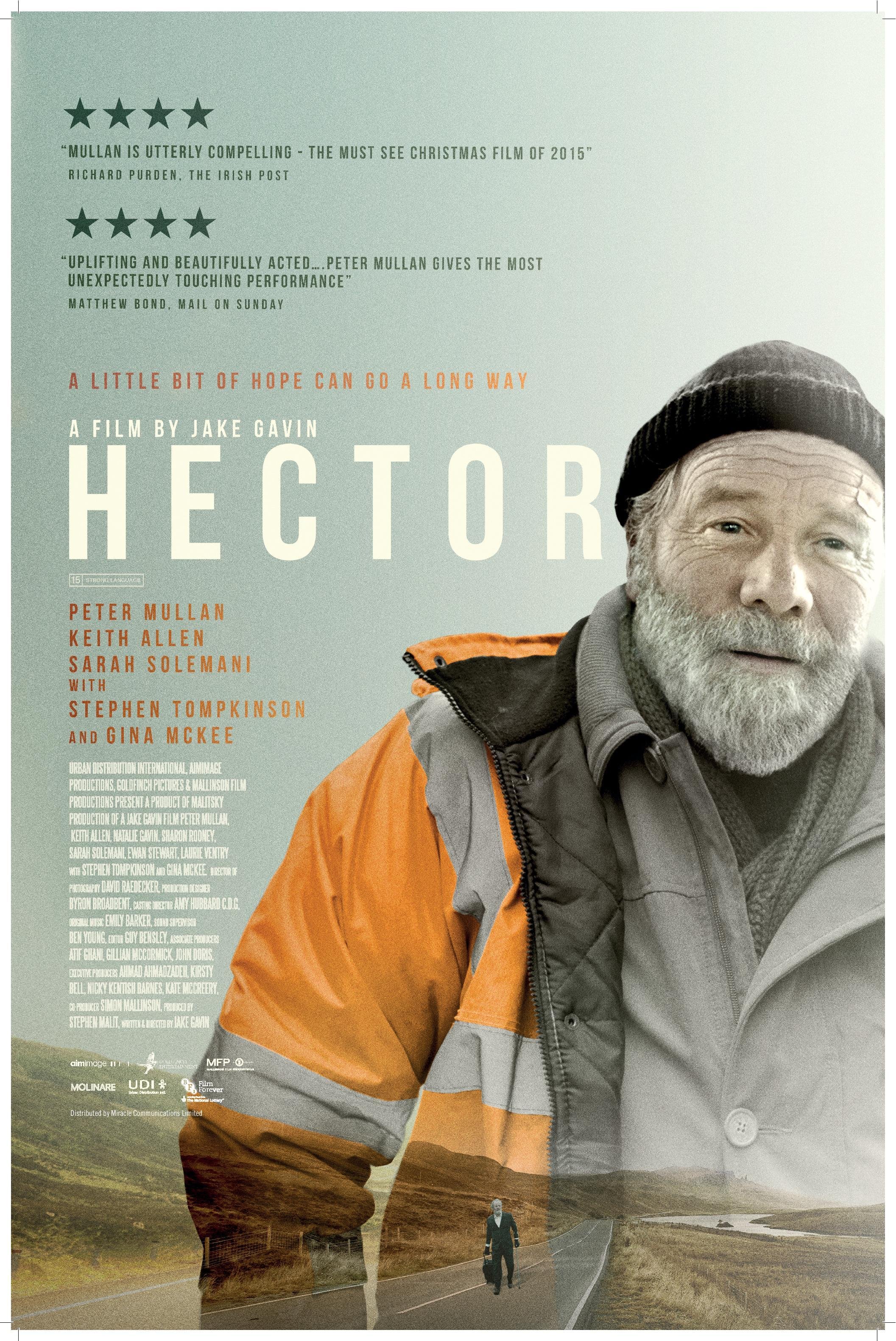
Share this:

  • Click to share on X (Opens in new window) X
  • Click to share on Facebook (Opens in new window) Facebook
  • More
  • Click to print (Opens in new window) Print
  • Click to email a link to a friend (Opens in new window) Email
Like Loading...

← Older posts
Newer posts →

Blog Stats

  • 492,352 hits

Recent Posts

  • 10 Reasons to Remember Bibi Andersson (1935-2019)
  • Fantasia (1940)
  • Dances With Wolves (1990) – The Special Edition
  • Kiss of the Spider Woman (1985)
  • The Three Musketeers (1973)

Top Posts & Pages

  • Lost for Life (2013)
    Lost for Life (2013)
  • "Science or no science, a girl's got to get her hair done" - 10 Female-centric Sci-fi Quotes from the 1950's
    "Science or no science, a girl's got to get her hair done" - 10 Female-centric Sci-fi Quotes from the 1950's
  • Cardboard Boxer (2016)
    Cardboard Boxer (2016)
  • For One (Stretched) Week Only: Australian Cinema - Part V
    For One (Stretched) Week Only: Australian Cinema - Part V
  • Poster of the Week - Werewolf of London (1935)
    Poster of the Week - Werewolf of London (1935)
  • Mini-Review: Kill Your Darlings (2013)
    Mini-Review: Kill Your Darlings (2013)
  • Stray Bullet (2010)
    Stray Bullet (2010)
  • Table 19 (2017)
    Table 19 (2017)
  • Carrie (2013)
    Carrie (2013)
  • The Human Centipede (First Sequence) (2009)
    The Human Centipede (First Sequence) (2009)
Follow thedullwoodexperiment on WordPress.com

Blogs I Follow

  • Rubbish Talk
  • Film 4 Fan
  • Fast Film Reviews
  • The Film Blog
  • All Things Movies UK
  • Interpreting the Stars
  • Let's Go To The Movies
  • Movie Reviews 101
  • TMI News
  • Dan the Man's Movie Reviews
  • Film History
  • Jordan and Eddie (The Movie Guys)

Archives

  • April 2019 (13)
  • March 2019 (28)
  • February 2019 (28)
  • January 2019 (32)
  • December 2018 (28)
  • November 2018 (30)
  • October 2018 (29)
  • September 2018 (29)
  • August 2018 (29)
  • July 2018 (30)
  • June 2018 (28)
  • May 2018 (24)
  • April 2018 (21)
  • March 2018 (31)
  • February 2018 (25)
  • January 2018 (30)
  • December 2017 (30)
  • November 2017 (27)
  • October 2017 (27)
  • September 2017 (26)
  • August 2017 (32)
  • July 2017 (32)
  • June 2017 (30)
  • May 2017 (29)
  • April 2017 (29)
  • March 2017 (30)
  • February 2017 (27)
  • January 2017 (32)
  • December 2016 (30)
  • November 2016 (28)
  • October 2016 (30)
  • September 2016 (27)
  • August 2016 (30)
  • July 2016 (30)
  • June 2016 (31)
  • May 2016 (34)
  • April 2016 (30)
  • March 2016 (30)
  • February 2016 (28)
  • January 2016 (35)
  • December 2015 (34)
  • November 2015 (31)
  • October 2015 (31)
  • September 2015 (34)
  • August 2015 (31)
  • July 2015 (33)
  • June 2015 (12)
  • May 2015 (31)
  • April 2015 (32)
  • March 2015 (30)
  • February 2015 (37)
  • January 2015 (39)
  • December 2014 (34)
  • November 2014 (34)
  • October 2014 (36)
  • September 2014 (25)
  • August 2014 (29)
  • July 2014 (29)
  • June 2014 (28)
  • May 2014 (23)
  • April 2014 (21)
  • March 2014 (42)
  • February 2014 (38)
  • January 2014 (29)
  • December 2013 (28)
  • November 2013 (34)
  • October 2013 (4)

Blog at WordPress.com.

Rubbish Talk

Film 4 Fan

A Movie Blog

Fast Film Reviews

The Film Blog

The official blog of everything in film

All Things Movies UK

Movie Reviews and Original Articles

Interpreting the Stars

Dave Examines Movies

Let's Go To The Movies

Film and Theatre Lover!

Movie Reviews 101

Daily Movie Reviews

TMI News

Latest weather, crime and breaking news

Dan the Man's Movie Reviews

All my aimless thoughts, ideas, and ramblings, all packed into one site!

Film History

Telling the story of film

Jordan and Eddie (The Movie Guys)

Movie Reviews & Ramblings from an Australian Based Film Fan

Privacy & Cookies: This site uses cookies. By continuing to use this website, you agree to their use.
To find out more, including how to control cookies, see here: Cookie Policy
  • Subscribe Subscribed
    • thedullwoodexperiment
    • Join 481 other subscribers
    • Already have a WordPress.com account? Log in now.
    • thedullwoodexperiment
    • Subscribe Subscribed
    • Sign up
    • Log in
    • Report this content
    • View site in Reader
    • Manage subscriptions
    • Collapse this bar
 

Loading Comments...
 

    %d